

Jambu Dwip
General information
-
Ideal Duration:
4 to 6 hours (Including boat travel and supervised observation time).Place Type:
Wildlife Sanctuary, Bird Watching, Island Eco-TourEntry Fees:
Access is regulated, requiring permits and covering boat charter costs.
Forest Department Permit Fee: Since Jambu Dwip is a protected forest reserve, any attempt to land or approach the island closely requires an official permit from the Forest Department or the lo...Access is regulated, requiring permits and covering boat charter costs.
Forest Department Permit Fee: Since Jambu Dwip is a protected forest reserve, any attempt to land or approach the island closely requires an official permit from the Forest Department or the local administration, which involves a nominal fee (variable, usually around INR 50 to INR 100 per person). This is not a simple entry ticket but a clearance fee that covers surveillance and conservation costs. Without this permit, visitors can only view the island from a significant distance in the open sea.
Boat Charter Cost: The most substantial cost is chartering the specialized local boat required to travel the 30 KMS to the island and back. Depending on the size of the boat and the duration of the trip (up to 6 hours), this cost is highly variable but can range from INR 3000 to INR 6000 for a group. This fee covers the fuel, the boatman s expertise, and the long duration of the sea journey, making it a more significant financial undertaking than local trips.Timing:
The timings are strictly controlled by the need for daylight, suitable tides, and permit restrictions.
Regular Timings for Departure: Boat trips to Jambu Dwip are only permitted during daylight hours and must depart very early, typically between 7:00 AM and 8:00 AM...The timings are strictly controlled by the need for daylight, suitable tides, and permit restrictions.
Regular Timings for Departure: Boat trips to Jambu Dwip are only permitted during daylight hours and must depart very early, typically between 7:00 AM and 8:00 AM, from the Fraserganj harbor or Namkhana to ensure enough time for the sea journey, observation, and a safe return before sunset. The journey itself can take up to 2. 5 hours each way. Any visit must be concluded by 4:00 PM to allow for the return journey before dark.
Ideal Visit Time - Low Tide and Bird Migration: The Ideal Visit Time is the Early Morning during the Winter Migration Season (November to February). The cool air and the soft light are ideal, and more importantly, the low tide coinciding with the morning hours offers the best views of the exposed mudflats where the migratory birds feed. The most critical factor is aligning the trip with the low tide for optimal bird watching, as the birds tend to disperse during high tide.Special Events:
The island's main "special event" is purely natural and seasonal.
Peak Winter Migration Period (The Avian Season): The most important annual 'event' is the peak of the Winter Bird Migration, typically occurring from Late November through February. During this peri...The island's main "special event" is purely natural and seasonal.
Peak Winter Migration Period (The Avian Season): The most important annual 'event' is the peak of the Winter Bird Migration, typically occurring from Late November through February. During this period, the island hosts its maximum population of migratory birds, transforming the mudflats into a dynamic, living spectacle of avian life. This natural occurrence is when bird watchers and researchers specifically target their visits, as the density and diversity of bird species are unmatched, offering a truly special natural phenomenon to witness. Post-Monsoon Forest Department Patrolling Intensification: Following the end of the heavy monsoon rains (September to October), the Forest Department significantly intensifies its patrols around Jambu Dwip to assess cyclone damage, check for unauthorized entry, and prepare the monitoring posts for the upcoming winter migration season. This period, while closed to tourists, is significant as it represents the official moment when the island is secured and prepared for its crucial ecological role in the coming year, highlighting the human effort required to keep the island pristine.Best Photo Spots:
The Flocking of Migratory Birds: The best spot is from the chartered boat, positioned at a safe distance from the shore. Use a high-powered telephoto lens (e. g. , 300 mm or greater) to capture the dense, dramatic flocking of the migratory gulls and waders on the mudflats. ...The Flocking of Migratory Birds: The best spot is from the chartered boat, positioned at a safe distance from the shore. Use a high-powered telephoto lens (e. g. , 300 mm or greater) to capture the dense, dramatic flocking of the migratory gulls and waders on the mudflats. Focus on capturing the collective movement of the birds as they take flight or feed, creating a textured pattern across the empty sand.
The Untouched Mangrove Coastline: From the sea, capture the long, unbroken line of the dark green Mangrove forest that forms the island's perimeter. This shot should emphasize the wild, untouched nature of the island. Frame the image so that the low-lying clouds or the vastness of the sea dominate the frame, using the mangrove line as a natural divider that illustrates the island's ecological boundary. This is best done in the soft, horizontal light of the morning.
The Trawler Fleet in the Surrounding Waters: Photograph the scene of the fishing trawlers anchored or working in the rich fishing waters near the island, maintaining a respectful distance. Use the large vessels as a powerful symbol of the local economy and the human interaction with the marine ecosystem, contrasting the tranquility of the uninhabited island with the busy industry that relies on the same sea. This is best photographed in the mid-morning light.Photo Gallery
Things To Do
-
Activities are heavily regulated and focused on controlled observation and boat-based touring of the island's perimeter.
Take a Chartered Boat Trip for Bird Watching: The primary activity is chartering a motorized boat from the Fraserganj harbor or Namkhana to circle or approach the authorized landing point of the island. This boat journey itself is an experience, taking several hours. Once near the island, the focus should be on bird watching. Use binoculars to observe the immense flocks of migratory birds feeding and nesting on the mudflats. Look for distinctive species like the Great Knot or the Spoon-billed Sandpiper. Photography should be done using a telephoto lens from the boat to avoid disturbing the fragile bird populations on the shore. Obtain Forest Department Permission for Supervised Landing: For a closer look, you must apply to the ...Activities are heavily regulated and focused on controlled observation and boat-based touring of the island's perimeter.
Take a Chartered Boat Trip for Bird Watching: The primary activity is chartering a motorized boat from the Fraserganj harbor or Namkhana to circle or approach the authorized landing point of the island. This boat journey itself is an experience, taking several hours. Once near the island, the focus should be on bird watching. Use binoculars to observe the immense flocks of migratory birds feeding and nesting on the mudflats. Look for distinctive species like the Great Knot or the Spoon-billed Sandpiper. Photography should be done using a telephoto lens from the boat to avoid disturbing the fragile bird populations on the shore. Obtain Forest Department Permission for Supervised Landing: For a closer look, you must apply to the Forest Department or the local authorities at Namkhana well in advance to secure permission for a supervised landing. If permitted, a forest guide will accompany you onto a specific, safe stretch of the beach. This activity allows a brief, controlled walk to appreciate the dense coastal vegetation and the untouched sand, offering a rare opportunity to step onto a highly protected piece of coastal geography. Respect all instructions given by the accompanying guard immediately.
Observe the Coastal and Marine Life from the Boat: While sailing to and around the island, focus on spotting the larger marine life that the rich waters sustain. You may occasionally spot a Dolphin or a large sea turtle near the surface, especially far from the mouth of the Hooghly River. The boat journey itself is an opportunity to appreciate the immense scale of the Bay of Bengal and the network of tidal channels that snake across the delta. The boat ride provides a unique perspective on the wild, isolated nature of the coastal reserve.
Photography of the Pristine Landscape: Use the boat trip to capture the expansive, unpolluted nature of the island. Focus on wide-angle shots of the dense Mangrove forest line rising out of the water, the vast, empty mudflats, and the dramatic coastal horizons. Capture the fishing trawlers in the distant waters, providing a sense of scale. The contrast between the dark green mangroves and the light gray of the sea and sand makes for compelling nature photography.
Learn About Coastal Conservation Efforts: If your boat guide or a local official is available, use the time to learn about the critical coastal conservation efforts being undertaken in the Sundarbans and its fringe islands. Ask about the threats posed by cyclones, erosion, and climate change, and how the Mangrove forests and protected status of Jambu Dwip help mitigate these dangers. This adds an educational and environmental awareness dimension to the sightseeing trip.
Hotels
● Hotel Amarabati
Address: Amrabati, Bakkhali, West Bengal 743357
Distance: 1.0 km
Details: Hotel Amarabati is a mid-range hotel providing a comfortable and homely stay in the heart of Bakkhali. It features well-maintained air-conditioned roo...
● Hotel Amarnath
Address: Fraserganj, Bakkhali, West Bengal 743357
Distance: 2.1 km
Details: Hotel Amarnath offers affordable accommodation in the Fraserganj region, perfect for those wanting to explore the nearby Jambu Dwip. The hotel feature...
● Hotel Annapurna
Address: Amrabati, Bakkhali, West Bengal 743357
Distance: 1.3 km
Details: Hotel Annapurna offers a simple, budget-friendly stay in the heart of Bakkhali. It is ideal for tourists visiting Jambu Dwip who are looking for a pla...
● Hotel Deepak
Address: Fraserganj, Bakkhali, West Bengal 743357
Distance: 2.0 km
Details: Hotel Deepak is a mid-range property located in a quiet area of Fraserganj, known for its clean rooms and cordial service. The hotel offers facilities...
● Hotel Inodoy
Address: Amrabati, Bakkhali, West Bengal 743357
Distance: 1.1 km
Details: Hotel Inodoy is a well-established mid-range hotel in Amrabati, perfect for a balanced vacation. It offers spacious rooms with air conditioning and mo...
● Hotel Mahamaya Palace
Address: Amrabati, Bakkhali, West Bengal 743357
Distance: 1.5 km
Details: Hotel Mahamaya Palace is a budget-friendly hotel offering a homely stay for visitors to Bakkhali. It features basic, clean, and comfortable rooms with...
● Icon Heritage Bakkhali
Address: Bakkhali, West Bengal 743357
Distance: 1.4 km
Details: Icon Heritage is a luxury retreat in Bakkhali, offering a seamless blend of comfort and elegance. Facilities include an outdoor swimming pool, complim...
● Sun Shine Inn
Address: Amrabati, Bakkhali, West Bengal 743357
Distance: 1.2 km
Details: Sun Shine Inn provides a delightful and budget-friendly stay with a touch of comfort. The hotel features cozy, well-lit rooms, efficient room service,...
● Tapama Resort
Address: Amrabati, Bakkhali, West Bengal 743357
Distance: 0.9 km
Details: Tapama Resort offers a budget-friendly and natural ambiance for travelers visiting the beautiful Jambu Dwip area. The resort provides clean and simple...
● YOUON Resort
Address: Bakkhali, West Bengal 743357
Distance: 1.6 km
Details: YOUON Resort is a tranquil escape offering a blend of relaxation and nature. It features comfortable cottage-style rooms, a lush garden, and a very ca...
Show AllInformation
-
Why Famous:
Jambu Dwip's fame rests on its unique natural status and its seasonal role in supporting global bird migration.
Major Winter Migratory Bird Habitat: It is most famous as one of the most significant wintering grounds for migratory birds along the eastern coast of In...Jambu Dwip's fame rests on its unique natural status and its seasonal role in supporting global bird migration.
Major Winter Migratory Bird Habitat: It is most famous as one of the most significant wintering grounds for migratory birds along the eastern coast of India. During the cool months (October to March), hundreds of thousands of birds, including various species of Gulls, Terns, Plovers, and Sandpipers, descend upon the island's pristine mudflats and quiet beaches. This sheer concentration of avian life makes it a major highlight for serious ornithologists and nature photographers across the subcontinent, drawing those specifically interested in the region's winter ecology.
Strictly Uninhabited and Protected Reserve: The island is renowned for its protected status as a dense forest reserve, preventing any permanent human habitation or commercial development. This commitment to preservation ensures that the natural ecology remains untouched, which is a rare status in the densely populated coastal areas of Bengal. This lack of human disturbance is crucial for the survival of its transient animal populations and is a powerful draw for eco-tourists who value untouched nature.
Pristine Coastal Mudflats and Beaches: The shores of Jambu Dwip are famous for their remarkable cleanliness and vast, exposed mudflats during low tide. These unpolluted expanses are vital feeding grounds for the Waders and other marine life. The experience of viewing these pristine landscapes from the boat, free from the noise and litter of populated beaches, is a primary reason why the island maintains its revered status among nature lovers. The beauty is in its wild, untamed nature. -
Architecture:
The island's architecture is minimalist and temporary, focused entirely on conservation and surveillance, not tourism or habitation.
Forest Department Camps and Watchpoints: The only permanent structures on Jambu Dwip are a few very basic, utilitarian Forest Depart...The island's architecture is minimalist and temporary, focused entirely on conservation and surveillance, not tourism or habitation.
Forest Department Camps and Watchpoints: The only permanent structures on Jambu Dwip are a few very basic, utilitarian Forest Department surveillance camps and check posts. These structures are typically small, single-story units built with reinforced concrete to be robust against tidal surges. They serve as accommodation for the forest guards and contain basic communication and monitoring equipment. These camps are intentionally inconspicuous, ensuring they do not disturb the ecological balance of the island. There is usually a simple, low Observation Deck or temporary wooden pier on the authorized landing spot to facilitate the mooring of surveillance boats and the controlled entry of officials.
Seasonal Fishermen Shelters: During the official fishing season, the island sometimes features temporary, makeshift shelters used by authorized fishing crews. These are extremely rudimentary structures built from bamboo and thatch and are dismantled at the end of the season. They are strictly functional, designed only to provide short-term cover for processing the catch and preparing for the next trip. The island's inherent lack of complex, permanent architecture underscores its status as an untouched natural reserve, prioritizing wildlife over human development. -
How To Reach:
Reaching Jambu Dwip is a multi-step process involving road, ferry, and a mandatory sea boat charter.
By Air: Fly to Netaji Subhas Chandra Bose International Airport (CCU) in Kolkata. Take a taxi or train to Namkhana Railway Station (NMKA). Cross the Hatania-Doani...Reaching Jambu Dwip is a multi-step process involving road, ferry, and a mandatory sea boat charter.
By Air: Fly to Netaji Subhas Chandra Bose International Airport (CCU) in Kolkata. Take a taxi or train to Namkhana Railway Station (NMKA). Cross the Hatania-Doania river by ferry to the Bakkhali side. The final leg involves hiring a chartered motorboat (trawler) either from Namkhana (for a potentially shorter sea route) or Fraserganj Fishing Harbour (closer to Bakkhali) for the 30 KMS sea journey to the island.
By Train: Take the local train from Sealdah South Section to Namkhana Railway Station (NMKA). From the station, take a local transport to the Namkhana boat ghat. At this ghat, you must negotiate and charter a dedicated motorboat for the long sea journey. Alternatively, travel to Bakkhali by bus/Toto, and arrange the boat charter from the Fraserganj Fishing Harbour (3 KMS from Bakkhali). This boat charter requires planning and is not a simple 'catch-as-you-go' local service.
By Road: Drive from Kolkata (125 KMS) to Namkhana, cross the vehicular ferry, and drive to the Fraserganj Fishing Harbour (30 KMS from the ferry ghat). Park your vehicle at the harbor. This is the nearest, most convenient point to negotiate and board a chartered boat for the final sea leg. The road journey itself is only to the embarkation point, and the sea journey takes several hours. The entire day must be allocated for this excursion.
By Local Transport (Boat Charter): The only way to reach the island is by chartered motorboat from Namkhana or Fraserganj. Arrange this trip the day before, ideally through your hotel or a reputable local agent who can also guide you on the necessary Forest Department permits. Shared boat services are generally not available, so you must bear the cost of chartering the entire vessel. Ensure the boat is sea-worthy and has life vests, and confirm the boatman is experienced with the tidal currents and the specific location of the island. -
Weather and Best Time to Visit:
The ideal period is strictly determined by safety, comfort, and the crucial presence of migratory birds.
Different Types of Seasons Topic Heading: The Best Time to Visit is the Winter Season (November to February). The cool, dry weather makes the long sea journey ...The ideal period is strictly determined by safety, comfort, and the crucial presence of migratory birds.
Different Types of Seasons Topic Heading: The Best Time to Visit is the Winter Season (November to February). The cool, dry weather makes the long sea journey comfortable and significantly increases the chance of clear, safe navigation. Crucially, this period coincides with the Peak Winter Bird Migration, making it the only time the island fulfills its primary role as a wildlife sanctuary for numerous avian species. The Monsoon Season (June to October) is the worst time due to extremely rough seas, cyclonic weather threats, and the practical impossibility of chartering safe boats, often leading to a complete shutdown of all sea excursions to the island.
Different Parts of the Day Topic Heading: The best time of the day is the Early Morning and the Late Morning (7:00 AM to 11:00 AM). Boats must depart early to catch the optimal light for photography and bird activity. The Early Morning light is gentle and perfect for long-distance bird photography. Furthermore, the early departure ensures the boat returns safely to the harbor well before sunset. The trip is a full-day commitment, starting early and returning by mid-afternoon (3:00 PM to 4:00 PM). -
Near Tourist Places:
Serial No. Primary Spot Nearby Tourist Place (10) Distance (KMS) 4 Jambu Dwip Fraserganj Fishing Harbour 30 KMS (Boat) Bakkhali Beach 35 KMS (Boat + Road) Henry's Island 32 KMS (Boat + Road) Sagar Island (Ganga Sagar) 35 KMS (Across the sea) Namkhana (Ferry Ghat) 28 KMS (Boat) Bishhalakshmi Temple 36 KMS (Boat + Road) Kargil Beach 33 KMS (Boat + Road) Lekha's Garden (Nursery) 39 KMS (Boat + Road) Fraserganj Wind Park 31 KMS (Boat + Road) Bhagabatpur Crocodile Project 45 KMS (Boat + Road)
Tourism Tips
-
Health & Safety Life Jackets are Mandatory: Ensure the chartered boat provides adequate life jackets for all passengers and that the boat and crew are properly registered. The sea journey can be unpredictable.
Sea Sickness: Carry medication...Health & Safety Life Jackets are Mandatory: Ensure the chartered boat provides adequate life jackets for all passengers and that the boat and crew are properly registered. The sea journey can be unpredictable.
Sea Sickness: Carry medication for sea sickness if you are prone to it, as the sea can be choppy even on calm days.
Emergency Contact: Always inform your hotel or local contacts about your itinerary, including the name of the boatman and your expected return time, as cellular connectivity can be sporadic in the open sea.
Packing Camera and Binoculars: This is a dedicated wildlife trip, so high-powered binoculars and a telephoto lens for your camera are essential.
Warm Clothes: Even in the daytime, the sea breeze on the boat can be chilly, especially in winter; pack a warm, wind-resistant jacket or sweater.
Food and Water: There are no food or water facilities on the island; pack sufficient food, snacks, and water for the entire 6-hour excursion, including the travel time.
Accommodation No Accommodation: There are no public accommodation facilities on Jambu Dwip itself due to its protected status. All tourists must stay in the main tourist lodges in Bakkhali or Henry's Island and plan the trip as a full-day excursion from there.
Lodge Assistance: It is highly recommended to seek assistance from your hotel or a reputable local agent in Bakkhali to arrange the boat charter and any necessary permits.
Other Different Topics Heading:
Respect the Reserve: Jambu Dwip is a protected wildlife sanctuary. Strictly adhere to the instructions of the boatman and forest guard. Do not litter, disturb the birds, or attempt to collect any shells, plants, or specimens.
Permit Status: Confirm that all necessary Forest Department permits are secured before embarking on the trip to avoid being turned back mid-sea or facing penalties.
Cash: Carry enough cash to cover the pre-negotiated boat charter cost, as there are no payment facilities near the departure points.
Reviews
FAQs
Ans:- No, landing on Jambu Dwip is strictly prohibited as it is a protected forest reserve under the Indian Forest Act to conserve delicate mudflats and bird habitats.Ans:- You can view the island from a boat during a nature cruise, which is often permitted to support conservation, but you cannot set foot on the island itself.Ans:- It is a vital ecological zone that serves as a safe nursery for sea life, rare birds, and red crabs, acting as a natural storm barrier for the coastline.Ans:- You should arrange a boat trip from the Fraserganj jetty, which is easily accessible from Bakkhali by local transport, ensuring you comply with all local forest department rules.Ans:- Yes, there is typically a nominal entry or conservation fee, usually ranging between ₹50 to ₹100 per person, which contributes to the protection of the sanctuary area.Ans:- No, there are absolutely no hotels, shops, or tourist facilities on the island because it is a protected nature reserve meant to remain in its wild state.Ans:- Attempting to land or walk on the sand is illegal and harmful to the environment; please respect the regulations by staying on your boat during your visit.Ans:- During a boat trip, you can observe migrating birds, various species of fish in the surrounding waters, and thousands of red crabs along the shoreline mudflats.Ans:- While it shares ecological characteristics with the Sundarbans as a deltaic island, it is a distinct, smaller protected forest area located off the coast of Bakkhali.Ans:- The winter months, specifically between October and March, offer the most pleasant weather for a boat trip when the sea is calm and migratory birds are present.Ans:- Always check weather and tide conditions with your local boat operator and ensure you wear a life jacket, as the Bay of Bengal waters can be unpredictable.Ans:- You may bring supplies on your boat, but you must ensure that no trash is left behind or discarded into the water to protect the island's pristine environment.Ans:- Yes, photography from the boat is generally encouraged, allowing you to capture the scenic beauty of the mangroves and the wildlife from a respectful, safe distance.Ans:- Jambu Dwip is located approximately 8 kilometers offshore from the main Bakkhali beach, making it a relatively short and accessible boat ride for nature enthusiasts.Ans:- Avoid making loud noises, trying to feed wildlife, or requesting your boatman to land on the island, as these actions violate the law and disturb the ecosystem.Bakkhali Itineray And Cost:-
Information about New and Updated Locations() of West Bengal Has Been Added :-
Card subtitle
Note:-
Information provided here in good Faith and for reference only.
Near Places

Bakkhali Beach
Some quick example text to build on the card title and make up the bulk of the card's content.
Go somewhere
Bhagabatpur Crocodile Breeding Project
Some quick example text to build on the card title and make up the bulk of the card's content.
Go somewhere
Bishhalakshmi Temple
Some quick example text to build on the card title and make up the bulk of the card's content.
Go somewhere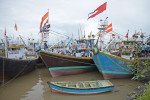
Fraserganj Fishing Harbour
Some quick example text to build on the card title and make up the bulk of the card's content.
Go somewhere
Fraserganj Wind Park
Some quick example text to build on the card title and make up the bulk of the card's content.
Go somewhere
Henry's Island
Some quick example text to build on the card title and make up the bulk of the card's content.
Go somewhere
Jambu Dwip
Some quick example text to build on the card title and make up the bulk of the card's content.
Go somewhere
Kalisthan
Some quick example text to build on the card title and make up the bulk of the card's content.
Go somewhere
Kargil Beach
Some quick example text to build on the card title and make up the bulk of the card's content.
Go somewherein Other Cities