...

FAQs On Bhagabatpur Crocodile Breeding Project

Bakkhali, West Bengal, India
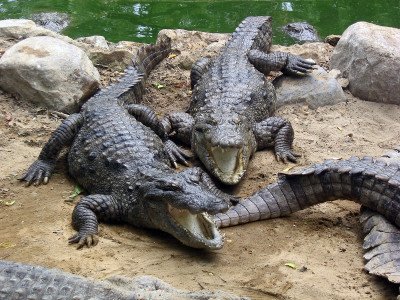
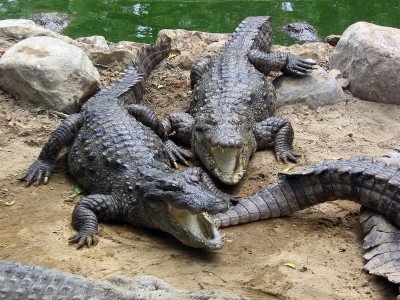
The Bhagabatpur Crocodile Breeding Project is the closest and most significant dedicated wildlife conservation center to the Bakkhali-Fraserganj area, making it a critical, though slightly distant, place of interest. It is primarily a hatchery and a protected environment dedicated to the conservatio n and captive breeding of the endangered Estuarine or Saltwater Crocodile (Crocodylus porosus). This project is one of the few places in West Bengal where you can safely observe these powerful reptiles in a semi-natural setting without venturing deep into the unpredictable core area of the Sundarbans National Park. The center serves a vital role in protecting the species by collecting eggs from the wild, incubating them in a controlled environment, and rearing the hatchlings until they are large enough to be released back into their natural habitat in the Sunderbans delta. Visitors can walk along the fenced enclosures and observation decks to view the crocodiles, which range in size from tiny hatchlings to large, mature adults. The journey to the center is an adventure itself, requiring a boat trip through the meandering tidal creeks, offering a first-hand view of the intricate Mangrove forests that define the delta region. A visit here is not merely sightseeing, but an educational experience focused on environmental stewardship and the crucial efforts required to preserve the delta's fragile biodiversity.

Ans:- The Bhagabatpur Crocodile Breeding Project is a unique wildlife conservation center located in the Sundarbans mangrove forest, dedicated to the protection and breeding of saltwater crocodiles. It is one of the very few such projects in India and serves as a vital facility for scientific research and conservation efforts. Visitors can observe crocodiles of various ages, from hatchlings to large adults, in their naturalized enclosures. The project aims to restore the crocodile population in the wild while educating the public about the importance of these magnificent reptiles within the delicate Sundarbans ecosystem.

Ans:- The most popular and exciting way to reach the Bhagabatpur Crocodile Breeding Project is by hiring a private boat from the Namkhana ghat or from the Bakkhali area. The journey through the winding creeks of the Sundarbans is an experience in itself, offering glimpses of the lush mangrove vegetation and, if you are lucky, other wildlife. It is advisable to arrange your boat trip through recognized tour operators or your hotel to ensure a safe and reliable journey. Ensure you start your journey early in the morning to maximize your time at the project site.

Ans:- The Bhagabatpur Crocodile Breeding Project specifically focuses on the breeding and conservation of the saltwater crocodile (Crocodylus porosus). These are the largest living reptiles in the world and are native to the Sundarbans estuarine environment. The center provides a protected environment where these crocodiles can mate, nest, and hatch their eggs safely away from predators and human interference. The project plays a crucial role in maintaining the population of this species, which faces threats from habitat loss and human-wildlife conflict in the wild, ensuring the survival of these iconic creatures for future generations.

Ans:- Yes, there is a nominal entry fee for visiting the Bhagabatpur Crocodile Breeding Project. This fee is used to support the maintenance of the facility and the ongoing conservation efforts. The exact amount may vary slightly depending on whether you are a domestic or international tourist. It is always a good idea to check the current rates with local tourist guides or at your hotel reception before starting your journey. Be prepared to pay in cash as digital payment options might not be reliably available in this remote forest area, and always keep your ticket safe.

Ans:- The Bhagabatpur Crocodile Breeding Project is typically open to the public during daylight hours, usually from morning until late afternoon. It is essential to visit during these times not only for the best visibility but also to ensure you can return before sunset, as navigating the waterways of the Sundarbans after dark can be dangerous and is often prohibited for tourist boats. Always plan to arrive well before the closing time to have sufficient time to explore the enclosures, learn from the exhibits, and enjoy the scenic natural surroundings without feeling rushed.

Ans:- No, visitors are not allowed to interact with the crocodiles. The project is a serious conservation facility, and the animals are kept in secure, protected enclosures to ensure both their safety and the safety of the visitors. The crocodiles are wild animals and can be extremely dangerous. Visitors are restricted to designated viewing areas where they can observe the animals safely from a distance. Respecting these boundaries is crucial for the safety of all and is a fundamental rule of wildlife tourism that must be followed during your visit to the breeding center.

Ans:- While the main focus of the Bhagabatpur center is the saltwater crocodile, the site is situated within the heart of the Sundarbans, meaning visitors can often spot a variety of other wildlife. You might see different species of birds, monitor lizards, and sometimes even deer or monkeys in the surrounding mangrove area. The journey to the project by boat also offers excellent opportunities for birdwatching and spotting other coastal fauna. The rich biodiversity of the Sundarbans makes even the journey to the crocodile project a rewarding wildlife-spotting excursion for nature enthusiasts and photographers.

Ans:- Yes, it is perfectly safe to visit the Bhagabatpur Crocodile Breeding Project as long as you follow the instructions provided by the staff and your boat operator. The viewing areas are fenced and designed to keep visitors at a safe distance from the crocodiles. When traveling by boat, ensure you are using a licensed operator and wear your life jacket at all times. Do not wander off into the dense forest areas alone; always stay with your guide or within the designated tourist zones to avoid any unexpected encounters with the local wildlife.

Ans:- The facilities at the Bhagabatpur Crocodile Breeding Project are quite basic. While there might be rudimentary restroom facilities, it is advisable not to expect modern amenities. It is a good idea to carry your own hand sanitizer and tissue paper. Since the area is remote and ecologically sensitive, amenities are limited. Plan accordingly and try to manage your needs before embarking on the boat journey, or check with your tour operator about the best stops along the way. Bringing your own supply of drinking water and necessary personal items is always recommended for such trips.

Ans:- For a trip to the Bhagabatpur Crocodile Breeding Project, it is best to wear light, comfortable clothing, preferably in neutral colors that blend well with nature, such as olive, beige, or brown. Avoid bright, flashy colors that might disturb the wildlife. Sturdy, closed-toe walking shoes are highly recommended as you may need to walk on forest trails or muddy paths. A hat or cap is essential for sun protection, and keeping a light jacket or rain gear can be helpful depending on the season and the unpredictable weather conditions of the Sundarbans.

Ans:- Yes, photography is allowed inside the Bhagabatpur Crocodile Breeding Project, and it is a wonderful place to take pictures of the crocodiles and the beautiful surrounding mangroves. However, please ensure you do not use camera flashes, as this can startle or stress the animals. Be mindful of the safety barriers and do not attempt to get closer for a better shot. It is a fantastic opportunity to document these rare creatures and the conservation efforts, so bring your camera or phone, but always prioritize the well-being of the animals over getting the perfect photograph.

Ans:- A typical visit to the Bhagabatpur Crocodile Breeding Project usually takes about 1 to 2 hours once you arrive at the location. This is sufficient time to walk through the viewing areas, observe the crocodiles, and learn about the breeding project from the informative exhibits. However, you must factor in the travel time to and from the site, which depends on your boat speed and the tides. A full-day excursion is generally planned, incorporating the boat journey, the visit to the project, and time to enjoy the scenic beauty of the Sundarbans.

Ans:- While there may not always be formal, professional guides standing by at the entrance, many tourists arrange for a local guide to accompany them from their hotel or the boat ghat. These local guides are often very knowledgeable about the Sundarbans, the crocodile project, and the local flora and fauna. Having a guide is highly recommended, as they can explain the significance of the project, help you spot wildlife you might otherwise miss, and ensure you follow safety rules while navigating the area. Coordinate with your boat operator or hotel for guide arrangements.

Ans:- There are no restaurants or food stalls inside the Bhagabatpur Crocodile Breeding Project, and options are extremely limited in the immediate vicinity. It is essential that you carry your own food and sufficient drinking water for the entire trip. Pack light, non-perishable snacks like sandwiches, fruits, or dry food that you can easily consume during your visit. Make sure to carry a bag to collect all your trash, as maintaining the cleanliness of this fragile forest ecosystem is everyone's responsibility. Leave the area exactly as you found it, pristine and litter-free.

Ans:- In case of an emergency during your visit to the Bhagabatpur Crocodile Breeding Project, the most important thing is to alert your boat operator or your local guide immediately, as they are equipped to handle local challenges and have communication channels. It is essential to have a fully charged mobile phone and to keep the contact details of your hotel or tour operator handy. Since this is a remote forest area, professional medical help may not be immediately available, so prioritize your safety, follow instructions, and avoid taking unnecessary risks during your excursion in the wild.
Information about New and Updated Locations() of West Bengal Has Been Added :-
Card subtitle

Note:-

Information provided here in good Faith and for reference only.

All information and pictures will be updated soon, please keep visiting.

Near Places
...
Bakkhali Beach

Some quick example text to build on the card title and make up the bulk of the card's content.

Go somewhere
...
Bhagabatpur Crocodile Breeding Project

Some quick example text to build on the card title and make up the bulk of the card's content.

Go somewhere

...
Bishhalakshmi Temple

Some quick example text to build on the card title and make up the bulk of the card's content.

Go somewhere
...
Fraserganj Fishing Harbour

Some quick example text to build on the card title and make up the bulk of the card's content.

Go somewhere

...
Fraserganj Wind Park

Some quick example text to build on the card title and make up the bulk of the card's content.

Go somewhere

...
Henry's Island

Some quick example text to build on the card title and make up the bulk of the card's content.

Go somewhere

...
Jambu Dwip

Some quick example text to build on the card title and make up the bulk of the card's content.

Go somewhere
...
Kalisthan

Some quick example text to build on the card title and make up the bulk of the card's content.

Go somewhere
...
Kargil Beach

Some quick example text to build on the card title and make up the bulk of the card's content.

Go somewhere
in Other Cities