

Kalisthan
General information
-
Ideal Duration:
1 to 2 hoursPlace Type:
Temple, Spiritual, Religious SpotEntry Fees:
No Compulsory Entry Fee: There is absolutely no compulsory entry fee to visit Kalisthan. Like most temples in India, it operates on the principle of open access for all devotees and visitors, regardless of faith. The spiritual experience and the right to seek blessings fro...No Compulsory Entry Fee: There is absolutely no compulsory entry fee to visit Kalisthan. Like most temples in India, it operates on the principle of open access for all devotees and visitors, regardless of faith. The spiritual experience and the right to seek blessings from the Goddess are freely available to everyone. You do not need a ticket or to pay any gate charges to walk into the complex and offer your prayers or simply observe the proceedings.
Donations and Offerings: While entry is free, the temple's maintenance, the priest's livelihood, and the cost of daily rituals are sustained entirely by voluntary donations from devotees. There are dedicated donation boxes or Hundi inside the complex. A small voluntary contribution is always welcome and appreciated, but it is purely optional. The amount is at the discretion of the visitor. Remember that purchasing flowers or prasad from the nearby vendors is a separate transaction that supports the local economy, not the temple directly.
Special Puja and Camera Charges: If you request the priest to perform a special puja on your behalf (e. g. , a specific archana or homa), a minimal charge may apply to cover the cost of special materials like oil, clarified butter (ghee), or specific herbs. This is a fee for the service and materials, not an entry fee. For professional or commercial photography and videography, especially large crews, it is highly recommended and sometimes mandatory to seek prior permission from the local management committee, which may levy a nominal charge to manage disruption.
Timing:
Regular Timings: Kalisthan generally operates with the following opening and closing hours. The temple opens early in the morning, typically around 6:00 AM, to allow for the initial morning rituals and the influx of local fishermen starting their day. The main doors usuall...Regular Timings: Kalisthan generally operates with the following opening and closing hours. The temple opens early in the morning, typically around 6:00 AM, to allow for the initial morning rituals and the influx of local fishermen starting their day. The main doors usually close for a short period in the afternoon (often between 1:00 PM and 4:00 PM) and then reopen for the evening aarti and worship, remaining open until around 9:00 PM or 9:30 PM. These times can be slightly flexible depending on the season and the local priest's routine.
Ideal Visit Time: The single most ideal time to visit Kalisthan is during the evening aarti, which occurs just at sunset (around 6:00 PM to 7:00 PM). This is when the spiritual energy is at its peak, the lighting is most dramatic, and the community gathers, offering a vibrant cultural glimpse. If you prefer quiet contemplation, the early morning hours, right after opening (around 7:00 AM), are best, offering peace and fewer crowds before the day's activities begin in Bakkhali.
Seasonal Variation and Festival Hours: During major festivals like Kali Puja or Durga Puja (typically in the Autumn months of October and November), the temple operates continuously, sometimes remaining open all night for special rituals and gatherings. On these festival days, expect significant crowds, but the experience is uniquely intense and memorable due to the sheer volume of devotion on display. Always check locally for the precise schedule during these auspicious periods.
Special Events:
Kali Puja and Diwali Celebrations: The most significant event at Kalisthan is the annual Kali Puja, which typically falls in the Hindu month of Kartik (October/November), coinciding with the festival of Diwali. The temple comes alive during this time. The celebration invol...Kali Puja and Diwali Celebrations: The most significant event at Kalisthan is the annual Kali Puja, which typically falls in the Hindu month of Kartik (October/November), coinciding with the festival of Diwali. The temple comes alive during this time. The celebration involves elaborate pujas that last through the night, accompanied by devotional songs (bhajans) and the recitation of sacred texts. Special offerings, including animal sacrifices (if the tradition is followed at this specific shrine, which should be verified locally, though mostly symbolic now) or bali (vegetarian substitute), are often performed. The entire area is decorated with thousands of clay lamps (diyas) and strings of colorful lights, making the rustic temple look extraordinarily divine.
Durga Puja and Bijoya Dashami Festivities: While the primary deity is Kali, the spirit of Durga Puja (September/October) also infuses the temple. On Bijoya Dashami, the final day of Durga Puja, many locals visit Kalisthan to offer their respects and seek blessings before immersing the idols of Goddess Durga in the sea. This period sees a massive influx of local villagers who come dressed in their finest attire, creating a vibrant, festive atmosphere. Special community meals (bhog) are often prepared and distributed to hundreds of devotees on these auspicious days, which is a beautiful tradition to witness and participate in.
Best Photo Spots:
The Temple Fa ade at Dusk: The main exterior of Kalisthan, with its simple design and brightly painted accents, provides a perfect subject, especially during the Golden Hour. The best time is just after sunset, when the artificial lights of the temple start to glow, contras...The Temple Fa ade at Dusk: The main exterior of Kalisthan, with its simple design and brightly painted accents, provides a perfect subject, especially during the Golden Hour. The best time is just after sunset, when the artificial lights of the temple start to glow, contrasting beautifully with the deep blue or orange sky. Capturing the archway entrance with the single, heavy brass bell and the devotees entering creates a powerful, timeless image. Position yourself slightly off-center to frame the structure against the vast, open background.
Close-Up of Ritual Items: Inside the covered area or near the offering spots, look for detailed shots of the various ritual items. These include the intricate brass oil lamps, the piles of vibrant red Hibiscus flowers, the traditional brass puja thalis (platters), and the smoke from the fragrant incense sticks (agarbatti). A macro shot of the sindoor (vermilion) paste or a pile of fresh marigold garlands conveys the texture and color that are central to the worship. These close-ups capture the essence of devotion.
Devotees in Prayer: Candid photography of the local people in deep prayer is highly rewarding, though it requires immense respect and discretion. Focus on the expressions of faith the folded hands, the bowed heads, or a child ringing the temple bell. The figures of the fishermen, with their rugged features softened by devotion, make for compelling human-interest stories. Always ask for permission if you are focusing on an individual. The low-angle shot of a person bowing before the main altar is particularly impactful.
Temple Bell and the Banyan Tree: The large, aged bell hanging near the entrance, often marked by years of oxidization and the touch of thousands of hands, is a potent symbol. Capture its texture. Also, the ancient Banyan tree with its thick, tangled roots and threads tied by wish-makers provides a wonderful frame. Use the light filtering through the leaves to create dramatic shadows and highlights, emphasizing the tree's age and spiritual weight.
Photo Gallery
Things To Do
-
Participate in the Daily Puja and Aarti: One of the most enriching experiences at Kalisthan is to actively participate in or observe the daily worship rituals. The main puja (worship) typically occurs in the morning (around 9:00 AM to 10:00 AM) and the aarti (light offering) in the evening (Sunset, typically around 6:00 PM to 7:00 PM). During the aarti, the atmosphere is electric. The rhythmic ringing of bells, the deep tones of the shankha (conch shell), and the synchronized chanting of mantras create a powerful, immersive spiritual experience. Visitors can join the crowd, clap along, and stand in silent contemplation as the priest waves the ornate lamp before the Goddess.
Offering Flowers and Sweets: A fundamental act of devotion is making an offering. Visitors can purchase fresh flowers, garlands (usually of Hibiscus or ...Participate in the Daily Puja and Aarti: One of the most enriching experiences at Kalisthan is to actively participate in or observe the daily worship rituals. The main puja (worship) typically occurs in the morning (around 9:00 AM to 10:00 AM) and the aarti (light offering) in the evening (Sunset, typically around 6:00 PM to 7:00 PM). During the aarti, the atmosphere is electric. The rhythmic ringing of bells, the deep tones of the shankha (conch shell), and the synchronized chanting of mantras create a powerful, immersive spiritual experience. Visitors can join the crowd, clap along, and stand in silent contemplation as the priest waves the ornate lamp before the Goddess.
Offering Flowers and Sweets: A fundamental act of devotion is making an offering. Visitors can purchase fresh flowers, garlands (usually of Hibiscus or Marigold), and prasad (sanctified food, often laddoos or other Bengali sweets) from small stalls located just outside the temple gate. Presenting these offerings at the altar is a gesture of respect and faith. The priests are usually very helpful and will guide you through the process, even if you are unfamiliar with Hindu customs. Receiving a small portion of the prasad back from the priest is considered a blessing and a way to share in the divine energy of the temple.
Moments of Silent Meditation and Reflection: The temple's location, slightly away from the bustling main beach, makes it perfect for introspection. Find a quiet corner within the temple courtyard or sit on the steps outside. The gentle roar of the ocean waves serves as a natural backdrop for meditation. Many devotees simply sit, close their eyes, and connect with the serene power of the Goddess. This is an excellent opportunity to step away from the noise of tourist life and engage in personal, spiritual reflection. The absence of heavy commercialization here ensures the peaceful environment is largely preserved.
Engaging with the Local Community: Kalisthan is a community temple, and the local fishermen and their families are always present. Engaging in a simple, respectful conversation with them can offer deep insights into the local culture, their relationship with the sea, and the temple s history. They often share fascinating local legends about the temple and the sea. Remember to be polite and seek permission before taking pictures of the locals, especially the older women who are often involved in the temple s upkeep. This interaction transforms a simple temple visit into a cultural exchange.
Exploring the Adjacent Village Stalls: Although the temple itself is simple, a few temporary or permanent stalls usually set up shop nearby, especially during peak seasons. These stalls sell items related to the temple religious books, small souvenirs of Goddess Kali, local handicrafts, and traditional snacks. Purchasing an item not only provides a memento but also directly supports the local villagers' economy. Look out for the unique shell crafts and simple, hand-stitched toys that are specific to the coastal region of Bakkhali.
Coastal Walk and Nature Observation: Since the temple is close to the secondary beach area of Bakkhali, plan a short walk along the sand or the coastal path immediately after your visit. The area is less crowded, offering excellent views of the vast sea. You can observe local flora and fauna, particularly the variety of seabirds and small crustaceans that inhabit the intertidal zone. This combination of spiritual nourishment at the temple followed by a refreshing walk along the Bay of Bengal provides a complete and rejuvenating experience for the body and mind. The entire ritual of visiting the temple and then seeking the calm of the sea is a traditional pilgrimage pattern for many who come here.
Hotels
● Hotel Amarabati
Address: Amrabati, Bakkhali, West Bengal 743357
Distance: 1.2 km
Details: Hotel Amarabati is a mid-range hotel providing a comfortable and homely stay in the heart of Bakkhali. It features well-maintained air-conditioned roo...
● Hotel Amarnath
Address: Fraserganj, Bakkhali, West Bengal 743357
Distance: 2.5 km
Details: Hotel Amarnath offers affordable accommodation in the Fraserganj region, perfect for those wanting to explore the nearby Kalisthan. The hotel features...
● Hotel Annapurna
Address: Amrabati, Bakkhali, West Bengal 743357
Distance: 1.5 km
Details: Hotel Annapurna offers a simple, budget-friendly stay in the heart of Bakkhali. It is ideal for tourists visiting the Kalisthan temple who are looking...
● Hotel Deepak
Address: Fraserganj, Bakkhali, West Bengal 743357
Distance: 2.2 km
Details: Hotel Deepak is a mid-range property located in a quiet area of Fraserganj, known for its clean rooms and cordial service. The hotel offers facilities...
● Hotel Inodoy
Address: Amrabati, Bakkhali, West Bengal 743357
Distance: 1.3 km
Details: Hotel Inodoy is a well-established mid-range hotel in Amrabati, perfect for a balanced vacation. It offers spacious rooms with air conditioning and mo...
● Hotel Mahamaya Palace
Address: Amrabati, Bakkhali, West Bengal 743357
Distance: 1.7 km
Details: Hotel Mahamaya Palace is a budget-friendly hotel offering a homely stay for visitors to Bakkhali. It features basic, clean, and comfortable rooms with...
● Icon Heritage Bakkhali
Address: Bakkhali, West Bengal 743357
Distance: 1.8 km
Details: Icon Heritage is a luxury retreat in Bakkhali, offering a seamless blend of comfort and elegance. Facilities include an outdoor swimming pool, complim...
● Sun Shine Inn
Address: Amrabati, Bakkhali, West Bengal 743357
Distance: 1.4 km
Details: Sun Shine Inn provides a delightful and budget-friendly stay with a touch of comfort. The hotel features cozy, well-lit rooms, efficient room service,...
● Tapama Resort
Address: Amrabati, Bakkhali, West Bengal 743357
Distance: 1.0 km
Details: Tapama Resort offers a budget-friendly and natural ambiance for travelers visiting the beautiful Kalisthan region. The resort provides clean and simpl...
● YOUON Resort
Address: Bakkhali, West Bengal 743357
Distance: 1.8 km
Details: YOUON Resort is a tranquil escape offering a blend of relaxation and nature. It features comfortable cottage-style rooms, a lush garden, and a very ca...
Show AllInformation
-
Why Famous:
Kalisthan is renowned not for its size, but for its profound spiritual significance and its strategic location near the sea.
Divine Protection for Fishermen: The temple s primary fame comes from its role as the protector of the local fishing community. The fisherm...Kalisthan is renowned not for its size, but for its profound spiritual significance and its strategic location near the sea.
Divine Protection for Fishermen: The temple s primary fame comes from its role as the protector of the local fishing community. The fishermen of Bakkhali and Fraserganj view Goddess Kali here as the guardian of the sea. Before the fishing season begins, and often before every major trip, boats are ritually consecrated, and offerings are made at Kalisthan. This belief in the Goddess's power to calm storms and ensure a plentiful catch is deeply ingrained, making the temple a vital part of their daily livelihood and culture. The consistent use and reverence by this large community amplify the temple's fame.
Spiritual Energy and Fulfillment: Devotees believe the idol at Kalisthan is exceptionally jagrata, or awakened, meaning prayers offered here are quickly answered. It is a place sought out by those needing strength and solace. Many stories circulate among the locals about miracles and wishes being fulfilled after sincere prayers at the shrine. This reputation for potency draws pilgrims from all over West Bengal, especially those who follow the tradition of Shaktism, which worships the Divine Mother. This consistent flow of pilgrims contributes significantly to its fame, establishing it as a must-visit spiritual destination near the beach. The simple, non-commercial atmosphere enhances the feeling of authentic, raw spirituality that visitors often report.
-
Architecture:
The architecture of Kalisthan is characteristic of traditional, small Bengali temples, emphasizing functionality and devotion over elaborate display.
Primary Structure and Material: The main temple structure is primarily built using brick and concrete, finished wit...The architecture of Kalisthan is characteristic of traditional, small Bengali temples, emphasizing functionality and devotion over elaborate display.
Primary Structure and Material: The main temple structure is primarily built using brick and concrete, finished with a coat of white and saffron paint colors typically associated with purity and devotion in Hindu temples. The roof is usually a modest, slightly curved structure, reminiscent of the chala style seen in Bengal s village architecture, though simplified. The walls are thick, providing coolness inside the inner sanctum, or garbhagriha. The exterior features simple, painted depictions of deities or traditional Bengali motifs rather than intricate stone carvings found in larger, older temples.
Design and Dimension: The temple's overall design is rectangular. The entire functional complex, including the prayer hall and the main shrine, occupies an area of approximately 20 meters in length and 15 meters in width. The main shrine housing the idol is a cube-like structure, roughly 3. 5 meters high, 3 meters wide, and 4 meters deep. This specific dimension ensures that the space remains intimate, concentrating the energy of the prayers. A low boundary wall encircles the complex, offering a sense of sacred enclosure without isolating it from the community. A simple, tiled path leads from the road to the entrance. The idol itself is often made of clay or stone, adorned with vibrant cloths and jewelry. The focus is entirely on the murti (idol) of Goddess Kali, rather than the building's complexity. The architecture reflects the humble and sincere faith of the local fishing population who built and maintain it.
-
How To Reach:
By Air: The nearest major international and domestic airport is Netaji Subhas Chandra Bose International Airport (CCU) in Kolkata. This airport is approximately 145 KMS away from Bakkhali.
From CCU, travelers have two main options: hire a d...By Air: The nearest major international and domestic airport is Netaji Subhas Chandra Bose International Airport (CCU) in Kolkata. This airport is approximately 145 KMS away from Bakkhali.
From CCU, travelers have two main options: hire a direct pre-booked taxi or cab (which takes about 4 to 5 hours, depending on traffic, particularly while crossing Kolkata's suburbs), or take a local taxi or bus to Sealdah railway station or Esplanade bus depot to continue the journey By Train or By Road, respectively. Direct chartered helicopter services are not usually an option, making road travel the most practical continuation after landing in Kolkata.
By Train: The nearest major railway station is Namkhana railway station, which is the final stop on the local train line from Sealdah South section (via Lakshmikantapur). Namkhana station is about 25 KMS from Kalisthan. Trains from Sealdah run frequently throughout the day. The journey takes about 3 to 3. 5 hours. Once you reach Namkhana, you must cross the Hatania-Doania river via a ferry (vehicle and passenger transport). After crossing the river, you can hire a local bus, shared taxi, or a private cab to reach Bakkhali, and subsequently Kalisthan. The total journey time from Namkhana to Kalisthan is about 45 minutes to 1 hour, including the ferry crossing and road travel.
By Road: Bakkhali is well-connected to Kolkata by the National Highway 12 (NH12), formerly NH34 for part of the route. The total road distance is about 130 to 140 KMS. The journey takes around 4 to 5 hours. Travelers often drive their own cars or hire private taxis from Kolkata. The route involves crossing the Hatania-Doania river at Namkhana. While there is a bridge, the ferry service is still often used for quicker crossing, especially for lighter vehicles. Direct buses from Dharmatala (Esplanade) bus depot in Kolkata to Bakkhali are also available, offering a very economical way to travel. Kalisthan is located centrally in Bakkhali, easily accessible once you arrive in the town.
By Local Transport: Once you are in Bakkhali town or near the main beach area, Kalisthan is only about 1. 5 KMS away. The most popular local transport options are cycle-rickshaws (the preferred, environmentally friendly option), auto-rickshaws, or battery-operated e-rickshaws (known locally as Toto). The short distance means you can also enjoy a leisurely walk. The cycle-rickshaw ride is particularly pleasant and costs a very nominal fare. If you are staying near the main beach, the ride will take about 10 minutes. Always settle the fare with the driver before beginning the journey to avoid misunderstandings.
-
Weather and Best Time to Visit:
Winter (October to February): This is, without a doubt, the absolute best time to visit Kalisthan and Bakkhali overall. The weather is delightfully pleasant and cool, with average temperatures ranging from 15Rs.C to 25Rs.C. The crisp, clear air enhances the beauty of the coast...Winter (October to February): This is, without a doubt, the absolute best time to visit Kalisthan and Bakkhali overall. The weather is delightfully pleasant and cool, with average temperatures ranging from 15Rs.C to 25Rs.C. The crisp, clear air enhances the beauty of the coastal scenery and makes walking around the temple premises very comfortable. The spiritual atmosphere is also heightened by the major festivals like Kali Puja and Poush Sankranti which often fall in this period, attracting large, devoted crowds.
Summer (March to May): This period is the least ideal. The weather becomes hot and excessively humid, with temperatures soaring past 35Rs.C. Visiting the temple during the daytime in Summer can be physically taxing. If you must travel during this time, restrict your visit to the early morning (before 8:00 AM) or late evening (after 5:00 PM) to avoid the peak heat and direct sunlight. The temple closes for a portion of the hot afternoon, so plan accordingly.
Monsoon (June to September): The Monsoon brings heavy rainfall, making travel and local commuting slightly challenging. However, the rain also transforms the coastal landscape, making it greener and very dramatic. For travelers who appreciate solitude and the raw, untamed beauty of the coast, this can be a rewarding time. The crowds are minimal. Just be prepared for potential transportation delays and the possibility of missing out on the evening aarti if there is a severe downpour. The religious environment is often subdued but deeply meditative.
Different Parts of the Day: As mentioned in the timings section, the ideal part of the day is the Evening (6:00 PM to 7:00 PM) during the aarti. The secondary best time is the Early Morning (7:00 AM to 8:00 AM). The temple in the afternoon is often too hot and closed or very quiet, so the main part of the day should be spent exploring the beach or resting.
-
Near Tourist Places:
Bakkhali Beach: 1. 5 KMS
Fraserganj Fishing Harbour: 3. 5 KMS
Henry's Island: 7 KMS
Jambu Dwip (Island - requires boat): Approx. 20 KMS (sea journey)
Crocodile Park (Bakkhali): 2. 5 KMS
Bakkhali Wind Park (Windmills): 5 KMS
Bishhalakshmi Temple: 1 KMS (on the beach)
Namkhana (Ferry/River crossing point): 25 KMS
Mohana (River confluence): 30 KMS
Lothian Island Wildlife Sanctuary: Approx. 50 KMS (requires boat)
Sagar Island/Gangasagar (Holy site): Approx. 85 KMS
Tourism Tips
-
Health & Safety: Always carry a small water bottle, especially if visiting during the warmer months, to stay hydrated. The temple floor is usually tiled or cemented, so wear comfortable footwear that is easy to remove before entering the shrine area, as is customary. Be wa...Health & Safety: Always carry a small water bottle, especially if visiting during the warmer months, to stay hydrated. The temple floor is usually tiled or cemented, so wear comfortable footwear that is easy to remove before entering the shrine area, as is customary. Be wary of unauthorized individuals offering special prayers or claiming to be guides; stick to the official priests for religious matters. While the area is generally safe, avoid carrying large sums of cash or excessive jewelry. During peak festival times, keep your belongings secure due to heavy crowds. If traveling with elderly persons, note that there are a few steps leading to the main shrine, but the distance is short.
Packing Essentials: Since Kalisthan is a place of worship, pack modest and respectful clothing. Traditional Indian attire (like a saree or salwar kameez for women, and trousers/shirts for men) is preferred, but simple, covering casual clothes are perfectly acceptable. Avoid short skirts or revealing tops. Carry a light stole or scarf to cover your head when inside the inner sanctum, a practice many women follow out of respect. Sun protection (hat, sunglasses, sunscreen) is essential for the walk to and from the temple, as is a good insect repellent if visiting early morning or late evening.
Accommodation: Kalisthan itself does not have tourist accommodation, but the entire area of Bakkhali is dotted with hotels, resorts, and guesthouses. It's recommended to book accommodation near the main Bakkhali Beach area, which is only a short Toto ride away. Hotels range from budget guesthouses to mid-range resorts. Always look for options that offer clean rooms and have reliable power backup, as power cuts can occasionally occur in the coastal region. Booking in advance, especially for the Winter season (October to February), is highly advisable.
Respecting Religious Protocol: Before entering the main shrine, remember to remove your shoes and leave them at the designated stand. Maintain silence or speak softly while inside the temple to respect the devotion of others. Do not touch the idol or the ritual objects unless explicitly invited to by the priest. If you are taking photos, be discreet and never use flash inside the garbhagriha. It is a common courtesy to bow your head slightly upon entering and leaving the divine presence of the Goddess. Participating with humility enhances the entire spiritual experience.
Reviews
FAQs
Ans:- Kalisthan is a deeply revered spiritual anchor for the Bakkhali and Fraserganj region, dedicated to Goddess Bhavatarini, a form of Goddess Kali, serving local devotees.Ans:- No, it is not known for grand historical architecture but rather functions as a simple, modern, and modest structure that embodies the intense faith of the local community.Ans:- Visitors often come to seek blessings for a safe journey, good fortune, and protection before heading out to sea or returning home, finding peace in its quiet atmosphere.Ans:- The temple is conveniently located near the Bakkhali Bus Stand, making it the most easily accessible spiritual spot in the entire area for travelers arriving by road.Ans:- No, there is no entry fee for the temple, as it is a place of public worship and open to all visitors who wish to offer prayers or seek solitude.Ans:- The temple offers a serene and intimate environment, where the sound of nearby waves often blends with the ringing of bells and devotional chants, creating a unique, meditative vibe.Ans:- You can reach the temple by taking a bus or train to Namkhana, crossing the river by ferry, and then taking a bus or auto-rickshaw directly to the Bakkhali Bus Stand.Ans:- While the temple generally welcomes visitors during daylight hours, it is best to visit during morning or evening prayer times to experience the full spiritual essence.Ans:- Yes, there are local food stalls and restaurants in the vicinity of the bus stand area where you can find basic refreshments and meals after your temple visit.Ans:- Generally, it is respectful to ask permission before taking photos inside, as it is an active place of worship where visitors come for quiet, personal reflection.Ans:- It is advisable to dress modestly out of respect for the religious nature of the site, as you would when visiting any other Hindu shrine or temple in India.Ans:- A visit to the temple is typically brief, lasting about 15 to 30 minutes, making it a perfect quick stop before or after your time on the beach.Ans:- It can get busy during local festivals or peak tourist weekends, but generally, it remains a peaceful space compared to the bustling beach and main market areas.Ans:- Yes, parking is available in the vicinity of the Bakkhali Bus Stand area, which is located just a one-minute walk away from the temple entrance.Ans:- It is considered a spiritual anchor because it provides comfort and a sense of safety to the local fishermen and residents who rely on the sea for their livelihood.Bakkhali Itineray And Cost:-
Information about New and Updated Locations() of West Bengal Has Been Added :-
Card subtitle
Note:-
Information provided here in good Faith and for reference only.
Near Places
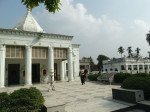
Bakkhali Beach
Some quick example text to build on the card title and make up the bulk of the card's content.
Go somewhere
Bhagabatpur Crocodile Breeding Project
Some quick example text to build on the card title and make up the bulk of the card's content.
Go somewhere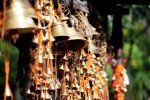
Bishhalakshmi Temple
Some quick example text to build on the card title and make up the bulk of the card's content.
Go somewhere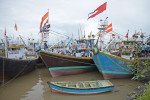
Fraserganj Fishing Harbour
Some quick example text to build on the card title and make up the bulk of the card's content.
Go somewhere
Fraserganj Wind Park
Some quick example text to build on the card title and make up the bulk of the card's content.
Go somewhere
Henry's Island
Some quick example text to build on the card title and make up the bulk of the card's content.
Go somewhere
Jambu Dwip
Some quick example text to build on the card title and make up the bulk of the card's content.
Go somewhere
Kalisthan
Some quick example text to build on the card title and make up the bulk of the card's content.
Go somewhere
Kargil Beach
Some quick example text to build on the card title and make up the bulk of the card's content.
Go somewherein Other Cities