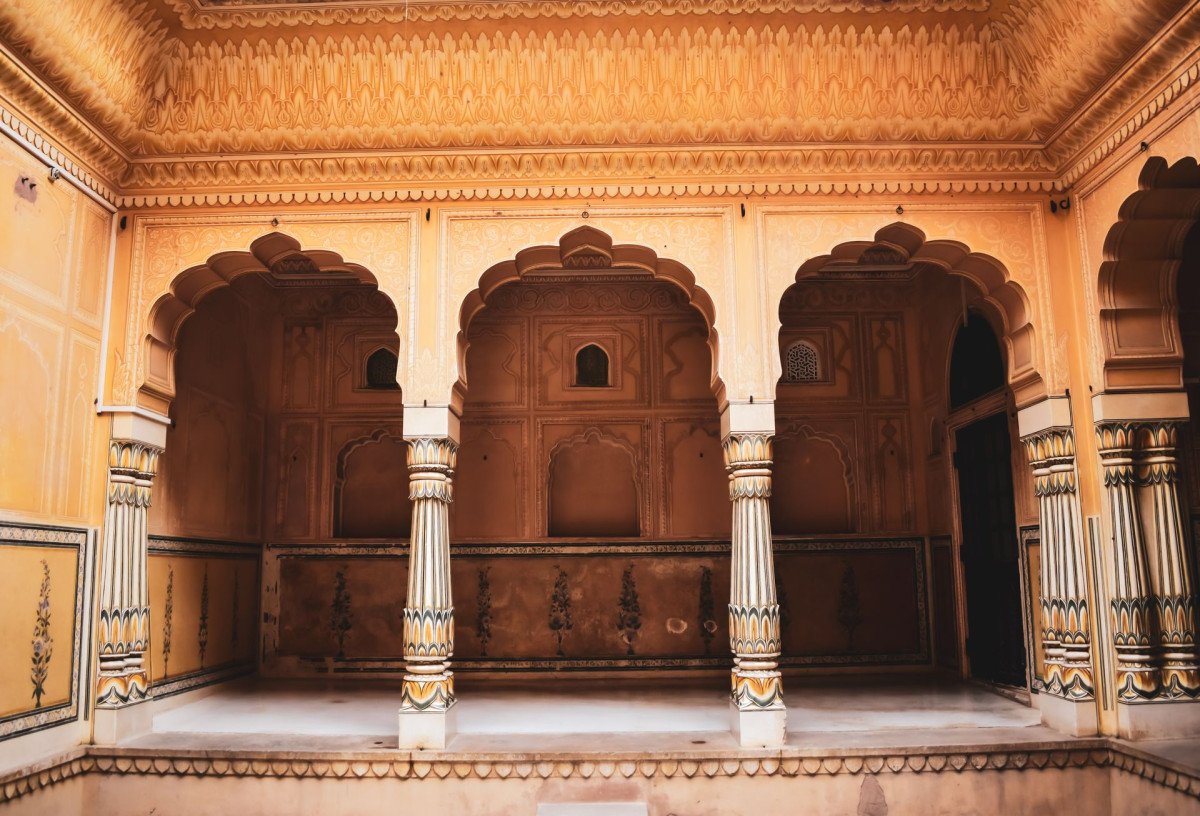
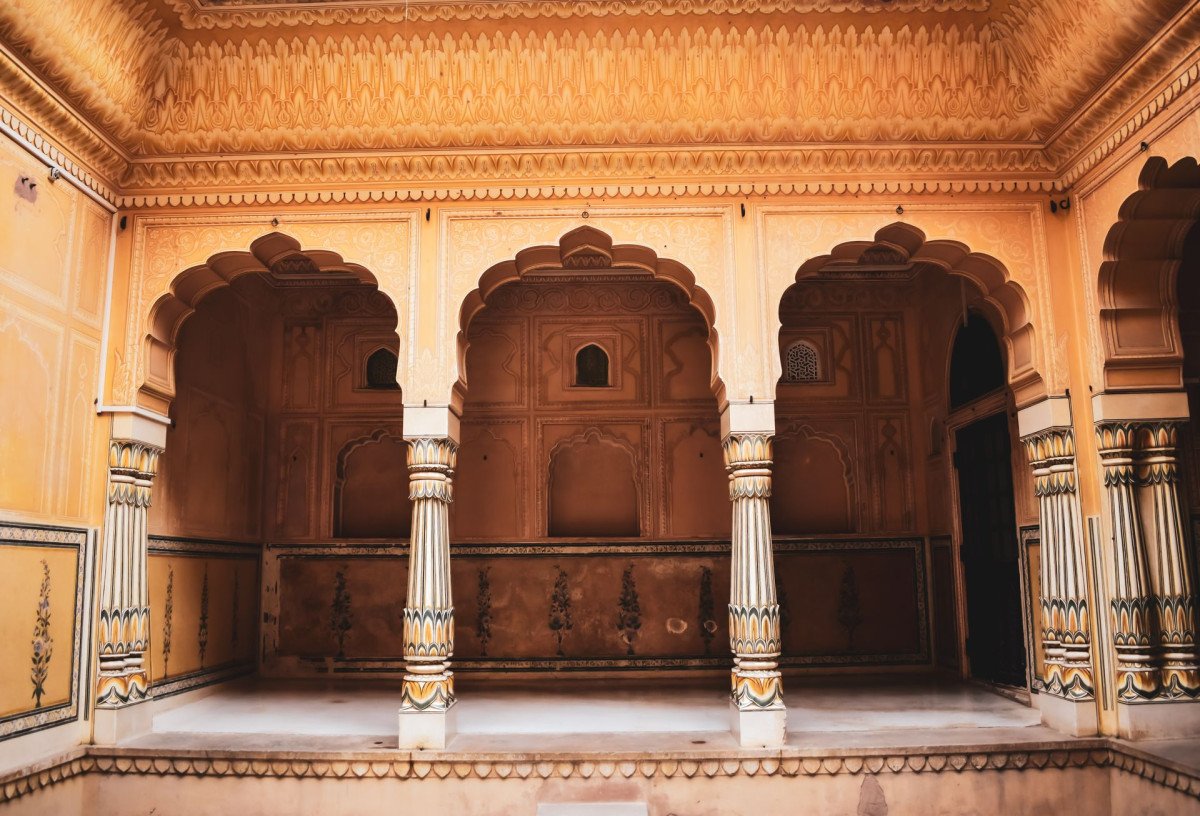
Burhanpur Fort Wall
General information
-
Ideal Duration:
1 to 2 Hours:Place Type:
Historic Fortification, Military Heritage, ArchiteEntry Fees:
Free Public Access: Generally, there is no official entry fee to see or walk along the main remnants of the city walls or to visit the surrounding city gates, as they are part of the public infrastructure and the main city fabric.
Maintenance an...Free Public Access: Generally, there is no official entry fee to see or walk along the main remnants of the city walls or to visit the surrounding city gates, as they are part of the public infrastructure and the main city fabric.
Maintenance and Preservation: However, donations may be accepted or solicited by local trusts or government bodies at certain restored gates for their maintenance and preservation work. Any small contribution supports the upkeep of this invaluable heritage.
Guided Tours: If you hire a private local historian or certified tour guide to explain the military significance and history of the walls, this will be a cost ranging from INR 500 to INR 1500 for a half-day tour, a highly recommended investment for a rich experience.
Parking Fees: There might be nominal parking fees (INR 20 to INR 50) if you park your vehicle in designated spots near the major gates.
:Timing:
Regular Timings: The walls and gates are visible and accessible 24 hours a day, 7 days a week, as they are part of the main city.
Ideal Visit Time: Sunrise (around 6:30 AM) is the most ideal time for photography and a peaceful heritage walk,...Regular Timings: The walls and gates are visible and accessible 24 hours a day, 7 days a week, as they are part of the main city.
Ideal Visit Time: Sunrise (around 6:30 AM) is the most ideal time for photography and a peaceful heritage walk, as the light is soft and the city traffic is minimal, allowing for a better sense of the historical atmosphere. Sunset (around 5:30 PM) is also perfect for atmospheric views, especially near the Tapti River sections.
Peak Season Hours: During the pleasant winter months of November to February, the light is beautiful all day, but the rush of local activity is high between 10:00 AM and 6:00 PM, making early morning the best choice.
Summer Timings: Avoid visiting between 11:00 AM and 4:00 PM in the summer (March to June) due to intense heat, making only sunrise or late evening visits advisable.
:Special Events:
Commemoration of Sieges: While no regular annual event is specific to the Fort Wall itself, local history groups and the district administration occasionally host heritage walks and talks, especially around the anniversaries of key historical events like the Mughal capture o...Commemoration of Sieges: While no regular annual event is specific to the Fort Wall itself, local history groups and the district administration occasionally host heritage walks and talks, especially around the anniversaries of key historical events like the Mughal capture of Asirgarh Fort in 1601 or Maratha campaigns, often starting or ending near one of the main gates to commemorate the city's defense. These events are usually held during the winter months.
Gate Festivals: The areas surrounding the major surviving city gates, such as Rajpura and Shaniwara, become focal points for local religious processions and festivals, especially during Ganesh Chaturthi and Navaratri, where the gates are beautifully illuminated and decorated, symbolizing the ancient entrances to the bustling city.
:Best Photo Spots:
The Imposing Gateways: The best photo spots are the surviving grand archways of the city gates (Rajpura Gate, Shaniwara Gate) framed against the sky, highlighting their sheer scale and dark basalt masonry. Shoot early morning for soft light and minimal traffic.The Imposing Gateways: The best photo spots are the surviving grand archways of the city gates (Rajpura Gate, Shaniwara Gate) framed against the sky, highlighting their sheer scale and dark basalt masonry. Shoot early morning for soft light and minimal traffic.
Wall Texture and Details: Focus on the heavily weathered basalt stone and brickwork along the intact sections of the wall near the river, capturing the rough texture, growth of moss/vines, and the ancient construction techniques. Use a macro or telephoto lens to isolate these details.
The Riverine View: The segments of the wall along the Tapti River bank, offering a panoramic view of the river, the ghats, and the wall structure itself, especially during the vibrant sunset hours. Frame the wall in the foreground with the glowing river in the background.
:Photo Gallery
Things To Do
-
Photography of Ancient Gates: Dedicate a significant amount of time, perhaps 3 hours, to capturing the majestic gates like Shaniwara Gate and Rajpura Gate. Focus on the scale of the archways and the dark, rugged basalt stone for high-contrast, dramatic photos. Capture the texture of the old masonry.
A Heritage Walk Along the Perimeter: Plan a long walking tour, ideally during the cool morning hours of October or November, to trace the original perimeter of the city walls. This walk allows you to see the blend of ancient and modern life, where the walls merge with new constructions. This walking tour can easily take up a full day if exploring all gates and the Tapti riverbank sections.
Gatekeeper's Stories: Engage with the older residents living near the gates. They often share local legends,...Photography of Ancient Gates: Dedicate a significant amount of time, perhaps 3 hours, to capturing the majestic gates like Shaniwara Gate and Rajpura Gate. Focus on the scale of the archways and the dark, rugged basalt stone for high-contrast, dramatic photos. Capture the texture of the old masonry.
A Heritage Walk Along the Perimeter: Plan a long walking tour, ideally during the cool morning hours of October or November, to trace the original perimeter of the city walls. This walk allows you to see the blend of ancient and modern life, where the walls merge with new constructions. This walking tour can easily take up a full day if exploring all gates and the Tapti riverbank sections.
Gatekeeper's Stories: Engage with the older residents living near the gates. They often share local legends, family histories, and anecdotes about the walls and the old city, offering a deep cultural immersion experience not found in guidebooks. Dedicate at least 90 minutes to these interactions.
Sketching and Drawing the Structure: Carry a sketchbook and pencils to capture the detailed military architectural features like the crenellations and firing slits on the wall segments. The texture and scale of the defense system provide excellent artistic subjects, requiring 2 hours per detailed sketch.
Sunset Views from the Wall: Find an accessible segment of the wall near the Tapti River at the western end of the city. The sunset over the river with the ancient wall in the foreground offers a spectacular and historically resonant view. Spend 1 hour during the evening aarti time to capture both the architectural beauty and the spiritual ambiance.
Studying Mughal Military Engineering: Visit a preserved section of the double wall system (if accessible) and try to understand the strategic placement of the towers and the different layers of defense, learning about the military logistics that sustained a huge Mughal army. Allocate 2 hours for in-depth observation and study.
Exploring the Inner City Lanes: Use the city gates as starting points to explore the narrow lanes of the old city (Peths) that the walls protected. This allows you to visualize the former life of the city, its layout, and the role the walls played in securing daily life. Dedicate 3 to 4 hours to this historical exploration.
:
Information
-
Why Famous:
Strategic Importance: Burhanpur's Fort Walls are famous for their role in making the city the 'Gateway to the South', controlling all movement between North and South India. It was a crucial choke point for the Mughal Empire, making the walls paramount to its security.
...Strategic Importance: Burhanpur's Fort Walls are famous for their role in making the city the 'Gateway to the South', controlling all movement between North and South India. It was a crucial choke point for the Mughal Empire, making the walls paramount to its security.
Witness to History: They have witnessed numerous historical battles, sieges, and the passage of countless Mughal, Maratha, and British armies. Their crumbling yet imposing presence evokes the city's tumultuous and glorious past as a frontline city.
Architectural Survival: The massive, surviving gates and segments of the wall are a rare example of well-preserved Mughal-era city fortifications in Central India, offering a unique historical panorama that few other Indian cities retain.
: -
Architecture:
Materials and Techniques: The walls are predominantly constructed using locally sourced, dark Basalt and heavy-duty fired Bricks, held together by a strong Lime Mortar. The use of black Basalt is characteristic of the Deccan region's military architecture, offering a somber...Materials and Techniques: The walls are predominantly constructed using locally sourced, dark Basalt and heavy-duty fired Bricks, held together by a strong Lime Mortar. The use of black Basalt is characteristic of the Deccan region's military architecture, offering a somber and imposing look.
Key Architectural Dimensions: The main walls typically stood at heights of 10 to 15 meters and were several meters thick, often featuring double-wall systems in strategic areas. The extant gates like the Rajpura Gate are large, arched stone structures, approximately 5-7 meters wide, built to withstand cannon fire. Many sections incorporated watchtowers (burjs) at regular intervals, which were typically circular and projected outwards, measuring around 8 meters in diameter. The fortification system includes crenellations (merlons) and firing slits (embrasures) designed for infantry defense. The overall layout followed the contours of the city, especially along the Tapti River, making use of the natural landscape for defense. This Indo-Islamic military style prioritized robust, practical defense over ornamentation, though the gates often feature simple, grand archways.
: -
How To Reach:
By Air: The nearest major airport is Devi Ahilyabai Holkar Airport (IDR) in Indore, approximately 180-190 km away. From Indore, you can hire a private taxi (a 4-hour drive) or take a pre-paid taxi directly to Burhanpur. Alternatively, another option is Aurangabad Airport (...By Air: The nearest major airport is Devi Ahilyabai Holkar Airport (IDR) in Indore, approximately 180-190 km away. From Indore, you can hire a private taxi (a 4-hour drive) or take a pre-paid taxi directly to Burhanpur. Alternatively, another option is Aurangabad Airport (IXU) in Maharashtra, which is about 210 km away.
By Train: Burhanpur Junction (BAU) is well-connected to major Indian cities on the main Delhi-Mumbai and Kolkata-Mumbai routes. The railway station is centrally located, and the Fort Walls/Gates are easily reachable within a few minutes by auto-rickshaw or taxi. This is the most popular and recommended way to reach the city.
By Road: Burhanpur is well-connected by National and State Highways, including NH-347 and SH-27. Regular government and private bus services run from nearby cities like Indore, Jalgaon (Maharashtra - 50 km), Khandwa (80 km), and Bhusawal (30 km). Driving your own vehicle is also feasible, with well-maintained roads.
By Local Transport: Once in Burhanpur, the city walls and gates are easily accessible via local auto-rickshaws, cycle-rickshaws, or even by walking, as many segments are in the old city area, typically within a 5-10 minute ride from the railway station or main bus stand.
: -
Weather and Best Time to Visit:
Different Types of Seasons: Winter (October to March) is the Best Time to Visit. The weather is cool and pleasant, ideal for long walks, photography, and exploring the fortifications without the stress of heat. Monsoon (July to September) makes the surroundings lush green,...Different Types of Seasons: Winter (October to March) is the Best Time to Visit. The weather is cool and pleasant, ideal for long walks, photography, and exploring the fortifications without the stress of heat. Monsoon (July to September) makes the surroundings lush green, but the rain can disrupt outdoor exploration. Summer (April to June) should be avoided due to extremely high temperatures, which can make walking along the walls uncomfortable.
Different Parts of the Day: Early Morning is the perfect time for both comfort and photography, capturing the imposing scale of the walls in soft light. Late Afternoon to Sunset is great for reflective views near the Tapti River. Avoid the intense midday heat.
: -
Near Tourist Places:
Shahi Qila (1. 5 KMs), Jama Masjid (2 KMs), Tapti Ghats (1 KM), Ahukhana (5 KMs), Dargah-e-Hakimi (5 KMs), Kundi Bhandara (4 KMs), Tomb of Shah Nawaz Khan (3 KMs), Gurudwara Badi Sangat (3 KMs), Zenana Hammam (2 KMs), Asirgarh Fort (20 KMs):
Tourism Tips
-
Health & Safety: Wear comfortable walking shoes, as the ground near the walls can be uneven or rocky. Carry sufficient water, especially if planning a long walking tour, to stay hydrated. Be mindful of traffic when photographing near the active city gates.Health & Safety: Wear comfortable walking shoes, as the ground near the walls can be uneven or rocky. Carry sufficient water, especially if planning a long walking tour, to stay hydrated. Be mindful of traffic when photographing near the active city gates.
Packing: Carry a good camera, a wide-angle lens for the vast gates, and a zoom lens for capturing details on the high walls. A sun-hat and sunscreen are essential even in the winter sun.
Accommodation: Stay in the old city area for easy access to the walls and other historical sites, or choose a hotel near the railway station for better connectivity. Options range from budget guest houses to mid-range hotels.
Local Etiquette: The walls are often interspersed with local residences; please respect the privacy of residents while exploring and taking photographs. Do not climb on fragile or ruined sections of the wall for safety and preservation reasons.
Navigating the Gates: Use a local map or GPS to plot the locations of the main gates (Rajpura, Shaniwara, Sindhipura) and wall segments, as they are spread out across the city.
:
Reviews
FAQs
Burhanpur Itineray And Cost:-
Burhanpur Fort Wall Tourism:-
Information about New and Updated Locations() of Madhya Pradesh Has Been Added :-
Card subtitle
Note:-
Information provided here in good Faith and for reference only.
All information and pictures will be updated soon, please keep visiting.
Near Places

Ahukhana
Some quick example text to build on the card title and make up the bulk of the card's content.
Go somewhere
Akbari Saray
Some quick example text to build on the card title and make up the bulk of the card's content.
Go somewhere
Anant Trek Spot
Some quick example text to build on the card title and make up the bulk of the card's content.
Go somewhere
Asirgarh Fort
Some quick example text to build on the card title and make up the bulk of the card's content.
Go somewhere
Barah Dari
Some quick example text to build on the card title and make up the bulk of the card's content.
Go somewhere
Basali Waterfall
Some quick example text to build on the card title and make up the bulk of the card's content.
Go somewhere
Black Taj Mahal
Some quick example text to build on the card title and make up the bulk of the card's content.
Go somewhere
Blue Water Park
Some quick example text to build on the card title and make up the bulk of the card's content.
Go somewhere
Burhanpur Black Tajmahal
Some quick example text to build on the card title and make up the bulk of the card's content.
Go somewhere
Burhanpur Fort Wall
Some quick example text to build on the card title and make up the bulk of the card's content.
Go somewherein Other Cities