

Chakrata
General information
-
Ideal Duration:
2 to 3 Days.Place Type:
Hill Station, Military Cantonment, Adventure.Entry Fees:
General Entry: There is no entry fee to visit the main town of Chakrata or the local markets. However, foreign nationals must obtain a special permit from the Cantonment Board or the District Magistrate's office in Dehradun due to the military presence. This permit usually...General Entry: There is no entry fee to visit the main town of Chakrata or the local markets. However, foreign nationals must obtain a special permit from the Cantonment Board or the District Magistrate's office in Dehradun due to the military presence. This permit usually costs a nominal administrative fee. Domestic tourists do not need any special permits for the main town. Most of the natural sites like viewpoints and forest walks are free of cost. It is a very budget-friendly destination for the general public.
Activity Fees: While the town entry is free, specific sites like Tiger Falls may have a small maintenance fee of 20 to 50 INR per person. If you hire a local guide for the Budher Caves or trekking, the charges can range from 500 to 1,500 INR depending on the duration. Parking fees at popular spots like Chilmiri Neck are usually nominal, around 30 to 50 INR. Adventure activities like camping or caving will have their own package costs. These fees help in maintaining the cleanliness and safety of the natural sites.Timing:
Regular Timings: The town of Chakrata is open 24 hours for residents, but tourists are advised to explore between 6:00 AM and 6:00 PM for safety. Most natural attractions like Tiger Falls and Deoban are best visited during daylight hours, ideally from 8:00 AM to 5:00 PM. T...Regular Timings: The town of Chakrata is open 24 hours for residents, but tourists are advised to explore between 6:00 AM and 6:00 PM for safety. Most natural attractions like Tiger Falls and Deoban are best visited during daylight hours, ideally from 8:00 AM to 5:00 PM. The local market usually opens at 9:00 AM and closes by 8:00 PM. Since it is a military area, movement during the night is restricted in certain zones. It is always better to reach your accommodation before sunset to avoid navigating the winding mountain roads in the dark.
Ideal Visit Time: The best time to experience the town is during the early morning hours, around 7:00 AM, when the air is freshest and the mountain views are clearest. For Tiger Falls, reaching by 10:00 AM allows you to enjoy the water when it is slightly warmer. Sunset seekers should be at Chilmiri Neck by 5:00 PM to capture the full transition of colors. During the winter months, timings might be shortened due to heavy snowfall and early sunsets. Always check the local weather forecast as heavy rains can lead to temporary road closures during the monsoon season.Special Events:
Bissu Mela: This is the most significant cultural event in the Chakrata region, celebrated by the Jaunsari tribe to mark the harvest season. The festival features traditional "Nati" dances where people wear colorful ethnic costumes and dance in circles. Local deities are b...Bissu Mela: This is the most significant cultural event in the Chakrata region, celebrated by the Jaunsari tribe to mark the harvest season. The festival features traditional "Nati" dances where people wear colorful ethnic costumes and dance in circles. Local deities are brought out in processions, and the entire community joins in the festivities. It is a great time to see the authentic culture, music, and food of the region. The energy and vibrance of the Bissu Mela are truly infectious.
Magh Mela: Celebrated during the month of January, the Magh Mela is a religious event where people take holy dips in the nearby rivers. It is a time for spiritual purification and community gathering. Traditional sports and local fairs are organized, where you can see the local youth participating in wrestling and other traditional games. The mela attracts people from all the surrounding mountain villages, making it a great cultural exchange point. It is a wonderful opportunity to experience the winter traditions of the Garhwal hills.Best Photo Spots:
Tiger Falls Cascade: The best spot for photography in Chakrata is right in front of the Tiger Falls. The massive 312-foot drop creates a misty atmosphere that looks magical in photos. Use a slow shutter speed to capture the silky movement of the water. The surrounding gre...Tiger Falls Cascade: The best spot for photography in Chakrata is right in front of the Tiger Falls. The massive 312-foot drop creates a misty atmosphere that looks magical in photos. Use a slow shutter speed to capture the silky movement of the water. The surrounding green cliffs provide a perfect natural frame for your shots. Early morning light is the best to avoid harsh shadows and capture the true colors of the water. It is a classic Himalayan waterfall shot that every photographer must have.
Chilmiri Neck Ridge: This spot offers an unobstructed 360-degree view of the mountains, making it ideal for landscape photography. During sunset, the sky turns into a palette of orange, pink, and purple, providing a stunning background for the snow peaks. You can also capture the winding roads of the cantonment and the deep valleys below. The wide-open space allows for great panoramic shots and creative compositions. It is also a good place for "golden hour" portraits with the mountains in the background.
Deoban Forest Canopy: The dense woods of Deoban provide a unique opportunity for forest and wildlife photography. The way sunlight filters through the giant deodar trees creates a "God ray" effect that looks ethereal in pictures. You can capture the rich textures of the moss-covered trunks and the vibrant colors of the forest floor. It is also the best place to photograph rare Himalayan birds in their natural habitat. Patience is key here to get the perfect shot of a shy bird or a quiet forest path.
Lakhamandal Ancient Ruins: The Lakhamandal temple complex is a paradise for those who love architectural and heritage photography. The graphite Shiva lingam, which reflects everything when wet, is a unique subject. You can capture the intricate stone carvings of the ancient idols and the overall layout of the temple ruins. The contrasting colors of the old stone against the green mountains make for very dramatic shots. It is a great place to experiment with light and shadow in the temple corridors. Each carving tells a story that can be captured through your lens.Photo Gallery
Things To Do
 Bairat Khai, often endearingly called The Princess of Hills, is an enthralling high-altitude destination near Chakrata renowned for its stunning, unobstructed, and panoramic 180-degree view of the mighty snow-covered Himalayan peaks which are visible almost throughout the year. Nestled at an approximate altitude of 1,990 meters (6,529 feet) above sea level, this scenic spot offers a tranquil and serene escape from the frenetic pace of urban life. The area is cradled by two notable peaks: the Chorani Dhar to the west, standing at about 2,300 meters, and the Julioki Dhar to the east, which is locally known as Tiger Hill at 2,150 meters. It serves as a true haven for nature enthusiasts, trekkers, and those simply seeking peace and quiet amidst magnificent natural beauty. The vista is particularly breathtaking during sunrise and sunset, casting golden hues over the peaks. The journey to Bairat Khai itself is a beautiful experience, winding through lush greenery and dense forests of deodar and pine, adding to the allure of this relatively untouched hill station. The air is crisp and invigorating, typical of the high Himalayas, making it a perfect spot for relaxation and rejuvenation. This location provides an excellent viewpoint not just of the majestic peaks but also of the surrounding deep valleys and thick deodar forests. The sheer scale of the landscape viewed from this point is humbling, making it a favorite stop for tourists visiting the Chakrata region. The uncommercialized nature of the location has helped maintain its pristine charm and raw, natural appeal, distinguishing it from more crowded hill stations.
@@Detailed Overview: Kalsi is a historically significant town located at the confluence of the Yamuna and Tons rivers, serving as the gateway to the tribal region of Jaunsar-Bawar. This place is world-renowned for being home to the Rock Edicts of the Mauryan Emperor Ashoka, which date back to 250 BC. These inscriptions represent the only Ashokan edict found in North India, making it a site of immense archaeological value. The town is perched at an altitude of about 780 meters above sea level and offers a mix of historical heritage and natural beauty. The surrounding landscape is characterized by lush greenery and vibrant forests of Sal and Oak trees. Kalsi has historically been a meeting point of different cultures, where hill communities like the Mundar and Bhutis coexist peacefully. The town's atmosphere is calm and meditative, reflecting the non-violent philosophy preached by Emperor Ashoka in his edicts. Apart from history, Kalsi is also a popular spot for adventure lovers who visit nearby Dakpathar for water sports. The scenic beauty of the river banks makes it an excellent destination for photography and nature walks. Visitors often find themselves lost in the echoes of the past while standing before the ancient quartz rock. The town provides a unique perspective on India’s rich cultural tapestry and its transition from war-torn eras to periods of peace and enlightenment. It remains a must-visit for anyone traveling between Dehradun and Chakrata.
@@Hilltop Tranquility: Nagaya Hill is an offbeat and relatively unknown viewpoint located in the remote area near Sahiya, a small settlement close to Chakrata. It sits at a moderate elevation, offering a different perspective of the surrounding hills, valleys, and the confluence of the Yamuna and Tons rivers in the distance. Unlike the main tourist points, Nagaya Hill is largely untouched by commercialization, providing an authentic and tranquil experience. The area is characterized by scattered pine and oak trees and simple unpaved trails, making it ideal for quiet nature walks, meditation, and picnics. Its beauty lies in its simplicity and the breathtaking, panoramic valley views it offers, especially during sunrise and sunset. The relative obscurity of the spot makes it a haven for those looking to escape the crowds entirely. The air is crisp and pure, and the only sounds are those of the mountain wind and local birds. It is a spot where travelers can truly feel immersed in the silence of the Garhwal Himalayas.
Bairat Khai, often endearingly called The Princess of Hills, is an enthralling high-altitude destination near Chakrata renowned for its stunning, unobstructed, and panoramic 180-degree view of the mighty snow-covered Himalayan peaks which are visible almost throughout the year. Nestled at an approximate altitude of 1,990 meters (6,529 feet) above sea level, this scenic spot offers a tranquil and serene escape from the frenetic pace of urban life. The area is cradled by two notable peaks: the Chorani Dhar to the west, standing at about 2,300 meters, and the Julioki Dhar to the east, which is locally known as Tiger Hill at 2,150 meters. It serves as a true haven for nature enthusiasts, trekkers, and those simply seeking peace and quiet amidst magnificent natural beauty. The vista is particularly breathtaking during sunrise and sunset, casting golden hues over the peaks. The journey to Bairat Khai itself is a beautiful experience, winding through lush greenery and dense forests of deodar and pine, adding to the allure of this relatively untouched hill station. The air is crisp and invigorating, typical of the high Himalayas, making it a perfect spot for relaxation and rejuvenation. This location provides an excellent viewpoint not just of the majestic peaks but also of the surrounding deep valleys and thick deodar forests. The sheer scale of the landscape viewed from this point is humbling, making it a favorite stop for tourists visiting the Chakrata region. The uncommercialized nature of the location has helped maintain its pristine charm and raw, natural appeal, distinguishing it from more crowded hill stations.
@@Detailed Overview: Kalsi is a historically significant town located at the confluence of the Yamuna and Tons rivers, serving as the gateway to the tribal region of Jaunsar-Bawar. This place is world-renowned for being home to the Rock Edicts of the Mauryan Emperor Ashoka, which date back to 250 BC. These inscriptions represent the only Ashokan edict found in North India, making it a site of immense archaeological value. The town is perched at an altitude of about 780 meters above sea level and offers a mix of historical heritage and natural beauty. The surrounding landscape is characterized by lush greenery and vibrant forests of Sal and Oak trees. Kalsi has historically been a meeting point of different cultures, where hill communities like the Mundar and Bhutis coexist peacefully. The town's atmosphere is calm and meditative, reflecting the non-violent philosophy preached by Emperor Ashoka in his edicts. Apart from history, Kalsi is also a popular spot for adventure lovers who visit nearby Dakpathar for water sports. The scenic beauty of the river banks makes it an excellent destination for photography and nature walks. Visitors often find themselves lost in the echoes of the past while standing before the ancient quartz rock. The town provides a unique perspective on India’s rich cultural tapestry and its transition from war-torn eras to periods of peace and enlightenment. It remains a must-visit for anyone traveling between Dehradun and Chakrata.
@@Hilltop Tranquility: Nagaya Hill is an offbeat and relatively unknown viewpoint located in the remote area near Sahiya, a small settlement close to Chakrata. It sits at a moderate elevation, offering a different perspective of the surrounding hills, valleys, and the confluence of the Yamuna and Tons rivers in the distance. Unlike the main tourist points, Nagaya Hill is largely untouched by commercialization, providing an authentic and tranquil experience. The area is characterized by scattered pine and oak trees and simple unpaved trails, making it ideal for quiet nature walks, meditation, and picnics. Its beauty lies in its simplicity and the breathtaking, panoramic valley views it offers, especially during sunrise and sunset. The relative obscurity of the spot makes it a haven for those looking to escape the crowds entirely. The air is crisp and pure, and the only sounds are those of the mountain wind and local birds. It is a spot where travelers can truly feel immersed in the silence of the Garhwal Himalayas.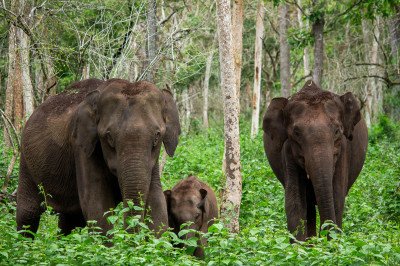 @@Description: Kanasar is a dense and beautiful forest patch famous for being home to some of Asia's oldest and largest Deodar trees. Located near the village of Koti-Kanasar, it is a tranquil escape offering lush green meadows (Bugyal) nestled within the towering trees. The air is always cool and filled with the scent of pine and deodar. It is an ideal spot for nature walks, picnics, and quiet contemplation, offering a stark contrast to the rugged mountains elsewhere in Chakrata. The entire area is a protected natural reserve. @@Highlights: The forest is particularly famous for a colossal Deodar tree whose circumference is noted to be over 6 meters. This ancient tree is a major attraction for visitors. @@Natural Habitat: It serves as a natural habitat for various species of birds and small animals, making it popular for birdwatching and wildlife enthusiasts. @@Accessibility: It is easily reachable by road from Chakrata, followed by a short, gentle walk through the meadows.
@@Easily Accessible Viewpoint: The Sunset Point (Kaliana), sometimes referred to simply as Sunset Point Chakrata or the viewpoint on the Vikasnagar Chakrata Road, is one of the most conveniently located viewpoints to the main Chakrata market. Located only about 2 kilometers away, it is easily reachable by a short drive or a pleasant walk. This spot offers a fantastic vantage point to watch the sun dip below the western Himalayan horizon. While often confused with the more famous and higher Chilmiri Neck, this point provides a distinct, equally beautiful view of the lower Garhwal valleys and the various settlements dotting the hillside, particularly towards the Vikasnagar side. It is a favored location for tourists and locals alike who prefer not to travel far for the evening spectacle. The convenience of this point is its primary draw, offering a quick stop for a stunning photo opportunity and a moment of evening tranquility before heading back to the town's accommodation. The air here is often filled with the serene sounds of the evening.
@@Description: Lokhandi is a small, picturesque village and a popular vantage point, often referred to as a 'Snow Point' because it receives heavy snowfall during winter, transforming the entire landscape into a stunning white wonderland. Situated at a high elevation, it offers breathtaking panoramic views of the surrounding Himalayan ranges and deep valleys, particularly the snow-clad peaks. It serves as a major halt and the base point for the 3 KM trek to the famous Moila Top and the historical Budher Caves. The scenery is defined by towering Deodar and Coniferous trees, creating a serene and very cold environment. @@Altitude: Perched at an altitude of approximately 2,794 meters (9,000 feet). @@Strategic Location: It is a critical junction point for accessing several other remote attractions like Moila Top. @@Seasonal Appeal: Its appeal is highly seasonal, making it a key destination for tourists specifically seeking snow and winter sports views.
Chilmiri Neck, also interchangeably referred to as Chilmiri Top, is the most acclaimed and highest readily accessible viewpoint near the main Chakrata cantonment town. Situated at an elevation of around 2,134 meters (7,000 feet) above sea level, this scenic spot has earned immense popularity for offering one of the most magnificent and sweeping panoramic views of the entire Himalayan range in the region. Visitors are treated to a visual feast that, on a clear day, includes the legendary snow-covered peaks of Bandarpoonch, Swargarohini, and Rohini Peak, stretching out across the horizon. Its secondary but most famous moniker is the Sunset View Point due to the extraordinarily beautiful and intense colors of the sky as the sun descends behind the mountains. The hilltop is a relatively flat area, providing a natural, open space ideal for leisurely strolls, relaxation, and picnicking. The entire neck is surrounded by a dense, tranquil forest composed mainly of tall Deodar and oak trees, which significantly contributes to the pleasant, cool climate and makes it a favorite spot for birdwatching. Being just a short drive from the main market, its accessibility combined with its pristine beauty makes it a must-visit destination for every tourist. The fact that it falls within the quiet, regulated Cantonment Area has ensured its preservation from unchecked commercial activities, allowing its raw, natural charm to remain intact, offering a profound sense of peace and a deep connection with nature.Show All
@@Description: Kanasar is a dense and beautiful forest patch famous for being home to some of Asia's oldest and largest Deodar trees. Located near the village of Koti-Kanasar, it is a tranquil escape offering lush green meadows (Bugyal) nestled within the towering trees. The air is always cool and filled with the scent of pine and deodar. It is an ideal spot for nature walks, picnics, and quiet contemplation, offering a stark contrast to the rugged mountains elsewhere in Chakrata. The entire area is a protected natural reserve. @@Highlights: The forest is particularly famous for a colossal Deodar tree whose circumference is noted to be over 6 meters. This ancient tree is a major attraction for visitors. @@Natural Habitat: It serves as a natural habitat for various species of birds and small animals, making it popular for birdwatching and wildlife enthusiasts. @@Accessibility: It is easily reachable by road from Chakrata, followed by a short, gentle walk through the meadows.
@@Easily Accessible Viewpoint: The Sunset Point (Kaliana), sometimes referred to simply as Sunset Point Chakrata or the viewpoint on the Vikasnagar Chakrata Road, is one of the most conveniently located viewpoints to the main Chakrata market. Located only about 2 kilometers away, it is easily reachable by a short drive or a pleasant walk. This spot offers a fantastic vantage point to watch the sun dip below the western Himalayan horizon. While often confused with the more famous and higher Chilmiri Neck, this point provides a distinct, equally beautiful view of the lower Garhwal valleys and the various settlements dotting the hillside, particularly towards the Vikasnagar side. It is a favored location for tourists and locals alike who prefer not to travel far for the evening spectacle. The convenience of this point is its primary draw, offering a quick stop for a stunning photo opportunity and a moment of evening tranquility before heading back to the town's accommodation. The air here is often filled with the serene sounds of the evening.
@@Description: Lokhandi is a small, picturesque village and a popular vantage point, often referred to as a 'Snow Point' because it receives heavy snowfall during winter, transforming the entire landscape into a stunning white wonderland. Situated at a high elevation, it offers breathtaking panoramic views of the surrounding Himalayan ranges and deep valleys, particularly the snow-clad peaks. It serves as a major halt and the base point for the 3 KM trek to the famous Moila Top and the historical Budher Caves. The scenery is defined by towering Deodar and Coniferous trees, creating a serene and very cold environment. @@Altitude: Perched at an altitude of approximately 2,794 meters (9,000 feet). @@Strategic Location: It is a critical junction point for accessing several other remote attractions like Moila Top. @@Seasonal Appeal: Its appeal is highly seasonal, making it a key destination for tourists specifically seeking snow and winter sports views.
Chilmiri Neck, also interchangeably referred to as Chilmiri Top, is the most acclaimed and highest readily accessible viewpoint near the main Chakrata cantonment town. Situated at an elevation of around 2,134 meters (7,000 feet) above sea level, this scenic spot has earned immense popularity for offering one of the most magnificent and sweeping panoramic views of the entire Himalayan range in the region. Visitors are treated to a visual feast that, on a clear day, includes the legendary snow-covered peaks of Bandarpoonch, Swargarohini, and Rohini Peak, stretching out across the horizon. Its secondary but most famous moniker is the Sunset View Point due to the extraordinarily beautiful and intense colors of the sky as the sun descends behind the mountains. The hilltop is a relatively flat area, providing a natural, open space ideal for leisurely strolls, relaxation, and picnicking. The entire neck is surrounded by a dense, tranquil forest composed mainly of tall Deodar and oak trees, which significantly contributes to the pleasant, cool climate and makes it a favorite spot for birdwatching. Being just a short drive from the main market, its accessibility combined with its pristine beauty makes it a must-visit destination for every tourist. The fact that it falls within the quiet, regulated Cantonment Area has ensured its preservation from unchecked commercial activities, allowing its raw, natural charm to remain intact, offering a profound sense of peace and a deep connection with nature.Show All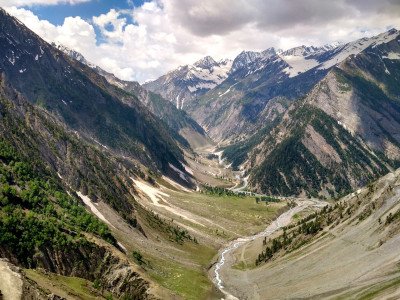 @@A Serene Panoramic Vista: The Valley View Point near Luhari village is a peaceful, less-crowded alternative to the main, higher viewpoints like Chilmiri Neck. Located approximately 7.5 kilometers from the town center on the main State Highway 1 (SH1), this point offers a wide, expansive, and deep view of the surrounding Garhwal valleys and the winding mountain roads below. It is situated at a lower altitude than Chilmiri Neck but provides a closer, more immediate perspective of the valley floor and the small hamlets nestled on the slopes. The area is characterized by dense deodar and oak forests, and the viewpoint itself is a cleared area offering a great photo opportunity. It’s an ideal spot for a quick stop to enjoy the silence, the vastness of the landscape, and the refreshing mountain breeze. It is a perfect place for those who want a great view without the long drive to the extreme peaks, offering a different, equally compelling dimension of the Himalayan foothills.
Information
-
Why Famous:
The Unspoiled Beauty: Chakrata is famous primarily for its untouched and non-commercialized environment. Unlike other hill stations in Uttarakhand, it has managed to stay quiet and pristine due to its military status. Travelers come here to experience the "real" mountains ...The Unspoiled Beauty: Chakrata is famous primarily for its untouched and non-commercialized environment. Unlike other hill stations in Uttarakhand, it has managed to stay quiet and pristine due to its military status. Travelers come here to experience the "real" mountains without the noise of traffic and crowds. The air is exceptionally clean, and the views of the Himalayan peaks are crystal clear. It offers a rare sense of peace that is hard to find in more popular tourist destinations.
Tiger Falls and Adventure: The town is home to Tiger Falls, one of the highest direct-drop waterfalls in India, plunging from over 300 feet. The trek to the falls through the oak and deodar forest is a major draw for adventure enthusiasts. Additionally, the region offers excellent opportunities for caving at the Budher Caves and high-altitude trekking. The variety of activities makes it a favorite for those who want both relaxation and adrenaline. It is a complete package for nature and adventure lovers.
Spiritual and Cultural Roots: The proximity to Lakhamandal, an ancient temple complex dedicated to Lord Shiva, adds a spiritual dimension to Chakrata. It is believed to be the site of the "Lakhagriha" from the Mahabharata, where the Kauravas tried to burn the Pandavas. The unique culture of the Jaunsari tribe, with their distinct festivals and traditions, is another reason people visit. Exploring the local villages provides a deep insight into the ancient mountain lifestyle. The blend of myth, history, and culture is truly captivating. -
Architecture:
Colonial Military Style: The architecture in Chakrata is primarily influenced by British military standards of the 19th century. Buildings are constructed using local stone, heavy timber, and slanted tin roofs to withstand heavy rainfall and snow. The structures are typica...Colonial Military Style: The architecture in Chakrata is primarily influenced by British military standards of the 19th century. Buildings are constructed using local stone, heavy timber, and slanted tin roofs to withstand heavy rainfall and snow. The structures are typically low-rise, with wide verandas and high ceilings to maintain a comfortable internal temperature. The Chakrata Cantonment still features barracks and bungalows that are over 150 years old, meticulously maintained by the Indian Army. These buildings reflect a functional yet aesthetic design that blends seamlessly with the surrounding deodar forests.
Dimensions and Layout: Most colonial bungalows in Chakrata are spread over plots of 2,000 to 5,000 square feet, featuring large front yards. The rooms are spacious, often measuring 15x20 feet, with large windows to allow maximum natural light. The stone walls are usually 18 to 24 inches thick, providing excellent insulation against the Himalayan cold. The layout of the town follows the natural contours of the hill, with narrow winding roads connecting different sectors. This tiered arrangement ensures that every building has an unobstructed view of the mountain valleys.
Traditional Jaunsari Influence: In the outskirts of Chakrata, the architecture shifts to the traditional Jaunsari style, characterized by "Koti Banal" techniques. These houses are multi-storied and built using alternate layers of stone and wood to make them earthquake-resistant. The wood used is usually seasoned deodar, which is termite-resistant and long-lasting. Intricate carvings on wooden doors and window frames depict local deities and floral patterns. These structures are designed to house large joint families and store grains in the lower levels, showcasing a deep understanding of mountain living. -
How To Reach:
By Air: The nearest airport to Chakrata is the Jolly Grant Airport in Dehradun, which is approximately 115 KMS away. This airport is well-connected with major cities like Delhi, Mumbai, and Bangalore. From the airport, you can hire a private taxi or take a shared cab to re...By Air: The nearest airport to Chakrata is the Jolly Grant Airport in Dehradun, which is approximately 115 KMS away. This airport is well-connected with major cities like Delhi, Mumbai, and Bangalore. From the airport, you can hire a private taxi or take a shared cab to reach Chakrata. The drive takes about 3. 5 to 4 hours and passes through beautiful mountain roads and the Yamuna valley. It is a scenic journey that sets the mood for your mountain holiday. Pre-booking a taxi is recommended for a hassle-free experience.
By Train: The Dehradun Railway Station is the closest railhead, located about 90 KMS from Chakrata. Dehradun is a major station with regular trains from Delhi, Kolkata, and other parts of India. Upon arrival, you can find numerous taxis and state-run buses at the station heading towards Chakrata. The road journey from the station takes around 3 hours. Shared taxis are a more economical option and are frequently available during the day. The drive from Dehradun is steep and offers some great views of the lower Himalayas.
By Road: Chakrata is well-connected by road to Dehradun (90 KMS), Mussoorie (80 KMS), and Saharanpur (120 KMS). You can drive your own vehicle or take a state-run bus from the ISBT in Dehradun. The route via Vikas Nagar is the most common and well-maintained. The roads are generally good but can be narrow and winding in certain sections. During the monsoon, extra caution is advised due to the possibility of minor landslides. It is a popular road-trip destination for people from Delhi and the NCR region, taking about 7-8 hours in total.
By Local Transport: Within Chakrata, the best way to get around is by local taxis or on foot. Since the town is small and has a military layout, many of the attractions are within walking distance if you enjoy hiking. For places like Tiger Falls or Deoban, you will need to hire a local Jeep as the terrain can be rugged. Public transport within the town is limited to a few shared cabs. Walking along the forest trails is not only eco-friendly but also the best way to soak in the local atmosphere. Most hotels can arrange for local sightseeing vehicles. -
Weather and Best Time to Visit:
Spring and Summer: The months from March to June are the best for visiting Chakrata. The weather is pleasant with temperatures ranging from 15°C to 25°C, making it ideal for sightseeing and trekking. The rhododendrons are in full bloom during March and April, adding a sp...Spring and Summer: The months from March to June are the best for visiting Chakrata. The weather is pleasant with temperatures ranging from 15°C to 25°C, making it ideal for sightseeing and trekking. The rhododendrons are in full bloom during March and April, adding a splash of red to the hills. This is the best time for outdoor activities like caving and camping. The clear skies offer spectacular views of the snow-capped Himalayan peaks. It is a great escape from the scorching heat of the Indian plains.
Winter Magic: For snow lovers, December to February is the perfect time. The town receives significant snowfall, turning it into a white paradise. Temperatures can drop to -5°C, so heavy woolens are a must. This is the best time for photography and for experiencing a quiet, snowy winter. The views of the mountains are the sharpest during this period. However, be prepared for some road blocks if the snowfall is exceptionally heavy.
Day and Night: The best part of the day in Chakrata is the early morning (6:00 AM to 9:00 AM) for birdwatching and mountain views. The late afternoon (4:00 PM to 6:00 PM) is the best time to be at Chilmiri Neck for the sunset. Nights are perfect for stargazing, as the air is very clear and there is minimal light pollution. Avoid traveling on the mountain roads late at night for safety reasons. The midday sun can be strong even in the mountains, so always carry sun protection. -
Near Tourist Places:
1. Tiger Falls (20 KM), 2. Deoban (13 KM), 3. Budher Caves (30 KM), 4. Kanasar (25 KM), 5. Lakhamandal (30 KM), 6. Mundali (35 KM), 7. Kimona Falls (2 KM), 8. Chilmiri Neck (3 KM), 9. Ram Tal Garden (12 KM), 10. Mussoorie (80 KM).
Tourism Tips
-
Health & Safety: Chakrata is a high-altitude area, so it is important to stay hydrated and acclimatize properly. The roads can be winding, so if you suffer from motion sickness, carry appropriate medication. Always inform your hotel or a local guide before heading out on l...Health & Safety: Chakrata is a high-altitude area, so it is important to stay hydrated and acclimatize properly. The roads can be winding, so if you suffer from motion sickness, carry appropriate medication. Always inform your hotel or a local guide before heading out on long forest treks. Since it is a military zone, follow all rules and do not take photographs of restricted areas or personnel. Keep a basic first-aid kit and any regular medications with you. The town is very safe, but it's best to avoid wandering in the forest after dark due to wild animals.
Packing: Pack in layers as the weather can change quickly. Even in summer, a light jacket is necessary for the evenings. If visiting in winter, bring heavy woolens, thermal wear, gloves, and a good quality cap. Sturdy trekking shoes with a good grip are essential for visiting Tiger Falls and the Budher Caves. Carry a reliable flashlight, a power bank, and a reusable water bottle. Don't forget sun protection like sunglasses and sunscreen, as the mountain sun can be quite strong. A raincoat or umbrella is a must if you are visiting during the monsoon.
Accommodation: There are several options ranging from government-run forest rest houses to private eco-lodges and hotels. It is advisable to book in advance, especially during the peak summer and winter seasons. Staying in a homestay can provide a more authentic experience and a chance to taste local cuisine. Many resorts are located on the outskirts, offering better views and more peace. If you are planning to camp at Moila Top, ensure you have quality camping gear or hire a reputable organizer. Most accommodations are basic but clean and provide a cozy mountain vibe.
Other Tips: Carry enough cash as ATMs in the town can be unreliable or far away. Respect the local Jaunsari culture and traditions; ask for permission before taking photos of the local people. Try the local food like "Gahat ki Dal" and "Sidku" for a true taste of the mountains. Keep the environment clean by not littering; carry your trash back to the town. Mobile connectivity can be spotty in the higher reaches, so download offline maps. Chakrata is meant for slow travel, so don't rush—take your time to soak in the silence and the scenery.
Reviews
FAQs
Chakrata Itineray And Cost:-
Other Places In Uttarakhand :-
Other States In India :-
Information about New and Updated Locations() of Uttarakhand Has Been Added :-
Card subtitle
Note:-
Information provided here in good Faith and for reference only.
Near Places
Chakrata
Some quick example text to build on the card title and make up the bulk of the card's content.
Go somewhere
Chamba
Some quick example text to build on the card title and make up the bulk of the card's content.
Go somewhere
Chamoli
Some quick example text to build on the card title and make up the bulk of the card's content.
Go somewhere
Champawat
Some quick example text to build on the card title and make up the bulk of the card's content.
Go somewhere
Chopta
Some quick example text to build on the card title and make up the bulk of the card's content.
Go somewhere
Corbett
Some quick example text to build on the card title and make up the bulk of the card's content.
Go somewhere
Dehradun
Some quick example text to build on the card title and make up the bulk of the card's content.
Go somewhere
Dhanaulti
Some quick example text to build on the card title and make up the bulk of the card's content.
Go somewhere
Gwaldam
Some quick example text to build on the card title and make up the bulk of the card's content.
Go somewhere
Haldwani
Some quick example text to build on the card title and make up the bulk of the card's content.
Go somewhere
Haridwar
Some quick example text to build on the card title and make up the bulk of the card's content.
Go somewhere
Joshimath
Some quick example text to build on the card title and make up the bulk of the card's content.
Go somewhere
Kanatal
Some quick example text to build on the card title and make up the bulk of the card's content.
Go somewhere
Kashipur
Some quick example text to build on the card title and make up the bulk of the card's content.
Go somewhere
Kausani
Some quick example text to build on the card title and make up the bulk of the card's content.
Go somewhere
Kedarnath
Some quick example text to build on the card title and make up the bulk of the card's content.
Go somewherein Other Cities