Geeta Bhawan
General information
-
Ideal Duration:
1 to 2 hours:Place Type:
Spiritual, Ashram, Cultural, Museum:Entry Fees:
Entry Fee and Lodging Policy: There is No Entry Fee to visit the complex, attend the daily discourses (Satsang), or visit the temples and bookshop. Geeta Bhawan is famous for offering basic pilgrim lodging (rooms) at a cost that is often Free for serious devotees, though vo...Entry Fee and Lodging Policy: There is No Entry Fee to visit the complex, attend the daily discourses (Satsang), or visit the temples and bookshop. Geeta Bhawan is famous for offering basic pilgrim lodging (rooms) at a cost that is often Free for serious devotees, though voluntary donations for upkeep are accepted.
Bookstore Costs: The books sold at the Gita Press bookstore are highly subsidized, meaning their prices are very low, often just covering the printing cost. This is a core part of their service mission to spread scriptural knowledge.
Ayurvedic/Meal Costs: While the Ayurvedic dispensary often provides free medicine to the needy, others may incur a modest fee for consultation or medicine. Community meals are typically provided at a minimal cost or sometimes free, maintaining the ashram's ethos of service.
Financial Ethos: The ashram's policy of free entry and subsidized amenities reflects a deeply traditional Hindu approach to pilgrimage, where spiritual and physical sustenance is provided without commercial barrier: End.Timing:
Regular Timings: The ashram complex, being a residential and spiritual center, is generally open 24 hours a day for residents. However, the main gates, bookshop, and temple areas are typically open from around 6:00 AM to 8:00 PM for visitors.
I...Regular Timings: The ashram complex, being a residential and spiritual center, is generally open 24 hours a day for residents. However, the main gates, bookshop, and temple areas are typically open from around 6:00 AM to 8:00 PM for visitors.
Ideal Visit Time: The Ideal Visit Time is late afternoon, around 3:00 PM to 5:00 PM, allowing time to browse the bookstore, visit the temple, and then attend the start of the evening Satsang or enjoy the quiet ghat before sunset.
Satsang Timings: Daily spiritual discourses (Satsang) often occur twice a day, usually in the late morning and late afternoon/early evening (e. g. , 9:00 AM and 4:00 PM), which are the most important times to visit.
Bookstore Timings: The Gita Press bookstore is usually open from 8:30 AM to 12:30 PM and then from 3:00 PM to 7:
30 PM: End.Special Events:
Summer Satsang Programmes: The most significant special event is the grand, month-long Summer Satsang (Spiritual Discourse) program, typically held from the end of April to early July. Thousands of devotees and scholars from around the world gather to listen to continuous r...Summer Satsang Programmes: The most significant special event is the grand, month-long Summer Satsang (Spiritual Discourse) program, typically held from the end of April to early July. Thousands of devotees and scholars from around the world gather to listen to continuous readings and discussions on the Gita and other scriptures.
Gita Jayanti: The birth anniversary of the Bhagavad Gita (Gita Jayanti) in the month of December is celebrated with special intensity, featuring extended readings, chanting, and a festive atmosphere.
Festivals of Laxmi-Narayan: Festivals dedicated to the main temple deities, Lord Laxmi-Narayan, such as Diwali and Janmashtami, are celebrated on a large scale within the complex with elaborate decorations, lighting, and special offerings.
Ayurvedic Health Camps: Though a service, the frequent organization of large-scale free medical and eye-care camps are special community events that draw large crowds and showcase the ashram's humanitarian side: End.Best Photo Spots:
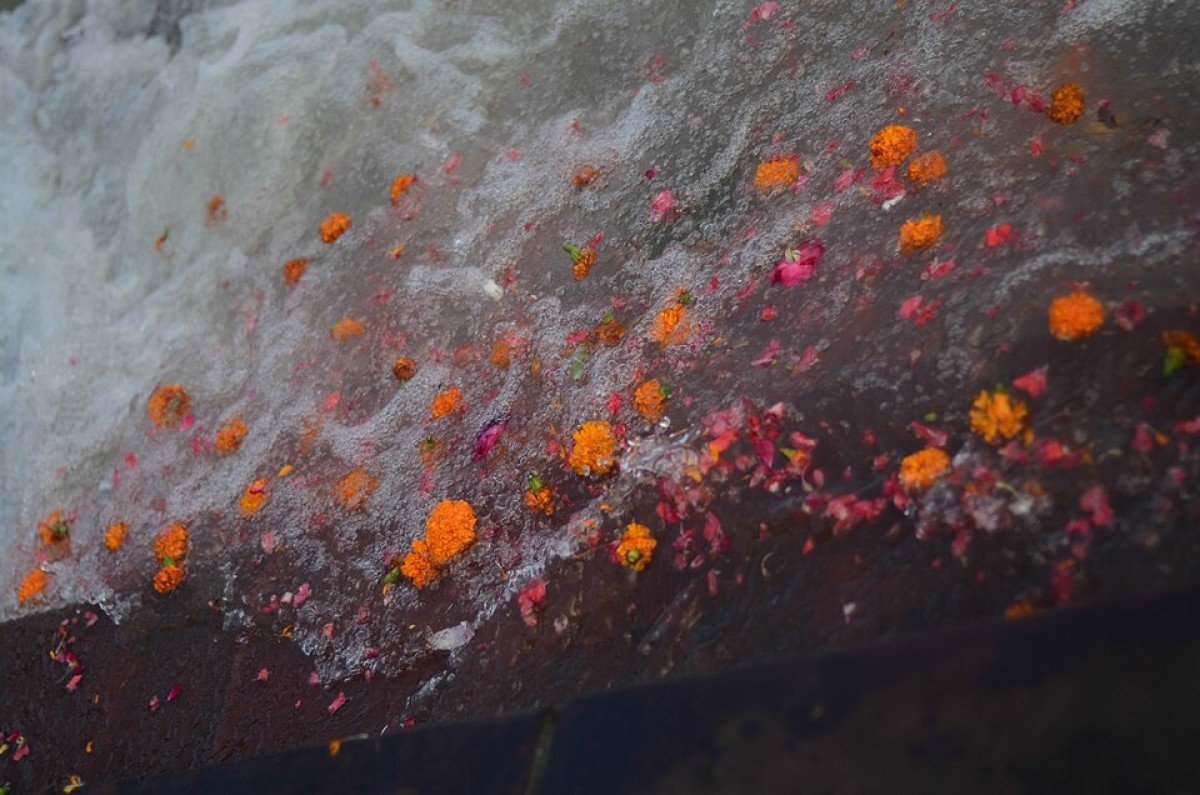
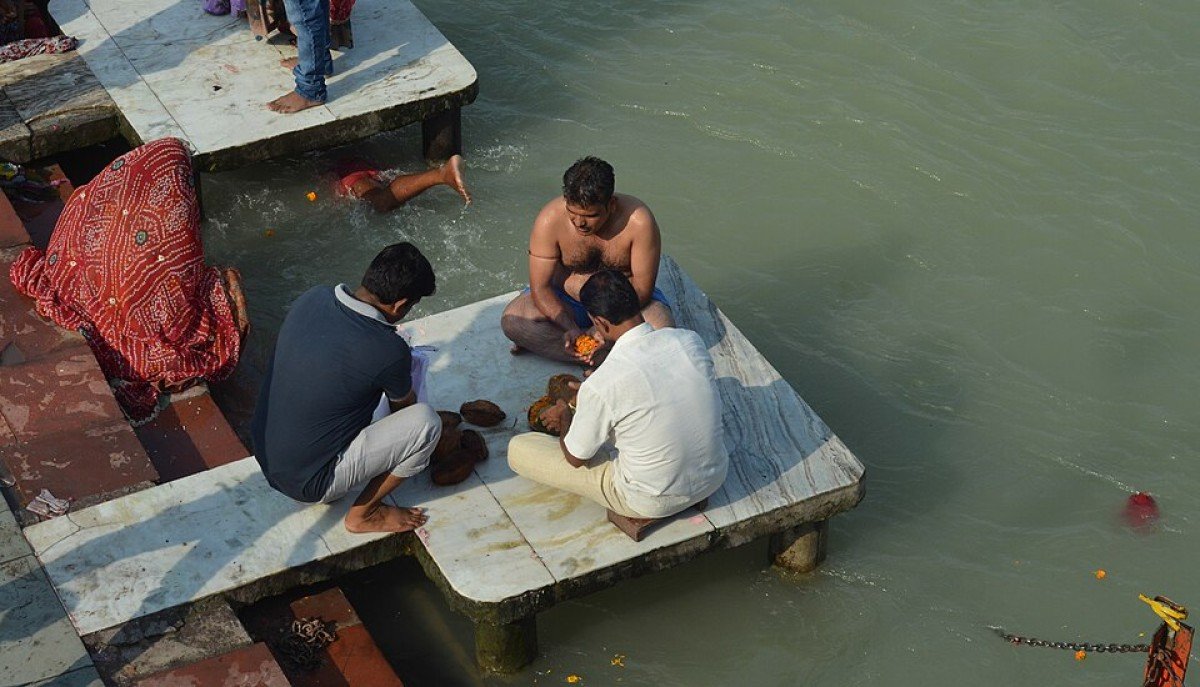
The Ganga Ghat View: The best spot is from the ashram's dedicated ghat, capturing a peaceful, uncrowded view of the holy Ganga river, contrasting the natural setting with the ashram's stone steps.
Wall Inscriptions and Murals: A series of cl...The Ganga Ghat View: The best spot is from the ashram's dedicated ghat, capturing a peaceful, uncrowded view of the holy Ganga river, contrasting the natural setting with the ashram's stone steps.
Wall Inscriptions and Murals: A series of close-up photos of the beautifully painted or engraved verses from the Bhagavad Gita and Ramayana on the ashram walls, providing a visually rich cultural and religious photograph.
The Banyan Tree Corner: A picture of the ancient Banyan tree and the secluded meditation spot beneath it, capturing the quiet, contemplative atmosphere of the hidden gem.
Temple Façade: A wide shot of the main Laxmi-Narayan Temple building, highlighting the simple, clean architecture and the devotional flags.
Bookstore Interior: A photograph inside the massive Gita Press bookstore (with permission), capturing the shelves packed with thousands of religious texts, symbolizing the ashram’s intellectual and spiritual mission.
Sunset over the Ganga: If visiting in the evening, the view of the sun setting over the river from the ashram's bank is a truly peaceful and beautiful scene.
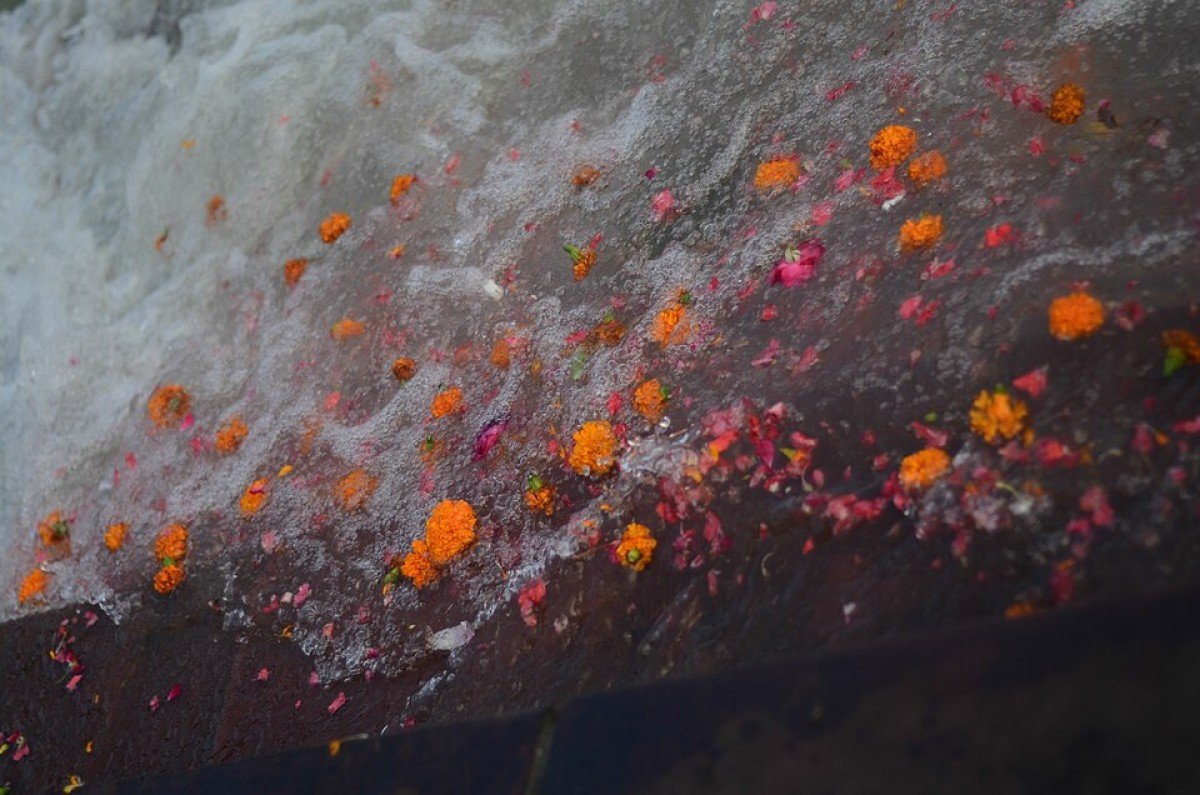
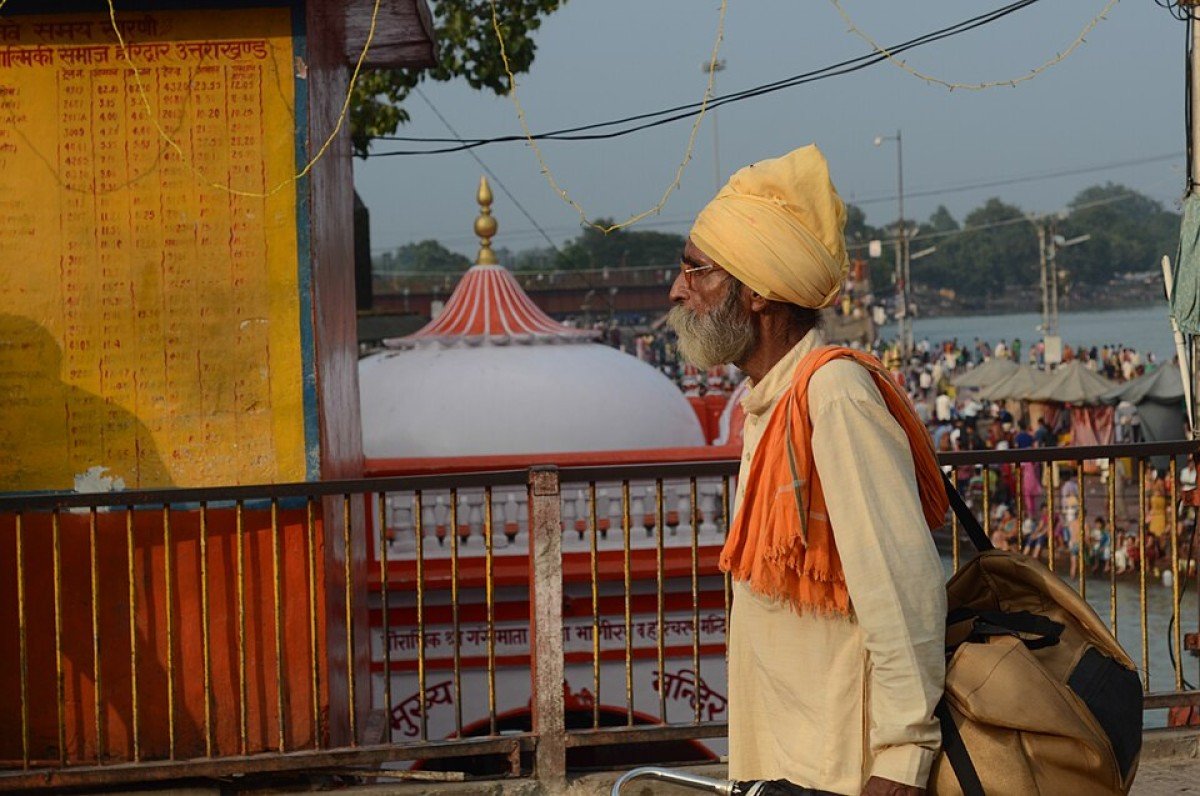
Daily Life Candids: Respectful, candid photos of monks, residents, or pilgrims participating in Satsang or performing simple tasks, capturing the essence of ashram life: End.Photo Gallery
Things To Do
-
Attend Satsang (Discourse): A primary activity is attending the daily spiritual discourses (Satsang) and lectures (Pravachans) on the Bhagavad Gita and other Hindu scriptures. These are often conducted by scholars and monks and are open to the public.
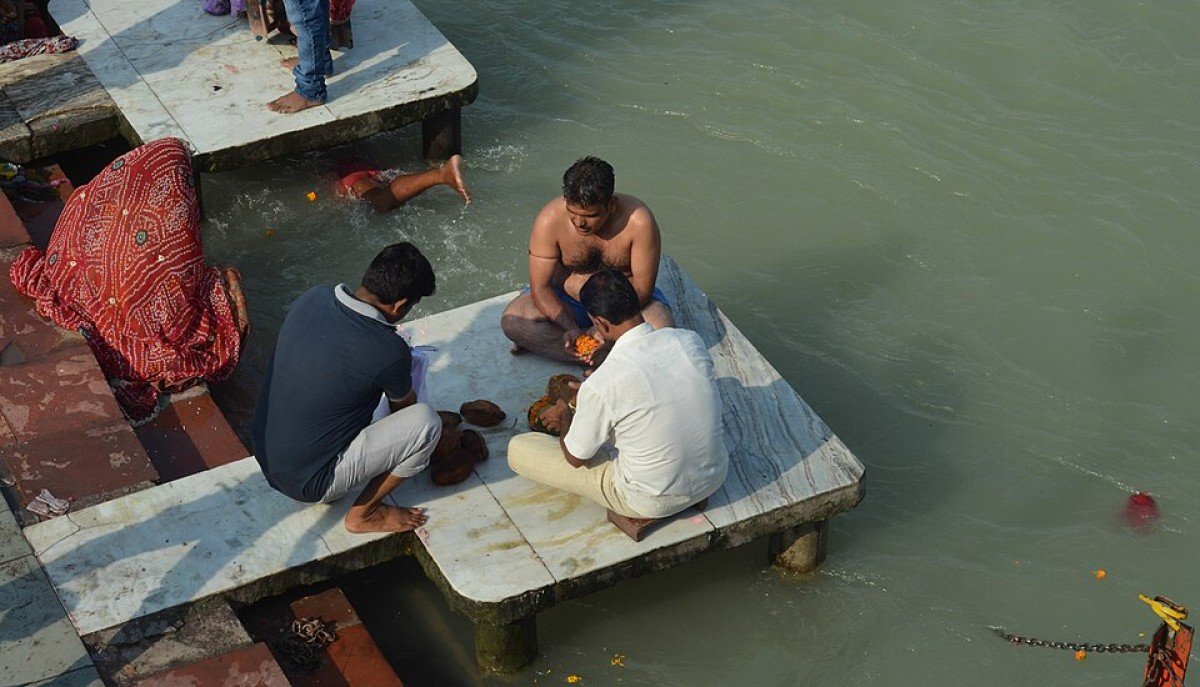
Holy Dip in the Ganga: Take a cleansing dip (Snan) in the holy Ganga at the ashram’s private, quiet bathing Ghat, which offers a peaceful alternative to the crowded public ghats of Haridwar or Rishikesh.
Read and Shop at Gita Press Bookstore: Spend considerable time at the massive on-site bookstore, which sells thousands of Hindu religious texts, including the Gita and Ramayana, at highly subsidized rates. It’s an ideal place to acquire authentic spiritual literature.
Meditate at the Banyan Tree: Seek out the ...Attend Satsang (Discourse): A primary activity is attending the daily spiritual discourses (Satsang) and lectures (Pravachans) on the Bhagavad Gita and other Hindu scriptures. These are often conducted by scholars and monks and are open to the public.
Holy Dip in the Ganga: Take a cleansing dip (Snan) in the holy Ganga at the ashram’s private, quiet bathing Ghat, which offers a peaceful alternative to the crowded public ghats of Haridwar or Rishikesh.
Read and Shop at Gita Press Bookstore: Spend considerable time at the massive on-site bookstore, which sells thousands of Hindu religious texts, including the Gita and Ramayana, at highly subsidized rates. It’s an ideal place to acquire authentic spiritual literature.
Meditate at the Banyan Tree: Seek out the ancient Banyan tree in the complex, a revered spot for saints, and spend time in quiet meditation or contemplation there.
Visit Laxmi-Narayan Temple: Offer prayers at the main Laxmi-Narayan Temple within the ashram complex, dedicated to Lord Vishnu and Goddess Laxmi.
Observe Ashram Life: Simply sit and observe the daily life, discipline, and communal service (Seva) of the ashram residents and pilgrims, gaining insight into traditional Hindu spiritual living.
Read the Wall Inscriptions: Walk along the walls and corridors, reading the engraved and painted verses from the epics, turning the visit into a self-guided lesson in Hindu philosophy.
Consult the Ayurvedic Dispensary: Visit the free/low-cost Ayurvedic dispensary to learn about or acquire traditional Himalayan herbal medicines and wellness practices.
Attend Community Meals: If possible, partake in the simple, wholesome, vegetarian community meals (Annapurna Bhandara), a practice that embodies equality and simplicity.
Volunteer for Seva: For serious seekers, inquire about opportunities for physical service (Seva), like helping in the kitchen or cleaning, which is a valued spiritual practice in the ashram tradition.
Photography of Architecture: Though the ashram is simple, capture the unique architecture, especially the exterior murals and the sheer scale of the complex designed for community: End.
Information
-
Why Famous:
The Gita Press Legacy: Geeta Bhawan is renowned globally as the spiritual home base of the famous Gita Press of Gorakhpur. This connection makes it an essential pilgrimage site for anyone dedicated to the study of Hindu scriptures, especially the Bhagavad Gita. The ashram'...The Gita Press Legacy: Geeta Bhawan is renowned globally as the spiritual home base of the famous Gita Press of Gorakhpur. This connection makes it an essential pilgrimage site for anyone dedicated to the study of Hindu scriptures, especially the Bhagavad Gita. The ashram's bookstore, offering authentic texts at minimal cost, is a major draw.
Mass Satsang & Accommodation: It is famous for its large-scale spiritual discourse (Satsang) programs, especially during the summer, attracting thousands of seekers and scholars. Furthermore, it is widely known for offering basic, free lodging (Dharmashala) to sincere pilgrims, embodying the spirit of selfless service (Seva).
Mythological Inscriptions: The unique practice of having the walls inscribed with the teachings and stories of the epics (Ramayana and Mahabharata) makes the entire ashram an open-air classroom, which is a major point of cultural and religious fame: End. -
Architecture:
Structural Overview: Geeta Bhawan is a sprawling complex, not a single temple, comprising multiple large, multi-story buildings that serve as dormitories, discourse halls, and temples. The architecture is utilitarian yet spiritually focused, designed to accommodate thousand...Structural Overview: Geeta Bhawan is a sprawling complex, not a single temple, comprising multiple large, multi-story buildings that serve as dormitories, discourse halls, and temples. The architecture is utilitarian yet spiritually focused, designed to accommodate thousands of pilgrims, reflecting a practical, ashram-style layout rather than a purely ceremonial temple design.
Decorative Inscriptions: The most distinctive feature is the extensive use of wall space for education. The corridors and exterior walls are covered in colorful paintings, statues, and, crucially, engraved verses and teachings from the Bhagavad Gita and Ramayana.
Dimension of Scale: The complex is massive, featuring over 1,000 simple rooms for devotees, indicating a huge footprint designed for community living and mass religious congregation, especially during special Satsang events. It includes a large, central Laxmi-Narayan Temple built in a post-modern Hindu style and a spacious hall for discourses. A notable architectural element is the integrated Ghat for direct access to the Ganga, built with sturdy stone steps: End. -
How To Reach:
By Air: The nearest airport is Jolly Grant Airport (DED) in Dehradun, approximately 25 KMS away. From the airport, take a pre-paid taxi or a shared cab to Swargashram, Rishikesh. The journey takes about 45 minutes to an hour.
By Train: The...By Air: The nearest airport is Jolly Grant Airport (DED) in Dehradun, approximately 25 KMS away. From the airport, take a pre-paid taxi or a shared cab to Swargashram, Rishikesh. The journey takes about 45 minutes to an hour.
By Train: The nearest railway station is Rishikesh Railway Station (RKSH), about 5 KMS away, or the major station is Haridwar Junction (HW), about 27 KMS away. From Haridwar, take a local passenger train, a state bus, or a shared taxi to Rishikesh. From the Rishikesh station or bus stand, hire an auto-rickshaw or take a ferry across the Ganga near Ram Jhula to reach the Swargashram area where the ashram is located.
By Road: Rishikesh is connected by the NH-34 to Haridwar (approx. 25 KMS) and major northern cities. Buses run frequently from Haridwar and Delhi to the Rishikesh Bus Stand. From the bus stand, local transport must be hired.
By Local Transport: Once in Rishikesh, the ashram is best reached by foot from Ram Jhula or by crossing the Ganga via the ferry service. Auto-rickshaws are available in the main Swargashram area: End. -
Weather and Best Time to Visit:
Different Types of Seasons: The Best Time to Visit is during the pleasant weather months: October to November (Post-monsoon, clear weather) and February to April (Spring). The Winter months (December–January) are very cold but peaceful. The Summer season (May–June) is ...Different Types of Seasons: The Best Time to Visit is during the pleasant weather months: October to November (Post-monsoon, clear weather) and February to April (Spring). The Winter months (December–January) are very cold but peaceful. The Summer season (May–June) is extremely popular because this is when the largest and most significant Satsang (discourse) programs are held, despite the intense heat. Monsoon (July–September) brings heavy rain but is suitable for quiet meditation.
Different Parts of the Day: The Ideal Time is the late morning or late afternoon, coinciding with the daily Satsang timings. The ashram comes alive during these hours. Early morning is best for a peaceful Ganga dip at their private ghat. Avoid visiting in the middle of the day if you are not staying there, as the focus shifts to internal activities and it can be very hot: End. -
Near Tourist Places:
Ram Jhula (2 KMS):
Laxman Jhula (4 KMS):
Parmarth Niketan Ashram (2 KMS):
Triveni Ghat (Rishikesh) (6 KMS):
The Beatles Ashram (4 KMS):
Shivpuri (Rafting) (16 KMS):
Neelkanth Mahadev Temple (32 KMS):
Rajaji National Park (Chilla Gate) (20 KMS):
Vashishta Gufa (18 KMS):
Bharat Mandir (Rishikesh) (5 KMS):
Tourism Tips
-
Health & Safety: Be careful on the stairs and ghats, especially if wet. Geeta Bhawan is very safe, but follow the ashram's rules, especially for staying there.
Packing: Strictly wear modest clothing (no shorts, tank tops) as a sign of respe...Health & Safety: Be careful on the stairs and ghats, especially if wet. Geeta Bhawan is very safe, but follow the ashram's rules, especially for staying there.
Packing: Strictly wear modest clothing (no shorts, tank tops) as a sign of respect for the conservative ashram environment. Carry your own toiletries and a simple lock if you plan to stay, as rooms are basic.
Accommodation: If you plan to stay, book your room well in advance (often via landline). The rooms are simple and primarily meant for spiritual seekers, not luxury travelers.
Other Topics (Respect): Photography is generally fine in the public areas but ask permission before photographing residents or specific rituals. Maintain silence and a calm demeanor, especially in the meditation and discourse halls.
Food: Only simple, pure vegetarian food is served; respect the ashram's food rules.
Cultural Immersion: This is an ideal place for a deep cultural experience; be open to attending the discourses and embracing the simple, spiritual routine.
Check Timings: Ensure you check the exact timings for the bookstore, dispensary, and Satsang before arriving: End.
Reviews
FAQs
Haridwar Itineray And Cost:-
Other Places In Haridwar :-
Other States In India :-
Information about New and Updated Locations() of Uttarakhand Has Been Added :-
Card subtitle
Note:-
Information provided here in good Faith and for reference only.
Near Places

Adbhut Mandir
Some quick example text to build on the card title and make up the bulk of the card's content.
Go somewhere
Anandamayi Maa Ashram
Some quick example text to build on the card title and make up the bulk of the card's content.
Go somewhere
Bara Bazaar
Some quick example text to build on the card title and make up the bulk of the card's content.
Go somewhere
Bhimgoda Tank
Some quick example text to build on the card title and make up the bulk of the card's content.
Go somewhere
Chandi Devi Temple
Some quick example text to build on the card title and make up the bulk of the card's content.
Go somewhere
Crystal World
Some quick example text to build on the card title and make up the bulk of the card's content.
Go somewhere
Daksha Mahadev Temple
Some quick example text to build on the card title and make up the bulk of the card's content.
Go somewhere
Doodhadhari Barfani Temple
Some quick example text to build on the card title and make up the bulk of the card's content.
Go somewhere
Fun Valley Water Park
Some quick example text to build on the card title and make up the bulk of the card's content.
Go somewhere
Gau Ghat
Some quick example text to build on the card title and make up the bulk of the card's content.
Go somewhere
Gauri Shankar Mahadev Temple
Some quick example text to build on the card title and make up the bulk of the card's content.
Go somewhere
Jai Ram Ashram
Some quick example text to build on the card title and make up the bulk of the card's content.
Go somewhere
Kamleshwar Temple
Some quick example text to build on the card title and make up the bulk of the card's content.
Go somewhere
Maya Devi Temple
Some quick example text to build on the card title and make up the bulk of the card's content.
Go somewhere
Neel Dhara Pakshi Vihar
Some quick example text to build on the card title and make up the bulk of the card's content.
Go somewhere
Parad Shivling
Some quick example text to build on the card title and make up the bulk of the card's content.
Go somewherein Other Cities