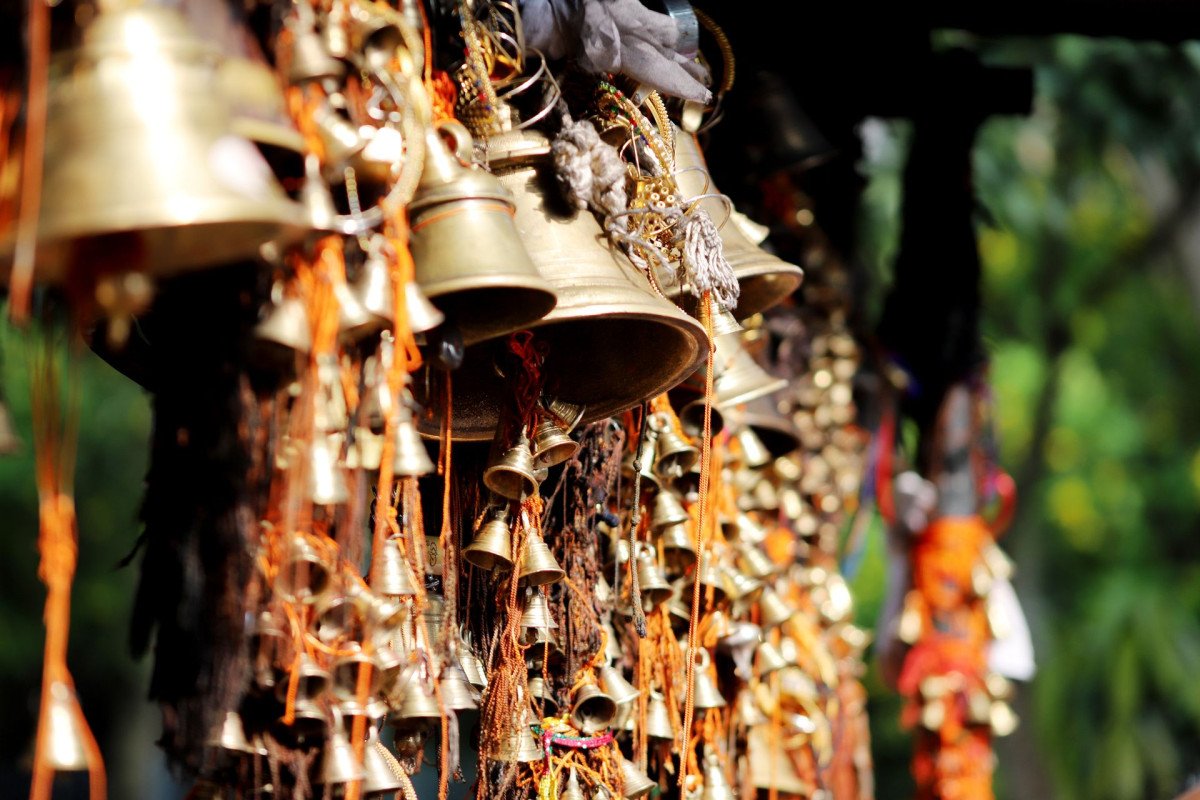
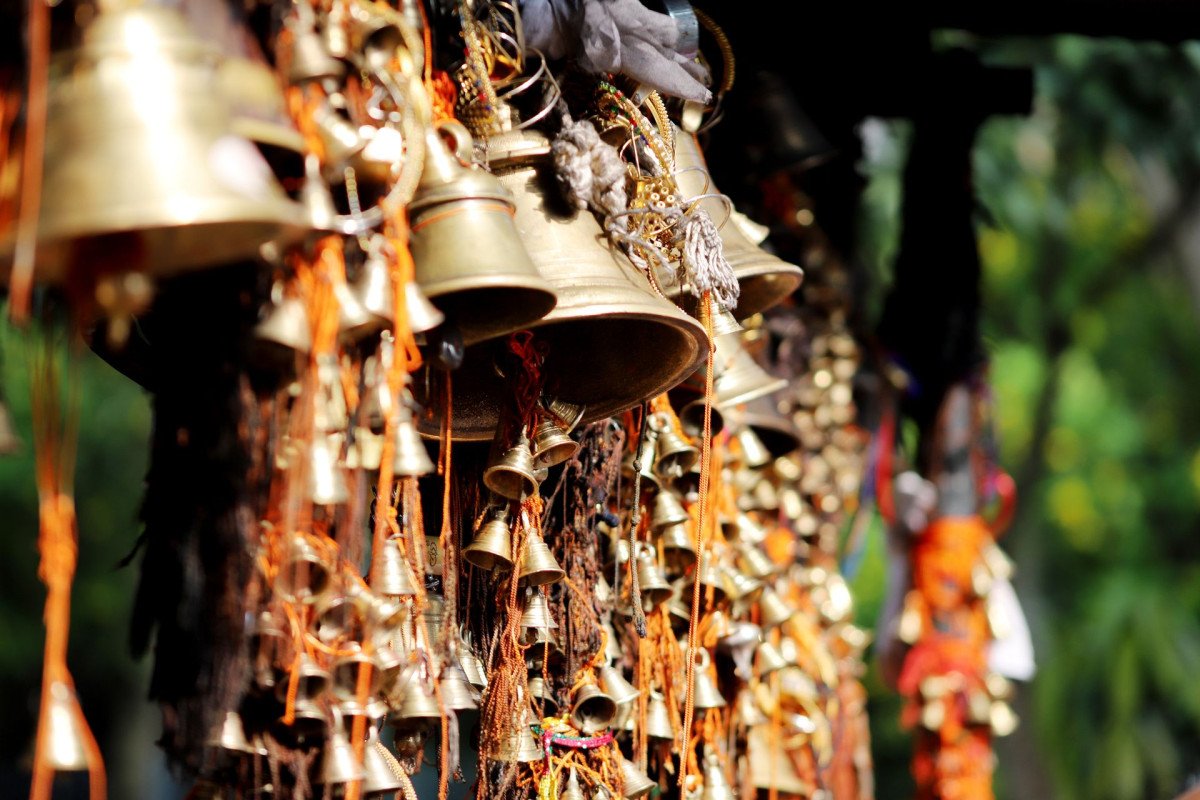
Chandika Asthan Temple
General information
-
Ideal Duration:
1-2 Hours:Place Type:
Religious/Pilgrimage Site:Entry Fees:
Generally Free for Darshan: There is No Mandatory Entry Fee for simple darshan (viewing/worship).
Donations: The temple runs on voluntary donations (dakshina) from devotees, which are encouraged for the upkeep and continued development of th...Generally Free for Darshan: There is No Mandatory Entry Fee for simple darshan (viewing/worship).
Donations: The temple runs on voluntary donations (dakshina) from devotees, which are encouraged for the upkeep and continued development of the holy site.
Special Puja/Ritual Fees: For performing special pujas, havans, or elaborate rituals on behalf of a family, there might be a nominal fee or a suggested donation to the priest (Panda) for the materials and their service.
Photography Fees: Officially, photography is usually restricted or banned inside the sanctum, and if any general photography is allowed in the complex, there is typically no separate fee. :Timing:
Specific Temple Hours:
Regular Timings: The temple is generally open from 9:00 AM to 1:30 PM and again from 5:30 PM to 8:30 PM. Visitors should be aware of the mid-day closing time for offerings and cleaning rituals.
Read MoreSpecific Temple Hours:
Regular Timings: The temple is generally open from 9:00 AM to 1:30 PM and again from 5:30 PM to 8:30 PM. Visitors should be aware of the mid-day closing time for offerings and cleaning rituals.
Ideal Visit Time: Early Morning (9:00 AM - 11:00 AM) is the best time for a peaceful darshan before the main crowds arrive and the temple closes for the mid-day break. Evening (5:30 PM - 7:00 PM) is excellent for the evening aarti, which is a vibrant and spiritually uplifting experience.
Peak Time: During Navaratri, the temple remains open for extended hours and is heavily crowded, making a simple, quick visit nearly impossible. :Special Events:
Navaratri Festival: The twin nine-day festivals of Chaitra Navaratri (March/April) and Sharad Navaratri (September/October) are the most significant events, witnessing massive crowds of devotees and the arrival of Tantriks from various parts of the country for siddhi (spirit...Navaratri Festival: The twin nine-day festivals of Chaitra Navaratri (March/April) and Sharad Navaratri (September/October) are the most significant events, witnessing massive crowds of devotees and the arrival of Tantriks from various parts of the country for siddhi (spiritual attainment).
Kali Puja: The night of Kali Puja (Diwali time) is celebrated with special intensity, featuring late-night pujas and homas (fire rituals) dedicated to Goddess Kali, an aspect of Shakti.
Durgashtami: The eighth day of Navaratri is particularly auspicious and involves special, elaborate ceremonies, bhajans, and aartis to celebrate Maa Durga.
Annual Foundation/Anniversary Day: A day in the year is often celebrated as the temple's anniversary, marked by special community bhandaras (feast) and religious discourses. :Best Photo Spots:
Iconic Entrance Gate: The most photographed spot is the grand, newly constructed entrance gate and the archway, which frame the temple's name and create an inviting religious icon.
The Courtyard During Navaratri: During the festival, the col...Iconic Entrance Gate: The most photographed spot is the grand, newly constructed entrance gate and the archway, which frame the temple's name and create an inviting religious icon.
The Courtyard During Navaratri: During the festival, the colorful decorations, lamps, and the massive gathering of devotees create a vibrant and powerful cultural photo opportunity, capturing the intensity of Indian faith.
View of the Vindhya Cave: A slightly more distant shot that captures the temple against its natural backdrop, suggesting its location in the foothills and near the river, offers a unique photo contrasting nature with the man-made structure.
Maa Chandi Idol: While photography is often strictly Not Allowed inside the main sanctum (must be respected), a general view of the beautifully decorated outer hall or mandap (if permitted) can capture the temple's interior aesthetic. :Photo Gallery
Things To Do
-
Offering Puja and Darshan: The main activity is performing a ritualistic puja (worship) and taking darshan (sacred viewing) of Maa Chandi. Devotees offer flowers, fruits, and prasad (blessed food).
Seeking Cure for Eye Ailments: A specific ritual involves tying a thread or offering a prayer for the cure of eye troubles, a tradition unique to this temple.
Participating in Navaratri: During the two annual Navaratri periods (March/April and September/October), one can participate in special chanting, bhajans, and satsangs organized by the temple authorities, including those led by spiritual leaders like Paramhans Swami Niranjana Nath Saraswati.
Taking a Holy Dip: While not directly at the temple, many devotees take a purification dip in the nearby Ganga before visi...Offering Puja and Darshan: The main activity is performing a ritualistic puja (worship) and taking darshan (sacred viewing) of Maa Chandi. Devotees offer flowers, fruits, and prasad (blessed food).
Seeking Cure for Eye Ailments: A specific ritual involves tying a thread or offering a prayer for the cure of eye troubles, a tradition unique to this temple.
Participating in Navaratri: During the two annual Navaratri periods (March/April and September/October), one can participate in special chanting, bhajans, and satsangs organized by the temple authorities, including those led by spiritual leaders like Paramhans Swami Niranjana Nath Saraswati.
Taking a Holy Dip: While not directly at the temple, many devotees take a purification dip in the nearby Ganga before visiting the shrine.
Tying a Wish-Thread: Like many holy places, there are designated areas where devotees tie a red or yellow thread to a railing or tree as a symbol of a wish made to the Goddess.
Observing Tantric Rituals: With utmost respect and distance, observing the unique tantra sandhna (Tantric practices) of the visiting practitioners during Navaratri provides a rare cultural and spiritual experience.
Shopping for Religious Items: The stalls outside the temple sell religious paraphernalia, incense, and pictures of the Goddess for pilgrims to take home as blessings. :
Information
-
Why Famous:
Eye Ailment Cure: The temple's most unique fame, besides being a Shakti Peetha, is the deeply rooted traditional belief that worship here mystically cures all forms of eye ailments and pain, due to the mythological connection with Sati's left eye. This draws pilgrims specif...Eye Ailment Cure: The temple's most unique fame, besides being a Shakti Peetha, is the deeply rooted traditional belief that worship here mystically cures all forms of eye ailments and pain, due to the mythological connection with Sati's left eye. This draws pilgrims specifically seeking divine intervention for ocular health.
Siddhi-Peetha Status: Its status as a Siddhi-Peetha makes it a magnet for Tantriks and spiritual practitioners, particularly during the Navaratri festival, who come to attain spiritual powers (siddhis).
King Karna's Legacy: The historical and mythological association with King Karna's daily worship and immense charitable acts at this location solidifies its place in regional folklore and history.
Basudevpur Location: Being located on the auspicious northeast corner of Munger, near the Ganga, is considered astrologically and spiritually potent for worship and prayer, enhancing its religious importance. : -
Architecture:
Traditional Hindu Temple Style: The temple complex has undergone several phases of development, with major renovations occurring in the 20th century, particularly by Rai Bahadur Kedar Nath Goinka and later in 1991 by Shyam Sunder Bhangad. While retaining a deep spiritual am...Traditional Hindu Temple Style: The temple complex has undergone several phases of development, with major renovations occurring in the 20th century, particularly by Rai Bahadur Kedar Nath Goinka and later in 1991 by Shyam Sunder Bhangad. While retaining a deep spiritual ambiance, the architecture is a mix of traditional Hindu temple elements and subsequent modern functional additions.
Temple Structure: The main shrine, where the sacred spot of Sati's eye is venerated, is housed in a modest structure, previously having a very small entrance which was later widened to accommodate the growing number of devotees.
Cave Association: Historically, the site is associated with being in a cave among the Vindhya mountains on the bank of the Ganga.
Dimension highlights:
Main Shrine: The inner sanctum is small, focusing intensely on the consecrated Peetha.
Entrance: The entrance has been modernized to handle crowds, especially during festivals like Navaratri.
Inverted View: A less-common architectural feature is the "inverted could ran view" on the northern side, an observation that refers to the peculiar orientation or reflection related to the Ganga's flow. : -
How To Reach:
By Air: The closest major airport is Patna (PAT), Jay Prakash Narayan International Airport, about 185 KMS away. From Patna, take a taxi or train to Jamalpur Junction or Munger.
By Train: The nearest major railhead is Jamalpur Junction (JMP...By Air: The closest major airport is Patna (PAT), Jay Prakash Narayan International Airport, about 185 KMS away. From Patna, take a taxi or train to Jamalpur Junction or Munger.
By Train: The nearest major railhead is Jamalpur Junction (JMP), approximately 13 KMS away, with ample auto-rickshaw and taxi services. Munger Railway Station (MGS) is closer and also a good option.
By Road: The temple is located about 2 KMS from the central Munger town, easily accessible by a short ride via auto-rickshaw (or e-rickshaw) from the city center, following the Basudevpur road.
By Local Transport: Local auto-rickshaws and cycle-rickshaws from the Munger Fort area or Munger Junction are the most convenient way to reach the temple. : -
Weather and Best Time to Visit:
Festive Spiritual Fervor:
Best Season: Winter (October to March) provides the most comfortable weather for travel, especially for waiting in lines during festivals.
The Festive Window: The absolute best time ...Festive Spiritual Fervor:
Best Season: Winter (October to March) provides the most comfortable weather for travel, especially for waiting in lines during festivals.
The Festive Window: The absolute best time is during the two Navaratri periods (March/April and September/October), despite the crowds, to witness the temple at its peak spiritual and celebratory intensity.
Best Part of the Day: Morning is preferred for puja and general darshan. Evening is highly recommended for the aarti ritual and to experience the illumination of the temple, offering a different spiritual ambiance. : -
Near Tourist Places:
Munger Fort (2 KMS), Bihar School of Yoga (5 KMS), Mir Kasim's Palace (2 KMS), Goenka Shivalaya (5 KMS), Kastaharni Ghat (3 KMS), Pir Shah Nafah Shrine (2 KMS), Sita Kund (5 KMS), Manpathar (4 KMS by boat), Rishi Kund (10 KMS), Shri Krishna Vatika (4 KMS):
Tourism Tips
-
Crowd Management:
Health & Safety: Be extra careful with belongings during Navaratri due to large crowds. The steps and surrounding area can be uneven; wear comfortable footwear.
Packing: Dress modestly, co...Crowd Management:
Health & Safety: Be extra careful with belongings during Navaratri due to large crowds. The steps and surrounding area can be uneven; wear comfortable footwear.
Packing: Dress modestly, covering shoulders and knees, as it is a deeply traditional Hindu temple. You may need to remove footwear, so carrying a shoe bag is recommended.
Accommodation: Stay in Munger city as the temple area offers very limited lodging.
Cultural Sensitivity: Be respectful of the priests and the rituals; follow the crowd flow and rules during peak times.
Water and Essentials: Carry your own bottled water, especially in summer.
Donation Box: Only offer donations in designated donation boxes or to official temple counters to avoid scams. :
Reviews
FAQs
Munger Itineray And Cost:-
Chandika Asthan Temple Tourism:-
Other Places In Munger :-
Other States In India :-
Information about New and Updated Locations() of Bihar Has Been Added :-
Card subtitle
Note:-
Information provided here in good Faith and for reference only.
Near Places

Bhimbandh Wildlife Sanctuary
Some quick example text to build on the card title and make up the bulk of the card's content.
Go somewhere
Bihar School of Yoga
Some quick example text to build on the card title and make up the bulk of the card's content.
Go somewhere
Chandika Asthan Temple
Some quick example text to build on the card title and make up the bulk of the card's content.
Go somewhere
Goenka Shivalaya
Some quick example text to build on the card title and make up the bulk of the card's content.
Go somewhere
Jamalpur Gymkhana
Some quick example text to build on the card title and make up the bulk of the card's content.
Go somewhere
Kali Pahadi
Some quick example text to build on the card title and make up the bulk of the card's content.
Go somewhere
Kastaharni Ghat
Some quick example text to build on the card title and make up the bulk of the card's content.
Go somewhere
Kharagpur Lake
Some quick example text to build on the card title and make up the bulk of the card's content.
Go somewhere
Lal Darwaja Qila
Some quick example text to build on the card title and make up the bulk of the card's content.
Go somewhere
Manpathar
Some quick example text to build on the card title and make up the bulk of the card's content.
Go somewhere
Mir Kasim's Palace
Some quick example text to build on the card title and make up the bulk of the card's content.
Go somewhere
Munger Fort
Some quick example text to build on the card title and make up the bulk of the card's content.
Go somewhere
Munger Ganga Bridge
Some quick example text to build on the card title and make up the bulk of the card's content.
Go somewhere
Munger Museum
Some quick example text to build on the card title and make up the bulk of the card's content.
Go somewhere
Pir Pahar Hills
Some quick example text to build on the card title and make up the bulk of the card's content.
Go somewhere
Pir Shah Nafah Shrine
Some quick example text to build on the card title and make up the bulk of the card's content.
Go somewherein Other Cities