Chausath Yogini Temple Ruins
General information
-
Ideal Duration:
45 Minutes - 1 HourPlace Type:
Temple Ruins, Historical Site, Tantric Site, UNESCEntry Fees:
Entry Fee: Included in the Western Group of Temples ticket.
Entry Fee for Indians: INR 40 (online) or INR 50 (offline) for the entire Western Group.
Entry Fee for Foreigners: USD 10 or INR 600 for the entire...Entry Fee: Included in the Western Group of Temples ticket.
Entry Fee for Indians: INR 40 (online) or INR 50 (offline) for the entire Western Group.
Entry Fee for Foreigners: USD 10 or INR 600 for the entire Western Group. No additional photography fee.Timing:
Regular Timings: 06:00 AM to 06:00 PM (Same as the Western Group).
Ideal Visit Time: Early Morning (Sunrise) to capture the peaceful, ancient atmosphere and the cool, soft light on the granite blocks.
Best Day t...Regular Timings: 06:00 AM to 06:00 PM (Same as the Western Group).
Ideal Visit Time: Early Morning (Sunrise) to capture the peaceful, ancient atmosphere and the cool, soft light on the granite blocks.
Best Day to Visit: Weekdays are quieter than Weekends.
Season Preference: October to March is ideal for comfort.Special Events:
Tantric and Shaiva Observances: Local devotees sometimes conduct discrete prayers, especially during auspicious days connected to the Goddess or Shiva, though this is not a publicized event.
Archaeological Research: The site is an active are...Tantric and Shaiva Observances: Local devotees sometimes conduct discrete prayers, especially during auspicious days connected to the Goddess or Shiva, though this is not a publicized event.
Archaeological Research: The site is an active area of interest for archaeologists, who occasionally conduct research or stabilization work.Best Photo Spots:
The Empty Cells: Use the repetitive, empty granite cells to create a striking pattern and depth in your photographs, focusing on the texture of the stone.
The High Platform View: Capture the panoramic view of the surrounding landscape and th...The Empty Cells: Use the repetitive, empty granite cells to create a striking pattern and depth in your photographs, focusing on the texture of the stone.
The High Platform View: Capture the panoramic view of the surrounding landscape and the Shiva-Sagar lake from the high vantage point.
Framing the Sky: Use the open, hypaethral courtyard to frame the sky or the clouds above, emphasizing the open-air worship tradition.
The Ascent: Photograph the steep staircase leading up to the platform, giving a sense of scale and importance.Photo Gallery
Things To Do
-
Climb the Platform: Ascend the high platform to appreciate the elevated view and the simple, stark layout of the ancient temple.
Meditate on the 64 Cells: Walk around the perimeter, stopping at the remaining 35 cells to contemplate the nature of the Yogini cult and the worship of the powerful feminine divine.
Photography of the Starkness: Capture the ruined, granite cells against the sky, emphasizing the simplicity and power of the ancient structure, contrasting it with the heavily carved later temples.
View the Shiva-Sagar Lake: Enjoy the elevated view of the nearby Shiva-Sagar Lake, noting the temple's strategic location.
Study the Early Architecture: Look closely at the coarse granite blocks and the simple construction style t...Climb the Platform: Ascend the high platform to appreciate the elevated view and the simple, stark layout of the ancient temple.
Meditate on the 64 Cells: Walk around the perimeter, stopping at the remaining 35 cells to contemplate the nature of the Yogini cult and the worship of the powerful feminine divine.
Photography of the Starkness: Capture the ruined, granite cells against the sky, emphasizing the simplicity and power of the ancient structure, contrasting it with the heavily carved later temples.
View the Shiva-Sagar Lake: Enjoy the elevated view of the nearby Shiva-Sagar Lake, noting the temple's strategic location.
Study the Early Architecture: Look closely at the coarse granite blocks and the simple construction style to understand the beginnings of Chandela temple building.
Read the History: Bring a guidebook or use an ASI plaque to understand the history of the Yogini cult, which is crucial for appreciating the ruins.
Combine with the Museum: Visit the Archaeological Museum nearby to see the Matrika statues that were recovered from this site.
Information
-
Why Famous:
The Oldest Khajuraho Temple: Its primary fame is its age (late 9th century), being the earliest extant structure and the starting point for tracing Chandela temple architecture evolution.
A Rectangular Yogini Temple: It is famous for its hig...The Oldest Khajuraho Temple: Its primary fame is its age (late 9th century), being the earliest extant structure and the starting point for tracing Chandela temple architecture evolution.
A Rectangular Yogini Temple: It is famous for its highly unusual rectangular plan among the Yogini temples (which are mostly circular), suggesting a unique, localized tradition of the Kapalika and Kaula sects. -
Architecture:
Early Architecture and Dimension: The temple is built on a high, massive stone platform (5. 4 meters high) on a natural stone outcrop, which is its dominant architectural feature.
Rectangular Plan Dimensions: The structure is distinctly rect...Early Architecture and Dimension: The temple is built on a high, massive stone platform (5. 4 meters high) on a natural stone outcrop, which is its dominant architectural feature.
Rectangular Plan Dimensions: The structure is distinctly rectangular, measuring approximately 31. 4 meters (length) by 18. 3 meters (width), with a northeast orientation.
The 65 Cells: The perimeter was originally surrounded by 65 small shrine cells (koshthakas) for the 64 Yoginis and a central, larger shrine for the main deity (likely Goddess Durga or Mahishamardini). Each surviving cell has a simple doorway and a curvilinear tower roof.
Material and Style: Constructed from large, coarse granite blocks, it represents the earliest phase of Chandela architecture before they fully transitioned to the fine sandstone. -
How To Reach:
By Air: Fly to Khajuraho Airport (HJR), then take a taxi or auto-rickshaw (approx 7 KMS) to the Western Group area.
By Train: Arrive at Khajuraho Railway Station (KURJ), then hire an auto-rickshaw (approx 4 KMS). Satna Railway Station (STA)...By Air: Fly to Khajuraho Airport (HJR), then take a taxi or auto-rickshaw (approx 7 KMS) to the Western Group area.
By Train: Arrive at Khajuraho Railway Station (KURJ), then hire an auto-rickshaw (approx 4 KMS). Satna Railway Station (STA) is the long-distance railhead (116 KMS).
By Road: It is located within the greater area of the Western Group of Temples, accessible via the main road of the complex.
By Local Transport: Easily reachable on foot or by auto-rickshaw from the main town, as it is only 0. 8 KMS from the city center. -
Weather and Best Time to Visit:
The Winter Season (October to March): Excellent climate for walking the high, open platform and exploring the ruins.
The Monsoon Season (July to September): The sight of the ruins against the lush green, rain-washed surroundings is very beau...The Winter Season (October to March): Excellent climate for walking the high, open platform and exploring the ruins.
The Monsoon Season (July to September): The sight of the ruins against the lush green, rain-washed surroundings is very beautiful.
Different Parts of the Day: The Sunrise is the absolute best time, offering a dramatic, spiritual light over the ancient granite structure before the main crowds arrive. -
Near Tourist Places:
Archaeological Museum (0. 8 KMS), Kandariya Mahadev Temple (0. 5 KMS), Devi Jagadambi Temple (0. 6 KMS), Chitragupta Temple (0. 6 KMS), Lakshmana Temple (1 KMS), Matangeshvara Temple (1 KMS), Adinath Temple (1. 5 KMS), Beni Sagar Dam (2. 5 KMS), Raneh Falls (22 KMS), Panna National Park (43 KMS).
Tourism Tips
-
Health & Safety: The high platform requires caution, especially with children. Wear good grip shoes as the old granite is sometimes slippery. Carry a hat and sunglasses, as there is no shade on the platform.
Packing: Bring a telephoto lens...Health & Safety: The high platform requires caution, especially with children. Wear good grip shoes as the old granite is sometimes slippery. Carry a hat and sunglasses, as there is no shade on the platform.
Packing: Bring a telephoto lens to capture the distant Shiva-Sagar lake view.
Accommodation: Stay near the Western Group entrance for easy Morning access.
Other Topics: Visit this temple first in the Western Group to understand the chronological start of the architecture. The size of the granite blocks is a good point of study.
Reviews
FAQs
Khajuraho Itineray And Cost:-
Chausath Yogini Temple Ruins Tourism:-
Information about New and Updated Locations() of Madhya Pradesh Has Been Added :-
Card subtitle
Note:-
Information provided here in good Faith and for reference only.
All information and pictures will be updated soon, please keep visiting.
Near Places
Adinath Temple
Some quick example text to build on the card title and make up the bulk of the card's content.
Go somewhere
Archaeological Museum
Some quick example text to build on the card title and make up the bulk of the card's content.
Go somewhere
Beejamandal Temple
Some quick example text to build on the card title and make up the bulk of the card's content.
Go somewhere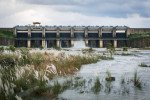
Beni Sagar Dam
Some quick example text to build on the card title and make up the bulk of the card's content.
Go somewhere
Brahma Temple
Some quick example text to build on the card title and make up the bulk of the card's content.
Go somewhere
Chaturbhuj Temple
Some quick example text to build on the card title and make up the bulk of the card's content.
Go somewhere
Chausath Yogini Temple Ruins
Some quick example text to build on the card title and make up the bulk of the card's content.
Go somewhere
Chitragupta Temple
Some quick example text to build on the card title and make up the bulk of the card's content.
Go somewhere
Devi Jagadambi Temple
Some quick example text to build on the card title and make up the bulk of the card's content.
Go somewhere
Duladeo Temple
Some quick example text to build on the card title and make up the bulk of the card's content.
Go somewherein Other Cities