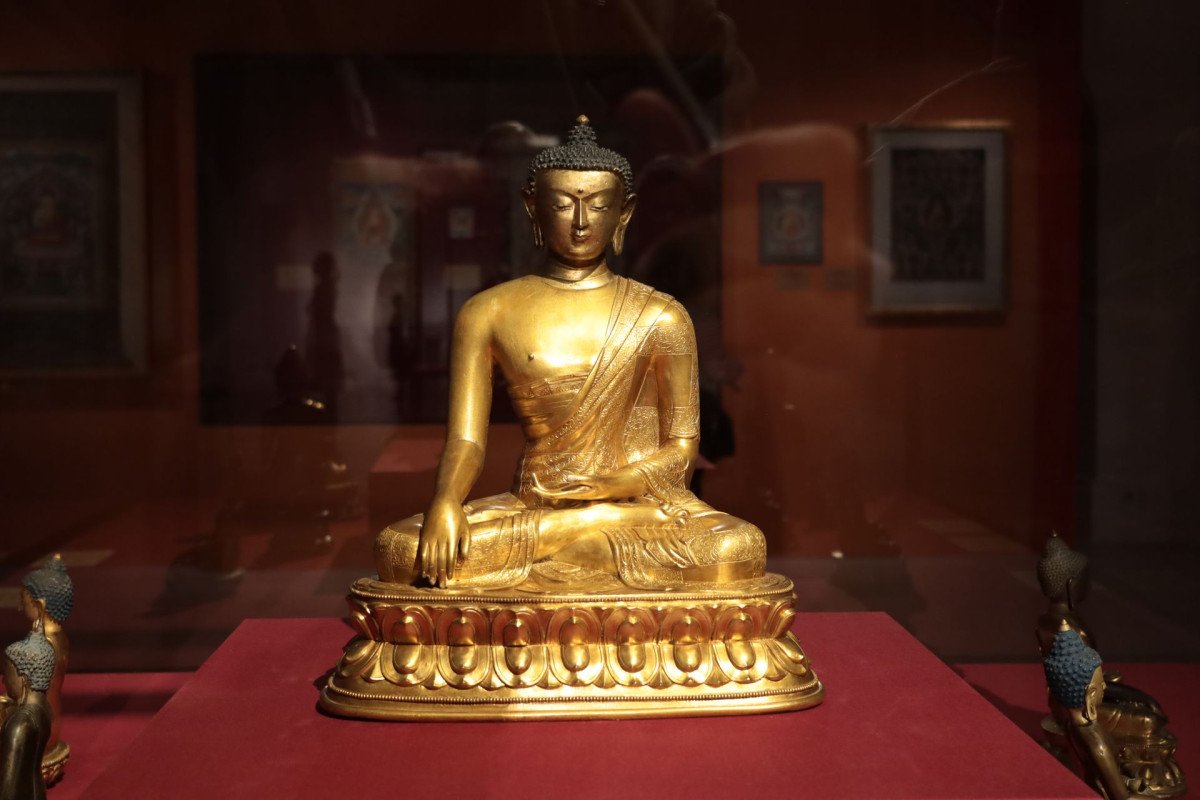
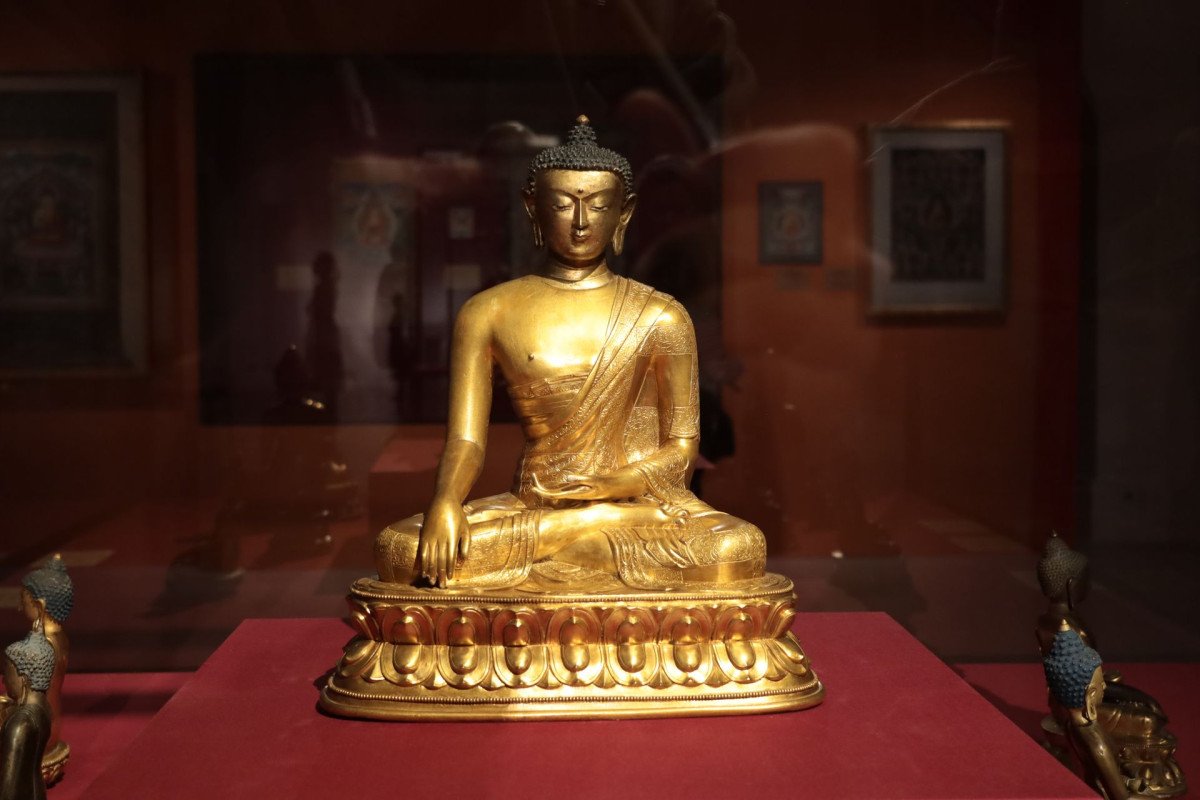
Archaeological Museum
General information
-
Ideal Duration:
1 Hour - 1. 5 HoursPlace Type:
Museum, Historical Site, Cultural UNESCO SiteEntry Fees:
Entry Fee for Indians: INR 10 (for adults).
Entry Fee for Foreigners: INR 250 (for adults).
Note on Tickets: A ticket purchased for the Western Group of Temples on the same day is often valid for entry to th...Entry Fee for Indians: INR 10 (for adults).
Entry Fee for Foreigners: INR 250 (for adults).
Note on Tickets: A ticket purchased for the Western Group of Temples on the same day is often valid for entry to the museum, but confirm this at the ticket counter.
Photography Charges: No additional fee for standard photography (check if a fee applies for professional/video camera use).Timing:
Regular Timings: 10:00 AM to 05:00 PM.
Weekly Holiday: Friday (The museum is Closed on Fridays).
Ideal Visit Time: Midday (12:00 PM to 3:00 PM) to serve as an escape from the outside heat, or immediately bef...Regular Timings: 10:00 AM to 05:00 PM.
Weekly Holiday: Friday (The museum is Closed on Fridays).
Ideal Visit Time: Midday (12:00 PM to 3:00 PM) to serve as an escape from the outside heat, or immediately before visiting the Western Group of Temples for better context.
Season Preference: October to March is the best season.Special Events:
Temporary Exhibitions: The ASI sometimes organizes small, temporary exhibitions or educational programs on specific themes, such as conservation methods or particular temple groups, though these are not regularly scheduled.
Archaeology Week Even...Temporary Exhibitions: The ASI sometimes organizes small, temporary exhibitions or educational programs on specific themes, such as conservation methods or particular temple groups, though these are not regularly scheduled.
Archaeology Week Events: During national events like World Heritage Week (typically in November), the museum may host special talks or awareness drives.Best Photo Spots:
Indoor Gallery Close-ups: Focus on capturing the texture and detail of the stone fragments within the controlled indoor lighting, bringing out the depth of the carvings.
The Open-Air Gallery: Use the strong sunlight to highlight the weathere...Indoor Gallery Close-ups: Focus on capturing the texture and detail of the stone fragments within the controlled indoor lighting, bringing out the depth of the carvings.
The Open-Air Gallery: Use the strong sunlight to highlight the weathered beauty of the large, reassembled architectural pieces in the open courtyard.
Framing the Matrikas: Capture the three Matrika statues as a thematic group, emphasizing their size and historical importance in relation to the Chausath Yogini Temple.
Museum Building and Garden: Photograph the colonial-era building and its well-maintained surrounding garden, which provides a serene contrast to the intense artwork inside.Photo Gallery
Things To Do
-
Self-Guided Tour: Explore the well-organized galleries systematically, starting with the Jain and moving to the Vaishnava and Shaiva sections to understand the diversity of faiths.
Study the Sculptural Techniques: Take time to observe the fine carving details on the fragments, such as the jewelery, expressions, and posture of the figures, which are easier to see here than high up on the temples.
Read the Information Plaques: Use the descriptive boards to gain context on the deities and architectural elements, which greatly enhances the visit to the main temple complex afterward.
Indoor Escape from the Heat: Visit the museum during the midday heat (12:00 PM to 3:00 PM) as it provides a cool, informative break.
Buy a Book: Check th...Self-Guided Tour: Explore the well-organized galleries systematically, starting with the Jain and moving to the Vaishnava and Shaiva sections to understand the diversity of faiths.
Study the Sculptural Techniques: Take time to observe the fine carving details on the fragments, such as the jewelery, expressions, and posture of the figures, which are easier to see here than high up on the temples.
Read the Information Plaques: Use the descriptive boards to gain context on the deities and architectural elements, which greatly enhances the visit to the main temple complex afterward.
Indoor Escape from the Heat: Visit the museum during the midday heat (12:00 PM to 3:00 PM) as it provides a cool, informative break.
Buy a Book: Check the small museum shop for publications and postcards related to Khajuraho to deepen your knowledge.
Photography of Exterior Exhibits: While interior photography may be restricted, the open-air gallery often allows photography of larger fragments, providing unique compositions.
Discuss with the Curator: If you are an academic or deeply interested, inquire if a brief discussion with the curator or staff is possible to gain expert insight.
Information
-
Why Famous:
Preserving the Fragments of Art: It is famous for being the central repository that saved invaluable sculptures and architectural components from further decay after the temples were rediscovered, offering a vital link to the history.
A Comprehe...Preserving the Fragments of Art: It is famous for being the central repository that saved invaluable sculptures and architectural components from further decay after the temples were rediscovered, offering a vital link to the history.
A Comprehensive View of Iconography: The museum provides an unparalleled opportunity to study the iconography of the Hindu, Jain, and Buddhist deities of the period at close range, with descriptive plaques offering educational context. -
Architecture:
Display and Arrangement and Dimension: The museum is organized into several open-air and indoor galleries.
Thematic Galleries:
The main galleries include: Jain Gallery, Vaishnava Gallery, Shaiva Gallery, and ...Display and Arrangement and Dimension: The museum is organized into several open-air and indoor galleries.
Thematic Galleries:
The main galleries include: Jain Gallery, Vaishnava Gallery, Shaiva Gallery, and the Miscellaneous Gallery. The collection includes significant pieces like three large statues of Matrikas (mother goddesses) recovered from the Chausath Yogini Temple Ruins.
Architectural Focus: The pieces demonstrate the finest aspects of Nagara style temple sculpture and the craftsmanship of the Chandela artisans. This includes intricately carved door jambs, pillars, lintels, and various deities that once adorned the temples. Dimensions are not for the museum building but for key artifacts: some statues, like the Matrikas, are over 1 meter in height and showcase detailed iconography, offering a rare close-up view of the sculptural finesse. -
How To Reach:
By Air: Fly to Khajuraho Airport (HJR), then take a taxi or auto-rickshaw (5-7 KMS) to the museum which is located close to the Western Group of Temples.
By Train: Arrive at Khajuraho Railway Station (KURJ), then take an auto-rickshaw or tax...By Air: Fly to Khajuraho Airport (HJR), then take a taxi or auto-rickshaw (5-7 KMS) to the museum which is located close to the Western Group of Temples.
By Train: Arrive at Khajuraho Railway Station (KURJ), then take an auto-rickshaw or taxi (3-4 KMS). Satna Railway Station (STA) is the long-distance railhead (116 KMS).
By Road: Easily accessible as it is on the main road near the major temple complex. Auto-rickshaws and cycle-rickshaws are readily available.
By Local Transport: It is a short walk or quick auto-rickshaw ride from the town center, making it highly accessible. Many tourists walk over after visiting the Western Group. -
Weather and Best Time to Visit:
The Winter Season (October to March): Pleasant weather makes the travel to and from the museum comfortable; this is the peak tourist season.
The Monsoon Season (July to September): Good for a visit as it offers an indoor activity on a rainy...The Winter Season (October to March): Pleasant weather makes the travel to and from the museum comfortable; this is the peak tourist season.
The Monsoon Season (July to September): Good for a visit as it offers an indoor activity on a rainy day, though humidity is high.
Different Parts of the Day: Midday is the perfect time to visit as it is an indoor attraction, providing a break from the harsh sun, which is crucial for overall comfort during the tour. -
Near Tourist Places:
Western Group of Temples (0. 1 KMS), Devi Jagadambi Temple (0. 2 KMS), Chitragupta Temple (0. 2 KMS), Kandariya Mahadev Temple (0. 3 KMS), Lakshmana Temple (0. 4 KMS), Chaunsath Yogini Temple Ruins (0. 8 KMS), Matangeshvara Temple (1 KMS), Beni Sagar Dam (2. 5 KMS), Adinath Temple (1. 5 KMS), Panna National Park (43 KMS).
Tourism Tips
-
Health & Safety: The facility is clean and well-maintained. Use the provided cold drinking water station.
Packing: Carrying a notebook for sketching or taking notes is recommended for art students or enthusiasts. No backpacks or large bags...Health & Safety: The facility is clean and well-maintained. Use the provided cold drinking water station.
Packing: Carrying a notebook for sketching or taking notes is recommended for art students or enthusiasts. No backpacks or large bags are usually allowed inside; they must be kept in the cloakroom.
Accommodation: Stay near the Western Group to easily walk to the museum, or book a hotel in Sevagram village.
Other Topics: Visit the museum first before the temples to appreciate the temples' art and history better. Be mindful that photography is often restricted inside the galleries to protect the artifacts.
Reviews
FAQs
Khajuraho Itineray And Cost:-
Archaeological Museum Tourism:-
Information about New and Updated Locations() of Madhya Pradesh Has Been Added :-
Card subtitle
Note:-
Information provided here in good Faith and for reference only.
All information and pictures will be updated soon, please keep visiting.
Near Places
Adinath Temple
Some quick example text to build on the card title and make up the bulk of the card's content.
Go somewhere
Archaeological Museum
Some quick example text to build on the card title and make up the bulk of the card's content.
Go somewhere
Beejamandal Temple
Some quick example text to build on the card title and make up the bulk of the card's content.
Go somewhere
Beni Sagar Dam
Some quick example text to build on the card title and make up the bulk of the card's content.
Go somewhere
Brahma Temple
Some quick example text to build on the card title and make up the bulk of the card's content.
Go somewhere
Chaturbhuj Temple
Some quick example text to build on the card title and make up the bulk of the card's content.
Go somewhere
Chausath Yogini Temple Ruins
Some quick example text to build on the card title and make up the bulk of the card's content.
Go somewhere
Chitragupta Temple
Some quick example text to build on the card title and make up the bulk of the card's content.
Go somewhere
Devi Jagadambi Temple
Some quick example text to build on the card title and make up the bulk of the card's content.
Go somewhere
Duladeo Temple
Some quick example text to build on the card title and make up the bulk of the card's content.
Go somewherein Other Cities