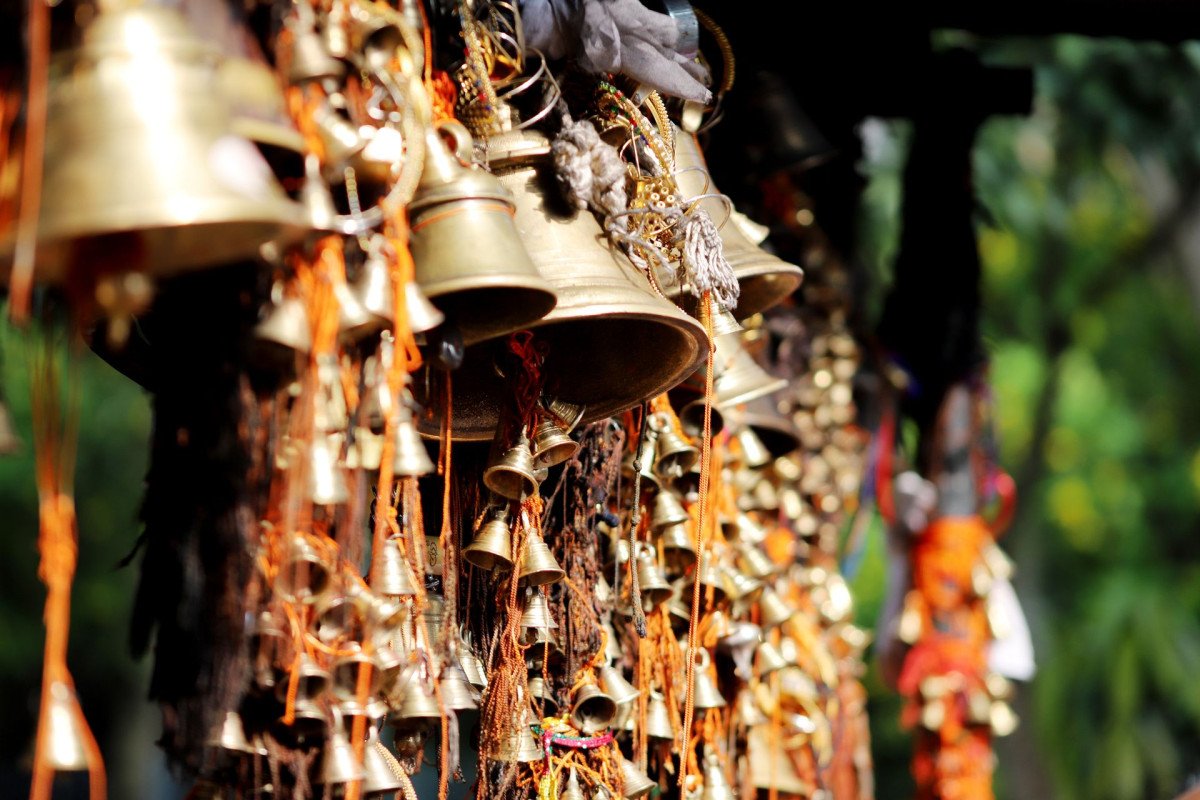
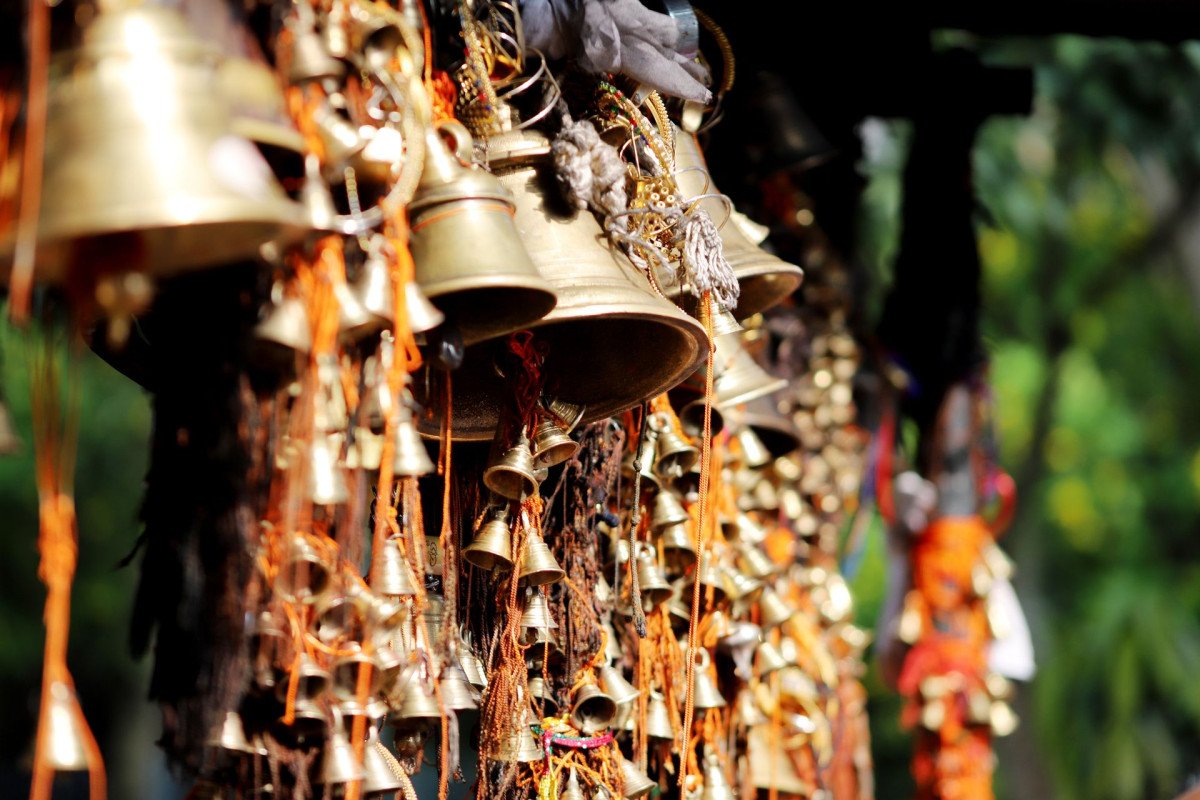
Duladeo Temple
General information
-
Ideal Duration:
Explore the Last Great Temple: The ideal duration is 45 minutes to 1 hour.Place Type:
Religious, Architectural:Entry Fees:
Part of the ASI Ticketed Area: The temple is typically part of the common ticket required to enter the Western Group of Temples, although it belongs to the Southern Group. Foreigners pay an entry fee of INR 600, while Indian Nationals pay INR 40. Children under 15 years us...Part of the ASI Ticketed Area: The temple is typically part of the common ticket required to enter the Western Group of Temples, although it belongs to the Southern Group. Foreigners pay an entry fee of INR 600, while Indian Nationals pay INR 40. Children under 15 years usually have free entry.
Ticket Validity: The ticket is generally valid for the same day and covers entry to the entire Khajuraho Group of Monuments, which allows visitors to see all temples across the Western, Eastern, and Southern groups that charge an entry fee.
Separate Gate: Although linked by ticket, the Southern Group has a separate, unmanned entrance, and the fee is verified by the ASI staff.
Exemptions: Local villagers and children are often exempt from the fee. The price structure is designed to be affordable for local tourists while generating revenue for the preservation of the UNESCO World Heritage Site. :Timing:
Regular Timings: Open daily from Sunrise to Sunset (approximately 6:00 AM to 6:00 PM).
Ideal Visit Time: The best time to visit is during the early morning (6:00 AM to 9:00 AM) for a quiet, contemplative experience and excellent, soft light ...Regular Timings: Open daily from Sunrise to Sunset (approximately 6:00 AM to 6:00 PM).
Ideal Visit Time: The best time to visit is during the early morning (6:00 AM to 9:00 AM) for a quiet, contemplative experience and excellent, soft light for photography, or the late afternoon (4:00 PM to 6:00 PM) to catch the stunning sunset view.
Peak Hours: As it is a quieter location, the temple does not experience the same peak crowds as the Kandariya Mahadeva Temple, making the entire day pleasant.
Duration Note: A focused visit takes about 45 minutes, but visitors often stay longer in the late afternoon for the serene atmosphere and sunset photography. :Special Events:
Shivratri and Local Hindu Festivals: While not the primary venue, the Duladeo Temple sees a significant increase in local devotees and modest festivities during Maha Shivratri (usually in February or March), the annual festival dedicated to Lord Shiva.
Read MoreShivratri and Local Hindu Festivals: While not the primary venue, the Duladeo Temple sees a significant increase in local devotees and modest festivities during Maha Shivratri (usually in February or March), the annual festival dedicated to Lord Shiva.
Temple Anniversary: Smaller, local observances may be held annually to mark the temple's construction or important days in the Hindu calendar, often involving prayer and traditional music, though these are not large-scale public events.
Morning Prayers: Witnessing the daily morning prayers and rituals performed by the temple priests, which provide an authentic glimpse into local religious life, away from the main tourist trail, is a special event in itself. :Best Photo Spots:
The Octagonal Maha-Mandapa Ceiling: The elaborate ceiling structure, supported by the twenty apsara brackets, is an internal masterpiece, providing a unique angle for high-contrast interior shots.
The Apsara Panels: Focus on the distinctivel...The Octagonal Maha-Mandapa Ceiling: The elaborate ceiling structure, supported by the twenty apsara brackets, is an internal masterpiece, providing a unique angle for high-contrast interior shots.
The Apsara Panels: Focus on the distinctively styled figures, particularly the apsaras with their soft features and elaborate ornamentation, on the outer walls, capturing the "last glow" of Chandela art.
Sunset Silhouette: The temple's location on open ground near the Khudar River is perfect for capturing a silhouette shot of the towering shikhara against the colourful backdrop of a sunset.
Architectural Anomalies: Zoom in on the unique iconography, such as the Ashtavasus on crocodile mounts, or the specific depictions of celestial garland carriers near the door lintel, which are excellent for detailed, close-up photography. :Photo Gallery
Things To Do
-
Contemplative Exploration: Things to Do include taking a peaceful walk through the ASI-maintained garden and around the high plinth to appreciate the temple's magnificent exterior carvings without the usual tourist rush. This is a primary activity, allowing visitors to soak in the serene atmosphere.
Deep Dive into Sculpture: Spend time examining the unique, late Chandela style of the apsaras and the erotic figures, noting the difference in posture and ornamentation (like the foreleg ornaments) compared to the Kandariya Mahadeva Temple. Use a guidebook to identify the Ashtavasus mounted on crocodiles instead of the typical bull.
Worship and Circumambulation: Perform a spiritual circumambulation (parikrama) of the temple's exterior. For devotees of Lord Shiva, meditating near the Sahastra Lingam...Contemplative Exploration: Things to Do include taking a peaceful walk through the ASI-maintained garden and around the high plinth to appreciate the temple's magnificent exterior carvings without the usual tourist rush. This is a primary activity, allowing visitors to soak in the serene atmosphere.
Deep Dive into Sculpture: Spend time examining the unique, late Chandela style of the apsaras and the erotic figures, noting the difference in posture and ornamentation (like the foreleg ornaments) compared to the Kandariya Mahadeva Temple. Use a guidebook to identify the Ashtavasus mounted on crocodiles instead of the typical bull.
Worship and Circumambulation: Perform a spiritual circumambulation (parikrama) of the temple's exterior. For devotees of Lord Shiva, meditating near the Sahastra Lingam in the sanctum is a powerful spiritual experience.
Photography Session: Utilize the quieter setting and the natural light of the early morning or late afternoon to capture unique, uncrowded shots of the temple's intricate spire and exterior bands. The soft features of the apsaras photograph particularly well.
Connecting to the South: Combine the visit with the nearby Chaturbhuj Temple (which is also in the Southern Group) to complete the exploration of this less-visited, tranquil sector of the Khajuraho monuments. This provides a fuller appreciation of the architectural continuity and evolution across the site's three main clusters. :
Information
-
Why Famous:
The Final Artistic Crescendo: The Duladeo Temple is most famous for its position as the last of the great Chandela temples, showcasing the final phase of their artistic evolution.
Unique Sculptural Characteristics: It is renowned for its dis...The Final Artistic Crescendo: The Duladeo Temple is most famous for its position as the last of the great Chandela temples, showcasing the final phase of their artistic evolution.
Unique Sculptural Characteristics: It is renowned for its distinctly stylized and highly ornamental sculptures, particularly the multitude of celestial dancers (apsaras) carved on its walls and the unique octagonal maha-mandapa. Unlike the sharp, angular postures of earlier temples, the figures here are softer and more expressive, giving them a unique appeal that sets them apart from the more famous Western Group.
The Sahastra Lingam: Its sanctum houses a rare Shiva Linga carved with 999 smaller lingas (making it a Sahastra Lingam or 'thousand lingas'), a powerful and unique symbol of Lord Shiva not found in other prominent temples. This makes it a significant site for devout Hindus. : -
Architecture:
Architectural Style and Plan: The temple strictly follows the Nagara style of architecture, typical of North India. Its ground plan is classified as a nirandhara temple, meaning it lacks an interior circumambulatory passage (pradakshina-patha), differentiating it from the g...Architectural Style and Plan: The temple strictly follows the Nagara style of architecture, typical of North India. Its ground plan is classified as a nirandhara temple, meaning it lacks an interior circumambulatory passage (pradakshina-patha), differentiating it from the grander temples of the Western Group. This characteristic is notable for a temple of its size and importance.
Dimensions and Layout: The temple is built on a high raised plinth (jagati). The complete layout consists of an entrance porch, a large maha-mandapa (main hall), a vestibule (antarala), and the sanctum (garbhagriha) where the linga is deified. The most striking architectural element is the maha-mandapa, which is uniquely octagonal in shape and boasts the largest diameter (approximately 18. 5 feet or 5. 6 meters) among all Khajuraho temples. The sanctum is a seven-chariot plan (saptaratha). The spire (shikhara) rises in three rows of minor shikharas, maintaining the characteristic towering silhouette.
Sculptural Features: The exterior walls are richly decorated with two bands of sculptures, primarily featuring highly ornamented apsaras (celestial dancers) and sura-sundaris (beautiful heavenly beings), some in erotic poses. A significant feature is the ceiling of the maha-mandapa, which is a corbelled circle supported by twenty apsara brackets, creating a spectacular visual effect. The carvings show a distinct style, often noted for their soft features and highly elaborate ornaments, with some figures exhibiting a 'double chin' and wearing ornaments on their forelegs, traits unique to this late period. The central Shiva Linga is called the Sahastra Lingam as it is intricately carved with 999 smaller lingas. : -
How To Reach:
By Air: The nearest airport is Khajuraho Airport (VRs.jpayee International Airport, or HJR), approximately 7 KMS away. One can hire a pre-paid taxi or an auto-rickshaw from the airport to reach the Southern Group of Temples. The drive takes about 15-20 minutes.By Air: The nearest airport is Khajuraho Airport (VRs.jpayee International Airport, or HJR), approximately 7 KMS away. One can hire a pre-paid taxi or an auto-rickshaw from the airport to reach the Southern Group of Temples. The drive takes about 15-20 minutes.
By Train: The nearest major railway station is Satna (STA), which is about 120 KMS away. Khajuraho also has its own railway station (KURJ), which connects to a few cities like New Delhi via the Khajuraho–Hazrat Nizamuddin Express. From KURJ, the temple is about 4 KMS; a taxi or auto-rickshaw is readily available.
By Road: Khajuraho is well-connected by road to nearby cities like Jhansi (175 KMS), Gwalior (280 KMS), and Panna (45 KMS). Government and private buses, as well as tourist taxis, run regularly. From the main Khajuraho town center, the temple is easily reached by renting a bicycle, an auto-rickshaw, or a cycle-rickshaw.
By Local Transport: The most popular local transport is the auto-rickshaw or a hired bicycle. Due to its proximity to the town, a cycle-rickshaw can also be used, making it an affordable and eco-friendly option. Always negotiate the fare before starting the journey. : -
Weather and Best Time to Visit:
Different Types of Seasons: The Best Time to Visit is during the winter months, from October to March, when the weather is pleasantly cool and dry, ideal for walking and exploring the temple exterior. Summer (April to June) is extremely hot (over 40°C) and should be avoide...Different Types of Seasons: The Best Time to Visit is during the winter months, from October to March, when the weather is pleasantly cool and dry, ideal for walking and exploring the temple exterior. Summer (April to June) is extremely hot (over 40°C) and should be avoided. The monsoon (July to September) makes the surrounding environment lush and green, but exploration can be hampered by rain.
Different Parts of the Day: The Ideal Visit Time is the early morning (before 9 AM) or the late afternoon (after 4 PM). The soft morning light is perfect for photography, and the late afternoon offers a unique opportunity to see the temple silhouetted against the setting sun. Mid-day is extremely hot. : -
Near Tourist Places:
Chaturbhuj Temple (Southern Group): Approx.
1 KM Jain Museum (Eastern Group): Approx. 3.
5 KMS Ghantai Temple Ruins (Eastern Group): Approx. 3.
5 KMS Javari Temple (Eastern Group): Approx. 3.
8 KMS Vamana Temple (Eastern Group): Approx.
4 KMS Lakshmana Temple (Western Group): Approx. 5.
5 KMS Kandariya Mahadeva Temple (Western Group): Approx. 5.
5 KMS Khajuraho Airport (HJR): Approx.
7 KMS Raneh Falls (Canyon): Approx.
20 KMS Panna National Park (Wildlife): Approx. 50 KMS
Tourism Tips
-
Health & safety: Carry a water bottle and wear a hat or cap, especially outside of winter. Since this area is quieter, it's best to visit with a companion or an authorized guide. Be mindful of the uneven terrain on the approach road and inside the temple complex.
<...Health & safety: Carry a water bottle and wear a hat or cap, especially outside of winter. Since this area is quieter, it's best to visit with a companion or an authorized guide. Be mindful of the uneven terrain on the approach road and inside the temple complex.
Packing: Bring a camera with a zoom lens to capture the intricate high-relief carvings. Wear comfortable, durable walking shoes. Carry a good guidebook to understand the unique architectural features of this late-era temple.
Accommodation: Staying near the Eastern Group or the Southern Group will provide easy access, though most accommodations are near the Western Group and the airport. Options range from budget guest houses to luxury hotels like The Lalit Temple View Khajuraho.
Other Different Topics heading: Photography is generally permitted without flash. Engage a licensed local guide for in-depth insights, particularly regarding the temple's unique iconography like the Sahastra Lingam. Be respectful of the tranquil environment and local sensibilities. The site is less crowded, which means a more personalized experience. :
Reviews
FAQs
Khajuraho Itineray And Cost:-
Information about New and Updated Locations() of Madhya Pradesh Has Been Added :-
Card subtitle
Note:-
Information provided here in good Faith and for reference only.
All information and pictures will be updated soon, please keep visiting.
Near Places
Adinath Temple
Some quick example text to build on the card title and make up the bulk of the card's content.
Go somewhere
Archaeological Museum
Some quick example text to build on the card title and make up the bulk of the card's content.
Go somewhere
Beejamandal Temple
Some quick example text to build on the card title and make up the bulk of the card's content.
Go somewhere
Beni Sagar Dam
Some quick example text to build on the card title and make up the bulk of the card's content.
Go somewhere
Brahma Temple
Some quick example text to build on the card title and make up the bulk of the card's content.
Go somewhere
Chaturbhuj Temple
Some quick example text to build on the card title and make up the bulk of the card's content.
Go somewhere
Chausath Yogini Temple Ruins
Some quick example text to build on the card title and make up the bulk of the card's content.
Go somewhere
Chitragupta Temple
Some quick example text to build on the card title and make up the bulk of the card's content.
Go somewhere
Devi Jagadambi Temple
Some quick example text to build on the card title and make up the bulk of the card's content.
Go somewhere
Duladeo Temple
Some quick example text to build on the card title and make up the bulk of the card's content.
Go somewherein Other Cities