

Chhatedi
General information
-
Ideal Duration:
1 Hour:Place Type:
Historical Memorial & Ruin Site:Entry Fees:
Entry to the Ruins: There is no entry fee to visit the Chhatedi (Royal Cenotaphs). It is freely accessible to the public as a historical landmark. This makes it an ideal spot for budget-conscious travelers.
Parking and Guiding: There might...Entry to the Ruins: There is no entry fee to visit the Chhatedi (Royal Cenotaphs). It is freely accessible to the public as a historical landmark. This makes it an ideal spot for budget-conscious travelers.
Parking and Guiding: There might be a small fee for parking nearby if you travel by private vehicle. Local, unauthorized guides might offer their services; it is up to the visitor whether to use them and negotiate a fee.
ASI Preservation: The site is under the care of the ASI, which ensures that the public access remains free while managing the conservation work. Visitors should not expect any ticket counters but should respect the heritage site.
Photography Charges: Generally, there are no specific photography charges for personal use at this outdoor heritage site. However, any professional or commercial shoot may require prior permission from the ASI.Timing:
Regular Timings: 6:00 AM to 6:30 PM. The site is open throughout the day, but it is best visited during daylight hours.
Ideal Visit Time: The very early morning (6:00 AM to 8:00 AM) for soft light and cool weather, or the late afternoon (4:...Regular Timings: 6:00 AM to 6:30 PM. The site is open throughout the day, but it is best visited during daylight hours.
Ideal Visit Time: The very early morning (6:00 AM to 8:00 AM) for soft light and cool weather, or the late afternoon (4:30 PM to 6:30 PM) for the famed 'golden hour' light, which dramatically enhances the stone carvings and ruins. Avoid the intense midday sun (11:00 AM to 3:00 PM) as there is very little shade.
Visitor Flow: Being less promoted than the palaces, it is generally less crowded even on weekends, allowing for a quiet and peaceful visit at almost any open time.Special Events:
Annual Rituals and Commemorations: Although primarily a historical ruin, the site is occasionally used by the descendants of the royal family or local historical societies for small, private rituals or commemorative events on the death anniversaries of the Maharaos, maintain...Annual Rituals and Commemorations: Although primarily a historical ruin, the site is occasionally used by the descendants of the royal family or local historical societies for small, private rituals or commemorative events on the death anniversaries of the Maharaos, maintaining the link to the past.
Heritage Walks: During the cooler tourist season (October to March), heritage organizations sometimes conduct guided walks focused on the architecture and history of the Chhatedi and the surrounding old city area, attracting a dedicated group of history enthusiasts.Best Photo Spots:
Between the Pillars: Frame the view through the broken or intact pillars and archways of the cenotaphs, using the architectural elements to create natural frames for the background sky or the other ruins.
The Largest Cenotaph: The cenotaph o...Between the Pillars: Frame the view through the broken or intact pillars and archways of the cenotaphs, using the architectural elements to create natural frames for the background sky or the other ruins.
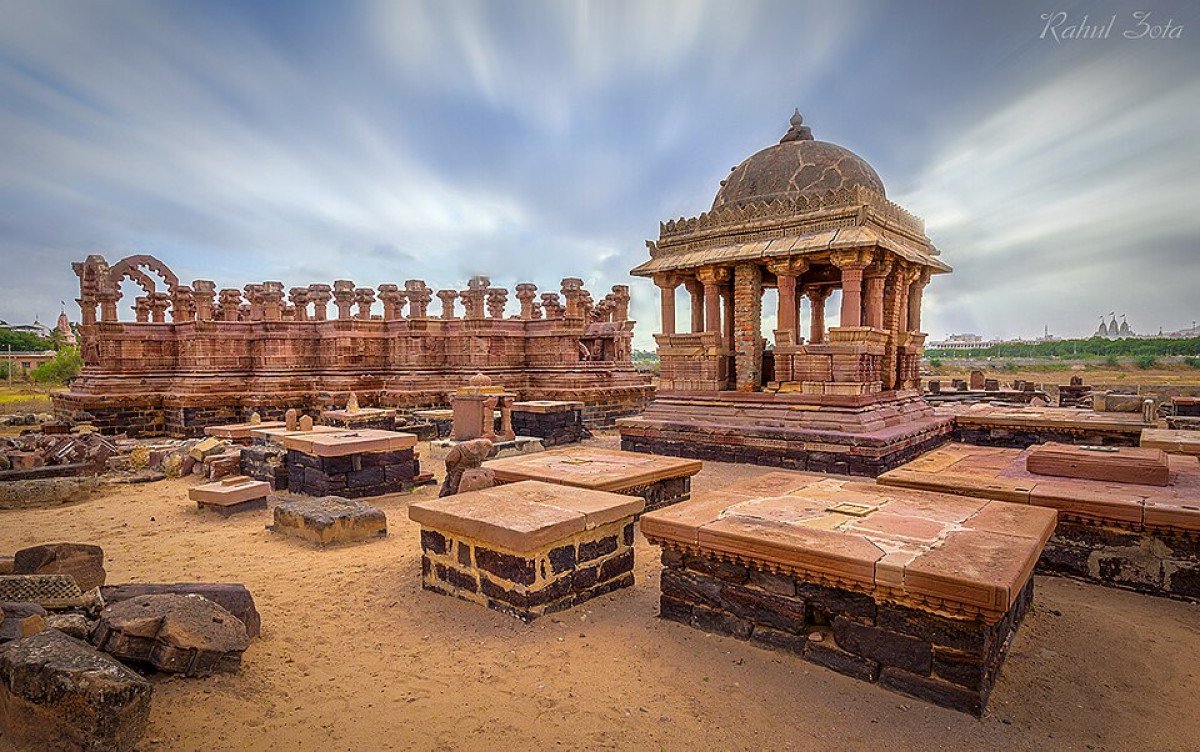
The Largest Cenotaph: The cenotaph of Rao Lakhpatji is the most intact and grandest. Use a wide-angle shot to capture its full majesty, focusing on the intricate dome and column work.
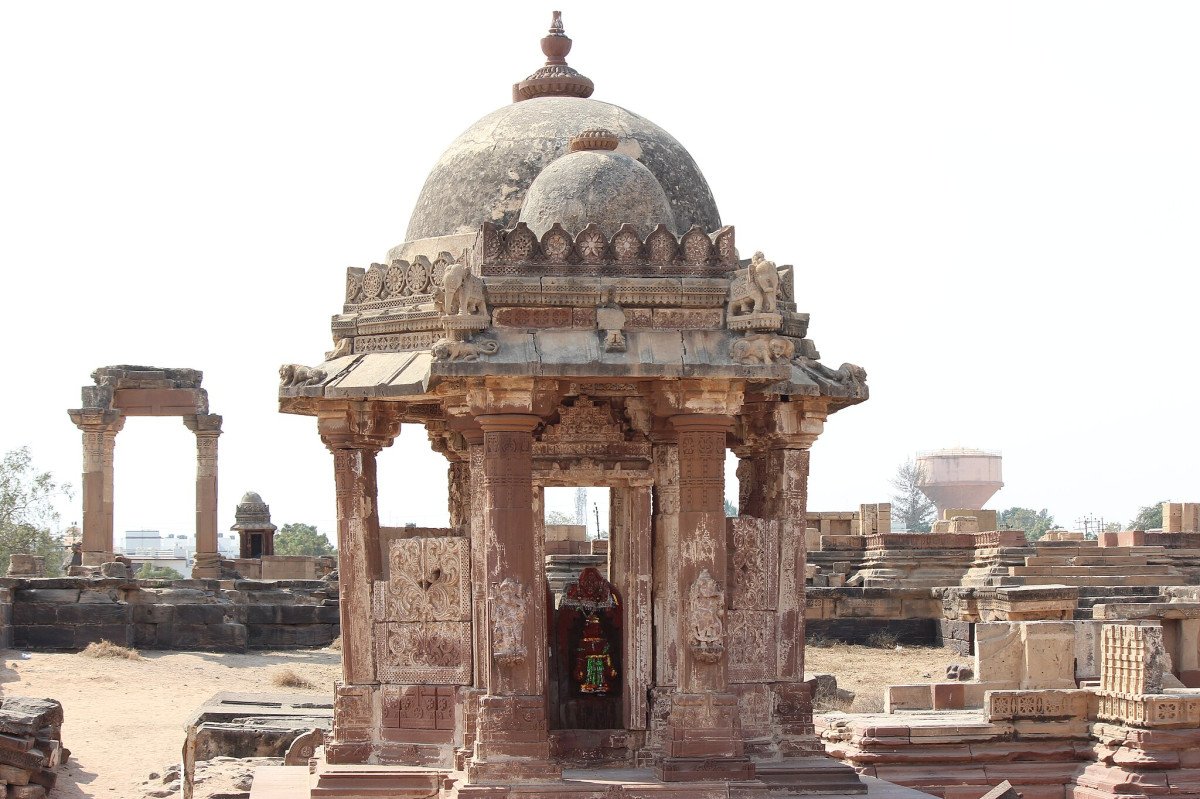
Detailed Carvings: Use a zoom lens to capture the detailed friezes, mythological figures, and sculptural work on the sandstone, highlighting the artistic craftsmanship.
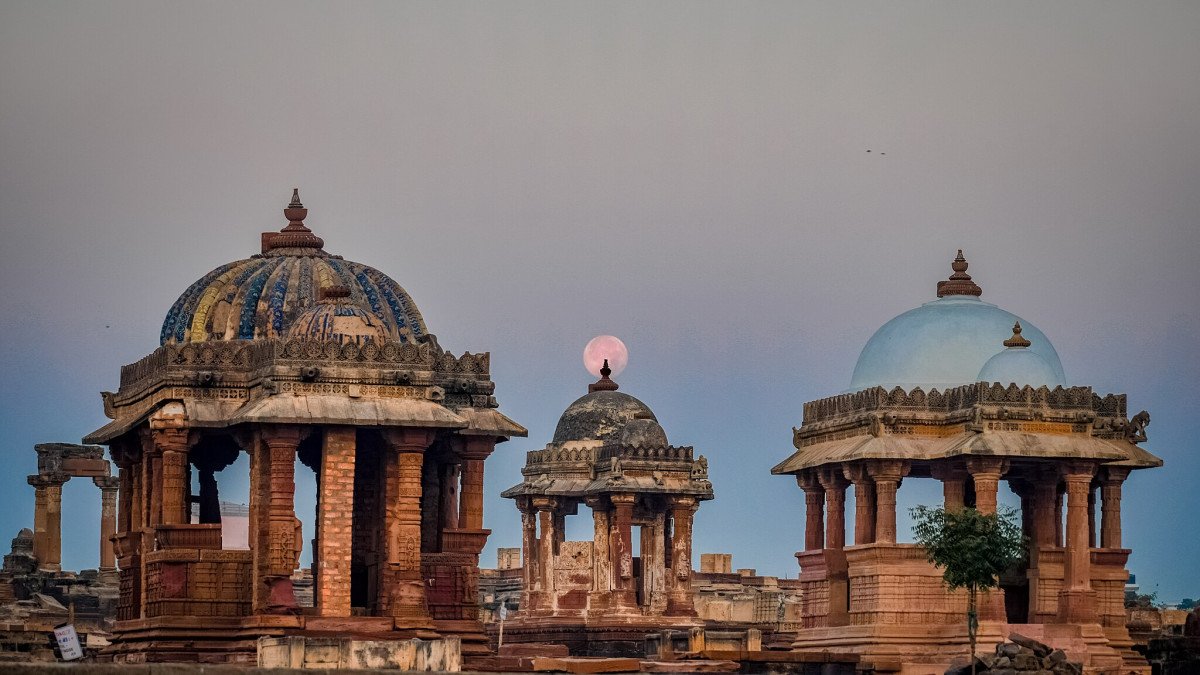
Sunset Silhouette: The site is excellent for silhouette photography. Position the sun behind the cenotaphs during sunset to create dramatic black outlines against the colorful sky.Photo Gallery
Things To Do
-
Photography at Golden Hour: The primary activity is photography. Plan your visit for the early morning or late afternoon (the golden hour) to capture the best light and the dramatic shadows cast by the ruined structures.
Contemplative Walk: Take a peaceful, reflective walk among the cenotaphs. The quiet setting is ideal for contemplation on the passage of time, the rise and fall of kingdoms, and the art of memorial architecture.
Architectural Study: Study the intricate stone carving, noting the unique iconography and the differences in the design of the various Chhatris, especially the larger ones of Rao Lakhpatji and his successors.
Sketching and Drawing: The ruins offer a compelling subject for artists and sketchers. The play of light and shadow on the detai...Photography at Golden Hour: The primary activity is photography. Plan your visit for the early morning or late afternoon (the golden hour) to capture the best light and the dramatic shadows cast by the ruined structures.
Contemplative Walk: Take a peaceful, reflective walk among the cenotaphs. The quiet setting is ideal for contemplation on the passage of time, the rise and fall of kingdoms, and the art of memorial architecture.
Architectural Study: Study the intricate stone carving, noting the unique iconography and the differences in the design of the various Chhatris, especially the larger ones of Rao Lakhpatji and his successors.
Sketching and Drawing: The ruins offer a compelling subject for artists and sketchers. The play of light and shadow on the detailed stone work is a perfect model for practicing architectural drawing.
Explore the Memorial Stones: Locate the main memorial stones within the cenotaphs and respectfully observe the inscriptions, trying to understand the historical context.
Combine with Lake Visit: Since it is near Hamirsar Lake, you can combine the visit with an evening stroll around the lake, completing a circuit of history and nature.
Local History Learning: Try to find a local guide or research the history of the rulers buried here to enrich your understanding of the site's significance.
Information
-
Why Famous:
Architectural Grandeur in Ruin: The Chhatedi is famous for its stunning, ornate stone architecture, which, even in its ruined state after the 2001 earthquake, evokes a powerful sense of historical majesty and artistic skill, making it a unique heritage site.Architectural Grandeur in Ruin: The Chhatedi is famous for its stunning, ornate stone architecture, which, even in its ruined state after the 2001 earthquake, evokes a powerful sense of historical majesty and artistic skill, making it a unique heritage site.
Royal Burial Ground: It is the solemn and significant cremation ground of the Maharaos of Kutch and their queens, containing memorial stones and pavilions that commemorate the lives of the royal lineage.
Photographer's Delight: The site's ethereal atmosphere, with the sun filtering through the broken columns and domes, makes it an exceptionally popular and dramatic location for photography, especially during the golden hour.
Symbol of Resilience: The structures that have survived the earthquake stand as a testament to the strong construction techniques of the era and the enduring legacy of the Kutch royal family. -
Architecture:
Design and Symbolism: The architecture centers around the Chhatri (umbrella) shape of the domes, which is the literal translation of Chhatedi. This umbrella-like dome symbolizes protection and honor for the deceased royalty. The cenotaphs are constructed on raised platform...Design and Symbolism: The architecture centers around the Chhatri (umbrella) shape of the domes, which is the literal translation of Chhatedi. This umbrella-like dome symbolizes protection and honor for the deceased royalty. The cenotaphs are constructed on raised platforms and feature columns, archways, and domes, resembling mini-temples or elaborate pavilions.
Material and Craftsmanship: Constructed from red and yellow sandstone, the structures are known for their intricate stone carvings. Each cenotaph, or Chhatri, is uniquely designed, featuring different icons and detailed friezes that narrate stories or depict various Hindu deities and mythological figures, reflecting the high skill of the local artisans.
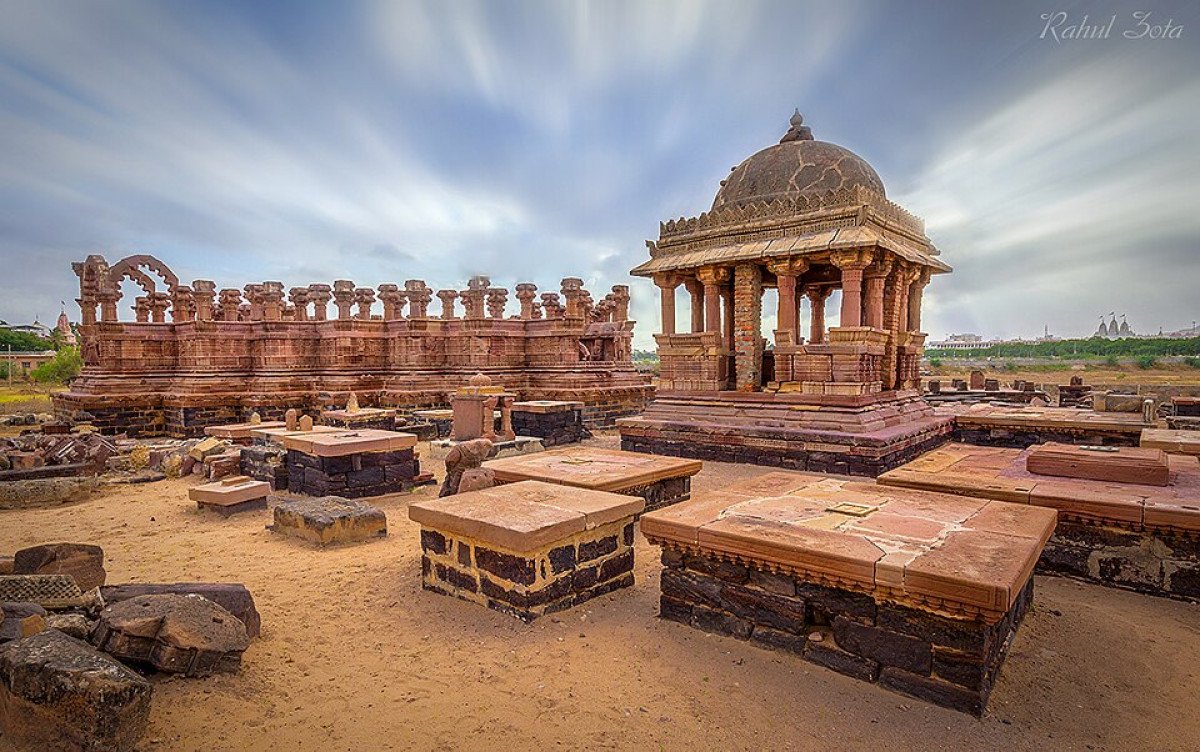
Post-Earthquake State: The site is a powerful example of 'ruin architecture. ' The 2001 earthquake severely damaged many structures, leaving behind a picturesque landscape of partial collapses and leaning pillars. The largest and most prominent cenotaphs, such as the one dedicated to Rao Lakhpatji, remain relatively intact and showcase the original grandeur.
Dimension and Layout: The cenotaphs are scattered across a large open ground, arranged historically. The largest cenotaphs can reach a height of approximately 10-15 meters. The sprawling, peaceful layout contributes to the solemn atmosphere of the royal cremation ground. -
How To Reach:
By Air: Fly to Bhuj Airport (BHJ), approximately 7 KM away. Hire a taxi or auto-rickshaw to the old town area and ask for Chhatedi or the Royal Cenotaphs near Hamirsar Lake.
By Train: Bhuj Railway Station (BHUJ) is about 2 KM away. Auto-ri...By Air: Fly to Bhuj Airport (BHJ), approximately 7 KM away. Hire a taxi or auto-rickshaw to the old town area and ask for Chhatedi or the Royal Cenotaphs near Hamirsar Lake.
By Train: Bhuj Railway Station (BHUJ) is about 2 KM away. Auto-rickshaws are easily available. Direct the driver to the Chhatedi or the area near Mangalam Char Rasta close to the lake.
By Road: The site is located just off the main road in the old city, close to Hamirsar Lake. It is well-known to local auto-rickshaw drivers. If driving, the access roads are narrow in the old city, but the spot is relatively easy to find.
By Local Transport: The best way is by auto-rickshaw or by walking from the Hamirsar Lake area (15-20 minutes walk). Its central location makes it an easy destination for a quick local ride. -
Weather and Best Time to Visit:
Seasons for Visit: Winter (October to March) is the ideal season for sightseeing in Bhuj, with pleasant weather for exploring the outdoor ruins. The post-monsoon period (September) is also a beautiful time when the surrounding greenery is lush. Avoid the intense Summer hea...Seasons for Visit: Winter (October to March) is the ideal season for sightseeing in Bhuj, with pleasant weather for exploring the outdoor ruins. The post-monsoon period (September) is also a beautiful time when the surrounding greenery is lush. Avoid the intense Summer heat.
Best Time of Day: Golden Hour (early morning or late afternoon). The low angle of the sun maximizes the dramatic effect of the ruins and highlights the carvings, which is perfect for photography and a cooler experience. -
Near Tourist Places:
Hamirsar Lake (Adjacent, 0. 2 KM), Aina Mahal (1. 5 KM), Prag Mahal (1. 5 KM), Kutch Museum (1. 8 KM), Ramkund Stepwell (2 KM), Swaminarayan Temple (3 KM), Bhartiya Sanskruti Darshan Museum (4 KM), Bhujia Hill & Fort (4. 5 KM), Hill Garden (5 KM), Sharad Baug Palace (6 KM).
Tourism Tips
-
Health & Safety: The ruins are unstable in some parts. Do not climb on or venture into areas marked as restricted by the ASI. The ground can be uneven, so wear sturdy footwear. Carry water and a hat.
Packing Essentials: A camera and a tri...Health & Safety: The ruins are unstable in some parts. Do not climb on or venture into areas marked as restricted by the ASI. The ground can be uneven, so wear sturdy footwear. Carry water and a hat.
Packing Essentials: A camera and a tripod (if allowed and needed for long exposures) are essential for photography. Carry a small notebook for sketches or historical notes.
Accommodation: Staying in the old city area provides the quickest access. Hotels near Hamirsar Lake are the most convenient.
Cultural Respect: Treat the area as a memorial ground. Maintain silence, be respectful of the memorial stones, and ensure you do not litter. The presence of a caretaker or guard is common, whose directions should be followed.
Reviews
FAQs
Bhuj Itineray And Cost:-
Other Places In Bhuj :-
Other States In India :-
Information about New and Updated Locations() of Gujarat Has Been Added :-
Card subtitle
Note:-
Information provided here in good Faith and for reference only.
Near Places
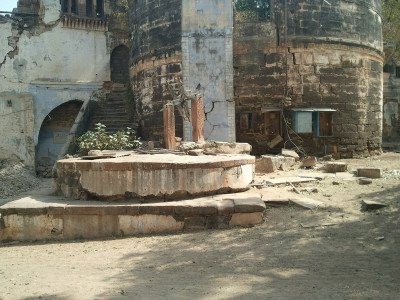
Aina Mahal
Some quick example text to build on the card title and make up the bulk of the card's content.
Go somewhere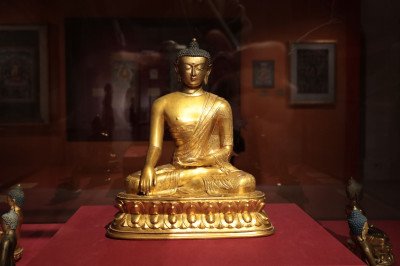
Bhartiya Sanskruti Darshan Museum
Some quick example text to build on the card title and make up the bulk of the card's content.
Go somewhere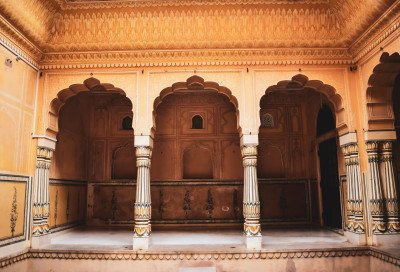
Bhujia Fort
Some quick example text to build on the card title and make up the bulk of the card's content.
Go somewhere
Bhujia Hill & Fort
Some quick example text to build on the card title and make up the bulk of the card's content.
Go somewhere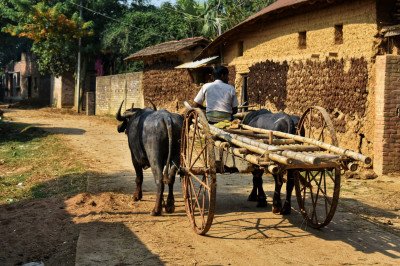
Bhujodi Handicraft Village
Some quick example text to build on the card title and make up the bulk of the card's content.
Go somewhere
Chhatardi
Some quick example text to build on the card title and make up the bulk of the card's content.
Go somewhere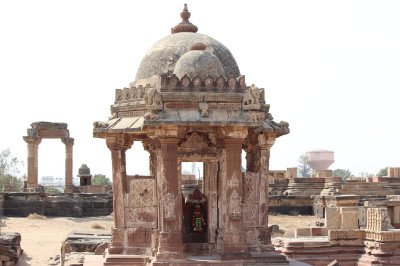
Chhatedi
Some quick example text to build on the card title and make up the bulk of the card's content.
Go somewhere
Darbar Gadh
Some quick example text to build on the card title and make up the bulk of the card's content.
Go somewhere
Great Rann of Kutch
Some quick example text to build on the card title and make up the bulk of the card's content.
Go somewhere
Hamirsar Lake
Some quick example text to build on the card title and make up the bulk of the card's content.
Go somewhere
Hill Garden
Some quick example text to build on the card title and make up the bulk of the card's content.
Go somewhere
Hiralaxmi Memorial Craft Park
Some quick example text to build on the card title and make up the bulk of the card's content.
Go somewhere
Kalo Dungar
Some quick example text to build on the card title and make up the bulk of the card's content.
Go somewhere
Krantitirth
Some quick example text to build on the card title and make up the bulk of the card's content.
Go somewhere
Kutch Museum
Some quick example text to build on the card title and make up the bulk of the card's content.
Go somewhere
Lakhpat Fort
Some quick example text to build on the card title and make up the bulk of the card's content.
Go somewherein Other Cities