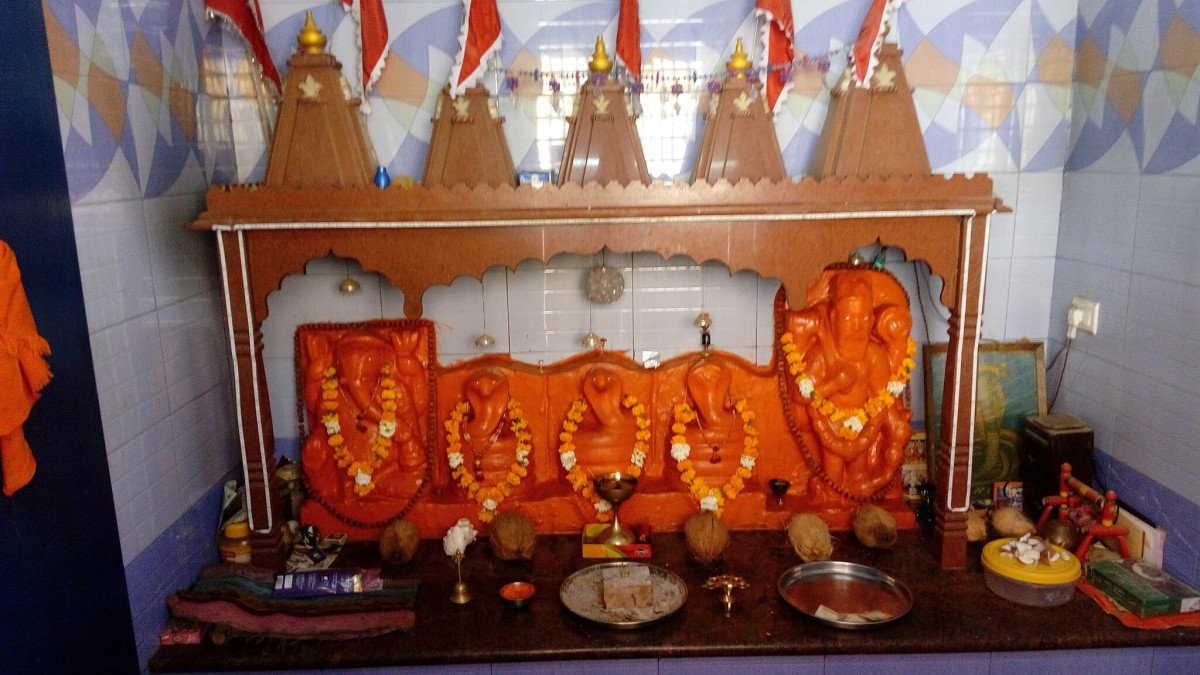


Bhujia Hill & Fort
General information
-
Ideal Duration:
2-3 Hours: (Including Climb)Place Type:
Historical Fort & Religious Site:Entry Fees:
Entry to the Hill and Fort: There is no entry fee for climbing the Bhujia Hill or visiting the Bhujia Fort and the Bhujang Nag Temple. It is a public space and religious site, kept open for all. This makes it an excellent free attraction.
Park...Entry to the Hill and Fort: There is no entry fee for climbing the Bhujia Hill or visiting the Bhujia Fort and the Bhujang Nag Temple. It is a public space and religious site, kept open for all. This makes it an excellent free attraction.
Parking Charges: If you drive a private vehicle, there may be a nominal parking charge (Rs 10 to Rs 30) at the base of the hill near the start of the stairs, particularly during peak hours or festivals.
Donation to Temple: While entry is free, visitors are welcome to make a voluntary donation at the Bhujang Nag Temple for its maintenance and religious activities, which is purely optional and not mandatory.
Cost of Refreshments: Expect to pay a nominal amount for bottled water or light snacks often sold by local vendors at the base of the hill or near the top during peak times.Timing:
Regular Timings: 8:00 AM to 7:00 PM. The hill can technically be accessed earlier for sunrise.
Ideal Visit Time: The best time is very early morning (6:00 AM to 8:00 AM) for sunrise and cooler weather, or late afternoon (4:30 PM to 7:00 PM)...Regular Timings: 8:00 AM to 7:00 PM. The hill can technically be accessed earlier for sunrise.
Ideal Visit Time: The best time is very early morning (6:00 AM to 8:00 AM) for sunrise and cooler weather, or late afternoon (4:30 PM to 7:00 PM) to catch the sunset. Visiting during midday is strongly discouraged due to the extreme heat and harsh sun.
Security and Lighting: While the staircases are often lit up at night, it is advisable to climb down before dark for safety, generally before 7:00 PM. Check local conditions for timings during specific seasons.Special Events:
Nag Panchami Festival: This is the most significant annual event, celebrated with great fervor, usually in the Hindu month of Shravan (July/August). Devotees, especially Naga Sadhus, flock to the Bhujang Nag Temple for special prayers and a vibrant fair. This festival mark...Nag Panchami Festival: This is the most significant annual event, celebrated with great fervor, usually in the Hindu month of Shravan (July/August). Devotees, especially Naga Sadhus, flock to the Bhujang Nag Temple for special prayers and a vibrant fair. This festival marks the day the Chhatri (protective dome) was built over the temple.
Local Fairs and Gatherings: The area is often used by local communities for small, impromptu fairs and religious gatherings throughout the year, especially during auspicious days, providing a glimpse into the local religious life and traditions of Kutch.Best Photo Spots:
The Panoramic Viewpoint: The top of the hill, near the Bhujang Nag Temple, offers a clear, unobstructed, 360-degree view, making it the best spot to photograph the entire city of Bhuj, especially the Hamirsar Lake and the geometric layout of the old city.
Read MoreThe Panoramic Viewpoint: The top of the hill, near the Bhujang Nag Temple, offers a clear, unobstructed, 360-degree view, making it the best spot to photograph the entire city of Bhuj, especially the Hamirsar Lake and the geometric layout of the old city.
Sunrise and Sunset Sky: This location is highly recommended for landscape photography of the dramatic colors of the sky during sunrise and sunset, casting long shadows over the arid landscape.
Fort Wall Textures: Focus on the rugged stone textures of the fort walls and bastions, using the dramatic light to highlight the military architecture and its age.
The Temple Dome: Capture the simple yet symbolic dome of the Bhujang Nag Temple against the vast sky or the city backdrop, symbolizing the protective deity of the region.Photo Gallery
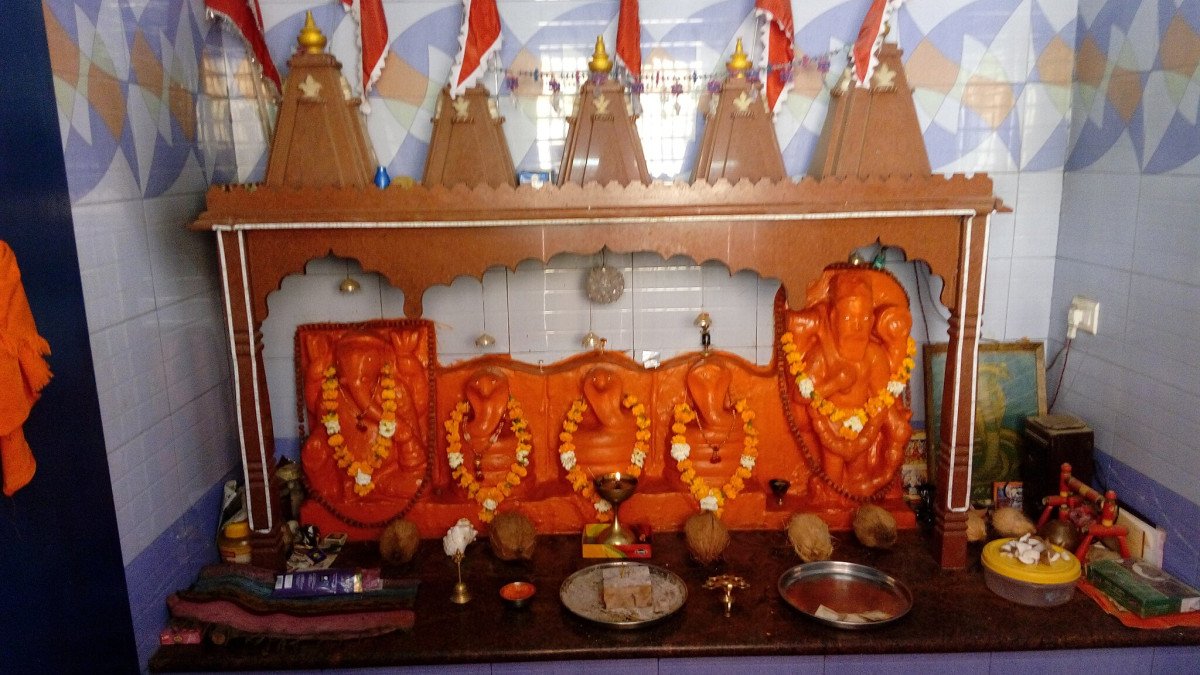
Things To Do
-
The Sunrise/Sunset Climb: Plan a visit early in the morning for sunrise or in the late afternoon for sunset. The climb up the 200 stairs is a physical challenge but is rewarding with breathtaking views in the soft light.
Temple Visit and Prayer: Visit the Bhujang Nag Temple at the summit to pay respects to the serpent deity and observe the simple, protective architecture of the shrine.
City Gazing: Spend time at the top, identifying key landmarks of Bhuj, like Hamirsar Lake, Prag Mahal, and the city's overall layout from the high vantage point.
Hiking and Exercise: Use the climb as an opportunity for fitness and a break from traditional sightseeing. The stone path and stairs offer a good workout.
Picnicking: The upper areas off...The Sunrise/Sunset Climb: Plan a visit early in the morning for sunrise or in the late afternoon for sunset. The climb up the 200 stairs is a physical challenge but is rewarding with breathtaking views in the soft light.
Temple Visit and Prayer: Visit the Bhujang Nag Temple at the summit to pay respects to the serpent deity and observe the simple, protective architecture of the shrine.
City Gazing: Spend time at the top, identifying key landmarks of Bhuj, like Hamirsar Lake, Prag Mahal, and the city's overall layout from the high vantage point.
Hiking and Exercise: Use the climb as an opportunity for fitness and a break from traditional sightseeing. The stone path and stairs offer a good workout.
Picnicking: The upper areas offer a breezy spot for a simple picnic (carry your trash back), especially during the cooler months, providing a serene environment away from the city bustle.
Explore Fort Remnants: Wander around the perimeter of the fort walls and bastions, observing the stone construction and imagining its historical role in defending the city.
Bird Watching: Keep an eye out for local and migratory bird species that perch on the hill, particularly during the early morning hours.
Information
-
Why Famous:
Strategic Military History: The hill and fort are famous for their pivotal role in the defense of Bhuj during the 18th century, withstanding multiple invasions, which earned it a legendary status in Kutch's military history.
The Serpent God Temp...Strategic Military History: The hill and fort are famous for their pivotal role in the defense of Bhuj during the 18th century, withstanding multiple invasions, which earned it a legendary status in Kutch's military history.
The Serpent God Temple: The Bhujang Nag Temple at the summit is a major religious attraction, especially during the vibrant Nag Panchami festival, dedicated to the serpent god Bhujanga, after whom the hill and city are said to be named.
Panoramic City View: It offers arguably the best panoramic, bird's-eye view of Bhuj city, the Hamirsar Lake, and the surrounding arid landscape, making it a prime destination for sightseeing and photography.
Symbol of Protection: The fort has historically been viewed as the sentinel of Bhuj, symbolizing the resilience and protective power of the Jadeja rulers and the local deity against all threats. -
Architecture:
Fortification and Material: The fort runs throughout the perimeter of the hill, constructed primarily of locally sourced stone, typical of 18th-century military architecture in the region. The structure features robust walls and numerous bastions, designed to withstand cann...Fortification and Material: The fort runs throughout the perimeter of the hill, constructed primarily of locally sourced stone, typical of 18th-century military architecture in the region. The structure features robust walls and numerous bastions, designed to withstand cannon fire and prolonged sieges. The fortification reflects a practical, defensive style rather than the decorative nature of the city palaces.
Stairway to the Top: The path to the fort and the temple involves a climb of at least 200 steep, stone-cut steps. The stairway is an integral part of the structure, serving as a primary and secondary defense point.
The Bhujang Nag Temple: The temple at the summit is the architectural focal point, featuring a dome-like structure, or Chhatri (umbrella), built by Naga Sadhus in honor of the serpent god Bhujanga. Its simple yet significant structure is symbolic, representing protection and religious devotion.
Dimension and Scale: The fort covers a considerable area atop the hill, though specific dimensions are less important than its strategic location and defensive features. Its height, offering a vast vantage point, is its most defining architectural 'dimension', critical for its military purpose. The structure is an excellent example of hill-fort architecture adapted to the rugged terrain of Kutch. -
How To Reach:
By Air: Fly into Bhuj Airport (BHJ), approximately 7 KM away. Hire a taxi or auto-rickshaw from the airport and ask to be dropped at the base of Bhujia Hill. The drive should take about 20 minutes.
By Train: Bhuj Railway Station (BHUJ) is ...By Air: Fly into Bhuj Airport (BHJ), approximately 7 KM away. Hire a taxi or auto-rickshaw from the airport and ask to be dropped at the base of Bhujia Hill. The drive should take about 20 minutes.
By Train: Bhuj Railway Station (BHUJ) is about 4 KM from the hill. Auto-rickshaws are the most convenient mode of transport and can take you directly to the starting point of the climb in about 15 minutes.
By Road: The hill is located on the eastern edge of Bhuj city and is easily accessible by road. It is often signposted. State buses and private vehicles can reach the base of the hill where parking is usually available.
By Local Transport: An auto-rickshaw is the most practical option within the city. Clearly specify the destination as Bhujia Hill or Bhujia Fort as it is a well-known landmark. Some visitors combine a visit here with Hill Garden which is nearby. -
Weather and Best Time to Visit:
Seasons for Visit: The Winter months (October to March) are perfect, as the cool temperatures make the climb and the time spent at the top enjoyable. Post-monsoon (September-October) is also good, as the hill is greener. The Summer heat is intense and should be avoided.Seasons for Visit: The Winter months (October to March) are perfect, as the cool temperatures make the climb and the time spent at the top enjoyable. Post-monsoon (September-October) is also good, as the hill is greener. The Summer heat is intense and should be avoided.
Best Time of Day: Early Morning (for sunrise and cooler temperature) is ideal. Late Afternoon is the second-best choice, offering a great sunset view and cooler breeze. Avoid midday to prevent sunstroke and exhaustion from the climb. -
Near Tourist Places:
Hill Garden (Adjacent, 0. 5 KM), Smritivan Earthquake Memorial (Near the base, 1 KM), Bhartiya Sanskruti Darshan Museum (2 KM), Ramkund Stepwell (3. 5 KM), Swaminarayan Temple (3. 8 KM), Hamirsar Lake (4 KM), Kutch Museum (4 KM), Aina Mahal (4. 5 KM), Prag Mahal (4. 5 KM), Sharad Baug Palace (5 KM).
Tourism Tips
-
Health & Safety: The climb requires moderate fitness. Carry adequate water. Wear comfortable, non-slip walking shoes as the stairs can be steep and uneven. Be cautious during the descent.
Packing Essentials: A good camera for the panorami...Health & Safety: The climb requires moderate fitness. Carry adequate water. Wear comfortable, non-slip walking shoes as the stairs can be steep and uneven. Be cautious during the descent.
Packing Essentials: A good camera for the panoramic views is a must. Carry a light jacket during winter mornings/evenings. A hat/cap and sunglasses are essential for sun protection. A small first-aid kit is advisable.
Accommodation: Staying in central Bhuj offers the easiest access. The area near Hamirsar Lake or College Road has many hotels and guesthouses.
Other Tips: Check the weather before you go. The area can be deserted at odd hours, so it's better to visit when there are a few other people around. Be respectful when near the temple. Do not litter on the hill.
Reviews
FAQs
Bhuj Itineray And Cost:-
Bhujia Hill & Fort Tourism:-
Other Places In Bhuj :-
Other States In India :-
Information about New and Updated Locations() of Gujarat Has Been Added :-
Card subtitle
Note:-
Information provided here in good Faith and for reference only.
Near Places
Aina Mahal
Some quick example text to build on the card title and make up the bulk of the card's content.
Go somewhere
Bhartiya Sanskruti Darshan Museum
Some quick example text to build on the card title and make up the bulk of the card's content.
Go somewhere
Bhujia Fort
Some quick example text to build on the card title and make up the bulk of the card's content.
Go somewhere
Bhujia Hill & Fort
Some quick example text to build on the card title and make up the bulk of the card's content.
Go somewhere
Bhujodi Handicraft Village
Some quick example text to build on the card title and make up the bulk of the card's content.
Go somewhere
Chhatardi
Some quick example text to build on the card title and make up the bulk of the card's content.
Go somewhere
Chhatedi
Some quick example text to build on the card title and make up the bulk of the card's content.
Go somewhere
Darbar Gadh
Some quick example text to build on the card title and make up the bulk of the card's content.
Go somewhere
Great Rann of Kutch
Some quick example text to build on the card title and make up the bulk of the card's content.
Go somewhere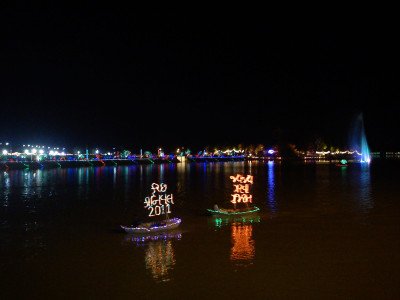
Hamirsar Lake
Some quick example text to build on the card title and make up the bulk of the card's content.
Go somewhere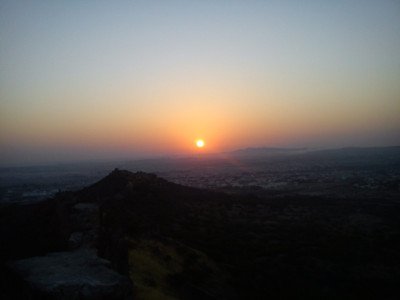
Hill Garden
Some quick example text to build on the card title and make up the bulk of the card's content.
Go somewhere
Hiralaxmi Memorial Craft Park
Some quick example text to build on the card title and make up the bulk of the card's content.
Go somewhere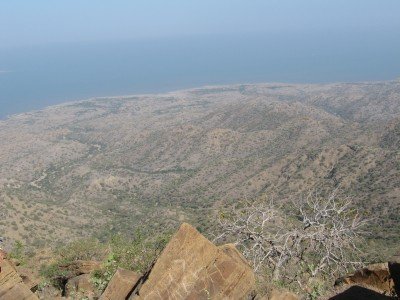
Kalo Dungar
Some quick example text to build on the card title and make up the bulk of the card's content.
Go somewhere
Krantitirth
Some quick example text to build on the card title and make up the bulk of the card's content.
Go somewhere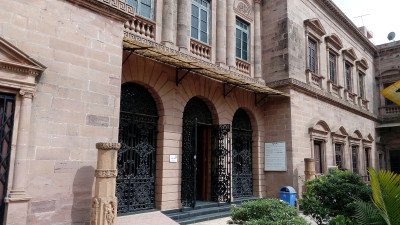
Kutch Museum
Some quick example text to build on the card title and make up the bulk of the card's content.
Go somewhere
Lakhpat Fort
Some quick example text to build on the card title and make up the bulk of the card's content.
Go somewherein Other Cities