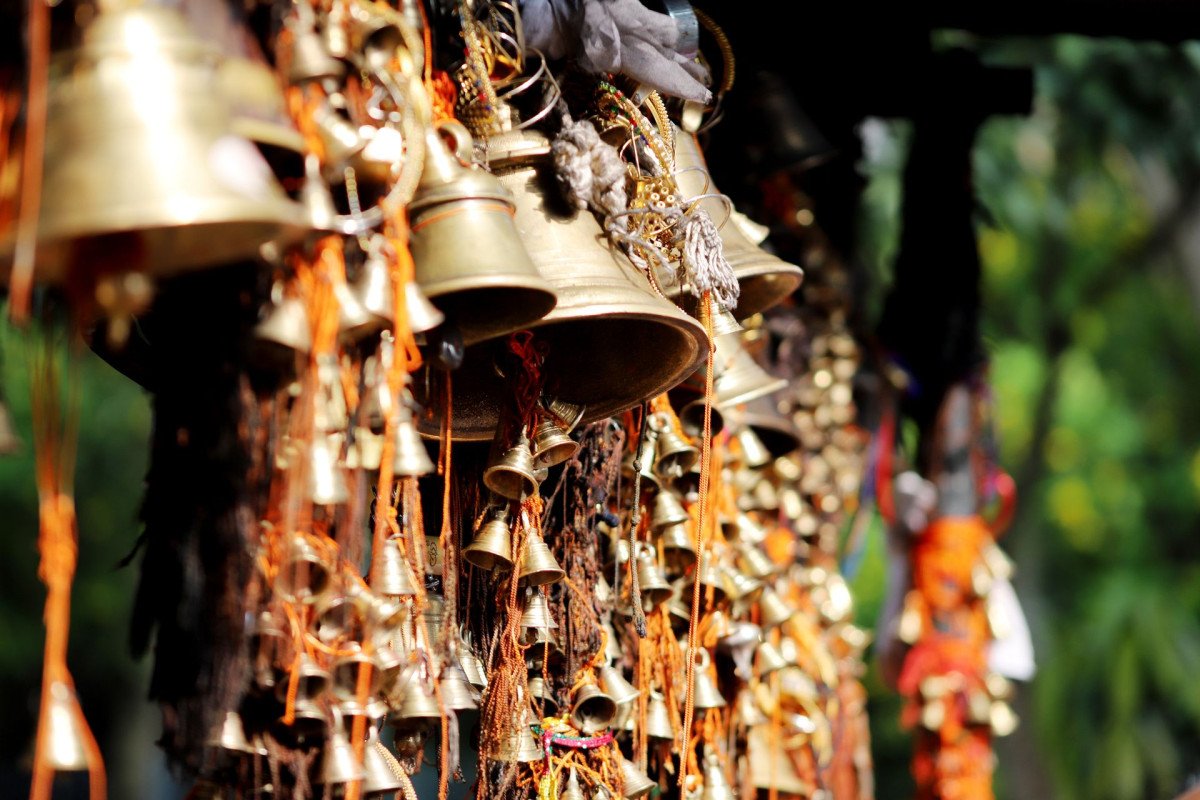
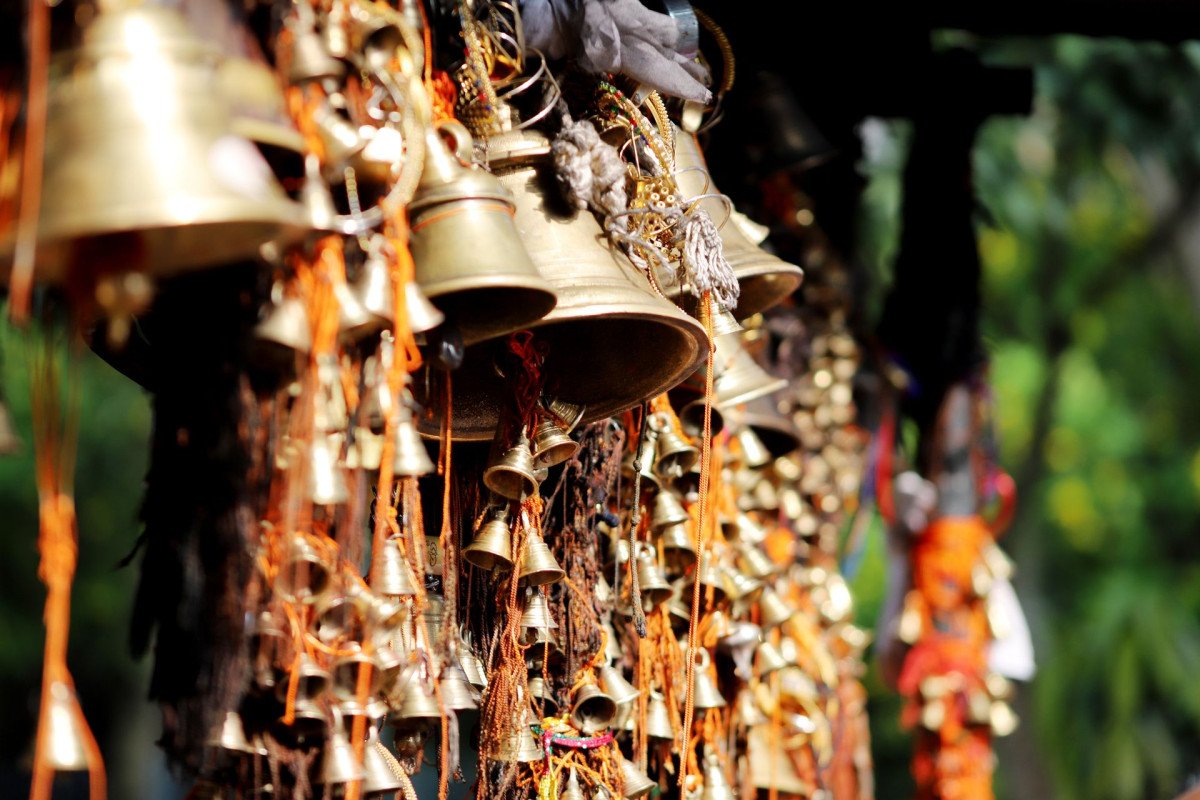
Chinta Haran Mahadev Temple
General information
-
Ideal Duration:
1 to 1. 5 hours (For visit and short trek)Place Type:
Temple / Religious Site / PiEntry Fees:
No Entry Fee: As a religious place of worship, there is absolutely no entry fee or ticket required to visit the Chinta Haran Mahadev Temple. All are welcome to enter and offer prayers.
Voluntary Donations: Devotees can, however, offer volu...No Entry Fee: As a religious place of worship, there is absolutely no entry fee or ticket required to visit the Chinta Haran Mahadev Temple. All are welcome to enter and offer prayers.
Voluntary Donations: Devotees can, however, offer voluntary donations (Dakshina) in the donation box to support the maintenance and daily running of the temple and its rituals. There is no compulsion to do so.
Parking Charges: Parking near the roadhead where the trek begins is generally free but is often informal and limited. No official parking fee is charged.
Pooja Samagri Cost: Visitors may incur a small cost if they choose to purchase items like flowers, milk, or other Pooja Samagri (worship materials) from the handful of local vendors near the roadhead.Timing:
Regular Timings: 6:00 AM to 7:
00 PM (Temple Hours): The temple is generally open for daily worship and visitors from early morning at 6:00 AM until the evening Aarti is performed, typically around 7:00 PM (may vary seasonally). It is best t...Regular Timings: 6:00 AM to 7:
00 PM (Temple Hours): The temple is generally open for daily worship and visitors from early morning at 6:00 AM until the evening Aarti is performed, typically around 7:00 PM (may vary seasonally). It is best to check with locals for exact Aarti timings.
Ideal Visit Time: Early Morning (7:00 AM to 10:00 AM) The best time to visit is early in the morning when the atmosphere is at its most peaceful, the air is crisp, and before the main rush of local devotees begins, offering a more serene and reflective spiritual experience.
Anytime in Daylight: Since the visit is relatively short (around 1-1. 5 hours total), any time during the day is suitable, but visitors must ensure they begin the trek with enough daylight remaining to complete the return trip safely before evening.Special Events:
Maha Shivratri Festival: The most significant special event is the annual festival of Maha Shivratri (usually in February or March). The temple complex sees a large influx of local devotees and pilgrims who gather to offer special prayers, perform all-night vigils, and cel...Maha Shivratri Festival: The most significant special event is the annual festival of Maha Shivratri (usually in February or March). The temple complex sees a large influx of local devotees and pilgrims who gather to offer special prayers, perform all-night vigils, and celebrate the marriage of Lord Shiva, accompanied by local music and cultural observances.
Sawan Somwar Observance: During the holy Hindu month of Sawan (Monsoon, usually July-August), the temple sees a significant increase in devotees, especially on Mondays (Somwar), who come to offer water from the holy Ganges or other sacred rivers (Jal Abhishek) to the Shivlinga, drawing a modest but steady crowd.
Temple Foundation Day: The temple's foundation or inauguration day, which involved Brigadier R. N. Mishra as a key figure, may be informally celebrated by the local community or the founding families, offering a rare glimpse into a local historical event.Best Photo Spots:
The Forested Pathway Entrance: The bottom of the 10-minute uphill path, where the steps or trail begin and are framed by the dense, tall trees, makes for a great atmospheric photo, symbolizing the journey to the temple.
The Temple with Rhododen...The Forested Pathway Entrance: The bottom of the 10-minute uphill path, where the steps or trail begin and are framed by the dense, tall trees, makes for a great atmospheric photo, symbolizing the journey to the temple.
The Temple with Rhododendron Framing: During the spring bloom (March-April), the best shot is a wide angle that captures the small, simple temple structure against the vibrant red and pink backdrop of the blooming Rhododendron trees.
The Naturally Manifested Shivlinga: A respectful close-up photo of the tall, naturally emerged Shivlinga (where photography is permitted, check first) is the most significant photographic record of the shrine's main spiritual attraction.
View from the Temple Plateau: The cleared area around the temple offers a view of the surrounding forested valley, which is a tranquil and rewarding shot, capturing the profound peace of the isolated location.
The Stone Arch/Doorway: The simple, traditional stone or wooden doorway of the main shrine is an excellent spot to capture the humble architectural style of the high-altitude temples.Photo Gallery
Things To Do
-
Seek Blessings and Perform Pooja: The primary activity is to visit the shrine, offer prayers, pour water or milk over the Shivlinga, and seek the blessings of Lord Shiva for peace and the removal of personal worries (Chinta).
The Short Pilgrimage Trek: Enjoy the brief but rewarding 10-15 minute steep uphill trek from the roadhead through the peaceful forest, treating it as a symbolic act of devotion and physical purification before reaching the sacred space.
Meditation and Spiritual Reflection: Spend quiet time sitting outside the main temple or in a serene corner of the complex, utilizing the tranquil atmosphere to engage in meditation or deep spiritual reflection, aligning with the temple’s core purpose.
Photography of the Forest and Temple: Capture the rust...Seek Blessings and Perform Pooja: The primary activity is to visit the shrine, offer prayers, pour water or milk over the Shivlinga, and seek the blessings of Lord Shiva for peace and the removal of personal worries (Chinta).
The Short Pilgrimage Trek: Enjoy the brief but rewarding 10-15 minute steep uphill trek from the roadhead through the peaceful forest, treating it as a symbolic act of devotion and physical purification before reaching the sacred space.
Meditation and Spiritual Reflection: Spend quiet time sitting outside the main temple or in a serene corner of the complex, utilizing the tranquil atmosphere to engage in meditation or deep spiritual reflection, aligning with the temple’s core purpose.
Photography of the Forest and Temple: Capture the rustic, simple architecture of the temple and the beautiful, dense forest setting, especially during the spring bloom of the rhododendron flowers.
Observing Local Rituals: If timed right, observe the local Jaunsari devotees performing their unique rituals and customs, which offer an insightful glimpse into the region's cultural and religious practices.
Nature Walk on the Descent: Take a slow, contemplative walk back down the path, fully appreciating the fresh mountain air and the surrounding natural beauty after the temple visit.
Information
-
Why Famous:
The "Reliever of Worries" Name: Its most prominent fame comes from its name, Chinta Haran Mahadev (Reliever of Worries), which draws countless devotees seeking peace of mind and the removal of personal anxieties, giving the temple a deeply psychological and spiritual attrac...The "Reliever of Worries" Name: Its most prominent fame comes from its name, Chinta Haran Mahadev (Reliever of Worries), which draws countless devotees seeking peace of mind and the removal of personal anxieties, giving the temple a deeply psychological and spiritual attraction.
Natural Tall Shivlinga: The presence of a naturally emerged, exceptionally tall Shivlinga (Swayambhu Linga) is a key feature, revered as a powerful manifestation of Lord Shiva and a major draw for pilgrims and religious tourists.
Serene and Peaceful Location: The temple's secluded position, nestled amidst a dense forest of rhododendron and other trees, is renowned for its profound sense of tranquility, making it a perfect spot for meditation and spiritual retreat away from any urban clamor.
Proximity to Chakrata: Being only a short distance (4-5 km) from the main town and requiring only a minimal trek makes it highly accessible compared to other remote pilgrimage sites, ensuring a steady flow of visitors. -
Architecture:
Himachali-Kumaoni Hill Temple Style: The architecture of the temple is typical of a simple, unadorned hill shrine in the Garhwal-Himachali style. The main structure is small, usually built with local materials like dressed stone and sometimes wood, featuring a gabled or sl...Himachali-Kumaoni Hill Temple Style: The architecture of the temple is typical of a simple, unadorned hill shrine in the Garhwal-Himachali style. The main structure is small, usually built with local materials like dressed stone and sometimes wood, featuring a gabled or sloping roof designed to handle heavy rainfall and snow.
The Sanctum Sanctorum (Garbhagriha): The most important architectural element is the chamber that houses the main deity. This small, unpretentious space contains the star attraction: the naturally formed, tall Shivlinga.
Dimension: The temple complex is modest in size, with the main shrine being small (perhaps a few square meters) and situated on a small, cleared plateau at the end of the 10-minute uphill trek.
Pathway and Steps: The main man-made feature outside the shrine itself is the steep, stone-paved pathway or rough-cut steps leading up to the temple from the roadhead, symbolizing the effort of the pilgrimage. The focus is on the sanctity of the deity rather than elaborate external architecture. -
How To Reach:
By Air: The nearest airport is Jolly Grant Airport (DED), Dehradun (approx. 118 km). From the airport, a taxi must be hired to travel to the Chakrata market (approx. 4 hours). From the market, a local taxi is needed for the 4-5 km drive to the temple roadhead.
<...By Air: The nearest airport is Jolly Grant Airport (DED), Dehradun (approx. 118 km). From the airport, a taxi must be hired to travel to the Chakrata market (approx. 4 hours). From the market, a local taxi is needed for the 4-5 km drive to the temple roadhead.
By Train: The nearest major railway station is the Dehradun Railway Station (DDN) (approx. 104 km). Take a pre-booked taxi or a local bus to the Chakrata market (approx. 3. 5 hours). From the market, hire a local cab to the start of the 10-minute uphill trek.
By Road: Chinta Haran Mahadev Temple is situated about 4-5 km from Chakrata town. The road is motorable for most of the way. From Chakrata, local taxis are readily available. The road to the temple roadhead branches off the main Chakrata-Dehradun road. The final few hundred meters require a strenuous 10-15 minute uphill walk/climb.
By Local Transport: The best and most recommended local transport is to hire a dedicated local taxi (Jeep/Maxi Cab) from the Chakrata taxi stand. Negotiate a return fare that includes waiting time. The short but steep uphill path is not accessible by any vehicle and must be covered on foot. -
Weather and Best Time to Visit:
Season:
Summer (April to June): This is a perfect time due to the pleasant and moderate weather, making the short uphill trek very comfortable and ensuring the temple is fully...
Season:
Summer (April to June): This is a perfect time due to the pleasant and moderate weather, making the short uphill trek very comfortable and ensuring the temple is fully accessible without the risk of snow or heavy rain.
Season:
Autumn (October to November): Excellent season for comfortable trekking and clear skies, enhancing the natural beauty of the surrounding forest, though the weather will be cooler, especially in the mornings.
Season:
Winter (December to March): While extremely cold, and there is a high chance of snowfall that can make the final trek slippery or difficult, visiting during Maha Shivratri (often in March) provides a unique, devout, and spirited cultural experience.
Part of the Day:
Early Morning: The most spiritually ideal time to visit is the early morning, as the temple environment is at its quietest and most tranquil, which is perfect for prayer and meditation. -
Near Tourist Places:
Chakrata Market (4-5 km), Chilmiri Neck (7-8 km), Ram Tal Horticultural Garden (15 km), Deoban Forest (18 km), Tiger Falls (25 km), Budher Caves (35 km - roadhead), Kanasar Eco Park (32 km), Lakhamandal Temple (55 km), Mundali (40 km), Kempty Falls (65 km).
Tourism Tips
-
Health & Safety: The final 10-minute trek is steep; wear comfortable, non-slip shoes. Carry water, especially if visiting during the day. Be extra cautious on the path during and after rainfall due to the risk of slipping on wet stones.
Pack...Health & Safety: The final 10-minute trek is steep; wear comfortable, non-slip shoes. Carry water, especially if visiting during the day. Be extra cautious on the path during and after rainfall due to the risk of slipping on wet stones.
Packing: Dress modestly out of respect for the religious site; covering the head and legs is generally appropriate, especially for women. Carry a light jacket, as the temple complex can be shaded and cool. If you plan to make offerings, carry a small amount of cash for Pooja Samagri.
Accommodation: No accommodation is available at the temple site. Visitors should stay in the main Chakrata town, where a range of hotels and guesthouses can be found.
Respect and Conduct: Maintain absolute silence and respect while inside the temple premises. Ask for permission before taking photographs of the deity or the priests. Remember the purpose of the visit is spiritual, and act with deference toward the local devotees and their traditions.
Reviews
FAQs
Chakrata Itineray And Cost:-
Chinta Haran Mahadev Temple Tourism:-
Other Places In Chakrata :-
Other States In India :-
Information about New and Updated Locations() of Uttarakhand Has Been Added :-
Card subtitle
Note:-
Information provided here in good Faith and for reference only.
Near Places

Bairat Khai
Some quick example text to build on the card title and make up the bulk of the card's content.
Go somewhere
Budher Caves
Some quick example text to build on the card title and make up the bulk of the card's content.
Go somewhere
Chakrata View Point
Some quick example text to build on the card title and make up the bulk of the card's content.
Go somewhere
Chilmiri Neck
Some quick example text to build on the card title and make up the bulk of the card's content.
Go somewhere
Chilmiri Neck / Chilmiri Top
Some quick example text to build on the card title and make up the bulk of the card's content.
Go somewhere
Chinta Haran Mahadev Temple
Some quick example text to build on the card title and make up the bulk of the card's content.
Go somewhere
Deoban
Some quick example text to build on the card title and make up the bulk of the card's content.
Go somewhere
Ghara Water Fall
Some quick example text to build on the card title and make up the bulk of the card's content.
Go somewhere
Jarmola Peak
Some quick example text to build on the card title and make up the bulk of the card's content.
Go somewhere
Kalsi
Some quick example text to build on the card title and make up the bulk of the card's content.
Go somewhere
Kanasar
Some quick example text to build on the card title and make up the bulk of the card's content.
Go somewhere
Kanasar Forest
Some quick example text to build on the card title and make up the bulk of the card's content.
Go somewhere
Kimona Falls
Some quick example text to build on the card title and make up the bulk of the card's content.
Go somewhere
Kimona Water Fall
Some quick example text to build on the card title and make up the bulk of the card's content.
Go somewhere
Koti Benal Fall
Some quick example text to build on the card title and make up the bulk of the card's content.
Go somewhere
Lakhamandal Temple
Some quick example text to build on the card title and make up the bulk of the card's content.
Go somewherein Other Cities