

Dadan Hill
General information
-
Ideal Duration:
2 to 3 hours (Including the climb, temple visit, and enjoying the view)Place Type:
Religious/Spiritual, Nature/Scenic Viewpoint, TrekEntry Fees:
Entry is Generally FreeEntry to Dadan Hill and the main Shiva Temple is typically free of charge for all visitors, including Indian nationals and foreign tourists. This reflects its primary status as a sacred, public pilgrimage site rather than a commercially run tourist attraction. The local admi...Entry is Generally FreeEntry to Dadan Hill and the main Shiva Temple is typically free of charge for all visitors, including Indian nationals and foreign tourists. This reflects its primary status as a sacred, public pilgrimage site rather than a commercially run tourist attraction. The local administration and temple authorities maintain the area through community support and voluntary donations, ensuring it remains accessible to all who wish to visit, regardless of their financial means. This open access underscores the democratic and spiritual nature of the site, welcoming seekers, devotees, and nature lovers alike. Voluntary Donations and Service ChargesWhile no mandatory entry fee exists, visitors are encouraged to make voluntary donations at the temple premises. These donations are crucial for the upkeep of the temple, the maintenance of the pathways, and the occasional organization of festivals and community kitchens (langars). There may be small service charges for specific services, such as parking a vehicle at the base of the hill, or for hiring a local guide, though the latter is optional. During major festivals like Maha Shivaratri, there might be a nominal fee collected for organized special puja ceremonies or prasad (blessed food) distribution, but this is entirely separate from a general entry charge. Tourists should carry small change to facilitate any such optional payments. The absence of a formal, high-cost ticket system ensures the experience remains authentic and focused on spiritual enrichment and natural exploration.Timing:
Regular Timings:The Dadan Hill Shiva Temple is generally open from early morning (around 5:00 AM to 6:00 AM) to late evening (around 6:00 PM to 7:00 PM). As a religious site, it adheres to the daily schedule of puja and rituals. The hill and its paths are accessible during...Regular Timings:The Dadan Hill Shiva Temple is generally open from early morning (around 5:00 AM to 6:00 AM) to late evening (around 6:00 PM to 7:00 PM). As a religious site, it adheres to the daily schedule of puja and rituals. The hill and its paths are accessible during daylight hours, but visitors are strongly advised against starting the climb after the sun has set due to the natural terrain and forest cover. The best time to arrive for the full spiritual experience is during the morning aarti or before the intensity of the midday sun makes the climb uncomfortable. The timings are flexible and can extend late into the night during festivals like Maha Shivaratri to accommodate the large influx of pilgrims and special ceremonies.
Ideal Visit Time:The Ideal Visit Time is undoubtedly the early morning (Sunrise to 10:00 AM) or the late afternoon (3:00 PM to Sunset). The early morning offers a spectacular view of the sunrise over the hills, the coolest temperature for the climb, and a chance to witness the serene morning puja ceremonies. The natural light during this time is also perfect for photography. The late afternoon visit is ideal for enjoying the sunset views and the cool evening breeze, providing a relaxing conclusion to the day's trip. Visiting during the midday peak is less advisable due to the heat, especially during the summer and pre-monsoon months. A visit during the winter months (October to March) is preferred for the most pleasant weather conditions throughout the day.Special Events:
Maha Shivaratri CelebrationThe most significant and spectacular special event at Dadan Hill is the celebration of Maha Shivaratri (the Great Night of Lord Shiva). This festival typically falls in the February or March month, and it draws thousands of devotees from all across the Goalpara district a...Maha Shivaratri CelebrationThe most significant and spectacular special event at Dadan Hill is the celebration of Maha Shivaratri (the Great Night of Lord Shiva). This festival typically falls in the February or March month, and it draws thousands of devotees from all across the Goalpara district and neighboring regions. The entire hill and temple complex come alive with religious fervor. The celebration involves all-night worship, chanting of hymns, fasting, and offering special prayers and items like milk and Bael leaves (Aegle marmelos) to the Shivalinga. The atmosphere is electrifying yet deeply spiritual, marked by bhajans (devotional songs) and local cultural performances. The pilgrimage to the hilltop at dawn is a particularly sacred tradition. The event is a profound display of local religious customs and community spirit, offering a unique cultural experience to visitors. Local Fairs and Community GatheringsBesides Maha Shivaratri, the hill also serves as a traditional venue for local fairs (known as melas or haats) and community gatherings, particularly during the transition from the winter to spring season. These events are often tied to local agricultural cycles or regional folk festivals. These fairs provide a platform for local artisans and vendors to sell traditional handicrafts, snacks, and religious paraphernalia. The gatherings are a testament to the strong community ties in the region, including the active participation of the Rabha community, who hold the site in high regard. These smaller, informal events offer a true taste of the local culture and are excellent opportunities to observe regional traditions.Best Photo Spots:
The Temple Courtyard against the SkyThe most iconic photographic opportunity is the Shiva Temple itself, captured from the courtyard or the final set of steps. Positioning the simple, ancient shrine against the backdrop of the vast, open sky and the far-reaching horizon creates a powerful image con...The Temple Courtyard against the SkyThe most iconic photographic opportunity is the Shiva Temple itself, captured from the courtyard or the final set of steps. Positioning the simple, ancient shrine against the backdrop of the vast, open sky and the far-reaching horizon creates a powerful image contrasting human faith with the immensity of nature. During the golden hour (just after sunrise or before sunset), the light beautifully illuminates the temple's structure. The use of a wide-angle lens can effectively capture the scale, showing the structure and the surrounding natural area, emphasizing its hilltop location. For more intimate shots, focus on the details of the offerings and the devotional expressions of the pilgrims. Panoramic Viewpoint Over GoalparaThe designated viewpoint near the summit offers a breathtaking canvas for landscape photography. From here, you can capture the sprawling Goalpara town in the distance, the gentle undulations of the forest-clad hills, and the silvery ribbon of a distant river (possibly the Brahmaputra or one of its tributaries like the Dariduri). The best time for this is in the early morning, when a light mist often hangs over the valleys, adding a layer of mystery and depth to the landscape. For a dramatic shot, use a telephoto lens to compress the layers of hills and bring the distant town closer, or a polarizing filter to enhance the blue of the sky and the green of the foliage. The Elephant Stone and Dariduri River BankAnother unique photo spot is the legendary Elephant Stone formation near the banks of the Dariduri River at the base of the hill. This spot connects the visual landscape directly to the site's rich folklore. Photographing this stone, which is believed to be the petrified elephant, should focus on its texture and context within the riverine environment. Use natural light to highlight the rugged details of the rock. Including elements of the river flow or the surrounding vegetation will add depth and narrative to the picture. This location is a must-visit for unique, storytelling photography that captures the essence of the local legend.Photo Gallery
Things To Do
-
Perform a Sacred Pilgrimage to the Shiva TempleThe primary activity is the pilgrimage to the Shiva Temple atop the hill. Visitors should ascend the path, often a mix of natural trail and built steps, which is considered an act of devotion in itself. Once at the summit, one can offer prayers (puja) and perform rituals to Lord Shiva. The tranquil setting enhances the spiritual experience. The temple attracts many devotees, especially during major festivals like Maha Shivaratri (February/March) and Dol Jatra, making the visit during these times a culturally rich and vibrant experience. It is important to remember local customs, such as removing footwear before entering the temple and maintaining respectful decorum throughout the visit. Lighting a lamp or an incense stick is a common practice to honor the deity. Trekking and Nature WalkingFor the adventure and nature enthusiast, Dadan ...Perform a Sacred Pilgrimage to the Shiva TempleThe primary activity is the pilgrimage to the Shiva Temple atop the hill. Visitors should ascend the path, often a mix of natural trail and built steps, which is considered an act of devotion in itself. Once at the summit, one can offer prayers (puja) and perform rituals to Lord Shiva. The tranquil setting enhances the spiritual experience. The temple attracts many devotees, especially during major festivals like Maha Shivaratri (February/March) and Dol Jatra, making the visit during these times a culturally rich and vibrant experience. It is important to remember local customs, such as removing footwear before entering the temple and maintaining respectful decorum throughout the visit. Lighting a lamp or an incense stick is a common practice to honor the deity. Trekking and Nature WalkingFor the adventure and nature enthusiast, Dadan Hill offers an excellent opportunity for short trekking or hiking. The trail, though not overly challenging, provides a refreshing workout. The activity is perfect for exploring the hill's rich flora and fauna. The air is clean, and the dense forest cover offers shade and a chance to spot local birdlife. The walk itself is a journey through natural beauty, involving ascending rocky and earthen paths. It's a great way to disconnect from the digital world and immerse oneself in the wilderness. The trek is particularly enjoyable early in the morning or late afternoon when the temperature is pleasant, allowing visitors to fully appreciate the sounds and sights of the forest. Photography of Panoramic VistasDadan Hill is a photographer's paradise, particularly known for its stunning panoramic views. Reaching the top allows for breathtaking shots of the surrounding Goalpara landscape, the meandering river in the distance, and the layers of misty, green hills. The best times for photography are during the sunrise and sunset, when the light casts a beautiful golden or soft blue glow over the scenery. Photographers can capture landscape shots, portraits with scenic backdrops, and macro-shots of the local flowers and insects along the trail. The unique stone formation at the base, believed to be the elephant, is also a fascinating subject for cultural and folklore photography. Capturing the simplicity of the hilltop temple against the vast sky also makes for a powerful picture. Exploring Archaeological Rock-Cut SculpturesAn educational and intriguing activity is searching for and observing the ancient rock-cut sculptures located mainly at the base and along the old paths of the hill, especially towards the Dariduri River area. These are less frequented spots, offering a chance to engage with the hidden history of the site. Exploring these archaeological remnants provides a deeper understanding of the hill's historical significance beyond the popular legend. It involves careful observation of the rock faces and river banks to identify the carvings and figurines. This activity is perfect for history buffs and students of archaeology. Picnicking and Leisurely RelaxationThe serene and scenic environment makes Dadan Hill a wonderful place for a day-out picnic or a simple leisurely relaxation. While the temple area is for devotion, the base and surrounding park-like spaces are ideal for families and friends to gather. Visitors can find a quiet spot under the trees to enjoy packed lunches and spend quality time together. The peaceful atmosphere and cool breeze offer a natural rejuvenation. It is essential to ensure that the area is kept clean, strictly adhering to Leave No Trace principles by carrying back all litter to preserve the natural beauty of this cherished location.
Information
-
Why Famous:
The Legend of General Dadan and the ElephantThe primary source of Dadan Hill's fame is the captivating local legend. It is believed that Dadan, a valiant general under the mythological King Bana of Sonitpur, was a devout disciple of Lord Shiva. While meditating on this hill, he was repeatedly dist...The Legend of General Dadan and the ElephantThe primary source of Dadan Hill's fame is the captivating local legend. It is believed that Dadan, a valiant general under the mythological King Bana of Sonitpur, was a devout disciple of Lord Shiva. While meditating on this hill, he was repeatedly disturbed by a wild elephant. Unable to focus, the general killed the elephant, and in an act of penance and devotion, he established the Shiva Temple on the hill's summit. The body of the elephant is said to have turned into a stone formation on the banks of the nearby Dariduri River, which is still pointed out by locals. This story weaves together mythology, martial history, and deep-seated devotion, making the site a point of spiritual pilgrimage. The Sacred Shiva TempleThe presence of the ancient Shiva Temple dedicated to the Destroyer God, Lord Shiva, is a major draw. As a site established by a legendary figure, it holds profound spiritual importance for the regional Hindu population, especially during the festival of Maha Shivaratri. Devotees visit the temple throughout the year to offer prayers and seek blessings. The temple represents a surviving link to the ancient Shaivite tradition in Assam and contributes significantly to the district's religious tourism. Panoramic Natural VistasBeyond its religious and historical importance, Dadan Hill is renowned for its outstanding natural beauty. The hillock provides a spectacular panoramic view of the surrounding lush green hills, dense forests, and the expansive landscape of the Goalpara region. This makes it a popular destination for nature lovers, photographers, and those seeking a peaceful, scenic outing. The cool breeze and serene environment at the top offer a refreshing break, cementing its reputation as one of Goalpara's most treasured natural landmarks. -
Architecture:
Hilltop Temple and Rock-Cut ArchaeologyThe Dadan Hill site exhibits a simple yet significant architectural style, primarily centered on the Shiva Temple at its apex, combined with elements of primitive rock-cut architecture found at its base. The temple itself, though likely renovated over the cent...Hilltop Temple and Rock-Cut ArchaeologyThe Dadan Hill site exhibits a simple yet significant architectural style, primarily centered on the Shiva Temple at its apex, combined with elements of primitive rock-cut architecture found at its base. The temple itself, though likely renovated over the centuries, adheres to the traditional North-Indian temple architecture style, particularly the regional Assamese variants, which often feature a simple shrine chamber (garbhagriha) and a main assembly hall (mandapa). The current structure is modest, built mainly with brick and concrete, but its antiquity lends it great spiritual weight. The layout is compact, utilizing the hill's natural topography, with steps or a path leading up to the shrine.
Dimension and Structure:The temple structure's exact original dimensions are not widely published, but the shrine is generally small, housing a Shivalinga (the aniconic representation of Lord Shiva). The complex is designed to be sturdy against the hilltop environment. The most remarkable architectural element is not the temple structure itself, but the associated archaeological finds. At the foothills, near the Dariduri River, there are ancient rock-cut sculptures and figurines, including a prominent stone that legend says resembles the elephant killed by General Dadan. These carvings represent a significant, non-standardized form of early regional stone art, showcasing devotion to Shaivism and local folklore. This suggests the hill was a site of worship long before the current temple structure, possibly with open-air shrines or rudimentary rock shelters. The path to the top is also an architectural experience, often involving cut-stone steps and natural rock formations. -
How To Reach:
By Air:The nearest major airport is Lokpriya Gopinath Bordoloi International Airport (GAU) in Guwahati, which is approximately 130 km to 150 km away from Goalpara Town. GAU is well-connected to all major cities in India, including Delhi, Mumbai, Kolkata, and Bangalore. Fro...By Air:The nearest major airport is Lokpriya Gopinath Bordoloi International Airport (GAU) in Guwahati, which is approximately 130 km to 150 km away from Goalpara Town. GAU is well-connected to all major cities in India, including Delhi, Mumbai, Kolkata, and Bangalore. From the airport, one can hire a pre-paid taxi or a car rental to reach Goalpara. The drive takes approximately 3 to 4 hours, depending on the traffic and road conditions. Alternatively, one can take a local bus from Guwahati to the Goalpara Bus Stand and then continue the journey to Dadan Hill using local transport. Hiring a full-day cab from Guwahati is the most comfortable option, but the local bus service is the most budget-friendly.
By Train:The nearest major railway station is Goalpara Town Railway Station (GLPT), which is very close to the city center and well-connected to other parts of Assam and the rest of India. Several important trains, including long-distance express trains, halt here. From the Goalpara Town station, Dadan Hill is a short distance away (4 km to 10 km). Visitors can easily hire an auto-rickshaw, a cycle-rickshaw, or a local taxi from the station to reach the base of the hill. The journey should take around 15 to 30 minutes maximum. For those traveling from far, New Bongaigaon Junction (NBQ) is another significant railway hub nearby, from where one can take a local train or bus to Goalpara.
By Road:Goalpara is very well-connected by road, lying close to National Highway 17 (NH 17), which links it to Guwahati and other major towns in Assam and neighboring states like Meghalaya and West Bengal. Regular Assam State Transport Corporation (ASTC) buses and private luxury buses operate frequently from Guwahati and Dhubri to the Goalpara Bus Stand. The road journey is scenic and comfortable. From the Goalpara Bus Stand (which is near the town center), visitors can hire a local vehicle—a taxi, a shared auto-rickshaw, or a cycle-rickshaw—to travel the final 4 km to 10 km to the base of Dadan Hill. Driving a personal or rented car is also straightforward, with clear signboards guiding the way to the Pancharatna Road area near the hill.
By Local Transport:Within Goalpara Town, the primary modes of local transport for reaching Dadan Hill are auto-rickshaws (three-wheelers), local mini-buses, and cycle-rickshaws for shorter distances. Auto-rickshaws are the most convenient and fastest option to cover the distance from the town center to the hill's base. It is advisable to negotiate the fare with the driver beforehand, as meters are not always used. Shared auto-rickshaws might also ply on the main road leading to the hill. Hiring a taxi or a private cab for a round trip is the best choice for families or groups who prefer dedicated transportation and waiting time. The climb up the hill itself must be done on foot. -
Weather and Best Time to Visit:
Ideal Season: Winter (October to March)The winter season is hands down the Best Time to Visit Dadan Hill. The weather during the months of October, November, December, January, February, and March is wonderfully cool and pleasant, with daytime temperatures ranging from 10°...Ideal Season: Winter (October to March)The winter season is hands down the Best Time to Visit Dadan Hill. The weather during the months of October, November, December, January, February, and March is wonderfully cool and pleasant, with daytime temperatures ranging from 10°C to 25°C. This temperate climate makes the uphill climb easy and enjoyable. The skies are generally clear, offering the most spectacular and crisp panoramic views from the summit, which is a major draw. The air is fresh, and this period also coincides with the major festivals, notably Maha Shivaratri (often in February/March), adding a rich cultural layer to the visit.
Part of the Day: Early Morning and Late AfternoonAs detailed in the timings, the early morning (Sunrise) and late afternoon (Sunset) are the optimal times. Morning visits are the best for trekking, birdwatching, and experiencing the Shiva Temple's spiritual ambiance at its most serene. The late afternoon offers the romantic glow of sunset, perfect for photography and a more leisurely, reflective time. Midday (11:00 AM to 3:00 PM) should be avoided, particularly from April to September, as the heat can be draining for the climb.
Monsoon Season: Avoidance Advised (June to September)The Monsoon Season (June, July, August, September) is generally less ideal for a visit. While the hills are at their greenest, the heavy rainfall makes the earthen paths slippery and hazardous for trekking. The constant cloud cover and mist often obscure the panoramic views, negating one of the hill's main attractions. Furthermore, heavy rains can sometimes disrupt local transport. Only highly dedicated nature lovers or those who specifically enjoy the misty atmosphere should consider visiting during this period, with appropriate caution. -
Near Tourist Places:
1.
Sri Surya Pahar: (Archaeological/Religious Site) - Approx. 12 km2.
Hulukanda Hill: (Scenic Viewpoint) - Approx. 8 km3.
Nandeswar Devalaya: (Ancient Shiva Temple) - Approx. 21 km4.
Buraburi Than: (Historical/Religious Site on Brahmaputra Bank) - Approx. 10 km5.
Shyamrai Satra: (Vaishnavite Temple/Satra) - Approx. 1 km (In Goalpara Town Center)6.
Tukeswari Temple: (Shakti Peetha Site) - Approx. 15 km7.
Urpad Beel Lake: (Wetland/Birdwatching) - Approx. 15 km8.
Pir Majhar: (Sufi Shrine/Mausoleum) - Approx. 3 km9.
Joybhum Kamakhya Temple: (Shakti Peetha Site) - Approx. 27 km10.
Kumri Beel Lake: (Wetland/Nature) - Approx. 20 km
Tourism Tips
-
Health & Safety:Carry adequate drinking water, especially if climbing in the pre-summer or warmer months. Wear comfortable, sturdy footwear suitable for uneven and possibly slippery earthen paths and steps. It is advisable to climb with a companion and avoid straying off t...Health & Safety:Carry adequate drinking water, especially if climbing in the pre-summer or warmer months. Wear comfortable, sturdy footwear suitable for uneven and possibly slippery earthen paths and steps. It is advisable to climb with a companion and avoid straying off the marked paths as the hill is part of a reserve forest area. Carry a basic first-aid kit for minor cuts or insect bites. If visiting during the monsoon, carry a raincoat or umbrella and be extra cautious of slippery stones. The local area is generally safe, but always be mindful of your belongings in crowded areas, particularly during festivals. Respect the local wildlife and avoid feeding any animals.
Packing Essentials:Pack light clothing suitable for the climate, but also carry a light jacket or shawl for the early mornings and late evenings, particularly in winter. A hat or cap and sunscreen are essential for sun protection. Carry a power bank for your phone, as reception can sometimes be patchy. Bring your camera and binoculars to fully enjoy the panoramic views and spot birds. For the temple visit, dress modestly, covering shoulders and knees, as a sign of respect for the religious site. A small backpack to carry essentials is far more convenient than a handbag for the climb.
Accommodation:The best accommodation options are available in Goalpara Town, which is only a short distance away. Options range from budget guesthouses and Dharmshalas to mid-range hotels. Visitors can find suitable places to stay near the Goalpara Bus Stand or the Railway Station. For a more immersive experience, look for local homestays that offer traditional Assamese hospitality. Since Dadan Hill is a day trip, staying in the town allows easy access to other local attractions and amenities. Booking in advance is recommended, especially during the peak tourist season (October to March) and major festivals.
Other Different Topics:Remember to carry cash as small local vendors and auto-rickshaw drivers may not accept digital payments. The local language is Assamese and Goalpariya dialect, but Hindi is widely understood. English is understood by people involved in tourism. Engage with the local Rabha community respectfully to learn more about the folklore and history.
Strictly adhere to 'Leave No Trace' principles: carry back all your litter, especially plastic. There are limited shops and facilities near the summit, so purchase all necessary items (water, snacks) at the base or in Goalpara Town. Check the local weather forecast before planning your visit for the day.
Reviews
FAQs
Goalpara Itineray And Cost:-
Information about New and Updated Locations() of Assam Has Been Added :-
Card subtitle
Note:-
Information provided here in good Faith and for reference only.
Near Places

Baijuri Waterfall
Some quick example text to build on the card title and make up the bulk of the card's content.
Go somewhere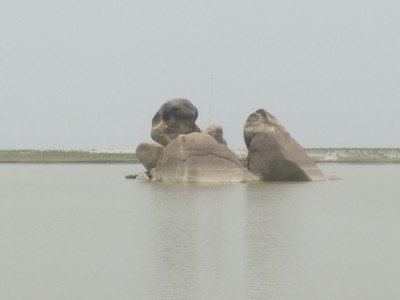
Buraburi Than
Some quick example text to build on the card title and make up the bulk of the card's content.
Go somewhere
Dadan Hill
Some quick example text to build on the card title and make up the bulk of the card's content.
Go somewhere
Goalpara River View
Some quick example text to build on the card title and make up the bulk of the card's content.
Go somewhere
Hulukunda Pahar
Some quick example text to build on the card title and make up the bulk of the card's content.
Go somewhere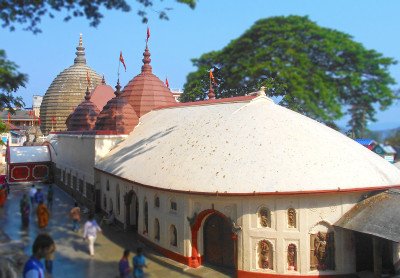
Joybhum Kamakhya Temple
Some quick example text to build on the card title and make up the bulk of the card's content.
Go somewhere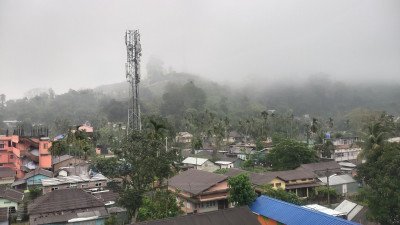
Kumri Beel Lake
Some quick example text to build on the card title and make up the bulk of the card's content.
Go somewhere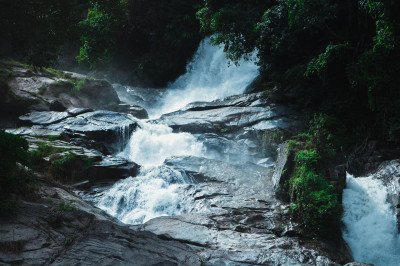
Nalonga Waterfalls
Some quick example text to build on the card title and make up the bulk of the card's content.
Go somewhere
Nandeswar Devalaya
Some quick example text to build on the card title and make up the bulk of the card's content.
Go somewhere
Pir Majhar
Some quick example text to build on the card title and make up the bulk of the card's content.
Go somewhere
Shyamrai Satra
Some quick example text to build on the card title and make up the bulk of the card's content.
Go somewhere
Sri Surya Pahar
Some quick example text to build on the card title and make up the bulk of the card's content.
Go somewhere
Tukeswari Temple
Some quick example text to build on the card title and make up the bulk of the card's content.
Go somewhere
Urpad Beel
Some quick example text to build on the card title and make up the bulk of the card's content.
Go somewherein Other Cities