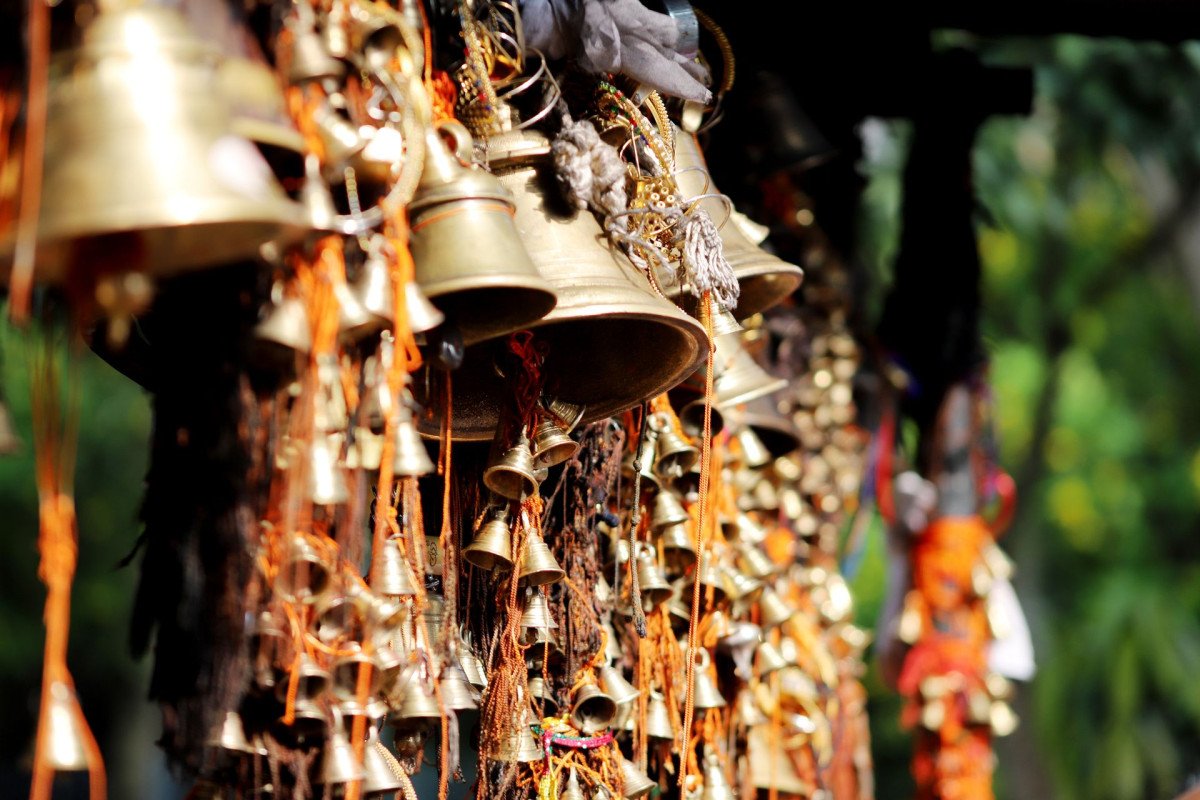
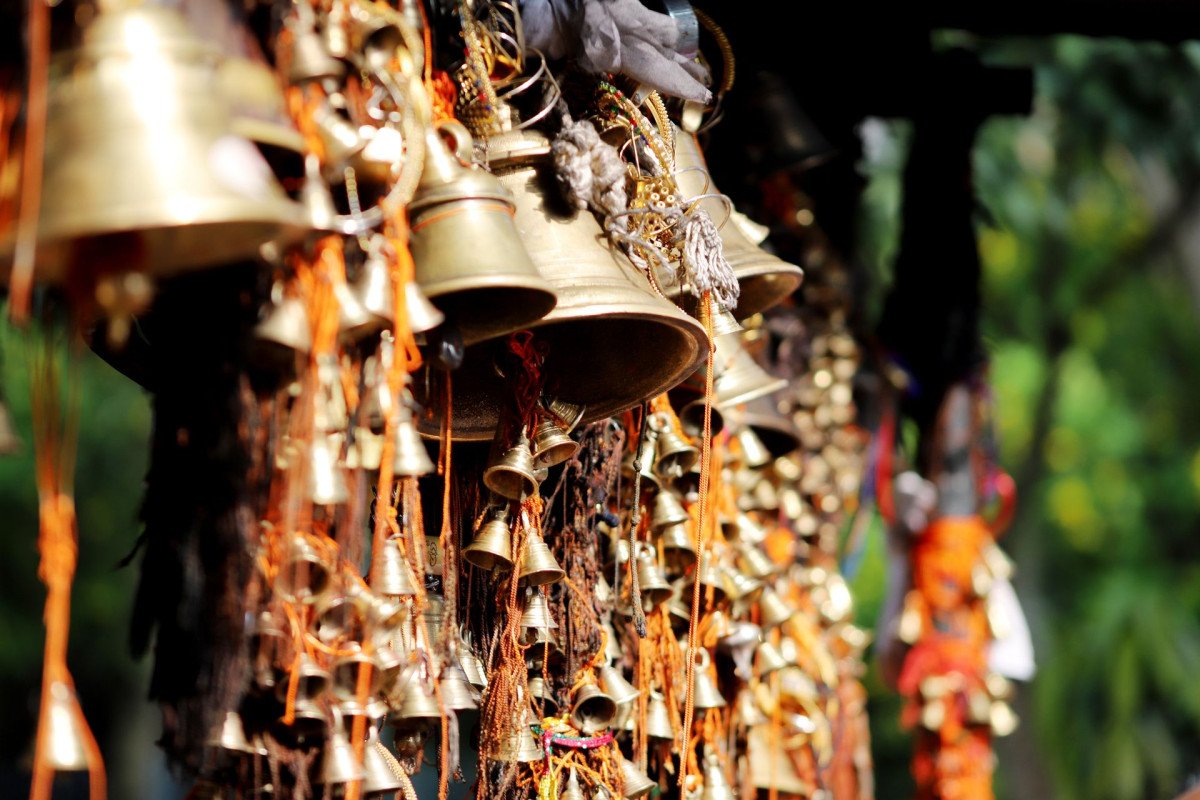
Daksha Mahadev Temple
General information
-
Ideal Duration:
1 to 2 hours (Darshan and walk around the complex/Ghat)Place Type:
Religious/Pilgrimage Site, Ancient Temple, MytholoEntry Fees:
Temple Entry: Entry to the Daksha Mahadev Temple complex is completely Free for all visitors. There is No Charge for the main Darshan of the Shiv Lingam or for entering the complex.
Puja Samagri/Offerings: Costs will involve the voluntary p...Temple Entry: Entry to the Daksha Mahadev Temple complex is completely Free for all visitors. There is No Charge for the main Darshan of the Shiv Lingam or for entering the complex.
Puja Samagri/Offerings: Costs will involve the voluntary purchase of ritual items (Puja Samagri) such as milk, bilva leaves, flowers, and incense for offerings, typically ranging from Rs.30 to Rs.150.
Ganga Snaan Fee: There is No Fee for taking a holy dip (Ganga Snaan) at the adjacent Daksha Ghat.
Shoe/Cloakroom: A minimal, voluntary fee may be charged by private vendors for keeping shoes and personal belongings outside the temple complex (e. g. , Rs.10-20).
Photography Fees: Personal photography outside the main sanctum is generally Free, but visitors must respect the sanctity of the place and not use flash. (Approx. )Timing:
Regular Timings: The temple is generally open daily from early morning, around 6:00 AM, until late evening, around 8:00 PM. The times may be extended during major festivals.
Ideal Visit Time: The best time is the early morning (6:00 AM to 9...Regular Timings: The temple is generally open daily from early morning, around 6:00 AM, until late evening, around 8:00 PM. The times may be extended during major festivals.
Ideal Visit Time: The best time is the early morning (6:00 AM to 9:00 AM) when the air is fresh, the ghat is quiet, and the temperature is cool, allowing for a peaceful Darshan and Ganga Snaan.
Peak Season/Festival Timings: During Maha Shivaratri and the holy month of Saavan, the temple remains open for extended hours, often all night, to accommodate the massive flow of pilgrims.
Midday Break: Unlike some temples, it generally remains open throughout the day, but the midday hours (12:00 PM to 3:00 PM) are the hottest and least crowded.
Time Required: 1 to 2 hours is sufficient for a comfortable Darshan and a stroll around the complex and the adjacent ghat. (Approx. )Special Events:
Maha Shivaratri: The most important special event is Maha Shivaratri (February or March), the great night of Lord Shiva. The temple complex becomes the focal point for all-night prayers, fasts, special Abhishekam, and large processions, drawing millions of dedicated followe...Maha Shivaratri: The most important special event is Maha Shivaratri (February or March), the great night of Lord Shiva. The temple complex becomes the focal point for all-night prayers, fasts, special Abhishekam, and large processions, drawing millions of dedicated followers.
Holy Month of Saavan: Throughout the holy monsoon month of Saavan (July to August), devotees, especially Kanwariyas carrying holy water from the Ganga, converge here to offer the water to the Shiv Lingam. Special prayers and ceremonies are conducted daily.
Daksha Yajna Commemoration: The temple may host specific ceremonies on the supposed anniversary of the Daksha Yajna event, featuring elaborate mythological re-enactments or religious discourses on the legend of Sati and Daksha.
Kumbh Mela: As a vital part of the Haridwar pilgrimage circuit, the temple is extremely busy during the Kumbh Mela and Ardh Kumbh, with special ritualistic events conducted for the massive influx of Sadhus and devotees. (Approx. )Best Photo Spots:
The Ancient Banyan Tree: The colossal, gnarled Banyan Tree in the courtyard is the most picturesque photo spot, offering a spiritual and ancient backdrop to frame the main temple structures.
Shiv Lingam and Sanctum Entrance: The intricately ...The Ancient Banyan Tree: The colossal, gnarled Banyan Tree in the courtyard is the most picturesque photo spot, offering a spiritual and ancient backdrop to frame the main temple structures.
Shiv Lingam and Sanctum Entrance: The intricately carved entrance to the main Shiv Lingam sanctum, often adorned with fresh flowers and garlands, is a beautiful photo subject (respecting the "no-photography" rules inside the Garbhagriha).
The Sati Kund Memorial: A respectful photograph of the Sati Kund and its surrounding walls, often with devotees making offerings, captures the mythological essence of the site.
View from Daksha Ghat: The view of the temple complex from the adjacent Daksha Ghat, especially with the gentle flow of the Ganga in the foreground, provides a quiet, reflective shot.
Parad Shivling Display: If permitted, a respectful close-up of the unique, gleaming Parad Shivling (made of mercury) is a unique photo capturing a rare feature of the temple. (Approx. )Photo Gallery
Things To Do
-
Perform Darshan: Pay respects and perform a sacred viewing (Darshan) of the Shiv Lingam and other deities in the main temple sanctum.
Worship at Sati Kund: Visit the sacred Sati Kund within the complex, where Goddess Sati is believed to have sacrificed herself, offering prayers in remembrance of the event.
Take a Holy Dip at Daksha Ghat: Perform a ritualistic bath (Ganga Snaan) in the holy Ganga River at the relatively peaceful and less crowded Daksha Ghat, located adjacent to the temple.
Circumambulate the Banyan Tree: Walk around the ancient, colossal Banyan Tree within the complex, which is considered a living entity and a silent witness to the mythological events, seeking its blessings.
Visit the Das Mahavidya Temple: Step ne...Perform Darshan: Pay respects and perform a sacred viewing (Darshan) of the Shiv Lingam and other deities in the main temple sanctum.
Worship at Sati Kund: Visit the sacred Sati Kund within the complex, where Goddess Sati is believed to have sacrificed herself, offering prayers in remembrance of the event.
Take a Holy Dip at Daksha Ghat: Perform a ritualistic bath (Ganga Snaan) in the holy Ganga River at the relatively peaceful and less crowded Daksha Ghat, located adjacent to the temple.
Circumambulate the Banyan Tree: Walk around the ancient, colossal Banyan Tree within the complex, which is considered a living entity and a silent witness to the mythological events, seeking its blessings.
Visit the Das Mahavidya Temple: Step next door to visit the small but spiritually significant Das Mahavidya Temple, dedicated to the ten fierce forms of the Goddess.
Perform Abhishekam: Especially during the holy month of Saavan, perform Abhishekam (ritual bathing with milk, water, etc. ) of the Shiv Lingam to seek Lord Shiva's blessings.
Explore Kankhal: Take a short walk through the old, serene town of Kankhal, which has a different, quieter atmosphere than central Haridwar, and explore other small ashrams and temples. (Approx. )
Information
-
Why Famous:
Mythological Nexus: The temple is extremely famous for being the exact location of the legendary Daksha Yajna and the subsequent self-immolation of Goddess Sati, which is a pivotal event in Hindu mythology, leading to the creation of the Shakti Peethas. This association mak...Mythological Nexus: The temple is extremely famous for being the exact location of the legendary Daksha Yajna and the subsequent self-immolation of Goddess Sati, which is a pivotal event in Hindu mythology, leading to the creation of the Shakti Peethas. This association makes it one of the most spiritually charged sites for both Lord Shiva and Goddess Sati devotees.
Ancient Heritage: It is famous for its antiquity and the history tied to the ancient town of Kankhal, which is mentioned in Hindu scriptures. Though the current structure is relatively new (1810), the site's spiritual lineage is thousands of years old.
Lord Shiva's Veneration: As a major temple dedicated to Lord Shiva in the holy city of Haridwar, it is the epicenter of celebrations during the holy month of Saavan (Monsoon) and Maha Shivaratri, attracting millions of Kanwariyas and pilgrims.
Unique Features: The presence of the Sati Kund within the complex and the colossal, ancient Banyan Tree further enhance its fame as a place where a great cosmic drama of love, sacrifice, and divine wrath unfolded. (Approx. ) -
Architecture:
Architectural Style: The temple showcases the traditional North Indian Nagara style of temple architecture, characterized by a beehive-shaped spire (Shikhara) over the main sanctuary (Garbhagriha).
Reconstruction and Age: The current structu...Architectural Style: The temple showcases the traditional North Indian Nagara style of temple architecture, characterized by a beehive-shaped spire (Shikhara) over the main sanctuary (Garbhagriha).
Reconstruction and Age: The current structure was largely built in 1810 AD by Queen Dhankaur of Dhar and renovated in 1962, but the site itself dates back to ancient mythological times.
Complex Layout: The complex includes the main Daksheshwar Mahadev Temple with the Shiv Lingam, the adjacent Sati Kund (a small tank/cistern where Sati is said to have self-immolated), and the Daksha Ghat on the river bank.
Dimension & Material: The temple utilizes stone and brick masonry. A significant dimension is the presence of an enormous, centuries-old Banyan Tree within the complex courtyard, a natural monument to the site's antiquity. Another notable feature is a Parad Shivling (made from mercury) weighing 151 kg. (Approx. ) -
How To Reach:
By Air: The nearest airport is Jolly Grant Airport (DED) in Dehradun, about 40-45 KMS away. You can hire a taxi from the airport directly to Kankhal (Daksha Mahadev Temple). The drive takes around 1. 5 hours.
By Train: The closest major ra...By Air: The nearest airport is Jolly Grant Airport (DED) in Dehradun, about 40-45 KMS away. You can hire a taxi from the airport directly to Kankhal (Daksha Mahadev Temple). The drive takes around 1. 5 hours.
By Train: The closest major railway station is Haridwar Junction (HW), which is approximately 6 KMS from Kankhal. From the railway station, you can easily find local transport.
By Road: Kankhal is a locality south of the main Haridwar city and is very well-connected by road networks. It is situated off the main highway and is easily accessible by private vehicle or bus.
By Local Transport: From anywhere in Haridwar (e. g. , Har Ki Pauri or the Railway Station), the most convenient and cost-effective local transport is the auto-rickshaw or a shared Vikram. Simply ask the driver to go to "Daksha Mahadev Mandir in Kankhal. " The journey from the main city should take about 20-30 minutes. You can also walk from the main highway into the serene streets of Kankhal. (Approx. ) -
Weather and Best Time to Visit:
Different Types of Seasons: The best season is the holy month of Saavan (Monsoon, July to August) for religious fervor, or Winter (October to March) for the most comfortable weather. Saavan sees maximum spiritual activity and the convergence of Kanwariyas, while Winter is i...Different Types of Seasons: The best season is the holy month of Saavan (Monsoon, July to August) for religious fervor, or Winter (October to March) for the most comfortable weather. Saavan sees maximum spiritual activity and the convergence of Kanwariyas, while Winter is ideal for leisurely touring and the celebration of Maha Shivaratri.
Different Parts of the Day: The best time of the day is the Early Morning (6:00 AM to 9:00 AM) for a peaceful Darshan and bath at the Daksha Ghat. This slot avoids the crowds and the midday heat, providing a tranquil spiritual experience. Evening is also pleasant, but the morning is superior for temple visits. Avoid the peak sun in the afternoon. (Approx. ) -
Near Tourist Places:
1. Daksha Ghat (Adjacent) 2. Das Mahavidya Temple (Adjacent) 3. Kankhal Town (Surrounding) 4. Har Ki Pauri (6 KMS) 5. Mansa Devi Temple (8 KMS) 6. Chandi Devi Temple (9 KMS) 7. Maya Devi Temple (6 KMS) 8. Pawan Dham (3 KMS) 9. Patanjali Yogpeeth (20 KMS) 10. Neel Dhara Pakshi Vihar (12 KMS)
Tourism Tips
-
Health & Safety: Be respectful of the ongoing rituals, particularly near the Sati Kund and the main sanctum. The steps leading to the Daksha Ghat can be slippery, so walk carefully, especially after a bath.
Packing: Dress modestly, covering...Health & Safety: Be respectful of the ongoing rituals, particularly near the Sati Kund and the main sanctum. The steps leading to the Daksha Ghat can be slippery, so walk carefully, especially after a bath.
Packing: Dress modestly, covering shoulders and knees, as this is a traditional, ancient temple. Carry a small towel if you plan to take a dip at the Daksha Ghat.
Accommodation: The best place to stay is in the quieter Kankhal area itself, which has many traditional ashrams and guesthouses, or in the main Haridwar city center for convenience.
Other: The temple complex also has a sacred, centuries-old Banyan Tree; remember to pay your respects here. If you are a devotee of Lord Shiva, visiting during Saavan will offer the deepest spiritual experience but be prepared for crowds. (Approx. )
Reviews
FAQs
Haridwar Itineray And Cost:-
Daksha Mahadev Temple Tourism:-
Other Places In Haridwar :-
Other States In India :-
Information about New and Updated Locations() of Uttarakhand Has Been Added :-
Card subtitle
Note:-
Information provided here in good Faith and for reference only.
Near Places

Adbhut Mandir
Some quick example text to build on the card title and make up the bulk of the card's content.
Go somewhere
Anandamayi Maa Ashram
Some quick example text to build on the card title and make up the bulk of the card's content.
Go somewhere
Bara Bazaar
Some quick example text to build on the card title and make up the bulk of the card's content.
Go somewhere
Bhimgoda Tank
Some quick example text to build on the card title and make up the bulk of the card's content.
Go somewhere
Chandi Devi Temple
Some quick example text to build on the card title and make up the bulk of the card's content.
Go somewhere
Crystal World
Some quick example text to build on the card title and make up the bulk of the card's content.
Go somewhere
Daksha Mahadev Temple
Some quick example text to build on the card title and make up the bulk of the card's content.
Go somewhere
Doodhadhari Barfani Temple
Some quick example text to build on the card title and make up the bulk of the card's content.
Go somewhere
Fun Valley Water Park
Some quick example text to build on the card title and make up the bulk of the card's content.
Go somewhere
Gau Ghat
Some quick example text to build on the card title and make up the bulk of the card's content.
Go somewhere
Gauri Shankar Mahadev Temple
Some quick example text to build on the card title and make up the bulk of the card's content.
Go somewhere
Jai Ram Ashram
Some quick example text to build on the card title and make up the bulk of the card's content.
Go somewhere
Kamleshwar Temple
Some quick example text to build on the card title and make up the bulk of the card's content.
Go somewhere
Maya Devi Temple
Some quick example text to build on the card title and make up the bulk of the card's content.
Go somewhere
Neel Dhara Pakshi Vihar
Some quick example text to build on the card title and make up the bulk of the card's content.
Go somewhere
Parad Shivling
Some quick example text to build on the card title and make up the bulk of the card's content.
Go somewherein Other Cities