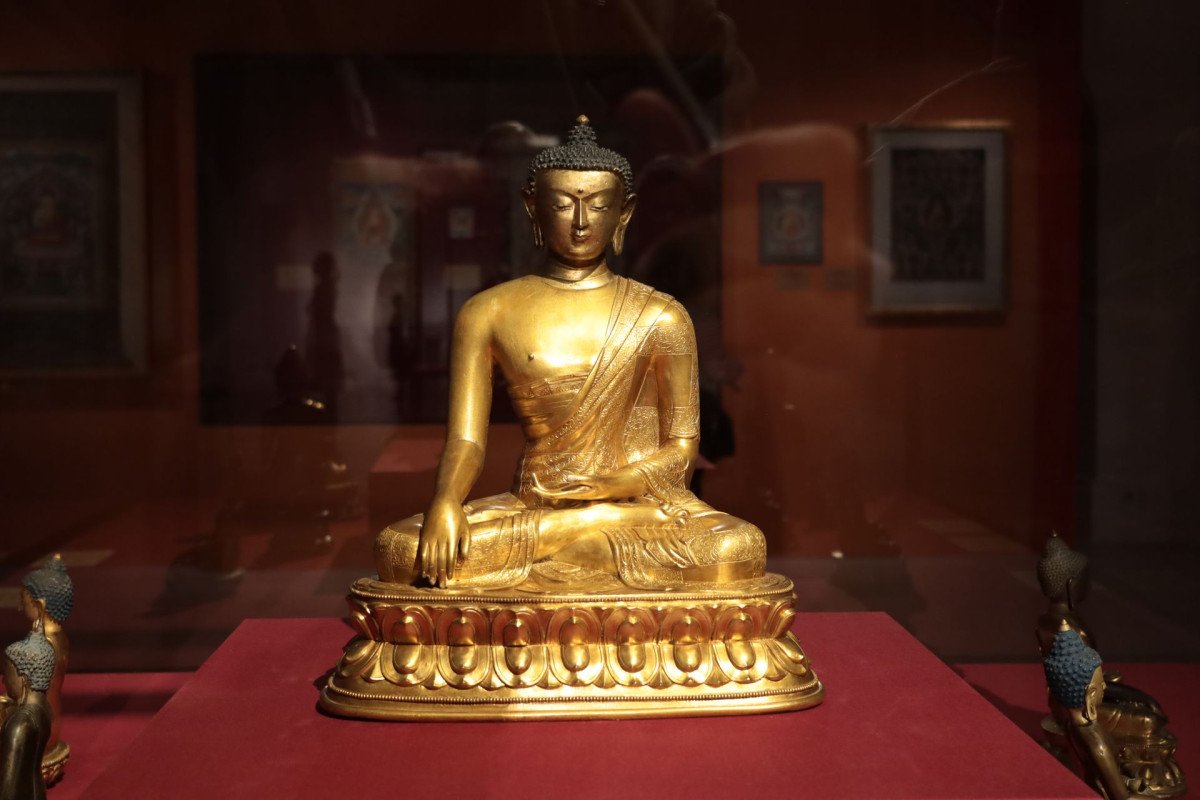
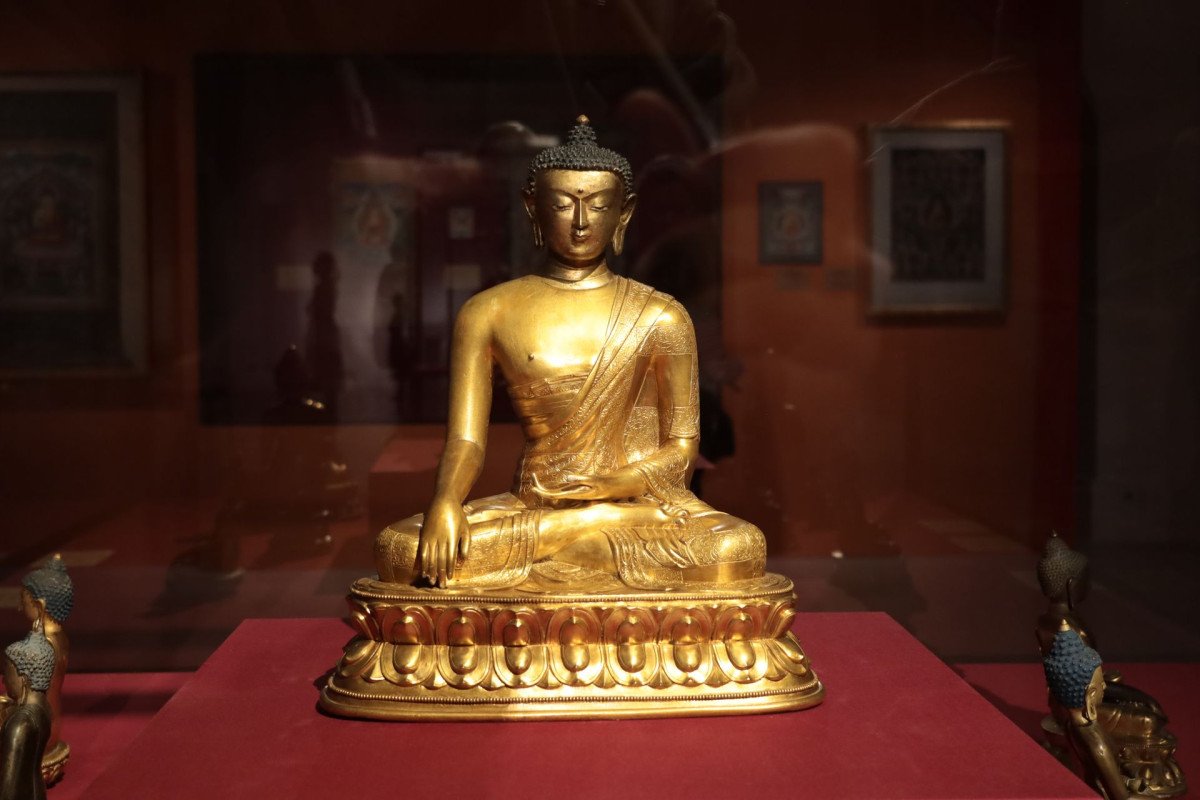
Dakshinachitra Museum
General information
-
Ideal Duration:
3 to 4 Hours.Place Type:
Heritage Museum & Cultural CEntry Fees:
Indian Citizens: The entry fee is 200 INR for Indian adults during weekdays and may increase to 200 INR on weekends or special holidays. For Indian children between the ages of 5 to 15, the fee is approximately 100 INR.
Foreign Nationals: ...Indian Citizens: The entry fee is 200 INR for Indian adults during weekdays and may increase to 200 INR on weekends or special holidays. For Indian children between the ages of 5 to 15, the fee is approximately 100 INR.
Foreign Nationals: For international tourists, the entry fee is around 350 INR per person. Foreign students with valid identification can enter for 200 INR. These fees help maintain the 10-acre property and support the artisans who live and work on the premises. :Timing:
Regular Timings: The museum is open from 10:00 AM to 6:00 PM on all days except Tuesday. It remains open on all national holidays except for the day of Diwali.
Ideal Visit Time: The best time to enter is around 10:30 AM to avoid the aftern...Regular Timings: The museum is open from 10:00 AM to 6:00 PM on all days except Tuesday. It remains open on all national holidays except for the day of Diwali.
Ideal Visit Time: The best time to enter is around 10:30 AM to avoid the afternoon heat and to see the artisans starting their work. Plan for a morning visit to finish by lunch or an afternoon visit to enjoy the cooler evening breeze. :Special Events:
Margazhi Festival: Celebrated in the month of January, this event features classical music and dance performances. It is a time when the museum comes alive with the sound of bells and flutes.
Craft Bazaars: These are held periodically, esp...Margazhi Festival: Celebrated in the month of January, this event features classical music and dance performances. It is a time when the museum comes alive with the sound of bells and flutes.
Craft Bazaars: These are held periodically, especially during the festive season, allowing craftsmen from across India to sell their products directly to the public without any middlemen. :Best Photo Spots:
The Kerala House Entrance: The intricate wooden carvings on the massive doors of the Kerala house make for a majestic background. The play of light and shadow on the dark wood is perfect for artistic shots.
The Tamil Street: The row of hou...The Kerala House Entrance: The intricate wooden carvings on the massive doors of the Kerala house make for a majestic background. The play of light and shadow on the dark wood is perfect for artistic shots.
The Tamil Street: The row of houses with colorful 'Kolam' designs on the floor offers a perspective shot that captures the essence of a traditional South Indian village.
The Pottery Yard: Capture the action of the potter's wheel with the sunlight hitting the spinning clay for a dynamic and cultural photograph. :Photo Gallery
Things To Do
-
Exploring Heritage Houses: The primary activity is walking through the 18 heritage houses. Start with the Tamil Nadu section to see the merchant houses and then move to the Kerala section to witness the beautiful woodwork. Each house is a storybook of the past.
Pottery and Craft Workshops: You can sit down with local potters and try your hand at the wheel. It is a relaxing and creative experience to mold clay into simple shapes. You can also learn palm leaf folding or participate in a small block printing session.
Watching Folk Dances: In the central courtyard, there are often live performances of Karakattam, Oyilattam, or Puppet Shows. These vibrant dances are performed by professional folk artists and are a highlight for many visitors.
Photography: With i...Exploring Heritage Houses: The primary activity is walking through the 18 heritage houses. Start with the Tamil Nadu section to see the merchant houses and then move to the Kerala section to witness the beautiful woodwork. Each house is a storybook of the past.
Pottery and Craft Workshops: You can sit down with local potters and try your hand at the wheel. It is a relaxing and creative experience to mold clay into simple shapes. You can also learn palm leaf folding or participate in a small block printing session.
Watching Folk Dances: In the central courtyard, there are often live performances of Karakattam, Oyilattam, or Puppet Shows. These vibrant dances are performed by professional folk artists and are a highlight for many visitors.
Photography: With its beautiful traditional doorways, colorful murals, and rustic settings, it is a paradise for photographers. You can take portraits against the backdrop of ancient wooden pillars or capture the fine details of the stone carvings.
Shopping for Souvenirs: The museum has a dedicated craft shop where you can buy authentic handmade items like Kanchipuram silk, wooden toys, brass lamps, and traditional jewelry. The money spent here directly supports the artisans and the museum's foundation.
Enjoying Regional Food: Visit the onsite restaurant to taste authentic South Indian snacks and meals. Sipping a hot filter coffee in a traditional setting is a great way to take a break during your tour.
Attending Seasonal Festivals: Check the calendar for special exhibitions or festivals like the Margazhi music festival or craft bazaars. These events bring together artists from all over the country and offer a festive atmosphere.
Educational Tours: If you are visiting with children, engage in the scavenger hunt activities or guided tours that explain the science behind the traditional cooling systems used in these ancient houses.
Relaxation: The museum is very peaceful. You can simply sit on a traditional 'thinnai' (verandah) and enjoy the breeze, imagining what life was like a hundred years ago.
Visiting the Art Gallery: The museum houses a gallery that features contemporary art inspired by traditional themes, providing a contrast to the historical houses. :
Information
-
Why Famous:
Cultural Preservation: The museum is famous for its unique concept of "moving houses," where historical structures scheduled for demolition were rescued and rebuilt. This process preserves the tangible heritage of South India.
Interactive Lear...Cultural Preservation: The museum is famous for its unique concept of "moving houses," where historical structures scheduled for demolition were rescued and rebuilt. This process preserves the tangible heritage of South India.
Interactive Learning: It is renowned for its live craft demonstrations where visitors can see artisans practicing age-old techniques that are rare in modern cities. This hands-on approach makes it a favorite for educational tours and cultural tourism. The museum serves as a bridge between the past and the present, showcasing the evolution of South Indian society through its dwellings and crafts. : -
Architecture:
Architectural Styles: The architecture of Dakshinachitra is a unique blend of vernacular styles from four different states. It features the Agraharam style of Tamil Nadu with its long courtyards and pitched roofs, and the Nalukettu style of Kerala characterized by its cent...Architectural Styles: The architecture of Dakshinachitra is a unique blend of vernacular styles from four different states. It features the Agraharam style of Tamil Nadu with its long courtyards and pitched roofs, and the Nalukettu style of Kerala characterized by its central open courtyards and heavy use of teak wood.
Dimension: The entire complex is spread across 10 acres of land. The houses range in size, with some reaching heights of 25 feet, while the total area of individual heritage homes varies from 800 to 2,500 square feet. The use of traditional materials like lime mortar, terracotta tiles, and granite pillars ensures an authentic structural integrity that reflects the engineering wisdom of ancient Indian builders. : -
How To Reach:
By Air: The nearest airport is Chennai International Airport, located about 30 KMS away. From the airport, you can hire a prepaid taxi or use app-based cabs like Ola or Uber to reach the museum directly via the East Coast Road.
By Train: T...By Air: The nearest airport is Chennai International Airport, located about 30 KMS away. From the airport, you can hire a prepaid taxi or use app-based cabs like Ola or Uber to reach the museum directly via the East Coast Road.
By Train: The nearest major railway station is Chennai Central or Egmore, about 35 KMS away. You can take a local suburban train to Thiruvanmiyur and then hire an auto-rickshaw or take a bus.
By Road: Dakshinachitra is well-connected by the East Coast Road. If you are driving from Chennai, it is a smooth 45-minute drive. From Mahabalipuram, it is a 30-minute drive heading towards the north.
By Local Transport: You can take government buses from the Adyar or Thiruvanmiyur bus stands. Bus numbers 109, 588, and 599 stop right at the MGM Dizzee World stop, which is just a short walk from the museum entrance. : -
Weather and Best Time to Visit:
Different Seasons: The best season to visit is during the winter months from November to February when the weather in Tamil Nadu is pleasant and cool, making it comfortable to walk around the open-air complex. The summer months of April to June can be very hot and humid. <...Different Seasons: The best season to visit is during the winter months from November to February when the weather in Tamil Nadu is pleasant and cool, making it comfortable to walk around the open-air complex. The summer months of April to June can be very hot and humid.
Different Parts of the Day: Early mornings are the best as the light is soft for photography and the temperature is mild. Alternatively, late afternoons after 3:30 PM provide a beautiful golden hour glow over the heritage structures. : -
Near Tourist Places:
MGM Dizzee World (0. 5 KM), Muttukadu Backwaters (1 KM), Covelong Beach (5 KMS), Tiger Cave (20 KMS), Shore Temple (25 KMS), Five Rathas (26 KMS), Arjuna's Penance (25 KMS), Isis Temple (10 KMS), Crocodile Bank (12 KMS), VGP Marine Kingdom (10 KMS).
Tourism Tips
-
Health & Safety: Wear comfortable walking shoes as the museum covers a large area. Carry a water bottle and wear a hat to protect yourself from the sun. The paths are mostly gravel or mud, so avoid high heels.
Packing: Bring a camera with...Health & Safety: Wear comfortable walking shoes as the museum covers a large area. Carry a water bottle and wear a hat to protect yourself from the sun. The paths are mostly gravel or mud, so avoid high heels.
Packing: Bring a camera with extra batteries and memory cards. A small umbrella might be useful for both sun and occasional rain.
Accommodation: While there is no accommodation inside the museum, there are many beach resorts and hotels along the East Coast Road and in Mahabalipuram.
Cash & Connectivity: It is advisable to carry some cash for buying small handicrafts or snacks from the local stalls, although the main ticket counter and shop accept cards and UPI. There is an ATM near the MGM Dizzee World complex nearby. Mobile connectivity is generally excellent across the campus. :
Reviews
FAQs
Mahabalipuram Itineray And Cost:-
Dakshinachitra Museum Tourism:-
Other Places In Mahabalipuram :-
Other States In India :-
Information about New and Updated Locations() of Tamil Nadu Has Been Added :-
Card subtitle
Note:-
Information provided here in good Faith and for reference only.
Near Places

Arjuna's Penance
Some quick example text to build on the card title and make up the bulk of the card's content.
Go somewhere
Dakshinachitra Museum
Some quick example text to build on the card title and make up the bulk of the card's content.
Go somewhere
Flipflops Beach Shack
Some quick example text to build on the card title and make up the bulk of the card's content.
Go somewhere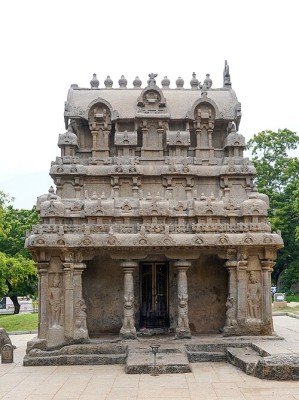
Ganesh Ratha Temple
Some quick example text to build on the card title and make up the bulk of the card's content.
Go somewhere
India Seashell Museum
Some quick example text to build on the card title and make up the bulk of the card's content.
Go somewhere
Krishna's Butter Ball
Some quick example text to build on the card title and make up the bulk of the card's content.
Go somewhere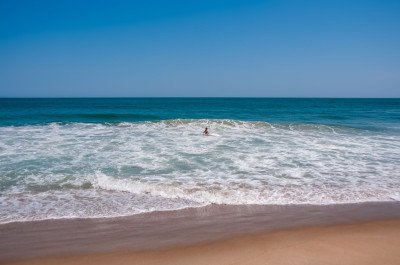
Mahabalipuram Beach
Some quick example text to build on the card title and make up the bulk of the card's content.
Go somewhere
Mahabalipuram Stone Carving
Some quick example text to build on the card title and make up the bulk of the card's content.
Go somewhere
Mahishasura Rock
Some quick example text to build on the card title and make up the bulk of the card's content.
Go somewhere
Mahishasuramardini Cave
Some quick example text to build on the card title and make up the bulk of the card's content.
Go somewhere
Mamallapuram Lighthouse
Some quick example text to build on the card title and make up the bulk of the card's content.
Go somewhere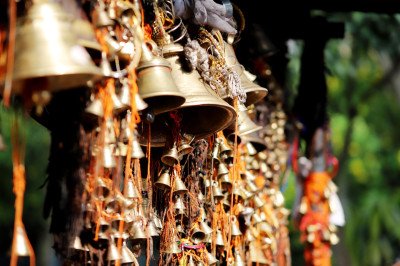
Mukunda Nayanar Temple
Some quick example text to build on the card title and make up the bulk of the card's content.
Go somewhere
Olakkannesvara Temple
Some quick example text to build on the card title and make up the bulk of the card's content.
Go somewhere
Pancha Pandava Rathas
Some quick example text to build on the card title and make up the bulk of the card's content.
Go somewhere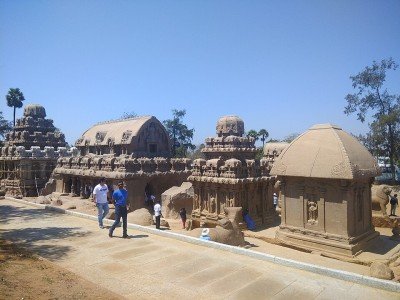
Pancha Rathas
Some quick example text to build on the card title and make up the bulk of the card's content.
Go somewhere
Pidari Ratha / Valian Kuttai Ratha
Some quick example text to build on the card title and make up the bulk of the card's content.
Go somewherein Other Cities