

Arjuna's Penance
General information
-
Ideal Duration:
1. 5 - 2 HoursPlace Type:
Historical Monument:
UNESCO World Heritage Site:Entry Fees:
Fees and Tickets:
Part of a Group Ticket System:
Entry Fee for Indians: Rs.40 per person;
Foreign Nationals: Rs.600 per person. The ticket is a consolidated one that covers most o...Fees and Tickets:
Part of a Group Ticket System:
Entry Fee for Indians: Rs.40 per person;
Foreign Nationals: Rs.600 per person. The ticket is a consolidated one that covers most of the major monuments in the Group of Monuments at Mahabalipuram, including the Shore Temple and the Pancha Rathas. Children up to 15 years old are generally free. Photography (still camera) is free; Videography may incur a separate charge. The cost helps in the ongoing maintenance and preservation by the Archaeological Survey of India (ASI), ensuring this historical masterpiece endures.Timing:
Regular and
Ideal Visit Time:
Morning Light for Best Views:
Regular Timings: Generally open from 6:00 AM to 6:00 PM on all days.
Ideal Visit Time: The best time to visi...Regular and
Ideal Visit Time:
Morning Light for Best Views:
Regular Timings: Generally open from 6:00 AM to 6:00 PM on all days.
Ideal Visit Time: The best time to visit is early in the morning, between 6:00 AM and 9:00 AM, to avoid the intense tropical heat and the later crowds. The sun's light at dawn beautifully highlights the relief's intricate details, making for exceptional viewing and photography. Another peaceful time is just before sunset (4:30 PM to 6:00 PM).Special Events:
Mamallapuram Dance Festival:
Held Annually Against the Backdrop of History: The monument itself is a backdrop for cultural events, most notably the annual Mamallapuram Dance Festival (usually held in December and January). During this period,...Mamallapuram Dance Festival:
Held Annually Against the Backdrop of History: The monument itself is a backdrop for cultural events, most notably the annual Mamallapuram Dance Festival (usually held in December and January). During this period, the UNESCO heritage site is transformed into a stage for classical Indian dance forms like Bharatanatyam, Kathakali, and Kuchipudi, offering a mesmerizing spectacle where ancient art is performed in front of ancient sculpture, a truly unique cultural synthesis.Best Photo Spots:
The Elephant Panel:
Capturing the Majestic Life-sized Herd: The best spot is directly in front of the colossal Elephant Panel, which is widely regarded for its realism. Capture the majestic animals in a wide shot to emphasize their scale and ...The Elephant Panel:
Capturing the Majestic Life-sized Herd: The best spot is directly in front of the colossal Elephant Panel, which is widely regarded for its realism. Capture the majestic animals in a wide shot to emphasize their scale and detail. Another excellent spot is from a slight distance and an angle that captures the entire relief, showing the natural cleft that runs down the middle, which symbolizes the descending river. The early morning light (around 6:30 AM) provides a soft, warm glow that enhances the granite's texture.Photo Gallery
Things To Do
-
Study the Relief:
Hire a Local Guide for Detailed Interpretation: Take your time to walk the entire length of the relief and analyze the layers of carving, from the celestial beings at the top to the terrestrial scenes at the bottom. Photography is a major draw—capture the scale by including a person in the frame, especially the majestic elephant carvings. The open space around it is perfect for contemplative reflection on the ancient narrative. You can also Visit the nearby Krishna Mandapam, which has a beautiful carving of Lord Krishna lifting the Govardhana Hill. Shop for local stone sculptures in the surrounding stalls, which are often descendants of the original Pallava artisans. Relax in the shaded areas after exploring the carving and before moving to the next monument. ...Study the Relief:
Hire a Local Guide for Detailed Interpretation: Take your time to walk the entire length of the relief and analyze the layers of carving, from the celestial beings at the top to the terrestrial scenes at the bottom. Photography is a major draw—capture the scale by including a person in the frame, especially the majestic elephant carvings. The open space around it is perfect for contemplative reflection on the ancient narrative. You can also Visit the nearby Krishna Mandapam, which has a beautiful carving of Lord Krishna lifting the Govardhana Hill. Shop for local stone sculptures in the surrounding stalls, which are often descendants of the original Pallava artisans. Relax in the shaded areas after exploring the carving and before moving to the next monument.
Information
-
Why Famous:
Mythological Significance:
The Dual Interpretation and the Ganges Narrative: It is primarily famous for its monumental size as the largest bas-relief in the world and the artistic mastery of the 7th-century Pallava craftsmen. Its fame stems f...Mythological Significance:
The Dual Interpretation and the Ganges Narrative: It is primarily famous for its monumental size as the largest bas-relief in the world and the artistic mastery of the 7th-century Pallava craftsmen. Its fame stems from the ambiguity and richness of the narrative: whether it depicts the sage Bhagiratha's austere penance to bring the sacred river Ganges to earth, or the warrior Arjuna's quest for the divine weapon. The visual representation of the world in harmony—including gods, humans, and animals—flocking towards the sacred river's source is a powerful, globally recognized symbol of Hindu cosmology and epic literature, making it a pivotal site for art historians and mythology enthusiasts. -
Architecture:
Bas-Relief Dimensions:
Massive Granite Canvas and Pallava Style: The structure is a monolith, an enormous open-air bas-relief carved out of a single large granite rock. Its approximate Dimensions are 29 meters (96 feet) in length and 13 meter...Bas-Relief Dimensions:
Massive Granite Canvas and Pallava Style: The structure is a monolith, an enormous open-air bas-relief carved out of a single large granite rock. Its approximate Dimensions are 29 meters (96 feet) in length and 13 meters (43 feet) in height. The style is classic early Pallava architecture, specifically the Mamalla style (c. 630-668 AD). The figures are relatively slim, elegant, and filled with dynamic movement. The composition is masterfully divided, with the natural vertical cleft forming the centerpiece, originally filled with water during festivals to symbolize the Ganges river. The most notable architectural features are the detailed depiction of the animals, particularly the pair of life-sized elephants, carved with incredible realism and emotion, a hallmark of the period. Other scenes, like the 'cat's penance' parody, display a remarkable blend of mythological reverence and social satire, all carved into the immovable rock face. -
How To Reach:
By Road and Local Transport:
Chennai-Mahabalipuram ECR Route:
By Air: Nearest Airport is Chennai International Airport (MAA), approximately 55 KMS away. From the airport, hire a pre-paid taxi or take a bus.By Road and Local Transport:
Chennai-Mahabalipuram ECR Route:
By Air: Nearest Airport is Chennai International Airport (MAA), approximately 55 KMS away. From the airport, hire a pre-paid taxi or take a bus.
By Train: Nearest major railway station is Chengalpattu (CGL), about 29 KMS away, or Tambaram (TBM), about 45 KMS away. Direct trains run from Chennai to these stations.
By Road: Mahabalipuram is well-connected by the East Coast Road (ECR) from Chennai (58 KMS). State-run buses and private luxury buses are available from Chennai (Koyambedu CMBT). Local transport within the town is primarily by walking, auto-rickshaws, or bicycles (available for rent). The site is within easy walking distance from the main bus stand. -
Weather and Best Time to Visit:
Seasonal Comfort:
Winter and Early Morning Hours:
Different Types of Seasons: The Winter season (October to March) is the Best Time to Visit, with pleasant, moderate temperatures (20°C to 25°C), perfect for a...Seasonal Comfort:
Winter and Early Morning Hours:
Different Types of Seasons: The Winter season (October to March) is the Best Time to Visit, with pleasant, moderate temperatures (20°C to 25°C), perfect for all-day sightseeing. Summer (April to June) is very hot and humid (30°C to 40°C), making sightseeing challenging. Monsoon (July to September) brings heavy rains, which can occasionally disrupt travel, but the lush green landscape is beautiful.
Different Parts of the Day: The early morning (6:00 AM to 9:00 AM) is the most comfortable and visually rewarding part of the day, as the stone is cool and the light is soft. -
Near Tourist Places:
Krishna's Butter Ball (0. 5 KM), Ganesh Ratha Temple (0. 5 KM), Trimurti Cave (0. 8 KM), Mahishasuramardini Mandapa (0. 8 KM), Mahabalipuram Lighthouse (1 KM), Shore Temple (1. 5 KM), Pancha Rathas (1. 8 KM), India Seashell Museum (2 KM), Tiger Cave (5 KM), Crocodile Bank (15 KM).
Tourism Tips
-
Health and Safety:
Sun Protection and Footwear:
Health & Safety: The site is outdoors; carry a water bottle, wear a hat/cap, and apply sunscreen to prevent heat exhaustion. Wear comfortable walking shoes, as ...Health and Safety:
Sun Protection and Footwear:
Health & Safety: The site is outdoors; carry a water bottle, wear a hat/cap, and apply sunscreen to prevent heat exhaustion. Wear comfortable walking shoes, as the area is rocky and uneven.
Packing: Essentials include a camera, a detailed guide book for interpretation, and light cotton clothing.
Accommodation: Options range from budget guest houses near the beach to luxury resorts along the ECR. Book well in advance, especially during the peak season (December-January).
Other Tips: Hire an officially licensed ASI guide at the entrance for an in-depth understanding of the complex relief's many stories.
Reviews
FAQs
Mahabalipuram Itineray And Cost:-
Arjuna's Penance Tourism:-
Other Places In Mahabalipuram :-
Other States In India :-
Information about New and Updated Locations() of Tamil Nadu Has Been Added :-
Card subtitle
Note:-
Information provided here in good Faith and for reference only.
Near Places

Arjuna's Penance
Some quick example text to build on the card title and make up the bulk of the card's content.
Go somewhere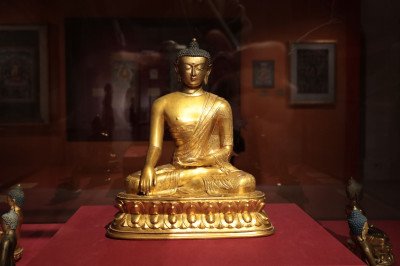
Dakshinachitra Museum
Some quick example text to build on the card title and make up the bulk of the card's content.
Go somewhere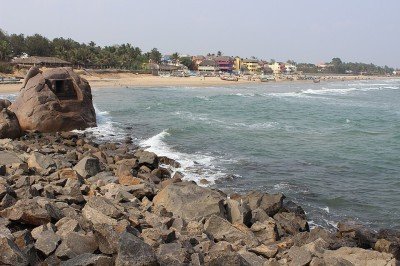
Flipflops Beach Shack
Some quick example text to build on the card title and make up the bulk of the card's content.
Go somewhere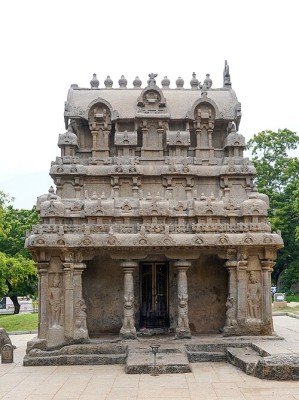
Ganesh Ratha Temple
Some quick example text to build on the card title and make up the bulk of the card's content.
Go somewhere
India Seashell Museum
Some quick example text to build on the card title and make up the bulk of the card's content.
Go somewhere
Krishna's Butter Ball
Some quick example text to build on the card title and make up the bulk of the card's content.
Go somewhere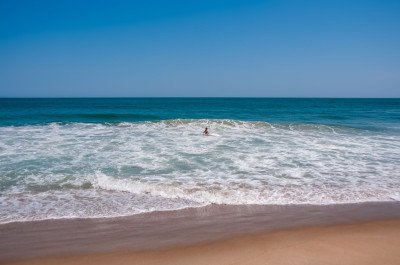
Mahabalipuram Beach
Some quick example text to build on the card title and make up the bulk of the card's content.
Go somewhere
Mahabalipuram Stone Carving
Some quick example text to build on the card title and make up the bulk of the card's content.
Go somewhere
Mahishasura Rock
Some quick example text to build on the card title and make up the bulk of the card's content.
Go somewhere
Mahishasuramardini Cave
Some quick example text to build on the card title and make up the bulk of the card's content.
Go somewhere
Mamallapuram Lighthouse
Some quick example text to build on the card title and make up the bulk of the card's content.
Go somewhere
Mukunda Nayanar Temple
Some quick example text to build on the card title and make up the bulk of the card's content.
Go somewhere
Olakkannesvara Temple
Some quick example text to build on the card title and make up the bulk of the card's content.
Go somewhere
Pancha Pandava Rathas
Some quick example text to build on the card title and make up the bulk of the card's content.
Go somewhere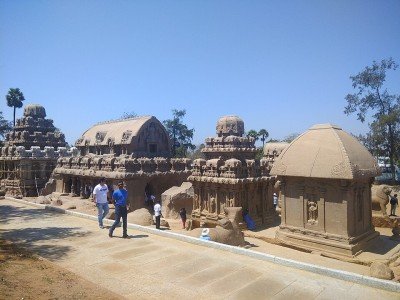
Pancha Rathas
Some quick example text to build on the card title and make up the bulk of the card's content.
Go somewhere
Pidari Ratha / Valian Kuttai Ratha
Some quick example text to build on the card title and make up the bulk of the card's content.
Go somewherein Other Cities