Deeksha Bhoomi
General information
-
Ideal Duration:
2 Hours to 3 Hours:Place Type:
Pilgrimage/Historical Monument:Entry Fees:
Entry Fee: No Entry Fee (Free for all visitors). : The Deeksha Bhoomi complex does not charge any entry fee for general visitors or pilgrims, making it accessible to everyone, irrespective of economic background. This open-access policy reflects the principles of equality a...Entry Fee: No Entry Fee (Free for all visitors). : The Deeksha Bhoomi complex does not charge any entry fee for general visitors or pilgrims, making it accessible to everyone, irrespective of economic background. This open-access policy reflects the principles of equality and social inclusion championed by Dr. Ambedkar. However, there might be nominal charges for dedicated parking areas if a visitor brings a vehicle. For special events like Dhammachakra Pravartan Din (October 14th), the entry remains free, but management and security are heavily regulated due to the massive crowds. Donations are entirely voluntary. There are usually separate charges for facilities like shoe storage, which is mandatory as footwear is not allowed inside the main premises. The commitment to free entry ensures that the site remains a true "Land of Ordination" for the masses and a cultural asset for all of India. The maintenance and upkeep of the vast marble structure and the complex are sustained primarily through grants and public donations. :Timing:
Regular Timings and
Ideal Visit Time: The monument is generally open from 7:00 AM to 8:00 PM daily, though some sources indicate open access 24 hours for the grounds, with the main stupa doors having specific viewing hours, usually from 7:00 AM to 8:00 PM.Regular Timings and
Ideal Visit Time: The monument is generally open from 7:00 AM to 8:00 PM daily, though some sources indicate open access 24 hours for the grounds, with the main stupa doors having specific viewing hours, usually from 7:00 AM to 8:00 PM.
Ideal Visit Time: The best time to visit is during the early morning (7:00 AM to 10:00 AM) or late afternoon (4:00 PM to 7:00 PM) to avoid the peak heat of the day, especially from March to June.
Early Morning: Ideal for quiet contemplation, photography, and experiencing the spiritual serenity before the crowds arrive. The morning light on the white marble is also excellent.
Late Afternoon/Evening: Recommended to witness the beautiful sunset and the subsequent illumination of the stupa, which is a spectacular sight.
Mass Conversion Day Timings: On October 14th, the timings are often extended and the crowd management changes, requiring an extremely early arrival for those wishing to be close to the central area. Visitors should allocate at least 2-3 hours to fully explore the stupa and surrounding grounds without rushing. :Special Events:
The Dhammachakra Pravartan Din: The single most significant and special event is the Dhammachakra Pravartan Din (Mass Conversion Ceremony Day), held annually on October 14th. This commemorates the day Dr. Ambedkar and his followers adopted Buddhism. The event draws millio...The Dhammachakra Pravartan Din: The single most significant and special event is the Dhammachakra Pravartan Din (Mass Conversion Ceremony Day), held annually on October 14th. This commemorates the day Dr. Ambedkar and his followers adopted Buddhism. The event draws millions of devotees, known as 'Ambedkarites,' from all over India and the world. The entire area transforms into a massive, vibrant convergence of faith and social pride. Other notable days include Ambedkar Jayanti (birth anniversary) on April 14th, and Mahaparinirvan Din (death anniversary) on December 6th, which also see large gatherings. During October 14th, the event features mass prayers, cultural programs, and political and religious speeches. The atmosphere is electric, spiritual, and deeply moving, offering a unique opportunity to witness the neo-Buddhist movement's profound scale and commitment. Smaller religious festivals and full-moon day prayers are also held throughout the year, but October 14th is the central, defining event for the entire location. Arrangements for crowd management and temporary shelters are massive, reflecting the event's scale. :Best Photo Spots:
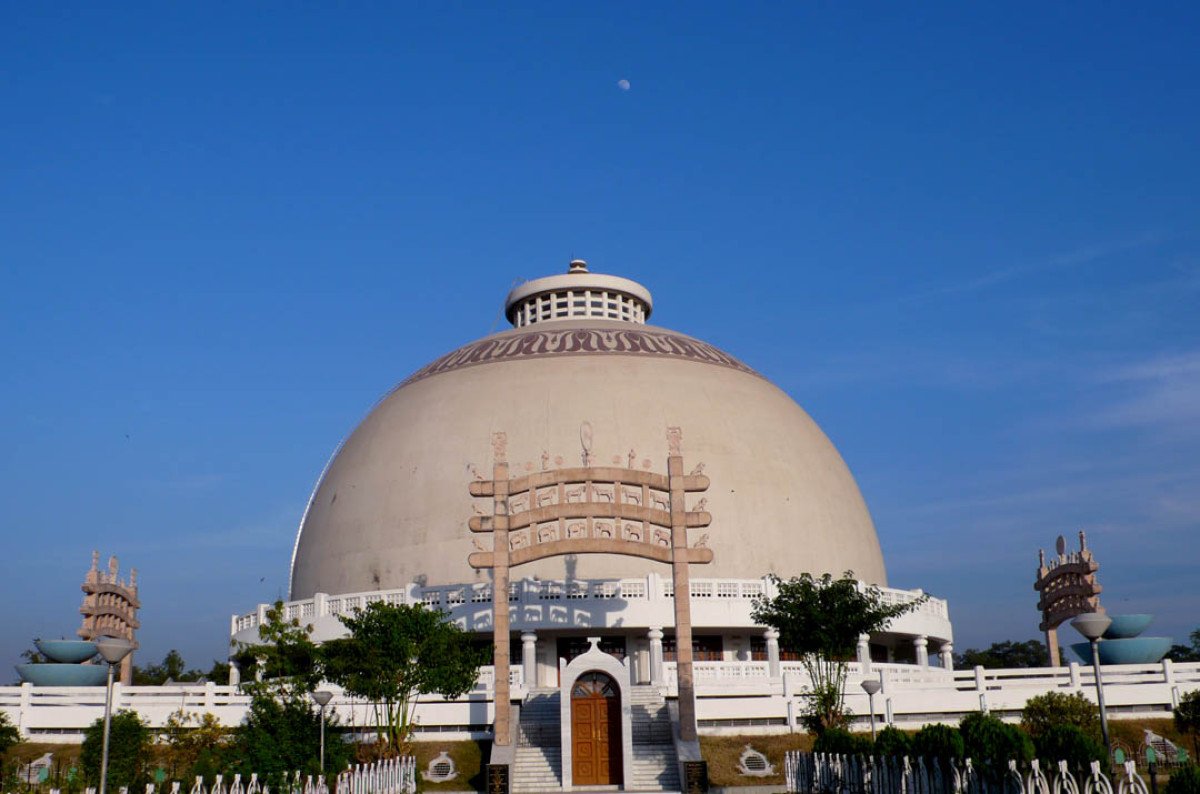
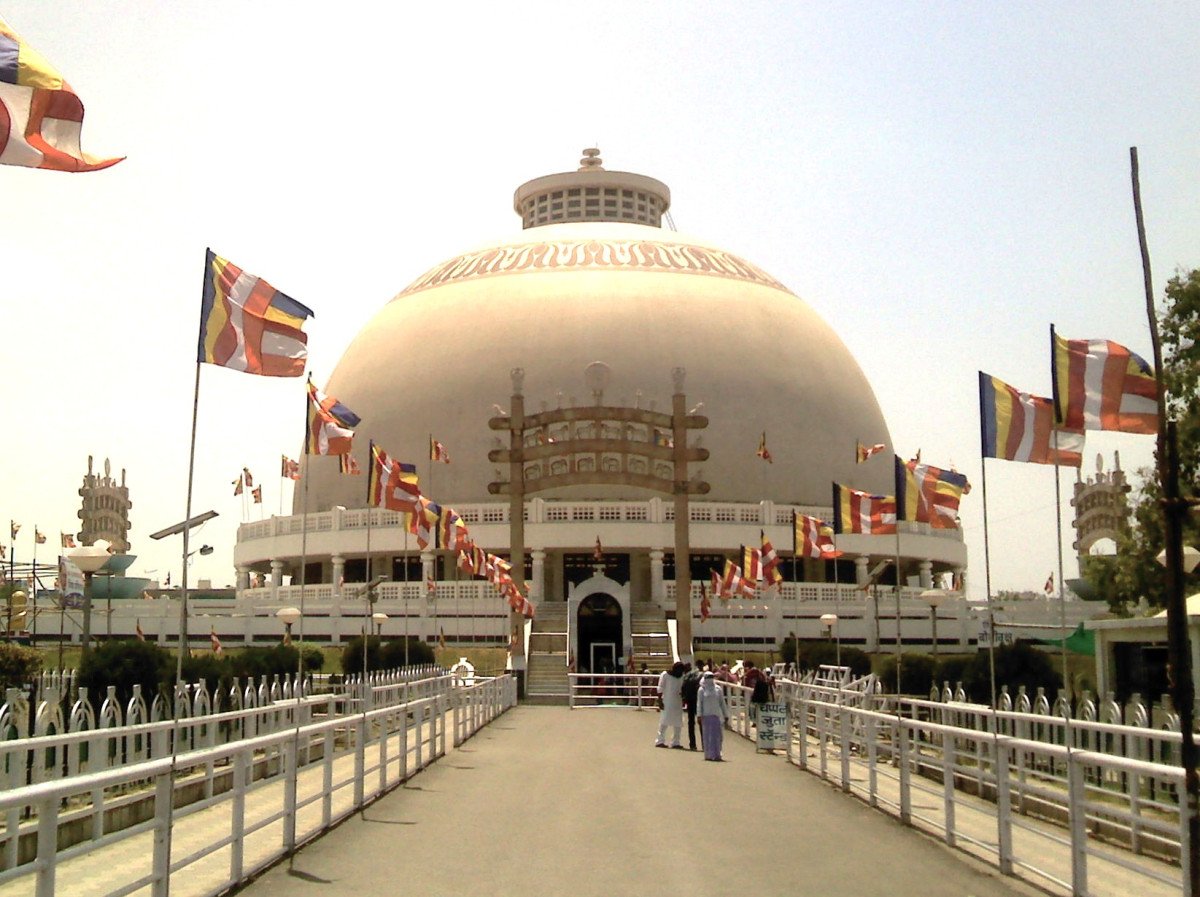
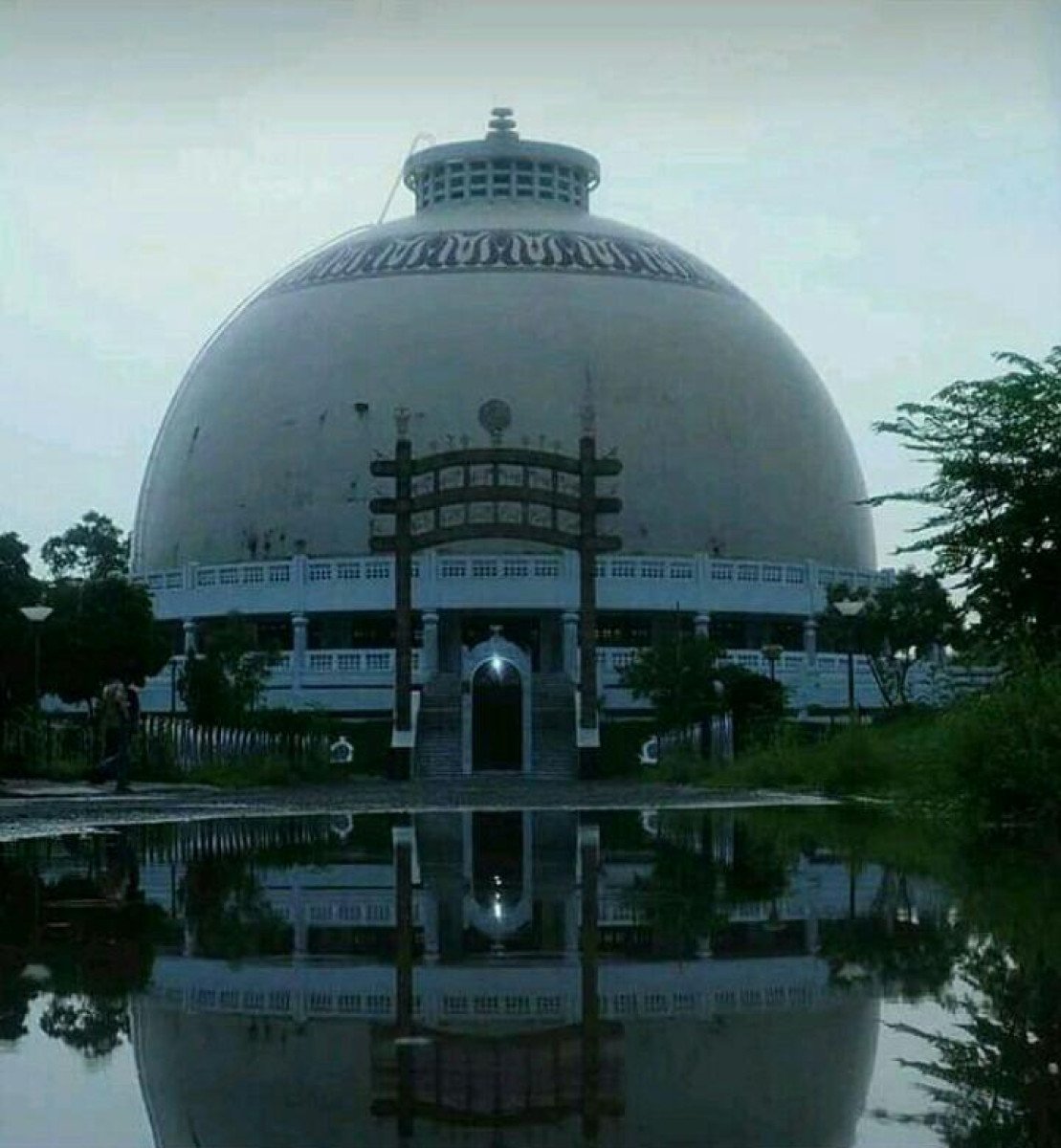
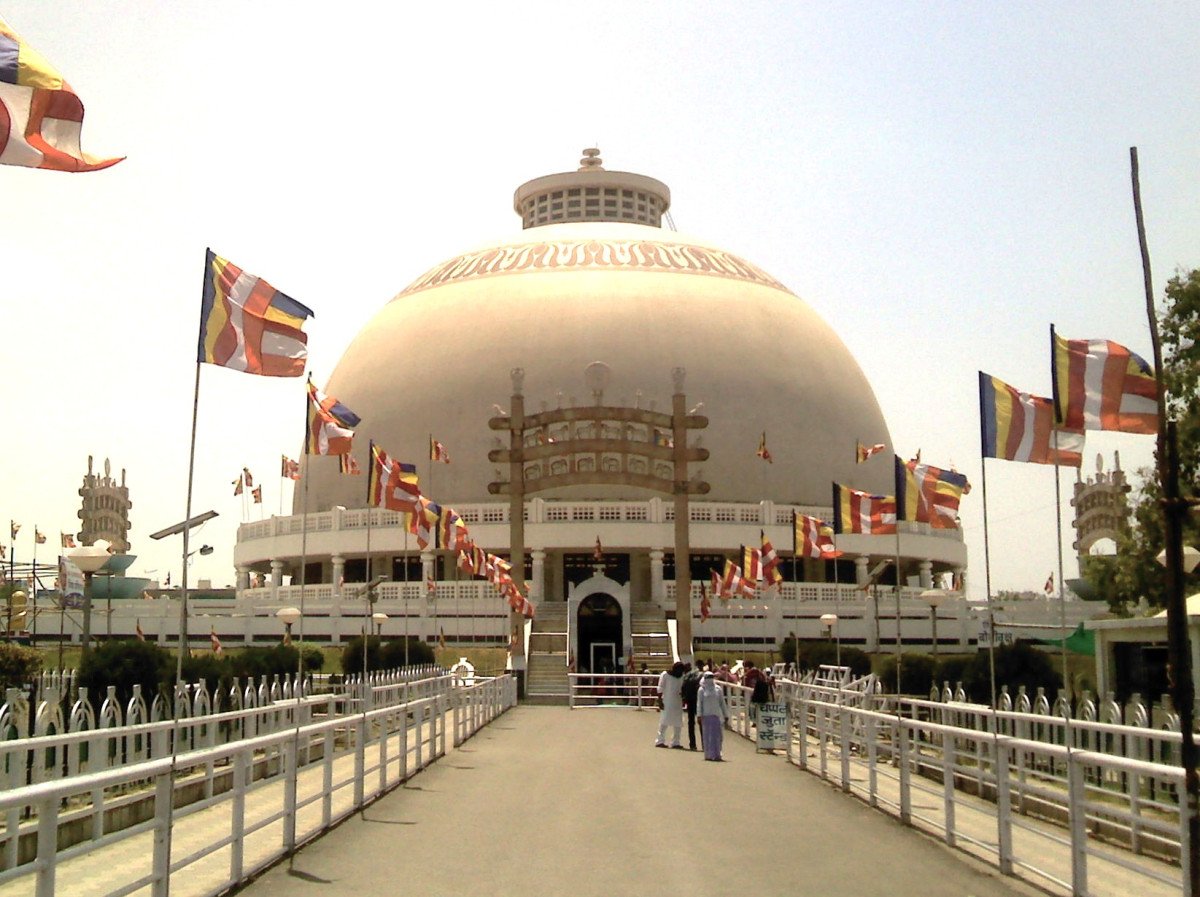
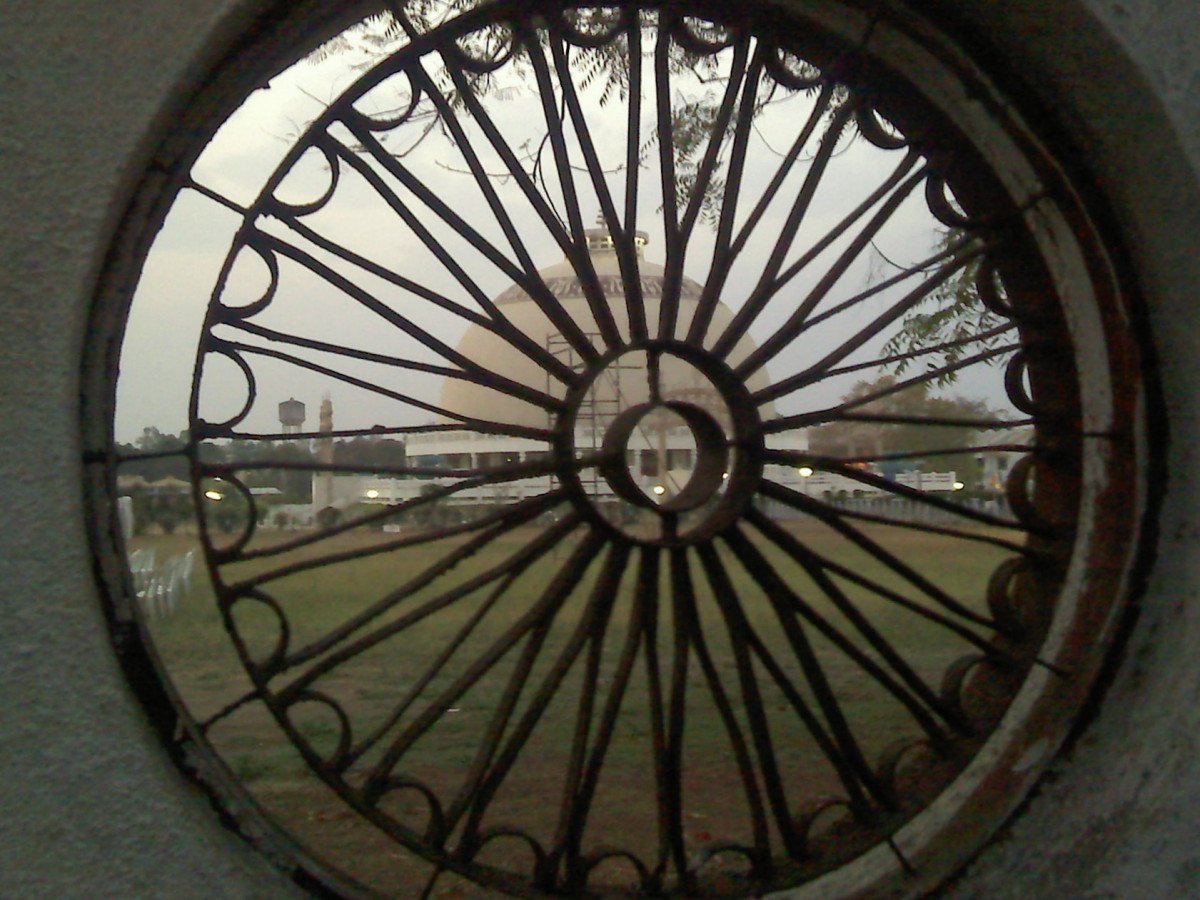
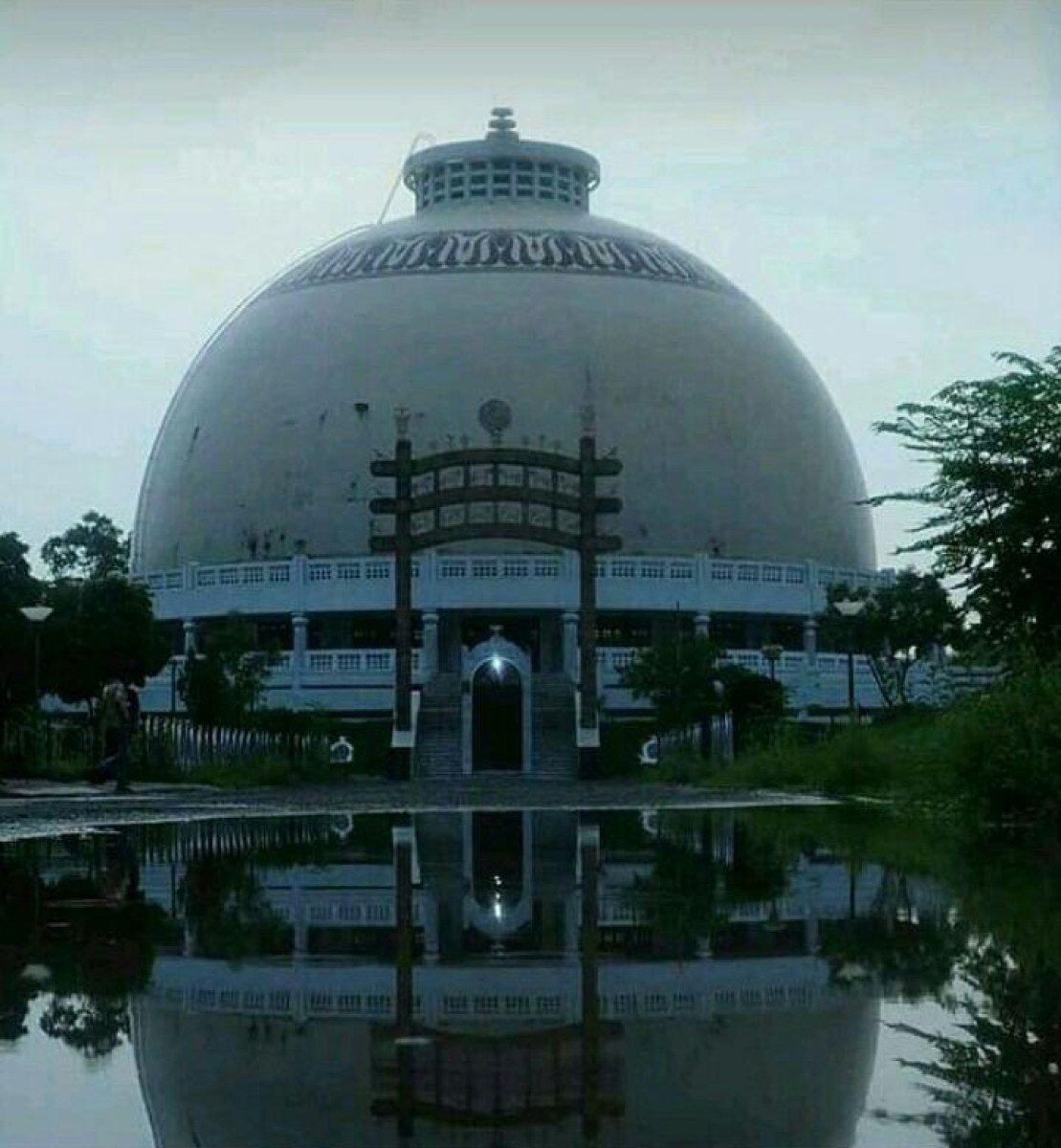
The Stupa Under Evening Lights: The primary photo spot is the majestic white marble Stupa itself. Capturing the entire dome and its imposing height from the main entrance plaza, especially in the golden hours of sunrise or sunset, yields stunning results.
Read MoreThe Stupa Under Evening Lights: The primary photo spot is the majestic white marble Stupa itself. Capturing the entire dome and its imposing height from the main entrance plaza, especially in the golden hours of sunrise or sunset, yields stunning results.
Illumination Photography: The most visually spectacular time for photos is after dusk when the entire stupa is bathed in yellow mercury and white floodlights. This contrasts beautifully with the dark sky.
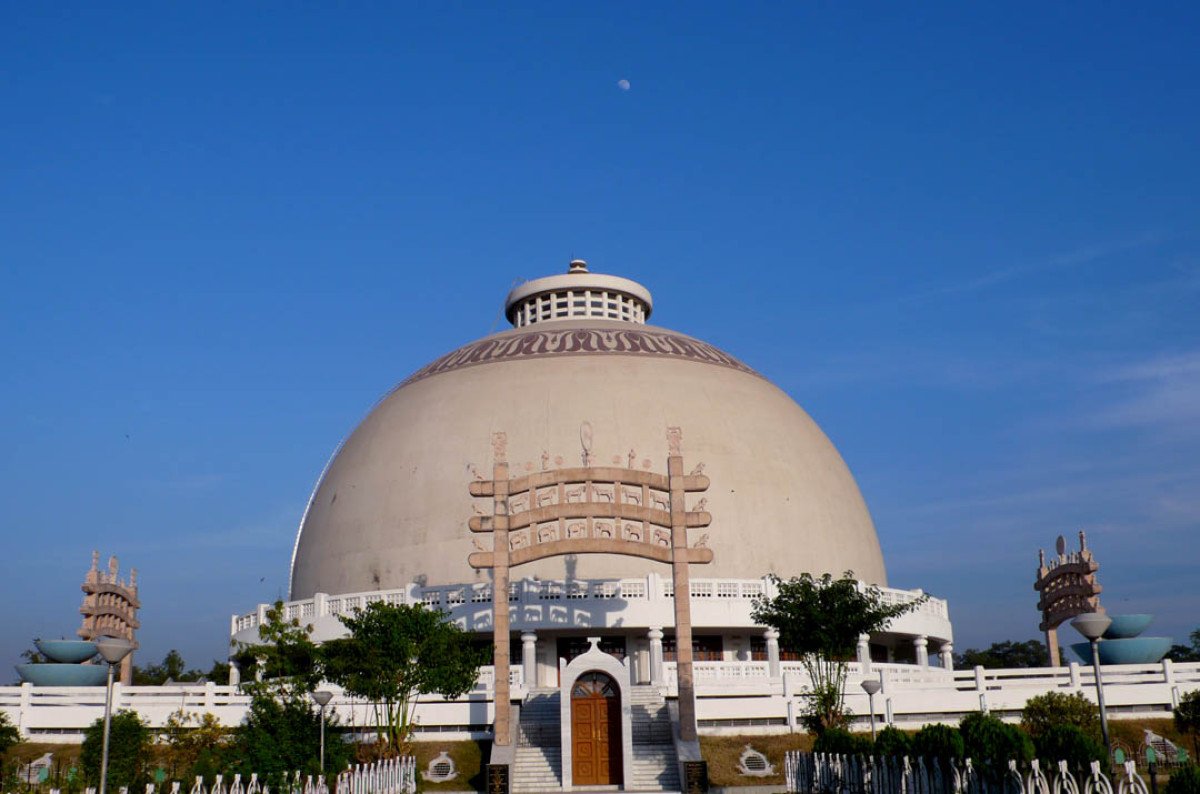
Four Gateways (Toranas): The intricately carved marble toranas or entrance gates are excellent for close-up architectural shots, highlighting the fine craftsmanship and the narratives of Lord Buddha's life carved into the stone.
The Sacred Bodhi Tree: This spot offers a serene, natural contrast to the monumental architecture. Photos taken under the canopy of the Bodhi Tree convey peace and historical continuity.
Panoramic View: Stand back from the complex to capture a full, unobstructed view of the stupa, showing its scale against the Nagpur skyline. This is often best captured from the opposite side of the road or an elevated position if available.
Candid Shots of Devotion: During non-peak hours, respectful, candid photography of pilgrims in prayer or meditation adds a strong human element to the spiritual experience, focusing on hands joined in prayer or quiet contemplation. :Photo Gallery
Things To Do
-
Engaging in Spiritual and Educational Activities:
Meditation and Silent Prayer: Spend time in the main prayer hall on the ground floor of the Stupa for quiet contemplation. The atmosphere is designed for spiritual reflection and offers a profound sense of peace.
Circumambulation (Pradakshina): Perform the ritual walk around the stupa's base (pradakshina patha). This is a meditative activity and allows one to appreciate the stupa's monumental scale from all angles.
Visit the Bodhi Tree: Pay respects at the sacred Bodhi Tree, which is a direct descendant of the one in Bodh Gaya. It’s a peaceful, shaded spot for rest and reflection, often considered a highly sacred area.
Explore the Library and Museum: Dedicate time to the lesse...
Information
-
Why Famous:
A Monument of Equality and Faith: Deeksha Bhoomi is paramount for symbolizing the social justice movement led by Dr. B. R. Ambedkar. Its fame is tied directly to the mass conversion to Buddhism, representing a significant shift towards equality and dignity for the oppres...A Monument of Equality and Faith: Deeksha Bhoomi is paramount for symbolizing the social justice movement led by Dr. B. R. Ambedkar. Its fame is tied directly to the mass conversion to Buddhism, representing a significant shift towards equality and dignity for the oppressed classes. The site is a global beacon for followers of Buddhism and a central location for the neo-Buddhist movement. It stands out not only for its religious significance but also for its monumental architecture, drawing comparisons to the world's most impressive stupas. It is a powerful educational landmark, teaching visitors about the constitutional history of India and the philosophy of social reform. The peace and vastness of the white marble structure amidst the bustling city make it a highly respected and recognizable landmark of Nagpur and Maharashtra. The annual gathering of millions on Dhammachakra Pravartan Din makes international news, solidifying its status as a major global religious event. The presence of the sacred Bodhi Tree also links it directly to the historical origins of Buddhism. The complex is maintained with utmost reverence, underscoring its pivotal role in the lives of millions. -
Architecture:
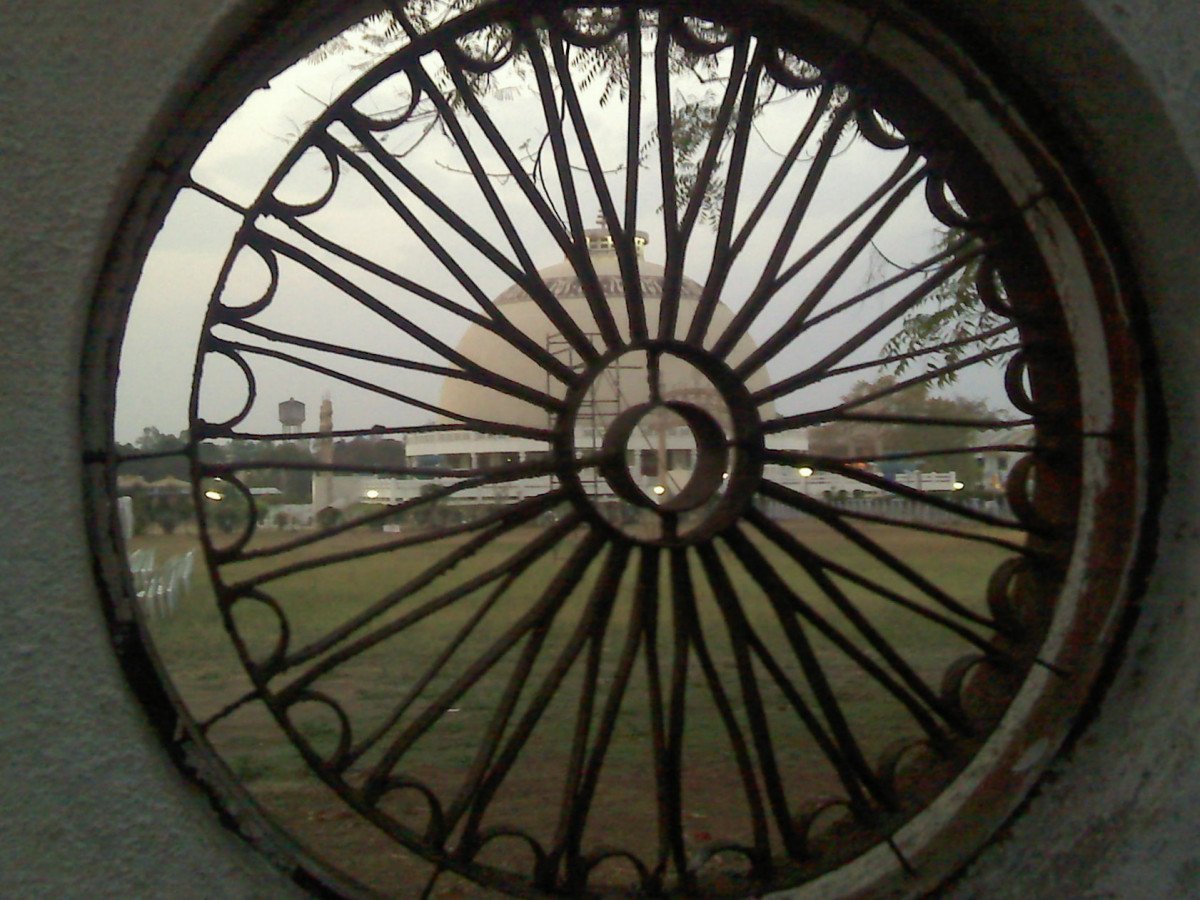
Stupa Design and Dimensions: The central structure is the Dhamma Chakra Stupa, widely recognized as one of the largest hollow stupas globally. Its design is a modern interpretation of ancient Buddhist architecture, primarily drawing inspiration from the Great Stupa of Sanch...Stupa Design and Dimensions: The central structure is the Dhamma Chakra Stupa, widely recognized as one of the largest hollow stupas globally. Its design is a modern interpretation of ancient Buddhist architecture, primarily drawing inspiration from the Great Stupa of Sanchi. The stupa stands approximately 120 feet (36. 5 meters) high. It features a massive dome atop a two-story circular structure. The ground floor houses the Dr. B. R. Ambedkar Memorial Hall, a spacious prayer hall where his mortal remains are reportedly preserved in an urn. The dome is made of pure white marble, giving it a gleaming appearance. The entrance gates are beautifully carved, reflecting intricate Rajasthani marble artistry. Surrounding the stupa is a circular pathway, or pradakshina patha. The architecture symbolizes the turning of the 'Wheel of Dharma'. Dimensions of the main stupa include a diameter of about 135 feet (41 meters) at the base. The structure is built to last, using modern construction techniques while maintaining traditional Buddhist aesthetics. The four entry gates, or toranas, are also significant architectural features, decorated with detailed carvings of events from Lord Buddha's life and the conversion ceremony. : -
How To Reach:
By Air: The nearest airport is Dr. Babasaheb Ambedkar International Airport (NAG), which is approximately 7-8 KM from Deeksha Bhoomi. The airport is well-connected to major Indian cities like Mumbai, Delhi, Kolkata, Chennai, Hyderabad, Bengaluru, and Pune. Upon arrival, o... -
Near Tourist Places:
Sitabuldi Fort (3. 5 KM) Historical landmark. Raman Science Centre (3 KM) Educational museum. Maharajbagh Zoo (1 KM) Zoo and botanical garden. Gandhi Sagar Lake (4 KM) Historic lake. Ambazari Lake (5 KM) Largest lake in Nagpur. Zero Mile Stone (3 KM) Geographical center of India. Shri Ganesh Mandir Tekdi (4 KM) Famous hilltop temple. Narrow Gauge Rail Museum (7 KM) Unique railway museum. Lata Mangeshkar Musical Garden (9 KM) Garden with a musical fountain. Dragon Palace Temple (15 KM) Modern Buddhist temple near Kamptee. Gorewada Zoo (14 KM) New wildlife attraction. :
Tourism Tips
-
Health & Safety: Always remove footwear before entering the main stupa and grounds, and use the designated storage facility. Dress modestly, covering shoulders and knees, as it is a place of worship and respect. Carry a water bottle, especially during the hot summer months...
Reviews
Nagpur Itineray And Cost:-
Information about New and Updated Locations() of Maharashtra Has Been Added :-
Card subtitle
Note:-
Information provided here in good Faith and for reference only.
All information and pictures will be updated soon, please keep visiting.
Near Places
Ambazari Lake & Garden
Some quick example text to build on the card title and make up the bulk of the card's content.
Go somewhere
Deeksha Bhoomi
Some quick example text to build on the card title and make up the bulk of the card's content.
Go somewhere
Dragon Palace Buddhist Temple
Some quick example text to build on the card title and make up the bulk of the card's content.
Go somewhere
Futala Lake
Some quick example text to build on the card title and make up the bulk of the card's content.
Go somewhere
Gandhi Sagar Lake
Some quick example text to build on the card title and make up the bulk of the card's content.
Go somewhere
Japanese Rose Garden
Some quick example text to build on the card title and make up the bulk of the card's content.
Go somewhere
Khekranala Lake & Dam
Some quick example text to build on the card title and make up the bulk of the card's content.
Go somewhere
Khindsi Lake
Some quick example text to build on the card title and make up the bulk of the card's content.
Go somewhere
Koradi Temple
Some quick example text to build on the card title and make up the bulk of the card's content.
Go somewhere
Lata Mangeshkar Musical Garden
Some quick example text to build on the card title and make up the bulk of the card's content.
Go somewherein Other Cities