
...

FAQs On Ballal Bati

Malda, West Bengal, India
Ballal Bati, often referred to locally as Ballal Dhipi, is a highly significant archaeological mound in Gour that predates the Islamic Sultanate period. It is traditionally associated with King Ballal Sena, the second ruler of the Sena dynasty who reigned over Bengal in the 12th century. The site c onsists of a massive raised platform or mound that is believed to hold the remains of a royal palace or a major administrative complex from the pre-Islamic era. For centuries, this site remained hidden under layers of earth and vegetation until excavations revealed complex brick structures, floors, and drainage systems that speak of a sophisticated urban lifestyle. Unlike the later monuments of Gour which feature prominent Islamic arches, the architecture here suggests a transition or a purely indigenous Bengali style of the late classical period. The mound is surrounded by legends of hidden treasures and underground chambers, though scientifically it serves as the primary evidence of the Sena presence in Gour before the capital shifted or was conquered. The site is characterized by its elevated position, giving visitors a panoramic view of the surrounding ruins of Gour. The bricks found here are often larger and different in texture compared to the Sultanate-era bricks. Today, the site is managed by the Archaeological Survey of India (ASI) and remains a focal point for those wishing to understand the multi-layered history of Bengal, from Hindu-Buddhist roots to the later Sultanate and Mughal influences. The area is quiet and less crowded than the more famous mosques, making it an ideal spot for peaceful reflection on the passage of time and the rise and fall of dynasties.

Ans:- Ballal Bati is an archaeological mound in the ancient city of Gour, long associated with the Sena dynasty king Ballal Sena. While local legends suggested it was his palace, modern excavations indicate it was likely a significant Buddhist monastery or Vihara, serving as vital evidence of pre-Islamic heritage in Bengal. It represents the transition from the Pala to the Sena periods, offering deep insights into the architectural foundations and urban planning of medieval Bengal before the establishment of the Islamic Sultanate.

Ans:- The name "Ballal Bati" (or sometimes Ballal Dhipi) is derived from local folklore, which attributed the massive mound to the palace of the legendary Sena ruler, Ballal Sena. Locals have passed down this tradition for centuries, believing the site concealed the royal residence. Although scientific evidence leans toward a monastic complex rather than a royal palace, the name remains deeply embedded in the local culture and serves as a primary marker for tourists seeking historical sites linked to the pre-Islamic history of the Gour region.

Ans:- Archaeological excavations have revealed the remains of thick walls, courtyards, and plastered floors, which confirm it was a high-status structure. However, most historians and archaeologists doubt it was a royal palace. The layout, consisting of massive brickwork and foundations typical of religious complexes, strongly suggests it functioned as a Buddhist monastery or a Vihara. While it remains a subject of ongoing study, the consensus among experts is that the site served as a center for religious and academic activities rather than a king's living quarters.

Ans:- The site is built on a massive elevated mound standing roughly 15 to 20 feet above the surrounding plains. Excavations have uncovered high-quality brickwork, deep foundations, and remnants of large courtyards. One of the most notable features is the use of specialized lime-and-surkhi plaster, which was a hallmark of sophisticated construction during that era. These architectural elements reflect the advanced engineering skills prevalent during the Sena and late Pala periods, distinguishing the structure from the later Islamic-style monuments found throughout the rest of the Gour ruins.

Ans:- As an open-air archaeological site, Ballal Bati is primarily viewed from the exterior, where the excavated foundations and the massive height of the mound are visible. The site is maintained by the Archaeological Survey of India (ASI) or local heritage bodies, and while there is no "interior" in the sense of a functioning building, visitors can walk around the mound to observe the layout and the scale of the ancient construction. It is a peaceful, open-air location ideal for those interested in ancient history and archaeology.

Ans:- Generally, most historical monuments within the Gour ruins complex do not charge an entrance fee for visitors, making it an accessible destination for all. However, it is advisable to check with the local tourism office or the guides stationed near the site as rules can occasionally change. Because the site is an open archaeological mound rather than an enclosed museum or restricted monument, visitors are usually free to explore the grounds during daylight hours without needing a formal ticket or pass for entry.

Ans:- The ideal time to visit Ballal Bati, and the entire Gour region, is during the winter months, specifically from October to February. The weather in Malda during these months is pleasant, cool, and perfect for walking around the various historical sites without the extreme heat that characterizes the summer season. March can also be pleasant in the evenings, but daytime temperatures can rise significantly. Avoiding the monsoon season is also recommended, as the ruins can become muddy and difficult to navigate effectively.

Ans:- To reach Ballal Bati, you should first travel to Malda Town via train, which is well-connected to major Indian cities like Kolkata. From Malda Town, you can hire a taxi, auto-rickshaw, or take a local bus toward the Gour ruins complex. Gour is approximately 12 to 15 kilometers south of Malda city. Once you reach the Gour area, local signs and guides can direct you to the specific mound known as Ballal Bati. The roads in the area are generally in good condition, allowing for a comfortable commute.

Ans:- Ballal Bati is part of the sprawling ruins of Gour, so it is close to many other significant monuments. Nearby sites include the Dakhil Darwaza, Firoz Minar, and the Kadam Rasul Mosque. Since the entire area is an open-air archaeological zone, you can easily spend an entire day visiting multiple sites in one trip. Because these monuments are clustered relatively close together, it is highly recommended to hire a local guide or a rickshaw for the day to navigate the ruins efficiently and learn about the history of each location.

Ans:- As the Gour ruins are located in a rural, historical area, amenities like restaurants and clean washrooms are limited. There are a few small shops near major landmarks like the Kadam Rasul Mosque where you can find bottled water and light snacks, but it is best to carry your own supplies. There are no high-end hotels or cafes directly next to the ruins. It is highly recommended to stay in Malda city (English Bazar), where there are better dining options and accommodation facilities, and commute to the site for sightseeing.

Ans:- Yes, photography is generally permitted at Ballal Bati, just as it is at most other historical monuments in the Gour complex. It is an excellent spot for photography enthusiasts interested in ancient ruins and archaeological landscapes. Using a wide-angle lens is recommended to capture the massive scale of the mound and the surrounding greenery. While there are typically no restrictions, it is always a good practice to be respectful of the site, stay on marked paths, and avoid climbing on fragile, excavated wall sections to help preserve these historic remnants.

Ans:- Beyond the legend of the palace of Ballal Sena, there are several local myths surrounding the mound, often involving hidden treasures, secret underground chambers, and mysterious tunnels connecting the site to other parts of the ancient capital. While these stories reflect the awe that locals feel toward such a large, ancient structure, they are not supported by archaeological facts. Such tales often add a layer of intrigue for visitors, though it is important to distinguish these imaginative folk legends from the actual historical findings made by experts during excavations.

Ans:- The Sena dynasty, which ruled Bengal from the 11th to the 13th century, is highly significant for its patronage of arts, literature, and Hinduism. The period saw a transition in architectural styles, often incorporating elements of earlier Buddhist traditions. Ballal Bati is one of the few tangible remnants of this era in the Gour region, which otherwise has a landscape dominated by Islamic Sultanate-era monuments. Studying this site helps historians understand the cultural shift that occurred before the Islamic conquest transformed the region’s architectural identity and societal structure forever.

Ans:- Absolutely. Ballal Bati is a relatively small site in terms of the time needed to walk around, so it is very easy to include in a single-day itinerary for the Gour ruins. Most tourists spend about 30 to 45 minutes at this site before moving on to the larger, more iconic monuments like the Baroduari Mosque or the Dakhil Darwaza. Because it is located within the same geographical cluster as the other major historical sites, a full day is more than sufficient to cover all the primary attractions in the ancient capital city.

Ans:- Yes, you will find local guides near the main entrances of the Gour ruins complex. Hiring a guide is highly recommended if you want to understand the history of Ballal Bati, as there is very little on-site signage explaining its complex past. A guide can help you distinguish between the local legends and the actual archaeological theories regarding the site. They are usually familiar with the entire circuit of ruins and can provide valuable context about how Ballal Bati fits into the broader history of the Sena and Islamic periods.
Information about New and Updated Locations() of West Bengal Has Been Added :-
Card subtitle

Note:-

Information provided here in good Faith and for reference only.

All information and pictures will be updated soon, please keep visiting.

Near Places
...
Adina Deer Park

Some quick example text to build on the card title and make up the bulk of the card's content.

Go somewhere

...
Adina Eco Tourism Park

Some quick example text to build on the card title and make up the bulk of the card's content.

Go somewhere
...
Adina Mosque

Some quick example text to build on the card title and make up the bulk of the card's content.

Go somewhere

...
Baishgazi Wall

Some quick example text to build on the card title and make up the bulk of the card's content.

Go somewhere
...
Ballal Bati

Some quick example text to build on the card title and make up the bulk of the card's content.

Go somewhere
...
Baroduari Mosque

Some quick example text to build on the card title and make up the bulk of the card's content.

Go somewhere
...
Chika Mosque

Some quick example text to build on the card title and make up the bulk of the card's content.

Go somewhere
...
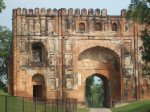
Dakhil Darwaza

Some quick example text to build on the card title and make up the bulk of the card's content.

Go somewhere
...
Eklakhi Mausoleum

Some quick example text to build on the card title and make up the bulk of the card's content.

Go somewhere
...
Gour

Some quick example text to build on the card title and make up the bulk of the card's content.

Go somewhere
in Other Cities