
Gour
General information
-
Ideal Duration:
4 to 6 hours (One full half-day)Place Type:
History, Archaeology, Architecture, SpiritualEntry Fees:
Archaeological Survey of India (ASI) Control: The key historical sites in Gour are centrally protected monuments under the Archaeological Survey of India (ASI). For Indian citizens, the entry fees are generally nominal, often set around 25 (Rupees) per person for major clu...Archaeological Survey of India (ASI) Control: The key historical sites in Gour are centrally protected monuments under the Archaeological Survey of India (ASI). For Indian citizens, the entry fees are generally nominal, often set around 25 (Rupees) per person for major clusters like the Baro Sona Masjid complex or the general area covering Dakhil Darwaza and Firoz Minar.Some smaller, isolated ruins might not have any designated fee. Suggested change: 'Some smaller, isolated ruins might not have any designated fee. (All instances of for Rupees must be corrected to Rs. or INR). '" type="suggestion">
Foreign Tourist Charges: For foreign tourists, the entry fee is significantly higher, typically around 300 (Rupees) per person, which is standard practice across major ASI sites in India. Tourists are advised to carry exact change as ticket counters might be small. This fee structure is intended to subsidize the conservation and maintenance of these fragile historical sites.
Cost of Auxiliary Services: While the main entry fee is minimal, visitors should budget for other costs. Hiring a licensed local guide for a comprehensive tour of Gour often costs between 500 to 1000 (Rupees), depending on the duration and negotiation. Additionally, local transport, like hiring a Toto (e-rickshaw) for the full circuit of monuments, might cost around 500 (Rupees) for a half-day, which serves as a necessary fee for accessing the scattered spots efficiently. Always confirm the current rates at the site.Timing:
Regular Timings:
Gates of History Open: Most major monuments in the Gour complex, which are managed by the ASI, are open to the public from 9:00 {AM} to 5:00 {PM} or 6:00 {PM} daily, including weekends and public holidays...Regular Timings:
Gates of History Open: Most major monuments in the Gour complex, which are managed by the ASI, are open to the public from 9:00 {AM} to 5:00 {PM} or 6:00 {PM} daily, including weekends and public holidays. Visitors are advised to start their tour closer to the opening time to avoid the mid-day heat and to ensure they have enough daylight to explore the widely spread ruins. The main gate, Dakhil Darwaza, and the Firoz Minar area strictly follow these hours.
Ideal Visit Time:
Chasing the Soft Light: The ideal time to visit Gour is early morning, right after the gates open, between 9:00 {AM} and 11:00 {AM}. During this period, the sunlight is soft, which is perfect for photography, and the temperature is pleasant, making the extensive walking much easier. Alternatively, visiting in the late afternoon, from 3:00 {PM} until closing, offers equally beautiful light and cooler temperatures, allowing you to witness the setting sun behind the ancient walls, which is an unforgettable sight.
Avoid Peak Mid-day: The period between 11:30 {AM} and 2:30 {PM} is the least ideal time for visiting, especially during the hot March to June months. The intense sun makes outdoor exploration difficult and tiring, leading to dehydration. Planning a lunch break in Malda City during this time and returning for the evening light is a practical approach for a comfortable visit.Special Events:
The Ramkeli Mela and Annual Utsav: The most significant special event near Gour is the annual Ramkeli Mela (Fair), also known as the Ramkeli Utsav. This festival is held every year on the first day of the Bengali month of Asharh (usually falling in the middle of June). It ...The Ramkeli Mela and Annual Utsav: The most significant special event near Gour is the annual Ramkeli Mela (Fair), also known as the Ramkeli Utsav. This festival is held every year on the first day of the Bengali month of Asharh (usually falling in the middle of June). It commemorates the historic meeting between the great Vaishnava saint Chaitanya Mahaprabhu and his two prominent disciples, Rupa and Sanatana Goswami, at this very spot in 1515 {AD}. The event attracts thousands of Vaishnava pilgrims from across India and Bangladesh.
Pilgrimage and Cultural Performances: The fair is marked by religious sermons, devotional songs (Kirtans), and various cultural performances that continue for several days. Pilgrims often take ritualistic baths in the nearby ponds (Saptakundas). The atmosphere is highly spiritual and vibrant, offering a deep glimpse into the rich devotional culture of Bengal. Visiting during this time, although coinciding with the onset of the monsoon, offers a unique blend of history, devotion, and local festivity that contrasts with the quiet solitude of the ruins during other times of the year.Best Photo Spots:
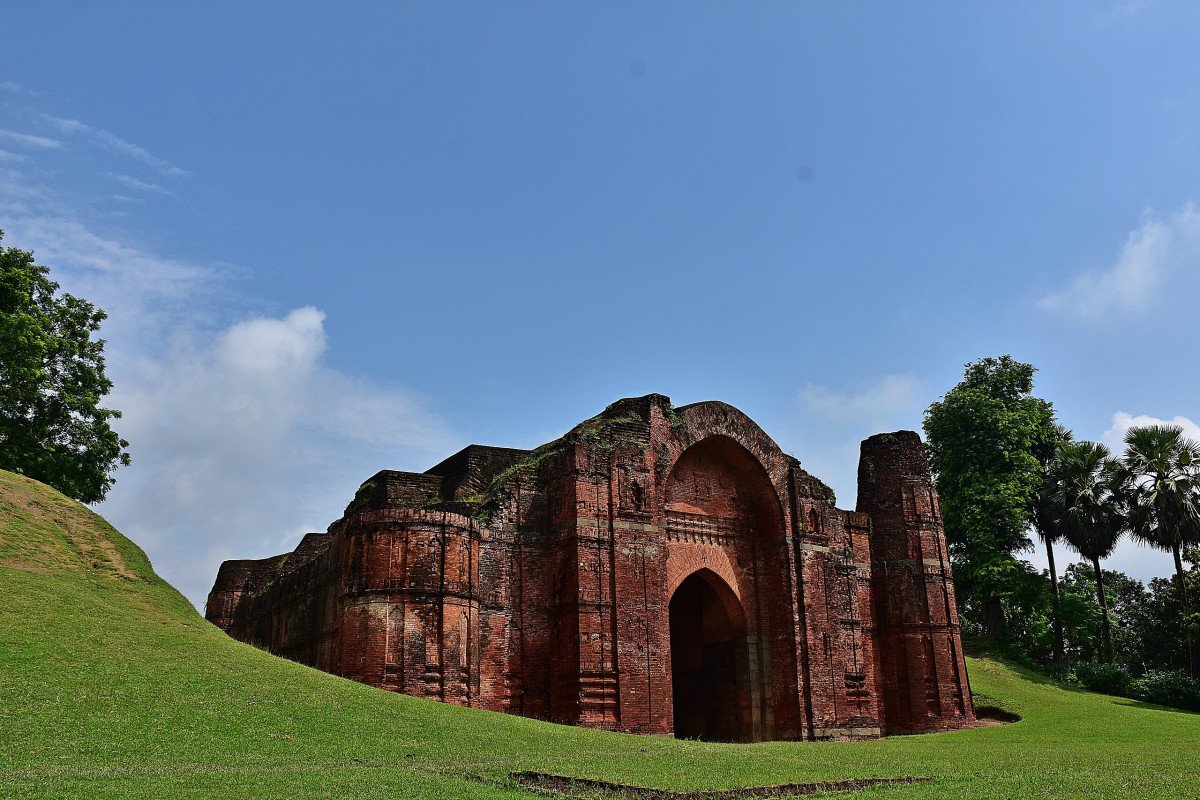
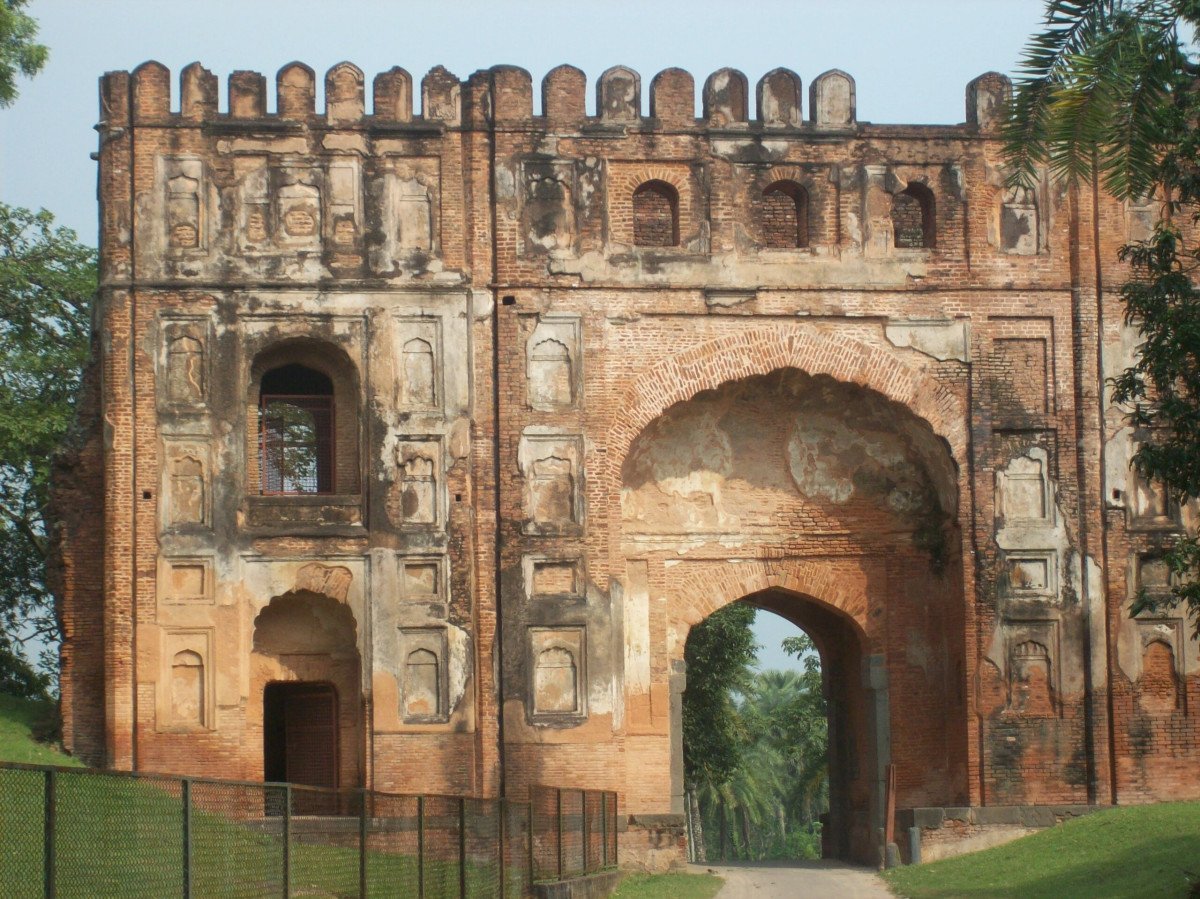
The Archway of Dakhil Darwaza: The main gate of the fort, the Dakhil Darwaza, offers a spectacular photographic opportunity. The massive brick archway, set against the clear sky, provides a sense of monumental scale. The best shots are captured from a low angle, emphasizin...The Archway of Dakhil Darwaza: The main gate of the fort, the Dakhil Darwaza, offers a spectacular photographic opportunity. The massive brick archway, set against the clear sky, provides a sense of monumental scale. The best shots are captured from a low angle, emphasizing the towering height and the detailed terracotta banding along the walls and corner turrets. During the late afternoon, the sun casts long shadows, enhancing the texture of the intricate brick carvings.
View from the Firoz Minar Base: Although climbing the Firoz Minar is often restricted, its base and surrounding area are excellent for photography. The Minar itself, with its unique five-story architecture the transition from the twelve-sided lower sections to the circular upper sections makes a great subject. Stand a little distance away to capture the entire 26 meter height, using the surrounding greenery as a foreground. This spot is essential for capturing the iconic landmark of the ancient capital.
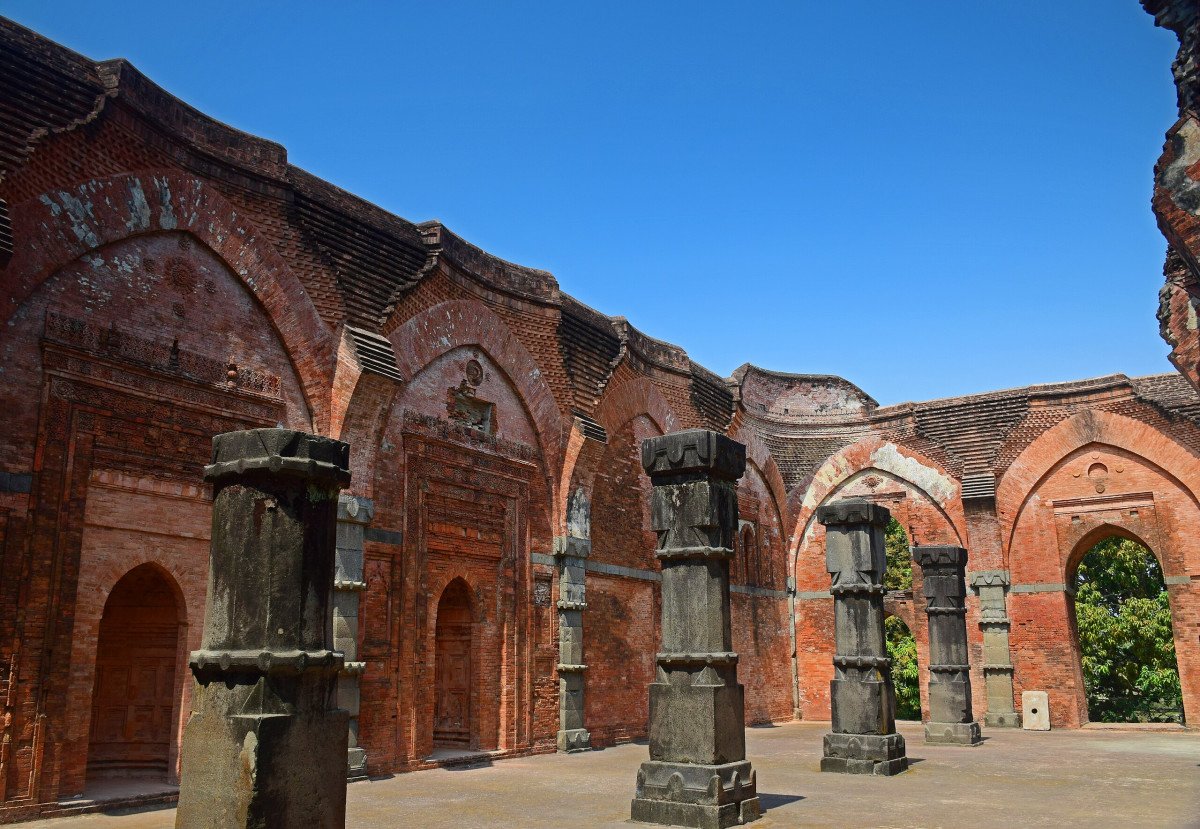
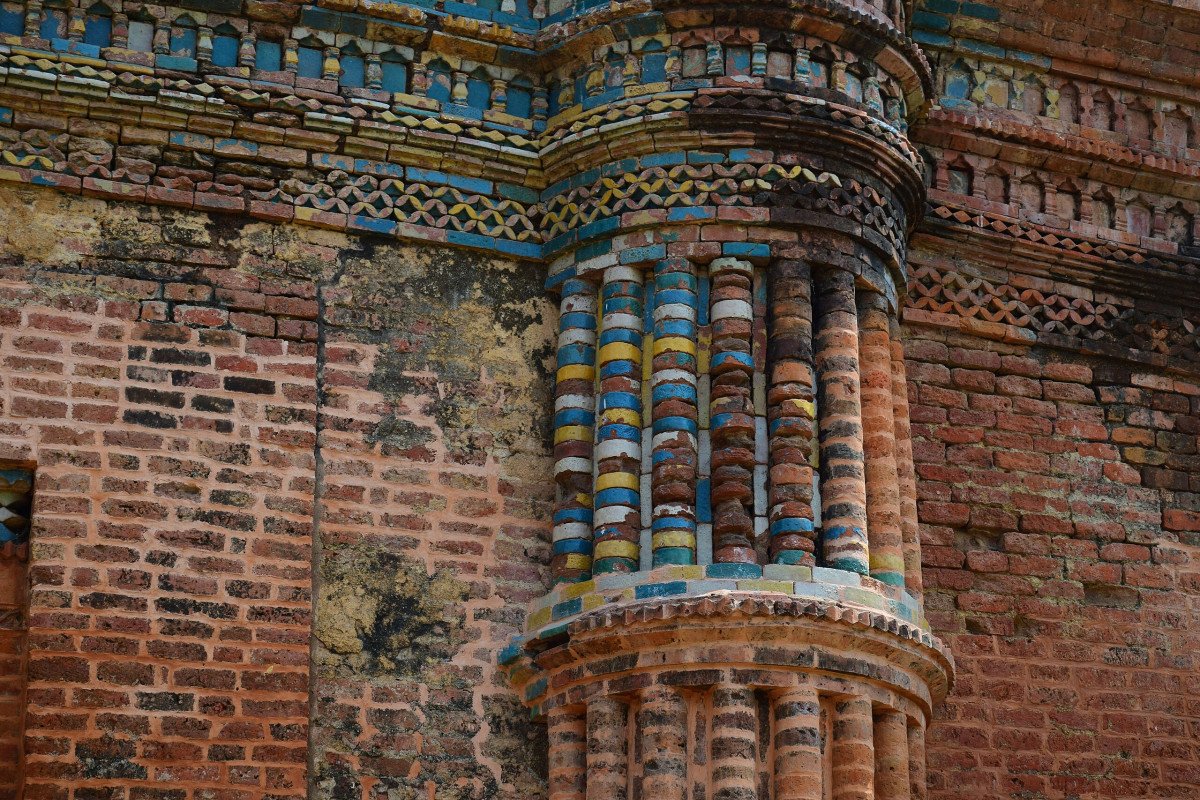
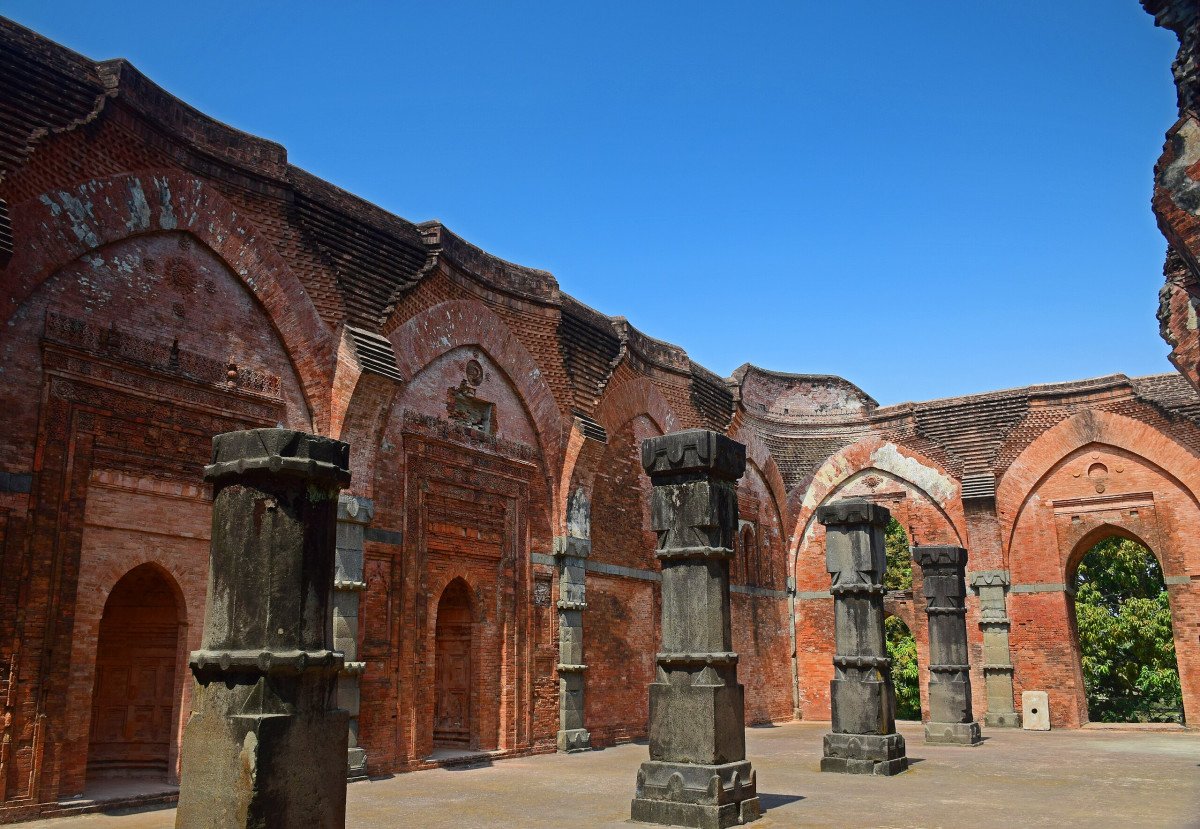
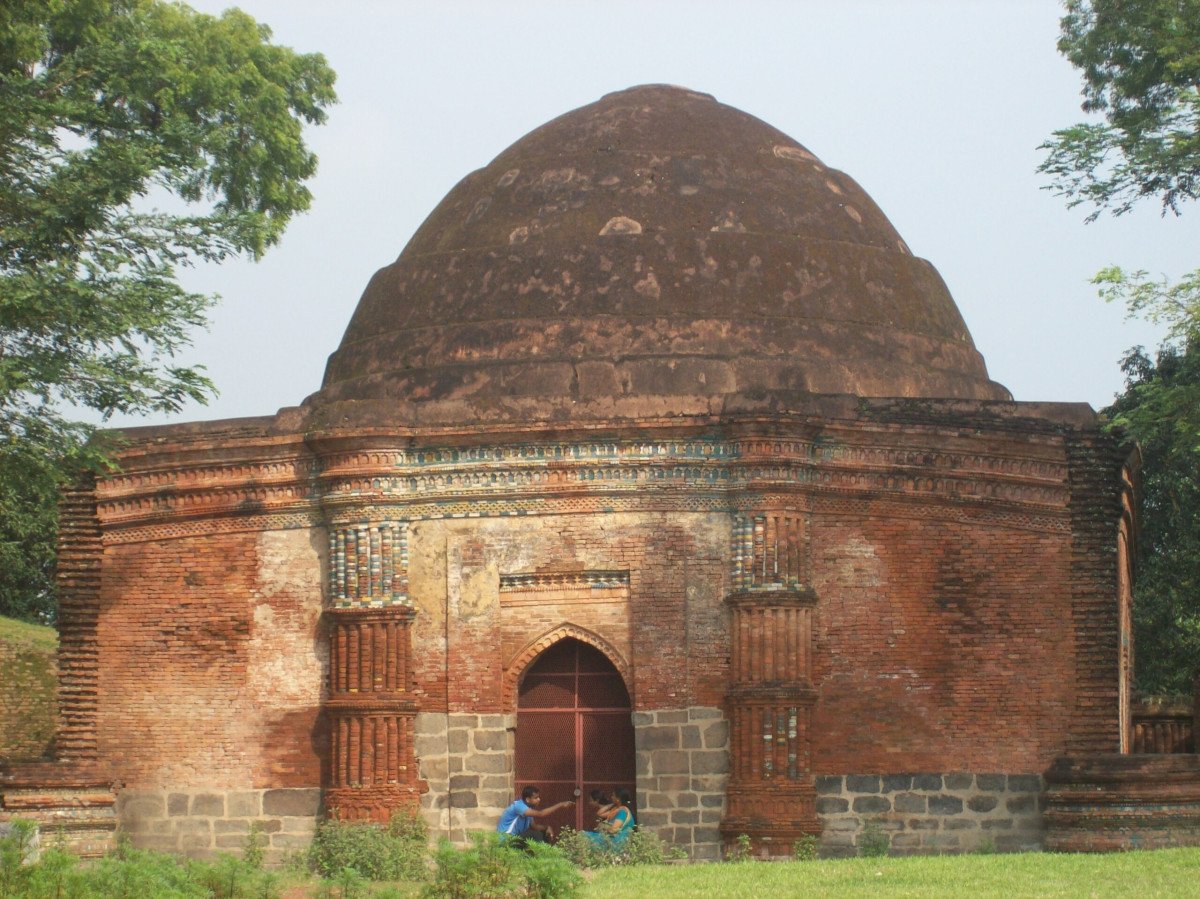
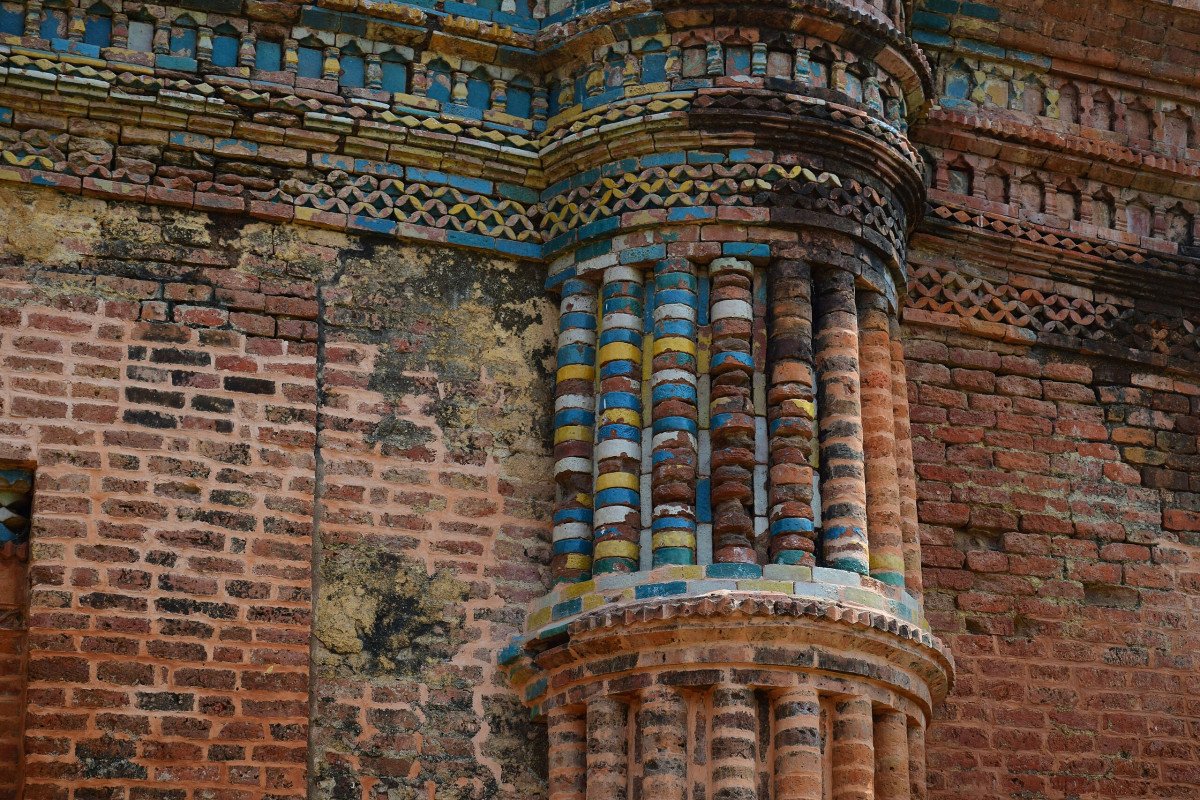
Terracotta Detailing on Baro Sona Masjid: For detail-oriented photography, the ruins of the Baro Sona Masjid (Baraduari) are unmatched. Focus your lens on the remnants of the western wall (the Qibla wall), where the mihrab niches still retain some of the finest stone and brick carvings. Capture the curved cornice lines characteristic of Bengali architecture. Look for the subtle blend of Hindu motifs (like lotuses) and geometric Islamic patterns in the remaining surface ornamentation. Close-up shots of these decaying details tell the powerful story of the city s architectural history.Photo Gallery
Things To Do
-
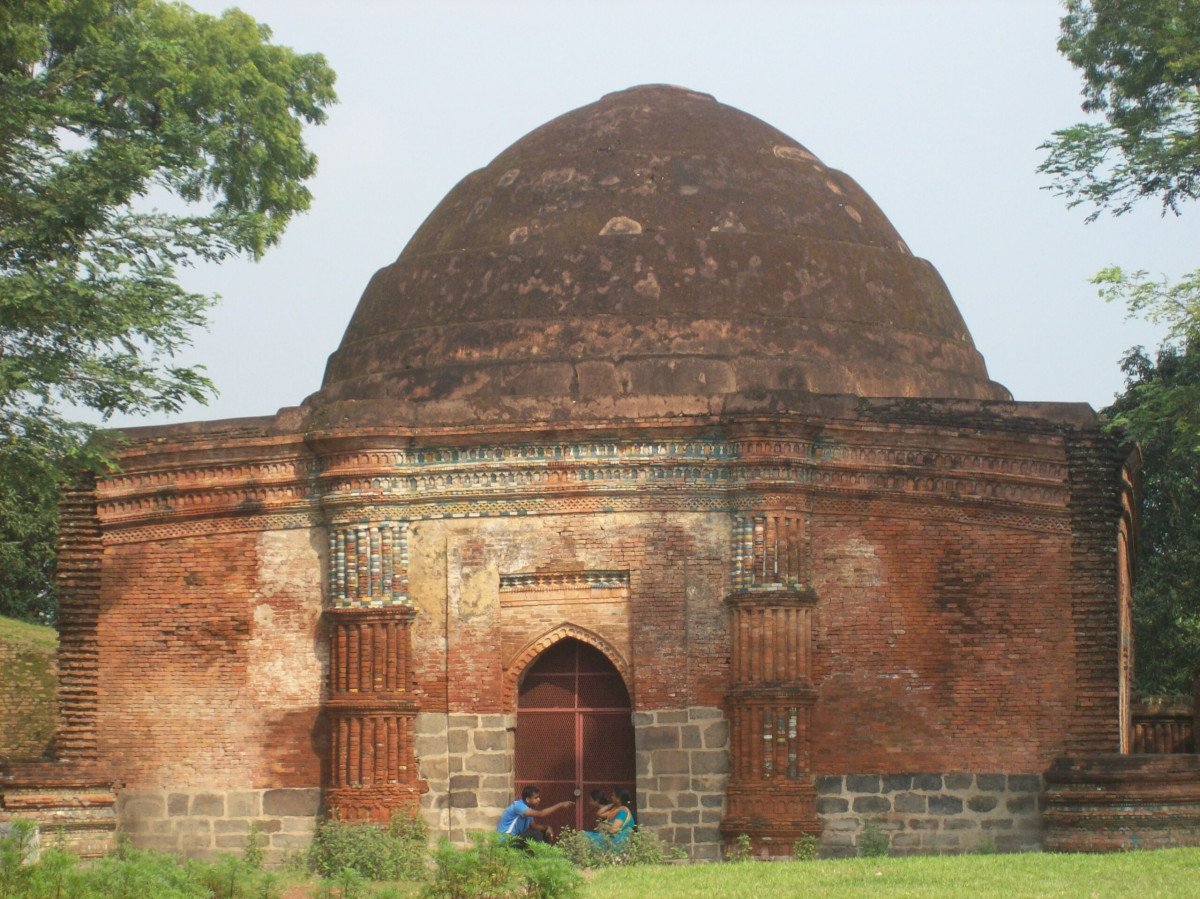
Immersive Exploration of Ancient Ruins: Allocate ample time to walk the sprawling site of Gour. Start your journey at the mighty Dakhil Darwaza, appreciating its scale and the detailed terracotta work. Follow the path to the Firoz Minar and climb (if permitted) for a panoramic view of the ancient city's layout. Next, explore the grand decay of the Baro Sona Masjid, imagining its 44 golden domes. Continue to the smaller, more intimate ruins like the Lattan Mosque and Gumti Darwaza, observing the distinctive yellow glazed tile work unique to the region. This is a journey through time, requiring comfortable footwear and a keen eye for historical detail.
Historical and Archaeological Photography: Gour is a photographer s paradise. Focus on capturing the geometric and floral patterns of the terracotta tiles at close range. The...
Hotels
● Continental Lodge
Address: Singatala, Malda, WB
Distance: 3.2 km
Details: A popular mid-range lodge offering straightforward, comfortable rooms and an international restaurant known for delicious meals. It is a reliable choi...
● Golden Park Hotel & Resort
Address: Aradpur, Malda, WB
Distance: 8.4 km
Details: A premium 4-star property featuring a 24-hour front desk, lush gardens, and children's facilities. It offers a luxurious stay with high-end dining and...
● Hotel Gitanjali
Address: North Pirojpur, Malda, WB
Distance: 3.1 km
Details: A budget-friendly hotel that offers modest, air-conditioned rooms and a fitness center. It is well-regarded for its helpful staff and clean environmen...
● Hotel Mango Leaf
Address: Sarbamangala Pally, Malda, WB
Distance: 1.5 km
Details: This mid-range hotel is highly regarded for its excellent food, with an extensive and seasonal menu. It provides 24-hour room service and clean, well-...
● Hotel Sanjiban
Address: Malda Town, Malda, WB
Distance: 0.5 km
Details: Conveniently located near the railway station, this budget hotel offers basic amenities and efficient service. It is a great starting point for travel...
● Hotel Silver Arcade
Address: Ward Number 24, Malda, WB
Distance: 2.0 km
Details: This 3-star hotel provides a sophisticated experience with a restaurant, 24-hour room service, and a lounge. Known for its cleanliness and exceptional...
● Hotel The Grand Embassy
Address: Sarbamangala Pally, Malda, WB
Distance: 1.7 km
Details: A 3-star hotel offering polished rooms and suites, including amenities like a rooftop pool, bathtub, and Jacuzzi. The on-site restaurant serves deligh...
● Hotel Vedanta
Address: Sarbamangala Pally, Malda, WB
Distance: 1.1 km
Details: A budget hotel providing basic, essential amenities for short stays. It is a straightforward accommodation option for travelers who prioritize proximi...
● MMG Lodge
Address: Rabindra Ave, Malda, WB
Distance: 2.8 km
Details: This budget lodge focuses on providing a comfortable and convenient stay with simple, clean rooms. With easy booking options and friendly staff, it ca...
● Silk Inn
Address: Rabindra Ave, Malda, WB
Distance: 2.8 km
Details: Offering warm rooms and suites, some with balconies, this hotel features an all-day restaurant, bar, and lounge. It is popular for its cozy atmosphere...
Show AllInformation
-
Why Famous:
Ancient Seat of Imperial Bengal: Gour's primary fame rests on its historical role as the capital, or alternate capital, of Bengal for over seven centuries. From the Pala and Sena dynasties to the powerful independent Sultanate of Bengal, Gour was the political and administr...Ancient Seat of Imperial Bengal: Gour's primary fame rests on its historical role as the capital, or alternate capital, of Bengal for over seven centuries. From the Pala and Sena dynasties to the powerful independent Sultanate of Bengal, Gour was the political and administrative heart of the region. This centralized power ensured the city became a hub of trade, culture, and religious synthesis, attracting scholars, merchants, and artisans from across South Asia and the Middle East. It represents a golden age of Bengali political influence.
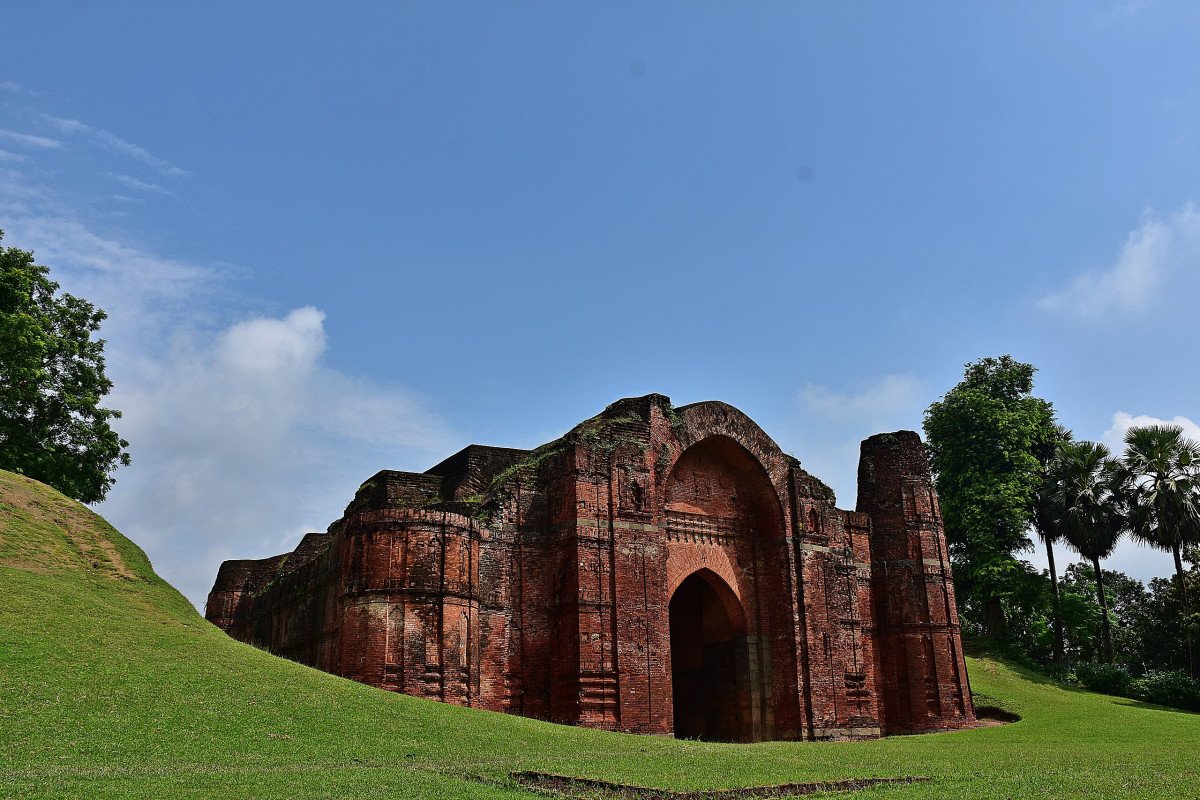
Indo-Islamic Architectural Marvels: The ruins host an exceptional collection of monuments that defined the Bengal Sultanate architectural style. Structures like the Baro Sona Masjid (or Baraduari Mosque), the Dakhil Darwaza, and the Gumti Darwaza are masterpieces of baked brick and terracotta art. The sheer size of the Baro Sona Masjid, despite its dilapidated state, highlights the ambitious scale of construction during the 16th century. These monuments are crucial for studying the evolution of mosque architecture in the subcontinent, particularly the blending of traditional Bengali structural elements with Islamic design principles.
Religious and Cultural Synthesis: Gour is not just an archaeological site but also a place of spiritual importance, particularly due to its proximity to Ramkeli, a key pilgrimage site for Gaudiya Vaishnavism. This is the place where the great saint Chaitanya Mahaprabhu met his devotees, Rupa and Sanatana Goswami, in the early 16th century. This unique coexistence of grand Islamic mosques and revered Hindu pilgrimage spots within the same ancient city boundaries symbolizes the cultural syncretism that characterized medieval Bengal, making the area famous for its diverse heritage. -
Architecture:
The Bengal Sultanate Style of Gour: The architecture of Gour is a prime example of the indigenous Indo-Islamic style, often referred to as the Bengal Sultanate architecture, which flourished between the 14th and 16th centuries. Unlike the stone-heavy structures of North Ind...The Bengal Sultanate Style of Gour: The architecture of Gour is a prime example of the indigenous Indo-Islamic style, often referred to as the Bengal Sultanate architecture, which flourished between the 14th and 16th centuries. Unlike the stone-heavy structures of North India, this style heavily utilizes locally available red baked brick and terracotta for both construction and intricate surface decoration. This resulted in buildings that were robust yet ornately detailed. Key features include the extensive use of curved cornice lines (inspired by traditional Bengali bamboo structures) and corner octagonal turrets.
The Dimensions of Power:
Dakhil Darwaza: The Dakhil Darwaza, built possibly by Sultan Barbak Shah in 1425, exemplifies monumental scale in brickwork.The massive structure measures approximately 35 meters in length and towers to a height of about 15 meters. Its archway is a stunning 10. 35 meters high. Suggested change: 'The massive structure measures approximately 35 meters in length, towering to a height of about 15 meters. Its archway reaches a stunning 10. 35 meters in height. '" type="suggestion"> It is flanked by twelve-sided (dodecagonal) towers at the corners, which are highly decorated with alternating bands of geometric and floral terracotta motifs. The gate was famously used for firing cannon salutes to welcome dignitaries, hence its nickname, Salami Darwaza.
The Tower of Victory:
Firoz Minar: The Firoz Minar is another standout monument, constructed by Sultan Saifuddin Firoz Shah in 1489 to commemorate a military victory. This tapering brick tower stands at a height of approximately 26 meters and has a diameter of about 19 meters at its base. It is unique in its design, featuring five stories: the lower three are 12-sided polygons, while the upper two are circular. The exterior is richly decorated with glazed tiles and carved bands of brickwork, closely resembling the Qutb Minar in Delhi, though distinctively Bengali in its material and execution. -
How To Reach:
By Air:
Nearest Airports: Gour does not have an operating airport. The nearest major functional airport is Bagdogra Airport (IXB) in Siliguri, located approximately 230 {KMS} to the north. Bagdogra has excellent domestic connectivity... -
Near Tourist Places:
1.
Dakhil Darwaza: 0 {KMS} (Part of the core complex) 2.
Firoz Minar: 1 {KMS} (From Dakhil Darwaza) 3.
Baro Sona Masjid (Baraduari): 1. 5 {KMS} 4.
Ramkeli Temple: 2 {KMS} 5.
Kadam Rasul Mosque: 2 {KMS} 6.
Malda Museum: 12 {KMS} (Malda City) 7.
Adina Mosque (Pandua): 16 {KMS} 8.
Eklakhi Mausoleum (Pandua): 16 {KMS} 9.
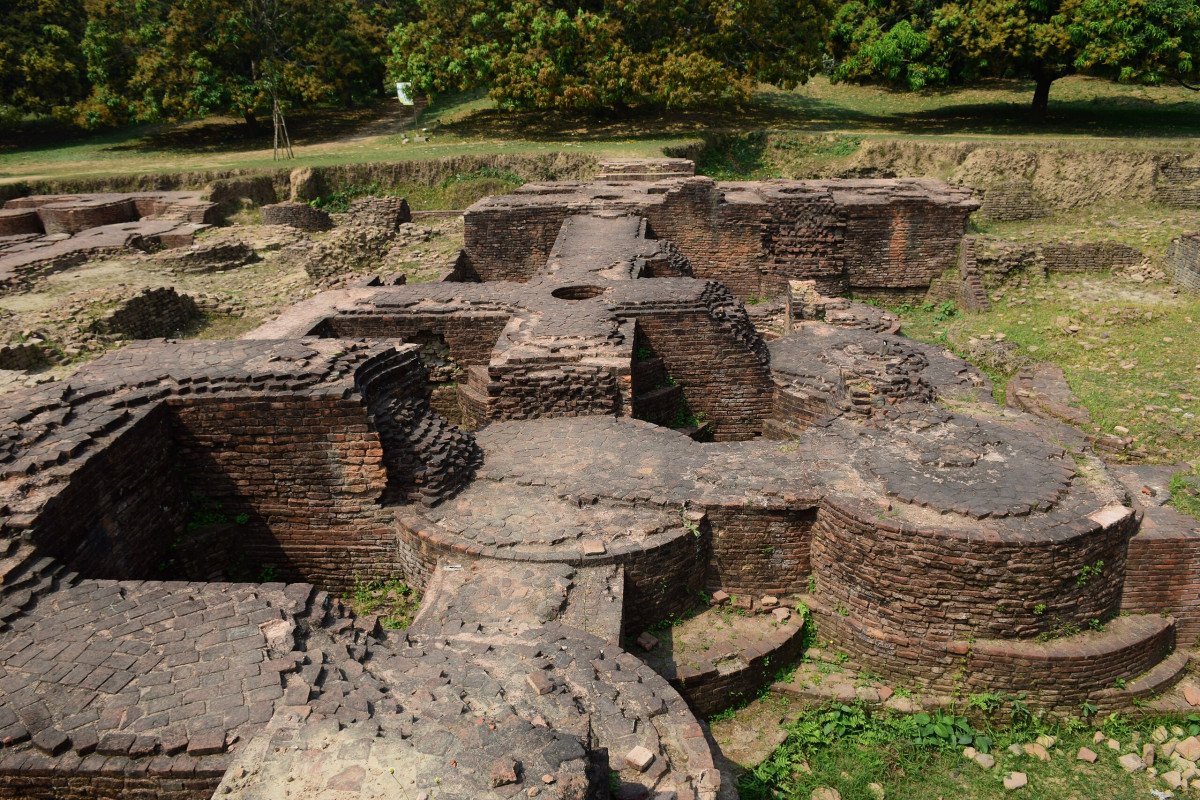
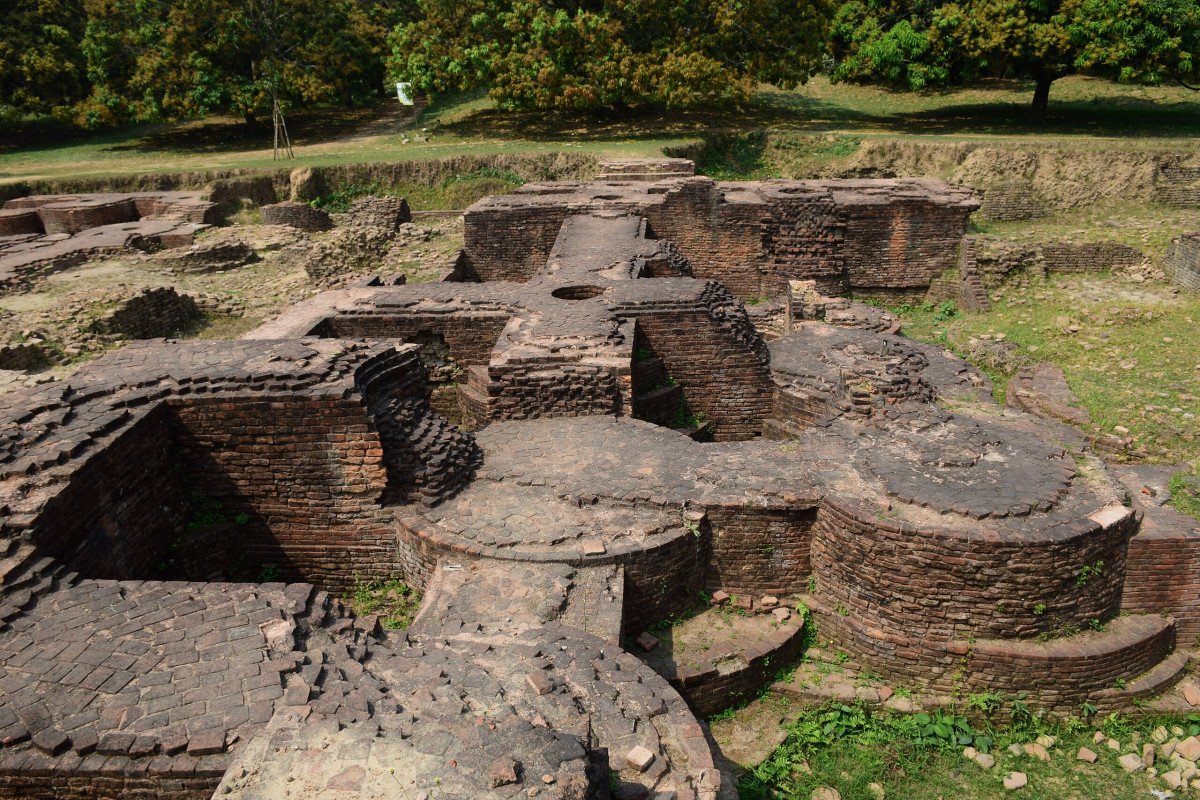
Jagjibanpur Archaeological Site: 30 {KMS} (A Buddhist Vihara ruin) 10.
Gomati Darwaza: 1 {KMS} (Inner gate)
Tourism Tips
-
Health & Safety:
Hydration and Sun Protection: The ruins are extensive and exposed to the sun. Always carry plenty of drinking water, especially if visiting between March and October. Apply a high-SPF sunscreen regularly. Wear a wide-brimm...
Reviews
Information about New and Updated Locations() of West Bengal Has Been Added :-
Card subtitle
Note:-
Information provided here in good Faith and for reference only.
All information and pictures will be updated soon, please keep visiting.
Near Places
Adina Deer Park
Some quick example text to build on the card title and make up the bulk of the card's content.
Go somewhere
Adina Eco Tourism Park
Some quick example text to build on the card title and make up the bulk of the card's content.
Go somewhere
Adina Mosque
Some quick example text to build on the card title and make up the bulk of the card's content.
Go somewhere
Baishgazi Wall
Some quick example text to build on the card title and make up the bulk of the card's content.
Go somewhere
Ballal Bati
Some quick example text to build on the card title and make up the bulk of the card's content.
Go somewhere
Baroduari Mosque
Some quick example text to build on the card title and make up the bulk of the card's content.
Go somewhere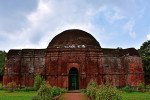
Chika Mosque
Some quick example text to build on the card title and make up the bulk of the card's content.
Go somewhere
Dakhil Darwaza
Some quick example text to build on the card title and make up the bulk of the card's content.
Go somewhere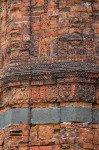
Eklakhi Mausoleum
Some quick example text to build on the card title and make up the bulk of the card's content.
Go somewhere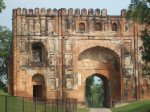
Gour
Some quick example text to build on the card title and make up the bulk of the card's content.
Go somewherein Other Cities