
...

FAQs On Bishnupur Terracotta Temples

Bankura, West Bengal, India
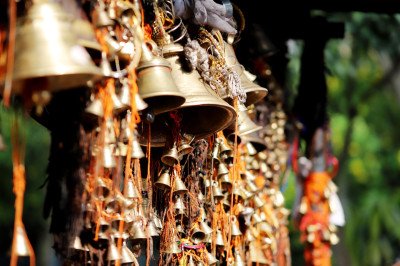
Bishnupur served as the capital of the Malla dynasty, which ruled the area from the 7th to the 18th centuries. This site is globally famous for its unique cluster of terracotta temples, built primarily from the 17th century onwards under the patronage of Vaishnavite Malla kings like Raghunath Singh I and Bir Hambir. Constructed predominantly from locally sourced laterite stone and decorated with intricate terracotta panels made from fired river clay, these temples represent the peak of Bengal's indigenous architectural and artistic development. The themes of the terracotta work are almost exclusively drawn from the Ramayana, the Mahabharata, and the Krishna-Leela stories, reflecting the deep devotion to Lord Krishna. Unlike the traditional flat-roofed temples of North India, the Bishnupur structures feature curved roofs (chala style) adapted from local thatched huts, giving them a distinct regional identity. Key temples include the Madan Mohan Temple, the Jorbangla Temple, and the Rasmancha. The town itself retains a quaint, historical atmosphere, offering visitors an unparalleled immersion into the history, religion, and artisanal skill of medieval Bengal. The art form is still alive here, with local artisans continuing the tradition of terracotta and Baluchari silk weaving.

Ans:- Bishnupur is world-famous for its exquisite terracotta temples, which were built by the Malla kings during the 17th and 18th centuries. The unique architectural style, characterized by intricate terracotta carvings depicting scenes from the Ramayana, Mahabharata, and Puranas, sets these temples apart. The fine craftsmanship on the clay tiles showcases the mastery of local artisans of that era. These temples are not only religious landmarks but also significant historical and cultural monuments that represent the pinnacle of Bengal's terracotta art, attracting historians, architecture enthusiasts, and tourists from across the globe.

Ans:- Some of the most iconic and prominent temples in Bishnupur include the Rasmancha, Madan Mohan Temple, Jor-Bangla Temple, and the Shyam Rai Temple. Each of these temples displays a distinct architectural design and intricate carvings. The Rasmancha, with its unique pyramid-like structure, is particularly famous, while the Jor-Bangla temple is renowned for its twin-roof structure and elaborate terracotta panels. These monuments provide a comprehensive look at the evolution of the Malla dynasty's architectural aesthetics and are must-visit sites for anyone interested in heritage and art history.

Ans:- Yes, there are official and local government-approved guides available in Bishnupur. Hiring a guide is highly recommended because they can provide detailed insights into the historical significance, architectural nuances, and the stories behind the intricate carvings on each temple. They help bring the history of the Malla dynasty to life, making your tour much more informative and engaging than exploring on your own. You can find guides at major temple sites or through your hotel, and it is a good idea to confirm their credentials before hiring them.

Ans:- The best time to visit the Bishnupur terracotta temples is during the winter season, from November to February. The weather is cool and pleasant, making it perfect for walking around the various temple sites without the discomfort of the intense summer heat. The period also coincides with various cultural festivals and the Bishnupur Mela, which showcases local crafts like the famous Baluchari sarees and terracotta art. Avoid the peak summer months as temperatures can soar, making extensive walking and exploration quite challenging and physically exhausting for tourists.

Ans:- Yes, most of the major terracotta temples in Bishnupur are open to the public daily. They are maintained by the Archaeological Survey of India (ASI). While you can visit the exterior of these temples freely throughout the day, it is important to be mindful of local customs, especially if the temple is still used for active worship. Some interiors might have specific timings or restricted access for preservation purposes. Generally, visiting during daylight hours is best to fully appreciate the intricate terracotta details and architecture in natural light.

Ans:- Bishnupur is well-connected by road and rail. The Bishnupur Railway Station is on the South Eastern Railway line, with frequent trains connecting it to Kolkata (Howrah/Kharagpur). By road, it is accessible via well-maintained highways from Kolkata and other major towns in West Bengal. Regular bus services also operate to and from Bishnupur. Once in the town, local rickshaws and e-rickshaws are the most common and convenient way to travel between the various scattered temple sites, as the town is relatively compact and easy to navigate.

Ans:- Absolutely, Bishnupur is a hub for traditional Bengali handicrafts. The most famous items are the exquisite Baluchari sarees, which feature intricate silk weaving depicting mythological scenes. You can also buy beautiful terracotta pottery, figures, and decorative items that reflect the art seen on the temple walls. Other local crafts include conch shell products and Dokra metalwork. Supporting local artisans by buying directly from them in the local markets or designated craft centers is a great way to take home a piece of Bishnupur's rich cultural heritage.

Ans:- The Bishnupur Mela is a significant annual cultural event that showcases the rich heritage, music, and crafts of the region. It usually takes place in the winter and is a major attraction for tourists. During the mela, you can witness traditional folk music, dance performances, and exhibitions of local arts and crafts, including the famous terracotta work and handloom sarees. It provides a unique opportunity to immerse yourself in the local culture, interact with artisans, and experience the traditional vibrancy of West Bengal, making it a highly recommended time to visit.

Ans:- Many of the major temples in Bishnupur that are maintained by the Archaeological Survey of India (ASI) have a nominal entry fee for visitors. There might be separate ticket pricing for Indian citizens and foreign nationals. It is best to check the current fee structure at the ticket counters at the main sites. Some smaller temples or those still in active use might not have entry fees, but it is always good to have some change handy and follow any instructions posted at the entrances regarding photography or site rules.

Ans:- Photography is generally permitted in the exterior areas of the Bishnupur temples, allowing you to capture the stunning terracotta work and architectural beauty. However, always check for signs prohibiting photography, especially inside the sanctums of the temples that are still used for worship, as it may be considered disrespectful. Using flash photography inside dark temple interiors is usually discouraged to preserve the delicate structures and the sanctity of the place. Always act responsibly, be respectful of the site, and follow any specific instructions provided by the authorities or temple guards.

Ans:- To comfortably visit the major terracotta temples and explore the historical sites of Bishnupur, it is recommended to spend at least two full days. Since the temples are spread across the town, you need time to travel between them, observe the intricate carvings, learn about their history, and browse the local handicraft shops. Trying to rush through all the sites in a single day can be overwhelming and may not allow you to truly appreciate the detail and history of these magnificent structures. A two-day trip ensures a relaxed and fulfilling experience.

Ans:- Yes, Bishnupur has a range of accommodation options to suit various budgets. You can find government-run tourist lodges, which are generally well-maintained and reliable, as well as several private hotels and guesthouses. These accommodations cater to the steady flow of tourists visiting for historical and cultural purposes. It is advisable to book your stay in advance, particularly if you are planning to visit during the peak winter season or during local festivals like the Bishnupur Mela, to ensure availability and choose a place that best suits your preferences and requirements.

Ans:- While Bishnupur is a compact town, the temples are distributed across different parts of the area, making walking between all of them quite tiring, especially in the heat. It is much more convenient and time-efficient to hire a cycle rickshaw, auto-rickshaw, or e-rickshaw to move between the various sites. These local modes of transport are affordable and widely available. Hiring a rickshaw for the day allows you the flexibility to visit the temples at your own pace while having a local driver who knows the routes well, ensuring a smoother tour experience.

Ans:- The special architecture of Bishnupur temples is defined by the 'Chala' and 'Ratna' styles, which are traditional to Bengal. The temples feature curved cornices and roofs inspired by local huts, combined with intricate terracotta carvings on the walls. The use of locally available clay, which was fired and then carved, reflects the adaptation of the artists to the environment. The focus was on storytelling, with the walls functioning as a narrative medium for mythological tales. This synthesis of local vernacular hut forms with sophisticated temple engineering makes them unique masterpieces of Indian architectural heritage.

Ans:- Bishnupur is generally safe for tourists and has a welcoming atmosphere. As a popular cultural and historical destination, the local community is accustomed to visitors. However, like in any travel destination, it is important to practice common-sense safety precautions. Keep your belongings secure, avoid isolated areas late at night, and stick to well-traveled paths when exploring the temple complexes. Engaging with locals is usually a positive experience, and the town is well-policed. Respecting local customs and being aware of your surroundings will help ensure a safe and enjoyable visit to this historic town.
Information about New and Updated Locations() of West Bengal Has Been Added :-
Card subtitle

Note:-

Information provided here in good Faith and for reference only.

Near Places
...
Acharya Jogesh Chandra Museum

Some quick example text to build on the card title and make up the bulk of the card's content.

Go somewhere
...
Bahulara Ancient Temple

Some quick example text to build on the card title and make up the bulk of the card's content.

Go somewhere

...
Bankura Jheel and Subhashgram Park

Some quick example text to build on the card title and make up the bulk of the card's content.

Go somewhere

...
Bardi Pahar

Some quick example text to build on the card title and make up the bulk of the card's content.

Go somewhere
...
Biharinath Hill

Some quick example text to build on the card title and make up the bulk of the card's content.

Go somewhere
...
Bishnupur Terracotta Temples

Some quick example text to build on the card title and make up the bulk of the card's content.

Go somewhere
...
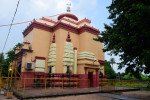
Dharmaraj Temple Cluster

Some quick example text to build on the card title and make up the bulk of the card's content.

Go somewhere
...
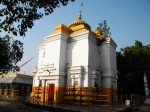
Dihar Twin Temples

Some quick example text to build on the card title and make up the bulk of the card's content.

Go somewhere
...
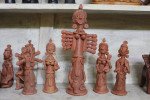
Ekteswar Shiva Temple

Some quick example text to build on the card title and make up the bulk of the card's content.

Go somewhere

...
Ekteswar Temple

Some quick example text to build on the card title and make up the bulk of the card's content.

Go somewhere

...
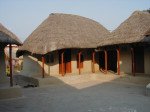
Gangdua Terracotta Temple

Some quick example text to build on the card title and make up the bulk of the card's content.

Go somewhere
...
Jhilimili Forest

Some quick example text to build on the card title and make up the bulk of the card's content.

Go somewhere
...
Joypur Jungle

Some quick example text to build on the card title and make up the bulk of the card's content.

Go somewhere
...
Joyrambati

Some quick example text to build on the card title and make up the bulk of the card's content.

Go somewhere
...
Kangsabati Dam

Some quick example text to build on the card title and make up the bulk of the card's content.

Go somewhere
...
Kangsabati Riverfront and Mela Ground

Some quick example text to build on the card title and make up the bulk of the card's content.

Go somewhere
in Other Cities