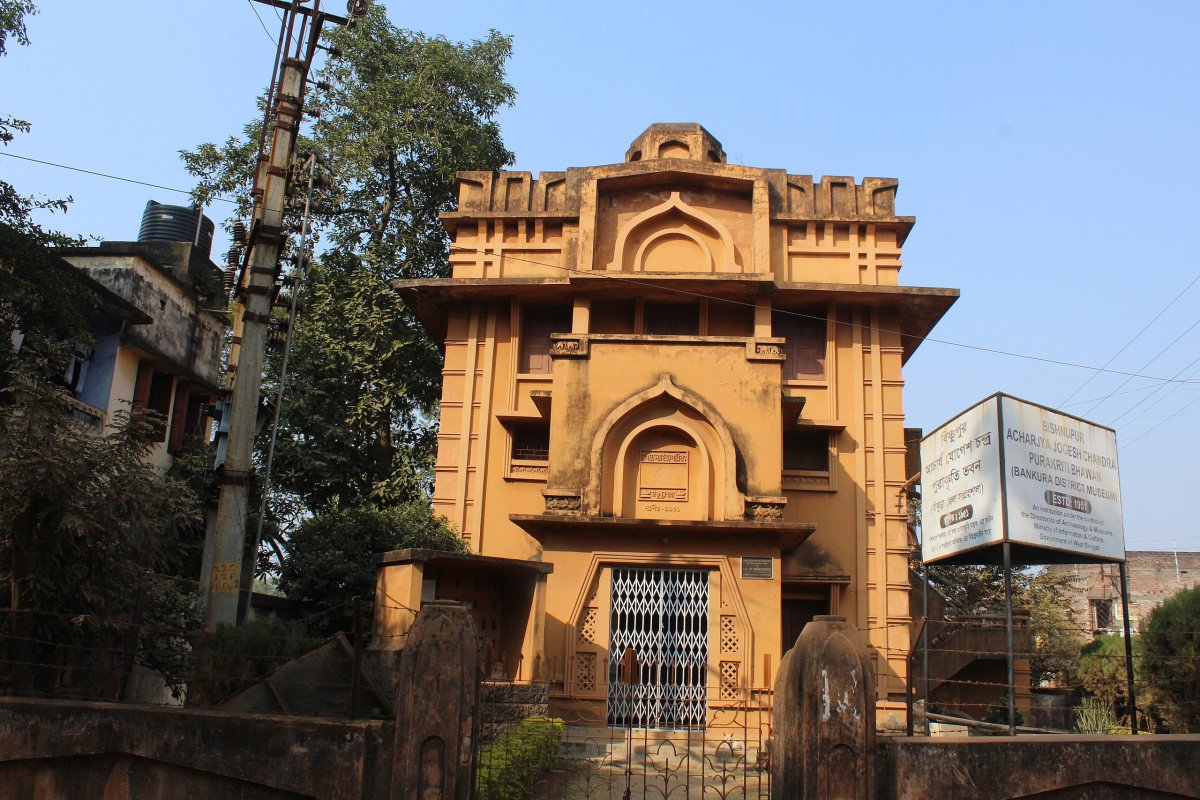
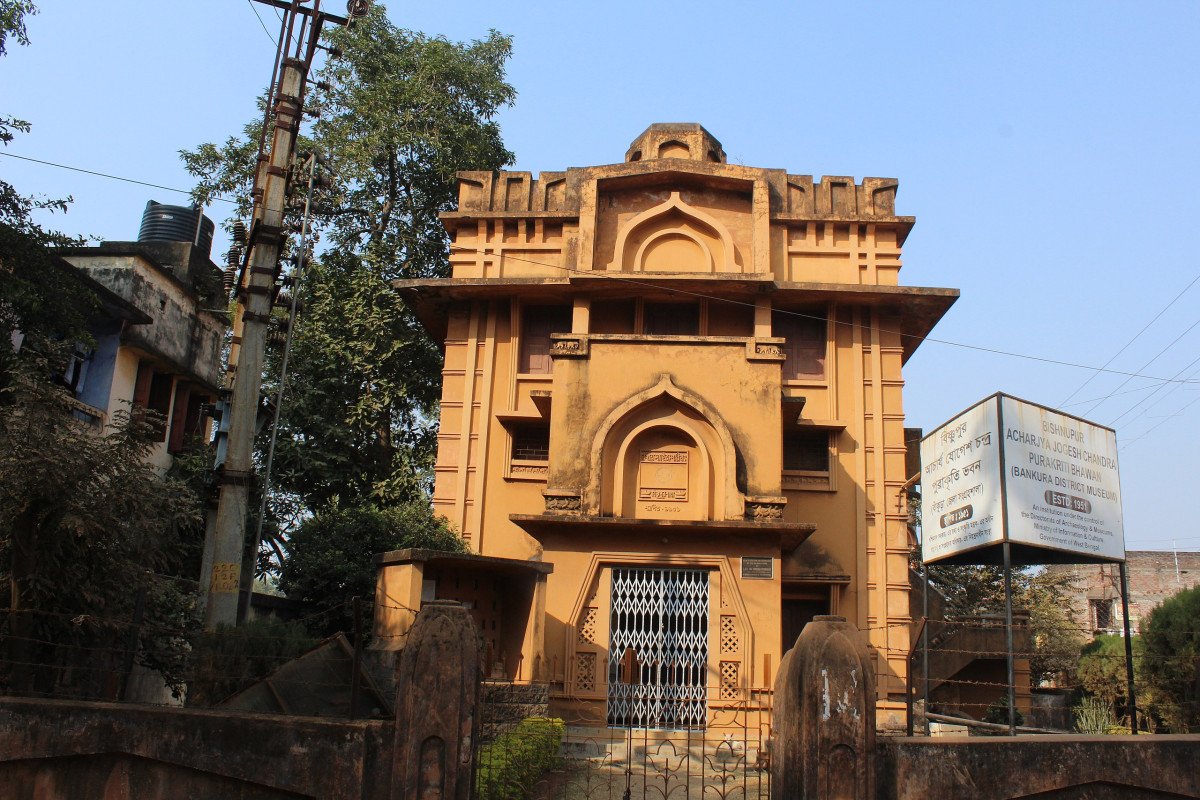
Acharya Jogesh Chandra Museum
General information
-
Ideal Duration:
2 to 3 hours (For a thorough visit).Place Type:
Archaeological Museum, Cultural Repository, EducatEntry Fees:
Very Nominal and Accessible
Standard Museum Ticket Price Topic Heading: The entry fee for the Acharya Jogesh Chandra Museum is typically very nominal, making it highly accessible to students and the general public. For Indian citizens, the fee usually ranges from I...Very Nominal and Accessible
Standard Museum Ticket Price Topic Heading: The entry fee for the Acharya Jogesh Chandra Museum is typically very nominal, making it highly accessible to students and the general public. For Indian citizens, the fee usually ranges from INR 5 to INR 10 per person. This low cost reflects its educational mandate and state funding. Fee for International Visitors and Research Topic Heading: The entry fee for foreign nationals is also generally low compared to ASI sites, often ranging from INR 50 to INR 100. If you are a recognized student or researcher seeking access to the library or specific archives for academic purposes, there might be a separate, nominal daily or weekly fee, which must be arranged with the college administration prior to the visit.Timing:
Academic Hours and Holiday Closures
Regular Timings: The museum generally follows academic hours, operating from 11:00 AM to 4:30 PM on weekdays (Monday to Friday). It is often closed on Saturdays, Sundays, and major public and academic holidays. It is crucial to ...Academic Hours and Holiday Closures
Regular Timings: The museum generally follows academic hours, operating from 11:00 AM to 4:30 PM on weekdays (Monday to Friday). It is often closed on Saturdays, Sundays, and major public and academic holidays. It is crucial to check the specific timings or call ahead, especially during the December and May vacation months.
Ideal Visit Time: The Ideal Visit Time is the Late Morning or Early Afternoon, specifically between 11:30 AM and 1:30 PM. Visiting during this time allows you to bypass the peak heat of the day and ensures you have enough time to explore all the galleries before the closing time, without feeling rushed.Special Events:
Foundation Day and Local Exhibitions
College Foundation Day Celebrations Topic Heading: The museum, being part of Bankura Christian College, often participates heavily in the college's annual Foundation Day and related academic/cultural festivals. These events, typ...Foundation Day and Local Exhibitions
College Foundation Day Celebrations Topic Heading: The museum, being part of Bankura Christian College, often participates heavily in the college's annual Foundation Day and related academic/cultural festivals. These events, typically held in the January or February months, feature special exhibitions, academic seminars, and cultural performances focusing on the history of the region and the institution.
Annual Heritage Exhibitions Topic Heading: The museum organizes special temporary exhibitions, often in the Winter season, focusing on a specific theme for example, a focused exhibition on Malla coinage, or the different schools of Bankura painting. These specialized displays bring out artifacts usually kept in storage, offering a unique opportunity for repeat visitors.Best Photo Spots:
Textural Depth and Historical Focus
The Stone Sculpture Gallery Topic Heading: The best photo spot is within the main hall dedicated to large stone sculptures. Capture the monumental, 10th to 12th century stone carvings of deities like Vishnu and Surya. Focus on t...Textural Depth and Historical Focus
The Stone Sculpture Gallery Topic Heading: The best photo spot is within the main hall dedicated to large stone sculptures. Capture the monumental, 10th to 12th century stone carvings of deities like Vishnu and Surya. Focus on the detailed craftsmanship, using the museum lighting to highlight the depth of the carving and the texture of the ancient basalt rock. This requires a stable camera or mobile shot, avoiding the use of flash.
The Dashavatar Card Display Topic Heading: The display case featuring the painted Dashavatar playing cards provides an exceptional opportunity for close-up macro photography. These colorful, intricate circles of art illustrate the ten avatars of Vishnu. A focused shot emphasizes the delicate lines and vibrant colors used by the traditional painters, documenting a rare art form.
The Terracotta Panel Focus Topic Heading: Photograph the most detailed or unique terracotta panels in the main gallery. Find a piece that clearly tells a story a battle scene or a mythical event and use the surrounding context to frame the shot. This photo should capture the essence of the craftsmanship that defines the entire district.Photo Gallery
Things To Do
-
Study, Research, and Cultural Immersion Detailed Study of Terracotta Evolution Topic Heading: Dedicate ample time to the Terracotta Gallery. Instead of rushing, study the variations in style between the figures. Note the differences in mythological portrayal, the expressions on the faces of the deities, and the intricate jewelry details. Use the exhibit labels to understand the chronology of the art form, moving from simpler styles to the complex relief panels of the Malla period. This offers the deepest engagement with Bankura's most celebrated art. Exploring the History of the Malla Dynasty Topic Heading: The exhibits related to the Malla dynasty (sculptures, coins, and maps) provide the contextual background for a trip to Bishnupur. Use the information here to understand the kingdom's expansion, its religious conversion to Vaishnavism, and its eventual decline. Seeing the art...Study, Research, and Cultural Immersion Detailed Study of Terracotta Evolution Topic Heading: Dedicate ample time to the Terracotta Gallery. Instead of rushing, study the variations in style between the figures. Note the differences in mythological portrayal, the expressions on the faces of the deities, and the intricate jewelry details. Use the exhibit labels to understand the chronology of the art form, moving from simpler styles to the complex relief panels of the Malla period. This offers the deepest engagement with Bankura's most celebrated art. Exploring the History of the Malla Dynasty Topic Heading: The exhibits related to the Malla dynasty (sculptures, coins, and maps) provide the contextual background for a trip to Bishnupur. Use the information here to understand the kingdom's expansion, its religious conversion to Vaishnavism, and its eventual decline. Seeing the artifacts indoors enhances appreciation for the outdoor temples.
Photography of Protected Artifacts Topic Heading: Take photographs (where permitted and without flash) of the most important stone sculptures and folk art displays. Focus on capturing the textures of the stone, the fine painting on the Dashavatar cards, and the unique structure of the terracotta dolls. This photographic record serves as a beautiful memento and educational resource. Visiting the College Campus and Library Topic Heading: The museum is housed within the serene and historic campus of Bankura Christian College. Take a short walk around the campus, noting the colonial-era architecture of the main college buildings. The campus provides a peaceful environment that contrasts with the bustling city center. If possible, visit the college library (with permission) which holds valuable regional archives and books.
Attending Museum Talks and Workshops Topic Heading: Inquire with the museum staff about any scheduled talks, lectures, or cultural workshops. Since it is an educational institution, the museum frequently hosts events, especially during the Winter months or academic terms, focused on regional archaeology, history, or folk music. Attending one of these events is the best way to gain deep, specialized knowledge. Purchasing Authentic Replicas and Books Topic Heading: Check the museum's counter for academic publications related to Bankura's history, archaeology, and art. They often sell high-quality prints or authorized, authentic replicas of smaller artifacts. Purchasing from the museum supports its conservation efforts and guarantees you an authentic piece of local heritage, unlike market purchases.
Hotels
● Biharinath Eco Tourism
Address: Biharinath Hill Area, Bankura
Distance: 1
Details: Located conveniently near Acharya Jogesh Chandra Museum, Biharinath Eco Tourism offers a perfect blend of comfort and accessibility for travelers. The...
● Green Palace Guest House
Address: Shubhankar Sarani Road, Bankura
Distance: 3
Details: Located conveniently near Acharya Jogesh Chandra Museum, Green Palace Guest House offers a perfect blend of comfort and accessibility for travelers. T...
● Hotel Amantran
Address: Bankura Town, Bankura, West Bengal
Distance: 2.2
Details: Located conveniently near Acharya Jogesh Chandra Museum, Hotel Amantran offers a perfect blend of comfort and accessibility for travelers. The propert...
● Hotel Hilltrip
Address: Kenduadihi, Bankura, West Bengal
Distance: 2.5
Details: Located conveniently near Acharya Jogesh Chandra Museum, Hotel Hilltrip offers a perfect blend of comfort and accessibility for travelers. The propert...
● Hotel Priyadarsini
Address: School Danga, Bankura, West Bengal
Distance: 2.8
Details: Located conveniently near Acharya Jogesh Chandra Museum, Hotel Priyadarsini offers a perfect blend of comfort and accessibility for travelers. The pro...
● Hotel Saptaparna
Address: Jogeshpally, Bankura, West Bengal
Distance: 1.5
Details: Located conveniently near Acharya Jogesh Chandra Museum, Hotel Saptaparna offers a perfect blend of comfort and accessibility for travelers. The prope...
● Hotel Sonar Bangla Susunia
Address: Susunia, Bankura, West Bengal
Distance: 5
Details: Located conveniently near Acharya Jogesh Chandra Museum, Hotel Sonar Bangla Susunia offers a perfect blend of comfort and accessibility for travelers....
● Hotel Tajganga
Address: Indragora, Bankura, West Bengal
Distance: 2
Details: Located conveniently near Acharya Jogesh Chandra Museum, Hotel Tajganga offers a perfect blend of comfort and accessibility for travelers. The propert...
● New Mukherjee Lodge
Address: Near Railway Station, Bankura
Distance: 4
Details: Located conveniently near Acharya Jogesh Chandra Museum, New Mukherjee Lodge offers a perfect blend of comfort and accessibility for travelers. The pr...
● Sidhu Kanu Guest House
Address: Near Station Road, Bankura
Distance: 3.5
Details: Located conveniently near Acharya Jogesh Chandra Museum, Sidhu Kanu Guest House offers a perfect blend of comfort and accessibility for travelers. The...
Show AllRestaurants
● Aami Bangali
Address: Lalbandh, Bankura, West Bengal
Distance: 1.16 KM
Details: Aami Bangali is a tribute to traditional culinary heritage, focusing on rich and authentic flavors. Known for its Must Try Shukto, this restaurant ser...
Food List: Shukto', 'Machher Jhol', 'Bhaat', 'Dal', 'Alu Bhaj...
● Deliswift
Address: Lalbandh, Bankura, West Bengal
Distance: 1.23 KM
Details: Deliswift is a modern eatery focused on delivering high-quality, quick meals without compromising on taste. They are famous for their Must Try Chicken...
Food List: Chicken Roll', 'Egg Roll', 'Paneer Roll', 'Veg Rol...
● Hotel Annapurna
Address: Lalbandh, Bankura, West Bengal
Distance: 0.11 KM
Details: Hotel Annapurna provides a classic dining experience with an emphasis on traditional hospitality and generous portions. Famous for their Must Try Thal...
Food List: Thali', 'Rice', 'Dal', 'Bhaja', 'Shukto', 'Fish Cu...
● Lal Mati Resort
Address: Lalbandh, Bankura, West Bengal
Distance: 2.49 KM
Details: Lal Mati Resort captures the essence of Bankura with its rustic charm and traditional delicacies. The Must Try Local Fish Curry is a standout, reflect...
Food List: Local Fish Curry', 'Rice', 'Dal', 'Shukto', 'Aloo ...
● Mahato Villa
Address: Lalbandh, Bankura, West Bengal
Distance: 2.14 KM
Details: Mahato Villa is a unique establishment known for its personalized service and homestyle flavor profiles. Their Must Try Home Style Chicken is legendar...
Food List: Home Style Chicken', 'Rice', 'Dal', 'Aloo Bhaja', ...
Show AllInformation
-
Why Famous:
Regional Heritage Preservation
The Rare Terracotta Collection Topic Heading: The museum is famous primarily for its diverse and rare collection of terracotta artifacts. These pieces, collected from excavations and heritage sites across the Bankura district, provide...Regional Heritage Preservation
The Rare Terracotta Collection Topic Heading: The museum is famous primarily for its diverse and rare collection of terracotta artifacts. These pieces, collected from excavations and heritage sites across the Bankura district, provide an unparalleled overview of the regional artistic evolution. It showcases the technical mastery achieved by local artisans, demonstrating themes and styles that predate and run concurrent with the famous Bishnupur temples, offering historical continuity.
Preservation of Folk Art Topic Heading: It holds a unique position for preserving specific Bankura folk arts that are slowly becoming extinct. This includes the exquisite, painted Dashavatar Taash (playing cards) and certain tribal art forms. The museum acts as a crucial safeguard for this intangible heritage, making it a globally significant center for the study of Bengal's regional folk culture and games. -
Architecture:
Functional and Institutional Design
Institutional Structure Topic Heading: The museum is housed in a dedicated building within the campus of Bankura Christian College. Its architecture is functional and institutional, designed primarily for the conservation and dis...Functional and Institutional Design
Institutional Structure Topic Heading: The museum is housed in a dedicated building within the campus of Bankura Christian College. Its architecture is functional and institutional, designed primarily for the conservation and display of artifacts rather than for aesthetic monumentality. The structure features simple lines, sturdy construction, and adequate lighting and ventilation necessary for a tropical climate. The internal layout prioritizes a smooth flow for visitors, with galleries arranged chronologically or thematically to aid in the study of the exhibits.
Dimension and Layout Topic Heading: The museum space is segmented into several well-defined galleries. The main building comprises approximately 5,000 square feet of exhibition area. Key sections include the Sculpture Gallery, the Terracotta Gallery, and the Natural History Section. The display cases and platforms are modern, offering clear sightlines and protective barriers for the delicate artifacts. The overall height of the museum building is standard for educational institutions, around 30 feet (9 meters) at its highest point, ensuring ample ceiling height for larger displays like ancient stone carvings. -
How To Reach:
Central Location in Bankura City
By Air: The nearest major international airport is Netaji Subhas Chandra Bose International Airport (CCU) in Kolkata, approximately 220 KMS away. From there, the best option is to take a train or hire a private taxi directly to Bank...Central Location in Bankura City
By Air: The nearest major international airport is Netaji Subhas Chandra Bose International Airport (CCU) in Kolkata, approximately 220 KMS away. From there, the best option is to take a train or hire a private taxi directly to Bankura City. The closest domestic airport is Kazi Nazrul Islam Airport (RDP) in Durgapur, about 70 KMS away, which is 1. 5 hours by road.
By Train: The museum is easily reachable from Bankura Junction Railway Station (BQA). The station is well-connected to Kolkata (Howrah and Sealdah) and other major cities in West Bengal and neighboring states. Once at the station, the museum is only 2 KMS away, which can be covered quickly by a local e-rickshaw or taxi.
By Road: Bankura City is a major junction on National Highway 14 (NH14). It is well-connected by state buses and private taxis to cities like Kolkata (about 4. 5 to 5 hours), Durgapur, and Burdwan. The museum's location within the Bankura Christian College campus is a well-known landmark, making navigation straightforward.
By Local Transport: Within Bankura City, the most convenient local transport is the e-rickshaw (Toto) or auto-rickshaw. From the bus stand or railway station, any local driver will easily take you to the Christian College gate. The cost should be nominal, typically under INR 50 from the station. -
Weather and Best Time to Visit:
Cool and Dry Weather
Different Types of Seasons Topic Heading: The Best Time to Visit is the Winter season, from October to March. This is the most comfortable period, with pleasant temperatures (ranging from 10Rs.C to 25Rs.C), ideal for traveling to and from the city,...Cool and Dry Weather
Different Types of Seasons Topic Heading: The Best Time to Visit is the Winter season, from October to March. This is the most comfortable period, with pleasant temperatures (ranging from 10Rs.C to 25Rs.C), ideal for traveling to and from the city, and also for walking around the college campus. The Monsoon season (July to September) makes travel outside the city difficult, and the Summer (April to June) is extremely hot, making any non-air-conditioned travel tiresome.
Different Parts of the Day Topic Heading: The best part of the day to visit the museum is the Late Morning (around 11:00 AM), right after it opens. This ensures you can enjoy the exhibits before the main rush of afternoon visitors or students, and it aligns perfectly with the closing hours of nearby administrative offices, allowing for other city errands later. -
Near Tourist Places:
Serial No. Primary Spot Nearby Tourist Place (10) Distance (KMS) 1 Acharya Jogesh Chandra Museum Bankura Kangsabati Riverfront 4 KMS Bankura Railway Station (Hub) 2 KMS Dharmaraj Temple (Puchara) 5 KMS Bishnupur Terracotta Temples 35 KMS Susunia Hill 48 KMS Joyrambati (Spiritual Site) 50 KMS Kamarpukur (Spiritual Site) 65 KMS Mejia Thermal Power Station 35 KMS Mousumi Forest (Picnic Spot) 15 KMS Onda Temple Cluster 18 KMS
Tourism Tips
-
Educational and Etiquette Focus
Health & Safety Topic Heading: Keep hydrated while traveling in the city, especially outside the Winter months. The museum environment is safe and controlled. Always carry a copy of your identification and academic credentials (if a...Educational and Etiquette Focus
Health & Safety Topic Heading: Keep hydrated while traveling in the city, especially outside the Winter months. The museum environment is safe and controlled. Always carry a copy of your identification and academic credentials (if applicable) for smooth entry into the college premises. If using public transport, be mindful of your belongings in crowded areas.
Packing Topic Heading: Carry a small notebook and pen for taking notes on the exhibits, as the museum is highly educational. Pack light and wear comfortable clothing, as the campus walk and museum visit are easy. Since the college is an educational institution, modest, respectful attire is always appropriate. Bring a mobile phone/camera to document the artifacts (without flash).
Accommodation Topic Heading: Since this is a city-based attraction, the best accommodation is in Bankura City Center. Numerous hotels and lodges are available near the bus stand and railway station, offering better quality and range than rural options. It is recommended to book in advance during festivals or the winter peak season (December to February).
Other Different Topics Heading:
Respect the Institutional Environment: Remember that the museum is located inside a functioning college campus. Maintain quiet and decorum, especially near academic buildings. Do not touch the artifacts the terracotta and stone are ancient and fragile. Inquire about the photography policy upon entry to avoid issues.
Reviews
FAQs
Ans:- The Acharya Jogesh Chandra Museum, also known as the Acharya Jogesh Chandra Purakriti Bhawan, is located in the historic town of Bishnupur in the Bankura district of West Bengal. It was established in 1951 to preserve the rich archaeological, historical, and cultural heritage of the region. The museum houses a magnificent collection of artifacts spanning from the prehistoric era to the modern period, reflecting the legacy of the Malla kings who ruled the region and heavily patronized art, literature, and terracotta architecture.Ans:- Visitors to this prestigious institution can explore three main specialized galleries distributed across a two-storied structure. The ground floor displays a vast collection of medieval stone sculptures, primarily depicting Hindu deities and Jain Tirthankaras carved intricately out of black stone, alongside a unique gallery dedicated to the traditional Dhrupad music of the renowned Bishnupur Gharana. The first floor is completely dedicated to exquisite terracotta artifacts, indigenous folk art, metal crafts, historical photographs, and ancient coins that provide deep insights into Bengal's regional artistry.Ans:- The Acharya Jogesh Chandra Museum possesses an incredibly rich repository of nearly five thousand ancient and rare manuscripts written in Sanskrit and Bengali scripts. These include historical texts such as the Chaitanya Charitamrita, Madanmohan Bandana, and various early works on Ayurvedic medicine and local philosophy. Many of these invaluable manuscripts feature beautifully painted wooden covers that reflect ancient calligraphic traditions. The Government of West Bengal has initiated digitization projects for these delicate records to ensure long-term preservation and easy access for global research scholars.Ans:- For travelers planning a visit to the Acharya Jogesh Chandra Purakriti Bhawan, the establishment operates under specific public timings regulated by the Directorate of Archaeology and Museums of West Bengal. The museum is open to visitors from Tuesday through Sunday, starting from 11:00 AM in the morning until 5:00 PM in the evening. It remains strictly closed to the general public every Monday, as well as on designated national holidays, allowing the administrative staff to carry out routine maintenance and preservation activities.Ans:- Accessing the magnificent historical galleries of the Acharya Jogesh Chandra Museum requires visitors to purchase a nominal entry ticket at the main gate counters. The ticket pricing is kept minimal to ensure that history enthusiasts, local students, and global tourists can easily explore the exhibits without financial constraints. There might be separate modest charges applicable if you wish to carry cameras inside for photography or utilize specific educational guides, with all collected revenue directly funding the upkeep and restoration of the artifacts.Ans:- The museum is located in Lalbandh within the culturally vibrant town of Bishnupur, Bankura district, West Bengal, India. A major recognizable landmark situated in close proximity to the museum building is the Ramananda College More, which makes it highly accessible via local transport options like cycle rickshaws, auto-rickshaws, and private cabs. Its prime location near the historical Lalbandh lake ensures that tourists exploring the famous terracotta temples of Bishnupur can easily integrate a visit to this historical repository into their travel itineraries.Ans:- The museum boasts a highly significant collection of medieval Jain Tirthankara sculptures that were predominantly discovered across various remote villages in southern Bengal. Carved meticulously out of durable black chlorite stone, these exquisite idols date back between the tenth and twelfth centuries AD, showcasing an advanced level of craftsmanship and architectural devotion. These artifacts provide vital archaeological proof regarding the widespread historical prevalence and eventual integration of Jainism within the region long before Hinduism and Vaishnavism became dominant under the Malla rulers.Ans:- A truly distinctive feature of the Acharya Jogesh Chandra Purakriti Bhawan is its dedicated music gallery, which acts as a historical archive for the Bishnupur Gharana. This is the only classical music school native to West Bengal, renowned for its strict adherence to the Dhrupad style. The gallery houses rare string and percussion instruments used by legendary musical maestros, ancient musical notations, vintage audio recordings, and comprehensive photographic documentation that chronicles the evolution of this classical tradition under the direct royal patronage of the Malla kings.Ans:- Beyond stone sculptures and historical manuscripts, the museum serves as a safeguard for indigenous heritage by displaying an impressive assortment of regional folk art and traditional textiles. Visitors can witness authentic Baluchari silk sarees featuring intricate pallus woven with depictions from Indian epics, rare specimens of Pattachitra scroll paintings, and traditional clay dolls. There are also unique tribal artifacts, metal crafts produced via the lost-wax casting technique (Dhokra), and organic functional objects that showcase the brilliant craftsmanship of rural artisans from Bankura.Ans:- Photography inside the primary exhibition galleries of the Acharya Jogesh Chandra Museum is generally subject to strict regulations imposed by the state archaeology department to protect sensitive artifacts from light damage. While casual photography might be restricted or require a special paid permit at the entrance ticket counter, flash photography is universally prohibited because sudden bright bursts can degrade ancient manuscripts, textiles, and delicate paint layers. Visitors are always advised to consult the museum staff regarding current photography rules before capturing images.Ans:- The Acharya Jogesh Chandra Purakriti Bhawan functions as a vital academic center for researchers, historians, and students studying the archaeology and socio-cultural history of Bengal. Scholars can request formal permission from the Directorate of Archaeology and Museums to access the extensive collection of five thousand ancient manuscripts, historical records, and archaeological excavation journals. The museum staff provides institutional support by guiding researchers through the un-chronological galleries, helping them decode regional history, terracotta art techniques, and medieval epigraphy found within Bankura district.Ans:- The most ideal time of the year to plan a comprehensive trip to this museum and the surrounding Bishnupur town is during the pleasant winter months stretching from October to March. During this period, the weather remains comfortably cool and dry, making outdoor exploration and museum touring highly enjoyable compared to the scorching summer heat. Additionally, visiting in late December allows travelers to experience the vibrant Bishnupur Mela, a cultural festival celebrating local terracotta crafts, classical music, and the historical legacy preserved inside the museum.Ans:- Interestingly, the historical artifacts and stone carvings displayed inside the main sculpture gallery do not strictly adhere to a chronological sequence or regional classification scheme. Visitors will find medieval Jain icons placed alongside contemporary pieces, which can sometimes be confusing but offers a unique artistic contrast. The stone sculptures are securely mounted on specialized wooden pillars positioned against the yellow walls, starting with a large white marble Ganesha image at the entrance, prompting visitors to appreciate each object for its standalone aesthetic value.Ans:- While the museum was originally established through the dedicated efforts of local historians and members of the Bangiya Sahitya Parishad Bishnupur Branch, it is currently under the direct administrative control of the Government of West Bengal. Specifically, the Directorate of Archaeology and Museums, functioning under the Ministry of Information and Culture, oversees the funding, structural security, artifact preservation, and staffing of this institution, having officially designated it as the primary District Museum for the entire Bankura administrative region.Ans:- Since the museum is situated right within the historical core of Bishnupur, visitors can easily combine their tour with several iconic nearby attractions located within a short radius. These include the world-famous terracotta structures such as the Rasmancha pavilion, the Shyam Rai Temple, the Madan Mohan Temple, and the historic Lalbandh lake located just a stone's throw away. Exploring these active historical sites along with the museum provides a complete, well-rounded understanding of the artistic and architectural brilliance of the Malla era.Bankura Itineray And Cost:-
Acharya Jogesh Chandra Museum Tourism:-
Information about New and Updated Locations() of West Bengal Has Been Added :-
Card subtitle
Note:-
Information provided here in good Faith and for reference only.
Near Places
Acharya Jogesh Chandra Museum
Some quick example text to build on the card title and make up the bulk of the card's content.
Go somewhere
Bahulara Ancient Temple
Some quick example text to build on the card title and make up the bulk of the card's content.
Go somewhere
Bankura Jheel and Subhashgram Park
Some quick example text to build on the card title and make up the bulk of the card's content.
Go somewhere
Bardi Pahar
Some quick example text to build on the card title and make up the bulk of the card's content.
Go somewhere
Biharinath Hill
Some quick example text to build on the card title and make up the bulk of the card's content.
Go somewhere
Bishnupur Terracotta Temples
Some quick example text to build on the card title and make up the bulk of the card's content.
Go somewhere
Dharmaraj Temple Cluster
Some quick example text to build on the card title and make up the bulk of the card's content.
Go somewhere
Dihar Twin Temples
Some quick example text to build on the card title and make up the bulk of the card's content.
Go somewhere
Ekteswar Shiva Temple
Some quick example text to build on the card title and make up the bulk of the card's content.
Go somewhere
Ekteswar Temple
Some quick example text to build on the card title and make up the bulk of the card's content.
Go somewhere
Gangdua Terracotta Temple
Some quick example text to build on the card title and make up the bulk of the card's content.
Go somewhere
Jhilimili Forest
Some quick example text to build on the card title and make up the bulk of the card's content.
Go somewhere
Joypur Jungle
Some quick example text to build on the card title and make up the bulk of the card's content.
Go somewhere
Joyrambati
Some quick example text to build on the card title and make up the bulk of the card's content.
Go somewhere
Kangsabati Dam
Some quick example text to build on the card title and make up the bulk of the card's content.
Go somewhere
Kangsabati Riverfront and Mela Ground
Some quick example text to build on the card title and make up the bulk of the card's content.
Go somewherein Other Cities