...

FAQs On Chika Mosque

Malda , West Bengal, India
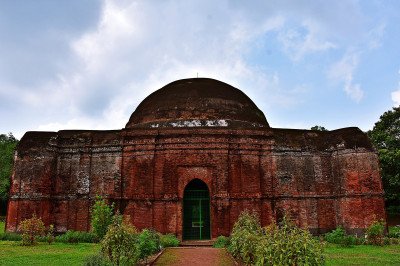
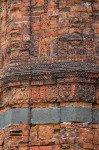
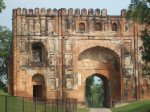
The Chika Mosque is a monument of profound historical and architectural interest, despite its relatively small size compared to the colossal Baroduari and Adina mosques. Located within the heart of the Gour ruins complex, the mosque is believed to have been built in $1486 ext{ AD}$ by Sultan Yusuf Shah or later in the early 16th century. Its name, "Chika" (meaning "bats" or "bats-house"), is a popular local moniker earned centuries ago when the mosque was abandoned and became a nesting place for bats, but historically, its original name is not definitively known. The structure stands out because of its heavily decorated fa ade and the reuse of older Hindu temple stones, a practice common in the Bengal Sultanate architecture that provides a fascinating insight into the use of available materials. The mosque is rectangular, featuring a single, large prayer chamber that was originally covered by a single dome, though the dome is now completely missing. The most striking element is the exquisitely carved stone lintel over the central entrance, which exhibits figures of pre-Islamic deities though heavily defaced clearly indicating its origin from an earlier Hindu structure. This reuse of older religious materials in a new Islamic context makes the Chika Mosque a key site for studying the complex cultural and political transitions of the period. Moreover, the remaining brick and terracotta work on the structure's walls, though fragmented, reveals a high level of craftsmanship, particularly the intricately carved niches (mihrabs) inside. The monument is situated in a quieter part of the Gour complex, offering a more serene and contemplative experience than the major gateways or the larger mosque ruins. The intricate designs, coupled with the mysterious name, make the Chika Mosque a compelling stop for any visitor to the Malda ruins. Its historical narrative, blending political might with architectural resourcefulness, is a microcosm of the entire Gour story.

Ans:- The name "Chika" is derived from a local Bengali term referring to bats or a bat-house. Centuries ago, when the mosque was abandoned and fell into ruin, the interior space became a popular nesting place for a large number of bats. This peculiar occurrence led locals to nickname it the "Chika Mosque." While this name has persisted, it is important to note that the name is not historical, and the original name of the mosque remains unknown. The quirkiness of the name makes it one of the most memorable and unique stops in the Gour region.

Ans:- The Chika Mosque was built around 1475 CE during the reign of Sultan Yusuf Shah. It is a single-domed, rectangular edifice that, despite its relatively small size, holds great historical significance. Its construction is characteristic of the late Sultanate period in Bengal. The fact that it has survived, even in its current ruined state, offers a fascinating glimpse into the architectural practices of the late 15th century and the cultural transitions that occurred in the Gour region during the era of the Bengal Sultanate.

Ans:- Yes, the Chika Mosque is well-known for the reuse of materials from earlier Hindu temples, a common practice in the architecture of the Bengal Sultanate. The stonework of the doors and lintels clearly displays carvings of pre-Islamic deities, although these have been significantly defaced over time. This architectural recycling provides profound insight into the complex historical, religious, and political transitions of the period. For history enthusiasts, observing these repurposed stones embedded in an Islamic structure is a key highlight that illustrates the merging of different cultural and religious traditions in ancient Bengal.

Ans:- The Chika Mosque is currently in a state of ruin, with its original dome now completely missing. However, the structure remains a significant monument due to the intricate terracotta and brickwork on its walls, which still exhibit high levels of craftsmanship. The niches, or mihrabs, inside the prayer chamber are still partly visible and serve as a testament to the mosque's former beauty. While it is not a complete, standing structure, its historical value and the unique blend of architectural styles make it a compelling and serene site for visitors.

Ans:- Unlike the massive Baroduari Mosque, the Chika Mosque is a much smaller, single-domed building. Its distinctiveness lies in its heavily decorated facade and the clear, visible reuse of older Hindu temple stonework, which contrasts with the purely Islamic motifs found in other buildings. Its location in a quieter, more secluded part of the Gour complex gives it a peaceful, contemplative atmosphere that is quite different from the busier, more commercialized parts of the archaeological site. This makes it an ideal spot for visitors looking to appreciate history in a quieter, more personal way.

Ans:- Yes, absolutely. Despite its ruined state, the Chika Mosque is a fascinating site for those interested in history, architecture, and the cultural evolution of Bengal. The visible remnants of Hindu deities on the doorway lintels offer a rare and thought-provoking look at the religious synthesis of the 15th century. Because it is a compact site, it does not require much time to visit, making it a perfect addition to a larger tour of the Gour ruins. Its unique history and peaceful surroundings make it a memorable part of any trip to Malda.

Ans:- There is typically no entry fee for the Chika Mosque. It is part of the unprotected or open-access archaeological ruins within the Gour complex. While most tourists do not encounter any ticket collectors, it is always recommended to check for any new regulations or small maintenance fees that might be introduced by the local authorities. Since it is an open site, you are free to walk around it, take photos, and observe the architecture during standard daylight hours, making it an accessible and budget-friendly historical landmark.

Ans:- The Chika Mosque is located in the Gour ruins, approximately 12 to 15 kilometers south of Malda city. Once you arrive at Malda Town railway station, you can hire a private taxi, auto-rickshaw, or take a local bus toward the Gour archaeological site. The mosque is situated in a quieter section of the complex, so you may need to ask a local guide or driver to point it out specifically. Combining your visit with other nearby monuments in the Gour complex is the most efficient way to explore the area.

Ans:- Yes, you can enter the remains of the prayer chamber of the Chika Mosque. While the roof and the dome are largely missing, the walls and the internal structure are still standing, allowing visitors to step inside and examine the beautiful, though partially damaged, mihrabs and the intricate stonework. It is a quiet and reflective space. Visitors are requested to be respectful of the site, avoid touching the more fragile carvings, and keep the interior clean, as it remains a significant historical monument under the protection of local heritage authorities.

Ans:- When visiting the Chika Mosque, it is essential to carry bottled water, a hat, and comfortable walking shoes, as you will be walking across the sandy and uneven terrain of the Gour ruins. Sunscreen is also recommended, especially if you are visiting in the warmer months. As there are few facilities near the specific monument, carrying light snacks is a good idea. A camera with good zoom capabilities is useful for capturing the details of the lintels and the wall carvings, which are the main artistic highlights of this particular site.

Ans:- The best time of day to visit the Chika Mosque is during the early morning or late afternoon. The lighting during these times is soft and perfect for photography, particularly for capturing the intricate textures of the brickwork and the carvings. Furthermore, visiting during these times helps you avoid the midday sun, which can be quite intense in the open, rural area of the Gour ruins. A morning visit also provides a quieter experience, allowing you to enjoy the serene, somewhat isolated atmosphere of this historic site before the crowds arrive.

Ans:- The Chika Mosque is a historical ruin, so it is important to exercise caution while exploring. Avoid climbing on the walls or standing near loose stones, as the structure is aged and fragile. Stick to the designated paths where possible and ensure that you are wearing appropriate footwear for walking in an outdoor, semi-rural setting. As with any remote or sprawling archaeological site, it is best to visit in groups or with a local guide, especially if you are unfamiliar with the area, to ensure your safety throughout the day.

Ans:- Yes, hiring a local guide is highly recommended, as they can explain the unique history of the Chika Mosque, including the theories about its original construction and the fascinating story behind the reuse of Hindu temple stones. Guides stationed at the main gates of the Gour complex are usually happy to take you on a tour of the smaller, less obvious sites like this one. Negotiating the price in advance and asking them to focus on the historical context of the transitions in architecture will enrich your experience significantly.

Ans:- The remaining terracotta work on the walls of the Chika Mosque is a prime example of the artistic skill of the Bengal Sultanate. Even in its fragmented state, this work showcases delicate floral and geometric motifs that were highly popular in Islamic architecture of the time. Terracotta, being easily accessible, was the primary medium for decorating structures in regions where high-quality stone was scarce. Studying these fragments helps researchers understand how artisans translated complex artistic visions into durable, baked-earth materials, contributing to the rich legacy of Bengal’s architectural history.

Ans:- The Chika Mosque is located quite close to several other important sites, such as the Gumti Darwaza and the Dakhil Darwaza. Many tourists plan their visit to these sites together, as they are part of the main Gour heritage loop. Spending a full day exploring these ruins allows you to see how the different monuments, from grand gates and mosques to smaller tombs and temples, all fit together to tell the story of the rise and fall of ancient Gour. Hiring a rickshaw for the day makes this route easy and stress-free.
Information about New and Updated Locations() of West Bengal Has Been Added :-
Card subtitle

Note:-

Information provided here in good Faith and for reference only.

All information and pictures will be updated soon, please keep visiting.

Near Places
...
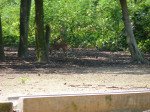
Adina Deer Park

Some quick example text to build on the card title and make up the bulk of the card's content.

Go somewhere

...
Adina Eco Tourism Park

Some quick example text to build on the card title and make up the bulk of the card's content.

Go somewhere
...
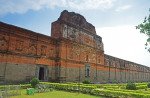
Adina Mosque

Some quick example text to build on the card title and make up the bulk of the card's content.

Go somewhere

...
Baishgazi Wall

Some quick example text to build on the card title and make up the bulk of the card's content.

Go somewhere
...
Ballal Bati

Some quick example text to build on the card title and make up the bulk of the card's content.

Go somewhere
...
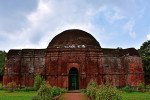
Baroduari Mosque

Some quick example text to build on the card title and make up the bulk of the card's content.

Go somewhere
...
Chika Mosque

Some quick example text to build on the card title and make up the bulk of the card's content.

Go somewhere
...
Dakhil Darwaza

Some quick example text to build on the card title and make up the bulk of the card's content.

Go somewhere
...
Eklakhi Mausoleum

Some quick example text to build on the card title and make up the bulk of the card's content.

Go somewhere
...
Gour

Some quick example text to build on the card title and make up the bulk of the card's content.

Go somewhere
in Other Cities