...

FAQs On Gangdua Terracotta Temple

Bankura, West Bengal, India
Gangdua is a quiet village that holds a charming and historically significant, though lesser-known, terracotta temple. This temple is an excellent example of the architectural style and artistic tradition that flourished under the Malla kings but is situated away from the primary cluster of monument s in Bishnupur. The temple is typically a brick-built structure, possibly in the simple Eka-Ratna (one-pinnacled) or At-chala (eight-roofed) style. Its main attraction is the surviving terracotta artwork that adorns its fa ade. Although some panels might be damaged by time and weather, the remaining craftsmanship showcases the mastery of the Bishnupur school of art depicting intricate figures, mythological scenes, and delicate floral and geometric patterns. Visiting Gangdua offers a peaceful, authentic experience, allowing visitors to see the beauty of the region's heritage in a traditional, non-commercialized rural setting.

Ans:- The Gangdua Terracotta Temple is recognized by archaeologists for its pre-Muslim era architectural style, believed to date back to the 10th-12th century. It showcases the intricate terracotta ornamentation tradition of the Bankura region. Built by local weavers with the title of Datta, the temple represents the deep-rooted cultural and artistic legacy of the area, featuring beautifully crafted brick panels depicting mythological stories that highlight the masterful craftsmanship of local potters and artisans from that period.

Ans:- The temple is historically associated with Shaivite worship, as evidenced by several Shiva Lingas found in the yard and the presence of a Siddhesvara Linga inside. Additionally, the site has featured depictions of the ten-handed Goddess Durga defeating the buffalo demon, as well as Tirthankara imagery. While the main deities have been relocated due to the temple's structural condition, the site remains a spiritually significant location for local devotees who continue to pay their respects and honor traditional rituals.

Ans:- Unlike many other structures, this temple is built primarily of brick but has been extensively plastered to protect it. It is considered a Rekha-style temple, reflecting Orissan architectural influences adapted to the local environment. The ornamentation is found both on the plaster and the underlying brickwork, showcasing a complex artistic process. The front portion features three entrance gates with detailed mythological carvings, reflecting the ingenuity of the artisans who utilized locally available materials to create lasting religious monuments.

Ans:- The local villagers have played a pivotal role in protecting the temple from further dilapidation. Through their collective efforts, a nearby Pancaratna Shiva temple was built approximately 400 years ago, helping to maintain the sanctity of the surrounding area. Villagers take pride in their heritage, ensuring that the history of the weavers and potters who constructed these shrines is preserved. This communal involvement is essential in maintaining the site's relevance and ensuring that the cultural narrative of the region continues to be honored.

Ans:- Yes, besides the main terracotta structure, there is a Vishnu temple located alongside it that remains more or less intact. The site also includes the previously mentioned Pancaratna Shiva temple, constructed by the villagers centuries ago. The juxtaposition of these various shrines provides a comprehensive look at the evolution of religious architecture in the Bankura district. Visitors can observe the distinct styles of these temples, which collectively serve as a historical testament to the devotion and artistry of the local community.

Ans:- The ornamentation on the temple walls is deeply rooted in Indian mythology. The three entrance panels display intricate scenes from various mythological stories, reflecting the religious fervor of the time. You can observe detailed carvings of deities like Durga, as well as Tirthankara figures surrounded by snakes, which highlights the syncretic nature of the religious traditions in Bankura. These terracotta panels act as a visual narrative, preserving ancient stories and social motifs that were important to the weavers and potters who lived in the region.

Ans:- While the original structure has undergone significant decay and the primary deities have been moved, the site maintains a level of spiritual importance. Devotees still visit the temple area to honor the Siddhesvara Linga, and rituals like the 'gajana' are sometimes performed in the vicinity. The presence of the iron Pata, which remains in the temple, is central to the devotional practices of those who visit. It serves as a reminder of the enduring faith and the long-standing tradition of worship practiced by the local community.

Ans:- The temple is classified as a Rekha temple, which is a specific style of North Indian temple architecture that traces its roots to Orissan designs. This style is characterized by its curved tower and specific structural proportions. In the context of the Bankura region, this style was adapted using local materials, primarily brick and terracotta, to create distinct religious structures. The combination of this classical style with regional craftsmanship makes the Gangdua temple a significant example of architectural history within West Bengal's rural landscape.

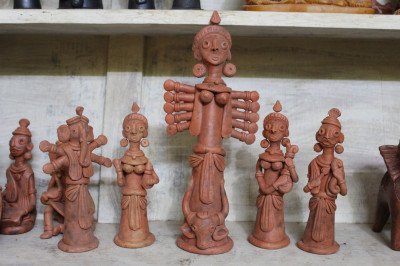
Ans:- Terracotta, or 'baked earth,' is inherent to the identity of the red-soil region of Bankura. Historically, the lack of durable stone in the area led artisans to innovate with local clay to create intricate temple decorations and figurines. This craft became a means of livelihood for many and helped express the region's devotion through depictions of the epics and daily rural life. The tradition, once patronized by local kings and weavers, has gained international fame and remains a symbol of the artistic excellence of the Bengal region.

Ans:- These temples were often patronized and constructed by local affluent groups, including prosperous weaving communities like the Dattas and traditional potter families. Unlike the large state-sponsored projects seen elsewhere, these smaller but highly detailed terracotta temples were the pride of specific rural neighborhoods. The grandfather of the local potter Satish Kumbhakar is noted for his role in building this temple, demonstrating how local craftsmanship and private philanthropy combined to shape the architectural landscape and religious life of the Bankura district during that era.

Ans:- The iron Pata is a sacred object kept within the temple and plays a crucial role in local religious ceremonies. Devotees often visit the site riding or accompanied by this object during specific festivals, particularly during gajana rituals. It serves as a symbolic connection to the deity and is deeply embedded in the folk traditions of the area. The preservation of such ritualistic items highlights the continuity of spiritual practices that persist despite the structural changes the temple building has faced over the centuries.

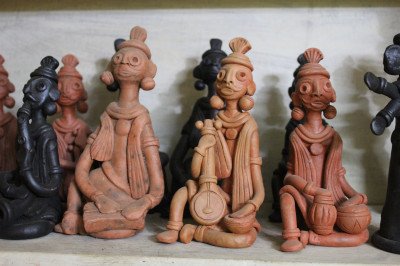
Ans:- While the terracotta panels at this specific temple are primarily focused on mythological narratives, the broader tradition of terracotta art in Bankura frequently features scenes of rural life. These include farming, social activities, musicians, and village gardens. Such depictions were common because the artisans often drew inspiration from their immediate surroundings and the daily struggles and joys of the local population. These motifs provide valuable insight into the social history and everyday existence of people in rural West Bengal during the period the temple was constructed.

Ans:- The Gangdua Terracotta Temple is oriented toward the west. In traditional temple architecture, the orientation of the entrance can hold significant ritualistic meaning, often aligning with the setting sun or specific deities. This orientation, combined with the temple's location in the rural landscape of Bankura, contributes to its unique atmosphere. Visitors observing the temple's facade from the front can appreciate the symmetry and the positioning of the entrance gates, which were designed to welcome worshippers and integrate the temple into the community's daily spatial flow.

Ans:- Yes, the Tirthankara images found at the site are notably depicted surrounded by seven snakes. Furthermore, the Lanchana signs associated with the imagery include snake women and a Mangala Kalasa surrounded by a snake. These motifs are consistent with the broader iconographic traditions of the region, where snake goddesses like Manasa are also highly venerated. The prevalence of such imagery suggests a diverse religious landscape that incorporated both orthodox Hindu traditions and folk beliefs centered around nature and protective deities within the village environment.

Ans:- When planning to visit, it is important to respect the historical and religious nature of the site. As it is an older structure, visitors should be mindful of the fragile state of the terracotta work. It is recommended to contact local tourism authorities or local guides in the Bankura district for current access conditions. Wearing comfortable clothing suitable for a rural environment and carrying drinking water is advisable. Being respectful during any ongoing religious activities or rituals will ensure a positive experience while engaging with this significant piece of Bengal's heritage.
Information about New and Updated Locations() of West Bengal Has Been Added :-
Card subtitle

Note:-

Information provided here in good Faith and for reference only.

Near Places
...
Acharya Jogesh Chandra Museum

Some quick example text to build on the card title and make up the bulk of the card's content.

Go somewhere
...
Bahulara Ancient Temple

Some quick example text to build on the card title and make up the bulk of the card's content.

Go somewhere

...
Bankura Jheel and Subhashgram Park

Some quick example text to build on the card title and make up the bulk of the card's content.

Go somewhere

...
Bardi Pahar

Some quick example text to build on the card title and make up the bulk of the card's content.

Go somewhere
...
Biharinath Hill

Some quick example text to build on the card title and make up the bulk of the card's content.

Go somewhere
...
Bishnupur Terracotta Temples

Some quick example text to build on the card title and make up the bulk of the card's content.

Go somewhere
...
Dharmaraj Temple Cluster

Some quick example text to build on the card title and make up the bulk of the card's content.

Go somewhere
...
Dihar Twin Temples

Some quick example text to build on the card title and make up the bulk of the card's content.

Go somewhere
...
Ekteswar Shiva Temple

Some quick example text to build on the card title and make up the bulk of the card's content.

Go somewhere

...
Ekteswar Temple

Some quick example text to build on the card title and make up the bulk of the card's content.

Go somewhere
...
Gangdua Terracotta Temple

Some quick example text to build on the card title and make up the bulk of the card's content.

Go somewhere
...
Jhilimili Forest

Some quick example text to build on the card title and make up the bulk of the card's content.

Go somewhere
...
Joypur Jungle

Some quick example text to build on the card title and make up the bulk of the card's content.

Go somewhere
...
Joyrambati

Some quick example text to build on the card title and make up the bulk of the card's content.

Go somewhere
...
Kangsabati Dam

Some quick example text to build on the card title and make up the bulk of the card's content.

Go somewhere
...
Kangsabati Riverfront and Mela Ground

Some quick example text to build on the card title and make up the bulk of the card's content.

Go somewhere
in Other Cities