...

FAQs On Gopaldhara Tea Estate

Mirik, West Bengal, India
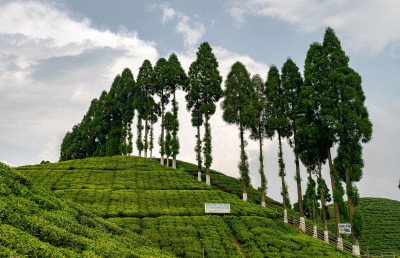
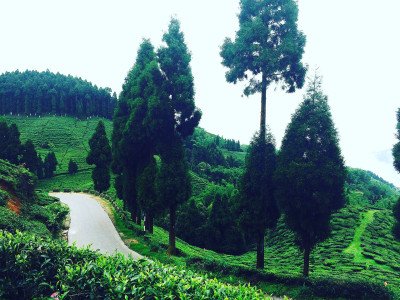
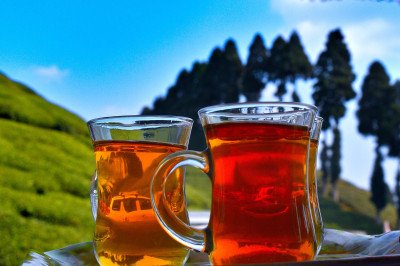
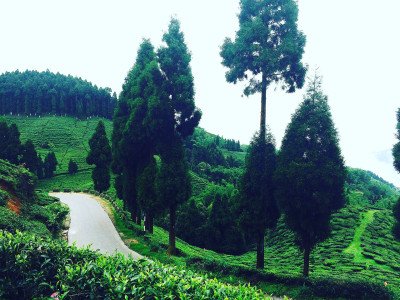
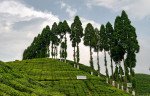
The Mirik Tea Gardens are a defining feature of the landscape, epitomizing the region's identity as a premier producer of world-renowned Darjeeling Tea. These sprawling estates, such as Gopaldhara and Thurbo, carpet the undulating hillsides in an emerald green mantle, offering a sight that is both b reathtakingly scenic and culturally significant. The gardens are not merely agricultural lands; they represent a delicate blend of colonial history, intensive labor, and unique natural conditions. The high elevation, misty mornings, and specific soil composition contribute to the distinct 'muscatel' flavour that Darjeeling Tea is celebrated for globally. Walking through the tea bushes, arranged meticulously in contour-following rows, visitors gain a sense of the immense effort required to harvest the delicate 'two leaves and a bud' that form the basis of the finest brew. The tea estates near Mirik are primarily located in the lower valleys and slopes, often descending towards the Rangbhang River, creating a stunning contrast with the higher, forested peaks. The atmosphere is one of profound tranquility, punctuated only by the occasional chatter of pluckers or the hum of the nearby factory. The entire area operates on a seasonal cycle tied to the four flushes of tea production, making a visit in the Spring or Autumn particularly rewarding for witnessing the harvesting and processing activities. The lushness is particularly dense and vibrant during the post-monsoon months of September and October, when the air is crisp and the views are clearest, stretching across the valley and even providing distant glimpses of the plains below. The tea garden experience is holistic, combining natural beauty with a deep dive into the agrarian economy and the history of the Darjeeling region.

Ans:- Gopaldhara Tea Estate is globally renowned for its high-altitude tea cultivation and premium quality Darjeeling tea production. Located in the picturesque hills of Mirik, it is one of the highest tea gardens in the world, which gives its tea a unique, delicate flavor profile often described as floral and musky. Visitors are attracted by the estate’s stunning panoramic views of the Himalayas and the lush, sprawling green tea bushes. It serves as a prime destination for tea lovers to witness the tea manufacturing process and experience the serenity of Himalayan nature.

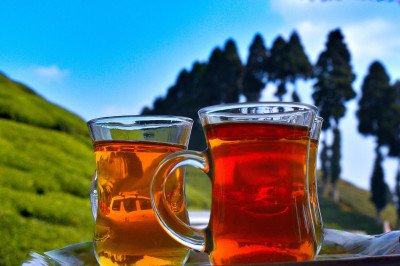
Ans:- Yes, tourists can participate in guided tea tasting sessions at Gopaldhara Tea Estate. These sessions are a highlight of the visit, offering guests the chance to sample some of the finest varieties of Darjeeling tea, including the rare first and second flushes. Knowledgeable staff explain the nuances of the tea, such as aroma, color, and taste, while providing insights into what makes high-altitude tea special. It is an educational and sensory experience that allows visitors to appreciate the craftsmanship and hard work involved in producing world-class tea from this historic estate in the hills.

Ans:- Yes, guided tours are available, allowing visitors to see the intricate process of tea manufacturing, from the plucking of fresh leaves to the final drying and packing stages. The tour guides provide comprehensive information about the different methods used, such as withering, rolling, and oxidation, which define the final quality of the tea. Seeing the machinery and the dedication of the workers provides a deep appreciation for the effort that goes into each cup of tea. It is recommended to check with the estate office or your guide to confirm tour timings in advance.

Ans:- The best season to visit Gopaldhara Tea Estate is during the plucking season, which typically spans from March to November. Each flush offers a unique experience; for example, the spring season (March-April) is perfect to see the tea bushes fresh after winter, while the second flush (May-June) offers the opportunity to taste the famous muscatel flavor. The weather during these months is generally pleasant, making it ideal for walking through the gardens and enjoying the scenic beauty. Autumn also offers clear skies and excellent views of the majestic Himalayan mountain range.

Ans:- Absolutely, one of the most popular activities for visitors is purchasing authentic tea directly from the estate. Gopaldhara has a dedicated tea boutique or shop on the premises where tourists can buy a wide range of products, including premium black, green, white, and oolong teas. Buying directly ensures that you are getting fresh, genuine Darjeeling tea. The staff is usually very helpful in guiding you through the selection process based on your taste preferences, making it an excellent place to pick up souvenirs or gifts for tea enthusiasts back home.

Ans:- Gopaldhara Tea Estate is conveniently located along the route toward Darjeeling and is easily accessible from Mirik town. The most common way to reach the estate is by hiring a local taxi or a private cab, which offers a flexible and comfortable journey through the scenic mountain roads. The drive takes about 30 to 45 minutes depending on traffic and road conditions. The journey itself is visually rewarding, as you pass through verdant hills and dense forests, providing a perfect introduction to the beautiful tea garden landscape of the Mirik region.

Ans:- Yes, photography and videography are generally allowed and even encouraged at Gopaldhara Tea Estate. The stunning backdrop of the rolling hills, the lush green tea bushes, and the mist-covered mountains provide excellent opportunities for nature photography. Visitors love to capture memories of themselves amidst the tea garden. However, it is advisable to be mindful of the workers and avoid obstructing any ongoing tea plucking or processing work. Always check if there are any specific restrictions within the factory units, as safety and hygiene standards might limit the use of cameras in those specific areas.

Ans:- Gopaldhara Tea Estate is recognized as one of the highest tea plantations in the world, with its cultivation areas reaching altitudes ranging from 3,500 to 7,000 feet above sea level. This high elevation is a crucial factor in the tea's unique characteristics, as the cooler temperatures and mountain mist influence the growth of the tea leaves, resulting in a flavor profile that is distinctive and highly sought after by connoisseurs worldwide. This extreme altitude contributes to the slow growth of the plants, which in turn helps in developing a more complex and refined flavor in the cup.

Ans:- Accommodation options can vary at Gopaldhara Tea Estate, so it is recommended to check their official website or contact them directly for the most current information regarding stay options. Some tea estates offer luxury bungalows or homestays for visitors who wish to experience the life of a tea planter for a few days. Staying on-site allows for an immersive experience, waking up to the fresh mountain air and the view of the tea gardens. If on-site accommodation is unavailable, Mirik town offers several hotels and resorts within a short distance of the estate.

Ans:- A visit to Gopaldhara Tea Estate usually takes about 2 to 4 hours. This duration allows enough time for a guided tour of the factory, a stroll through the tea garden, and a relaxing tea tasting session at the boutique. Many visitors also enjoy taking time to appreciate the mountain views and capturing photos. If you plan to spend more time exploring the surrounding paths or having a meal, you might want to allocate a half-day. It is a flexible destination that can be adjusted based on your personal interest and the time you have available.

Ans:- Yes, Gopaldhara Tea Estate is very family-friendly. Children often enjoy seeing the vast greenery and learning about how tea is produced. The estate provides a calm and natural environment, away from the hustle and bustle of urban life, which is refreshing for visitors of all ages. However, parents should keep an eye on children, especially when walking through the uneven terrain of the tea gardens, to ensure their safety. It is a great educational trip where children can learn about agriculture and nature in a beautiful, real-world setting.

Ans:- While the primary focus of Gopaldhara Tea Estate is tea production, they often have small cafes or tea lounges where visitors can enjoy a cup of fresh tea and light snacks. These spots offer a relaxing environment to sit and enjoy the surrounding view. For more substantial meals, visitors might need to look for restaurants in nearby Mirik town or along the highway route. It is always a good idea to carry some water and light refreshments with you, as well as to confirm the current availability of dining services when you plan your visit.

Ans:- When visiting Gopaldhara Tea Estate, it is recommended to wear comfortable clothing and sturdy walking shoes, as you will likely be walking on slopes and uneven paths within the tea garden. Given the hilly terrain and the unpredictable mountain weather, layering is a great strategy; bring a light jacket or sweater even during warmer months, as temperatures can drop quickly, especially in the mornings or evenings. Sunscreen, a hat, and sunglasses are also advisable to protect yourself from the strong mountain sun, ensuring you stay comfortable throughout your tour of the lush estate.

Ans:- While guests are encouraged to enjoy the beauty of the gardens, it is generally recommended to stick to designated paths and follow the guidance of the staff. Tea gardens can be large and have complex layouts; straying off the main trails might not only be unsafe but could also damage the delicate tea bushes. Guided tours are the best way to explore the garden, as they provide context and ensure you do not get lost. Always check with the estate management about which areas are open to the public for independent walking to ensure a safe visit.

Ans:- Yes, it is possible to visit Gopaldhara Tea Estate during winter, although the tea production is generally slower or dormant during this time compared to the spring and summer months. The winter season offers a clear, crisp atmosphere and some of the best panoramic views of the snow-capped Kanchenjunga range, which is a major draw for photographers and nature lovers. While you might not witness the full-scale harvesting and processing activities, the serenity and the quiet beauty of the estate make it a unique and peaceful experience for those visiting Mirik in winter.
Information about New and Updated Locations() of West Bengal Has Been Added :-
Card subtitle

Note:-

Information provided here in good Faith and for reference only.

All information and pictures will be updated soon, please keep visiting.

Near Places

...
All India Radio Station Hill

Some quick example text to build on the card title and make up the bulk of the card's content.

Go somewhere
...
Bokar Institute Library

Some quick example text to build on the card title and make up the bulk of the card's content.

Go somewhere
...
Bokar Ngedon Chokhor Ling Monastery

Some quick example text to build on the card title and make up the bulk of the card's content.

Go somewhere

...
Bunkulung

Some quick example text to build on the card title and make up the bulk of the card's content.

Go somewhere
...
Deosi Dara

Some quick example text to build on the card title and make up the bulk of the card's content.

Go somewhere
...
Devi Stan Mandir

Some quick example text to build on the card title and make up the bulk of the card's content.

Go somewhere
...
Gopaldhara Tea Estate

Some quick example text to build on the card title and make up the bulk of the card's content.

Go somewhere
...
Indreni Pull

Some quick example text to build on the card title and make up the bulk of the card's content.

Go somewhere
...
Manju Picnic Spot

Some quick example text to build on the card title and make up the bulk of the card's content.

Go somewhere
...
Mirik Bazaar

Some quick example text to build on the card title and make up the bulk of the card's content.

Go somewhere
in Other Cities