...

Guwahati Planetarium

Guwahati, Assam, India
The Guwahati Planetarium, established in 1994, is a leading center for astronomy education and research in Assam and the entire Northeast region of India. It is managed by the Science and Technology Department of the Government of Assam. The planetarium’s main objective is to popularize science, e specially astronomy and space technology, among the general public and students. It provides a unique and immersive experience of the universe through its daily sky shows projected onto a distinctive dome-shaped overhead screen. These captivating shows use state-of-the-art projection systems, including a high-quality star field projector and digital HD video projectors, to take visitors on a virtual journey through the stars, planets, galaxies, and celestial phenomena. The shows are offered in multiple languages, primarily Assamese, English, and Hindi, catering to a diverse audience. Beyond the shows, the planetarium actively promotes scientific temper by organizing regular seminars, workshops, and conferences for the scientific community, as well as educational programs, quizzes, and exhibitions for students and the local community. It often arranges special outdoor viewing facilities during significant astronomical events like solar and lunar eclipses, allowing safe and informed observation. The planetarium also houses an astronomical library, serving as a valuable resource for students and researchers. Its continuous efforts to integrate modern technology and engaging content make it an enriching destination that ignites curiosity about the universe, making a visit here a blend of education and entertainment for all ages. It is considered one of the finest planetariums in India and a must-visit landmark in Guwahati.

General information

  • ...

    Ideal Duration:

    1-3 hours (The duration of the main show is approximately 35–40 minutes. Allowing time for ticket purchase, exploring any exhibition areas, and viewing one show, a minimum of 1 to 1. 5 hours is recommended. Visitors interested in attending multiple shows or exploring the premises in detail might spen
  • ...

    Place Type:

    Science and Education, Astronomical Research Cente
  • ...

    Entry Fees:

    Affordable Access to Astronomy: The entry fees for the Guwahati Planetarium are designed to be highly affordable, encouraging public interest in science. The general cost for visitors is quite reasonable.

    Adults: The entry ticket for adults...
    Affordable Access to Astronomy: The entry fees for the Guwahati Planetarium are designed to be highly affordable, encouraging public interest in science. The general cost for visitors is quite reasonable.

    Adults: The entry ticket for adults is typically around INR 30 per person.

    Children: For children (often defined as those between 3-12 years), the fee is lower, usually around INR 15 per person.

    Foreign Nationals: A separate, slightly higher fee may be applicable for foreign visitors, usually around INR 50 per person.

    Group Discounts and School Concessions: The planetarium offers significant concessions for organized groups, especially students from schools and colleges. For instance, organized private school groups may pay around INR 15 per head, and organized government school groups as low as INR 10 per head.

    Show Tickets are Essential: It is important to note that the entry fee covers the show ticket, as the primary purpose of the visit is to attend the shows. Tickets are issued fifteen minutes prior to the show timings, and visitors must ensure they purchase the ticket for their preferred show time and language (Assamese, English, or Hindi). These fees support the maintenance of the state-of-the-art projection equipment and the various educational outreach programs conducted by the planetarium.
  • ...

    Timing:

    Regular Timings:

    Open Days and Hours: The planetarium is generally open from Monday to Saturday. The regular visiting hours are typically from 11:00 AM to 4:00 PM (or sometimes until 5:00 PM). The ticket counter usually closes 15 minutes be...
    Regular Timings:

    Open Days and Hours: The planetarium is generally open from Monday to Saturday. The regular visiting hours are typically from 11:00 AM to 4:00 PM (or sometimes until 5:00 PM). The ticket counter usually closes 15 minutes before the last show or at the closing time.

    Show Schedule: Shows are conducted multiple times a day, typically at intervals of approximately two hours.

    A common schedule involves:

    Assamese Show: 11:00 AM, 1:30 PM, and 3:00 PM.

    English Show: 12:00 PM and 4:00 PM. Hindi shows are also sometimes offered. It is highly recommended to check the exact daily schedule before visiting, as timings can change.

    Closure Days (Important Note): The planetarium remains closed on Sundays (the weekly holiday) and, importantly, on the 1st and 15th day of every month for maintenance purposes.

    Ideal Visit Time:

    Optimal Hours and Days: The ideal visit time is early in the day, shortly before the first show, to ensure you get tickets without a long wait, especially during peak tourist season or school holidays. Visiting on a weekday is better than a Saturday to avoid large crowds. The 4:00 PM English show is often a less crowded option. For any special night sky observation sessions, the ideal time is, naturally, after sunset.
  • ...

    Special Events:

    Observation of Celestial Events (Eclipses and Transits): The most special events are the organized sky-watching sessions during major astronomical phenomena, such as solar or lunar eclipses, or planetary transits. During these times, the planetarium often sets up special, safe viewing facilities an...
    Observation of Celestial Events (Eclipses and Transits): The most special events are the organized sky-watching sessions during major astronomical phenomena, such as solar or lunar eclipses, or planetary transits. During these times, the planetarium often sets up special, safe viewing facilities and hosts public lectures to explain the science behind the events, drawing large crowds of enthusiasts and the general public.

    Astronomy Seminars and Workshops: The planetarium is a key venue for the astronomy fraternity, regularly hosting academic seminars, workshops, and conferences. These events bring together scientists, researchers, and students to discuss new developments in space science and technology, serving as a significant platform for knowledge exchange in Northeast India.

    National Science Day and Awareness Programs: Special programs, quizzes, and exhibitions are often organized on occasions like National Science Day (February 28th) or during World Space Week (October), focusing on increasing science awareness and inspiring young minds toward space and technology.
  • ...

    Best Photo Spots:

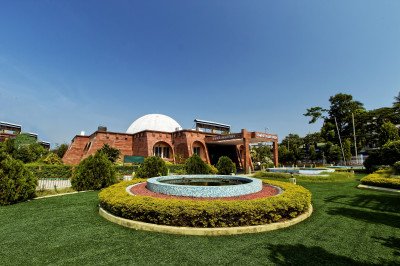
    The Distinctive Dome Exterior: The most iconic photo spot is the unique, futuristic, dome-shaped architecture of the planetarium building itself. The sloping walls and the dome create a dramatic visual backdrop, especially when photographed from the front entrance or from a...
    The Distinctive Dome Exterior: The most iconic photo spot is the unique, futuristic, dome-shaped architecture of the planetarium building itself. The sloping walls and the dome create a dramatic visual backdrop, especially when photographed from the front entrance or from a slight distance to capture its full form against the sky. This is often best photographed during the day under clear skies.

    The Entrance Signage and Name Board: A standard yet popular photo spot is near the main entrance sign or the building's name board. This serves as a perfect commemorative photo to show proof of visit.

    The Surrounding Greenery (Latasil Area): The planetarium is located in the well-known Uzan Bazar area near the Latasil Field. Photos taken with the architecture framed by the surrounding trees or the vibrant local streetscape can offer a nice blend of science and urban life.

    View of the Brahmaputra River from Nearby: While not on the planetarium premises, the nearby M G Road and Uzan Bazar area are close to the bank of the Brahmaputra River. A panoramic shot capturing the river's expanse around the time of sunset, perhaps before or after the show, makes for a stunning landscape photo.

Photo Gallery

...
Darjeeling
Queen of Hills • Tea Gardens

Things To Do

  • ...
    Immersive Dome Shows (The Star Attraction): The primary activity is watching the full-dome shows. These are high-definition, immersive presentations that explore various topics in astronomy, such as the solar system, galaxies, black holes, and cosmic events like the Cosmic Collision. The shows are offered in Assamese, English, and Hindi. It is crucial to check the schedule for the language and topic of the show you wish to attend. Timing is key; arriving early to secure tickets is essential due to the limited seating capacity (141 seats).

    Night Sky Observation Sessions: Participate in the occasional telescopic viewing sessions, particularly those organized after sunset or during special astronomical events like meteor showers or eclipses. These sessions provide an authentic stargazing experience with expert commentary, offe...
    Immersive Dome Shows (The Star Attraction): The primary activity is watching the full-dome shows. These are high-definition, immersive presentations that explore various topics in astronomy, such as the solar system, galaxies, black holes, and cosmic events like the Cosmic Collision. The shows are offered in Assamese, English, and Hindi. It is crucial to check the schedule for the language and topic of the show you wish to attend. Timing is key; arriving early to secure tickets is essential due to the limited seating capacity (141 seats).

    Night Sky Observation Sessions: Participate in the occasional telescopic viewing sessions, particularly those organized after sunset or during special astronomical events like meteor showers or eclipses. These sessions provide an authentic stargazing experience with expert commentary, offering a much deeper connection to the cosmos than the indoor show.

    Exploring the Exhibition Area and Gallery: Take time to explore the exhibition area, which often features models, panels, and information related to space exploration, scientific discoveries, and the history of astronomy. Though currently modest, the planned Astronomical Gallery will significantly enhance this experience with interactive displays.

    Attending Workshops and Seminars: If your visit coincides with a special event, consider attending a science seminar, astronomy workshop, or quiz organized by the planetarium. These are excellent opportunities for in-depth learning and interaction with the local science community.

    Educational Field Trip for Students: For school groups, the planetarium offers a structured, educational field trip. The shows are specifically designed to align with scientific concepts, making it an ideal destination for experiential learning for students of all levels.

    Visiting the Astronomical Library: If you are a researcher or a keen student of astronomy, spend some time in the dedicated astronomical library to browse through the specialized collection of books and journals on space science.

    Photography of the Unique Architecture: Although photography is typically restricted inside the show dome, the unique, futuristic architecture of the building's exterior, especially the dome and its sloping walls, makes for an interesting photo opportunity from the outside.

    Relaxing at the Premises: Enjoy a brief period of relaxation in the surrounding area of the planetarium, which is centrally located and offers a pleasant break from the city's hustle and bustle. The nearby Dighalipukhuri Lake also provides a scenic spot for a short walk after your visit.

    Combining with Nearby Attractions: Plan your visit to the planetarium in conjunction with other nearby places of interest, such as the Assam State Museum or the Umananda Temple, as the planetarium visit usually takes only a few hours.

Resturants

Show All

Information

  • ...

    Why Famous:

    Pioneering Astronomical Center in Northeast India: The Guwahati Planetarium holds the distinction of being the first and only astronomical research and science center of its kind in the entire Northeast region of India. This makes it a significant hub for promoting scientif...
    Pioneering Astronomical Center in Northeast India: The Guwahati Planetarium holds the distinction of being the first and only astronomical research and science center of its kind in the entire Northeast region of India. This makes it a significant hub for promoting scientific literacy and astronomy in the area.

    Use of Advanced Projection Technology: It is famous for using state-of-the-art projection technology, including high-definition digital projectors and sophisticated sound systems. The Japanese Goto GX instrument, a renowned star field projector, has been a key feature, enabling it to deliver extremely realistic and high-quality representations of the night sky, celestial objects, and cosmic events, comparable to the finest planetariums in India.

    Diverse Educational Outreach Programs: Beyond the regular shows, the planetarium is well-known for its active role in organizing educational outreach. It regularly hosts seminars, workshops, and conferences for professional astronomers and researchers, as well as engaging exhibitions, science quizzes, and sky-watching sessions for students and the public, especially during celestial events like eclipses.
  • ...

    Architecture:

    Unique Dome and Sloping Walls: The most striking feature of the Guwahati Planetarium's architecture is its distinctive dome-shaped overhead screen and the accompanying sloping walls of the building. This architectural design is not just aesthetic but is specifically functio...
    Unique Dome and Sloping Walls: The most striking feature of the Guwahati Planetarium's architecture is its distinctive dome-shaped overhead screen and the accompanying sloping walls of the building. This architectural design is not just aesthetic but is specifically functional, as the interior dome serves as the canvas for the sky shows. The unique structure helps in maximizing the immersive effect of the cosmic projections, making the viewing experience incredibly realistic. The planetarium utilizes an advanced hybrid planetarium projection system, making it one of the select few in India to possess such cutting-edge technology. The entire complex is designed to be a modern educational facility.

    Dimension and Seating Capacity: The central dome theater, where the sky shows are held, has a specific seating capacity, typically around 141 persons per show. While the exact dimensions of the dome (e. g. , diameter and height) are generally technical and not widely published for tourists, the size is designed to optimally utilize the powerful projection equipment, such as the Japanese Goto GX instrument or other hybrid systems, which include a star field projector, digital HD video projectors, and a sophisticated Dolby sky theater sound system. The architecture successfully isolates the viewing area from the outside world, creating a perfect dark environment for the stellar projections, thus simulating a true night sky experience. The building also incorporates space for an astronomical gallery and a library.
  • ...

    How To Reach:

    From Place Name: Guwahati...
    From Place Name: Guwahati
  • ...

    Weather and Best Time to Visit:

    By Season:

    The Best Months for a Visit:

    Winter (October to March): This is arguably the best time to visit. The weather is cool and pleasant, with clear skies, which is ideal not only for comfortable daytime ...
    By Season:

    The Best Months for a Visit:

    Winter (October to March): This is arguably the best time to visit. The weather is cool and pleasant, with clear skies, which is ideal not only for comfortable daytime visits but also for any potential outdoor sky-watching sessions organized by the planetarium. The months of November, December, January, and February are particularly comfortable.

    Summer (April to June): The weather can be hot and humid, especially during the daytime. However, since the planetarium is an indoor, air-conditioned attraction, it offers a great escape from the heat. Crowds might be higher during school summer vacations (May and June).

    Monsoon (July to September): Guwahati experiences heavy rainfall during this period. While the rain does not affect the indoor shows, it can make commuting inconvenient. Sky-watching sessions are likely to be cancelled due to cloud cover. The shoulder season of October and March offers a good balance.

    By Time of Day:

    Ideal Visit Time:

    Early to Mid-day: The ideal time to visit is for the first show of the day (11:00 AM) or the subsequent one (12:00 PM). Arriving early ensures you get tickets easily and allows you to combine the visit with other nearby attractions afterward.

    Late Afternoon: The last show (4:00 PM) can also be a good option, as it might be less crowded and you can enjoy a pleasant evening stroll near the Brahmaputra river after the visit.

    Note: Since the planetarium is closed on Sundays and the 1st and 15th of every month, plan your visit accordingly.
  • ...

    Near Tourist Places:

    Assam State Museum: 0. 7 - 0. 8 KM

    Umananda Temple (Peacock Island): 0. 8 - 0. 9 KM (Requires ferry ride from Kachari Ghat)

    Dighalipukhuri Lake: 1 KM (Approx. )

    Navagraha Temple: 1. 3 KM

    Fancy Bazar: 1. 6 KM

    ISKCON Guwahati: 2. 4 KM Guwahati Zoo (Assam State Zoo cum Botanical Garden): 4. 2 - 5. 7 KM

    Kamakhya Temple: 5. 4 - 6. 8 KM

    Regional Science Centre: Approximately 7 KM (In Khanapara area)

    Bhubaneswari Temple (Nilachal Hill): 7. 9 KM

Tourism Tips

  • ...
    Health & Safety:

    Staying Safe and Informed:

    Check Closure Dates: Always confirm the timings and, crucially, the closure dates (1st and 15th of every month, and Sundays) before planning your visit to avoid disa...
    Health & Safety:

    Staying Safe and Informed:

    Check Closure Dates: Always confirm the timings and, crucially, the closure dates (1st and 15th of every month, and Sundays) before planning your visit to avoid disappointment.

    Ticket Information: Arrive at least 30 minutes before your desired show time to purchase tickets, as seating (141 seats) is limited and tickets for popular shows (especially English and Hindi) sell out fast.

    No Photography: Photography and videography are usually strictly prohibited inside the main dome theater to maintain darkness and prevent damage to the projection screen. Respect this rule.

    Packing:

    What to Carry:

    Carry ID Proof: Always carry a valid photo ID. Students should carry their school/college ID cards to avail of any applicable concession rates.

    Light Clothing (Summer/Monsoon): Wear light, breathable clothing during the hot and humid summer and monsoon months.

    Layered Clothing (Winter): Carry a light jacket or shawl during the winter months, as the indoor area can be cool and the evening weather is crisp.

    Water Bottle: Carry a reusable water bottle.

    Accommodation:

    Where to Stay:

    Central Guwahati Hotels: Staying in central areas like Paltan Bazar, Pan Bazar, or near the Guwahati Railway Station is recommended. These areas are well-connected and have a wide range of hotels, from budget lodges to premium establishments like Radisson Blu.

    Uzan Bazar Proximity: Opting for a guesthouse or hotel in the relatively calmer Uzan Bazar area will place you within walking distance of the planetarium.

    Other Different Topics:

    Enhancing the Experience:

    Show Language: Decide which language show (Assamese, English, or Hindi) you prefer and purchase the ticket accordingly. The content is essentially the same, but the narrative language changes.

    Combine with Local Food: The Uzan Bazar and Latasil areas are great for sampling local Assamese cuisine. Look for small, authentic eateries for a traditional meal (e. g. , khaar, masor tenga).

    Nearby Riverfront: Take a short walk to the Brahmaputra riverfront nearby (Kachari Ghat area) for a serene view, especially during sunset.

Reviews

FAQs

Guwahati Itineray And Cost:-

Information about New and Updated Locations() of Assam Has Been Added :-
Card subtitle

Note:-

Information provided here in good Faith and for reference only.

All information and pictures will be updated soon, please keep visiting.

Near Places
...
Accoland

Some quick example text to build on the card title and make up the bulk of the card's content.

Go somewhere
...
Assam State Museum

Some quick example text to build on the card title and make up the bulk of the card's content.

Go somewhere

...
Assam State Zoo cum Botanical Garden

Some quick example text to build on the card title and make up the bulk of the card's content.

Go somewhere
...
Basistha Temple & Ashram

Some quick example text to build on the card title and make up the bulk of the card's content.

Go somewhere
...
Basistha Temple

Some quick example text to build on the card title and make up the bulk of the card's content.

Go somewhere
...
Bhubaneswari Temple

Some quick example text to build on the card title and make up the bulk of the card's content.

Go somewhere
...
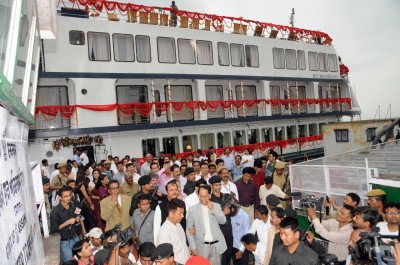
Brahmaputra River Cruise

Some quick example text to build on the card title and make up the bulk of the card's content.

Go somewhere

...
Chandubi Lake

Some quick example text to build on the card title and make up the bulk of the card's content.

Go somewhere
...
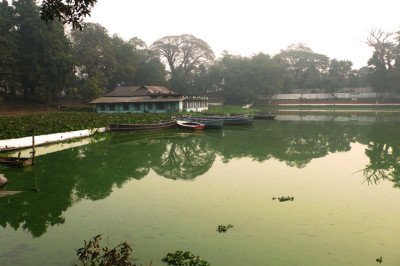
Dighali Pukhuri

Some quick example text to build on the card title and make up the bulk of the card's content.

Go somewhere

...
Dipor Bil

Some quick example text to build on the card title and make up the bulk of the card's content.

Go somewhere
in Other Cities