...

FAQs On Tridhara Milan Mandir

Bankura, West Bengal, India
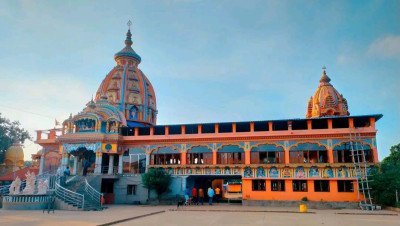
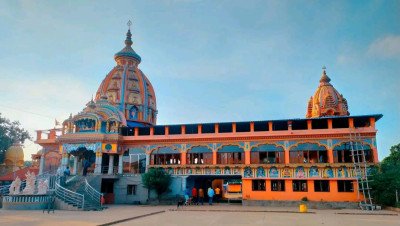
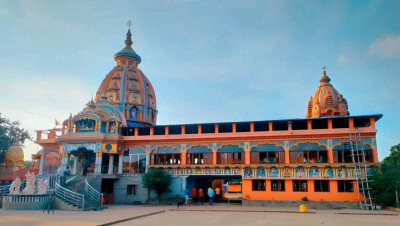
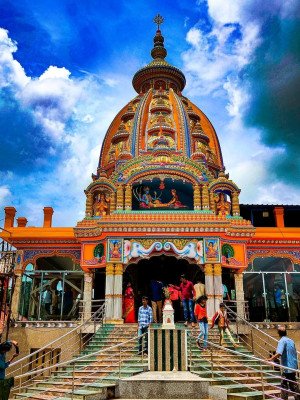
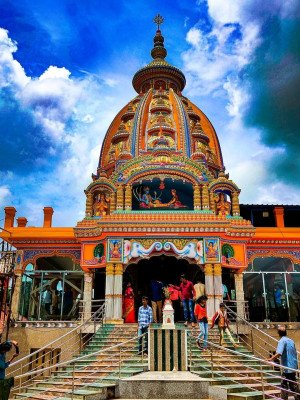
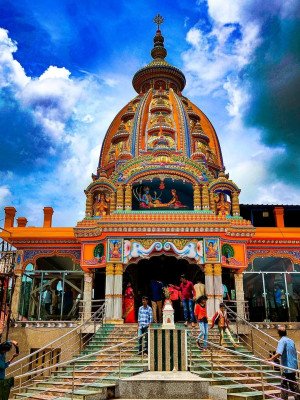
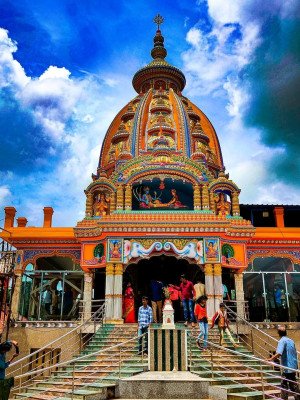
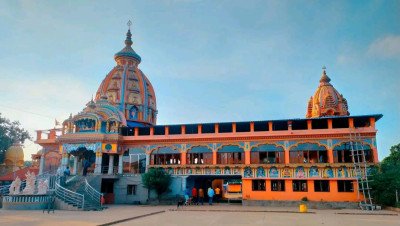
The name Tridhara Milan Mandir translates to the "Temple of the Confluence of Three Streams," suggesting a unique, modern spiritual center dedicated to the harmony of three different deities, three paths of devotion (e.g., Bhakti, Karma, Gyan), or perhaps three key figures in modern Bengali spiritua l history. While it is a lesser-known destination than the historical temples, it is significant as an example of contemporary, syncretic religious practice in the district. It is generally a large, modern complex featuring brightly colored statues and well-maintained grounds, providing a peaceful and aesthetically pleasing environment for all visitors, regardless of their specific faith. The "Three Streams" concept is often interpreted by locals as the confluence of Shaivism, Vaishnavism, and Shaktism, or the three spiritual leaders Ramakrishna, Sarada Devi, and Vivekananda. The architecture is typically modern, using marble and polished stone, contrasting sharply with the ancient laterite and terracotta temples of the region. It functions as a community center for worship, yoga, and cultural gatherings.

Ans:- Tridhara Milan Mandir is a place of significant cultural and community importance in Bankura, serving as a hub for spiritual gatherings, social interactions, and cultural events. It is a space where people come together to practice traditions, share community values, and celebrate local festivals. The mandir plays a vital role in maintaining the social fabric of the area, providing a venue for programs that promote music, art, and local customs. Its atmosphere is one of peace and unity, making it a focal point for the community's collective life and a reflection of the deep-rooted cultural heritage of the region.

Ans:- Visitors are often welcome to observe or participate in the activities at Tridhara Milan Mandir, provided they do so with respect and humility. Whether it is a spiritual session, a community gathering, or a cultural performance, the atmosphere is generally inclusive. If you are interested in participating, it is best to ask the local caretakers or community members about the appropriate way to join in. Participating in these local events can provide a unique and authentic experience of the community's way of life, offering a deeper understanding of the religious and cultural traditions that define the spirit of this place.

Ans:- Tridhara Milan Mandir features traditional architectural elements that are characteristic of the region, reflecting both spiritual design and practical functionality for community gatherings. The structure is built with simple but sturdy materials, often incorporating local design motifs that harmonize with the surrounding landscape. The layout is usually designed to foster a sense of openness and accessibility, facilitating easy movement during gatherings. While it may not be a large, ornate monument, its simplicity and the way it integrates with the local environment make it a charming example of community-focused architecture that serves its purpose as a peaceful spiritual and social center.

Ans:- The best way to approach Tridhara Milan Mandir is with an open heart and a respectful attitude. As a place of worship and community, it is essential to dress modestly, follow local customs, and maintain a quiet, calm demeanor. Before entering, look for any specific guidelines posted by the organizers or follow the lead of other visitors. If you are unsure about protocols, observing from a distance for a few moments or politely asking a member of the local community is a good practice. This respectful approach ensures that you have a pleasant visit while honoring the sanctity and traditions of the space.

Ans:- Tridhara Milan Mandir becomes especially vibrant during major Hindu festivals, as well as during local cultural celebrations that are specific to the Bankura region. During these times, the mandir is decorated with flowers, lights, and traditional patterns, and the air is filled with the sound of music, prayers, and community joy. Celebrating festivals here offers a firsthand look at how the local community expresses its faith and values. It is a wonderful opportunity to witness the communal spirit of the area, where people of all ages come together to celebrate, share food, and strengthen their social bonds in a joyful and spiritually uplifting environment.

Ans:- Photography policies can vary at spiritual sites like Tridhara Milan Mandir, and it is crucial to always ask for permission before taking any photos, especially during prayer times or intimate community gatherings. Many places allow photography of the architecture and surroundings if it is done in a way that is respectful and does not disturb the worshipers or the participants. If photography is allowed, ensure your flash is off and try to be as unobtrusive as possible. When in doubt, it is always better to refrain from taking photos and simply soak in the experience with your own eyes and memory.

Ans:- Finding out about the schedule of events at Tridhara Milan Mandir is best done through local inquiries. You can ask residents, hotel staff, or tourism information centers in Bankura about any upcoming programs or special days at the mandir. Since many of these events are managed by the local community rather than large, centralized organizations, there may not be an official website with a calendar. Being present in the town and engaging with the community is often the most effective way to learn about what is happening, allowing you to plan your visit around any interesting local festivals or cultural gatherings.

Ans:- If you wish to contribute to the community center, the most common way is to offer a small donation if there is a designated donation box or a formal office. Alternatively, you could offer to volunteer your time, help with maintenance, or contribute in-kind items if there is a known need, such as books, supplies for events, or materials for community programs. Always speak with the organizers to understand how your contribution can be best utilized. Regardless of the size of the donation, it is the spirit of your gesture that is appreciated, helping to sustain the vital community work performed at the center.

Ans:- Tridhara Milan Mandir, like most community spiritual centers in India, is generally open to people from all walks of life and faiths. The core philosophy of such places is often one of inclusivity, welcoming anyone who comes with respect and an open mind. Visitors are expected to follow basic decorum, such as removing shoes before entering and maintaining a respectful, quiet demeanor. By showing sincere respect for the traditions and the space, you will find that these places are welcoming and provide a peaceful environment where anyone can pause, reflect, and appreciate the spiritual and community dimensions of local life.

Ans:- The history of Tridhara Milan Mandir is tied to the efforts of local community members who wanted to create a dedicated space for spiritual and social activities in the area. Often founded through community donations and collective hard work, such centers hold a special place in the hearts of the residents. While there might not be a single famous historical battle or royal decree associated with its founding, its history is deeply woven into the lives of the people it serves. It represents the ongoing commitment of the community to maintain a space for shared values, celebration, and spiritual growth, evolving over time to meet the needs of each new generation.

Ans:- While there isn't a strict or formal dress code, visitors are expected to dress modestly and respectfully when visiting Tridhara Milan Mandir. It is a place of worship and community gathering, so avoid clothing that is overly casual, revealing, or flashy. Wearing comfortable but modest clothes, such as those that cover your shoulders and knees, is always a safe and respectful choice. This simple gesture of thoughtfulness shows that you respect the local customs and the sanctity of the place, ensuring that you feel comfortable and are well-received by the community members who use the mandir for their daily or spiritual activities.

Ans:- There aren't formal, professional "tours" of the mandir in the way you might find at a major museum or historical site, but local people or the caretakers are often more than happy to show you around and explain the significance of the place if you ask politely. Taking the time to chat with the people you meet there can be even better than a formal tour, as they can share personal stories and insights that you wouldn't find in a guidebook. Be mindful of their time and avoid approaching them when they are busy with prayers or community work. A respectful, conversational approach is always the best way to learn.

Ans:- The peaceful environment of Tridhara Milan Mandir is a result of the collective intent of the community to maintain it as a sanctuary from the outside world. The simplicity of the surroundings, the quiet prayers, and the focus on community and spiritual unity create an atmosphere that naturally encourages reflection and calm. Away from the noise of the town, the mandir provides a space where you can sit quietly, clear your mind, and experience a different pace of life. It is the sincerity of the people and the continuity of the traditions practiced there that make it such a deeply serene and grounding place to visit.

Ans:- To make your visit to Tridhara Milan Mandir more meaningful, try to move beyond just looking at the structure. Spend time observing the quiet rituals, listen to the sounds of the environment, and perhaps sit for a few minutes in silent contemplation. If you have the chance, engage in a conversation with someone who is there—not as a tourist, but as a fellow human interested in their community. Being present, humble, and open to the experience, rather than rushing through, will allow you to connect with the deeper purpose of the place, making your visit a memorable and personally enriching part of your journey in Bankura.

Ans:- While there may not be specific "quiet hours" officially posted, it is common sense to treat the entire time at the mandir as a time for quiet reflection. Early mornings and late afternoons are often the most peaceful times when you might find fewer people, allowing for more solitary meditation. If you visit during the day when there are activities or prayers, be especially mindful of maintaining silence and not disturbing anyone. Using your judgment and observing the environment will guide you on how to be respectful of the space's serenity, ensuring your presence does not disrupt the spiritual or community focus of the location.
Information about New and Updated Locations() of West Bengal Has Been Added :-
Card subtitle

Note:-

Information provided here in good Faith and for reference only.

Near Places
...
Acharya Jogesh Chandra Museum

Some quick example text to build on the card title and make up the bulk of the card's content.

Go somewhere
...
Bahulara Ancient Temple

Some quick example text to build on the card title and make up the bulk of the card's content.

Go somewhere

...
Bankura Jheel and Subhashgram Park

Some quick example text to build on the card title and make up the bulk of the card's content.

Go somewhere

...
Bardi Pahar

Some quick example text to build on the card title and make up the bulk of the card's content.

Go somewhere
...
Biharinath Hill

Some quick example text to build on the card title and make up the bulk of the card's content.

Go somewhere
...
Bishnupur Terracotta Temples

Some quick example text to build on the card title and make up the bulk of the card's content.

Go somewhere
...
Dharmaraj Temple Cluster

Some quick example text to build on the card title and make up the bulk of the card's content.

Go somewhere
...
Dihar Twin Temples

Some quick example text to build on the card title and make up the bulk of the card's content.

Go somewhere
...
Ekteswar Shiva Temple

Some quick example text to build on the card title and make up the bulk of the card's content.

Go somewhere

...
Ekteswar Temple

Some quick example text to build on the card title and make up the bulk of the card's content.

Go somewhere

...
Gangdua Terracotta Temple

Some quick example text to build on the card title and make up the bulk of the card's content.

Go somewhere
...
Jhilimili Forest

Some quick example text to build on the card title and make up the bulk of the card's content.

Go somewhere

...
Joypur Jungle

Some quick example text to build on the card title and make up the bulk of the card's content.

Go somewhere

...
Joyrambati

Some quick example text to build on the card title and make up the bulk of the card's content.

Go somewhere
...
Kangsabati Dam

Some quick example text to build on the card title and make up the bulk of the card's content.

Go somewhere
...
Kangsabati Riverfront and Mela Ground

Some quick example text to build on the card title and make up the bulk of the card's content.

Go somewhere
in Other Cities