

Godda
General information
-
Ideal Duration:
Duration: 1 to 2 DaysPlace Type:
Category: Heritage & NatureEntry Fees:
Public Sites: Most parks and dams in Godda do not have any formal entry fees. Visitors can enjoy the natural beauty without any cost.
Mining Passes: Accessing the restricted areas of Lalmatia mines requires a gate pass. These are usually ...Public Sites: Most parks and dams in Godda do not have any formal entry fees. Visitors can enjoy the natural beauty without any cost.
Mining Passes: Accessing the restricted areas of Lalmatia mines requires a gate pass. These are usually issued for official or educational purposes.
:Timing:
Regular Timings: Temples are generally open from 5:00 AM to 8:00 PM for all devotees. Morning and evening aartis are the best times to visit for peace.
Best Time: Visit the Sundar Dam during the afternoon to enjoy the cool breeze. Avoid v...Regular Timings: Temples are generally open from 5:00 AM to 8:00 PM for all devotees. Morning and evening aartis are the best times to visit for peace.
Best Time: Visit the Sundar Dam during the afternoon to enjoy the cool breeze. Avoid visiting the mines during the late evening for safety.
:Special Events:
Bisua Festival: A significant tribal event celebrated with music and traditional archery competitions. It brings the entire community together in a festive spirit.
Shivratri: Grand celebrations are held at the local Shiva temples with nigh...Bisua Festival: A significant tribal event celebrated with music and traditional archery competitions. It brings the entire community together in a festive spirit.
Shivratri: Grand celebrations are held at the local Shiva temples with night-long prayers. The town is decorated with lights and flowers during this time.
:Best Photo Spots:
Photo Spots:
Yogini Hilltop: Get a bird's-eye view of the green fields and villages from the temple peak. The long flight of stairs also makes for an interesting perspective.
Sundar Dam Gates: The gushing wa...Photo Spots:
Yogini Hilltop: Get a bird's-eye view of the green fields and villages from the temple peak. The long flight of stairs also makes for an interesting perspective.
Sundar Dam Gates: The gushing water during the monsoon creates a powerful and photogenic scene. It is a favorite spot for young local photographers.
Lalmatia Mines: The dramatic landscape of the open-cast mines looks like an alien planet on camera. It offers a unique industrial photography opportunity.
:Photo Gallery
Things To Do
 Manika Jore is a pristine, seasonal waterfall that remains one of Godda's best-kept secrets. Tucked away in the rugged terrain of the Rajmahal Hills extension, the waterfall is formed by a hill stream that plunges over a rocky precipice. The name 'Jore' locally refers to a stream or rivulet. During the peak of the monsoon, the waterfall transforms into a roaring silver curtain, surrounded by dense green foliage and black basalt rocks. The approach to the waterfall involves a short trek through tribal lands, offering a raw experience of the Jharkhand wilderness. Unlike commercialized tourist spots, Manika Jore offers solitude and an uninterrupted connection with nature. The water collects into a clear pool at the bottom, which is popular among local youngsters for a refreshing dip. The surrounding area is inhabited by the Paharia tribe, and visitors can often see them foraging for forest produce. The geological formations around the fall are fascinating, showing layers of volcanic rock that characterize this region. It is an ideal spot for those who find beauty in the unrefined and the wild. The sound of the falling water combined with the chirping of forest birds makes it a perfect acoustic escape from urban noise.
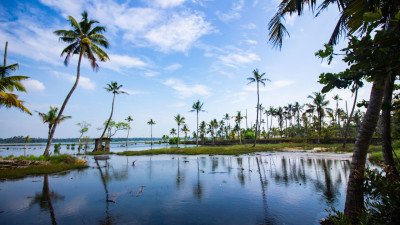 Gandhipur Lake is a relatively larger water reservoir located on the outskirts of the main Godda township. Known for its clear blue waters and the surrounding greenery, it has become a favorite spot for those seeking a more quiet and natural experience compared to the central town ponds. The lake is often used for small-scale pisciculture (fish farming), which keeps the water lively with activity. The banks of the lake are mostly natural, with grass and wild shrubs providing a habitat for local bird species like the Little Grebe and Bronze-winged Jacana. During the Monsoon, the lake swells up and the surrounding fields turn a vivid emerald green, making it a paradise for nature photographers. Legend has it that the lake was named during the post-independence era as part of a local development initiative. Unlike the more religious ponds, Gandhipur Lake is prized for its recreational value. It is a common site for students from nearby colleges to hang out and for families to have weekend outings. The air here is noticeably cooler and fresher than in the crowded markets. The reflection of the vast Jharkhand sky in the still waters of the lake creates a sense of infinite space. Efforts are being made by the local forest and environment departments to plant more trees along the perimeter to create a permanent green belt.
@@ Overview of the Hill : Barakoppa Hill is a prominent natural landmark in the Godda district, known for its lush green slopes and spiritual significance. The hill offers a panoramic view of the surrounding Santhal Pargana region and serves as a major trekking destination for local enthusiasts. It is part of the Rajmahal Hills range, which is geologically one of the oldest in India. The area is inhabited by tribal communities whose culture is deeply intertwined with the landscape. Visitors often climb the hill to enjoy the cool breeze and the scenic beauty of the forests below. The biodiversity here is rich, featuring various species of indigenous trees and birds that make it a paradise for nature lovers. Historically, the hill has been a site for local tribal gatherings and traditional rituals. The trekking path is moderately challenging, winding through rocky terrains and dense thickets. During the monsoon, the hill transforms into a vibrant emerald peak with small seasonal streams flowing down its sides. It is a perfect getaway for those looking to escape the hustle of city life. The silence of the hill is only broken by the chirping of birds and the rustling of leaves. Travelers often spend the entire day exploring the various viewpoints and hidden trails. The sunrise from the peak is particularly famous among photographers. In recent years, the local government has taken steps to promote eco-tourism in this area. Despite its beauty, it remains a relatively unexplored destination, offering a raw and authentic experience. The local legends suggest that the hill has protective powers over the nearby villages. It is a symbol of the natural heritage of Jharkhand.
@@Overview: Saraiyahat Park, often associated with the growing recreational infrastructure in the Saraiyahat block, serves as a vital green lung for the local community and visitors alike. While Godda is known for its coal mines and ancient temples, this park represents the modern face of the district's development. It is a well-maintained space featuring manicured lawns, seasonal flower beds, and shaded walking paths. The park is designed to offer a peaceful environment for families to spend their weekends and for fitness enthusiasts to carry out their morning routines. It often features play areas for children with swings and slides, making it a popular spot for local school outings. The park also serves as a venue for small local events and community gatherings. In a region that can get quite dusty due to mining and industrial activity, the presence of such a green space is highly valued. The park is often filled with the laughter of children and the quiet chatter of elderly citizens during the evening hours. It provides a stark contrast to the rugged landscape surrounding it, offering a touch of serenity and natural beauty. For a traveler, it's a great place to take a break during a long road trip through the district. The park is also a testament to the local administration's efforts to provide better quality of life and recreational facilities to the rural and semi-urban population. Whether you want to read a book under a tree or watch a beautiful sunset, Saraiyahat Park offers a simple yet fulfilling experience. Its proximity to the Saraiyahat market means that visitors can easily grab a snack or do some local shopping before or after their visit.
Parali Hill is a prominent geological and religious landmark that rises sharply from the surrounding flatlands of Godda. It is widely regarded as a sacred site, closely associated with the Yogini Shakti Peeth located nearby. The hill is composed of massive boulders and dense shrubbery, providing a challenging yet rewarding climb for visitors. A flight of stone steps leads to the summit, where several small shrines dedicated to local deities and Lord Shiva are located. The trek up the hill offers a physical challenge that is popular among the local youth and pilgrims. From the top, one can see a 360-degree view of the Godda landscape, including the vast emerald fields and distant tribal villages. The hill has significant mythological value; it is said that sages used to meditate in the hidden caves among the rocks. The atmosphere at the peak is incredibly peaceful, with the wind howling through the rock crevices. It is also a site of geological interest, showing signs of ancient volcanic activity typical of the Rajmahal range. For the people of Godda, Parali Hill is a symbol of resilience and spiritual height, often visited during the transition of seasons to seek blessings for the harvest.
Gandhipur Lake is a relatively larger water reservoir located on the outskirts of the main Godda township. Known for its clear blue waters and the surrounding greenery, it has become a favorite spot for those seeking a more quiet and natural experience compared to the central town ponds. The lake is often used for small-scale pisciculture (fish farming), which keeps the water lively with activity. The banks of the lake are mostly natural, with grass and wild shrubs providing a habitat for local bird species like the Little Grebe and Bronze-winged Jacana. During the Monsoon, the lake swells up and the surrounding fields turn a vivid emerald green, making it a paradise for nature photographers. Legend has it that the lake was named during the post-independence era as part of a local development initiative. Unlike the more religious ponds, Gandhipur Lake is prized for its recreational value. It is a common site for students from nearby colleges to hang out and for families to have weekend outings. The air here is noticeably cooler and fresher than in the crowded markets. The reflection of the vast Jharkhand sky in the still waters of the lake creates a sense of infinite space. Efforts are being made by the local forest and environment departments to plant more trees along the perimeter to create a permanent green belt.
@@ Overview of the Hill : Barakoppa Hill is a prominent natural landmark in the Godda district, known for its lush green slopes and spiritual significance. The hill offers a panoramic view of the surrounding Santhal Pargana region and serves as a major trekking destination for local enthusiasts. It is part of the Rajmahal Hills range, which is geologically one of the oldest in India. The area is inhabited by tribal communities whose culture is deeply intertwined with the landscape. Visitors often climb the hill to enjoy the cool breeze and the scenic beauty of the forests below. The biodiversity here is rich, featuring various species of indigenous trees and birds that make it a paradise for nature lovers. Historically, the hill has been a site for local tribal gatherings and traditional rituals. The trekking path is moderately challenging, winding through rocky terrains and dense thickets. During the monsoon, the hill transforms into a vibrant emerald peak with small seasonal streams flowing down its sides. It is a perfect getaway for those looking to escape the hustle of city life. The silence of the hill is only broken by the chirping of birds and the rustling of leaves. Travelers often spend the entire day exploring the various viewpoints and hidden trails. The sunrise from the peak is particularly famous among photographers. In recent years, the local government has taken steps to promote eco-tourism in this area. Despite its beauty, it remains a relatively unexplored destination, offering a raw and authentic experience. The local legends suggest that the hill has protective powers over the nearby villages. It is a symbol of the natural heritage of Jharkhand.
@@Overview: Saraiyahat Park, often associated with the growing recreational infrastructure in the Saraiyahat block, serves as a vital green lung for the local community and visitors alike. While Godda is known for its coal mines and ancient temples, this park represents the modern face of the district's development. It is a well-maintained space featuring manicured lawns, seasonal flower beds, and shaded walking paths. The park is designed to offer a peaceful environment for families to spend their weekends and for fitness enthusiasts to carry out their morning routines. It often features play areas for children with swings and slides, making it a popular spot for local school outings. The park also serves as a venue for small local events and community gatherings. In a region that can get quite dusty due to mining and industrial activity, the presence of such a green space is highly valued. The park is often filled with the laughter of children and the quiet chatter of elderly citizens during the evening hours. It provides a stark contrast to the rugged landscape surrounding it, offering a touch of serenity and natural beauty. For a traveler, it's a great place to take a break during a long road trip through the district. The park is also a testament to the local administration's efforts to provide better quality of life and recreational facilities to the rural and semi-urban population. Whether you want to read a book under a tree or watch a beautiful sunset, Saraiyahat Park offers a simple yet fulfilling experience. Its proximity to the Saraiyahat market means that visitors can easily grab a snack or do some local shopping before or after their visit.
Parali Hill is a prominent geological and religious landmark that rises sharply from the surrounding flatlands of Godda. It is widely regarded as a sacred site, closely associated with the Yogini Shakti Peeth located nearby. The hill is composed of massive boulders and dense shrubbery, providing a challenging yet rewarding climb for visitors. A flight of stone steps leads to the summit, where several small shrines dedicated to local deities and Lord Shiva are located. The trek up the hill offers a physical challenge that is popular among the local youth and pilgrims. From the top, one can see a 360-degree view of the Godda landscape, including the vast emerald fields and distant tribal villages. The hill has significant mythological value; it is said that sages used to meditate in the hidden caves among the rocks. The atmosphere at the peak is incredibly peaceful, with the wind howling through the rock crevices. It is also a site of geological interest, showing signs of ancient volcanic activity typical of the Rajmahal range. For the people of Godda, Parali Hill is a symbol of resilience and spiritual height, often visited during the transition of seasons to seek blessings for the harvest.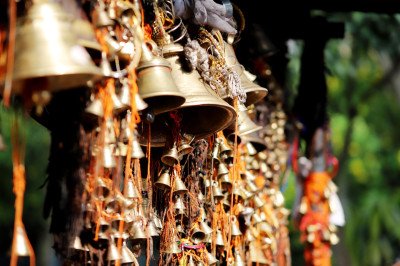 Jhilimili Temple, also known locally as the Jhilimili Kali Mandir, is a spiritual landmark located on the outskirts of Godda town. This temple is dedicated to Goddess Kali and is famous for its serene environment and the "sparkling" aura that gives the place its name. The term "Jhilimili" refers to the shimmering effect of sunlight on the local soil, which contains mica, creating a beautiful visual experience during the day. The temple serves as a central hub for the local Hindu community, attracting thousands of devotees during festivals like Diwali and Kali Puja. Unlike the busy temples in larger cities, this shrine offers a peaceful atmosphere where visitors can sit and meditate for hours. The temple complex is surrounded by large, ancient trees that provide ample shade and a sense of antiquity. Legend says that the deity here is very powerful and fulfills the wishes of those who pray with a pure heart. The temple has undergone several renovations, but it still maintains a traditional architectural style that reflects the cultural heritage of the Santhal Pargana. Many pilgrims visiting the Yogini Shakti Peeth also make it a point to stop at the Jhilimili Temple to seek blessings. The temple is especially beautiful in the evening when the lamps are lit, and the sound of bells fills the air. It is not just a religious site but also a place of social gathering where local traditions are kept alive through bhajans and community feasts. The priests at the temple are known for their simplicity and helpful nature, guiding visitors through the rituals. The area around the temple is also known for its natural beauty, with small ponds and green fields adding to the charm. For anyone looking to experience the spiritual side of Godda while enjoying a bit of quietude, this temple is an essential stop.
@@ Overview of Bhagaiya : Bhagaiya is a unique village in the Godda district, globally recognized for its exquisite Tussar Silk weaving industry. The Bhagaiya River Ghat serves as a scenic backdrop to this bustling hub of craftsmanship and heritage. In this village, thousands of artisans, both men and women, are involved in the end-to-end process of silk production, from cocoon to fabric. The river ghat is a place of daily activity where the silk yarns are often washed and treated. It is a site of immense economic and cultural importance for the Santhal Pargana region. The silk produced here is exported to various parts of India and even abroad, known for its durability and natural texture. Walking through the village near the ghat, one can hear the rhythmic sound of handlooms from almost every house. The area is a living museum of traditional Indian textile arts. The river itself plays a crucial role in the life of the weavers, providing water for dyeing and processing. The landscapes around the ghat are picturesque, with the river flowing gently through the plains. The local artisans have integrated modern designs with traditional motifs, creating a unique aesthetic. Bhagaiya is often referred to as the "Silk City" of Godda. The ghat area is particularly lively during the early mornings and evenings. It is a must-visit for anyone interested in indigenous crafts and rural industries. The hospitality of the weavers is legendary, often welcoming tourists to see their looms.Show All
Jhilimili Temple, also known locally as the Jhilimili Kali Mandir, is a spiritual landmark located on the outskirts of Godda town. This temple is dedicated to Goddess Kali and is famous for its serene environment and the "sparkling" aura that gives the place its name. The term "Jhilimili" refers to the shimmering effect of sunlight on the local soil, which contains mica, creating a beautiful visual experience during the day. The temple serves as a central hub for the local Hindu community, attracting thousands of devotees during festivals like Diwali and Kali Puja. Unlike the busy temples in larger cities, this shrine offers a peaceful atmosphere where visitors can sit and meditate for hours. The temple complex is surrounded by large, ancient trees that provide ample shade and a sense of antiquity. Legend says that the deity here is very powerful and fulfills the wishes of those who pray with a pure heart. The temple has undergone several renovations, but it still maintains a traditional architectural style that reflects the cultural heritage of the Santhal Pargana. Many pilgrims visiting the Yogini Shakti Peeth also make it a point to stop at the Jhilimili Temple to seek blessings. The temple is especially beautiful in the evening when the lamps are lit, and the sound of bells fills the air. It is not just a religious site but also a place of social gathering where local traditions are kept alive through bhajans and community feasts. The priests at the temple are known for their simplicity and helpful nature, guiding visitors through the rituals. The area around the temple is also known for its natural beauty, with small ponds and green fields adding to the charm. For anyone looking to experience the spiritual side of Godda while enjoying a bit of quietude, this temple is an essential stop.
@@ Overview of Bhagaiya : Bhagaiya is a unique village in the Godda district, globally recognized for its exquisite Tussar Silk weaving industry. The Bhagaiya River Ghat serves as a scenic backdrop to this bustling hub of craftsmanship and heritage. In this village, thousands of artisans, both men and women, are involved in the end-to-end process of silk production, from cocoon to fabric. The river ghat is a place of daily activity where the silk yarns are often washed and treated. It is a site of immense economic and cultural importance for the Santhal Pargana region. The silk produced here is exported to various parts of India and even abroad, known for its durability and natural texture. Walking through the village near the ghat, one can hear the rhythmic sound of handlooms from almost every house. The area is a living museum of traditional Indian textile arts. The river itself plays a crucial role in the life of the weavers, providing water for dyeing and processing. The landscapes around the ghat are picturesque, with the river flowing gently through the plains. The local artisans have integrated modern designs with traditional motifs, creating a unique aesthetic. Bhagaiya is often referred to as the "Silk City" of Godda. The ghat area is particularly lively during the early mornings and evenings. It is a must-visit for anyone interested in indigenous crafts and rural industries. The hospitality of the weavers is legendary, often welcoming tourists to see their looms.Show All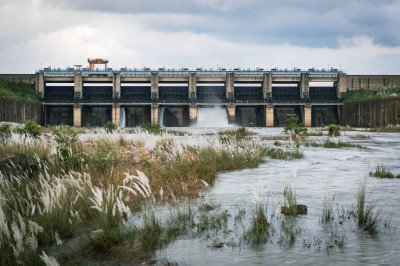 Sundar Dam is the largest and most significant irrigation project in the Godda district, constructed across the Sundar River. Located near the village of Rajabhitha, it is tucked away in the hilly terrains of the Boarijor and Pathargama blocks. The dam was constructed between 1970 and 1978 and has since become a cornerstone for the region's agriculture, providing water to thousands of acres of farmland. Beyond its utility, the dam is a premier tourist destination, famous for its vast blue reservoir and the surrounding verdant hills that touch the horizon. The depth of the reservoir is about 75 feet, making it a massive body of water that attracts migratory birds during the winter months. The area around the dam is exceptionally peaceful, characterized by cool breezes and the gentle sound of water hitting the embankment. It has become the go-to picnic spot for residents of Jharkhand and neighboring Bihar, especially on New Year's Day. The dam's location in a tribal-dominated area allows visitors to experience the local Pahariya culture up close. The hills surrounding the dam are part of the Rajmahal range, adding a rugged charm to the landscape. Many waterfalls, like the Damakol Falls, are located in the vicinity, making the entire circuit a nature lover's paradise. The sight of the massive spillway during the peak monsoon season is an awe-inspiring experience, as gushing water creates a misty spray in the air. The dam also supports local fisheries, and one can often see traditional fishermen in small boats casting their nets. It is a perfect blend of man-made engineering and natural splendor, offering a quiet retreat for those looking to connect with the earth.
Information
-
Why Famous:
Famous Why:
Religious Power: The Yogini Maa Mandir is globally famous as a Shakti Peeth for Hindu devotees. It attracts thousands of pilgrims during the holy months of Sawan.
Mining Giant: Lalmatia is home t...Famous Why:
Religious Power: The Yogini Maa Mandir is globally famous as a Shakti Peeth for Hindu devotees. It attracts thousands of pilgrims during the holy months of Sawan.
Mining Giant: Lalmatia is home to one of the largest open-cast coal mining belts in Asia. This industrial marvel is a significant contributor to the regional economy.
: -
Architecture:
Yogini Temple: The temple is built on a hilltop and features a small cave shrine. It requires climbing about 400 stone stairs to reach the sanctum.
Sundar Dam: This massive structure was built in the 1970s and stands 75 feet deep. It repr...Yogini Temple: The temple is built on a hilltop and features a small cave shrine. It requires climbing about 400 stone stairs to reach the sanctum.
Sundar Dam: This massive structure was built in the 1970s and stands 75 feet deep. It represents a functional masonry design integrated with the natural landscape.
: -
How To Reach:
By Air: The closest major airport is at Ranchi, though Deoghar Airport is much closer. From Deoghar, it is a 3-hour drive to reach the town.
By Train: Godda Railway Station connects the district to the national rail network. Several expre...By Air: The closest major airport is at Ranchi, though Deoghar Airport is much closer. From Deoghar, it is a 3-hour drive to reach the town.
By Train: Godda Railway Station connects the district to the national rail network. Several express trains now run directly to the national capital.
By Road: State highways connect Godda to Bhagalpur, Dumka, and Deoghar. The bus service is frequent and very affordable for local travelers.
Local Transport: Taxis and e-rickshaws are easily available at the station and bus stands. Hiring a car is best for visiting distant spots like Sundar Dam.
: -
Weather and Best Time to Visit:
Best Time:
Winter Months: October to February is the best time as the weather is very pleasant. The temperature is ideal for outdoor activities and sightseeing.
Early Spring: The month of March sees the bloo...Best Time:
Winter Months: October to February is the best time as the weather is very pleasant. The temperature is ideal for outdoor activities and sightseeing.
Early Spring: The month of March sees the blooming of local flowers like Palash. The landscape becomes vibrant with orange and red colors.
Late Evening: Evenings in the district are cool and perfect for visiting local markets. The sunset provides a beautiful golden glow to the rural horizon.
: -
Near Tourist Places:
1. Yogini Shakti Peeth (2 KM), 2. Sundar Dam (10 KM), 3. Basantrai Tank (25 KM), 4. Lalmatia Mines (30 KM), 5. Ratneshwar Dham (1 KM), 6. Mullers Tank (0 KM), 7. Pathergama (12 KM), 8. Mahagama (25 KM), 9. Deoghar (80 KM), 10. Bhagalpur (70 KM)
Tourism Tips
-
Health & Safety: Carry a first-aid kit as some tourist spots are in remote locations. Ensure you drink bottled water to avoid any stomach-related issues.
Packing: Wear comfortable cotton clothes for the daytime and carry a jacket for night...Health & Safety: Carry a first-aid kit as some tourist spots are in remote locations. Ensure you drink bottled water to avoid any stomach-related issues.
Packing: Wear comfortable cotton clothes for the daytime and carry a jacket for nights. Good walking shoes are a must for climbing the temple stairs.
Accommodation: There are several government guest houses and private hotels in the town. It is best to stay near the main market for easy transport.
Local Etiquette: Respect the tribal customs and always ask for permission before taking photos. People are friendly but value their privacy and traditional ways.
:
Reviews
FAQs
Godda Itineray And Cost:-
Information about New and Updated Locations() of Jharkhand Has Been Added :-
Card subtitle
Note:-
Information provided here in good Faith and for reference only.
All information and pictures will be updated soon, please keep visiting.
Near Places

Bokaro
Some quick example text to build on the card title and make up the bulk of the card's content.
Go somewhere
Chaibasa
Some quick example text to build on the card title and make up the bulk of the card's content.
Go somewhere
Chatra
Some quick example text to build on the card title and make up the bulk of the card's content.
Go somewhere
Chirkunda
Some quick example text to build on the card title and make up the bulk of the card's content.
Go somewhere
Daltonganj
Some quick example text to build on the card title and make up the bulk of the card's content.
Go somewhere
Deoghar
Some quick example text to build on the card title and make up the bulk of the card's content.
Go somewhere
Dhanbad
Some quick example text to build on the card title and make up the bulk of the card's content.
Go somewhere
Dumka
Some quick example text to build on the card title and make up the bulk of the card's content.
Go somewhere
Garhwa
Some quick example text to build on the card title and make up the bulk of the card's content.
Go somewhere
Ghatsila
Some quick example text to build on the card title and make up the bulk of the card's content.
Go somewherein Other Cities