...

Place To Visit And Things To Do In Godda

Jharkhand, India
Details: Godda is a serene district located in the northeastern part of Jharkhand state. It is a land characterized by its deep-rooted tribal culture and historical significance. The district is largely agricultural but is also famous for its massive open-cast coal mines. One of the most prominent f eatures of Godda is the Yogini Shakti Peeth. This temple is believed to be where a part of Goddess Sati's body fell. The local people are known for their warm hospitality and traditional art forms. Visitors can explore the vast Sundar Dam, which serves as a major picnic spot. The landscape is dotted with small hills and lush green fields during the harvest. Life here moves at a peaceful pace, away from the city's hustle. Godda provides a glimpse into the authentic rural life of the Santhal Pargana. It is a place where legends and reality coexist beautifully in the hills. Exploring the tribal villages offers a unique perspective on indigenous living. :

Things To Do

Card image cap
Barakoppa Hill

@@ Overview of the Hill : Barakoppa Hill is a prominent natural landmark in the Godda district, known for its lush green slopes and spiritual signific...

@@ Overview of the Hill : Barakoppa Hill is a prominent natural landmark in the Godda district, known for its lush green slopes and spiritual significance. The hill offers a panoramic view of the surrounding Santhal Pargana region and serves as a major trekking destination for local enthusiasts. It is part of the Rajmahal Hills range, which is geologically one of the oldest in India. The area is inhabited by tribal communities whose culture is deeply intertwined with the landscape. Visitors often climb the hill to enjoy the cool breeze and the scenic beauty of the forests below. The biodiversity here is rich, featuring various species of indigenous trees and birds that make it a paradise for nature lovers. Historically, the hill has been a site for local tribal gatherings and traditional rituals. The trekking path is moderately challenging, winding through rocky terrains and dense thickets. During the monsoon, the hill transforms into a vibrant emerald peak with small seasonal streams flowing down its sides. It is a perfect getaway for those looking to escape the hustle of city life. The silence of the hill is only broken by the chirping of birds and the rustling of leaves. Travelers often spend the entire day exploring the various viewpoints and hidden trails. The sunrise from the peak is particularly famous among photographers. In recent years, the local government has taken steps to promote eco-tourism in this area. Despite its beauty, it remains a relatively unexplored destination, offering a raw and authentic experience. The local legends suggest that the hill has protective powers over the nearby villages. It is a symbol of the natural heritage of Jharkhand.
Card image cap
Basantrai Talab

@@ Overview of the Tank : Basantrai Talab is a massive historic water body spread across 50 acres, built by Raja Basant Rai. This tank is shrouded in ...

@@ Overview of the Tank : Basantrai Talab is a massive historic water body spread across 50 acres, built by Raja Basant Rai. This tank is shrouded in legends, the most famous being that no one has ever been able to cross it by swimming or boat. Local folklore suggests that any attempt to cross the middle of the tank leads to a mysterious watery grave. Historically, it was believed that the tank would miraculously provide utensils for social ceremonies if prayed to, which had to be returned after use. The tank is held extremely sacred by the Hindu community, and it serves as a vital water source for the region. The sheer scale of the tank makes it look like an inland sea during the full monsoon. The banks are lined with ancient trees and small shrines that add to the spiritual atmosphere. Every year, a massive Mela or fair is organized here starting from Chaita Sankranti, attracting thousands of pilgrims. The water is believed to have healing properties by many locals. The engineering of the tank, dating back centuries, showcases the advanced water management systems of ancient rulers. It remains the centerpiece of cultural life in the Basantrai block. The calm surface of the water reflects the sky, creating a meditative environment for visitors. Despite the scary legends, the beauty of the place is undeniable. It is a site where history and mystery blend seamlessly. The local administration maintains the ghats for the convenience of devotees. It is arguably the most famous historical landmark in Godda.
Card image cap
Belbhatta

@@ Overview of Belbhatta : Belbhatta is a serene locality in Godda known for its peaceful rural charm and the presence of traditional agricultural pra...

@@ Overview of Belbhatta : Belbhatta is a serene locality in Godda known for its peaceful rural charm and the presence of traditional agricultural practices. It serves as a gateway to the more interior parts of the district and is characterized by its vast open fields and clusters of traditional homes. The area is famous for its local markets where fresh organic produce is sold every morning. Historically, Belbhatta has been a peaceful residential pocket that has now grown into a significant suburban area of Godda. The landscape is dotted with small ponds and lush mango orchards that provide shade and beauty to the village. It is a place where one can witness the authentic lifestyle of the people of Jharkhand, away from modern industrialization. The community here is close-knit and celebrates all local festivals with great fervor. Visitors often come here to enjoy the quiet atmosphere and to take long walks through the green fields. The area also houses some old structures and small temples that reflect the local architectural style. It is particularly beautiful during the harvesting season when the fields turn golden. The simplicity of life in Belbhatta is its greatest attraction for city dwellers. It provides an insight into the agrarian economy that sustains the district. The local cuisine available in small eateries here is authentic and delicious. It is a place that reminds one of the roots of Indian culture.
Card image cap
Bhagaiya River Ghat

@@ Overview of Bhagaiya : Bhagaiya is a unique village in the Godda district, globally recognized for its exquisite Tussar Silk weaving industry. The ...
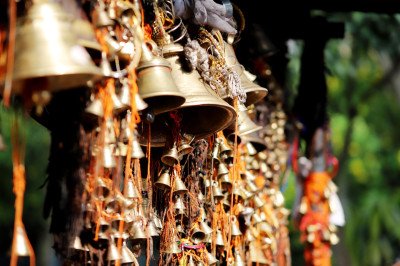
@@ Overview of Bhagaiya : Bhagaiya is a unique village in the Godda district, globally recognized for its exquisite Tussar Silk weaving industry. The Bhagaiya River Ghat serves as a scenic backdrop to this bustling hub of craftsmanship and heritage. In this village, thousands of artisans, both men and women, are involved in the end-to-end process of silk production, from cocoon to fabric. The river ghat is a place of daily activity where the silk yarns are often washed and treated. It is a site of immense economic and cultural importance for the Santhal Pargana region. The silk produced here is exported to various parts of India and even abroad, known for its durability and natural texture. Walking through the village near the ghat, one can hear the rhythmic sound of handlooms from almost every house. The area is a living museum of traditional Indian textile arts. The river itself plays a crucial role in the life of the weavers, providing water for dyeing and processing. The landscapes around the ghat are picturesque, with the river flowing gently through the plains. The local artisans have integrated modern designs with traditional motifs, creating a unique aesthetic. Bhagaiya is often referred to as the "Silk City" of Godda. The ghat area is particularly lively during the early mornings and evenings. It is a must-visit for anyone interested in indigenous crafts and rural industries. The hospitality of the weavers is legendary, often welcoming tourists to see their looms.
Card image cap
Burhi Maa Temple

@@ Overview of the Temple : Burhi Maa Temple is one of the oldest and most revered religious shrines in Godda town. Dedicated to an ancient form of th...
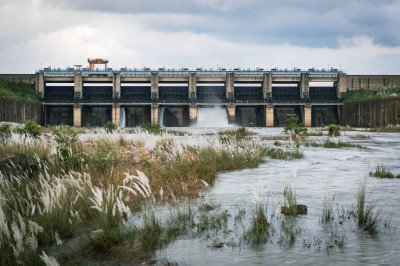
@@ Overview of the Temple : Burhi Maa Temple is one of the oldest and most revered religious shrines in Godda town. Dedicated to an ancient form of the Divine Mother, the temple is considered the spiritual protector of the city. The temple complex is a hub of religious activity, especially during the morning and evening aarti. It has a rich history that dates back several generations, and the deity is believed to be "Swayambhu" or self-manifested. The temple's atmosphere is filled with the scent of incense and the sound of bells, providing a peaceful retreat for devotees. Every year, during the Navratri festival, the temple is decorated brilliantly, and thousands of people queue up for a glimpse of the Goddess. The architecture of the temple has been renovated over time but retains its traditional essence. There is a deep-rooted belief among locals that no significant work should start without seeking the blessings of Burhi Maa. The temple also serves as a center for social gatherings and local community decisions. The surrounding area is filled with shops selling flowers, sweets, and religious artifacts. It is not just a place of worship but a symbol of the collective faith of the people of Godda. The temple priest narrates many stories of miracles associated with the Goddess. The inner sanctum is small and intimate, allowing for a personal connection with the divine. It is a landmark that defines the cultural identity of the town.
Card image cap
Champa Nagar Dam

@@Sub Place Details: Champa Nagar Dam is a significant water reservoir located in the heart of the Pathargama block of Godda district. This dam serves...

@@Sub Place Details: Champa Nagar Dam is a significant water reservoir located in the heart of the Pathargama block of Godda district. This dam serves as a vital source of irrigation for the surrounding agricultural lands and has transformed into a popular picnic spot for locals and tourists alike. The dam is surrounded by a lush green landscape that provides a tranquil environment for those looking to escape the hustle and bustle of city life. Historically, the project was designed to harness the local river waters to ensure that farmers in the Santhal Pargana region could have a steady supply of water during the dry months. The reservoir area is quite expansive, often attracting various species of local and migratory birds, especially during the Winter season. Visitors can often see local fishermen casting their nets into the deep blue waters, adding a rustic charm to the scenic beauty. The sunset at Champa Nagar Dam is particularly breathtaking, with the orange hues reflecting off the calm water surface. It is a place where nature meets utility, providing a peaceful retreat for families and nature enthusiasts who enjoy the open air and the sound of gently rippling water. The area around the dam is also home to diverse flora and fauna, making it a mini-ecosystem that supports local wildlife. Over the years, the local administration has worked on improving the access roads to ensure that more people can visit this hidden treasure. Whether you are interested in photography, bird watching, or simply sitting by the water with a book, this dam offers a perfect setting.
Card image cap
Damin-i-Koh View Point

@@Sub Place Details: Damin-i-Koh is a historical Persian term meaning "the skirts of the hills," and the view point in the Godda region offers a magni...

@@Sub Place Details: Damin-i-Koh is a historical Persian term meaning "the skirts of the hills," and the view point in the Godda region offers a magnificent panorama of the Rajmahal Hills. This area was historically demarcated by the British in the 1830s to settle the Santhal tribes who were moving away from the plains. Today, it stands as a testament to the natural beauty and tribal heritage of Jharkhand. The view point provides an elevated perspective where one can see the undulating hills covered in dense forests, stretching as far as the eye can see. It is a place of immense geological interest as these hills are among the oldest in the world, formed during the Jurassic era. The air here is remarkably fresh, and the silence is only broken by the rustling of leaves and the calls of wild birds. For history buffs, the region represents the struggle and resilience of the local tribes against colonial land policies. The terrain is rugged but beautiful, with small tribal hamlets dotted across the landscape. Visiting this spot allows tourists to understand the geography that shaped the history of the Santhal Pargana. The panoramic view includes the winding paths that lead into the deep interior of the hills, where the Paharia tribes still reside. It is a preferred destination for trekkers and those looking for an offbeat adventure. The sunrise from this viewpoint is considered one of the most spiritual experiences in the district, as the first light touches the peaks of the Rajmahal range.
Card image cap
Gajipur Talab

@@Sub Place Details: Gajipur Talab is one of the oldest and most prominent water bodies located within the town limits of Godda. This large pond, or '...

@@Sub Place Details: Gajipur Talab is one of the oldest and most prominent water bodies located within the town limits of Godda. This large pond, or 'Talab', has been a central part of the town's social and cultural fabric for generations. It serves as a cooling lung for the urban area and provides a serene spot for residents to gather in the evenings. The pond is surrounded by stone embankments and steps (ghats) that are used for various religious and daily activities. Historically, such ponds were constructed by local zamindars or the administration to ensure water security for the town. The water in the pond is often filled with lotus flowers during the Summer and Monsoon seasons, creating a beautiful visual display. During the festival of Chhath Puja, Gajipur Talab transforms into a grand arena of devotion, with thousands of lights illuminating its banks. Local legends suggest that the pond has never completely dried up, even during the harshest droughts, making it a symbol of life for the people of Godda. The area around the talab is frequented by walkers and joggers who enjoy the cool breeze that blows across the water. Small tea stalls and snack vendors line the periphery, offering a taste of local street food like 'Litti Chokha'. It is a place where one can witness the daily life of Godda unfolding—from elderly citizens discussing politics to children playing by the water's edge. The local municipality has recently undertaken beautification projects to maintain the cleanliness and aesthetic appeal of this historic site.
Card image cap
Gandhipur Lake

@@Sub Place Details: Gandhipur Lake is a relatively larger water reservoir located on the outskirts of the main Godda township. Known for its clear bl...

@@Sub Place Details: Gandhipur Lake is a relatively larger water reservoir located on the outskirts of the main Godda township. Known for its clear blue waters and the surrounding greenery, it has become a favorite spot for those seeking a more quiet and natural experience compared to the central town ponds. The lake is often used for small-scale pisciculture (fish farming), which keeps the water lively with activity. The banks of the lake are mostly natural, with grass and wild shrubs providing a habitat for local bird species like the Little Grebe and Bronze-winged Jacana. During the Monsoon, the lake swells up and the surrounding fields turn a vivid emerald green, making it a paradise for nature photographers. Legend has it that the lake was named during the post-independence era as part of a local development initiative. Unlike the more religious ponds, Gandhipur Lake is prized for its recreational value. It is a common site for students from nearby colleges to hang out and for families to have weekend outings. The air here is noticeably cooler and fresher than in the crowded markets. The reflection of the vast Jharkhand sky in the still waters of the lake creates a sense of infinite space. Efforts are being made by the local forest and environment departments to plant more trees along the perimeter to create a permanent green belt.
Card image cap
Godda Park

@@Sub Place Details: Godda Park, often identified with the Biodiversity Park, is the premier recreational destination within the district. Developed t...

@@Sub Place Details: Godda Park, often identified with the Biodiversity Park, is the premier recreational destination within the district. Developed to provide a green lung for the growing town, the park is a beautifully landscaped area featuring a wide variety of plant species, themed gardens, and recreational facilities. It is a modern addition to Godda’s tourism map and has quickly become the go-to spot for families with children. The park is meticulously maintained, with paved walking paths that wind through lush lawns and flower beds. One of the highlights is the rose garden, which showcases numerous varieties of roses in vibrant colors during the Winter season. There is also a dedicated children's play area equipped with modern swings, slides, and climbing frames, making it a hit with the younger visitors. For those interested in botany, the park houses several medicinal plants and local tree species, each marked with information plaques. The park also features small water bodies like lily ponds that add to the aesthetic appeal. During the evening, the park is well-lit, providing a safe and pleasant environment for evening walks. It serves as a social hub where people from all walks of life come together to enjoy nature. The peaceful atmosphere is occasionally enlivened by the sounds of children playing and birds chirping in the tall trees. It is a perfect example of how urban spaces can be transformed into beautiful natural retreats.
Card image cap
Harirakha Falls

@@Sub Place Details: Harirakha Falls, located in the lush Sundarpahar block, is one of the most mesmerizing natural wonders in the Godda district of J...

@@Sub Place Details: Harirakha Falls, located in the lush Sundarpahar block, is one of the most mesmerizing natural wonders in the Godda district of Jharkhand. This waterfall is nestled deep within a dense forest cover, making it a pristine destination for nature lovers and adventure seekers alike. The water cascades down from a significant height, creating a rhythmic sound that echoes through the valley and provides a sense of deep tranquility to all visitors. The surrounding area is rich in biodiversity, with various species of local flora and fauna that thrive in the cool, moist environment created by the falls. During the Monsoon season, the waterfall transforms into a powerful white curtain of water, whereas in Winter, it becomes a gentle and soothing stream perfect for a quiet afternoon. Historically, the local tribal communities have revered this spot, often associating it with local legends of forest deities. The trek to the falls is an experience in itself, taking travelers through winding paths and rocky terrains that offer a true sense of exploration. Over the years, Harirakha Falls has gained popularity as a premier picnic spot, drawing families and youth groups from across the state. Despite its growing fame, it remains largely untouched by commercialization, offering an authentic "wild" experience. The mist rising from the bottom of the falls creates a permanent rainbow on sunny days, adding a magical touch to the scenery. Visitors are often struck by the purity of the air and the vibrant green hues of the moss-covered rocks surrounding the pool at the base. It is a place where one can truly disconnect from the digital world and reconnect with the primal beauty of the earth. The local government has recently initiated steps to improve the approach roads to make it more accessible while preserving its ecological integrity. Whether you are looking for a vigorous hike or a peaceful spot to meditate, this waterfall serves as the perfect backdrop for a memorable journey.
Card image cap
Jhilimili Temple

@@Sub Place Details: Jhilimili Temple, also known locally as the Jhilimili Kali Mandir, is a spiritual landmark located on the outskirts of Godda town...

@@Sub Place Details: Jhilimili Temple, also known locally as the Jhilimili Kali Mandir, is a spiritual landmark located on the outskirts of Godda town. This temple is dedicated to Goddess Kali and is famous for its serene environment and the "sparkling" aura that gives the place its name. The term "Jhilimili" refers to the shimmering effect of sunlight on the local soil, which contains mica, creating a beautiful visual experience during the day. The temple serves as a central hub for the local Hindu community, attracting thousands of devotees during festivals like Diwali and Kali Puja. Unlike the busy temples in larger cities, this shrine offers a peaceful atmosphere where visitors can sit and meditate for hours. The temple complex is surrounded by large, ancient trees that provide ample shade and a sense of antiquity. Legend says that the deity here is very powerful and fulfills the wishes of those who pray with a pure heart. The temple has undergone several renovations, but it still maintains a traditional architectural style that reflects the cultural heritage of the Santhal Pargana. Many pilgrims visiting the Yogini Shakti Peeth also make it a point to stop at the Jhilimili Temple to seek blessings. The temple is especially beautiful in the evening when the lamps are lit, and the sound of bells fills the air. It is not just a religious site but also a place of social gathering where local traditions are kept alive through bhajans and community feasts. The priests at the temple are known for their simplicity and helpful nature, guiding visitors through the rituals. The area around the temple is also known for its natural beauty, with small ponds and green fields adding to the charm. For anyone looking to experience the spiritual side of Godda while enjoying a bit of quietude, this temple is an essential stop.
Card image cap
Kolbasti Falls

@@Sub Place Details: Kolbasti Falls is a hidden treasure located in the remote Boarijore block of Godda. This waterfall is much less crowded than othe...

@@Sub Place Details: Kolbasti Falls is a hidden treasure located in the remote Boarijore block of Godda. This waterfall is much less crowded than others in the region, offering a serene escape for those who value privacy and raw nature. The water falls from a rocky ledge into a deep, clear pool surrounded by towering trees and wild bushes. The journey to Kolbasti Falls involves a trek through tribal villages, providing a unique opportunity to witness the traditional lifestyle of the Santhal and Paharia tribes. The atmosphere here is incredibly peaceful, with only the sound of chirping birds and the rushing water breaking the silence. During the Monsoon, the volume of water increases significantly, creating a thunderous sound that can be heard from a distance. The rocks around the falls are unique, showing signs of ancient volcanic activity, which adds a geological interest to the site. Many locals believe the water has medicinal properties due to the various herbs it passes over upstream. This spot is perfect for those who enjoy "off-beat" travel and are willing to go the extra mile for a spectacular view. There are no commercial shops or restaurants nearby, so it truly feels like a trip back in time. The area remains cool even during the peak of summer, thanks to the dense canopy and the spray from the falls. It is an ideal location for a day-long retreat, away from the dust and noise of the mining belts. The locals are very friendly and often help tourists find the best paths to the falls. As a destination, it represents the rugged beauty of Jharkhand at its best.
Card image cap
Laldarja Kali Mandir

@@Sub Place Details: Laldarja Kali Mandir is one of the most significant religious sites in the Pathergama region of Godda. The name "Laldarja" litera...

@@Sub Place Details: Laldarja Kali Mandir is one of the most significant religious sites in the Pathergama region of Godda. The name "Laldarja" literally translates to "Red Door," referring to the iconic bright red entrance that welcomes devotees into the sacred precinct. This temple is dedicated to Maa Kali, depicted in her fierce yet protective form. It is believed that the temple was established by a local king who had a vision of the Goddess, and since then, it has been a focal point of worship for generations. The temple's location is strategically chosen, offering a peaceful view of the surrounding rural landscape. The architecture is a blend of traditional Bengali and Jharkhandi styles, featuring intricate terracotta-like work on the walls. During the Navratri festival, the temple is transformed with elaborate lighting and floral decorations, attracting devotees from as far as Bihar and West Bengal. The daily rituals are performed with great devotion, involving the chanting of mantras and the offering of hibiscus flowers, which are the Goddess's favorite. The temple also runs a small community kitchen (Langar) on special occasions, serving simple and sanctified food to everyone. The energy of the place is palpable, especially during the Tuesday and Saturday special aartis. Many people visit this temple to seek protection from evil and to pray for the well-being of their families. The large "Laldarja" (Red Gate) is not just a physical structure but is considered a symbolic transition from the mundane world to the divine realm. The temple surroundings are well-maintained, with small gardens and seating areas for pilgrims to rest. It is a place that combines history, faith, and community spirit in a unique way, making it a must-visit for anyone exploring the spiritual map of Godda.
Card image cap
Lalmatia Mining Belt

@@Sub Place Details: The Lalmatia Open Cast Mining Belt is one of the largest and most significant coal mining projects in Asia. Operated by Eastern C...

@@Sub Place Details: The Lalmatia Open Cast Mining Belt is one of the largest and most significant coal mining projects in Asia. Operated by Eastern Coalfields Limited (ECL), this site is a testament to India's industrial prowess and energy security. The landscape here is dramatic and unlike anything else in the district, featuring vast, stepped excavations that reach deep into the earth. For a traveler, the mining belt offers a fascinating look at the scale of human engineering. Gigantic dumpers, shovels, and draglines operate 24/7, moving thousands of tons of earth and coal. The sight of these massive machines against the backdrop of the deep mining pits is truly awe-inspiring. Visitors can observe the mining process from designated viewpoints, where they can see how coal is extracted and transported to thermal power plants like those in Farakka and Kahalgaon. The area is also home to a diverse workforce from all over India, creating a unique "company town" atmosphere in the nearby residential colonies. While it is primarily an industrial site, the sheer scale of the operations makes it a point of interest for students, engineers, and curious travelers. The "overburden" hills—man-made hills created from excavated soil—have been partially reclaimed with greenery, showing a balance between industry and environment. Visiting Lalmatia provides a stark contrast to the quiet waterfalls and temples of Godda, highlighting the region's role as a major contributor to the national economy. It is important to note that safety regulations are strict, and certain areas require prior permission to visit. The dust and noise are part of the experience, giving a raw and honest look at the "Black Diamond" industry. For those interested in photography, the industrial landscape offers unique geometric patterns and a sense of colossal scale that is hard to find elsewhere.
Card image cap
Mahadev Sal

@@Details: The Mahadev Sal is not just a tree but a living shrine that embodies the spiritual essence of the tribal and local communities in Godda. Th...

@@Details: The Mahadev Sal is not just a tree but a living shrine that embodies the spiritual essence of the tribal and local communities in Godda. This ancient Sal tree (Shorea robusta) is believed to be centuries old and is worshipped as a manifestation of Lord Shiva. The tree has grown to an enormous size, with its thick trunk and sprawling branches creating a natural temple-like atmosphere. Local folklore suggests that the tree possesses miraculous powers and that the deity residing within it protects the surrounding villages from calamities. Devotees often tie sacred threads around the trunk to seek blessings for health and prosperity. The surrounding grove is kept pristine by the locals, reflecting the deep-rooted "Sarna" culture where nature is revered as God. Visiting this place offers a unique insight into the syncretic religious practices of Jharkhand, where Vedic traditions blend seamlessly with indigenous nature worship. The serenity of the rustling leaves and the fragrance of the Sal blossoms during spring create a meditative environment. It serves as a vital community gathering point during festivals and village councils.
Card image cap
Manika Jore Waterfall

@@Details: Manika Jore is a pristine, seasonal waterfall that remains one of Godda's best-kept secrets. Tucked away in the rugged terrain of the Rajma...

@@Details: Manika Jore is a pristine, seasonal waterfall that remains one of Godda's best-kept secrets. Tucked away in the rugged terrain of the Rajmahal Hills extension, the waterfall is formed by a hill stream that plunges over a rocky precipice. The name 'Jore' locally refers to a stream or rivulet. During the peak of the monsoon, the waterfall transforms into a roaring silver curtain, surrounded by dense green foliage and black basalt rocks. The approach to the waterfall involves a short trek through tribal lands, offering a raw experience of the Jharkhand wilderness. Unlike commercialized tourist spots, Manika Jore offers solitude and an uninterrupted connection with nature. The water collects into a clear pool at the bottom, which is popular among local youngsters for a refreshing dip. The surrounding area is inhabited by the Paharia tribe, and visitors can often see them foraging for forest produce. The geological formations around the fall are fascinating, showing layers of volcanic rock that characterize this region. It is an ideal spot for those who find beauty in the unrefined and the wild. The sound of the falling water combined with the chirping of forest birds makes it a perfect acoustic escape from urban noise.
Card image cap
Motijharna Wildlife Reserve

@@Details: Motijharna is a legendary site where nature and mythology intertwine. The name literally translates to "Pearl Cascade," referring to the sh...

@@Details: Motijharna is a legendary site where nature and mythology intertwine. The name literally translates to "Pearl Cascade," referring to the shimmering droplets of water that fall from a height of about 50 to 60 feet. While technically in the Sahibganj district, it is a primary excursion for anyone visiting Godda due to its proximity and ecological importance. The area is part of the Rajmahal Hills wildlife corridor, serving as a sanctuary for various flora and fauna. The waterfall is unique because it consists of two distinct drops, creating a tiered effect. Legend has it that the water originates from a hidden spring that has never run dry. The wildlife reserve surrounding the falls is home to leopards, wild boars, and a vast array of migratory birds. The dense canopy of Sal, Teak, and Bamboo trees creates a microclimate that is significantly cooler than the surrounding plains. For history buffs, the area contains remnants of ancient tribal settlements and British-era forest rest houses. The climb to the top of the falls provides a panoramic view of the Ganges flowing in the distance. It is a place where the air smells of wet earth and wild jasmine, providing a sensory overhaul for city dwellers.
Card image cap
Mullers Tank

@@Details: Mullers Tank is a significant historical landmark that serves as a reminder of the British administrative era in Godda. Constructed during ...

@@Details: Mullers Tank is a significant historical landmark that serves as a reminder of the British administrative era in Godda. Constructed during the tenure of Fredrick Max Muller, a British officer (not to be confused with the famous Indologist), this large man-made lake was designed to provide a steady water supply to the growing township and to manage the local groundwater levels. Over the decades, it has evolved from a functional utility into the social hub of the city. The tank is surrounded by paved walkways and old-growth trees, making it the most popular spot for morning and evening walks among the residents of Godda. The reflection of the sunset on the calm waters creates a tranquil atmosphere in the middle of the bustling town. It also serves as a center for religious activities, particularly during the Chhath Puja, when thousands of devotees gather on its ghats. The local municipality has recently added seating arrangements and lighting, making it a safe and pleasant environment for families. The tank also supports a local fishing community, and one can often see traditional fishing nets being cast in the early hours of the morning. It represents the "lungs" of Godda city, providing much-needed green space and a cooling effect during the hot summer months.
Card image cap
Parali Hill

@@Details: Parali Hill is a prominent geological and religious landmark that rises sharply from the surrounding flatlands of Godda. It is widely regar...

@@Details: Parali Hill is a prominent geological and religious landmark that rises sharply from the surrounding flatlands of Godda. It is widely regarded as a sacred site, closely associated with the Yogini Shakti Peeth located nearby. The hill is composed of massive boulders and dense shrubbery, providing a challenging yet rewarding climb for visitors. A flight of stone steps leads to the summit, where several small shrines dedicated to local deities and Lord Shiva are located. The trek up the hill offers a physical challenge that is popular among the local youth and pilgrims. From the top, one can see a 360-degree view of the Godda landscape, including the vast emerald fields and distant tribal villages. The hill has significant mythological value; it is said that sages used to meditate in the hidden caves among the rocks. The atmosphere at the peak is incredibly peaceful, with the wind howling through the rock crevices. It is also a site of geological interest, showing signs of ancient volcanic activity typical of the Rajmahal range. For the people of Godda, Parali Hill is a symbol of resilience and spiritual height, often visited during the transition of seasons to seek blessings for the harvest.
Card image cap
Pathargama Temple Complex

@@Overview: The Pathargama Temple Complex, primarily famous for the Yogini Maa Mandir, is a significant religious site located in the Godda district. ...

@@Overview: The Pathargama Temple Complex, primarily famous for the Yogini Maa Mandir, is a significant religious site located in the Godda district. It is widely considered one of the 52 Shakti Peethas, where the left thigh of Goddess Sati is believed to have fallen during Lord Shiva's Tandava. The temple is perched atop a hill, requiring devotees to climb approximately 400 stairs to reach the sanctum sanctorum. This place holds immense spiritual value, drawing thousands of pilgrims from across India and Nepal. The complex is surrounded by lush greenery and a serene atmosphere that provides a deep sense of peace to every visitor. The main deity is housed inside a natural cave, which adds a mystical charm to the worship experience. Historically, the temple is associated with the Dwapara Yuga, and it is said that the Pandavas spent time here during their exile. The local community holds the temple in high regard, and it serves as a central hub for cultural and religious gatherings in the region. The path leading to the temple is lined with small shops selling religious offerings and local snacks, creating a vibrant marketplace atmosphere. Efforts are being made by the government to improve accessibility, including the construction of a ropeway for elderly and disabled pilgrims. Visiting this temple is not just a religious journey but also a physical challenge that rewards one with breathtaking views of the surrounding landscape. The energy of the place is palpable, especially during the morning and evening aarti when the sounds of bells and chants echo through the hills. It is a must-visit for anyone seeking spiritual solace or interested in the rich mythological heritage of Jharkhand. The temple complex also includes smaller shrines dedicated to various other Hindu deities, making it a comprehensive site for worship.
Card image cap
Poreyahat Shiva Temple

@@Overview: The Poreyahat Shiva Temple, also known as Singheshwar Nath Dham, is a revered ancient shrine located near the Poreyahat-Hansdiha road. Thi...

@@Overview: The Poreyahat Shiva Temple, also known as Singheshwar Nath Dham, is a revered ancient shrine located near the Poreyahat-Hansdiha road. This temple is situated at a unique geographic point where three small rivers—Baghmati, Taramati, and Triveni—are said to meet, although the flow is seasonal. The temple's history is steeped in local legends, with some attributing its construction to King Bhimsen hundreds of years ago. It serves as a major center of faith for the people of the Santhal Pargana division. The main sanctum houses a Swayambhu (self-manifested) Shivalinga that is highly venerated. During the holy month of Sawan, the temple becomes a focal point for 'Kanwariyas' who bring holy water from the Ganges to offer here. The atmosphere during this time is electric, filled with chants of "Bol Bam" and the fragrance of incense. Unlike the more commercialized temples, Poreyahat offers a raw and authentic spiritual experience. The temple complex is relatively simple but exudes an aura of antiquity and devotion. It is also a popular spot for newly married couples to seek blessings for a prosperous life, a tradition that has been followed for generations. The natural beauty of the surrounding area, with its riverbanks and open fields, adds to the charm of the visit. The temple has undergone several renovations over the years, but the core spiritual essence remains untouched. It is a place where one can truly disconnect from the modern world and connect with the divine. The local market nearby offers a glimpse into the rural life of Jharkhand, with tribal crafts and fresh local produce available for visitors to explore.
Card image cap
Pothia Haat

@@Overview: Pothia Haat is one of the most significant and largest traditional weekly markets in the Godda district. In rural Jharkhand, a 'Haat' is n...

@@Overview: Pothia Haat is one of the most significant and largest traditional weekly markets in the Godda district. In rural Jharkhand, a 'Haat' is not just a place for commerce but a vital social and cultural institution where people from various villages gather to trade, socialize, and share news. Pothia Haat usually takes place on specific days of the week, transforming a quiet area into a bustling sea of color and activity. Here, you can find everything from fresh farm produce and livestock to handmade tribal jewelry and traditional agricultural tools. The market is particularly famous for its authentic Santhali atmosphere, where you can hear the local language and see people in traditional attire. It provides a unique window into the economic life of the agrarian and tribal communities of the region. Visitors can witness the age-old barter system still in practice in some corners, alongside modern transactions. The market is also a great place to sample local street food, such as 'Dhuska' and 'Chilk-roti,' which are prepared fresh on open fires. For a photographer or a cultural enthusiast, Pothia Haat is a goldmine of candid moments and vibrant textures. The organized chaos of the market, with cows, goats, and cycles weaving through the crowds, creates a scene that is both overwhelming and fascinating. It is an essential stop for anyone who wants to understand the true heart of Jharkhand beyond its temples and mines. The market usually starts early in the morning and reaches its peak by midday, winding down as the sun begins to set. Visiting Pothia Haat offers a sensory experience of smells, sounds, and sights that stay with you long after you leave.
Card image cap
Ratneshwar Dham

@@Overview: Ratneshwar Dham, situated in the Shivpur region of Godda, is arguably the most popular and culturally significant religious site within th...

@@Overview: Ratneshwar Dham, situated in the Shivpur region of Godda, is arguably the most popular and culturally significant religious site within the city. Often compared to the famous Baidyanath Jyotirlinga of Deoghar, this temple complex is a major center for Shiva worship in the region. The temple is dedicated to Lord Shiva, known here as Ratneshwar Nath. According to local tradition, the Shivalinga was discovered about 500 years ago by a group of wandering monks (Sadhus) who were searching for sacred sites. Legend has it that the spot used to glow with the light of a 'Nagmani' (cobra pearl), leading to the excavation and subsequent establishment of the temple. The name 'Ratneshwar' itself is derived from the word 'Ratna' (gem), signifying the precious nature of the deity. The temple complex is expansive, featuring several smaller shrines dedicated to various gods and goddesses, including Goddess Parvati and Lord Ganesha. The site is particularly famous for its 'Shivganga'—a sacred pond where devotees take a ritual dip before offering prayers. During the holy month of Sawan, the temple witnesses an extraordinary influx of 'Kanwariyas' who walk long distances to perform 'Jalabhishek'. The entire area resonates with the sounds of devotional songs and bells during this period. The local administration and temple trust have worked hard to maintain the cleanliness and sanctity of the dham. For the residents of Godda, Ratneshwar Dham is not just a temple but a community hub where festivals, weddings, and social gatherings are held. The serene environment, despite being close to the city center, provides a much-needed spiritual escape for many.
Card image cap
Saraiyahat Park

@@Overview: Saraiyahat Park, often associated with the growing recreational infrastructure in the Saraiyahat block, serves as a vital green lung for t...

@@Overview: Saraiyahat Park, often associated with the growing recreational infrastructure in the Saraiyahat block, serves as a vital green lung for the local community and visitors alike. While Godda is known for its coal mines and ancient temples, this park represents the modern face of the district's development. It is a well-maintained space featuring manicured lawns, seasonal flower beds, and shaded walking paths. The park is designed to offer a peaceful environment for families to spend their weekends and for fitness enthusiasts to carry out their morning routines. It often features play areas for children with swings and slides, making it a popular spot for local school outings. The park also serves as a venue for small local events and community gatherings. In a region that can get quite dusty due to mining and industrial activity, the presence of such a green space is highly valued. The park is often filled with the laughter of children and the quiet chatter of elderly citizens during the evening hours. It provides a stark contrast to the rugged landscape surrounding it, offering a touch of serenity and natural beauty. For a traveler, it's a great place to take a break during a long road trip through the district. The park is also a testament to the local administration's efforts to provide better quality of life and recreational facilities to the rural and semi-urban population. Whether you want to read a book under a tree or watch a beautiful sunset, Saraiyahat Park offers a simple yet fulfilling experience. Its proximity to the Saraiyahat market means that visitors can easily grab a snack or do some local shopping before or after their visit.
Card image cap
Sarua Hill

@@Details: Sarua Hill is a breathtaking natural elevation located in the Sundar Pahari region of Godda, Jharkhand. Known for its lush greenery and ser...

@@Details: Sarua Hill is a breathtaking natural elevation located in the Sundar Pahari region of Godda, Jharkhand. Known for its lush greenery and serene environment, the hill offers a panoramic view of the surrounding tribal hamlets and dense forests. It serves as a vital ecological hub for the local Pahariya tribe, who have resided here for generations. Visitors are often captivated by the tranquil atmosphere that provides a perfect escape from urban chaos. The hill is a part of the Rajmahal Hills range, characterized by its volcanic rock formations and unique biodiversity. It is a popular spot for morning trekkers and nature enthusiasts who wish to witness the rising sun against a backdrop of rolling clouds. The cultural significance is equally deep, as the hill is intertwined with local folklore and tribal rituals. Many locals believe the hill is protected by forest deities, and small shrines can be found at various intervals during the climb. The path to the top is moderately challenging, making it an ideal spot for those seeking a light adventure. During the monsoon, the entire hill transforms into a vibrant green paradise with small seasonal streams trickling down the slopes. It remains one of the most untouched and pristine locations in the district, offering a raw experience of Jharkhand’s natural beauty. Travelers often find peace in the whistling wind and the rhythmic sounds of nature that echo through the valleys. The place is also a haven for birdwatchers, as many indigenous species can be spotted nesting in the tall trees. Whether you are a solo traveler looking for solitude or a group of friends wanting a scenic picnic, Sarua Hill provides an unmatched experience of rustic charm and geological wonder.
Card image cap
Simra Forest

@@Details: Simra Forest is an expansive woodland area located in the Boarijor block of Godda district, serving as a vital part of the region's green b...

@@Details: Simra Forest is an expansive woodland area located in the Boarijor block of Godda district, serving as a vital part of the region's green belt. It is characterized by dense stands of Sal, Mohua, and Teak trees that create a thick canopy, shielding the forest floor from direct sunlight even during mid-day. The forest is not just a collection of trees but a complex ecosystem that supports a variety of wildlife, including wild boars, peacocks, and various species of deer. Historically, this forest has been the soul of the local Santhal and Pahariya tribes, who rely on it for non-timber forest products like honey, lac, and medicinal plants. The atmosphere inside the forest is incredibly refreshing, with the air being rich in oxygen and the scent of wild blooms. Small seasonal rivulets meander through the woods, providing water to the thirsty animals and adding to the scenic beauty for visitors. The forest is particularly famous for its ECL Sunset View point, located near its edge, where the industrial landscape of coal mines meets the natural beauty of the woods. Exploring Simra Forest feels like stepping back in time, as the tribal villages located on its periphery still maintain a lifestyle closely connected to nature. The forest floor is often covered in a carpet of dried leaves, creating a rhythmic crunching sound as you walk along the designated paths. Environmentalists frequently visit the area to study the unique soil composition and the indigenous tree species that are resilient to the local climate. For tourists, it offers an immersive experience of the "Wild Jharkhand," where the silence is only broken by the calls of forest birds or the rustle of leaves. It is an ideal spot for those who appreciate the raw, unedited beauty of nature and want to understand the delicate balance between industrial development and forest conservation in this part of India.
Card image cap
Sundar Dam

@@Details: Sundar Dam is the largest and most significant irrigation project in the Godda district, constructed across the Sundar River. Located near ...

@@Details: Sundar Dam is the largest and most significant irrigation project in the Godda district, constructed across the Sundar River. Located near the village of Rajabhitha, it is tucked away in the hilly terrains of the Boarijor and Pathargama blocks. The dam was constructed between 1970 and 1978 and has since become a cornerstone for the region's agriculture, providing water to thousands of acres of farmland. Beyond its utility, the dam is a premier tourist destination, famous for its vast blue reservoir and the surrounding verdant hills that touch the horizon. The depth of the reservoir is about 75 feet, making it a massive body of water that attracts migratory birds during the winter months. The area around the dam is exceptionally peaceful, characterized by cool breezes and the gentle sound of water hitting the embankment. It has become the go-to picnic spot for residents of Jharkhand and neighboring Bihar, especially on New Year's Day. The dam's location in a tribal-dominated area allows visitors to experience the local Pahariya culture up close. The hills surrounding the dam are part of the Rajmahal range, adding a rugged charm to the landscape. Many waterfalls, like the Damakol Falls, are located in the vicinity, making the entire circuit a nature lover's paradise. The sight of the massive spillway during the peak monsoon season is an awe-inspiring experience, as gushing water creates a misty spray in the air. The dam also supports local fisheries, and one can often see traditional fishermen in small boats casting their nets. It is a perfect blend of man-made engineering and natural splendor, offering a quiet retreat for those looking to connect with the earth.
Card image cap
Teliya Chowk

@@Details: Teliya Chowk is the most iconic landmark and the busiest commercial hub of Godda town. It serves as the geographic and social center where ...

@@Details: Teliya Chowk is the most iconic landmark and the busiest commercial hub of Godda town. It serves as the geographic and social center where major roads connecting the district to Bihar and other parts of Jharkhand intersect. The chowk is named after the historical presence of oil-pressers (Teli community) who once dominated the local trade here. Today, it is a bustling marketplace where the old-world charm of Godda meets modern commercial energy. From morning till late night, the area is alive with the sounds of street vendors, honking vehicles, and the chatter of locals gathered at tea stalls. It is the primary gateway for any traveler entering the city, offering a glimpse into the daily life of the region. The architecture around the chowk features a mix of old colonial-style buildings and new concrete commercial complexes. You can find everything here, from traditional Santhali handicrafts and fresh forest produce to the latest electronics and branded clothing. The chowk is also famous for its local street food, especially the "Litti Chokha" and "Jalebis" which are sold at various corners. During festivals like Durga Puja or Eid, Teliya Chowk is decorated with vibrant lights and massive gates, becoming the center of all public celebrations. It acts as the nervous system of the town's transport, with buses and autos heading to every corner of the district. Despite the chaos, there is a rhythmic order to the place that defines the resilience and spirit of the people of Godda. It is a place where one can observe the diverse demographic of the district, from tribal villagers coming to sell their wares to town-dwelling professionals. For a traveler, Teliya Chowk is the best place to start exploring Godda, as it provides the most authentic urban experience of this tribal-rich district.
Card image cap
Yogini Shakti Peeth

@@Details: Yogini Shakti Peeth, also known as Maa Yogini Temple, is one of the most revered and spiritually significant sites in Eastern India. Locate...

@@Details: Yogini Shakti Peeth, also known as Maa Yogini Temple, is one of the most revered and spiritually significant sites in Eastern India. Located atop the Yogini Hill near Pathargama, it is believed by many to be the 52nd (secret) Shakti Peetha. According to Hindu mythology, when Lord Shiva was performing the Tandava with the charred body of Goddess Sati, her left thigh fell at this very spot. The temple is unique because the main deity is worshipped in a cave as a symbolic stone imprint. The climb to the main shrine involves ascending 354 stairs, which offers a meditative experience as one rises above the plains. The temple has a strong connection to Tantric traditions, often compared to the Kamakhya Temple in Assam due to its rituals and spiritual energy. Historically, the temple was under the patronage of the Barkop State and has been a site of pilgrimage for centuries. The surrounding forest adds a sense of divine mystery to the place. It is said that even the most "physically large" person can pass through the narrow cave entrance with the goddess's blessing. The temple complex includes various other shrines, including the Manokamna Temple, where devotees pray for their wishes to be fulfilled. During the month of Chaitra and during Navratri, the temple sees a massive influx of devotees from Jharkhand, Bihar, and West Bengal. The atmosphere is filled with the scent of incense, the sound of temple bells, and the chanting of prayers. It is not just a religious site but a historical monument that reflects the deep-rooted spiritual heritage of the Santhal Pargana region.
Show All

Note:-

Information provided here in good Faith and for reference only.

All information and pictures will be updated soon, please keep visiting.

Near Places

...
Baba Baidyanath Dham (Deoghar)

Some quick example text to build on the card title and make up the bulk of the card's content.

Go somewhere
...
Bokaro

Some quick example text to build on the card title and make up the bulk of the card's content.

Go somewhere
...
Chaibasa

Some quick example text to build on the card title and make up the bulk of the card's content.

Go somewhere
...
Chatra

Some quick example text to build on the card title and make up the bulk of the card's content.

Go somewhere
...
Chirkunda

Some quick example text to build on the card title and make up the bulk of the card's content.

Go somewhere
...
Daltonganj

Some quick example text to build on the card title and make up the bulk of the card's content.

Go somewhere
...
Deoghar

Some quick example text to build on the card title and make up the bulk of the card's content.

Go somewhere
...
Dhanbad

Some quick example text to build on the card title and make up the bulk of the card's content.

Go somewhere
...
Dumka

Some quick example text to build on the card title and make up the bulk of the card's content.

Go somewhere
...
Garhwa

Some quick example text to build on the card title and make up the bulk of the card's content.

Go somewhere
in Other Cities