

Gogri Waterfall
General information
-
Ideal Duration:
3-4 HoursPlace Type:
Nature & Scenic Spot / Waterfall / Picnic SpotEntry Fees:
Official Entry Fee Status:
Free of Cost: Currently, as a small, non-commercialized local scenic spot in a forest area, there is no official entry fee or ticket required to visit the Gogri Waterfall. This makes it an accessible and budget-fri...Official Entry Fee Status:
Free of Cost: Currently, as a small, non-commercialized local scenic spot in a forest area, there is no official entry fee or ticket required to visit the Gogri Waterfall. This makes it an accessible and budget-friendly destination for all nature enthusiasts and travelers visiting Chatra. The freedom from a paid gate or formal ticket counter contributes significantly to its rustic, off-the-beaten-path charm.
Possible Informal Charges or Donations: While there is no mandatory fee, visitors should be prepared for potential small, informal charges. This may include a nominal fee (e. g. , Rs.20-Rs.50) collected by local villagers for vehicle parking in a designated nearby field, or an optional donation asked by a local guide or caretaker for maintaining the approach path and basic cleanliness. Always carry small change for such occasions and respect local arrangements.
Guide and Porter Fees (Negotiable): If you choose to hire a local guide, which is advisable for first-time visitors to navigate the final rugged path, their fee will be a variable and negotiated cost. Depending on the duration and group size, this typically ranges from Rs.200 to Rs.500. This is an investment in safety and local insight, not a formal "entry fee.
"Timing:
Regular Timings: 6:00 AM to 5:
00 PM (Daylight Hours): The waterfall is an open natural area with no formal gates, but it is strongly recommended to visit strictly during daylight hours. Accessing the steep, unlit path after sunset is highly ...Regular Timings: 6:00 AM to 5:
00 PM (Daylight Hours): The waterfall is an open natural area with no formal gates, but it is strongly recommended to visit strictly during daylight hours. Accessing the steep, unlit path after sunset is highly dangerous and should be avoided. The window from 6:00 AM to 5:00 PM is the generally accepted and safe visiting time, especially during the longer daylight hours of summer and monsoon seasons.
Ideal Visit Time: Early Morning (6:00 AM - 9:00 AM) The absolute best time to visit Gogri Waterfall is in the early morning. This time offers maximum tranquility, the best light for photography (the 'golden hour' through the canopy), the coolest temperatures, and the highest chance of spotting local birds or wildlife. The early start ensures you avoid any small crowd that might gather later for a picnic.
Ideal Visit Time: Late Afternoon (3:00 PM - 5:00 PM) The late afternoon is also an excellent choice, as the heat of the day subsides and the light becomes softer. This is a popular time for local families to visit for a cool-down before sunset. Ensure you start your return journey by 4:30 PM to leave the rugged area before dusk.
Special Events:
Post-Monsoon Nature Festival (Local): While there is no major, state-level festival centered exclusively on the small Gogri Waterfall, the weeks immediately following the peak of the monsoon (typically late August to September) are considered a special local event. This per...Post-Monsoon Nature Festival (Local): While there is no major, state-level festival centered exclusively on the small Gogri Waterfall, the weeks immediately following the peak of the monsoon (typically late August to September) are considered a special local event. This period is when the waterfall is at its aesthetic best—full, frothy, and surrounded by intensely green foliage. Locals treat this time as an informal Paryatan Utsav (Tourism Festival), with groups organizing day trips, community picnics, and small gatherings to celebrate the revitalized beauty of nature. The rush of the water and the pristine air become the main attraction.
Pooja and Rituals on Kartik Purnima: Like many natural water bodies in Jharkhand, the area around Gogri may see small, impromptu religious gatherings, particularly on auspicious dates like Kartik Purnima or during the holy month of Shravan. Local villagers sometimes perform puja (worship) to the natural elements, offering flowers and prayers to the water source, viewing the waterfall as a life-giving force (Jal Devta). These are quiet, respectful ceremonies that offer a glimpse into the region's deep connection with nature and faith.
Best Photo Spots:
The Mid-Stream Viewpoint: The best and most dynamic photos are often taken from a mid-stream rock, a stable boulder located just before the main cascade begins. This spot offers a perfect framing of the water as it begins its final descent, with the lush greenery on both si...The Mid-Stream Viewpoint: The best and most dynamic photos are often taken from a mid-stream rock, a stable boulder located just before the main cascade begins. This spot offers a perfect framing of the water as it begins its final descent, with the lush greenery on both sides creating a natural frame. This angle captures the sense of scale and the water's movement.
The Canopy and Light Angle: Since the waterfall is surrounded by dense forest, the play of light and shadow is a key photographic element. The best time is during the "golden hour" (early morning or late afternoon). Look for pockets of sunlight that pierce the canopy and illuminate the water, creating a sparkling, high-contrast effect. Shoot upward to capture the towering trees surrounding the cascade.
The Approach Trail Perspective: Don't limit photos to the main fall. The steep, rocky stream bed leading up to Gogri is an excellent spot for adventurous shots. Take photos of companions carefully navigating the path, or focus on the texture of the mossy rocks and the clear stream flow to convey the journey and the rugged landscape.
The Panoramic Forest Shot: For a broader sense of place, climb a nearby stable, slightly elevated rock (safely) to capture a panoramic view of the entire waterfall valley. This shot emphasizes the seclusion and the density of the Chatra forest that hides the gem.
Photo Gallery
Things To Do
-
Nature Photography: The site offers countless opportunities for capturing the natural beauty of Jharkhand. Focus on long-exposure shots of the cascading water, macro photography of the vibrant moss and fungi on the rocks, and landscape shots of the dense forest canopy. The best light is typically in the early morning or late afternoon, especially in the winter months. Take photos of the stream approach to document the adventurous path.
Stream Trekking and Rock Hopping: Given the rough terrain, visitors can engage in a light form of stream trekking by carefully navigating the rocky stream bed leading to the falls. This requires good, non-slip footwear and offers a stimulating physical activity. Hop across the smooth river stones and explore the small eddies and pools in the flow path. This is a great activity for families and...Nature Photography: The site offers countless opportunities for capturing the natural beauty of Jharkhand. Focus on long-exposure shots of the cascading water, macro photography of the vibrant moss and fungi on the rocks, and landscape shots of the dense forest canopy. The best light is typically in the early morning or late afternoon, especially in the winter months. Take photos of the stream approach to document the adventurous path.
Stream Trekking and Rock Hopping: Given the rough terrain, visitors can engage in a light form of stream trekking by carefully navigating the rocky stream bed leading to the falls. This requires good, non-slip footwear and offers a stimulating physical activity. Hop across the smooth river stones and explore the small eddies and pools in the flow path. This is a great activity for families and young adventurers.
Picnicking and Relaxation: The most popular activity is simply to set up a picnic. Find a comfortable, dry boulder or a patch of shade under a tree. Pack traditional Jharkhandi snacks or simple comfort food. The cool, ambient temperature near the water makes it an ideal spot to spread a blanket, read a book, or simply unwind and listen to the therapeutic sound of the falling water.
Meditation and Quiet Contemplation: The secluded nature of Gogri is perfect for mindfulness. Away from the noise of the city, the natural rhythms of the water and the jungle provide a natural setting for meditation or yoga. The feeling of the cool mist and the shade helps in prolonged focus and relaxation.
Studying Local Geology: For those with an interest in earth sciences, the exposed rock formations (granite and gneiss) around the falls offer a live display of the Chota Nagpur Plateau's geology. Examine the rock types, look for signs of historical water erosion, and study the patterns of the faults and fissures that the stream utilizes.
Exploring the Surroundings on Foot: Take a gentle, guided walk (with local advice) around the immediate forest perimeter. This is a chance to identify local trees like Sal and Teak, and perhaps spot local wildlife such as smaller mammals or various species of butterflies and insects that thrive in this ecosystem. Always stick to established, safe paths.
Foot Soaking and Water Play: While the plunge pool is generally shallow, it offers a wonderful opportunity to soak your feet and cool down, especially on a warm day. The water is clean and cold, providing instant relief and refreshment. Children can enjoy careful water play under strict supervision, splashing in the gentle flow of the stream near the base of the cascade. This is the ultimate simple pleasure of visiting a natural waterfall.
Information
-
Why Famous:
Tranquil Natural Beauty: Gogri Waterfall is renowned locally for its exceptional tranquility and serene atmosphere, distinguishing it from more commercialized tourist spots. It is a place where the sound of the cascading water and the rustling of leaves dominate the sensory...Tranquil Natural Beauty: Gogri Waterfall is renowned locally for its exceptional tranquility and serene atmosphere, distinguishing it from more commercialized tourist spots. It is a place where the sound of the cascading water and the rustling of leaves dominate the sensory experience. Its fame lies not in its grandeur but in its unspoiled, intimate connection to nature, making it a beloved spot for residents of Chatra who seek a quiet escape. The lush green surroundings, especially vibrant during the post-monsoon period, offer a refreshing contrast to the dust and noise of the town.
Accessibility and Seclusion: The waterfall's fame is also derived from its paradoxical nature: it is relatively close to the town center of Chatra (only 6. 5 km), yet it feels profoundly secluded. This combination of ease of access to a nearby point and the subsequent requirement of a short, adventurous trek to the final spot makes it an ideal destination for a spontaneous day trip. It is known as a local 'Hidden Gem' where one can enjoy nature without the typical tourist crowds.
Local Picnic and Relaxation Spot: For families and groups in Chatra, Gogri is a well-established and highly-regarded picnic spot. Its fame is cemented by the tradition of spending a relaxed afternoon here, soaking feet in the cool water, and sharing a meal in the cool shade of the surrounding trees. It embodies the simple, restorative pleasure of a day out in the Jharkhand wilderness.
-
Architecture:
Natural Rock Formation and Water Dynamics: The Gogri Waterfall's "architecture" is entirely natural, sculpted over millennia by the relentless flow of water over the hard crystalline rocks of the Chota Nagpur Plateau. The waterfall is an example of differential erosion, whe...Natural Rock Formation and Water Dynamics: The Gogri Waterfall's "architecture" is entirely natural, sculpted over millennia by the relentless flow of water over the hard crystalline rocks of the Chota Nagpur Plateau. The waterfall is an example of differential erosion, where softer rock layers have worn away, leaving behind a hard rock face or ledge from which the water tumbles. The stream that feeds the fall navigates a series of rocky outcrops, culminating in the main cascade. The surrounding cliffs and boulders are typically made of granite and gneiss, showcasing the region's geological makeup.
Dimension and Flow Characteristics: While precise, officially measured dimensions are unavailable due to its status as a smaller, local waterfall, the fall is noted for its steep descent rather than sheer height. Estimates from local accounts suggest the total cascading section is not overly tall, perhaps in the range of 10-20 feet. The water often does not fall straight down; rather, it cascades or slopes down the rocky face, creating a steep, slippery path for the feeder stream. The plunge pool at the bottom is small and shallow, ideal for a quick dip or foot-soak rather than deep swimming.
The key architectural feature is the approach: a natural stream valley that requires careful navigation, enclosed by dense, low-lying forest canopy. The rocks often have moss and ferns clinging to them, which soften the harsh lines of the stone, creating a naturally picturesque and textured environment. This unadorned rock-and-water construction is what defines the site's rustic and wild appeal.
-
How To Reach:
By Air: The nearest major airport to Chatra is Birsa Munda Airport (IXR) in Ranchi, approximately 150-160 KM away, or Gaya International Airport (GAY) in Gaya, Bihar, about 90-100 KM away. From either airport, you must hire a pre-booked private taxi or take an intercity bus...By Air: The nearest major airport to Chatra is Birsa Munda Airport (IXR) in Ranchi, approximately 150-160 KM away, or Gaya International Airport (GAY) in Gaya, Bihar, about 90-100 KM away. From either airport, you must hire a pre-booked private taxi or take an intercity bus to the Chatra Bus Stand. The drive from Ranchi takes approximately 4-5 hours, and from Gaya, about 3-4 hours, depending on road conditions. Pre-arranging your ground transport is highly recommended.
By Train: The most convenient major railhead is Gaya Junction (GAYA), which is well-connected to major Indian cities like Delhi, Kolkata, Mumbai, and Chennai. From Gaya, Chatra is approximately 83 KM by road. Alternatively, the nearest local station is Tori Railway Station (near Chandwa), which is closer but has fewer connectivity options. From Gaya or Tori, one must take a taxi or bus to reach the Chatra town center. The travel time from Gaya to Chatra by road is about 2. 5 to 3 hours.
By Road: Chatra is well-connected by road to major cities in Jharkhand and Bihar. National Highway 22 (NH 22) and State Highways serve the area. Regular state-run and private bus services are available from Ranchi, Hazaribagh (~60 KM), Gaya, and other nearby towns. Once you reach the Chatra Bus Stand, you need to find local transport for the final leg.
By Local Transport (From Chatra): Gogri Waterfall is just 6. 5 KM from the Chatra town center. The initial 4-5 KM can be covered by hiring an auto-rickshaw or a local shared jeep (Bolero/Sumo) from the main market or bus stand towards the Maloodah side. Communicate your destination as Gogri Waterfall or the road near Gogri Village. The last 1. 5-2 KM involves traveling on a rough, katcha (unpaved) road, which may not be accessible by all vehicles, followed by a final foot-trek down the steep stream path. It is highly advised to engage a local guide or ask a local vehicle driver to help arrange the final stage of transport and guidance.
-
Weather and Best Time to Visit:
The Ideal Season:
Winter (October to March): The period from October to March is the best time to visit Gogri Waterfall and the Chatra region in general. The weather is cool, pleasant, and highly conducive to outdoor activities like trekking...The Ideal Season:
Winter (October to March): The period from October to March is the best time to visit Gogri Waterfall and the Chatra region in general. The weather is cool, pleasant, and highly conducive to outdoor activities like trekking and picnicking. Temperatures during this time range from a comfortable 10°C to 28°C. The waterfall has a steady, clear flow after the monsoons, and the skies are typically clear, offering excellent visibility.
Monsoon Season (July to September): The monsoon is the most dramatic time to see the waterfall, as the flow is at its maximum, transforming it into a roaring cascade. However, the accompanying heavy rainfall makes the final approach path extremely slippery, dangerous, and sometimes inaccessible. While visually stunning, travel and safety are compromised, so it is recommended only for experienced travelers with local guidance.
Summer Season (April to June): Summer should generally be avoided. The weather is very hot, with temperatures soaring from 35°C to 45°C. The small stream feeding the waterfall often reduces to a trickle, significantly diminishing its visual appeal. Visits during this time must be restricted to the very early morning hours.
Best Part of the Day: As detailed in the Timings section, the early morning (6:00 AM - 9:00 AM) is the best part of the day for a visit, regardless of the season, for tranquility, cool air, and optimal light.
-
Near Tourist Places:
1. Keridah Waterfall (8 KM) Another beautiful, segmented cascade nearby. 2. Maloodah Waterfall (8 KM) A 50 ft semi-circular fall (west of Chatra). 3. Khaya Banaroo Picnic Spot (10 KM) A notable local picnic area on Chatra-Chandwa Road. 4. Bichkiliya Waterfall (11 KM) A popular water reservoir/fall on the bank of the Lilanjan River. 5. Dumer Sumer Waterfall (12 KM) A scenic waterfall to the north of Chatra. 6. Gua Waterfall (6 KM) Another local fall often confused with Gogri, also a popular picnic spot. 7.
Lilanjan River Ghat (Variable, near Bichkiliya): A sacred/scenic river bank spot. 8. Kauleshwari Devi Temple (20-25 KM) An important religious site atop Kolhua Hill. 9. Bhadrakali Temple, Itkhori (35 KM) A tri-religious junction site (Hinduism, Buddhism, Jainism). 10.
Kunda Fort Ruins (~4 KM from Kunda village): Ruins of a 17th-century palace and cave.
Tourism Tips
-
Health & Safety:
Proper Footwear is Essential: Always wear sturdy, non-slip, closed-toe shoes with good grip. The final trail to Gogri Waterfall is steep, rocky, and often wet/slippery. Avoid sandals, flip-flops, or dress shoes. Pack a bas...Health & Safety:
Proper Footwear is Essential: Always wear sturdy, non-slip, closed-toe shoes with good grip. The final trail to Gogri Waterfall is steep, rocky, and often wet/slippery. Avoid sandals, flip-flops, or dress shoes. Pack a basic first-aid kit, especially for minor cuts or sprains. Drink only bottled water and be cautious near the edges of the cascade and the deep parts of any pool.
Packing:
Hydration and Snacks: Since there are only minimal facilities (one or two small shops) in the nearby village, pack adequate bottled water, easy-to-carry snacks, and a full picnic if planning to spend a few hours. Carry a light jacket or shawl, even in pleasant weather, as the microclimate near the water can be cool and damp. A trash bag is mandatory for 'Leave No Trace' cleanup.
Accommodation: The best accommodation options are available in the Chatra town center, ranging from budget guesthouses to small private hotels. There are no stay options immediately near the waterfall or in Gogri Village. Book your stay in Chatra in advance, especially during the peak winter season.
Local Engagement and Guidance: It is highly recommended to hire a local guide from Chatra for the visit. They know the safest path to the fall, understand the stream conditions, and can communicate with local residents if needed. Respect local culture, dress modestly (especially if visiting surrounding villages), and be polite in all interactions.
Connectivity and Communication: Mobile network coverage can be patchy or weak near the waterfall due to the dense forest and valley location. Inform someone of your itinerary before you leave Chatra, and carry a fully charged power bank.
Reviews
FAQs
Chatra Itineray And Cost:-
Information about New and Updated Locations() of Jharkhand Has Been Added :-
Card subtitle
Note:-
Information provided here in good Faith and for reference only.
All information and pictures will be updated soon, please keep visiting.
Near Places
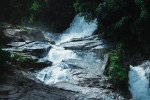
Balthar Falls
Some quick example text to build on the card title and make up the bulk of the card's content.
Go somewhere
Balu Math Shiva Temple
Some quick example text to build on the card title and make up the bulk of the card's content.
Go somewhere
Barura Sharif
Some quick example text to build on the card title and make up the bulk of the card's content.
Go somewhere
Bichkiliya Water Reservoir
Some quick example text to build on the card title and make up the bulk of the card's content.
Go somewhere
Chatra Forest Reserve
Some quick example text to build on the card title and make up the bulk of the card's content.
Go somewhere
Chatra Jama Masjid
Some quick example text to build on the card title and make up the bulk of the card's content.
Go somewhere
Chatra Lake
Some quick example text to build on the card title and make up the bulk of the card's content.
Go somewhere
Chatra Museum
Some quick example text to build on the card title and make up the bulk of the card's content.
Go somewhere
Duari Waterfall
Some quick example text to build on the card title and make up the bulk of the card's content.
Go somewhere
Dumer Sumer Waterfall
Some quick example text to build on the card title and make up the bulk of the card's content.
Go somewherein Other Cities