

Hazara Pukhuri
General information
-
Ideal Duration:
45 minutes – 1 hour (For a walk around the accessible perimeter and bird watching).Place Type:
Historical, Recreational, Nature/Bird-watching, CiEntry Fees:
No General Entry Fee: Visiting Hazara Pukhuri is completely free of charge for all members of the public, whether local residents or tourists. It is a public, historical park/reservoir.
Optional Activity Fees: The only potential fees are fo...No General Entry Fee: Visiting Hazara Pukhuri is completely free of charge for all members of the public, whether local residents or tourists. It is a public, historical park/reservoir.
Optional Activity Fees: The only potential fees are for specific activities. If you choose to use the facilities of the private swimming club located on a part of the pond's premises, you would need to pay their membership or daily usage fee.
Parking and Other Charges: There are generally no parking fees for the surrounding public areas, but visitors using private vehicles should follow local traffic rules. There are also no charges for personal photography or videography.
Donations and Vendor Costs: Visitors should budget for minor costs if they wish to purchase snacks or beverages from local vendors who set up shop near the public resting areas, or if they wish to give a small donation to any local community group maintaining the park grounds.Timing:
Regular Timings:
Open 24 Hours: As a large public water body and park area, Hazara Pukhuri is generally considered open 24 hours a day. However, it is primarily a daytime and early evening attraction.Regular Timings:
Open 24 Hours: As a large public water body and park area, Hazara Pukhuri is generally considered open 24 hours a day. However, it is primarily a daytime and early evening attraction.
Ideal Visit Time:
Early Morning: The ideal time for a peaceful visit is from 6:00 AM to 8:00 AM. This period is perfect for jogging, walking, enjoying the cool, fresh air, and observing the maximum amount of bird activity before the day gets busy.
Ideal Visit Time:
Late Afternoon/Evening: A second excellent time is from 4:30 PM to 6:00 PM to catch the pleasant evening breeze and the dramatic sunset over the water. This is when local families and residents gather, offering a glimpse into local social life.
Best Time to Avoid: Avoid the peak afternoon hours (12:00 PM to 3:00 PM) during the Summer months (April to June) due to the intense heat and lack of sufficient shade.Special Events:
Bihu Celebrations: The open grounds adjacent to the Hazara Pukhuri are one of the key venues in Tezpur for public celebrations of Rongali Bihu (in April). Large gatherings, traditional Bihu dance performances, and cultural programs take place here, drawing large crowds and ...Bihu Celebrations: The open grounds adjacent to the Hazara Pukhuri are one of the key venues in Tezpur for public celebrations of Rongali Bihu (in April). Large gatherings, traditional Bihu dance performances, and cultural programs take place here, drawing large crowds and showcasing the vibrant Assamese culture.
Annual Bird Arrival: While not a "festival," the arrival of the migratory birds around November and their departure around March is a natural special event eagerly awaited by local nature lovers and ornithologists. Special community walks or observation events are sometimes organized during this period.
Swimming and Sports Competitions: The local swimming club often uses the designated part of the pukhuri to host local or regional swimming competitions and water sports demonstrations, usually during the cooler months or early Summer.Best Photo Spots:
The Wide Water Reflection: Position yourself to capture the vast expanse of the water body, utilizing its surface as a natural mirror to reflect the sky, especially during sunrise or sunset. This emphasizes the monumental scale of the pond.
Mig...The Wide Water Reflection: Position yourself to capture the vast expanse of the water body, utilizing its surface as a natural mirror to reflect the sky, especially during sunrise or sunset. This emphasizes the monumental scale of the pond.
Migratory Birds in Flight (Winter): The best photo spot during the peak tourist season (November to March) is the shoreline where the migratory birds congregate. Capturing flocks taking off or landing provides dynamic, natural imagery.
Framing the Trees and Embankments: Use the lush trees lining the banks to frame the pond and the open sky. This contrast between the ancient water, the modern city visible in the background, and the natural greenery creates a compelling photo narrative.
The Youth Hostel Backdrop: Using the nearby Tezpur Youth Hostel structure in the background can add a point of modern context to the ancient site, showing its continued integration into the city’s life. Close-up shots of the old stonework or earthwork of the embankments are good for historical detail.Photo Gallery
Things To Do
-
Take a Leisurely Walk Around the Perimeter: Dedicate at least 30 to 45 minutes to walking the accessible paths and embankments. This allows you to appreciate the monumental scale of the 9th-century construction and enjoy the open air, which is the most popular activity here.
Engage in Bird Watching (Especially in Winter): If visiting between November and March, bring a pair of binoculars. Sit quietly and observe the migratory water birds that flock to the lake. Look for common species like ducks, moorhens, and different types of storks and herons that feed and rest on the water.
Capture Sunrise or Sunset Photography: Plan your visit for the early morning (before 7:00 AM) or late afternoon (after 4:30 PM). The wide-open space and the reflections on the water make for stunning landscape and ref...Take a Leisurely Walk Around the Perimeter: Dedicate at least 30 to 45 minutes to walking the accessible paths and embankments. This allows you to appreciate the monumental scale of the 9th-century construction and enjoy the open air, which is the most popular activity here.
Engage in Bird Watching (Especially in Winter): If visiting between November and March, bring a pair of binoculars. Sit quietly and observe the migratory water birds that flock to the lake. Look for common species like ducks, moorhens, and different types of storks and herons that feed and rest on the water.
Capture Sunrise or Sunset Photography: Plan your visit for the early morning (before 7:00 AM) or late afternoon (after 4:30 PM). The wide-open space and the reflections on the water make for stunning landscape and reflective photography, particularly during the Golden Hour.
Observe Local Sporting Activities: Check out the dedicated area used by the swimming club. Watching local residents engage in water sports or training can provide a glimpse into the local community life and the pond's contemporary civic role.
Attend a Local Festival or Event: If your visit coincides with major Assamese festivals like Bihu, the open grounds near Hazara Pukhuri often host cultural events, traditional dances, and community gatherings. This is a highly immersive cultural activity.
Historical Reflection and Contemplation: Find a quiet bench or spot near the water to sit and reflect on the pond's 1,000+ year history. Imagine the life of the Mlechchha dynasty and how important this water source was to the ancient capital of the Kamarupa kingdom.
Picnicking (Respectfully): The wide, grassy banks offer nice, shaded spots for a small, simple picnic. Ensure you carry all trash back with you to maintain the cleanliness and historical integrity of the site.
Jogging or Exercising: Due to its large area and relatively flat periphery, the pond is a popular spot for morning and evening joggers and walkers from Tezpur seeking a refreshing route.
Information
-
Why Famous:
Monumental Historical Excavation: Hazara Pukhuri is famous because it is a direct, tangible link to the ancient Kamarupa kingdom and the Mlechchha dynasty. It was excavated by King Harjara Varman himself in the 9th century, making it a thousand-year-old engineering marvel a...Monumental Historical Excavation: Hazara Pukhuri is famous because it is a direct, tangible link to the ancient Kamarupa kingdom and the Mlechchha dynasty. It was excavated by King Harjara Varman himself in the 9th century, making it a thousand-year-old engineering marvel and a primary marker of Tezpur's deep historical roots.
Haven for Migratory Birds: From November to March, the vast water body becomes a vital habitat for various species of migratory water birds. This annual phenomenon is a significant draw for nature enthusiasts and bird-watchers, earning it fame as a key ecological spot within the urban limits of Tezpur.
Central Recreational and Sporting Hub: It is a well-known civic space. Part of the pond is used as a swimming club and training ground, contributing significantly to local sports. The surrounding open areas host various public events, large functions like Bihu celebrations, and serve as popular grounds for outdoor activities, making it a focal point for the community's social life.
The Tranquil Urban Escape: For residents and visitors alike, it offers a large, open, and serene space away from the commercial noise of the main town. The cool breeze off the water and the sheer scale of the reservoir provide a sense of calm and perspective, which is its fame as an accessible natural retreat. -
Architecture:
Engineering Marvel of an Ancient Tank: The Hazara Pukhuri is an outstanding example of ancient hydraulic engineering in Assam, centered on excavating a colossal, rectangular-to-irregular shaped artificial tank. Its architecture is not one of intricate carvings or domes, but...Engineering Marvel of an Ancient Tank: The Hazara Pukhuri is an outstanding example of ancient hydraulic engineering in Assam, centered on excavating a colossal, rectangular-to-irregular shaped artificial tank. Its architecture is not one of intricate carvings or domes, but of massive scale and civil utility. The architecture focuses on the earthen construction, designed to hold and store vast quantities of water, likely fed by natural springs or rainwater runoff, demonstrating proficiency in water management for urban sustainability.
Dimensions and Scale: The most prominent feature is its dimension. While precise measurements vary due to modern encroachments, historical records suggest it originally covered around 70 acres (or 240 bighas). This immense size makes it one of the largest ponds in Tezpur. A typical bigha in Assam is about 1,340 square meters, making the total area of the pukhuri vast, showcasing a monumental construction effort for the 9th century.
Modern Modifications and Integration: Over time, the banks of the pukhuri have been strengthened, and access points developed. During the British era, parts of the bank were reportedly used for horse racing. Today, parts of the pond are utilized for a swimming club, with dedicated training areas and simple, modern boundary walls and steps leading to the water. A youth hostel is located nearby, integrating the historical site into modern recreational and institutional use.
Lack of Traditional Temple Architecture: Unlike many other sites from the Varman dynasty, Hazara Pukhuri's architecture is purely functional and civic. The focus is on the large, flat water surface, surrounded by embankments and open ground, which now naturally forms a kind of natural amphitheater for community events, without the typical Assamese temple sikhara or carved stonework. -
How To Reach:
By Air: The nearest airport is Salonibari Airport (TEZ), which is approximately 15-20 KMS from Hazara Pukhuri. This airport is well-connected with major cities like Kolkata and Guwahati. From the airport, you can hire a pre-paid taxi or a local cab. The drive to Hazara Pu...By Air: The nearest airport is Salonibari Airport (TEZ), which is approximately 15-20 KMS from Hazara Pukhuri. This airport is well-connected with major cities like Kolkata and Guwahati. From the airport, you can hire a pre-paid taxi or a local cab. The drive to Hazara Pukhuri within Tezpur town takes about 30 to 45 minutes.
By Train: The nearest major railway station is Tezpur Railway Station (often referred to as Dekargaon Railway Station, as it is the nearest main station). It is approximately 6-8 KMS from the Pukhuri. Another important station nearby is Rangapara North Railway Station, about 30 KMS away. From the Tezpur Railway Station, local transport like auto-rickshaws or cycle rickshaws are easily available to reach Hazara Pukhuri within 15-20 minutes.
By Road: Tezpur is well-connected by road via National Highway 15 (NH 15) and National Highway 715 (NH 715). Regular ASTC (Assam State Transport Corporation) buses and private buses run from Guwahati and other major Assamese cities. The Pukhuri is located on the western side of the town and is easily reachable by hiring a local taxi or auto-rickshaw from the main Tezpur bus stand or city center.
By Local Transport: Within Tezpur, the most convenient local transport is the auto-rickshaw or the unique cycle rickshaw. Since the Pukhuri is located only 4-5 KMS from the city center (Clock Tower), the ride is short and inexpensive. You can also hire an app-based taxi, though availability might be limited compared to larger cities. Many locals choose to reach the spot by foot or bicycle for their daily exercise. -
Weather and Best Time to Visit:
Winter Season (October to March): This is the best time to visit Hazara Pukhuri. The temperature is pleasantly cool and dry, perfect for walking and enjoying the outdoors. Crucially, the period from November to March is when the migratory birds arrive, offering the best na...Winter Season (October to March): This is the best time to visit Hazara Pukhuri. The temperature is pleasantly cool and dry, perfect for walking and enjoying the outdoors. Crucially, the period from November to March is when the migratory birds arrive, offering the best natural spectacle.
Summer Season (April to June): Summer is hot and humid, but the early mornings and late afternoons are still acceptable. This period includes the culturally significant festival of Rongali Bihu in April, which is a special time for local community events near the pond.
Monsoon Season (July to September): The Monsoon brings frequent, heavy rainfall, which can restrict outdoor activities. However, the tank will be at its fullest and the surrounding greenery is at its most vibrant.
Different Parts of the Day:
Golden Hours: Visit during the Golden Hours (6:00 AM to 8:00 AM and 4:30 PM to 6:00 PM) for the most comfortable weather, best light for photography, and the highest level of recreational activity. -
Near Tourist Places:
1.
Tezpur Youth Hostel: (Adjacent to the Pukhuri) - <0. 5 KM. 2.
Mahabhairab Temple: (Famous Shiva Temple) - 2 KMS. 3.
Padum Pukhuri (Lotus Pond): (Another historical lake with a park) - 3 KMS. 4.
Chitralekha Udyan (Cole Park): (Main city park) - 4 KMS. 5.
Agnigarh Hill: (Mythological Hilltop Fort) - 5 KMS. 6.
Bamuni Hills: (Archaeological Ruins) - 5 KMS. 7.
District Museum Tezpur: (Local History and Artifacts) - 4 KMS. 8.
Bhairabi Temple: (Ancient Shakti Shrine) - 7 KMS. 9.
Da Parbatia Gate: (Ancient Temple Ruins) - 8 KMS. 10.
Kolia Bhomora Setu (Bridge): (Viewpoint of Brahmaputra) - 10 KMS (to the beginning of the bridge).
Tourism Tips
-
Health & Safety:
Mosquitoes and Water: Carry mosquito repellent, especially if visiting in the early morning or evening, as it is a large water body. Maintain a safe distance from the water's edge, as there are no continuous safety railings ...Health & Safety:
Mosquitoes and Water: Carry mosquito repellent, especially if visiting in the early morning or evening, as it is a large water body. Maintain a safe distance from the water's edge, as there are no continuous safety railings around the entire 70-acre perimeter.
Packing:
Bird Watching Gear: If you are visiting between November and March, make sure to pack binoculars or a telephoto lens for your camera to fully enjoy the migratory bird life. Carry a comfortable pair of walking shoes.
Accommodation:
Staying in Tezpur: It is highly recommended to stay in Tezpur town itself. Areas near Main Road or Colonial-era locations offer good hotels, guest houses, and the necessary amenities. Hazara Pukhuri is easily accessible from any part of the town.
Environmental Responsibility: As it is a historical and ecological site, strictly do not litter. Use designated bins. Help preserve the tranquility by keeping noise levels low, especially near the bird congregation areas.
Historical Context: Before visiting, read up briefly on King Harjara Varman and the Mlechchha dynasty (9th century) to better appreciate the historical importance of the massive water tank.
Reviews
FAQs
Tezpur Itineray And Cost:-
Information about New and Updated Locations() of Assam Has Been Added :-
Card subtitle
Note:-
Information provided here in good Faith and for reference only.
Near Places

Agnigarh Hill
Some quick example text to build on the card title and make up the bulk of the card's content.
Go somewhere
Agnigarh View Point
Some quick example text to build on the card title and make up the bulk of the card's content.
Go somewhere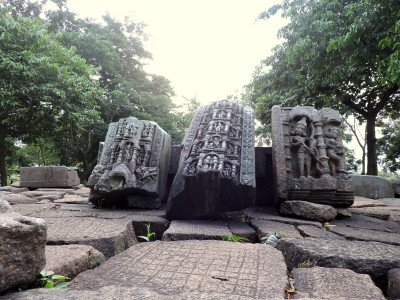
Bamuni Hills
Some quick example text to build on the card title and make up the bulk of the card's content.
Go somewhere
Bhairabi Temple
Some quick example text to build on the card title and make up the bulk of the card's content.
Go somewhere
Bharali New Bridge Tezpur Side
Some quick example text to build on the card title and make up the bulk of the card's content.
Go somewhere
Bhomoraguri Historical Stone
Some quick example text to build on the card title and make up the bulk of the card's content.
Go somewhere
Bura Chapori Wildlife Sanctuary
Some quick example text to build on the card title and make up the bulk of the card's content.
Go somewhere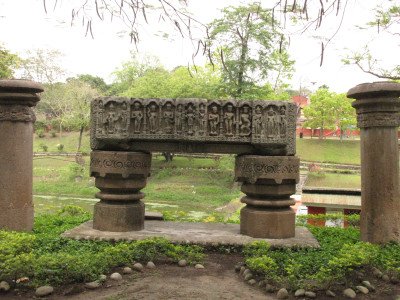
Chitralekha Udyan
Some quick example text to build on the card title and make up the bulk of the card's content.
Go somewhere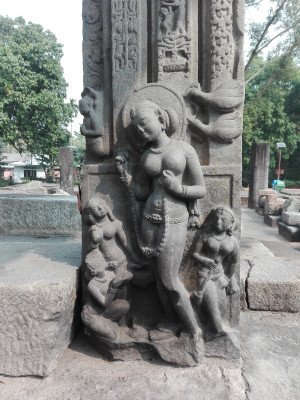
Da-Parbatia Gate
Some quick example text to build on the card title and make up the bulk of the card's content.
Go somewhere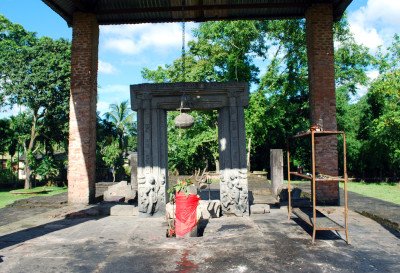
Da Parbatia
Some quick example text to build on the card title and make up the bulk of the card's content.
Go somewhere
District Museum Tezpur
Some quick example text to build on the card title and make up the bulk of the card's content.
Go somewhereGanesh Ghat Temple
Some quick example text to build on the card title and make up the bulk of the card's content.
Go somewhereGanesh Ghat
Some quick example text to build on the card title and make up the bulk of the card's content.
Go somewhere
Ghai Nadi Picnic Spot
Some quick example text to build on the card title and make up the bulk of the card's content.
Go somewhereHaleshwar Temple
Some quick example text to build on the card title and make up the bulk of the card's content.
Go somewhere
Hazara Pukhuri
Some quick example text to build on the card title and make up the bulk of the card's content.
Go somewherein Other Cities