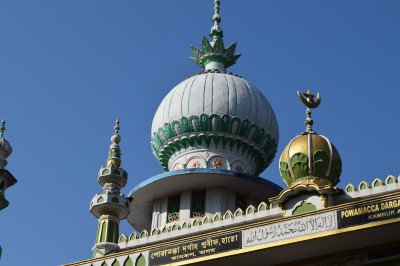
Powa Mecca
General information
-
Ideal Duration:
1 to 2 hours (For a peaceful visit, prayers, and enjoying the view).Place Type:
Religious, Historical, Pilgrimage, HeritageEntry Fees:
No Entry Fee for General Visitors: Powa Mecca, being a religious place of worship and a dargah (tomb of a saint), does not charge any entry fee from visitors or pilgrims. The site is freely accessible to all individuals, irrespective of their faith, adhering to the principl...No Entry Fee for General Visitors: Powa Mecca, being a religious place of worship and a dargah (tomb of a saint), does not charge any entry fee from visitors or pilgrims. The site is freely accessible to all individuals, irrespective of their faith, adhering to the principle of open worship and pilgrimage.
Donations and Offerings: While there are no mandated entry fees, visitors often choose to make voluntary donations (or chadar offerings) at the shrine or the tomb of Pir Giasuddin Auliya. These contributions are purely optional and are typically used for the mosque's upkeep, maintenance, and community services.
Photography and Videography Fees: There are generally no formal fees for photography of the exterior or the landscape. However, for professional photography or videography, or for shooting inside the main prayer hall, it is highly advisable to seek prior permission from the mosque authorities to ensure adherence to religious decorum, and in some rare cases, a small fee might be requested.
Parking and Incidental Costs: While the visit to the shrine itself is free, visitors arriving by private vehicle may have to pay a minimal parking fee if an organized parking facility is available at the base or the top of the hill. Small incidental costs may also arise if one wishes to purchase flower garlands, chadar (cloth offering for the tomb), or a souvenir from the shops outside.Timing:
Regular Timings: Powa Mecca is generally open to visitors and devotees seven days a week, from sunrise to sunset (approximately 6:00 AM to 6:00 PM). As a place of worship, access remains flexible, particularly for those wishing to offer prayers, but the main complex may be ...Regular Timings: Powa Mecca is generally open to visitors and devotees seven days a week, from sunrise to sunset (approximately 6:00 AM to 6:00 PM). As a place of worship, access remains flexible, particularly for those wishing to offer prayers, but the main complex may be secured after dark.
Ideal Visit Time: The ideal time to visit is during the early morning (7:00 AM to 10:00 AM) or late afternoon (4:00 PM to 6:00 PM). The morning offers a tranquil atmosphere, perfect for quiet reflection and avoiding the midday sun. The late afternoon is highly recommended for capturing the stunning sunset views over the Brahmaputra River and the surrounding landscape from Garurachal Hill.
Prayer Times: For Muslim devotees, visits are also planned around the five daily Namaz (prayer) times. The most peaceful and spiritually charged times are usually before the Fajr (dawn) prayer and after the Maghrib (sunset) prayer, though access may be restricted to the prayer hall during these specific times.
Midday Heat Avoidance: Visitors should generally avoid the peak midday hours (11:00 AM to 3:00 PM), especially during the summer months (April to September), as the heat and humidity in Assam can be intense, making the climb and exploration uncomfortable.Special Events:
Annual Urs Festival: The most significant special event is the annual observance of the Urs (death anniversary) of Pir Giasuddin Auliya. This is an extremely sacred time when devotees, not just from Assam but from all over Northeast India and beyond, congregate at the shrin...Annual Urs Festival: The most significant special event is the annual observance of the Urs (death anniversary) of Pir Giasuddin Auliya. This is an extremely sacred time when devotees, not just from Assam but from all over Northeast India and beyond, congregate at the shrine. The festival is marked by special prayers (fatiha), qawwalis (devotional music), and a large spiritual gathering (jalsa).
Jaistha Purnima (Full Moon Day of Jaistha): Although primarily a Muslim shrine, Powa Mecca, due to its proximity to the Hayagriva Madhava Temple, witnesses a significant influx of Hindu pilgrims, especially on the full moon day of the Assamese month of Jaistha (May-June). This is a beautiful example of the cultural and religious interchange that defines Hajo, making it a special, multi-faith event.
Eid Celebrations: During the Islamic festivals of Eid al-Fitr and Eid al-Adha, the mosque and its premises are beautifully decorated, and special congregational prayers are held. Visiting during Eid offers a vibrant cultural experience with festive crowds and a powerful sense of community and celebration.Best Photo Spots:
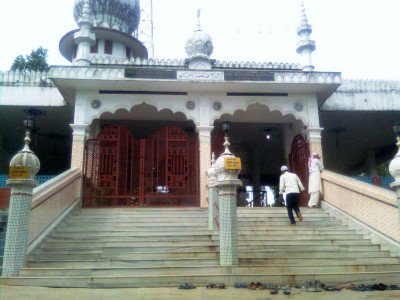
The Main Entrance Gate: The gate of Powa Mecca, often featuring traditional Islamic architecture, is an excellent spot for a classic, defining shot of the shrine. It frames the mosque and is usually less crowded than the main prayer hall.
The P...The Main Entrance Gate: The gate of Powa Mecca, often featuring traditional Islamic architecture, is an excellent spot for a classic, defining shot of the shrine. It frames the mosque and is usually less crowded than the main prayer hall.
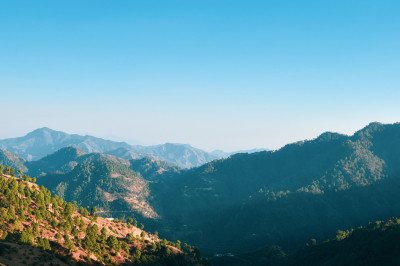
The Panoramic Viewpoint: The area right outside the mosque, on the edge of Garurachal Hill, offers the best panoramic shots. Focus on capturing the wide expanse of the Brahmaputra River, the surrounding hills, and the distant plains, especially at dusk or dawn for dramatic lighting.
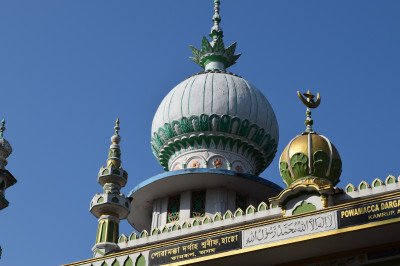
The Mosque Exterior and Dome: Find an angle that highlights the 17th-century Mughal architecture, focusing on the dome and the white walls. Look for compositional elements like surrounding trees or the clear blue sky to add contrast and texture to the picture.
The Tomb of Pir Giasuddin Auliya: A respectful shot of the tomb of the revered Pir can capture the spiritual essence of the place. Ensure to be discreet and respectful of the devotees offering prayers, capturing the peaceful reverence that surrounds the dargah.
The Road Leading Up: The winding, zig-zag road to the top offers great opportunities for landscape and travel photography. You can capture the road itself as a leading line towards the destination, emphasizing the journey to this sacred spot.Photo Gallery
Things To Do
-
Offer Prayers and Seek Blessings: The primary activity is to visit the tomb of Pir Giasuddin Auliya and the mosque to offer prayers (Namaz) and seek blessings. The spiritual ambiance is deeply moving, and for pilgrims, this is the core reason for the visit, connecting them spiritually to Mecca.
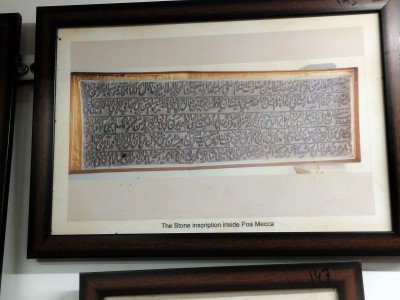
Explore the Indo-Islamic Architecture: Take time to observe the Mughal-era architectural details of the mosque. Look for the Persian inscription and the blend of styles. The simplicity of the structure on the hill is a lesson in devotional focus compared to elaborate city mosques.
Enjoy the Sunset and Panoramic Views: Climbing to the top of Garurachal Hill is rewarded with exceptional views. Plan your visit for the late afternoon to witness a stunning sunset over the Brahmaputra River and the vast plai...Offer Prayers and Seek Blessings: The primary activity is to visit the tomb of Pir Giasuddin Auliya and the mosque to offer prayers (Namaz) and seek blessings. The spiritual ambiance is deeply moving, and for pilgrims, this is the core reason for the visit, connecting them spiritually to Mecca.
Explore the Indo-Islamic Architecture: Take time to observe the Mughal-era architectural details of the mosque. Look for the Persian inscription and the blend of styles. The simplicity of the structure on the hill is a lesson in devotional focus compared to elaborate city mosques.
Enjoy the Sunset and Panoramic Views: Climbing to the top of Garurachal Hill is rewarded with exceptional views. Plan your visit for the late afternoon to witness a stunning sunset over the Brahmaputra River and the vast plains. This is a must-do for nature lovers and photographers.
Visit the Hayagriva Madhava Temple: Since Powa Mecca is located right next to the Hayagriva Madhava Temple on a nearby hill, one must visit this ancient Hindu and Buddhist shrine as well. This joint visit is essential to appreciate the unique religious synthesis of Hajo.
Stroll the Zig-Zag Hill Road: The road leading up to the mosque is a scenic, zig-zag route. Take a slow walk or drive to appreciate the greenery and the tranquility of the hill. The view opens up dramatically as you ascend.
Connect with Local Devotees: Engage in polite conversation with local devotees and caretakers to learn more about the legends, personal experiences, and oral histories associated with Powa Mecca and Pir Giasuddin Auliya. This offers a deeper cultural immersion.
Explore Local Handicrafts: On your way in or out of Hajo, stop at the local markets. Hajo and nearby Sualkuchi (the Manchester of the East) are famous for traditional bell metal and exquisite Assamese silk and brass handicrafts. Purchasing a souvenir is a great way to support the local community.
Information
-
Why Famous:
The 'Quarter Mecca' Significance: The primary reason for the fame of Powa Mecca lies in its unique name and spiritual connotation. The term 'Powa' (one-fourth) suggests that a pilgrimage here grants a quarter of the merits of performing the sacred Hajj pilgrimage to Mecca. ...The 'Quarter Mecca' Significance: The primary reason for the fame of Powa Mecca lies in its unique name and spiritual connotation. The term 'Powa' (one-fourth) suggests that a pilgrimage here grants a quarter of the merits of performing the sacred Hajj pilgrimage to Mecca. This belief has made it an immensely sacred and popular destination for Muslims, particularly in Northeast India, who may not be able to travel to the Middle East.
Tomb of Pir Giasuddin Auliya: The presence of the tomb (or dargah) of Pir Giasuddin Auliya, the Sufi saint who propagated Islam in the region, adds immense spiritual weight. The site is revered as his final resting place, drawing thousands of devotees annually to offer prayers and seek blessings.
Symbol of Communal Harmony: Hajo itself is famed as a unique multi-faith pilgrimage center where sites sacred to Hinduism (Hayagriva Madhava Temple), Buddhism, and Islam (Powa Mecca) stand in close proximity, literally across a hill. This coexistence makes Powa Mecca a global symbol of religious harmony and tolerance, a feature that significantly boosts its renown.
Mughal Era Architecture: The mosque's construction in 1657 AD during the reign of Shah Jahan, a time of grand Mughal architecture, gives it substantial historical importance. It represents the easternmost spread of the Mughal Empire's cultural and architectural influence in Assam. -
Architecture:
The Indo-Islamic-Mughal Blend Architecture: The architecture of Powa Mecca reflects a distinct blend of Indo-Islamic and Mughal styles, adapted to the local environment and construction traditions of Assam. The original structure, believed to be a khanqah (a spiritual retre...The Indo-Islamic-Mughal Blend Architecture: The architecture of Powa Mecca reflects a distinct blend of Indo-Islamic and Mughal styles, adapted to the local environment and construction traditions of Assam. The original structure, believed to be a khanqah (a spiritual retreat or monastery) built in the 12th century by Ghiyath ad-Din Awliya, was later replaced or rebuilt. The mosque that stands today dates back to 1657 CE and was built during the Mughal period. The architectural details feature characteristic Mughal elements like domes and possibly minarets, although it is simpler in form compared to grand Mughal monuments elsewhere in India. The inscription inside the mosque, a granite slab that states its construction date, is an important architectural and historical feature.
Local Influence and Materials: The mosque is believed to have been restored over time, possibly using locally available bricks, suggesting an integration of local Assamese construction methods. This use of locally sourced materials and the adaptation of the design to the local topography (being on a hill) are testaments to the skill of the artisans of the time. The tomb of Pir Giasuddin Auliya, located in front of the mosque, is a humble grave site, adding to the spiritual, rather than purely monumental, feel of the complex.
Dimension and Scale: Precise dimensions of the mosque are not widely documented, but as a hilltop shrine, its scale is modest, emphasizing devotion and seclusion rather than massive grandeur. Its placement on the Garurachal Hill offers a unique architectural experience where the structure is harmoniously integrated with the surrounding natural landscape, providing a breathtaking bird's-eye view of the Brahmaputra river and the plains below, an important spatial and aesthetic dimension of the site. -
How To Reach:
By Air: The nearest airport is Lokpriya Gopinath Bordoloi International Airport (GAU) in Guwahati, Assam. The airport is approximately 36-40 kilometers away from Hajo. Upon arrival at GAU, one can easily hire a pre-paid taxi or a private cab to reach Hajo directly. The dr...By Air: The nearest airport is Lokpriya Gopinath Bordoloi International Airport (GAU) in Guwahati, Assam. The airport is approximately 36-40 kilometers away from Hajo. Upon arrival at GAU, one can easily hire a pre-paid taxi or a private cab to reach Hajo directly. The drive takes about 1. 5 to 2 hours, depending on traffic, especially while crossing the Guwahati city limits.
By Train: The nearest major railway station is Kamakhya Junction (KYQ), which is about 26 kilometers from Hajo. A more central and better-connected station is Guwahati Railway Station (GHY), located approximately 30 kilometers away. Both stations receive trains from major cities across India, including Kolkata, Delhi, and Mumbai. From the railway station, local taxis, auto-rickshaws, or state transport buses are available for the final leg of the journey to Hajo.
By Road: Hajo is very well connected by road and is approximately 24-25 kilometers northwest of Guwahati. You can reach Hajo via National Highway 17 (NH 17). State-run buses (ASTC) and private buses frequently run between Guwahati and Hajo. The journey is relatively short, around 1 hour to 1. 5 hours. Hiring a private taxi or using ride-sharing services from Guwahati is the most comfortable and direct option.
By Local Transport: Once in Hajo town, local transport options to reach the top of Garurachal Hill include auto-rickshaws (popularly known as tuktuks), which are suitable for the winding hill road. For visitors staying in Hajo town, walking up the hill is also an option, providing a scenic, though slightly strenuous, experience. The nearest bus stop is the Pakhamela Bus Stop in Hajo. -
Weather and Best Time to Visit:
Best Season:
Winter (October to March): The period from October to March is considered the best time to visit Powa Mecca and Hajo.
Weather Conditions: During these months, the weather is pleasantly cool and d...Best Season:
Winter (October to March): The period from October to March is considered the best time to visit Powa Mecca and Hajo.
Weather Conditions: During these months, the weather is pleasantly cool and dry, with temperatures ranging from around 10°C to 25°C (50°F to 77°F). This moderate climate is ideal for climbing the hill, exploring the mosque, and enjoying the outdoor panoramic views without the discomfort of excessive heat or rain.
High Season Activities: The winter season is perfect for sightseeing and enjoying the local culture. Festivals like Eid and the cooler weather make for a comfortable and enriching pilgrimage experience.
Avoidance Season:
Monsoon (July to September): The Monsoon season is characterized by heavy and frequent rainfall. The climb to Powa Mecca can become slippery and challenging, and the views are often obscured by clouds and mist.
Summer (April to June): Summer in Assam is typically hot and humid, with temperatures sometimes soaring above 35°C (95°F). This season is generally less ideal for outdoor activities and strenuous climbs.
Best Part of the Day: As mentioned in the timings, the early morning and late afternoon/sunset hours are the best parts of the day for a visit, maximizing comfort and photographic opportunities. -
Near Tourist Places:
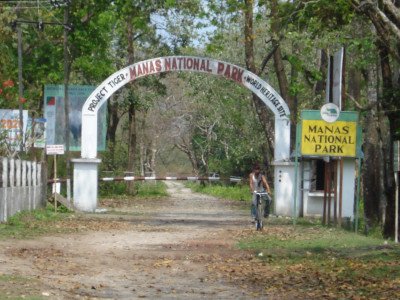
Hayagriva Madhava Temple (0. 5 KM) Located right on the adjacent Monikut Hill. Kedareswara Temple (1. 5 KM) Ancient Shiva temple atop the Madanchala Hillock in Hajo. Kamesware Temple (2 KM) Another ancient Shiva temple in Hajo. Deva Bhavana (2. 5 KM) A prominent Hindu temple in Hajo. Sualkuchi (10 KM) The famous silk weaving village, known as the Manchester of the East. Madan Kamdev Archaeological Site (12 KM) Ruins featuring erotic sculptures. Guwahati (24 KM) The major city for accommodations, dining, and shopping. Kamakhya Temple, Guwahati (28 KM) Famous Hindu temple on Nilachal Hill. Umananda Temple, Guwahati (30 KM) Smallest inhabited riverine island, famous for its Shiva temple. Manas National Park (Approx. 74 KM) For wildlife enthusiasts.
Tourism Tips
-
Respect for Religious Sites (Dress Code):
Health & Safety: Always carry a small first-aid kit for minor injuries, especially while climbing the hill. The weather in Assam can be humid, so ensure you drink plenty of bottled water to stay hydr...Respect for Religious Sites (Dress Code):
Health & Safety: Always carry a small first-aid kit for minor injuries, especially while climbing the hill. The weather in Assam can be humid, so ensure you drink plenty of bottled water to stay hydrated.
Packing Essentials: Carry comfortable walking shoes or slip-ons, as you will need to remove footwear before entering the mosque. During winter, carry a light jacket or shawl, especially for early morning or late evening visits.
Accommodation: While Hajo has limited accommodation options, the nearby city of Guwahati (24-25 km away) offers a wide range of hotels, from budget to luxury. It's best to base yourself in Guwahati and make a day trip to Hajo.
Cultural Sensitivity: Dress modestly as it is a sacred religious site, covering shoulders and knees. This is a sign of respect for local customs.
Photography Etiquette: Always ask for permission before taking photographs of devotees or inside the main prayer areas. Be discreet and avoid flash photography.
Cash is King: While larger places in Guwahati accept cards, Hajo is a smaller town. Carry sufficient cash (Indian Rupees) for local transport, small purchases, and donations, as many small vendors may not have digital payment facilities.
Timing your Visit: Plan to visit on a weekday to avoid the larger crowds that gather during weekends and major festival days.
Reviews
FAQs
Hajo Itineray And Cost:-
Information about New and Updated Locations() of Assam Has Been Added :-
Card subtitle
Note:-
Information provided here in good Faith and for reference only.
All information and pictures will be updated soon, please keep visiting.
Near Places
Alaboi Hills
Some quick example text to build on the card title and make up the bulk of the card's content.
Go somewhere
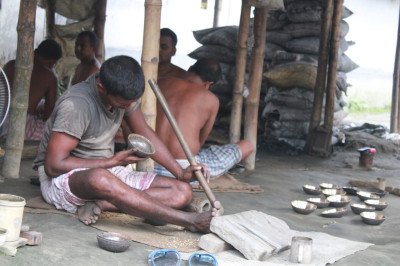
Bell Metal Industry Workshop
Some quick example text to build on the card title and make up the bulk of the card's content.
Go somewhere
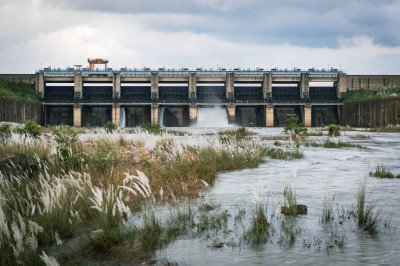
Dampur Pahar View
Some quick example text to build on the card title and make up the bulk of the card's content.
Go somewhere

Deva Bhavana
Some quick example text to build on the card title and make up the bulk of the card's content.
Go somewhere

Dhoparguri Satra
Some quick example text to build on the card title and make up the bulk of the card's content.
Go somewhere
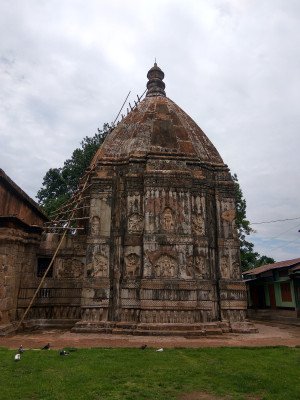
Dimu
Some quick example text to build on the card title and make up the bulk of the card's content.
Go somewhere
Ganesh Bigrah Temple
Some quick example text to build on the card title and make up the bulk of the card's content.
Go somewhere
Hayagriva Madhava Temple
Some quick example text to build on the card title and make up the bulk of the card's content.
Go somewhere
Joy Durga Temple
Some quick example text to build on the card title and make up the bulk of the card's content.
Go somewhere
Kalitakuchi
Some quick example text to build on the card title and make up the bulk of the card's content.
Go somewherein Other Cities