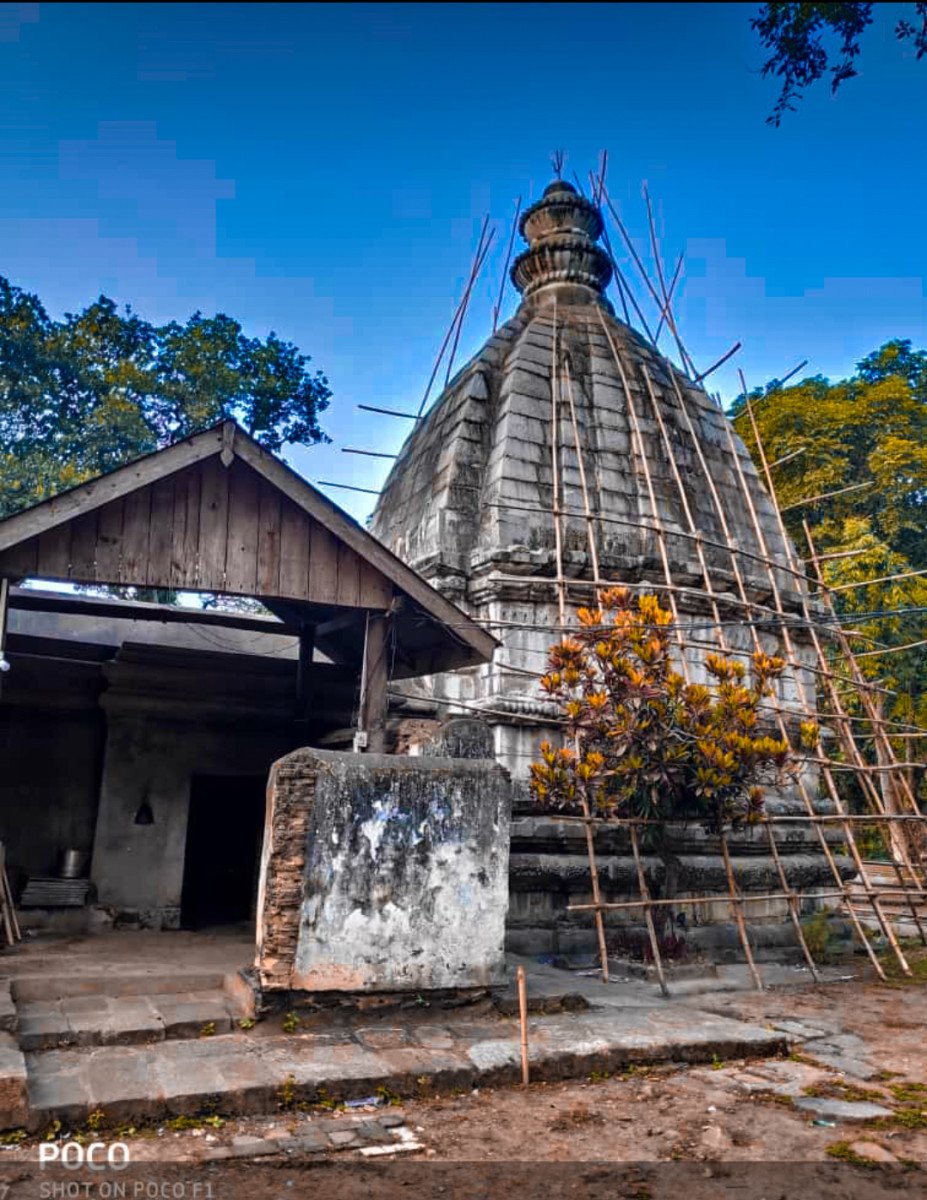
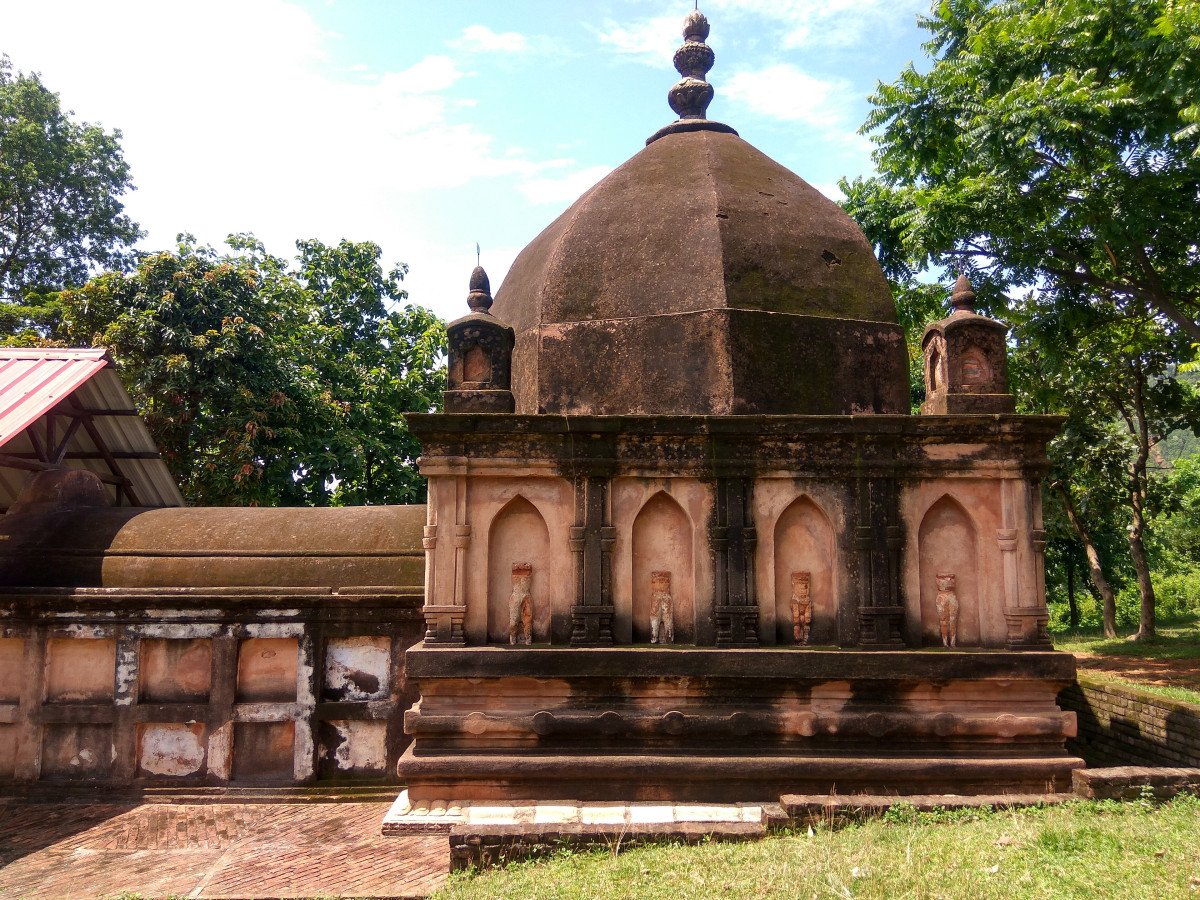
Kamesware Temple
General information
-
Ideal Duration:
1 to 2 hoursPlace Type:
Religious, Temple, Archaeological SiteEntry Fees:
Free Entry and Donation Culture:There is no official entry fee or ticket required to visit the Kamesware Temple. Like most Hindu temples in India, it is open to all visitors and pilgrims for free. The maintenance and operations of the temple are supported entirely by donat...Free Entry and Donation Culture:There is no official entry fee or ticket required to visit the Kamesware Temple. Like most Hindu temples in India, it is open to all visitors and pilgrims for free. The maintenance and operations of the temple are supported entirely by donations (bhog, dakshina), which are given voluntarily by devotees. This ensures that the spiritual site remains accessible to everyone, regardless of their financial status.
Voluntary Offerings and Expenses:While entry is free, visitors often incur minor costs for ritual offerings. This includes purchasing items like flowers, coconuts, incense sticks (agarbatti), and sacred threads from small shops or vendors near the temple entrance. It is customary to leave a small monetary offering in the donation box or to the priests as a mark of respect and devotion. It is important to note that any exchange for a prasad (blessed food offering) is a voluntary contribution for the cost of preparing the food, not a mandatory fee.Timing:
Regular Timings:The temple is generally open for devotees from early morning (around 6:00 AM) until late evening (around 8:30 PM or 9:00 PM). The timings may be subject to minor changes, particularly during special festivals or seasonal changes.Regular Timings:The temple is generally open for devotees from early morning (around 6:00 AM) until late evening (around 8:30 PM or 9:00 PM). The timings may be subject to minor changes, particularly during special festivals or seasonal changes.
Ideal Visit Time (Morning):The best time to visit is in the early morning (between 7:00 AM and 9:00 AM). The temperature is cooler, the light is soft for photography, and the ambiance is at its most peaceful. You can often witness the first pujas (worship rituals) of the day during this time, which is a tranquil and spiritual experience.
Ideal Visit Time (Evening):Visiting in the late afternoon or evening (around 4:30 PM to 6:00 PM) is also highly recommended. The sunlight offers a warm glow for the hilltop views, and you can stay to witness the beautiful evening aarti (lamp ceremony) before the temple closes.Special Events:
Shivaratri Festival:As a temple dedicated to Lord Shiva, Maha Shivaratri (usually in February or March) is the most important annual festival. The temple is decorated beautifully, and special prayers, pujas, and aartis are held throughout the night. Thousands of devotees f...Shivaratri Festival:As a temple dedicated to Lord Shiva, Maha Shivaratri (usually in February or March) is the most important annual festival. The temple is decorated beautifully, and special prayers, pujas, and aartis are held throughout the night. Thousands of devotees flock to the temple to offer prayers and fast, celebrating the marriage of Shiva and Parvati or the night Shiva performed the Tandava dance. This is the time to witness the temple at its most vibrant and spiritually charged.
Ganesh Chaturthi:Given the prominent elephant-shaped rock worshipped as Lord Ganesha, the festival of Ganesh Chaturthi (usually in August or September) is also celebrated with enthusiasm. Special worship services and offerings are dedicated to the remover of obstacles, drawing many local families to the temple complex.Best Photo Spots:
The Ganesha Idol Close-Up:The elephant-shaped natural rock worshipped as Lord Ganesha is the most distinctive feature. A focused, respectful photograph of this unique idol, possibly showing the devotional offerings around it, is a must-have.
Vie...The Ganesha Idol Close-Up:The elephant-shaped natural rock worshipped as Lord Ganesha is the most distinctive feature. A focused, respectful photograph of this unique idol, possibly showing the devotional offerings around it, is a must-have.
View from the Temple Platform:The open platform or courtyard of the temple provides an excellent perspective for a panoramic shot. You can capture the temple's domical shikhara against the sky, or turn the camera outward to photograph the lush greenery of Madanchala Hill and the distant landscape of the Brahmaputra Valley.
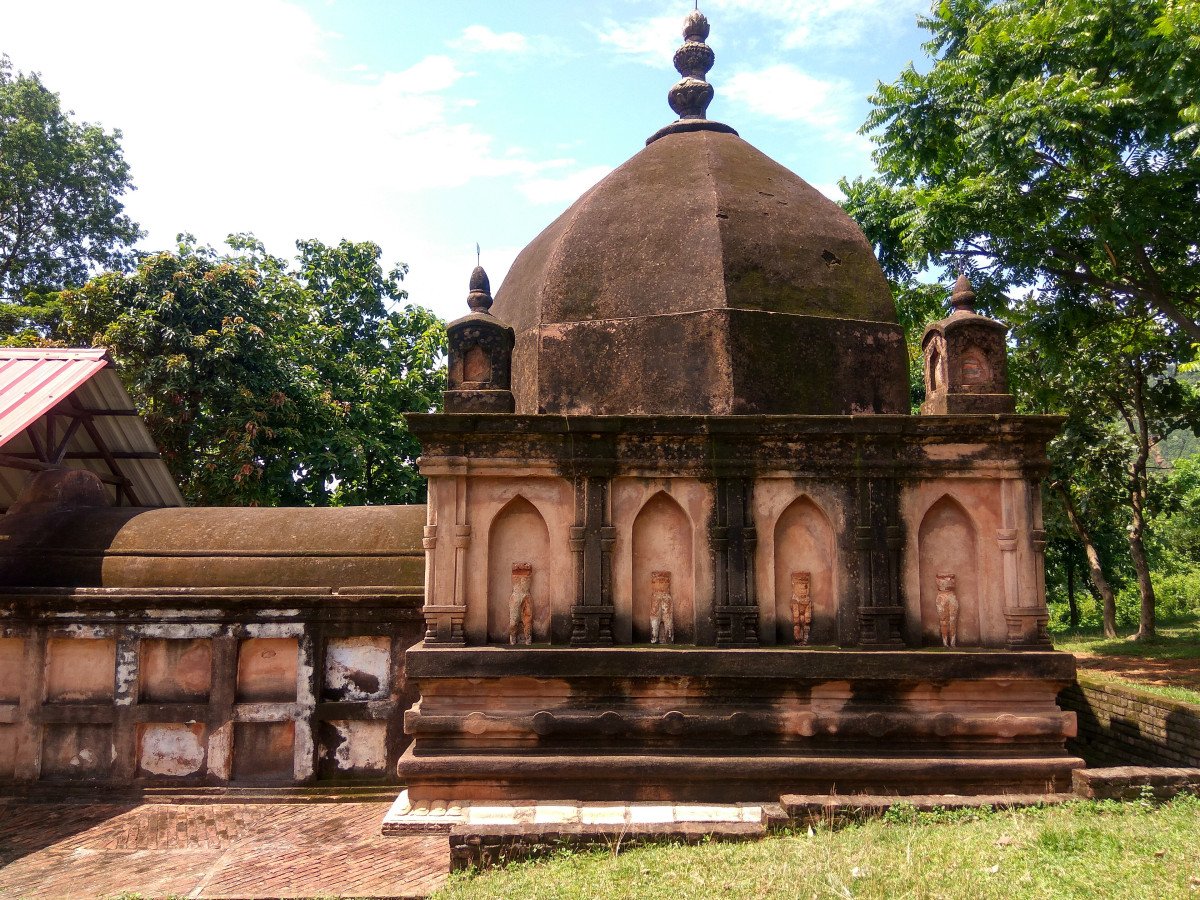
Architectural Details of the Roof:For those interested in architecture, a close-up or angled shot of the barrel-vaulted roof of the Mukha Mandapa or the carvings on the outer walls and door frames can highlight the unique Ahom-era craftsmanship and design elements.
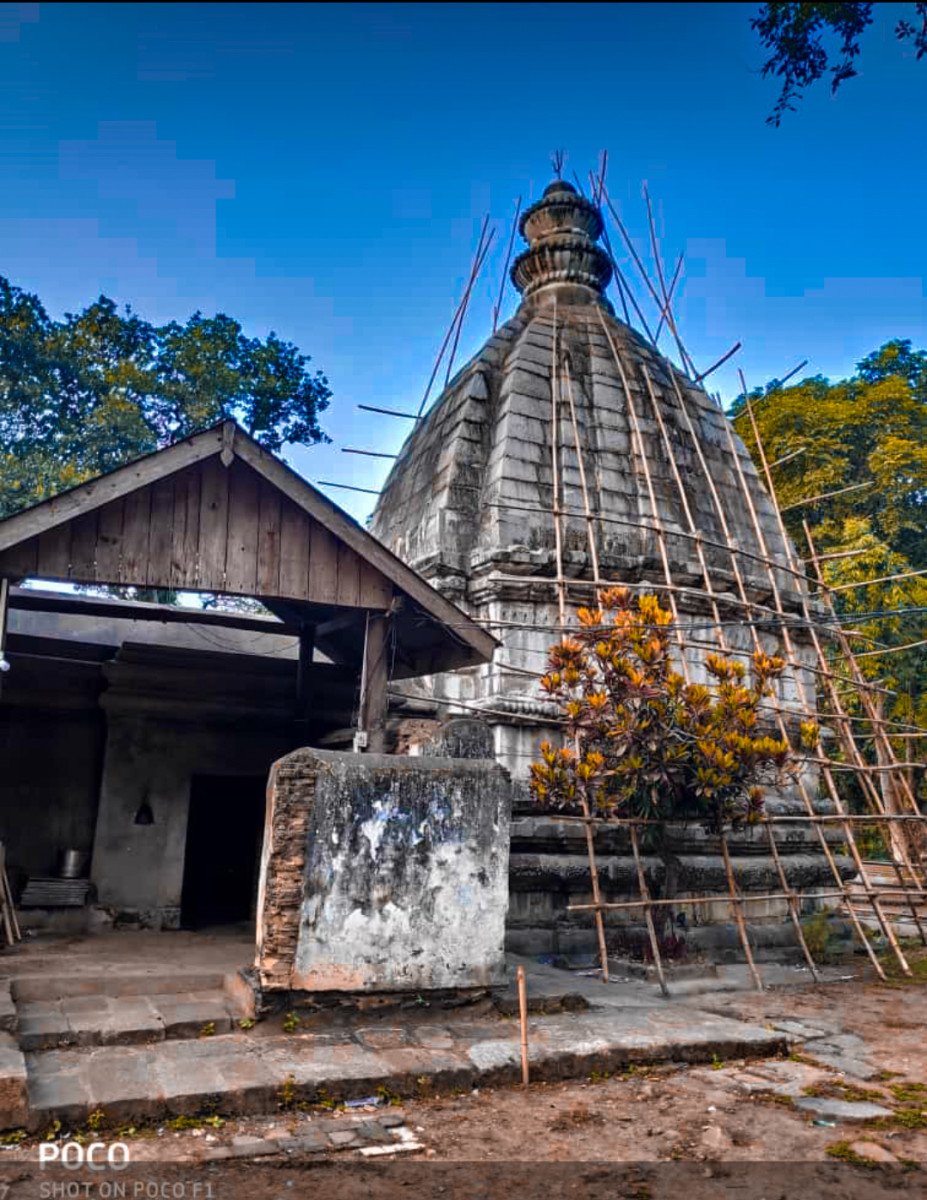
The Entrance Gateway:The main entrance of the temple complex or the path leading up the hill offers a classic approach shot, capturing the initial climb and the feel of the sacred journey towards the shrine. This can be used to set the scene of the pilgrimage.Photo Gallery
Things To Do
-
Offer Prayers to Lord Shiva and Ganesha:The main activity is participating in the traditional Hindu rituals and ceremonies. Devotees offer prayers, flowers, and holy water to the Shivlinga (Lord Shiva) and the unique elephant-shaped Ganesha idol. Attending the morning and evening aarti (light offering) is a deeply spiritual experience.
Explore the Ahom-Era Architecture:Take time to appreciate the 18th-century architecture commissioned by King Pramatta Singha. Notice the domical shikhara, the barrel-vaulted roof of the mandapa, and the low sunken niches on the exterior walls, which exemplify the regional architectural style. History and architecture enthusiasts will find these details fascinating.
Capture the Panoramic Views:Climb the steps to the temple's location on Madanchala Hill and spend s...Offer Prayers to Lord Shiva and Ganesha:The main activity is participating in the traditional Hindu rituals and ceremonies. Devotees offer prayers, flowers, and holy water to the Shivlinga (Lord Shiva) and the unique elephant-shaped Ganesha idol. Attending the morning and evening aarti (light offering) is a deeply spiritual experience.
Explore the Ahom-Era Architecture:Take time to appreciate the 18th-century architecture commissioned by King Pramatta Singha. Notice the domical shikhara, the barrel-vaulted roof of the mandapa, and the low sunken niches on the exterior walls, which exemplify the regional architectural style. History and architecture enthusiasts will find these details fascinating.
Capture the Panoramic Views:Climb the steps to the temple's location on Madanchala Hill and spend some time enjoying the peaceful and picturesque scenery. The hilltop provides an excellent vantage point for photography and simply taking in the beauty of the Assamese countryside and the distant Brahmaputra river valley.
Visit the Ganga-Pushkarini:Find the nearby holy water tank, Ganga-Pushkarini. This is a great spot for quiet reflection, and you can observe local customs related to the sacred water body. It adds a traditional and calm element to the visit.
Engage with Local Culture:Observe the local pilgrims and their customs to get a true feel for the spiritual life of Hajo. Sometimes, small local markets or stalls are set up near the temple entrance where you can buy flowers, incense, or local handicrafts.
Connect with the Historical Narrative:Reflect on the temple's historical importance as a site patronized by the Ahom royalty. The temple is part of a larger historical and religious complex in Hajo, so you can use this visit as a stepping stone to understanding the town's unique status as a meeting ground for multiple faiths (Hinduism, Buddhism, and Islam).
Quiet Contemplation:Due to its relatively peaceful location compared to some larger temples, the Kamesware Temple is an ideal place for meditation and silent reflection. The tranquil ambiance encourages a moment of inner peace and spiritual connection away from the noise of city life.
Information
-
Why Famous:
Home to the Elephant-Shaped Ganesha:The primary reason for the Kamesware Temple's fame is the presence of a giant, elephant-shaped natural rock inside the complex, which is worshipped as Lord Ganesha. This is a highly unique and revered feature that draws devotees and histo...Home to the Elephant-Shaped Ganesha:The primary reason for the Kamesware Temple's fame is the presence of a giant, elephant-shaped natural rock inside the complex, which is worshipped as Lord Ganesha. This is a highly unique and revered feature that draws devotees and historians alike, representing the worship of Ganesha in a natural, organic form.
The Kedarnath Connection:The temple is dedicated to Lord Shiva, and the Shivlinga enshrined in the Garbhagriha is believed to resemble the holy idol in the renowned Kedarnath Temple in the Himalayas. This resemblance elevates its spiritual status, making it a place of special pilgrimage for followers of Shiva, sometimes considered a local equivalent to the distant Himalayan shrine.
Ahom Dynastic Patronage:The temple's construction by Ahom King Pramatta Singha in the 18th century marks it as an important historical monument. The Ahom kings were significant patrons of architecture and religion in Assam, and the temple serves as a tangible link to the powerful kingdom's legacy, showcasing their architectural and religious traditions. This royal connection adds to its cultural importance. -
Architecture:
The Fusion of Assamese Temple Design:The architecture of the Kamesware Temple reflects the distinct style prevalent in Assam during the late medieval period, particularly under the Ahom dynasty. It combines traditional temple elements with some unique features. The overall...The Fusion of Assamese Temple Design:The architecture of the Kamesware Temple reflects the distinct style prevalent in Assam during the late medieval period, particularly under the Ahom dynasty. It combines traditional temple elements with some unique features. The overall structure is built in masonry. It's noted for its serene yet sturdy construction, typical of the temples built on hillocks in the region.
Structure and Components (Dimension):The temple structure primarily consists of two parts: the Garbhagriha (sanctum sanctorum) and the Mukha Mandapa (entrance hall). The Garbhagriha is typically square in plan, where the main deity (Lord Shiva's Shivlinga) is enshrined. Attached to the sanctum is the Mukha Mandapa, which is generally rectangular in shape. The inner dimensions are not commonly published, but the design is a standard layout for a Hindu temple of its time and region.
Roof and Exterior Features:The most distinctive elements are in the roof structures. The Shikhara (the tower/spire over the Garbhagriha) is domical in shape, unlike the typical pyramidal or curvilinear structures found in some other Indian temple styles. The Mukha Mandapa is covered by a unique barrel-vaulted roof, which is a notable architectural feature. The outer walls of the sanctum are provided with low sunken niches, which would have historically held sculpted images or decorative panels. The use of an elephant-shaped natural rock for the Ganesha figure is also a testament to integrating local geological features into the sacred architecture, showcasing the ingenuity of the builders. The entire structure is designed to be in harmony with its hilltop setting. -
How To Reach:
By Air (Fastest Route):The nearest major airport is Lokpriya Gopinath Bordoloi International Airport (GAU) in Guwahati, which is approximately 24-28 KMS from Hajo. The airport is well-connected to all major cities in India like Delhi, Mumbai, Kolkata, and Bangalore. From t...By Air (Fastest Route):The nearest major airport is Lokpriya Gopinath Bordoloi International Airport (GAU) in Guwahati, which is approximately 24-28 KMS from Hajo. The airport is well-connected to all major cities in India like Delhi, Mumbai, Kolkata, and Bangalore. From the airport, you can easily hire a pre-paid taxi or a private cab. The drive to Hajo takes about 45 minutes to 1 hour, depending on the traffic and the exact location of the temple in Hajo.
By Train (Nearest Railhead):The nearest major railway station is Guwahati Railway Station (GHY), which is also one of the busiest in the Northeast. Another nearby and smaller station is Rangia Junction (RNY). Both stations have excellent connectivity with the rest of India. From either station, the best way to reach Hajo is by hiring a local taxi or a cab service (like Ola or Uber if available), which will take you directly to the temple complex.
By Road (Connecting from Guwahati):Hajo is well-connected by road, located about 24-28 KMS northwest of Guwahati. You can take a private car or a taxi from Guwahati. State-run ASTC buses and private buses frequently ply the route between Guwahati and Hajo. The road journey is scenic, passing through typical Assamese countryside. The temple itself is on a hill, so the vehicle will take you to the base, from where a flight of steps leads to the main shrine.
By Local Transport (Within Hajo):Once in the town of Hajo, you can use auto-rickshaws (also known as Thelas) or shared taxi services (local public transport vans) to cover the distance within the town or from the bus/taxi stand to the base of the Madanchala Hill. Always agree on the fare with the auto-rickshaw driver before starting the journey. -
Weather and Best Time to Visit:
Best Season:
Winter (October to March):The winter months are by far the most pleasant time to visit. The weather is cool and dry, with average temperatures ranging from 10°C to 25°C. This comfortable climate is ideal for climbing the hill...Best Season:
Winter (October to March):The winter months are by far the most pleasant time to visit. The weather is cool and dry, with average temperatures ranging from 10°C to 25°C. This comfortable climate is ideal for climbing the hill steps, exploring the temple complex, and enjoying the beautiful surrounding views without the discomfort of heat or humidity. Festivals like Maha Shivaratri or Magh Bihu (in January) may fall during this time, offering a rich cultural experience.
Avoid:
Summer and Monsoon (April to September):The summer (April to June) can be quite hot, with high humidity and temperatures often exceeding 35°C. The Monsoon season (June to September) brings heavy rainfall, which can make the temple steps slippery and challenging to navigate, and the humidity remains very high. Tourists should try to avoid these months for a comfortable visit.
Best Part of the Day:As detailed in the timings, the early morning (before 9:00 AM) and late afternoon (after 4:30 PM) are the best parts of the day. The midday sun can be harsh, especially during the hotter months, making the climb up to the temple difficult. -
Near Tourist Places:
Hayagriva Madhava Temple: (Approx. 3-4 KMS) - A major Hindu and Buddhist pilgrimage site on Manikuta Hill.
Kedareswar Temple: (Approx. 1-2 KMS) - Another ancient Shiva temple on Madanchala Hill.
Hajo Powa Mecca: (Approx. 3-4 KMS) - An important Muslim shrine on Garurachal Hill.
Ganesh Temple: (Approx. 1-2 KMS) - Another ancient Ganesha temple, often confused with Kamesware, at the foot of Madanchala Hill.
Dhoparguri Satra: (Approx. 5-6 KMS) - A Vaishnavite monastery founded by Saint Madhavdeva.
Joy Durga Temple: (Approx. 2-3 KMS) - A nearby temple dedicated to Goddess Durga.
Guwahati (City Center): (Approx. 28 KMS) - For urban exploration, shopping, and dining.
Kamakhya Temple, Guwahati: (Approx. 35 KMS) - Famous Shakti Peetha temple.
Assam State Museum, Guwahati: (Approx. 30 KMS) - To explore the history of Assam.
Sualkuchi (Silk Village): (Approx. 20 KMS) - Famous for its Muga and Assam silk weaving.
Tourism Tips
-
Health & Safety (Hillock Climb):Wear comfortable, sturdy footwear as you will need to climb a flight of steps up the hill to reach the temple. Carry a water bottle, especially if visiting during non-winter months. Be mindful of your surroundings on the path and keep an eye...Health & Safety (Hillock Climb):Wear comfortable, sturdy footwear as you will need to climb a flight of steps up the hill to reach the temple. Carry a water bottle, especially if visiting during non-winter months. Be mindful of your surroundings on the path and keep an eye on young children. It's advisable to carry a small first-aid kit for minor scrapes.
Packing (Essentials and Clothing):Dress modestly and respectfully, as it is a sacred place. Traditional Indian wear or long pants and full-sleeve shirts are recommended. Carry a light jacket or shawl during the winter months. Don't forget your camera to capture the views, and a hat or umbrella for sun or rain protection, respectively.
Accommodation (Guwahati as Base):While Hajo has basic guesthouses, the best accommodation options (ranging from budget to luxury hotels) are available in nearby Guwahati (24-28 KMS away). It's best to use Guwahati as your base and travel to Hajo on a day trip, as it offers better facilities and dining choices.
Respect Local Customs:Photography inside the Garbhagriha is usually prohibited; always seek permission or look for signs. Remove your footwear before entering the temple premises. Be respectful of the priests and local devotees, and remember to maintain silence or speak softly to preserve the sacred atmosphere.
Monetary and Transaction Tips:Carry sufficient cash (Indian Rupees), as many local vendors or smaller shops near the temple may not accept digital payments or credit cards. ATMs are more readily available in the larger hub of Guwahati.
Reviews
FAQs
Hajo Itineray And Cost:-
Kamesware Temple Tourism:-
Information about New and Updated Locations() of Assam Has Been Added :-
Card subtitle
Note:-
Information provided here in good Faith and for reference only.
Near Places
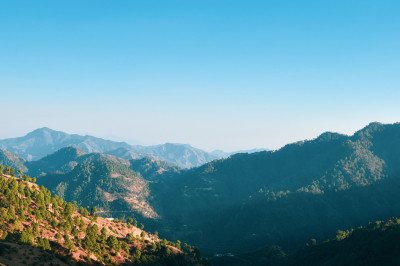
Alaboi Hills
Some quick example text to build on the card title and make up the bulk of the card's content.
Go somewhere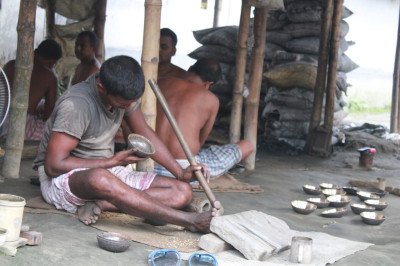
Bell Metal Industry Workshop
Some quick example text to build on the card title and make up the bulk of the card's content.
Go somewhere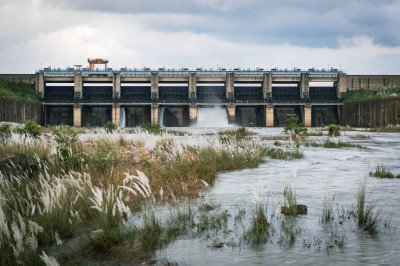
Dampur Pahar View
Some quick example text to build on the card title and make up the bulk of the card's content.
Go somewhere
Deva Bhavana
Some quick example text to build on the card title and make up the bulk of the card's content.
Go somewhere
Dhoparguri Satra
Some quick example text to build on the card title and make up the bulk of the card's content.
Go somewhere
Dimu
Some quick example text to build on the card title and make up the bulk of the card's content.
Go somewhere
Ganesh Bigrah Temple
Some quick example text to build on the card title and make up the bulk of the card's content.
Go somewhere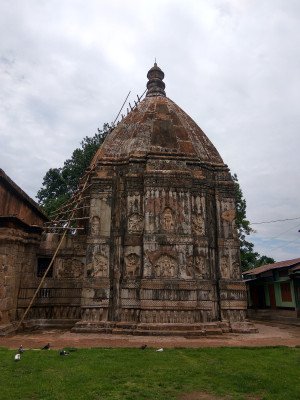
Hayagriva Madhava Temple
Some quick example text to build on the card title and make up the bulk of the card's content.
Go somewhere
Joy Durga Temple
Some quick example text to build on the card title and make up the bulk of the card's content.
Go somewhere
Kalitakuchi
Some quick example text to build on the card title and make up the bulk of the card's content.
Go somewhere
Kalitakuchi Hajo
Some quick example text to build on the card title and make up the bulk of the card's content.
Go somewhere
Kamesware Temple
Some quick example text to build on the card title and make up the bulk of the card's content.
Go somewhere
Kanai Barashi Rock Inscription
Some quick example text to build on the card title and make up the bulk of the card's content.
Go somewhere
Kaziranga National Park
Some quick example text to build on the card title and make up the bulk of the card's content.
Go somewhere
Kedareswar Temple
Some quick example text to build on the card title and make up the bulk of the card's content.
Go somewhere
Manas National Park
Some quick example text to build on the card title and make up the bulk of the card's content.
Go somewherein Other Cities