...

Umananda Temple

Guwahati, Assam, India
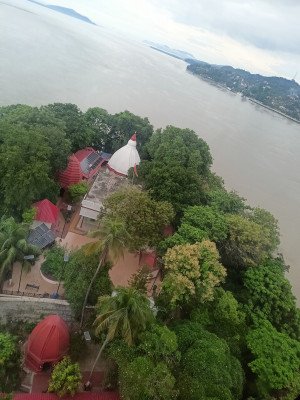
The Umananda Temple is a sacred Hindu shrine dedicated to Lord Shiva, situated on the tiny, picturesque Umananda Island, famously known as Peacock Island due to its shape, in the middle of the mighty Brahmaputra River. This island holds the distinction of being the smallest inhabited riverine island in the world. The name 'Umananda' is derived from 'Uma' (another name for Lord Shiva's consort, Parvati) and 'Ananda' (meaning bliss or happiness), suggesting it is the place where Lord Shiva found joy. The temple was originally constructed in 1694 CE by the Bar Phukan Garhganya on the orders of Ahom King Gadadhar Singha. However, the structure was severely damaged by the devastating Assam Earthquake of 1897. It was later painstakingly reconstructed by a generous local merchant, preserving its sanctity. The temple sits atop a hillock called Bhasmacala, which is steeped in Puranic mythology. According to the Kalika Purana, it is the very spot where Lord Shiva, in deep meditation, was disturbed by Kamadeva (the God of Desire). In his fury, Lord Shiva opened his third eye and burnt Kamadeva to ashes (Bhasma), thus giving the hillock the name Bhasmacala (Hill of Ashes). The temple complex, accessible only by a short ferry ride from the Guwahati mainland, is not just a place of worship but a confluence of profound natural beauty and spiritual tranquility. It is considered highly auspicious to worship Lord Shiva here, especially on Amavasya (New Moon) days that fall on a Monday. Beyond the main deity, the temple features numerous intricate rock-cut sculptures of other Hindu gods, including Ganesha, Surya, and the ten incarnations of Lord Vishnu, reflecting a long-standing tradition of eclectic worship in the region. The unique location and deep spiritual lore surrounding the temple attract both devout pilgrims and tourists seeking natural beauty and quietude.

General information

  • ...

    Ideal Duration:

    2 to 3 hours (Includes ferry time, the climb, and darshan).
  • ...

    Place Type:

    Religious/Spiritual, Natural Heritage, Island Retr
  • ...

    Entry Fees:

    Temple Entry Fee:

    FREE : Entry to the Umananda Temple itself is FREE of charge for all devotees and tourists. There is no official ticket or darshan fee required to climb the hill and enter the general temple premises.

    Read More
    Temple Entry Fee:

    FREE : Entry to the Umananda Temple itself is FREE of charge for all devotees and tourists. There is no official ticket or darshan fee required to climb the hill and enter the general temple premises.

    Ferry/Boat Charges (The Essential Cost): The only mandatory fee is the round-trip cost for the ferry or boat to Peacock Island.

    Government Ferry: Usually runs on a set schedule and is the cheapest option, costing around INR 20 per person for a return trip (Subject to change).

    Private Boat/Motor Launch: Offers more flexibility and comfort, especially for groups. Costs typically range from INR 200 to INR 300 per person for a return trip (negotiable).

    Puja and Ritual Fees: If a visitor wishes to perform a specific, elaborate puja or ritual inside the temple, a separate fee will be charged by the temple priests for the materials and services provided. These are entirely optional contributions.

    Tourism Tips on Cost: Since the temple is free, visitors should be aware of unofficial individuals requesting donations. It is best to donate only at the official temple donation boxes.
  • ...

    Timing:

    Regular Temple Timings:

    Morning Opening: The temple generally opens around 5:30 AM for rituals. Public darshan usually starts shortly after.

    Evening Closure: The temple generally remains open until 6:00 PM. ...
    Regular Temple Timings:

    Morning Opening: The temple generally opens around 5:30 AM for rituals. Public darshan usually starts shortly after.

    Evening Closure: The temple generally remains open until 6:00 PM.

    Ferry Service Timings:

    Start Time: Ferry/motorboat services from Kachari Ghat to Peacock Island usually start around 7:30 AM to 8:00 AM.

    Last Trip: The last return ferry usually leaves the island around 4:30 PM to 5:00 PM, as services stop before sunset. It is crucial to confirm the last departure time.

    Ideal Visit Time: Early Morning (7:30 AM - 10:00 AM) This is the most ideal time. Visitors can catch one of the first ferries, allowing for a peaceful darshan before the crowds build up, avoid the intense midday heat, and enjoy the best light for river and island photography.

    Festival Time Consideration: During Maha Shivaratri, the temple remains open much longer, often throughout the night, but crowds are at their absolute peak, necessitating a very different approach to the visit.
  • ...

    Special Events:

    Maha Shivaratri Festival (February/March): This is the biggest festival celebrated at the Umananda Temple. It occurs annually in the month of February or March and marks the day Lord Shiva performed the cosmic dance or married Goddess Parvati. The island is spectacularly d...
    Maha Shivaratri Festival (February/March): This is the biggest festival celebrated at the Umananda Temple. It occurs annually in the month of February or March and marks the day Lord Shiva performed the cosmic dance or married Goddess Parvati. The island is spectacularly decorated and brightly illuminated. Thousands of devotees flock to the island to offer special prayers, observe fasting, chant hymns, and conduct jagrans (night-long vigils), creating an intensely spiritual and bustling atmosphere that lasts all night.

    Amavasya Mondays: The day when Amavasya (New Moon) falls on a Monday is considered profoundly auspicious for worshipping Lord Shiva at the temple. Devotees believe that performing puja on this specific day bestows the highest form of bliss and fulfills desires. The temple experiences significantly higher footfall and extended rituals on these particular days throughout the year.

    Shiva Chaturdasi: Another important annual event dedicated to Lord Shiva, celebrated with great fanfare and special pujas by the temple administration and local devotees.
  • ...

    Best Photo Spots:

    The Ferry Ride Perspective:

    Approaching the Island: The best photographic opportunities come during the ferry ride. Capture the majestic view of the entire island, with the temple crowning the green hillock (Bhasmacala), framed by the vast e...
    The Ferry Ride Perspective:

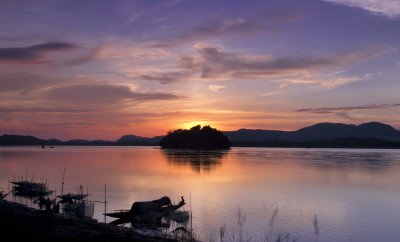
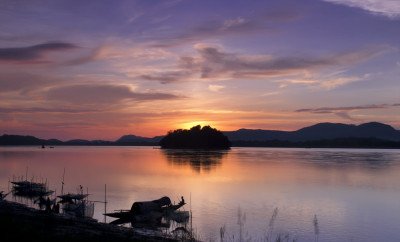
    Approaching the Island: The best photographic opportunities come during the ferry ride. Capture the majestic view of the entire island, with the temple crowning the green hillock (Bhasmacala), framed by the vast expense of the Brahmaputra River. This shot is iconic, especially with the sunrise or sunset providing a dramatic backdrop.

    Panoramic City View:

    View from the Top: Once you climb the steps and reach the temple premises, look back towards the mainland to capture a sweeping panoramic view of the Guwahati cityscape, the river ghats, and the boats plying the waters.

    Architecture and Rock Art:

    Exterior Wall Details: Focus on the intricate rock-cut figures of deities like Ganesha and the ten Dashavataras embedded in the temple complex. These provide rich, detailed close-up shots of ancient Assamese craftsmanship.

    Temple Dome and Shikhara: Photograph the reconstructed Ahom-style dome and shikhara (spire) against the clear sky, emphasizing the unique blend of the stone base and the rebuilt super-structure.

    Wildlife and Candid Moments:

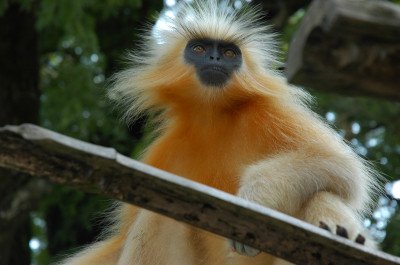
    Golden Langurs in Action: Patiently photograph the endangered Golden Langurs as they move through the trees. Capturing these rare primates in their natural habitat is a cherished memory. Also, take candid shots of the devotees and the colorful prayer flags tied around the complex (Note: Avoid photographing inside the sanctum).

Photo Gallery

...
Darjeeling
Queen of Hills • Tea Gardens
...
Darjeeling
Queen of Hills • Tea Gardens
...
Darjeeling
Queen of Hills • Tea Gardens
...
Darjeeling
Queen of Hills • Tea Gardens

Things To Do

  • ...
    The Essential Boat Ride Experience:

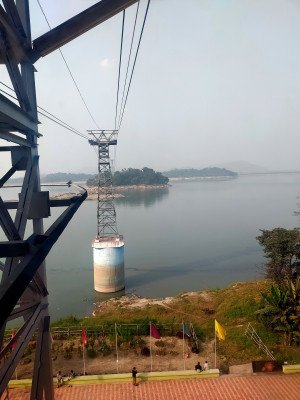
    Ferry Journey Across the Brahmaputra: The journey itself is a must-do activity. Take the ferry from Kachari Ghat (or Fancy Bazar Ghat) across the vast Brahmaputra River. The 10-minute ride offers stunning perspectives of the river, the surrounding hills, and the bustling city skyline, providing a sense of escape as you approach the tranquil island.

    Photography of the River and Island: Capture the picturesque sight of Peacock Island and the temple perched atop Bhasmacala Hill from the river. The reflections and the sheer scale of the Brahmaputra provide excellent photo opportunities.

    Temple Darshan and Worship:

    Seeking Lord Shiva's Blessings: Climb the steep steps leading from the ferry ghat to...
    The Essential Boat Ride Experience:

    Ferry Journey Across the Brahmaputra: The journey itself is a must-do activity. Take the ferry from Kachari Ghat (or Fancy Bazar Ghat) across the vast Brahmaputra River. The 10-minute ride offers stunning perspectives of the river, the surrounding hills, and the bustling city skyline, providing a sense of escape as you approach the tranquil island.

    Photography of the River and Island: Capture the picturesque sight of Peacock Island and the temple perched atop Bhasmacala Hill from the river. The reflections and the sheer scale of the Brahmaputra provide excellent photo opportunities.

    Temple Darshan and Worship:

    Seeking Lord Shiva's Blessings: Climb the steep steps leading from the ferry ghat to the main temple complex to offer prayers to Lord Shiva (Umananda). The climb can be moderately challenging but is spiritually rewarding.

    Observing Rituals: Witness the daily puja (worship) rituals performed by the temple priests. Visiting on Monday or during Maha Shivaratri allows one to experience the heightened spiritual fervor and special ceremonies.

    Exploring the Temple Complex and Art:

    Viewing Rock-Cut Figures: Spend time examining the historical rock-cut sculptures scattered around the temple grounds, including those of Ganesha, Surya, and the ten Dashavataras of Vishnu. These artistic remnants are key historical markers.

    Reading the Vaishnavite Inscriptions: Look for the unique Vaishnavite slogans inscribed on the inner walls of the Shaivite temple, a true cultural curiosity.

    Wildlife and Nature Activities:

    Golden Langur Spotting: The island is a habitat for the endangered Golden Langurs. Spend time quietly observing these rare, beautiful primates in the trees, but do not feed them and maintain a respectful distance.

    Birdwatching and Nature Walks: The lush vegetation on the island attracts various species of birds, making it a peaceful spot for nature lovers and birdwatchers to enjoy the serene environment.

    Relaxation and Reflection:

    Enjoying Tranquility: Find a quiet spot on the island, perhaps near the riverbank, to sit, reflect, and enjoy the cool breeze coming off the Brahmaputra. This is a perfect retreat from the noise and chaos of Guwahati city.

Resturants

Show All

Information

  • ...

    Why Famous:

    World's Smallest Inhabited River Island: Umananda's primary claim to fame is its stunning location on Peacock Island, recognized as the smallest inhabited river island in the world. This unique geographical feature—a tiny green speck in the middle of the vast, muddy Brahm...
    World's Smallest Inhabited River Island: Umananda's primary claim to fame is its stunning location on Peacock Island, recognized as the smallest inhabited river island in the world. This unique geographical feature—a tiny green speck in the middle of the vast, muddy Brahmaputra—makes it a global curiosity and a top tourist attraction in Guwahati.

    Lord Shiva and the Kamadeva Legend: The temple is celebrated for its deep mythological significance, particularly the legend of Kamadeva being reduced to ashes (Bhasma) here by Lord Shiva's third eye. This story connects the temple directly to the themes of spiritual power, meditation, and the destruction of worldly desire, giving the spot its powerful, mystical aura.

    Maha Shivaratri Celebration: The Umananda Temple is a major Shaivite pilgrimage center in Assam. During the annual Maha Shivaratri festival, the island comes alive with massive celebrations, attracting thousands of devotees who observe fasts, chant hymns, and offer prayers to Lord Shiva. It is considered the most auspicious day to seek blessings here.
  • ...

    Architecture:

    Post-Earthquake Ahom/Mixed Style : The original structure built in 1694 CE was of the Ahom architectural style, blending indigenous forms with influences from other parts of India. However, due to the severe damage caused by the 1897 Assam Earthquake, the current temple str...
    Post-Earthquake Ahom/Mixed Style : The original structure built in 1694 CE was of the Ahom architectural style, blending indigenous forms with influences from other parts of India. However, due to the severe damage caused by the 1897 Assam Earthquake, the current temple structure is primarily a reconstruction. The reconstruction retained some of the original architectural character, particularly in its base, but the interior was notably altered by the merchant who rebuilt it.

    Vaishnavite Inscriptions in a Shaivite Temple: A fascinating aspect of the current architecture is the incorporation of Vaishnavite slogans and decorative elements within the interior walls of this primarily Shaivite temple, reflecting a harmonious blend of the two major sects of Hinduism in Assam.

    Rock-Cut Sculptures (The Dimension of Art): The temple complex is renowned for its older, rock-cut figures found on the hillock, which predate the brick structure. These carvings include figures of Ganesha, Lord Shiva, and Goddess Devi (with a scorpion emblem), demonstrating the mastery of local Assamese artisans. These sculptures add a vital historical dimension to the site.

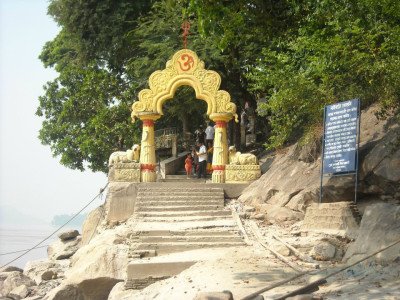
    Main Structure and Access: The main shrine is relatively small and reached by a significant flight of steep stone steps leading up from the riverbank. The use of traditional brick and stucco plaster in the rebuilt parts, typical of the late Ahom and post-colonial periods, contrasts with the older rock art, giving the temple a unique, layered aesthetic.

    Dimension Summary: The temple itself is modest in size compared to mainland structures, but its presence is commanding due to the elevated position on the rocky Bhasmacala hill, making it a prominent landmark visible from the banks of the Brahmaputra.
  • ...

    How To Reach:

    The Unique Journey (Local Transport and Ferry):

    Ferry Point: The temple is located on an island and is only accessible by boat. The main boarding point on the Guwahati mainland is Kachari Ghat (near the Deputy Commissioner's Office) or the n...
    The Unique Journey (Local Transport and Ferry):

    Ferry Point: The temple is located on an island and is only accessible by boat. The main boarding point on the Guwahati mainland is Kachari Ghat (near the Deputy Commissioner's Office) or the nearby Fancy Bazar Ghat.

    By Air: Lokpriya Gopinath Bordoloi International Airport (GAU): The airport is located approximately 22 KMS from the Kachari Ghat ferry point. GAU connects Guwahati to all major Indian cities. From the airport, one must hire an airport taxi or use an app-based cab service (approx. 45-60 minutes travel time) to reach Kachari Ghat.

    By Train:

    Guwahati Railway Station (GHY): This is the main railway hub, located approximately 3-4 KMS from Kachari Ghat.

    Kamakhya Junction (KYQ): The second major station, located about 9 KMS away. From either station, an auto-rickshaw, city bus, or cab can be taken directly to the Kachari Ghat ferry terminal (approx. 10-20 minutes).

    By Road (To the Ghat):

    City Center Access: Kachari Ghat is centrally located, making it easily accessible via city bus, auto-rickshaws, or hired cabs from any part of Guwahati. The city is well-connected by NH 17 and NH 27 to neighboring states.

    Local Transport (Across the River): Once at Kachari Ghat, you must take a ferry (Government or Private) across the Brahmaputra River to Peacock Island. The boat ride is short, lasting about 10 minutes. Upon disembarking on the island, a series of steep, stone steps lead the rest of the way up to the Umananda Temple at the top of Bhasmacala Hill.
  • ...

    Weather and Best Time to Visit:

    By Season (Optimal Comfort):

    Winter (October to April): This is the best season to visit. The weather is dry, sunny, and very pleasant, with comfortable temperatures ideal for the ferry ride, climbing the hill, and exploring the island witho...
    By Season (Optimal Comfort):

    Winter (October to April): This is the best season to visit. The weather is dry, sunny, and very pleasant, with comfortable temperatures ideal for the ferry ride, climbing the hill, and exploring the island without the threat of heavy rain or excessive humidity. The river level is typically stable during this time.

    Monsoon (July to September): This is the least favorable time. Heavy rainfall can make the ferry ride choppy, the steps slippery, and the overall experience less comfortable. However, the surrounding environment is lush green.

    By Time of Day (Experience Focus): Early Morning (7:

    30 AM ferry): This is the ideal part of the day for several reasons: the crowds are minimal, ensuring a peaceful darshan; the light is soft, perfect for photography; and you avoid the intense midday heat. Late Afternoon (3:00 PM - 4:00 PM) This is a good secondary time, as the intensity of the day's heat has passed, and the sun sets beautifully over the Brahmaputra, offering dramatic views from the island, provided you catch the last ferry back.

    By Auspicious Day: Visiting on a Monday that coincides with Amavasya (New Moon) is recommended for pilgrims seeking the greatest religious benefit, but be prepared for significantly larger crowds.
  • ...

    Near Tourist Places:

    1. Kachari Ghat/Ferry Point (0. 5 KM) The bustling riverbank area. 2. Fancy Bazar (1. 5 KM) Major commercial and shopping hub. 3. Guwahati Planetarium (3 KM) For astronomy shows. 4. Assam State Museum (3. 5 KM) Repository of Assamese history. 5. Ugro Tara Temple (4 KM) Temple dedicated to Goddess Tara. 6. Nehru Park (4 KM) Lush green park in the city center. 7. Navagraha Temple (6 KM) Temple dedicated to the nine celestial bodies. 8.

    Kamakhya Temple (Nilachal Hill) (7 KM to base): Major Shakti Peetha. 9. Srimanta Sankaradeva Kalakshetra (11 KM) Cultural complex. 10. Assam State Zoo cum Botanical Garden (12 KM) Large zoo and botanical park.

Tourism Tips

  • ...
    Health & safety:

    Monkey Warning: Peacock Island is home to the endangered Golden Langurs, but other monkey species may also be present. Visitors are advised to secure their belongings (hats, spectacles, food) as the monkeys can be mischievou...
    Health & safety:

    Monkey Warning: Peacock Island is home to the endangered Golden Langurs, but other monkey species may also be present. Visitors are advised to secure their belongings (hats, spectacles, food) as the monkeys can be mischievous or aggressive.

    Steep Climb: The path from the ghat to the temple involves climbing many steep, uneven stone steps. People with mobility issues or heart conditions should exercise caution.

    Water Safety: The only way to reach the island is by boat. Always wear a life jacket if provided and follow the instructions of the ferry operator, especially during the monsoon season.

    Packing:

    Essentials: Carry a water bottle, comfortable walking shoes (easy to remove for the temple premises), and a small bag for your essentials.

    Modest Dress: As a sacred site, wear modest attire (covering shoulders and knees) out of respect for the religious environment.

    Accommodation:

    Stay in Guwahati: There are no substantial accommodation options on the tiny island itself. It is highly recommended to stay in central Guwahati areas like Paltan Bazaar, Fancy Bazar, or Maligaon, which are close to the Kachari Ghat ferry point, allowing for easy early morning access.

    Other Different Topics heading:

    Ferry Confirmation: Always confirm the last ferry return time from the island before leaving the mainland, as missing the last boat can cause serious inconvenience.

    Photography Restriction: While the exterior and views are fantastic for photography, photography is prohibited inside the inner temple sanctum—please respect this rule.

Reviews

FAQs

Guwahati Itineray And Cost:-

Information about New and Updated Locations() of Assam Has Been Added :-
Card subtitle

Note:-

Information provided here in good Faith and for reference only.

All information and pictures will be updated soon, please keep visiting.

Near Places
...
Accoland

Some quick example text to build on the card title and make up the bulk of the card's content.

Go somewhere
...
Assam State Museum

Some quick example text to build on the card title and make up the bulk of the card's content.

Go somewhere
...
Assam State Zoo cum Botanical Garden

Some quick example text to build on the card title and make up the bulk of the card's content.

Go somewhere
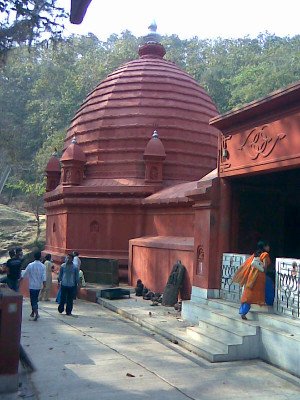
...
Basistha Temple & Ashram

Some quick example text to build on the card title and make up the bulk of the card's content.

Go somewhere
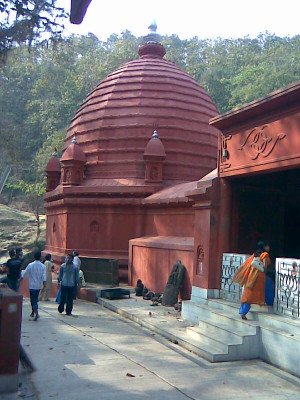
...
Basistha Temple

Some quick example text to build on the card title and make up the bulk of the card's content.

Go somewhere
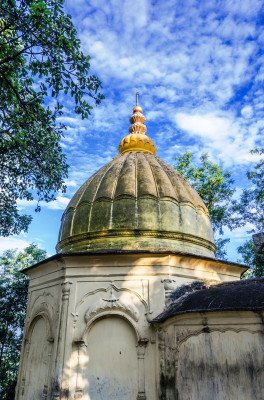
...
Bhubaneswari Temple

Some quick example text to build on the card title and make up the bulk of the card's content.

Go somewhere
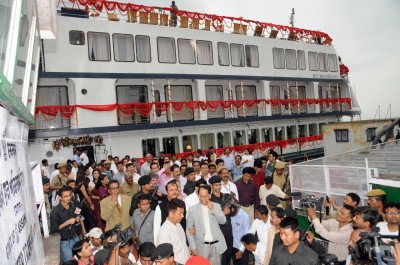
...
Brahmaputra River Cruise

Some quick example text to build on the card title and make up the bulk of the card's content.

Go somewhere
...
Chandubi Lake

Some quick example text to build on the card title and make up the bulk of the card's content.

Go somewhere
...
Dighali Pukhuri

Some quick example text to build on the card title and make up the bulk of the card's content.

Go somewhere

...
Dipor Bil

Some quick example text to build on the card title and make up the bulk of the card's content.

Go somewhere
in Other Cities