


Jajpur
General information
-
Ideal Duration:
1 to 2 DaysPlace Type:
Religious & HeritageEntry Fees:
Temple Entrance: Most temples in Jajpur have no entry fee for visitors. They are open to all devotees and tourists for free. Donations for temple maintenance are voluntary.
Museum Entry: Small fees are charged for entering the archaeologic...Temple Entrance: Most temples in Jajpur have no entry fee for visitors. They are open to all devotees and tourists for free. Donations for temple maintenance are voluntary.
Museum Entry: Small fees are charged for entering the archaeological museum. Usually, it is around 20 Rupees for Indian citizens. Foreign tourists may have to pay a slightly higher rate.
Activity Fees: Boat rides and special rituals may have separate costs. These are usually decided by the local operators or priests. Always ask for the price before starting.Timing:
Temple Hours: Most temples are open from 5:00 AM to 9:00 PM. There is a short break in the afternoon during the summer. Early morning is the best time for peaceful darshan.
Museum Hours: Open from 10:00 AM to 5:00 PM on most days. It may ...Temple Hours: Most temples are open from 5:00 AM to 9:00 PM. There is a short break in the afternoon during the summer. Early morning is the best time for peaceful darshan.
Museum Hours: Open from 10:00 AM to 5:00 PM on most days. It may be closed on Mondays and public holidays. Plan your visit accordingly to avoid any disappointment.Special Events:
Biraja Ratha Yatra: A massive festival held during the Durga Puja time. The chariot of the Goddess is pulled by thousands of devotees. It is a spectacle of faith and local culture.
Maha Shivratri: Celebrated with great enthusiasm at the Sh...Biraja Ratha Yatra: A massive festival held during the Durga Puja time. The chariot of the Goddess is pulled by thousands of devotees. It is a spectacle of faith and local culture.
Maha Shivratri: Celebrated with great enthusiasm at the Shiva temples. The city is decorated with lights and flowers for the night. Special prayers and fasts are observed by the people.Best Photo Spots:
Biraja Temple Gate: The ornate entrance gate is a perfect photo spot. The carvings are very clear and look great in daylight. Use a low angle for a more grand look.
Baitarani River Bank: The river at sunset offers a peaceful background. T...Biraja Temple Gate: The ornate entrance gate is a perfect photo spot. The carvings are very clear and look great in daylight. Use a low angle for a more grand look.
Baitarani River Bank: The river at sunset offers a peaceful background. The reflection of the temples in the water is very scenic. It is a favorite spot for landscape photographers.
Ancient Idols: Close-up shots of the stone sculptures are a must. They show the incredible skill of ancient Odishan artists. Use a macro lens if you have one for details.Photo Gallery


Things To Do
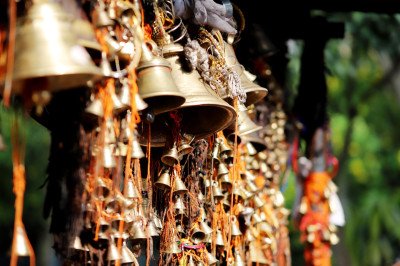 Gangi Hill, also known as Gangi Pitha, is a significant archaeological and spiritual site located near the famous Lalitgiri Buddhist complex in Jajpur. This long, low-lying hill stretching for about 1 KM is made of Baulamalia stone and is famous for its ancient caves and temples. The hill is a fusion of Hindu and Buddhist heritage, as it is believed that saints and sages of both traditions used these caves for deep meditation in ancient times. There are three primary caves on the lower part of the hill, with the most famous being the Ashwasthamaa Bila. Another small cave, the Nila Gumpah, is a tiny chamber measuring only 3 feet in height, symbolizing the ascetic lifestyle of the hermits who lived here. At the hilltop, there is a complex of temples dedicated to Goddess Gangi, Lord Hanuman, and Lord Shiva. A unique feature of this hill is the presence of several natural wells and a small spring known as Gupta Ganga, which flows near a Shiva Linga encased in a massive black rock. The site offers a serene, off-the-beaten-path experience for travelers who wish to explore the rugged beauty of Jajpur's landscape. The hill provides a panoramic view of the surrounding Buddhist heritage sites, making it a perfect spot for those interested in the historical layers of the Diamond Triangle of Odisha.
The Baruni Temple in Jajpur is a key site associated with the auspicious Baruni Snana (holy bath) festival. Located right on the banks of the Baitarani river, this temple is dedicated to Goddess Baruni, who is believed to be a manifestation of the river's purifying power. The site gains immense importance during the month of Chaitra. Legend says that taking a dip in the river here during the Baruni festival is equivalent to bathing in the Ganges at Varanasi. The temple is simple but holds deep emotional value for the people of Jajpur. It is often visited by those who come to the Dashashwamedh Ghat for rituals. The sound of the river flowing nearby creates a meditative atmosphere. The temple architecture is traditional and blends with the riverside landscape. Throughout the year, it remains a quiet place for local devotees to offer their prayers. The temple is also linked to the mythological stories of King Jajati Kesari, who performed great sacrifices on these very banks. Visiting this temple offers a glimpse into the ancient Vedic traditions that are still alive in Odisha today. :
Gangi Hill, also known as Gangi Pitha, is a significant archaeological and spiritual site located near the famous Lalitgiri Buddhist complex in Jajpur. This long, low-lying hill stretching for about 1 KM is made of Baulamalia stone and is famous for its ancient caves and temples. The hill is a fusion of Hindu and Buddhist heritage, as it is believed that saints and sages of both traditions used these caves for deep meditation in ancient times. There are three primary caves on the lower part of the hill, with the most famous being the Ashwasthamaa Bila. Another small cave, the Nila Gumpah, is a tiny chamber measuring only 3 feet in height, symbolizing the ascetic lifestyle of the hermits who lived here. At the hilltop, there is a complex of temples dedicated to Goddess Gangi, Lord Hanuman, and Lord Shiva. A unique feature of this hill is the presence of several natural wells and a small spring known as Gupta Ganga, which flows near a Shiva Linga encased in a massive black rock. The site offers a serene, off-the-beaten-path experience for travelers who wish to explore the rugged beauty of Jajpur's landscape. The hill provides a panoramic view of the surrounding Buddhist heritage sites, making it a perfect spot for those interested in the historical layers of the Diamond Triangle of Odisha.
The Baruni Temple in Jajpur is a key site associated with the auspicious Baruni Snana (holy bath) festival. Located right on the banks of the Baitarani river, this temple is dedicated to Goddess Baruni, who is believed to be a manifestation of the river's purifying power. The site gains immense importance during the month of Chaitra. Legend says that taking a dip in the river here during the Baruni festival is equivalent to bathing in the Ganges at Varanasi. The temple is simple but holds deep emotional value for the people of Jajpur. It is often visited by those who come to the Dashashwamedh Ghat for rituals. The sound of the river flowing nearby creates a meditative atmosphere. The temple architecture is traditional and blends with the riverside landscape. Throughout the year, it remains a quiet place for local devotees to offer their prayers. The temple is also linked to the mythological stories of King Jajati Kesari, who performed great sacrifices on these very banks. Visiting this temple offers a glimpse into the ancient Vedic traditions that are still alive in Odisha today. : Mahavinayak Temple is one of the oldest and most revered shrines in Odisha, located at the base of the Baruna Hill near Chandikhole. This temple is unique because it is dedicated to the worship of five major Hindu deities—Ganesha, Shiva, Vishnu, Durga, and Surya—all represented in a single granite stone called a Swayambhu Lingam. According to legend, the goddess Rati Devi prayed here to release her husband Kamadeva from a curse, and the five gods appeared simultaneously to bless her. The temple surroundings are lush with green forests and natural water springs that flow year-round, adding to the spiritual and scenic charm. It serves as a major pilgrimage site for devotees of both Shaivism and Vaishnavism, reflecting the cultural synthesis of Odisha's religious history. The atmosphere is exceptionally peaceful, making it a perfect spot for meditation and spiritual rejuvenation away from the urban noise.
 @@History and Origin: This ghat is profoundly significant, linked to King Jajati Keshari of the Somavanshi dynasty who, in the 11th century CE, is believed to have performed the grand Dashashwamedha Yagna (a ritual involving the sacrifice of ten horses) here to establish his supremacy and legitimize his rule, giving the place its historical name. @@Religious Importance: It stands on the banks of the sacred River Baitarani, often called the 'Ganga of Odisha', and is considered a holy place for the Hindus. It is a major site for ancestral rites (Pindadaan), earning it the nickname of 'Nabhi Gaya' in some texts. @@The Ghat Complex: The complex is not just the steps leading to the river but also houses a cluster of smaller, ancient temples dedicated to various deities like Saptamatruka, Sidha Vinayak, Jagannath, Savitri, Maa Laxmi, and Shiva. This concentration of shrines makes it a powerful spiritual nexus. @@Modern Day Relevance: Despite its ancient roots, it remains a bustling center of religious activity and a key cultural landmark of Jajpur, constantly drawing devotees for daily prayers and rituals.
The Jagannath Temple of Jajpur is a historic shrine located on the banks of the holy Baitarani River. It serves as a significant spiritual center, reflecting the deep-rooted Jagannath culture that defines Odisha. The temple houses the divine trinity: Lord Jagannath, Lord Balabhadra, and Goddess Subhadra. Unlike the world-famous temple in Puri, the Jajpur temple offers a more intimate and serene environment for devotees. It is believed to have been built by King Anangabhima Deva of the Ganga Dynasty, who wanted to establish a center of worship that mirrored the grandeur of Puri. The temple complex is vibrant with daily rituals that follow ancient Vedic traditions. Its location near the Dashaswamedh Ghat adds to its religious importance, as pilgrims often take a holy dip in the river before entering the temple. The atmosphere inside is filled with the sound of bells and the chanting of 'Jai Jagannath,' creating a powerful spiritual vibration. The temple has survived various historical upheavals, standing today as a symbol of resilience and faith. It serves as a focal point for local festivals, particularly the Ratha Yatra, which attracts thousands of local devotees. The surrounding area is steeped in history, with every stone telling a story of the glorious Suryavanshi and Gajapati empires.
@@History and Origin: This ghat is profoundly significant, linked to King Jajati Keshari of the Somavanshi dynasty who, in the 11th century CE, is believed to have performed the grand Dashashwamedha Yagna (a ritual involving the sacrifice of ten horses) here to establish his supremacy and legitimize his rule, giving the place its historical name. @@Religious Importance: It stands on the banks of the sacred River Baitarani, often called the 'Ganga of Odisha', and is considered a holy place for the Hindus. It is a major site for ancestral rites (Pindadaan), earning it the nickname of 'Nabhi Gaya' in some texts. @@The Ghat Complex: The complex is not just the steps leading to the river but also houses a cluster of smaller, ancient temples dedicated to various deities like Saptamatruka, Sidha Vinayak, Jagannath, Savitri, Maa Laxmi, and Shiva. This concentration of shrines makes it a powerful spiritual nexus. @@Modern Day Relevance: Despite its ancient roots, it remains a bustling center of religious activity and a key cultural landmark of Jajpur, constantly drawing devotees for daily prayers and rituals.
The Jagannath Temple of Jajpur is a historic shrine located on the banks of the holy Baitarani River. It serves as a significant spiritual center, reflecting the deep-rooted Jagannath culture that defines Odisha. The temple houses the divine trinity: Lord Jagannath, Lord Balabhadra, and Goddess Subhadra. Unlike the world-famous temple in Puri, the Jajpur temple offers a more intimate and serene environment for devotees. It is believed to have been built by King Anangabhima Deva of the Ganga Dynasty, who wanted to establish a center of worship that mirrored the grandeur of Puri. The temple complex is vibrant with daily rituals that follow ancient Vedic traditions. Its location near the Dashaswamedh Ghat adds to its religious importance, as pilgrims often take a holy dip in the river before entering the temple. The atmosphere inside is filled with the sound of bells and the chanting of 'Jai Jagannath,' creating a powerful spiritual vibration. The temple has survived various historical upheavals, standing today as a symbol of resilience and faith. It serves as a focal point for local festivals, particularly the Ratha Yatra, which attracts thousands of local devotees. The surrounding area is steeped in history, with every stone telling a story of the glorious Suryavanshi and Gajapati empires. Chhatia Bata Jagannath Temple is a legendary shrine dedicated to Lord Jagannath, Lord Balabhadra, and Devi Subhadra. Located in the village of Chhatia, this temple is famously known as the "Second Shreekeshtra" and holds a deep connection with the 18th-century saint Mahapurusha Hadidas. The word "Bata" refers to the ancient banyan tree where the saint meditated and wrote the Malika, a book of prophecies concerning the end of the world and the arrival of the Kalki Avatar. Devotees believe that at the end of Kaliyuga, the deities from Puri will secretly move to this temple, which is said to be the only place that will remain above sea level. The atmosphere is thick with mysticism and devotion, making it a pivotal site for those following the Vaishnavite tradition and the teachings of the Malika.
 Patharajpur is a serene and historically enriched location within the Jajpur district of Odisha. This place is renowned for its deep-rooted cultural significance and its proximity to several ancient temple complexes that define the Kalinga heritage. Visitors often find themselves immersed in a tranquil rural setting that offers a glimpse into the traditional lifestyle of the Odia people. The area is surrounded by lush greenery and agricultural fields, making it a peaceful retreat for those looking to escape the hustle of urban life. Historically, the region around Patharajpur has been a center for religious activities, with several small shrines and community gathering spots that have existed for generations. The local community is deeply involved in preserving their ancestral traditions, which is evident in the way they maintain their local temples and celebrate seasonal festivals. For a traveler, Patharajpur represents the authentic soul of Odisha, where history is not just found in stones but in the living breath of the village. The river breeze and the rhythmic sound of temple bells create an atmosphere of spiritual rejuvenation. Exploring this sub-place allows one to understand the geographical importance of Jajpur as a seat of ancient power and divinity. It serves as a gateway to understanding the rural economy of the region, primarily based on agriculture and small-scale traditional crafts. Whether you are a history buff or a nature lover, the landscape of Patharajpur provides a beautiful backdrop for exploration and meditation. It is a place where time seems to slow down, allowing for a deeper connection with the environment and local culture.Show All
@@Historical Context: The Siddheswar Temple is an ancient shrine dedicated to Lord Shiva, with its current structure believed to date back to the 14th century. It is situated in a serene location on the right bank of the holy River Baitarani. @@Deity and Worship: The presiding deity is a large Ekamukha Shivalinga (Shivalinga with one face) revered as 'Hari-Hara' by local devotees, signifying the unity of Lord Vishnu (Hari) and Lord Shiva (Hara), an important concept in Hindu philosophy. @@Temple Complex: The main temple is accompanied by subsidiary shrines dedicated to Parvati, Ganesha, and Kali. The compound also contains numerous fragmentary sculptures and architectural pieces, many of which date back to the earlier Somavanshi period. @@Religious Significance: It is a key center for the annual Ashokastami fair, during which thousands of pilgrims visit to perform ritualistic baths in the Baitarani for salvation and to perform pindadana (ancestral rites).
Patharajpur is a serene and historically enriched location within the Jajpur district of Odisha. This place is renowned for its deep-rooted cultural significance and its proximity to several ancient temple complexes that define the Kalinga heritage. Visitors often find themselves immersed in a tranquil rural setting that offers a glimpse into the traditional lifestyle of the Odia people. The area is surrounded by lush greenery and agricultural fields, making it a peaceful retreat for those looking to escape the hustle of urban life. Historically, the region around Patharajpur has been a center for religious activities, with several small shrines and community gathering spots that have existed for generations. The local community is deeply involved in preserving their ancestral traditions, which is evident in the way they maintain their local temples and celebrate seasonal festivals. For a traveler, Patharajpur represents the authentic soul of Odisha, where history is not just found in stones but in the living breath of the village. The river breeze and the rhythmic sound of temple bells create an atmosphere of spiritual rejuvenation. Exploring this sub-place allows one to understand the geographical importance of Jajpur as a seat of ancient power and divinity. It serves as a gateway to understanding the rural economy of the region, primarily based on agriculture and small-scale traditional crafts. Whether you are a history buff or a nature lover, the landscape of Patharajpur provides a beautiful backdrop for exploration and meditation. It is a place where time seems to slow down, allowing for a deeper connection with the environment and local culture.Show All
@@Historical Context: The Siddheswar Temple is an ancient shrine dedicated to Lord Shiva, with its current structure believed to date back to the 14th century. It is situated in a serene location on the right bank of the holy River Baitarani. @@Deity and Worship: The presiding deity is a large Ekamukha Shivalinga (Shivalinga with one face) revered as 'Hari-Hara' by local devotees, signifying the unity of Lord Vishnu (Hari) and Lord Shiva (Hara), an important concept in Hindu philosophy. @@Temple Complex: The main temple is accompanied by subsidiary shrines dedicated to Parvati, Ganesha, and Kali. The compound also contains numerous fragmentary sculptures and architectural pieces, many of which date back to the earlier Somavanshi period. @@Religious Significance: It is a key center for the annual Ashokastami fair, during which thousands of pilgrims visit to perform ritualistic baths in the Baitarani for salvation and to perform pindadana (ancestral rites).Information
-
Why Famous:
Shakti Peetha: It is globally famous as the "Navigaya" where the navel of Sati fell. It is a prime destination for Hindu pilgrims. The religious significance of the Biraja Temple is immense.
Ancient Capital: Being the former capital, it ho...Shakti Peetha: It is globally famous as the "Navigaya" where the navel of Sati fell. It is a prime destination for Hindu pilgrims. The religious significance of the Biraja Temple is immense.
Ancient Capital: Being the former capital, it holds many historical secrets. The city reflects the grandeur of medieval Odisha. It is a must-visit for anyone interested in state history. -
Architecture:
Kalinga Style: The temples of Jajpur showcase the classic Kalinga architecture. They feature intricate carvings on the outer walls. The main tower or Vimana is tall and majestic. The structures are built with local sandstone and laterite.
Mon...Kalinga Style: The temples of Jajpur showcase the classic Kalinga architecture. They feature intricate carvings on the outer walls. The main tower or Vimana is tall and majestic. The structures are built with local sandstone and laterite.
Monastic Layout: The nearby Buddhist sites have a structured layout. They consist of a central stupa surrounded by small cells for monks. The gateways are decorated with beautiful floral patterns. These ruins show the advanced engineering of the 7th century.
River Ghats: The Dashashwamedha Ghat on the Baitarani is historically significant. It features a series of stone steps leading to the water. Small shrines are built along the river bank for rituals. The architecture is functional and spiritually elevating. -
How To Reach:
By Air: Bhubaneswar is the nearest international airport. From there, you can hire a car or take a train to reach Jajpur. The drive takes about 2 to 3 hours.
By Train: Jajpur Keonjhar Road is the main railway station. It is located about ...By Air: Bhubaneswar is the nearest international airport. From there, you can hire a car or take a train to reach Jajpur. The drive takes about 2 to 3 hours.
By Train: Jajpur Keonjhar Road is the main railway station. It is located about 30 KMs from the main town center. Taxis and buses are available to bridge the distance.
By Road: Jajpur is well-connected by NH-16. Regular buses are available from Cuttack and Bhubaneswar. Private taxis are the most comfortable way to reach.
By Local Transport: Auto-rickshaws and cycle rickshaws are used for local travel. You can hire an auto for the entire day for sightseeing. The town is small and easy to navigate. -
Weather and Best Time to Visit:
Winter Season: October to March is the ideal time for tourism. The weather is cool and pleasant for temple visits. It is also the time for many local festivals.
Monsoon Season: July to September makes the river look majestic. The surround...Winter Season: October to March is the ideal time for tourism. The weather is cool and pleasant for temple visits. It is also the time for many local festivals.
Monsoon Season: July to September makes the river look majestic. The surrounding landscape becomes very green and fresh. However, heavy rains might slow down your travel.
Summer Season: April to June is very hot and dry. Most people avoid visiting during this time unless for specific festivals. If you visit, stay hydrated and wear light clothes. -
Near Tourist Places:
Ratnagiri (35 km), Lalitgiri (45 km), Udayagiri (40 km), Cuttack (75 km), Bhubaneswar (100 km), Chandikhole (40 km), Mahavinayak Temple (45 km), Langudi Hill (30 km), Kushabhadra River (20 km), Duburi (25 km).
Tourism Tips
-
Cultural Sensitivity: Dress modestly when visiting the temples in the city. Remove your shoes before entering any sacred premises. Follow the local customs and traditions with respect.
Safety Measures: Be careful near the river banks durin...Cultural Sensitivity: Dress modestly when visiting the temples in the city. Remove your shoes before entering any sacred premises. Follow the local customs and traditions with respect.
Safety Measures: Be careful near the river banks during the monsoon season. The water level can rise quickly and the steps can be slippery. Follow all safety signs put up by the authorities.
Stay Options: There are several budget and mid-range hotels in the town. OTDC Panthanivas is a reliable place for a comfortable stay. It is better to book in advance during festivals.
General Advice: Carry a bottle of water and some snacks with you. Most temples are located within walking distance of each other. Hiring a local guide can help you understand the history better.
Reviews
FAQs
Jajpur Itineray And Cost:-
Other Places In Odisha :-
Other States In India :-
Information about New and Updated Locations() of Odisha Has Been Added :-
Card subtitle
Note:-
Information provided here in good Faith and for reference only.
Near Places
Angul
Some quick example text to build on the card title and make up the bulk of the card's content.
Go somewhere
Balasore
Some quick example text to build on the card title and make up the bulk of the card's content.
Go somewhere
Bargarh
Some quick example text to build on the card title and make up the bulk of the card's content.
Go somewhere
Baripada
Some quick example text to build on the card title and make up the bulk of the card's content.
Go somewhere
Berhampur
Some quick example text to build on the card title and make up the bulk of the card's content.
Go somewhere
Bhadrak
Some quick example text to build on the card title and make up the bulk of the card's content.
Go somewhere
Bhubaneswar
Some quick example text to build on the card title and make up the bulk of the card's content.
Go somewhere
Chandipur
Some quick example text to build on the card title and make up the bulk of the card's content.
Go somewhere
Cuttack
Some quick example text to build on the card title and make up the bulk of the card's content.
Go somewhere
Daringbadi
Some quick example text to build on the card title and make up the bulk of the card's content.
Go somewhere
Dhauli
Some quick example text to build on the card title and make up the bulk of the card's content.
Go somewhere
Dhauligiri
Some quick example text to build on the card title and make up the bulk of the card's content.
Go somewhere
Gopalpur
Some quick example text to build on the card title and make up the bulk of the card's content.
Go somewhere
Jajpur
Some quick example text to build on the card title and make up the bulk of the card's content.
Go somewhere
Jeypore
Some quick example text to build on the card title and make up the bulk of the card's content.
Go somewhere
Jharsuguda
Some quick example text to build on the card title and make up the bulk of the card's content.
Go somewherein Other Cities