Joybhum Kamakhya Temple
General information
-
Ideal Duration:
1-2 Hours (For Darshan and exploring the immediate complex)Place Type:
Religious, Temple, Shakti Peetha, HeritageEntry Fees:
General Darshan is Free:: The good news is that for the General Darshan and entry into the temple premises, there is no official entry fee. The temple operates on the principle of open access for all devotees and visitors. The primary expenses one will incur are for purch...General Darshan is Free:: The good news is that for the General Darshan and entry into the temple premises, there is no official entry fee. The temple operates on the principle of open access for all devotees and visitors. The primary expenses one will incur are for purchasing offerings (Puja Samagri), donations, and any special services.
() --- Special or VIP Darshan Pass:: For those who wish to bypass the regular queue, especially during peak days or festivals, the temple may offer a Special or VIP Darshan Pass for a fixed fee. The cost can vary, but generally, expect it to be a modest amount (e. g. , in the range of Rs.50 to Rs.250 or more, though this is not as formalized as the main Kamakhya Temple). This fee is usually collected at a designated counter.
() --- Donations and Offerings:: While not a mandatory fee, it is customary to make a voluntary donation to the temple fund or to the priests. You will also need to budget for purchasing items for worship, such as flowers, incense sticks, coconuts, and red cloth (Angabastra), which are readily available from local vendors near the entrance. ()Timing:
Regular Timings:: The temple typically opens its doors to devotees around 6:00 AM and generally remains open until 5:30 PM or 6:00 PM, with a possible closing break in the afternoon. The main Darshan hours are generally continuous during this period, but it's important to ...Regular Timings:: The temple typically opens its doors to devotees around 6:00 AM and generally remains open until 5:30 PM or 6:00 PM, with a possible closing break in the afternoon. The main Darshan hours are generally continuous during this period, but it's important to be aware of the daily Puja and Aarti timings, which might restrict entry temporarily.
() --- Afternoon Closing/Bhog Time:: Like many Hindu temples, the inner sanctum may close for a brief period, usually between 1:00 PM and 2:30 PM, for the Goddess's Bhog (offering of food/rest) and cleaning rituals. It is best to avoid this window if your visit is brief.
() --- Ideal Visit Time:: The Ideal Visit Time for a peaceful experience is early in the Morning (6:00 AM to 9:00 AM) right after the temple opens. The morning air is fresh, the crowd is minimal, and you can witness the first Puja of the day, which is a very serene experience. Alternatively, the Evening (4:00 PM to 5:30 PM) slot before closing is great to witness the sunset over the Brahmaputra and the evening Aarti. ()Special Events:
Durga Puja and Navaratri Celebrations:: The most significant events are the celebrations during Durga Puja and Navaratri (which usually fall in September or October). During this period, the temple is adorned beautifully, and special elaborate Pujas and rituals are conduct...Durga Puja and Navaratri Celebrations:: The most significant events are the celebrations during Durga Puja and Navaratri (which usually fall in September or October). During this period, the temple is adorned beautifully, and special elaborate Pujas and rituals are conducted for the nine nights. These festivities, celebrating the Goddess’s victory over evil, draw the largest crowds, with local cultural performances and Kirtans (devotional songs) also being organized. The atmosphere is vibrant, intensely spiritual, and celebratory.
() --- Ambubachi Mela (Smaller Scale):: While the main Ambubachi Mela is held in Guwahati, smaller, local observances and rituals related to the festival (which typically falls during the monsoon month of June) are also held here. This festival celebrates the annual menstruation cycle of the Goddess, symbolizing the earth's fertility. The temple might remain closed for a few days, and then Prasad (consecrated red cloth) is distributed, which is highly sought after by devotees. ()Best Photo Spots:
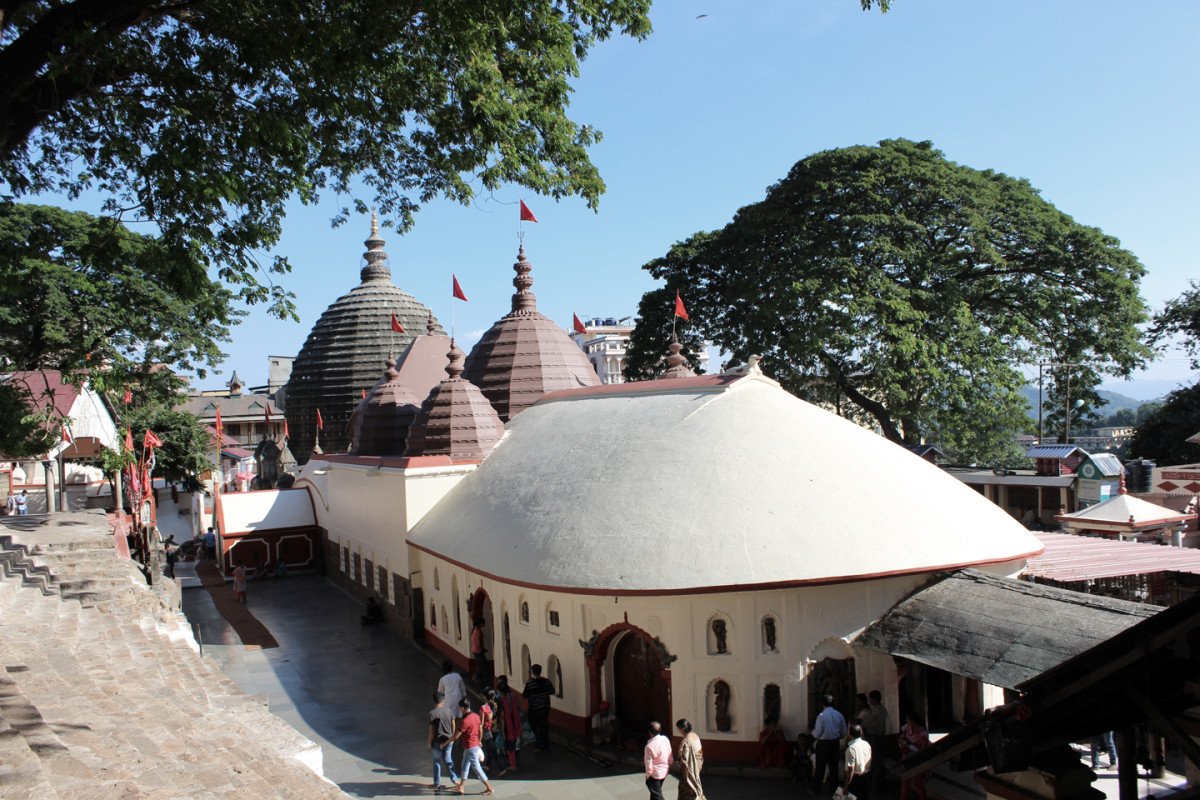
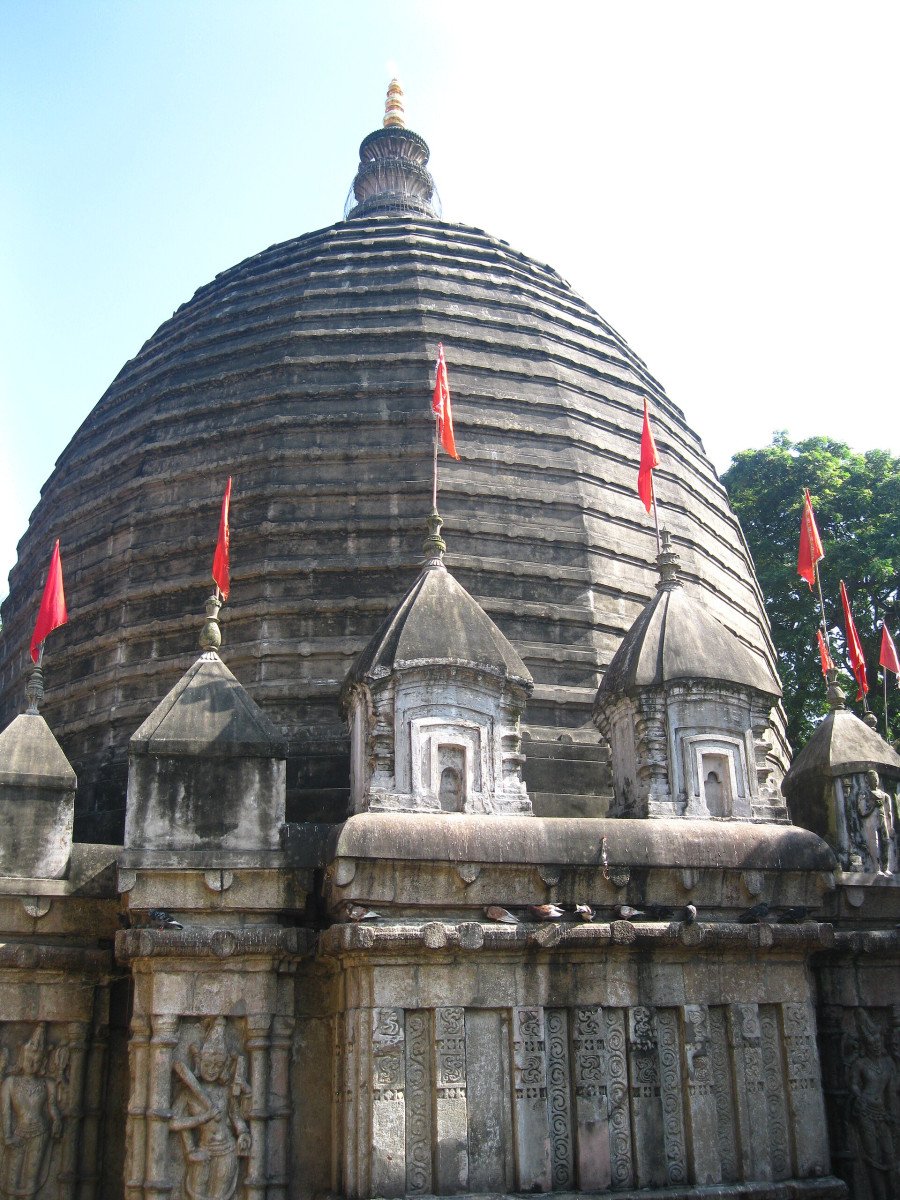
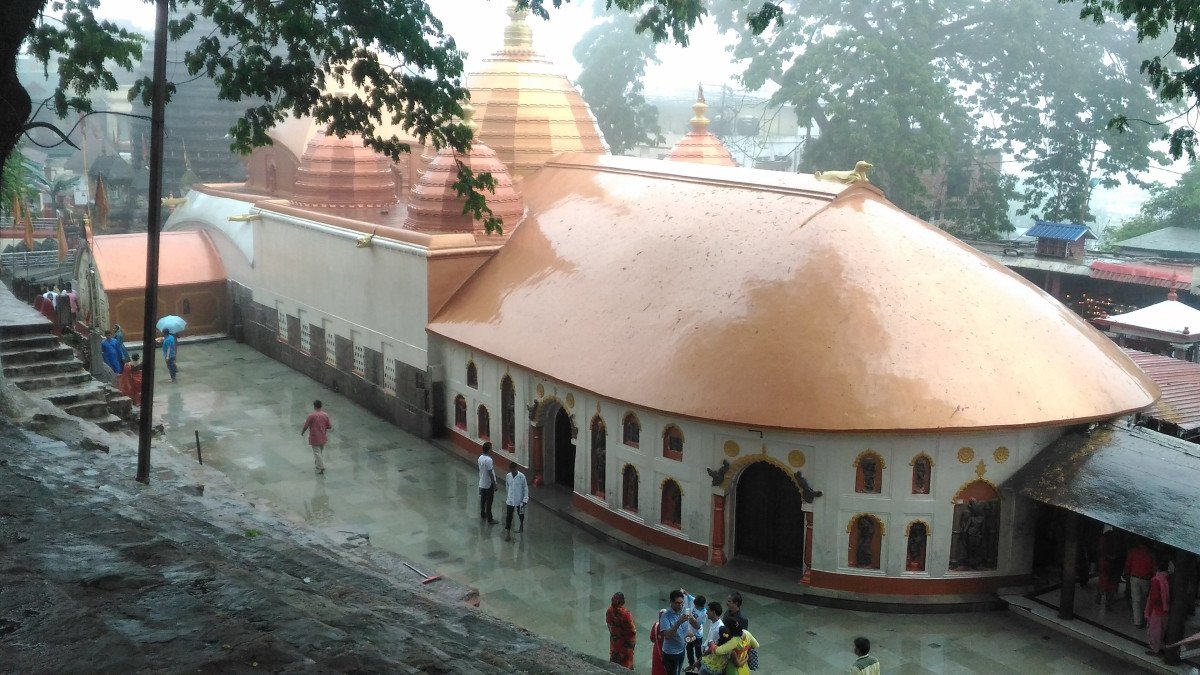
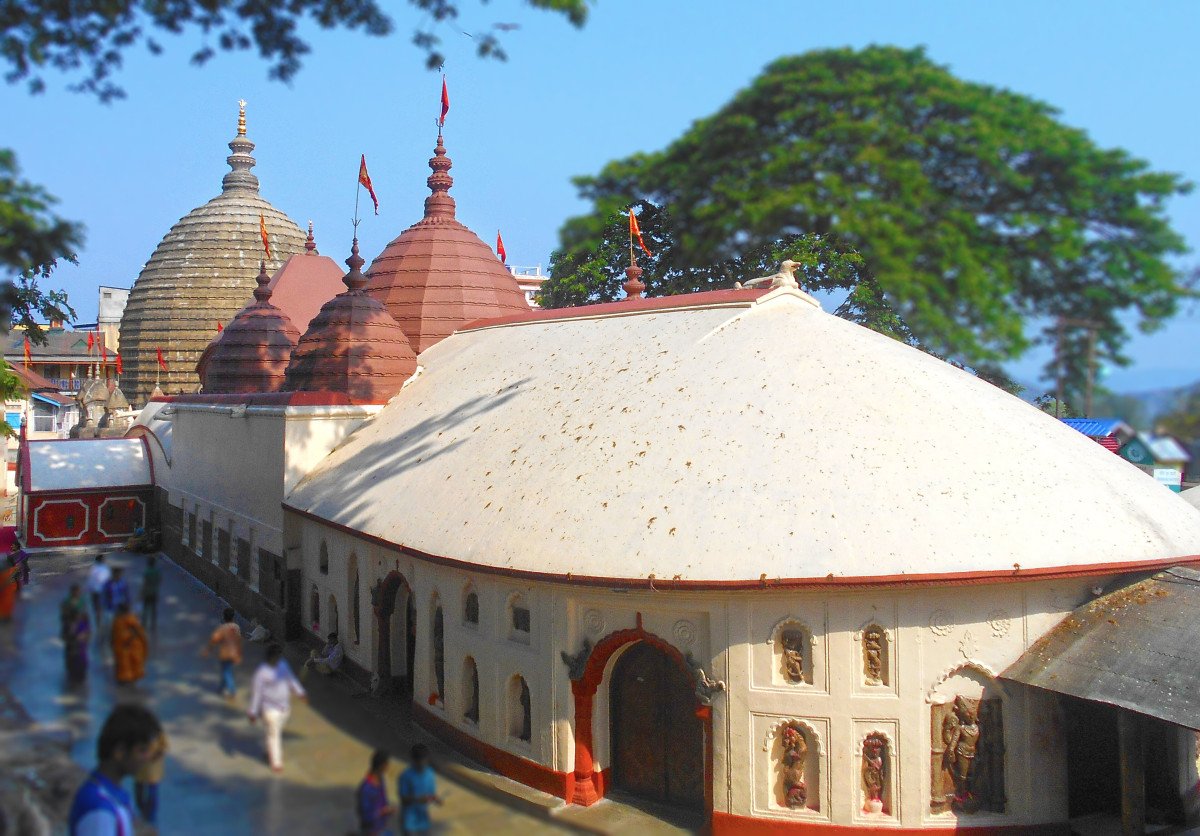
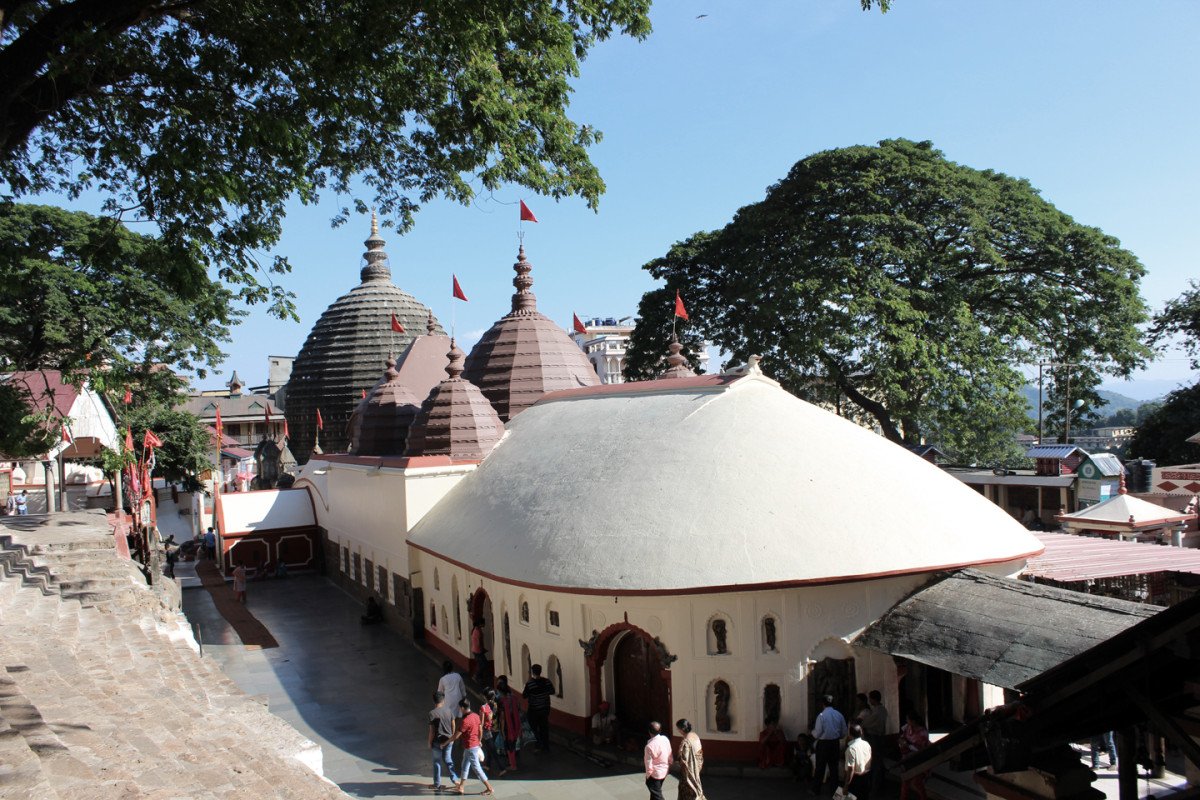
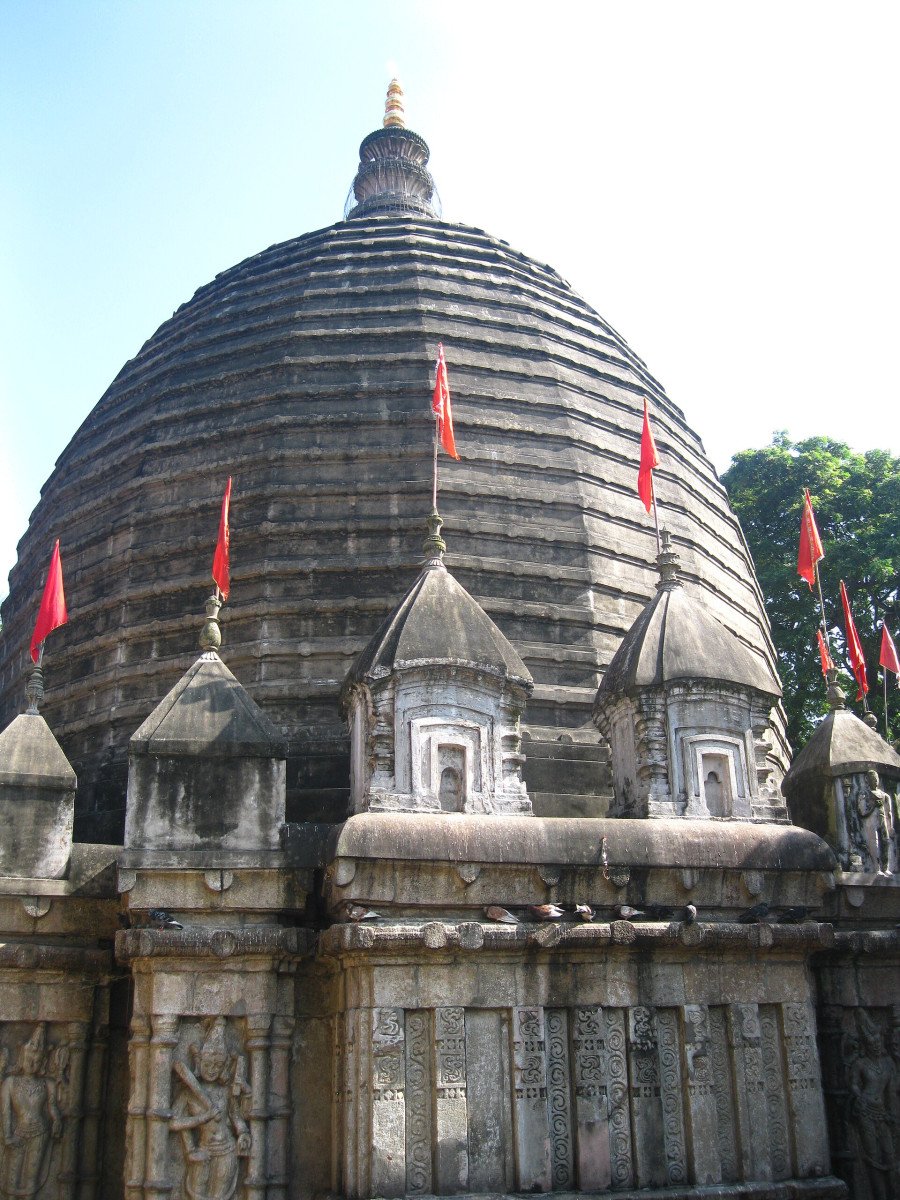
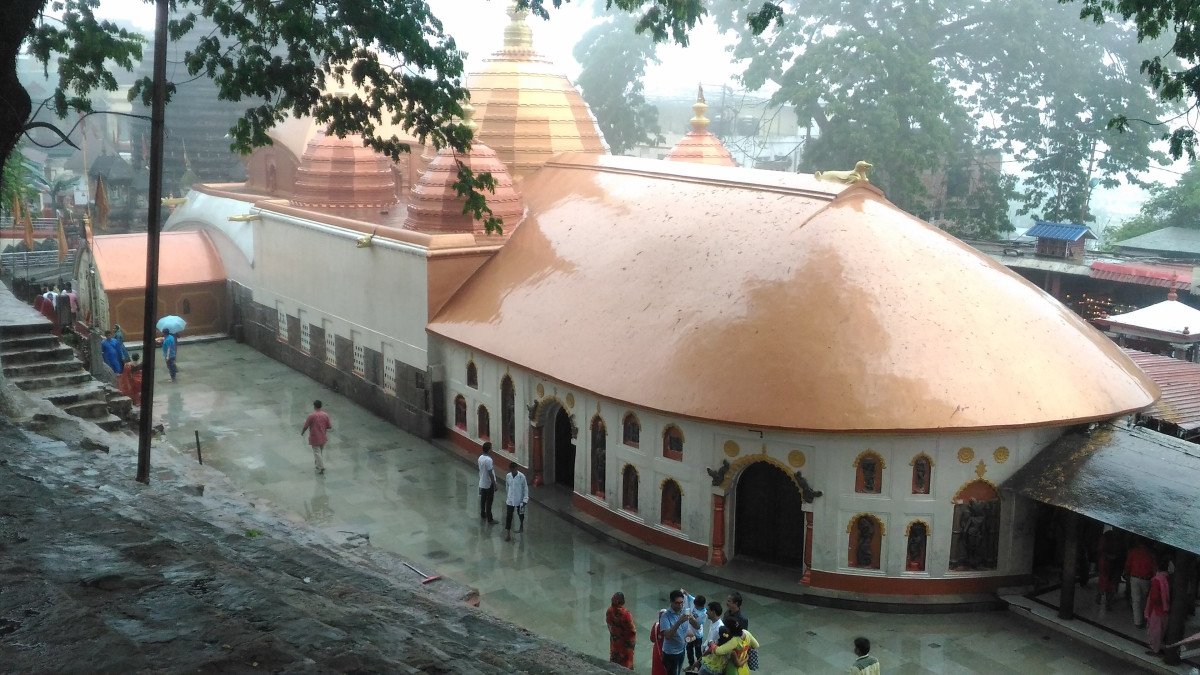
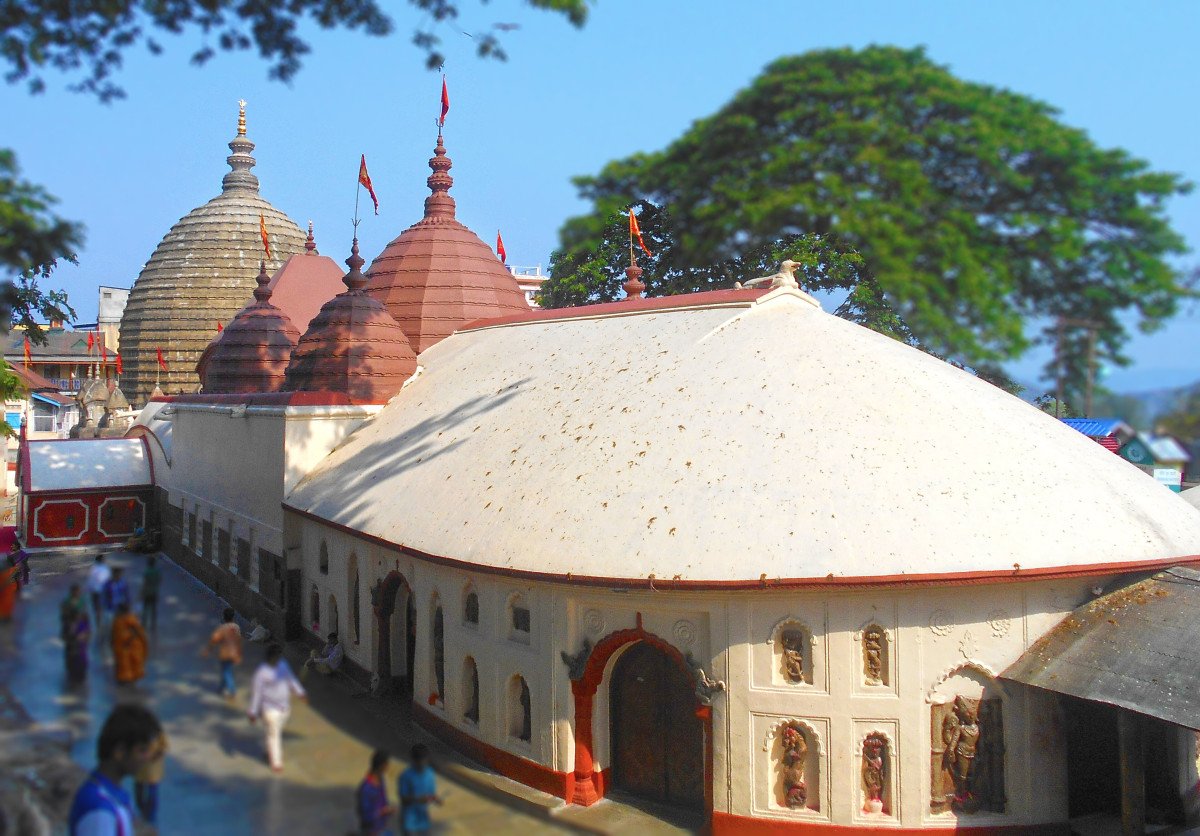
The Temple's Main Entrance and Sikhara:: The main entrance offers a great compositional shot, framing the devotees entering the premises. Focus on the unique Nilachala-style Sikhara (dome/spire) of the temple from a slight distance to capture its full, distinct shape, espe...The Temple's Main Entrance and Sikhara:: The main entrance offers a great compositional shot, framing the devotees entering the premises. Focus on the unique Nilachala-style Sikhara (dome/spire) of the temple from a slight distance to capture its full, distinct shape, especially if the morning light catches its brickwork and carvings.
() --- The Brahmaputra River View:: The most scenic spot is the viewpoint overlooking the Brahmaputra River. Capture the vastness of the river against the backdrop of the sky, ideally during the golden hours of sunrise or sunset. Including a local boat or a distant hill in the frame adds context and depth.
() --- Candid Shots of Devotion::
Focus on capturing the spiritual mood: devotees offering flowers and incense, the flame of the Aarti, or the colorful Prasad being distributed. Remember to be respectful and discreet while taking pictures of people engaged in prayer. The smaller, accompanying shrines also offer unique architectural details for close-up shots. ()Photo Gallery
Things To Do
-
Attend the Daily Aarti and Puja:: The main thing to do is to participate in the daily Aarti (worship with light) and Puja (rituals). Morning and Evening Aarti ceremonies are held every day and offer the most immersive spiritual experience. The sounds of the conch shells, bells, and devotional chanting create a powerful atmosphere. Taking part in this ritual allows you to fully absorb the temple's spiritual energy and receive the blessings (Prasad) from the priests. It is essential to check the exact timings upon arrival.
() --- Perform the Traditional Darshan:: Line up for the Darshan (viewing) of the principal deity. The Garbhagriha is often small, and the line can be long on festival days, so patience is key. The actual viewing of the sacred yoni-shaped rock or symbol is brief but profoundly spiritual for devotees. You...Attend the Daily Aarti and Puja:: The main thing to do is to participate in the daily Aarti (worship with light) and Puja (rituals). Morning and Evening Aarti ceremonies are held every day and offer the most immersive spiritual experience. The sounds of the conch shells, bells, and devotional chanting create a powerful atmosphere. Taking part in this ritual allows you to fully absorb the temple's spiritual energy and receive the blessings (Prasad) from the priests. It is essential to check the exact timings upon arrival.
() --- Perform the Traditional Darshan:: Line up for the Darshan (viewing) of the principal deity. The Garbhagriha is often small, and the line can be long on festival days, so patience is key. The actual viewing of the sacred yoni-shaped rock or symbol is brief but profoundly spiritual for devotees. You can offer flowers, fruits, and traditional sweets as Bhoga (offering).
() --- Meditate by the Brahmaputra:: Since the temple is close to the Brahmaputra River, take time to sit quietly on the banks or at a designated viewing point. The vastness of the river offers a perfect setting for meditation or simple peaceful reflection. The gentle sounds of the water and the open sky create a tranquil environment, a natural counterpoint to the temple's energetic worship. This is an excellent activity for photography and quiet contemplation.
() --- Explore the Temple Complex and Grounds:: Walk around the entire temple complex, including any adjacent small shrines dedicated to other deities like Lord Ganesha, Lord Shiva, or the Dashamahavidyas (ten wisdom goddesses). Observe the subtle details of the temple's architecture, the carvings on the walls, and the surrounding natural greenery.
() --- Interact with Local Priests and Devotees:: Engage in polite conversations with the temple priests or fellow devotees. They can share fascinating stories, local legends, and historical facts about the Joybhum Kamakhya Temple that are not found in guidebooks. This human interaction often provides the richest cultural experience.
() --- Visit the Nearby Tea Stalls and Eateries:: After Darshan, try the simple, local refreshments sold by vendors just outside the temple gate. Sampling local snacks like Singara (samosa) or enjoying a cup of authentic Assamese tea is a small but essential cultural experience. These local spots are great for people-watching.
() --- Plan a Pilgrimage Circuit:: Use the temple as a starting point to visit other nearby religious and historical sites like Tukeswari Temple (13 KMS away) or the archaeological complex of Sri Surya Pahar (10 KMS away). Combining these visits makes for a fulfilling day of historical and spiritual exploration.
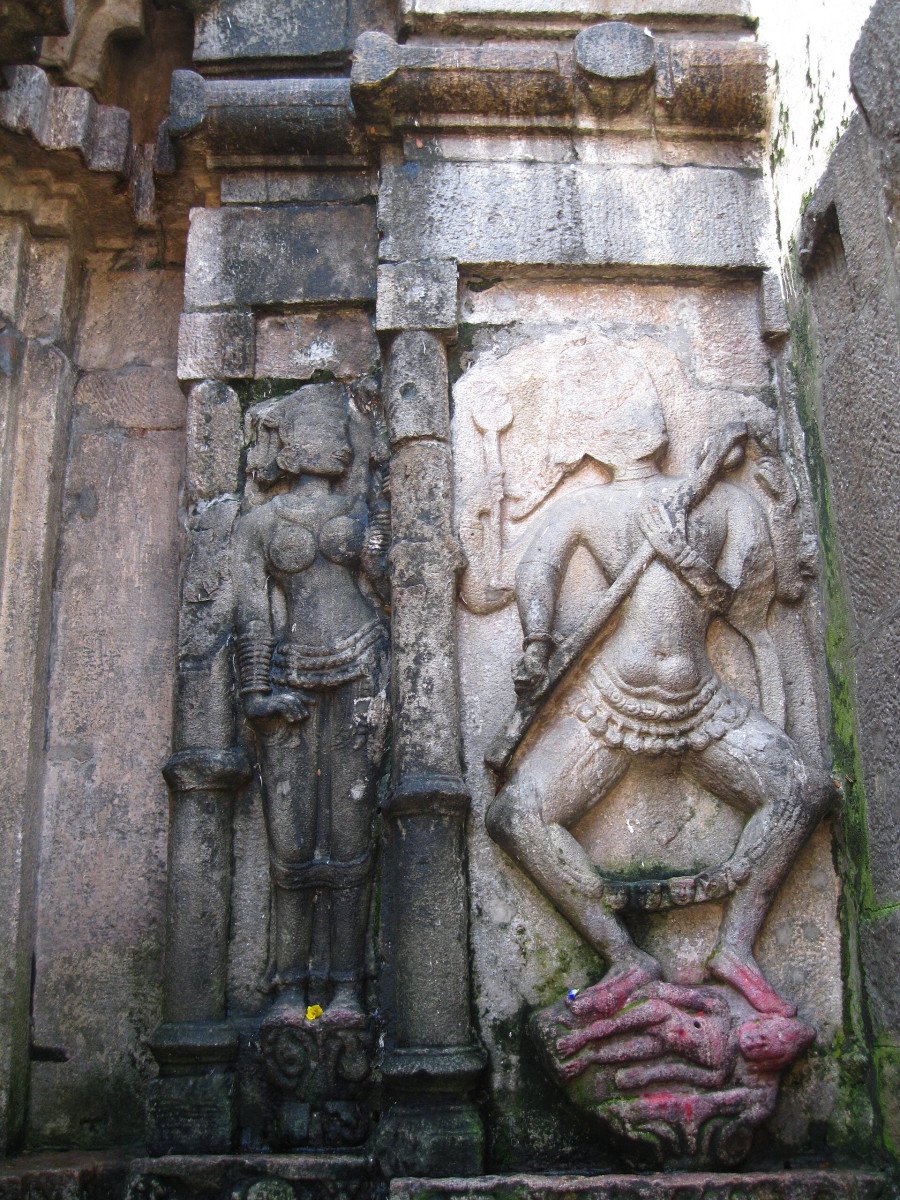
() --- Photography of the Nilachala Architecture:: Focus your photography on the unique aspects of the Nilachala style architecture, the colors of the offerings, and the candid moments of devotion. The contrast between the old stone and the vibrant colors of the devotees' attire and flowers makes for compelling images. () ()
Information
-
Why Famous:
Reverence as a Shakti Sthal:: The primary fame of the Joybhum Kamakhya Temple stems from its identification as a sacred Shakti Sthal, or a place where an aspect of the Divine Feminine power is particularly potent. This connection draws devotees who believe in the Goddess's...Reverence as a Shakti Sthal:: The primary fame of the Joybhum Kamakhya Temple stems from its identification as a sacred Shakti Sthal, or a place where an aspect of the Divine Feminine power is particularly potent. This connection draws devotees who believe in the Goddess's ability to grant wishes and provide immense strength. It is a local center of the Shaktism tradition, which is a key part of Hinduism in Assam.
() --- Proximity to the Brahmaputra River:: Its location near the banks of the majestic Brahmaputra River significantly contributes to its fame and spiritual environment. The combination of the sacred temple and the vast, powerful river creates a highly revered and visually stunning pilgrimage spot, where the natural forces of the river are seen as complementing the divine energy of the Goddess. The peaceful riverine setting offers a quiet alternative to the major, more crowded pilgrimage sites.
() --- Cultural and Historical Context:: The temple is part of a cluster of ancient religious and archaeological sites in the Goalpara region, including Surya Pahar and Tukreswari Temple. This grouping suggests that the area has been a continuous hub of spiritual activity for centuries, linking the temple to a rich, multi-religious historical past that is famous for being a confluence of Hinduism, Jainism, and Buddhism. () -
Architecture:
Nilachala Style Influence:: The architecture of the temple, while specific details are scarce and it is smaller than the main Kamakhya Temple in Guwahati, is generally believed to be influenced by the regional Nilachala style prevalent in Assam. This style is a unique blen...Nilachala Style Influence:: The architecture of the temple, while specific details are scarce and it is smaller than the main Kamakhya Temple in Guwahati, is generally believed to be influenced by the regional Nilachala style prevalent in Assam. This style is a unique blend of the traditional North Indian Nagara style and the Saracenic (or Mughal) architectural elements, resulting in a distinctive hemispherical or beehive-like dome resting on a cruciform base. This style is characteristic of temples in Lower Assam built or renovated during the Koch and Ahom dynasties.
() --- Temple Layout and Structure:: The temple is typically built with stone and brick, featuring an inner sanctum called the Garbhagriha and an assembly hall called the Mandapa or Natamandira. The inner sanctum is the most sacred part, which may be a small, dark chamber. Many similar shrines in the region do not house a traditional idol but instead worship a natural rock formation, potentially a yoni-shaped stone fissure, symbolizing the Goddess's reproductive power.
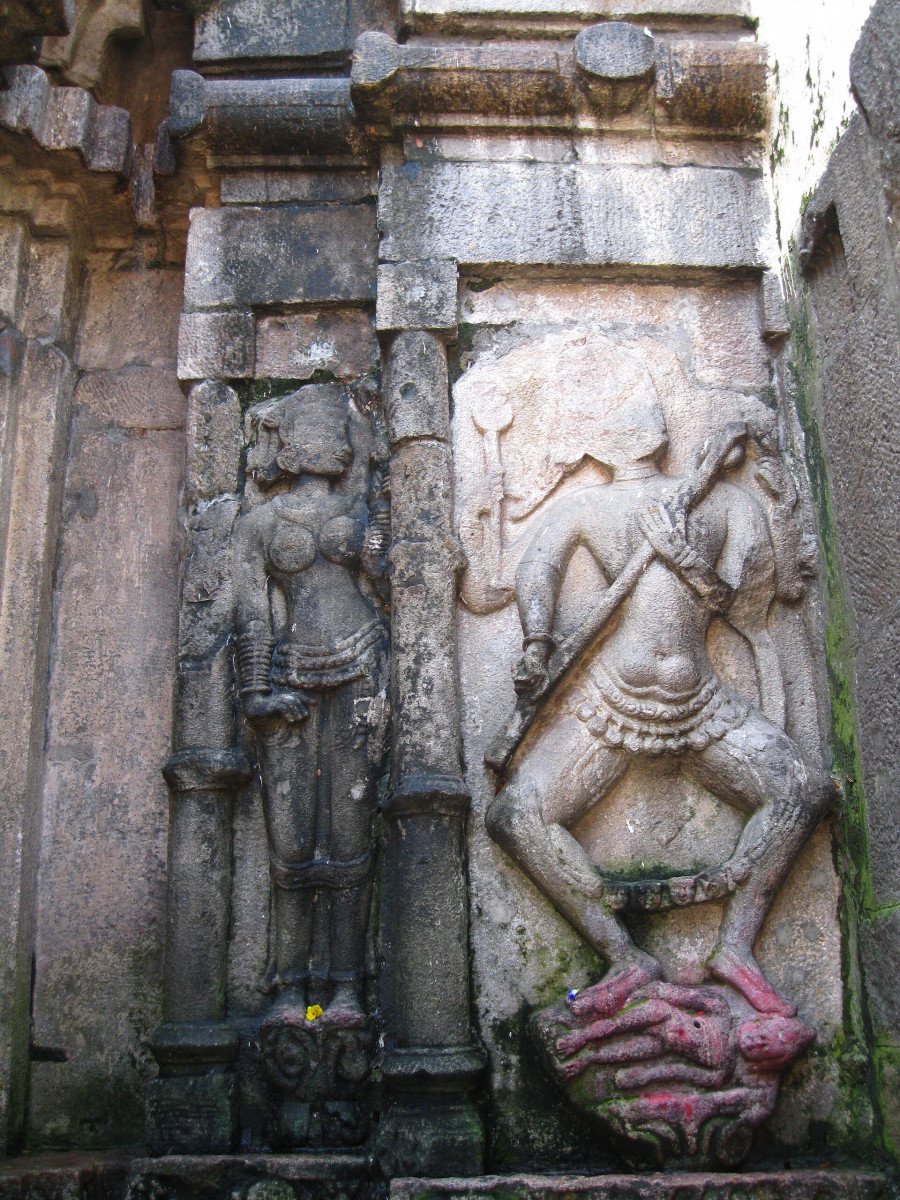
() --- Dimension and Details:: Exact, formally recorded dimensions of the Joybhum Kamakhya Temple are not widely published. However, like many village or local shrines in the region, the structure is likely on a smaller, more intimate scale compared to grand city temples. It is built to house the primary deity's shrine and provide space for devotees' offerings and prayers. The exterior walls are usually adorned with simple yet meaningful sculptures of Hindu deities and mythological figures, though again, the scale of decoration is modest. The temple complex is integrated with its natural surroundings, often including smaller shrines for other deities like Lord Shiva, as is common for Shakti Peethas. The architecture emphasizes simplicity and the sanctity of the natural site where the temple is built, often using locally sourced materials. () -
How To Reach:
By Air:: The nearest major airport is the Lokpriya Gopinath Bordoloi International Airport (GAU) in Guwahati, which is approximately 130-150 KMS from Goalpara Town. The airport is well-connected to major Indian cities like Delhi, Mumbai, and Kolkata.
Read MoreBy Air:: The nearest major airport is the Lokpriya Gopinath Bordoloi International Airport (GAU) in Guwahati, which is approximately 130-150 KMS from Goalpara Town. The airport is well-connected to major Indian cities like Delhi, Mumbai, and Kolkata.
From the airport, you have several options:
Pre-booked Private Taxi: This is the most comfortable and direct option. It takes about 3 to 4 hours to reach Goalpara.
Airport Bus/Cab to Guwahati City: Take a service to the main Guwahati bus or railway station and then follow the road/rail journey options below. The total journey time, including transfer, will be around 5 to 6 hours.
() --- By Train:: The closest and most convenient railway station is the Goalpara Town Railway Station (GLPT), which is just a few kilometers from the Goalpara city center. This station is well-connected to major cities in the North East and the rest of India.
From Goalpara Town Station: Hire a local taxi, auto-rickshaw, or a shared auto to reach the temple. Since the temple is about 50 KMS from the city center near Lakhipur, you will need to arrange for a full-day cab or a long-distance shared taxi/bus service heading toward Lakhipur or nearby areas and then take a short local transport to the temple entrance.
() --- By Road::
From Guwahati: Goalpara is well-connected by National Highway 17 (NH 17). Regular state-run and private bus services (ASTC buses) operate between Guwahati and Goalpara. The journey takes about 3. 5 to 4. 5 hours.
From Goalpara Town: The temple is located off the main highway, near Lakhipur. You will need to take a local bus or hire a taxi specifically for the 50 KMS journey. The drive is scenic as it passes through rural Assam.
() --- By Local Transport (From Goalpara Town):: From the main Goalpara bus stand or taxi stand, you can hire a reserved taxi or a four-wheeler for a round trip, which is the most reliable option for the 50 KMS distance. Alternatively, look for shared taxis (sumo/winger) or local buses that run towards Lakhipur or nearby villages; you will need to alight at the nearest road point and then hire a cycle-rickshaw or walk the final distance. ()Weather and Best Time to Visit:
Seasons:
Winter (Ideal):: The Winter season, from October to March, is undoubtedly the Best Time to Visit. The weather is cool, pleasant, and dry, with temperatures ranging from a comfortable 10Rs.C to 25Rs.C. This is perfect for comfortable t...Seasons:
Winter (Ideal):: The Winter season, from October to March, is undoubtedly the Best Time to Visit. The weather is cool, pleasant, and dry, with temperatures ranging from a comfortable 10Rs.C to 25Rs.C. This is perfect for comfortable travel, sightseeing, and spending time outdoors by the Brahmaputra. Major festivals like Durga Puja and Navaratri also fall during this period, enhancing the spiritual experience.
() ---
Seasons:
Summer (Avoid Peak):: Summer (April to May) is hot and humid, with temperatures often soaring above 35Rs.C. While the temple remains open, prolonged outdoor activity can be tiring. The crowds are generally thinner, but the comfort level is low.
() ---
Seasons:
Monsoon (Pleasant but Tricky):: The Monsoon season (June to September) brings heavy rainfall. The surroundings are lush and beautiful, and the river is in its full flow, making for a dramatic sight. However, heavy rains can disrupt travel plans, and the Ambubachi Mela in June can draw large crowds.
() --- Parts of the Day:
Morning & Evening:: The Early Morning (6:00 AM to 9:00 AM) is the most Ideal Part of the Day for a tranquil visit. The temperature is cool, the air is fresh, and you get to witness the sacred first Puja of the day in a peaceful setting. The Late Afternoon/Evening (4:00 PM to 6:00 PM) is the second-best time, perfect for a serene Darshan and enjoying the sunset over the Brahmaputra. Avoid the hot and crowded midday hours if possible. ()Near Tourist Places:
1.
Sri Surya Pahar (Archaeological Site): 10 KMS (Ancient hill with Hindu, Buddhist, and Jain relics)2.
Tukeswari Temple: 13 KMS (Another Shakti Sthal on a hill)3.
Dadan Hillock: Approx. 15-20 KMS (Historical site with a Shiva temple)4.
Urpad Beel Bird Sanctuary: Approx. 30 KMS (Wetland for migratory birds)5.
Pir Saheb Majar Shariff: Approx. 35 KMS (Revered Sufi shrine)6.
Kachari Ghat on Brahmaputra: Approx. 50 KMS (Near Goalpara Town, for river views/boat rides)7.
Nandeswar Devalaya: Approx. 60 KMS (Temple of Lord Shiva)8.
Hulukanda Pahar: Approx. 50 KMS (Historical hill near Goalpara Town)9.
Manas National Park: Approx. 170 KMS (Famous UNESCO World Heritage Site)10.
Bongaigaon Town: Approx. 90 KMS (Nearby major town)Tourism Tips
-
Health & Safety:
Respect and Attire:: Always maintain a respectful demeanor within the temple premises. The temple is a place of active worship, so photography inside the Garbhagriha is usually strictly prohibited. Dress modestly, covering...Health & Safety:
Respect and Attire:: Always maintain a respectful demeanor within the temple premises. The temple is a place of active worship, so photography inside the Garbhagriha is usually strictly prohibited. Dress modestly, covering your shoulders and knees, as a sign of respect for the religious site. Wear comfortable footwear, as you will likely have to remove shoes before entering the temple complex. Carry a basic first-aid kit, especially during the humid months, and drink only bottled water to avoid waterborne illnesses.
() --- Packing:
Essentials for Assam:: Given the tropical climate of Assam, pack light cotton clothing. A wide-brimmed hat, sunglasses, and high-SPF sunscreen are essential for protection against the sun, especially if visiting between March and September. Carry insect repellent, particularly if planning to spend time near the riverbanks. For the Winter season, a light shawl or sweater is needed for the cool mornings and evenings. A small backpack is useful for keeping your water bottle and personal items.
() --- Accommodation:
Goalpara Town Base:: As the temple is about 50 KMS from the city center, the best place for accommodation is Goalpara Town. There are several hotels, guest houses, and local lodges available that cater to different budgets. For a better experience, you might consider booking a homestay in Goalpara for an authentic taste of Assamese hospitality. Book your stay in advance, especially if traveling during the Durga Puja or Navaratri festival.
() --- Other Different Topics:
Local Transport & Guide:: For the 50 KMS journey, it is highly advisable to hire a dedicated taxi from Goalpara Town for a round trip to the temple, as local transport options can be infrequent and confusing. If you are interested in the history, consider hiring a local guide (though less common than in the main Kamakhya Temple) or reading up thoroughly beforehand. Carry sufficient cash for offerings, local transport, and refreshments, as small vendors near the temple might not accept digital payments. ()
Reviews
FAQs
Goalpara Itineray And Cost:-
Joybhum Kamakhya Temple Tourism:-
Information about New and Updated Locations() of Assam Has Been Added :-
Card subtitle
Note:-
Information provided here in good Faith and for reference only.
Near Places

Baijuri Waterfall
Some quick example text to build on the card title and make up the bulk of the card's content.
Go somewhere
Buraburi Than
Some quick example text to build on the card title and make up the bulk of the card's content.
Go somewhere
Dadan Hill
Some quick example text to build on the card title and make up the bulk of the card's content.
Go somewhere
Goalpara River View
Some quick example text to build on the card title and make up the bulk of the card's content.
Go somewhere
Hulukunda Pahar
Some quick example text to build on the card title and make up the bulk of the card's content.
Go somewhere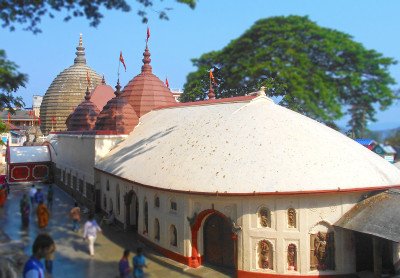
Joybhum Kamakhya Temple
Some quick example text to build on the card title and make up the bulk of the card's content.
Go somewhere
Kumri Beel Lake
Some quick example text to build on the card title and make up the bulk of the card's content.
Go somewhere
Nalonga Waterfalls
Some quick example text to build on the card title and make up the bulk of the card's content.
Go somewhere
Nandeswar Devalaya
Some quick example text to build on the card title and make up the bulk of the card's content.
Go somewhere
Pir Majhar
Some quick example text to build on the card title and make up the bulk of the card's content.
Go somewhere
Shyamrai Satra
Some quick example text to build on the card title and make up the bulk of the card's content.
Go somewhere
Sri Surya Pahar
Some quick example text to build on the card title and make up the bulk of the card's content.
Go somewhere
Tukeswari Temple
Some quick example text to build on the card title and make up the bulk of the card's content.
Go somewhere
Urpad Beel
Some quick example text to build on the card title and make up the bulk of the card's content.
Go somewherein Other Cities