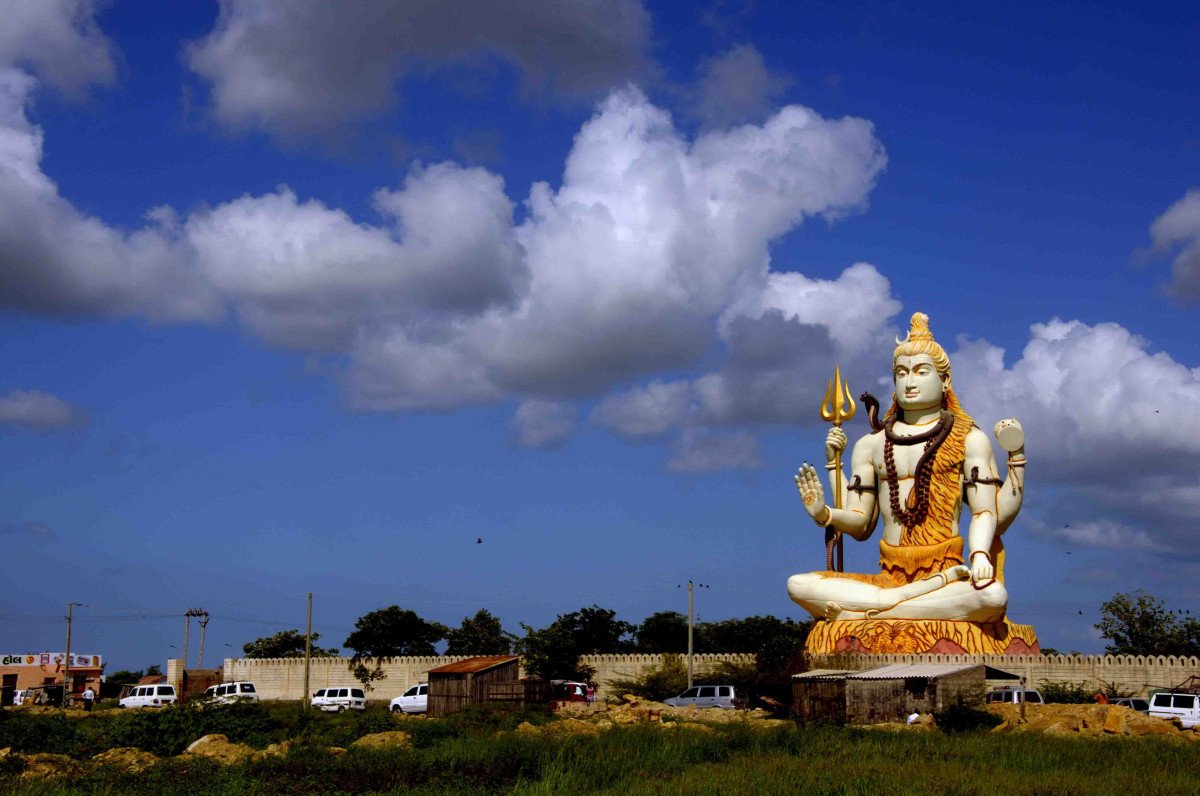
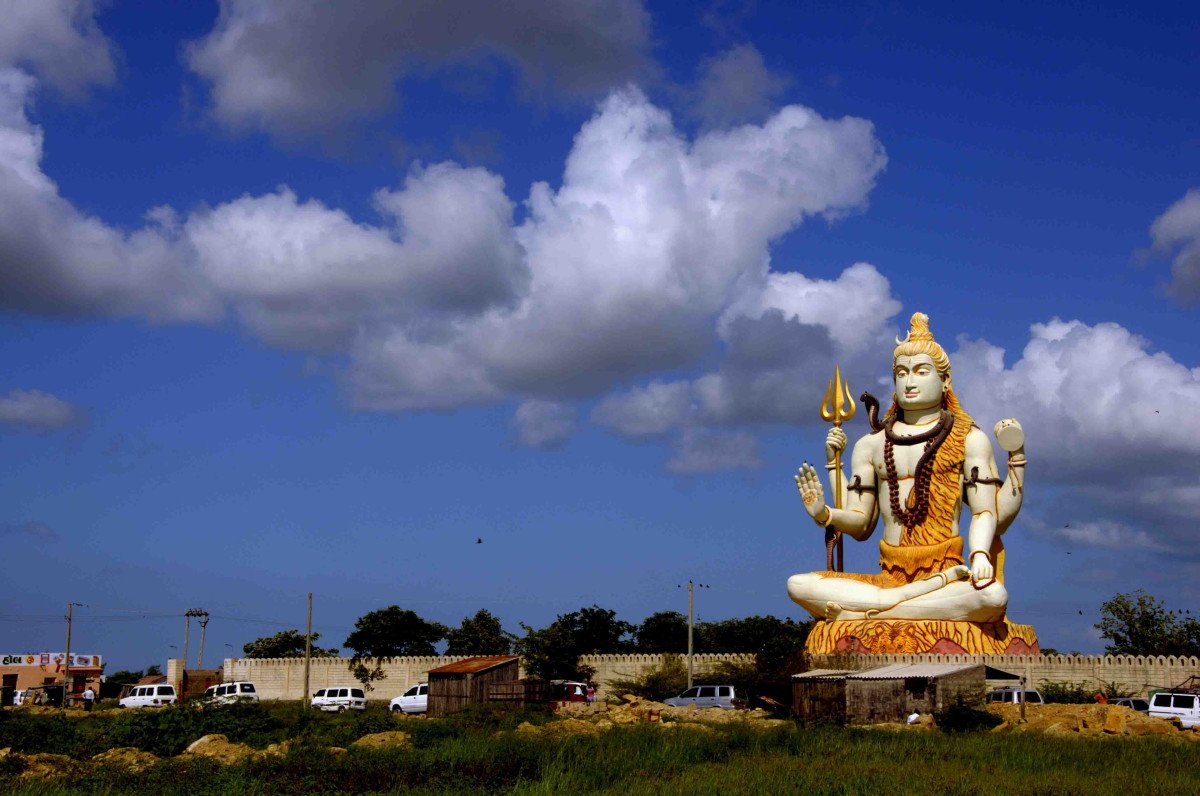
Nandeswar Devalaya
General information
-
Ideal Duration:
1 to 2 hours (Excluding travel time from Goalpara town)Place Type:
Religious/Pilgrimage Site, Historical Temple, NatuEntry Fees:
General Entry Fee: There is no fixed entry fee for pilgrims or general tourists visiting the Nandeswar Devalaya. Like most places of worship in India, the temple relies on the voluntary donations of its devotees and visitors for its maintenance and upkeep. The access to th...General Entry Fee: There is no fixed entry fee for pilgrims or general tourists visiting the Nandeswar Devalaya. Like most places of worship in India, the temple relies on the voluntary donations of its devotees and visitors for its maintenance and upkeep. The access to the hill and the main temple is free, allowing anyone to come and pay their respects or enjoy the scenery. This open access underscores the inclusive nature of Hindu religious sites.
Voluntary Donations: While there is no mandatory fee, visitors are encouraged to make a voluntary donation towards the temple fund. There are designated Hundi boxes or donation counters where you can contribute any amount you wish. This money is used for daily puja expenses, temple staff salaries, maintenance of the structure, and sometimes for local community welfare initiatives like annadaan (food donation). Donating is a gesture of reverence and support for the continuation of the shrine's activities.
Special Puja or Offerings Costs: If a devotee wishes to perform a specialized puja (ritual) for a specific purpose, such as a rudrabhishek or a special offering for the family's well-being, they will need to pay a nominal fee to the priest (purohit) who performs the ceremony. These charges vary based on the complexity and duration of the ritual and should be inquired about beforehand with the temple management. This is a common practice in Indian temples to cover the ritual materials and the priest's service.
Parking and Amenities: There might be a nominal parking fee for vehicles at the base of the hill or a designated parking area, especially during peak season or festivals. This fee is usually collected by the local village committee for managing the parking space. Any use of amenities like public washrooms (if available) may also sometimes involve a small, token charge, primarily for their cleaning and maintenance. It is advisable to carry small denomination cash for these minor expenses.Timing:
Regular Temple Timings: The Nandeswar Devalaya, being an active place of worship, generally opens its doors very early in the morning, typically around 5:00 AM or 6:00 AM, following the early morning puja and aarti. It usually remains open throughout the day, closing for a ...Regular Temple Timings: The Nandeswar Devalaya, being an active place of worship, generally opens its doors very early in the morning, typically around 5:00 AM or 6:00 AM, following the early morning puja and aarti. It usually remains open throughout the day, closing for a short break around lunchtime (e. g. , 1:00 PM to 3:00 PM) before reopening for the evening sessions. The temple usually closes for the night after the evening aarti, which might be around 7:00 PM or 8:00 PM. Visitors are advised to confirm the exact timings locally, as they can change based on the season or local customs.
Ideal Visit Time - Weather and Atmosphere: The absolute ideal time to visit, considering both the weather and the serenity, is during the early winter mornings (October to February). Visiting between 8:00 AM and 11:00 AM is best. The weather is cool and pleasant, the sun is not too harsh, and the misty views of the surrounding area from the hilltop are breathtakingly beautiful. The temple is active but not overly crowded, allowing for a peaceful darshan (viewing of the deity) and quiet reflection.
Ideal Visit Time - Festival Season: If your goal is to experience the vibrant culture and religious fervor, the ideal time would be during the major festivals like Maha Shivaratri or Durga Puja (refer to February/March or September/October). However, be prepared for large crowds, longer wait times, and a more energetic but less tranquil atmosphere. The best time during these festivals is the evening aarti for the most visually and spiritually rich experience.
Avoiding Peak Heat and Monsoon: It is best to avoid the midday hours (11:00 AM to 3:00 PM) during the summer (April to June) due to high temperatures and humidity, as the hill climb can become strenuous. Similarly, visiting during the peak Monsoon season (July and August) is less ideal due to heavy rainfall, which can make the climb slippery and obscure the beautiful hilltop views.Special Events:
Maha Shivaratri: This is undoubtedly the most significant annual event at Nandeswar Devalaya. The festival, dedicated to Lord Shiva, typically falls in the Hindu month of Phalguna (usually February or March). Thousands of devotees, locally known as bhakts, flock to the tem...Maha Shivaratri: This is undoubtedly the most significant annual event at Nandeswar Devalaya. The festival, dedicated to Lord Shiva, typically falls in the Hindu month of Phalguna (usually February or March). Thousands of devotees, locally known as bhakts, flock to the temple for day and night-long prayers, fasting, and ceremonial worship. The entire hill and temple premises are decorated with lights and flowers, creating a truly electrifying and pious atmosphere. Special pujas are performed, and the devotees maintain a vigil, singing hymns and chanting the name of Lord Shiva throughout the night. It is the best time to witness the depth of local religious faith.
Dol Jatra / Holi Festival: Following Maha Shivaratri, the Dol Jatra or Holi festival (usually in March) is another special event, especially in Vaishnavite-influenced Assam, but celebrated with reverence in Shiva temples too. The festive spirit involves local religious processions, and the temple might host special community gatherings. The colourful celebration is a beautiful sight, representing the victory of good over evil. The event is celebrated with a blend of regional Assamese traditions and pan-Indian Hindu customs.
Durga Puja: The nine-day-long festival of Durga Puja (typically in September or October) is also celebrated with enthusiasm. Although primarily dedicated to Goddess Durga, the presence of her consort Lord Shiva is acknowledged. Special prayers and community feasts (bhog) are often arranged. The festive season brings a vibrant cultural flair, with traditional Assamese performances and local fairs sometimes set up near the base of the hill, adding a cultural dimension to the religious pilgrimage.
Local Temple Anniversaries: Besides the major festivals, the temple may observe specific, local anniversaries or a foundation day which are special events for the immediate community. These smaller occasions are an excellent opportunity for tourists to witness the very local, intimate customs and traditions of the area, often involving simpler kirtans (devotional singing) and community service.Best Photo Spots:
Rs. The Hilltop Viewpoint: The absolute best photo spot is from the very edge of the Nandeswar Hill, near the temple. This vantage point offers a sweeping panoramic shot of the lower-lying plains, the surrounding forests, and the distant ribbon of the Dudhnoi River. Use a wi...Rs. The Hilltop Viewpoint: The absolute best photo spot is from the very edge of the Nandeswar Hill, near the temple. This vantage point offers a sweeping panoramic shot of the lower-lying plains, the surrounding forests, and the distant ribbon of the Dudhnoi River. Use a wide-angle lens to capture the vastness.
Best Time for Photos: Sunrise or Sunset for dramatic light and silhouettes, or just after the monsoon for the deepest greens. A photograph here captures the essence of the temple's unique location.
Rs. The Temple’s Main Entrance and Bell: The entrance of the main shrine, often adorned with a prominent temple bell or a small mandap (hall), provides a compelling photo opportunity. Focus on the intricate details of the stone or wooden carvings, if any, and the textures.
Action Shot Idea: A photo of a devotee ringing the bell or entering the sanctum can capture the religious emotion of the place. Frame the shot so the bell is central, using it as a foreground element.
Rs. The Trek Path and Flora: The path leading up the hill, especially where it is bordered by dense, lush vegetation and large rock formations, is a beautiful spot for nature and landscape photography. Look for interesting tree roots, mossy stones, and brightly coloured local flowers.
Creative Idea: Use the winding path or steps as a leading line in your composition to draw the viewer's eye up towards the temple's location. This also works well for portrait shots with a natural backdrop.
Rs. The Aarti Ceremony and Oil Lamps: If you visit during the morning or evening aarti or during a festival like Maha Shivaratri, the lighting of the oil lamps and the ritual performance is a powerful subject for photography. The warm glow of the lamps against the backdrop of the stone temple creates a mystical atmosphere.
Note: Be respectful—use a silent shutter or be very discreet. Focus on the faces of the devotees or the hands performing the ceremony for an intimate feel. This requires low-light photography skills.
Rs. Ancient Stone Sculptures and Shivalinga: Within the temple complex, look for any old, weathered stone sculptures or the main Shiva Linga itself. These offer a chance to photograph historical and religious artifacts.
Focus Technique: Use a narrow depth of field to draw attention to the texture and age of the stone, keeping the background softly blurred. Always seek permission before photographing the main idol in the sanctum.Photo Gallery
Things To Do
-
Rs. Perform Rituals and Offer Prayers: The primary activity is offering prayers and performing rituals to Lord Shiva. Devotees often carry offerings like milk, water, Bael (wood apple) leaves, and flowers to pour over the Shiva Linga in the sanctum. Attending the morning or evening aarti (ritual of light) is highly recommended for a complete spiritual experience. Participating in the puja ceremonies connects you directly to the local religious traditions. You can sit quietly and meditate within the temple premises, soaking in the spiritual vibrations of this ancient place.
Rs.Rs. Photography and Sightseeing from the Hilltop: The Nandeswar Hill offers unparalleled panoramic views, making it an excellent spot for photography and general sightseeing. Capture the sprawling plains of Goalpara district, the lush green forest cover, and...Rs. Perform Rituals and Offer Prayers: The primary activity is offering prayers and performing rituals to Lord Shiva. Devotees often carry offerings like milk, water, Bael (wood apple) leaves, and flowers to pour over the Shiva Linga in the sanctum. Attending the morning or evening aarti (ritual of light) is highly recommended for a complete spiritual experience. Participating in the puja ceremonies connects you directly to the local religious traditions. You can sit quietly and meditate within the temple premises, soaking in the spiritual vibrations of this ancient place.
Rs.Rs. Photography and Sightseeing from the Hilltop: The Nandeswar Hill offers unparalleled panoramic views, making it an excellent spot for photography and general sightseeing. Capture the sprawling plains of Goalpara district, the lush green forest cover, and the meandering Dudhnoi River in the distance. The best time for photography is during sunrise or sunset when the light casts a beautiful glow over the landscape. Try to take wide-angle shots to capture the vastness and the temple's setting. The tranquil atmosphere is ideal for simply relaxing on the hilltop and enjoying the refreshing breeze. You can spend a good hour just appreciating the view.
Rs. Hiking and Nature Walk: The climb up to the Devalaya, depending on the starting point, can be a pleasant, moderate hike. Take a gentle, mindful walk along the pathways or steps leading to the temple. This physical activity is combined with the spiritual journey. Wear comfortable shoes and take short breaks to observe the local vegetation and the geological features of the hill. The surrounding forest areas are perfect for a short nature walk to breathe in the fresh, unpolluted air. Always stick to established paths and avoid wandering too far into dense forest for safety.
Rs. Learning Local History and Mythology: Engage with local people, the temple priest, or custodians to learn the local legends and historical context associated with Nandeswar Devalaya. Ask about the specific myths of Lord Shiva and how they relate to this particular hill and river. Understanding the temple's history, even just fragments of local folklore, enriches the visit significantly. There may be information boards, though sparse, that provide basic facts. You could carry a small notebook to jot down interesting stories or facts you hear. This qualitative exploration adds depth to the journey.
Rs. Sampling Local Cuisine and Tea: While there may not be large restaurants right at the hilltop, look for small, local vendors or tea stalls at the base or along the approach road. Sample local Assamese snacks and the famed Assam tea. Trying local delicacies like Pitha (rice cakes) or simple rice and curry (Ahom Thali) from a nearby local eatery is a great way to experience the culture. The food stalls near the temple often sell simple, ritualistic food (prasad) which is safe to try and part of the temple tradition.
Rs. Shopping for Religious and Local Items: The area, especially during festival times, might have small makeshift stalls selling religious paraphernalia, such as idols, incense, prayer beads, and colourful sindoor (vermilion). You can also look for small local handicrafts or bamboo products that may be sold by villagers near the hill's base. These small purchases serve as memorable souvenirs of your visit to the ancient Devalaya. Support the local economy by buying a few trinkets or an item for your home.
Rs. Tranquil Reflection and Meditation: The serene atmosphere of a temple situated far from the city's noise, combined with the spectacular natural backdrop, makes Nandeswar Devalaya an ideal place for personal reflection or meditation. Find a quiet spot on the hill, away from the main prayer hall, and spend some time in silence. The energy of an ancient sacred site can be very conducive to inner peace and quiet contemplation.
Information
-
Why Famous:
Dedication to Lord Shiva: The primary fame of Nandeswar Devalaya stems from its dedication to Lord Shiva. As one of the oldest shrines in the region devoted to the destroyer, it holds immense spiritual significance for Shaivites. The belief in the presiding deity's power d...Dedication to Lord Shiva: The primary fame of Nandeswar Devalaya stems from its dedication to Lord Shiva. As one of the oldest shrines in the region devoted to the destroyer, it holds immense spiritual significance for Shaivites. The belief in the presiding deity's power draws a constant stream of devotees seeking health, prosperity, and spiritual merit. The temple is one of the most prominent Shiva temples in the lower Assam area.
Ancient Heritage and History: The temple is considered one of the most ancient shrines in the Goalpara district, with its age contributing significantly to its fame. This ancient heritage suggests continuity of worship over centuries, making it a living monument to the region's religious history. The sense of age and deep-rooted tradition attracts history buffs and spiritual seekers alike, who are curious about the evolution of religious practices in Assam.
Scenic Hilltop Location: Its unique location atop the Nandeswar Hill, overlooking the Dudhnoi River, makes it famous for its breathtaking natural beauty. The panoramic view from the hill is a major draw. Visitors come not only for prayer but also to soak in the peaceful, picturesque surroundings. The tranquil atmosphere created by the high vantage point and the natural setting distinguishes it from other temples located in plains or urban areas. This blend of spirituality and scenic beauty is a key aspect of its popularity.
Festival Celebrations: The temple comes into major limelight and thus gains fame during grand festivals, especially Maha Shivaratri, Dol Jatra (Holi), and Durga Puja. These festivals are celebrated with great fervor, attracting large crowds of pilgrims from various parts of Assam and beyond. The vibrant energy and communal spirit during these times reinforce the temple's fame as a central religious hub. -
Architecture:
Hills-top Temple Design: The architecture of Nandeswar Devalaya follows a simple, traditional design typical of smaller, ancient temples found in Assam and the Northeast Indian region. It is not an imposing structure like some grand complexes, but rather a modest shrine tha...Hills-top Temple Design: The architecture of Nandeswar Devalaya follows a simple, traditional design typical of smaller, ancient temples found in Assam and the Northeast Indian region. It is not an imposing structure like some grand complexes, but rather a modest shrine that blends with its natural, hilly setting. The main structure is typically a small, possibly rectangular or square sanctum (Garbhagriha) where the main deity, the Shiva Linga, is housed. The materials used traditionally include locally available stone and brick, which over centuries would have undergone several renovations and restorations. The use of simple, durable materials reflects the pragmatic and indigenous building style of the region's ancient worship places.
Sanctum and Shikhara: The main temple likely features a dome or a simple spire (Shikhara) that crowns the Garbhagriha. While specific historical dimensions for the original structure are not readily available in public records, it can be estimated to have a relatively small footprint, perhaps a base of 8 to 10 meters on each side for the main temple, with the surrounding compound encompassing a larger area suitable for devotees to gather. The current structure is likely an amalgamation of ancient foundations and later renovations, maintaining the general layout of a typical North Indian temple but possibly incorporating local Assamese architectural motifs in its embellishments, though subtly due to its hillside nature. The focus is more on the natural sacredness of the hill itself than on elaborate, large-scale construction.
Pillars and Intricacy: Any supporting pillars or mandaps (halls) would be functional rather than overly ornate, though some rock-cut elements or simple carvings may be present, hinting at older traditions. The entire complex's charm lies in its age and location rather than architectural grandeur. The approach involves a climb, often via steps, to reach the top, integrating the surrounding hill's geography into the temple's overall design and experience. -
How To Reach:
Rs.Rs. By Air: The nearest major airport is Lokpriya Gopinath Bordoloi International Airport (GAU) in Guwahati, which is approximately 130-140 KM from Goalpara town. Guwahati is well-connected to all major Indian cities like Delhi, Kolkata, Mumbai, and Bangalore. From the airp...Rs.Rs. By Air: The nearest major airport is Lokpriya Gopinath Bordoloi International Airport (GAU) in Guwahati, which is approximately 130-140 KM from Goalpara town. Guwahati is well-connected to all major Indian cities like Delhi, Kolkata, Mumbai, and Bangalore. From the airport, you have a few options to reach Goalpara:
Pre-booked Taxi/Cab: This is the most comfortable and direct way, taking around 3 to 4 hours.
Airport Bus/Shared Taxi: More economical options are available from Guwahati city to Goalpara Bus Stand. Once in Goalpara, you proceed to the temple by local transport.
Rs. By Train: The closest railway station is Goalpara Town Railway Station (GLPT), which is conveniently located only about 3-5 KM from the Goalpara city center. This station is well-connected to major cities and towns in Assam and the rest of India, especially through important routes like Guwahati and New Jalpaiguri (NJP). After reaching Goalpara Town Railway Station, you can easily hire an auto-rickshaw or a local taxi to reach the Nandeswar Devalaya area. Alternatively, you could travel to New Bongaigaon (NBQ), which is a major junction, and then take a local train or bus to Goalpara.
Rs. By Road: Goalpara is well-connected by National Highway 17 (NH 17) and a good network of state roads.
From Guwahati: Goalpara is about 140 KM away, and the road journey is straightforward, taking approximately 3 to 4 hours. You can drive your own vehicle, hire a private taxi, or take a state-run or private bus service. Bus services from the ISBT Guwahati to Goalpara are frequent.
To the Devalaya: From Goalpara town, the Nandeswar Devalaya is about 21 KM away. The road leading to the base of the Nandeswar Hill is generally motorable, but the final ascent may require climbing on foot or using a local transport vehicle suitable for hill roads.
Rs. By Local Transport: Once you are in Goalpara town, the final leg to the Devalaya requires local transport.
Shared Auto-rickshaws (Tuk-Tuks): These are commonly available from the Goalpara bus or railway station and can take you towards the Dudhnoi or Nandeswar area. You will need to hire a private one or a shared one and then complete the remaining climb on foot.
Private Taxis/Cabs: The best option for comfort and direct transport to the hill's base. Negotiate the fare beforehand, especially for a return trip, as finding a taxi at the Devalaya site might be difficult. -
Weather and Best Time to Visit:
The Peak Season (Winter:
October to March): This is universally considered the best time to visit.
Weather: The weather is most pleasant, with temperatures ranging from a comfortable 10°C to 25°C. The coo...The Peak Season (Winter:
October to March): This is universally considered the best time to visit.
Weather: The weather is most pleasant, with temperatures ranging from a comfortable 10°C to 25°C. The cool, dry climate is perfect for the climb up the hill, for sightseeing, and for extended outdoor stays.
Festival Vibe: This period includes the important festivals of Durga Puja (October) and Maha Shivaratri (February/March), offering a lively cultural and religious experience.
The Shoulder Season (Spring:
March to April): A decent time to visit, but the weather starts to warm up.
Blossoming: You may catch the remnants of the cool season and enjoy the spring blossoms and fresh greenery on the hill. The weather is still manageable, though the latter half of April can get quite warm.
The Off-Season (Summer:
May to June): Best avoided for travelers sensitive to heat.
Heat and Humidity: The temperatures can soar up to 35°C or higher, coupled with high humidity, making the climb and daytime sightseeing quite exhausting.
The Monsoon Season (July to September): A mixed bag for visitors.
Lush Scenery: The hills are incredibly green and beautiful, with the Dudhnoi River flowing strongly.
Travel Warning: However, heavy and frequent rainfall can cause slippery paths, disruptions to local travel, and the views from the hilltop may often be obscured by clouds and mist.
Best Part of the Day - Morning: The early morning (Sunrise to 11:00 AM) is the most ideal part of the day. The air is fresh, the lighting is superb for photography, and the temple is actively conducting its first pujas, offering a tranquil and spiritually vibrant atmosphere.
Best Part of the Day - Late Afternoon: The late afternoon (4:00 PM to Sunset) is the second-best time. The heat subsides, and the golden hour provides a spectacular backdrop for the hilltop and the valley below. You can stay for the evening aarti before the temple closes. -
Near Tourist Places:
1.
Surya Pahar: (Archaeological Site/Temple) - Approx. 12 KM2.
Tukeswari Temple: (Shakti Peeth/Temple) - Approx. 15 KM3.
Dadan Hills: (Hill/Shiva Temple) - Approx. 10 KM4.
Urpad Beel Lake: (Wetland/Bird Watching) - Approx. 15 KM5.
Kumri Beel Lake: (Wetland/Nature) - Approx. 20 KM6.
Shyamrai Satra: (Vaishnavite Monastery) - Approx. 25 KM (Closer to Goalpara Town)7.
Pir Majhar: (Tomb of a Saint) - Approx. 25 KM8.
Buraburi Than: (Religious Site/Brahmaputra Bank) - Approx. 30 KM9.
Joybhum Kamakhya Temple: (Temple/Shakti Sthal) - Approx. 50 KM10.
Manas National Park: (Wildlife Sanctuary/UNESCO Site) - Approx. 93 KM (Good for a day trip)
Tourism Tips
-
Rs.Rs. Health & Safety Precautions: Carry basic medicines for fever, pain, and stomach issues, as reliable medical help may not be immediately accessible on the hilltop or in remote local areas. Drink only bottled water to avoid water-borne illnesses. Be mindful of the climb; ...Rs.Rs. Health & Safety Precautions: Carry basic medicines for fever, pain, and stomach issues, as reliable medical help may not be immediately accessible on the hilltop or in remote local areas. Drink only bottled water to avoid water-borne illnesses. Be mindful of the climb; wear sturdy, closed-toe shoes with a good grip, as the steps or paths can be uneven or slippery. For safety, it is always best to visit in a group or with a companion, especially for the climb or if visiting late in the afternoon. Be wary of stray dogs and, though rare, any local wildlife. Keep your belongings secure.
Rs. Essential Packing Checklist: Pack according to the season. During winter, carry warm layers as the hilltop can be chilly, especially in the early morning. In summer, light cotton clothing is essential, along with a wide-brimmed hat and sunglasses. Regardless of the season, a raincoat or umbrella is wise, as Assam weather can be unpredictable. Don't forget mosquito repellent, a power bank for your phone/camera, and a basic first-aid kit. Carry small denomination cash (Rs.10, Rs.20, Rs.50 notes) for local transport, donations, and small purchases.
Rs. Accommodation Options: Goalpara town is the nearest place with organized accommodation. Options range from small, locally-run hotels and guesthouses to basic lodging facilities. You will not find high-end luxury hotels. Book your stay in Goalpara town itself, as there are very limited, if any, official stay options near the Devalaya area. For a more immersive experience, you could look for homestays in nearby villages, but these must be arranged in advance. Confirm your booking, especially during festival seasons, as rooms fill up quickly.
Rs.Rs. Respectful Conduct and Local Customs: Dress modestly when visiting the temple—avoid shorts or revealing attire. Shoulders and knees should be covered as a sign of respect. Always take off your footwear before entering the main shrine. Be mindful of local customs; for instance, avoid touching religious artifacts unless invited to do so. It is polite to ask permission before taking photographs of the temple priest, local people, or inside the sanctum. Learn a few basic words in Assamese or Hindi (like Namaskar or Dhoniyabad - Thank you) to interact politely with the locals.
Rs. Environmental Responsibility: Do not litter on the hill or the temple premises. Carry a small bag for your trash. Respect the natural beauty and the ancient structures by leaving them undisturbed.
Rs.Rs. Timing for Travel: Plan your travel to the Devalaya to ensure you have enough time for the climb and descent before sunset. Local transport can become scarce after dark.
Reviews
FAQs
Goalpara Itineray And Cost:-
Nandeswar Devalaya Tourism:-
Information about New and Updated Locations() of Assam Has Been Added :-
Card subtitle
Note:-
Information provided here in good Faith and for reference only.
Near Places

Baijuri Waterfall
Some quick example text to build on the card title and make up the bulk of the card's content.
Go somewhere
Buraburi Than
Some quick example text to build on the card title and make up the bulk of the card's content.
Go somewhere
Dadan Hill
Some quick example text to build on the card title and make up the bulk of the card's content.
Go somewhere
Goalpara River View
Some quick example text to build on the card title and make up the bulk of the card's content.
Go somewhere
Hulukunda Pahar
Some quick example text to build on the card title and make up the bulk of the card's content.
Go somewhere
Joybhum Kamakhya Temple
Some quick example text to build on the card title and make up the bulk of the card's content.
Go somewhere
Kumri Beel Lake
Some quick example text to build on the card title and make up the bulk of the card's content.
Go somewhere
Nalonga Waterfalls
Some quick example text to build on the card title and make up the bulk of the card's content.
Go somewhere
Nandeswar Devalaya
Some quick example text to build on the card title and make up the bulk of the card's content.
Go somewhere
Pir Majhar
Some quick example text to build on the card title and make up the bulk of the card's content.
Go somewhere
Shyamrai Satra
Some quick example text to build on the card title and make up the bulk of the card's content.
Go somewhere
Sri Surya Pahar
Some quick example text to build on the card title and make up the bulk of the card's content.
Go somewhere
Tukeswari Temple
Some quick example text to build on the card title and make up the bulk of the card's content.
Go somewhere
Urpad Beel
Some quick example text to build on the card title and make up the bulk of the card's content.
Go somewherein Other Cities