Kumri Beel Lake
General information
-
Ideal Duration:
2 to 3 hours (Excluding travel time) for a relaxed visit, picnic, and boating. 4 to 5 hours for dedicated birdwatching and photography.Place Type:
Nature, Lake/Beel, Bird Sanctuary, Picnic SpotEntry Fees:
Generally Free for Public Access:Kumri Beel Lake, being a natural water body and primarily an open wetland area, typically does not charge a formal entry fee for public access and viewing of the lake itself. Visitors can often enjoy the surroundings and the view from the ba...Generally Free for Public Access:Kumri Beel Lake, being a natural water body and primarily an open wetland area, typically does not charge a formal entry fee for public access and viewing of the lake itself. Visitors can often enjoy the surroundings and the view from the banks without any ticket. The emphasis of the area is on conservation and local enjoyment, maintaining an inclusive access policy for all nature enthusiasts. This absence of a gate fee makes it an easily accessible and affordable destination for families and budget travelers.
Charges for Optional Activities:While entry to the lake area is usually free, there might be nominal charges for specific optional activities. For instance, if there are local entrepreneurs offering boat rides on the lake, a small fee per person or per boat will apply. This fee supports the boat operators and covers basic maintenance. Similarly, if the local community or forest department has established a designated picnic area with facilities (like benches or waste disposal bins), they might charge a small maintenance or usage fee for that specific area. Always carry a small amount of local currency (Indian Rupees) for these types of minor service charges. The lack of a major commercial tourism setup means the overall expense is minimal.Timing:
Regular Timings:Kumri Beel Lake is an open natural area, meaning there are no strict opening or closing hours like a museum or a park. However, for visitor safety and practical reasons, it is best to visit during daylight hours. The ideal window for visitation is from 6:00...Regular Timings:Kumri Beel Lake is an open natural area, meaning there are no strict opening or closing hours like a museum or a park. However, for visitor safety and practical reasons, it is best to visit during daylight hours. The ideal window for visitation is from 6:00 AM to 5:30 PM. Early morning is excellent for birdwatching and photography, while late afternoon is perfect for picnics and sunset views. Visiting outside these times, especially after dark, is discouraged due to the natural, undeveloped nature of the area and safety concerns, as lighting is minimal.
Ideal Visit Time (Seasonal and Daily):The absolute best time to visit daily is early morning, between 6:00 AM and 9:00 AM, particularly during the winter. This is when the light is soft, the air is cool, and the migratory birds are most active and visible. The late afternoon, from 3:30 PM to 5:30 PM, is the next best time for a relaxed picnic or enjoying the sunset. Seasonally, the period from November to March is the most ideal, as the weather is pleasant and dry, and the lake is at its peak as a bird sanctuary due to the arrival of migratory species. Avoid the monsoon months (June to September) when heavy rains can make the roads muddy and the overall experience less enjoyable.Special Events:
Annual Migratory Bird Arrival (Winter Season):The most significant and recurrent natural 'event' at Kumri Beel is the massive arrival of thousands of migratory birds around the start of the winter, generally in November, which continues until March. While not a formally org...Annual Migratory Bird Arrival (Winter Season):The most significant and recurrent natural 'event' at Kumri Beel is the massive arrival of thousands of migratory birds around the start of the winter, generally in November, which continues until March. While not a formally organized human festival, this biological event is a spectacular annual happening that draws nature lovers and ornithologists. It marks a peak season of activity, transforming the quiet lake into a vibrant hub of avian life. The sound of different bird calls, the sight of large flocks flying overhead, and the diverse species feeding in the marshy waters are the core attractions of this special period. The local community often considers this time as a seasonal highlight, and some local conservation efforts are informally enhanced to protect the visiting flocks during this period. The arrival of these birds is a celebration of the region's rich biodiversity.
Local Rabha Community Festivals (Baikho or Hamjar):The area surrounding Kumri Beel is inhabited by the Rabha tribe, who celebrate unique traditional festivals. While not directly on the lake, the proximity means that if your visit coincides, you might get a glimpse of their vibrant culture. Festivals like Baikho (to appease the Goddess of wealth) or Hamjar (an agricultural festival) involve traditional music, dances like Girkay (performed in Bohag / mid-April), and rituals. These are colorful social and cultural events that showcase the unique heritage of the Goalpara district, offering a deep insight into the local way of life.Best Photo Spots:
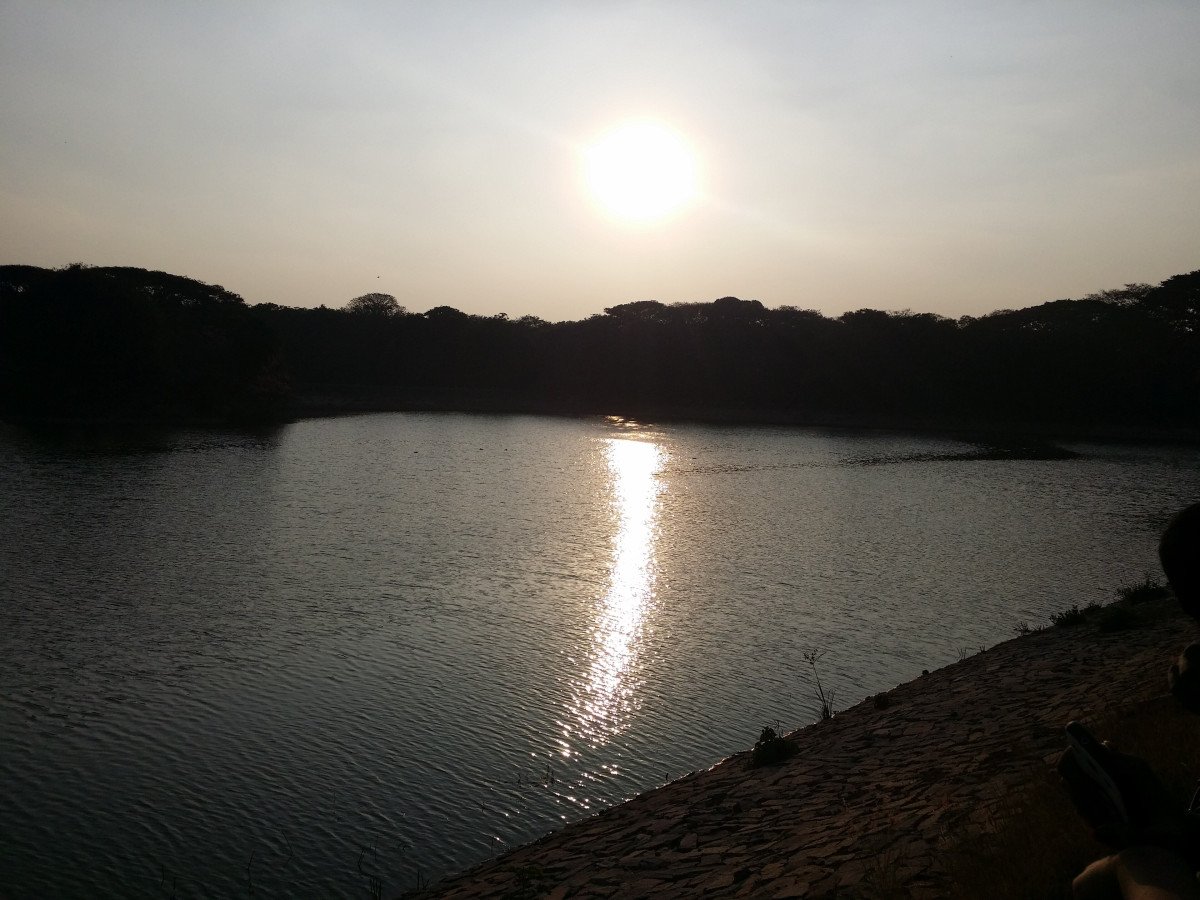
The Eastern Bank with the Forest Backdrop:The eastern side of the lake, generally accessible by a gentle path, provides the quintessential landscape shot. From here, you can capture the vast, open water with the dense forest creating a dark, dramatic backdrop. This perspec...The Eastern Bank with the Forest Backdrop:The eastern side of the lake, generally accessible by a gentle path, provides the quintessential landscape shot. From here, you can capture the vast, open water with the dense forest creating a dark, dramatic backdrop. This perspective is ideal for wide-angle shots, especially at sunrise, as the light breaks over the trees and illuminates the water. It offers the best contrast between the light sky, the dark trees, and the calm, reflecting water surface, giving a sense of the lake’s scale and tranquility. This spot is also the best for capturing flocks of birds taking flight over the water.
Near the Boating Jetty/Access Point:If a small jetty or defined access point exists, it often serves as a fantastic spot for foreground interest. Photographing from this point, you can use the lines of the jetty or the anchored boats to lead the viewer's eye into the frame, adding depth and a human element to the natural landscape. This area is great for capturing the vibrant colors of sunset, as the water reflections are often strongest near the entrance point where the water is less disturbed. It also provides elevated ground for clearer shots over the marshy banks.
The Marshy Edges in Winter:During the winter months, when the migratory birds are present, the marshy edges of the beel become the best location for wildlife photography. These areas, rich in vegetation and shallow water, are where the birds feed and congregate. Use a telephoto lens to get close-up shots of different bird species without disturbing them. The low-lying vegetation acts as a natural frame for the subjects. The early morning mist or the soft light of the late afternoon in December and January enhances the texture and details of the bird feathers and the water surface, creating stunning portraits and action shots.Photo Gallery
Things To Do
-
Birdwatching and Wildlife Photography:The lake is a prime location for birdwatching, especially during the winter months (November to March). Carry a good pair of binoculars and a camera with a telephoto lens to spot and photograph the diverse avian life. Look out for migratory species like the Common Teal, Northern Pintail, and various resident birds. Set up a quiet spot along the marshy bank and wait patiently to observe the birds in their natural habitat. Morning hours are particularly rewarding for this activity, as the birds are most active. You might also spot other small wildlife near the forest edge.
Relaxing Boat Rides:Local boating facilities are often available, providing an opportunity to take a serene ride on the calm waters of the Beel. A boat ride allows you to move away from the busy banks and experience the ...Birdwatching and Wildlife Photography:The lake is a prime location for birdwatching, especially during the winter months (November to March). Carry a good pair of binoculars and a camera with a telephoto lens to spot and photograph the diverse avian life. Look out for migratory species like the Common Teal, Northern Pintail, and various resident birds. Set up a quiet spot along the marshy bank and wait patiently to observe the birds in their natural habitat. Morning hours are particularly rewarding for this activity, as the birds are most active. You might also spot other small wildlife near the forest edge.
Relaxing Boat Rides:Local boating facilities are often available, providing an opportunity to take a serene ride on the calm waters of the Beel. A boat ride allows you to move away from the busy banks and experience the tranquility of the lake from a unique vantage point. It’s an ideal way to appreciate the full expanse of the wetland and get closer to the aquatic vegetation and water birds without disturbing them. Always ensure the boat is safe and operated by a local guide who knows the lake's environment.
Picnicking and Leisure:Kumri Beel is a popular picnic spot for families and groups. The area surrounding the lake, often with shaded spots under trees, is perfect for laying out a mat and enjoying a meal in the lap of nature. Spend a relaxing afternoon reading a book, playing light outdoor games, or simply enjoying the cool breeze coming off the water. Remember to carry all your trash back with you to keep the environment clean and pristine.
Nature Walks and Trails:Explore the periphery of the lake and the nearby forest areas through short, easy nature walks. These trails allow you to observe the local flora up close, including different types of trees, shrubs, and seasonal wildflowers. The walks are rejuvenating and offer a chance to hear the various sounds of the forest, from the rustle of leaves to the calls of unseen birds. It's a great activity for fitness and mental well-being.
Photography Workshops and Sketching:The incredible visual appeal and rich ecosystem make the lake an excellent site for conducting outdoor photography workshops or engaging in plein-air sketching and painting. The reflections, the dense forests, the vibrant birds, and the rural backdrop provide endless subjects for creative pursuits. The change in light throughout the day offers varied opportunities to capture the mood and essence of the Assamese landscape. Join or organize a group of like-minded enthusiasts for a more engaging experience.
Visiting Local Villages and Culture:The lake is located near Kumri Village. Take some time to interact with the local communities, especially the Rabha people who often reside in this area. Learning about their traditional way of life, their fishing techniques, and their local folklore adds a rich cultural dimension to the visit. You might find opportunities to sample local Assamese cuisine or purchase locally made handicrafts. Always be respectful of their privacy and customs.
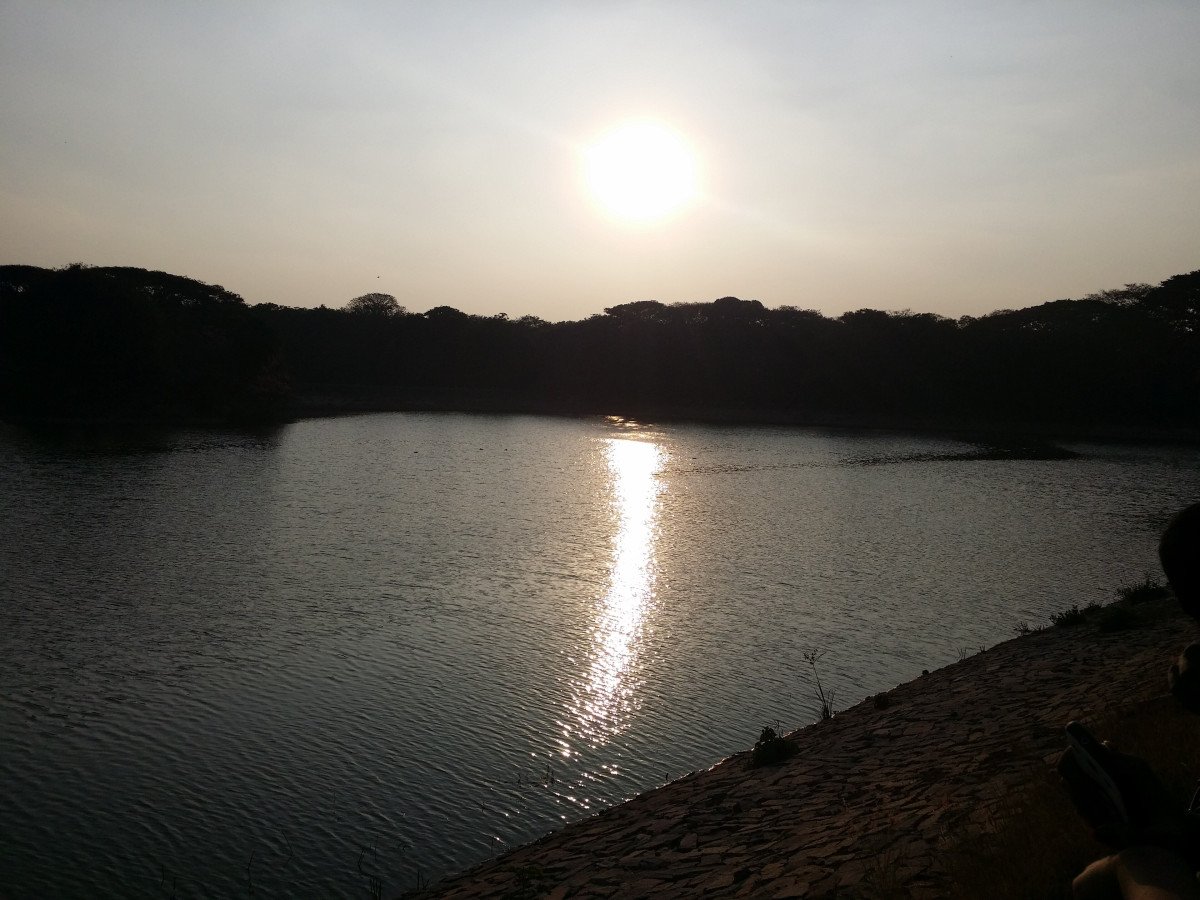
Sunset Viewing:Do not miss the opportunity to witness the sunset over Kumri Beel. As the sky turns into hues of orange, pink, and purple, the lake’s water becomes a vast mirror, doubling the beauty of the spectacle. It’s a perfect way to conclude your visit, offering a quiet, contemplative experience and excellent photo opportunities as the colors fade into the twilight.
Information
-
Why Famous:
Winter Bird Migration Haven:Kumri Beel's most significant claim to fame is its role as a crucial wintering ground for numerous species of migratory birds. From November to March, birds like the Greater Adjutant Stork, various ducks, geese, and other waterfowl fly thousands ...Winter Bird Migration Haven:Kumri Beel's most significant claim to fame is its role as a crucial wintering ground for numerous species of migratory birds. From November to March, birds like the Greater Adjutant Stork, various ducks, geese, and other waterfowl fly thousands of miles to escape the harsh winters of places like Siberia and the Himalayas. This seasonal influx transforms the lake into a vibrant avian spectacle. Birdwatchers flock here with binoculars and cameras to witness this amazing natural phenomenon, making it one of the most important birdwatching spots in Assam during these months. The rich fish and insect life in the beel provide ample sustenance for these visiting species.
Picturesque Natural Beauty and Tranquility:The lake is renowned for its sheer, undisturbed beauty. Unlike commercial tourist spots, Kumri Beel offers a quiet, serene atmosphere. The dense forest cover acts as a natural noise barrier, and the calm waters are often glassy, providing breathtaking reflections of the trees and the sky. This tranquil environment makes it an ideal spot for visitors seeking peace and a connection with nature. Its beauty is often cited by locals as an epitome of the idyllic Assamese countryside, attracting nature lovers and artists alike for its scenic vistas. The sense of calm here is palpable and is a key draw for many travelers. -
Architecture:
The Architecture of Nature: A Wetland EcosystemWhile Kumri Beel Lake is a natural formation and lacks man-made architectural structures, its composition as a wetland ecosystem exhibits a unique natural architecture defined by its dimensions and ecological design. The lake i...The Architecture of Nature: A Wetland EcosystemWhile Kumri Beel Lake is a natural formation and lacks man-made architectural structures, its composition as a wetland ecosystem exhibits a unique natural architecture defined by its dimensions and ecological design. The lake itself is a large, open water body, an expanse of blue nestled within a green bowl of vegetation.
Dimension and Composition: The lake is one of the important wetlands in the region, though its exact, officially surveyed dimensions (length, width, and depth) may vary significantly between the wet and dry seasons. Typically, a 'Beel' in Assam is an oxbow lake—a crescent-shaped body of water cut off from a meandering river. The lake is generally shallow, surrounded by marshy land that acts as a buffer. The banks are naturally designed, sloping gently into the water, and are lined with dense local vegetation, including grasses, shrubs, and semi-aquatic plants, providing shelter and nesting grounds for birds. The most defining architectural feature is the natural canopy provided by the surrounding lush green forests. These trees, like the Sal and various indigenous species, form a natural wall, enclosing the beel and creating a microclimate. This natural boundary is crucial for the habitat's integrity. The surface architecture changes seasonally; during the monsoon, the water level rises, expanding the lake's area, while in the winter, the marshy edges become more defined, often covered in blooming water lilies and water hyacinths, adding to the visual appeal. The interplay of water, land, and sky is its most magnificent "design," showcasing a perfect balance achieved by nature over centuries. -
How To Reach:
By Air:The nearest major airport is Lokpriya Gopinath Bordoloi International Airport (GAU) in Guwahati, located approximately 130 KM from Goalpara town. GAU is well-connected to all major cities in India like Delhi, Kolkata, Mumbai, and Bangalore.
Read MoreBy Air:The nearest major airport is Lokpriya Gopinath Bordoloi International Airport (GAU) in Guwahati, located approximately 130 KM from Goalpara town. GAU is well-connected to all major cities in India like Delhi, Kolkata, Mumbai, and Bangalore.
From the airport, you have a few options: (1) Hire a pre-paid taxi or a private cab directly to Goalpara town (about a 3 to 4-hour drive). (2) Take an airport bus service to Guwahati city's main bus terminal (ISBT) and then board an intercity bus to Goalpara. Once you reach Goalpara town, you can use local transport to reach Kumri Beel (an additional 11 KM).
By Train:The closest railway station is Goalpara Town Railway Station (GLPT), which is conveniently located about 3 KM from the city center. GLPT is situated on a key railway line and has good connectivity to major cities in Assam and the rest of India, including Guwahati, New Jalpaiguri, and Kolkata. From the railway station, you can easily hire an auto-rickshaw or a local taxi to take you directly to the lake area. The journey from the station to the lake will be very quick.
By Road:Goalpara is very well-connected by National Highway 17 (NH-17), which ensures smooth road travel. Kumri Beel is about 11 KM northwest of the main Goalpara town.
(1) By Bus: Regular state-run and private bus services connect Goalpara with all major towns and cities in Assam and neighboring states (e. g. , Guwahati, Dhubri, Bongaigaon). Get down at the Goalpara Bus Station and then take local transport.
(2) By Car/Taxi: Hiring a private taxi from Guwahati or any nearby major town is the most comfortable option. The drive from Guwahati is scenic and takes about 3 hours. From Goalpara town, follow the local roads towards Kumri Village. The lake is also notably only about 1 KM from the Narnarayan Setu, making it easy to find.
By Local Transport:Within Goalpara town, the most convenient local transport to reach Kumri Beel Lake is by hiring an auto-rickshaw or a local private taxi/cab. Since the distance is only about 11 KM, the ride is short and relatively inexpensive. Be sure to negotiate the fare before starting the journey or ask the driver to use the meter. Shared auto-rickshaws or local buses running towards Kumri Village or Pancharatna might also be available, offering a budget-friendly but potentially slower option.Weather and Best Time to Visit:
Winter Season (November to March):The winter is hands-down the best time to visit Kumri Beel. The weather is cool, dry, and highly pleasant, with daytime temperatures ranging from 10°C to 25°C. This is the peak season for tourism because of the huge influx of migratory b...Winter Season (November to March):The winter is hands-down the best time to visit Kumri Beel. The weather is cool, dry, and highly pleasant, with daytime temperatures ranging from 10°C to 25°C. This is the peak season for tourism because of the huge influx of migratory birds, transforming the lake into a vibrant bird sanctuary. The clear skies and lack of humidity make all outdoor activities, like boating, picnicking, and birdwatching, extremely enjoyable. This period ensures the most rewarding natural experience.
Summer Season (April to May):The summer months are generally hot and humid, though Goalpara can be milder than central India. Temperatures can range from 25°C to 35°C. While the natural beauty remains, the heat can make daytime visits tiring. If you visit in summer, stick to early mornings or late afternoons. Bird migration will have largely ended, but you can still enjoy the local flora and fauna.
Monsoon Season (June to October):The monsoon brings heavy rainfall to Assam. While the rain makes the surrounding forests incredibly lush and green, it is generally the least ideal time to visit. Heavy rains can lead to muddy access roads, potential water logging, and difficulty in enjoying open-air activities like picnics and boating. Birdwatching is also limited as the downpours make sighting difficult. However, if you enjoy the sight and sound of rain and the intense greenery, late October can offer a beautiful, less crowded experience.
Different Parts of the Day:The early morning (6:00 AM to 9:00 AM) is the best part of the day, particularly for viewing birds, as the water is calmer and the light is perfect for photography. The late afternoon (3:30 PM to 5:30 PM) is ideal for family picnics and watching the spectacular sunset over the tranquil waters. Mid-day is best avoided due to direct sunlight and heat, even in winter.Near Tourist Places:
1.
Paglatek Temple: (Religious Site) - Approx. 2 KM2.
Narnarayan Setu (Bridge over Brahmaputra River): (Engineering Marvel/Viewpoint) - Approx. 1 KM3.
Urpad Beel Lake: (Nature/Birdwatching) - Approx. 20 KM4.
Tukreswari Temple (on Tukeswari Hill): (Religious Site) - Approx. 15 KM5.
Surya Pahar: (Archaeological/Historical Site) - Approx. 25 KM6.
Dadan Hill: (Hilltop View/Temple) - Approx. 21 KM7.
Pir Majhar: (Tomb/Religious Site) - Approx. 13 KM8.
Sri Sri Shyamrai Satra: (Vaishnavite Monastery) - Approx. 10 KM9.
Nandeswar Devalaya (on Nandeswar Hill): (Temple) - Approx. 32 KM10.
Goalpara Town Center: (Market/Amenities) - Approx. 11 KMTourism Tips
-
Health & Safety:
Stay Hydrated: Always carry drinking water, especially if visiting in summer or spending long hours birdwatching.
Insect Repellent: As a wetland area, mosquitoes and other insects are common, ...Health & Safety:
Stay Hydrated: Always carry drinking water, especially if visiting in summer or spending long hours birdwatching.
Insect Repellent: As a wetland area, mosquitoes and other insects are common, especially around sunrise and sunset. Carry a good insect repellent and consider wearing long sleeves.
Respect the Wildlife: Maintain a safe distance from birds and animals, and never try to feed them or disturb their habitat. The lake is a wildlife sanctuary, and quiet observation is key.
Footwear: Wear comfortable, closed walking shoes, as the paths around the beel can be uneven or marshy.
Packing Essentials:
Binoculars & Camera: These are essential for birdwatching and photography, the lake’s main attractions.
Seasonal Clothing: Light cotton clothes for summer/monsoon and layered woolens for winter (December and January can be quite cold).
Rain Gear: If visiting during the monsoon, pack a waterproof jacket or umbrella.
Sun Protection: Carry a hat, sunglasses, and sunscreen, even in winter, as the sun can be strong over the water.
Accommodation:The area around the beel is rural, so direct accommodation is limited. The best place to stay is in the main Goalpara town (11 KM away), which offers a range of budget and mid-range hotels and guesthouses. It's advisable to pre-book your stay, especially during the peak winter season. For a more authentic experience, look for local homestays in the villages near Goalpara that offer basic amenities.
Other Topics:
Cash: Most local services (like boat rides or small eateries) will only accept cash (Indian Rupees), so ensure you carry enough. ATMs are available in Goalpara town.
Local Etiquette: Ask for permission before taking photographs of locals or entering private village areas. Bargain respectfully if hiring private local transport like an auto-rickshaw.
Keep it Clean: Kumri Beel is a pristine natural spot; take all your trash with you and help keep the area litter-free. The serenity of the place depends on respecting its natural state.
Reviews
FAQs
Goalpara Itineray And Cost:-
Information about New and Updated Locations() of Assam Has Been Added :-
Card subtitle
Note:-
Information provided here in good Faith and for reference only.
Near Places

Baijuri Waterfall
Some quick example text to build on the card title and make up the bulk of the card's content.
Go somewhere
Buraburi Than
Some quick example text to build on the card title and make up the bulk of the card's content.
Go somewhere
Dadan Hill
Some quick example text to build on the card title and make up the bulk of the card's content.
Go somewhere
Goalpara River View
Some quick example text to build on the card title and make up the bulk of the card's content.
Go somewhere
Hulukunda Pahar
Some quick example text to build on the card title and make up the bulk of the card's content.
Go somewhere
Joybhum Kamakhya Temple
Some quick example text to build on the card title and make up the bulk of the card's content.
Go somewhere
Kumri Beel Lake
Some quick example text to build on the card title and make up the bulk of the card's content.
Go somewhere
Nalonga Waterfalls
Some quick example text to build on the card title and make up the bulk of the card's content.
Go somewhere
Nandeswar Devalaya
Some quick example text to build on the card title and make up the bulk of the card's content.
Go somewhere
Pir Majhar
Some quick example text to build on the card title and make up the bulk of the card's content.
Go somewhere
Shyamrai Satra
Some quick example text to build on the card title and make up the bulk of the card's content.
Go somewhere
Sri Surya Pahar
Some quick example text to build on the card title and make up the bulk of the card's content.
Go somewhere
Tukeswari Temple
Some quick example text to build on the card title and make up the bulk of the card's content.
Go somewhere
Urpad Beel
Some quick example text to build on the card title and make up the bulk of the card's content.
Go somewherein Other Cities