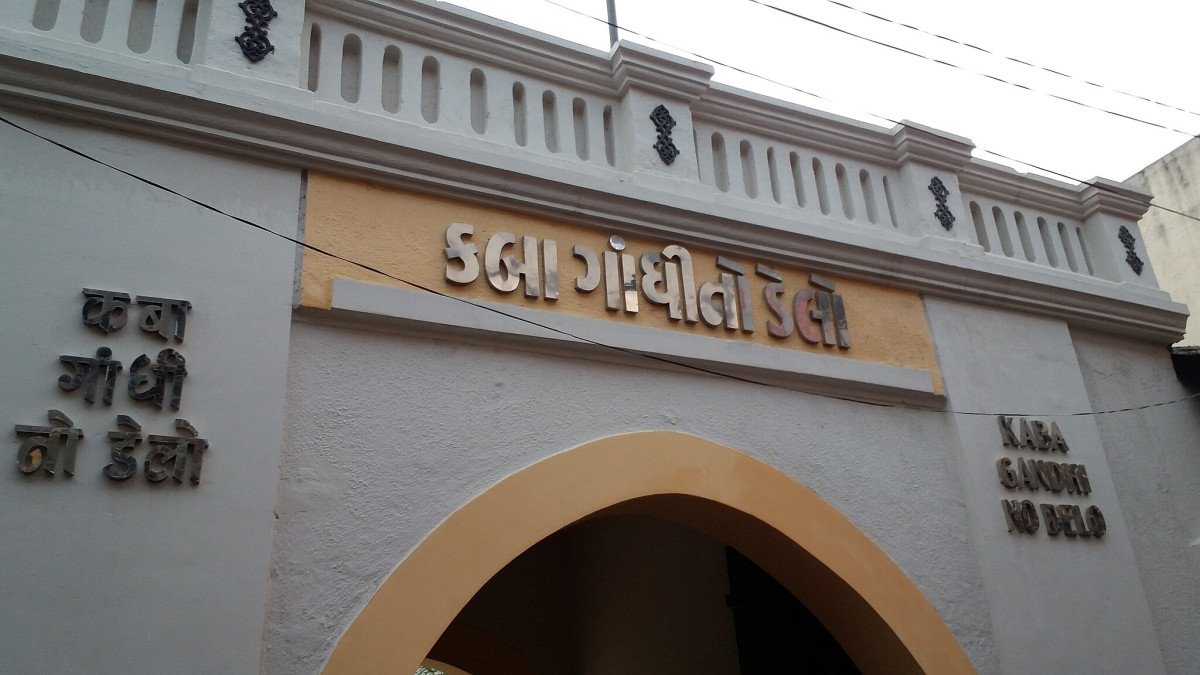
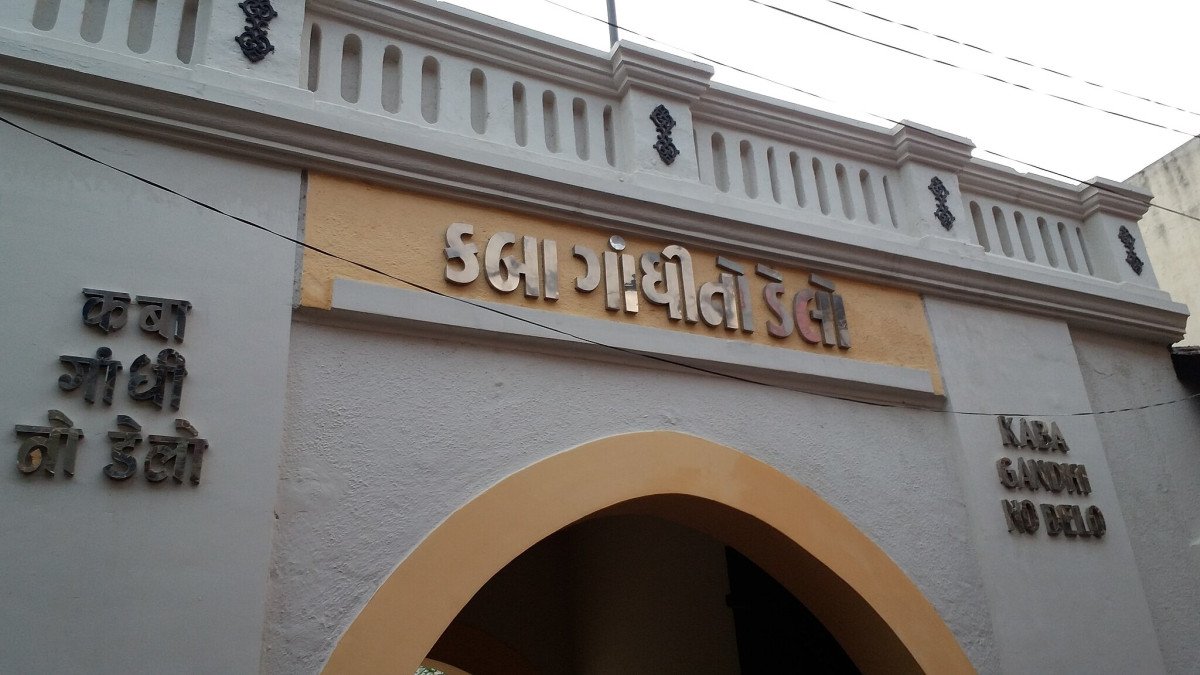
Kaba Gandhi No Delo
General information
-
Ideal Duration:
1 HourPlace Type:
Museum, Historical Home, National HeritageEntry Fees:
No Entry Fee: Entry to Kaba Gandhi No Delo is often minimal or entirely free, as it is a national heritage memorial managed by an NGO or a trust. A minimal charge (e. g. , INR 5 to INR 10) may sometimes apply to support maintenance.
Photography ...No Entry Fee: Entry to Kaba Gandhi No Delo is often minimal or entirely free, as it is a national heritage memorial managed by an NGO or a trust. A minimal charge (e. g. , INR 5 to INR 10) may sometimes apply to support maintenance.
Photography Fee: In some museums, a small, separate fee is charged for using a camera or a video camera, though this is becoming less common. Check at the entrance.
Donations: The NGO running the weaving school and museum accepts voluntary donations to support the educational and maintenance costs.
Purchases: The main 'fee' comes from purchasing the craft products from the on-site school, which directly supports the local women.Timing:
Regular Timings: The museum is generally open on weekdays (Monday to Saturday) with a typical schedule of 9:00 AM to 12:00 PM and then again from 3:00 PM to 6:00 PM. It is often closed on Sundays and public holidays. Always check for the mid-day break and the closing day. ...Regular Timings: The museum is generally open on weekdays (Monday to Saturday) with a typical schedule of 9:00 AM to 12:00 PM and then again from 3:00 PM to 6:00 PM. It is often closed on Sundays and public holidays. Always check for the mid-day break and the closing day.
Ideal Visit Time: The Ideal Visit Time is the morning slot, around 10:00 AM, which is uncrowded and allows for a peaceful, reflective visit to the small site. Visiting just before the closing time in the evening is also a quieter option. Avoid the mid-day heat and the afternoon closure.Special Events:
Gandhi Jayanti (October 2nd): The birth anniversary of Mahatma Gandhi is the most significant event. The museum hosts special commemorative events, prayer meetings, and often cultural programs, drawing political dignitaries, devotees, and school children.
Read MoreGandhi Jayanti (October 2nd): The birth anniversary of Mahatma Gandhi is the most significant event. The museum hosts special commemorative events, prayer meetings, and often cultural programs, drawing political dignitaries, devotees, and school children.
Republic Day / Independence Day Ceremonies: Being a national monument, the site often hosts small, respectful ceremonies on national holidays, reinforcing its national significance.
Anniversary of the Museum: The opening or significant renovation anniversaries of the house may be marked by special exhibitions or seminars on Gandhian philosophy.Best Photo Spots:
The Main Wooden Door and Arches: Focus on the traditional, carved wooden door and the arched entrance. This shot best captures the traditional Saurashtrian architecture and the feeling of entering a piece of history.
The Central Courtyard (Chowk...The Main Wooden Door and Arches: Focus on the traditional, carved wooden door and the arched entrance. This shot best captures the traditional Saurashtrian architecture and the feeling of entering a piece of history.
The Central Courtyard (Chowk): Capture the vertical perspective from the courtyard floor looking up towards the sky, with the surrounding balconies and rooftops framing the shot. This highlights the home's unique layout.
Detail of the Weaving: Get a close-up shot of the hands of the local women working the loom or doing intricate embroidery, symbolizing the continuance of Gandhi's emphasis on craft and self-reliance.
Gandhi's Artifacts: Photograph the framed documents, photos, and personal items on display, emphasizing their age and historical importance (ensure photography of specific items is allowed).Photo Gallery
Things To Do
-
Walk Through the Historical Rooms: Take a slow, deliberate walk through the rooms of the house, imagining the life of young Mohandas. The layout and artifacts offer a direct connection to the 19th Century.
Study the Pictorial Exhibits: Spend time reading the bilingual captions and examining the photographic and textual displays that chart the life and principles of Mahatma Gandhi. This is the main educational focus of the museum.
Observe the Craft School: Watch the local artisans at work in the weaving or embroidery section (if operational). Consider purchasing a piece of their work to support the initiative and the Khadi movement.
Photography of the Traditional Architecture: Focus on capturing the unique traditional Saurashtrian architectural features—the wood...
Information
-
Why Famous:
Childhood Home of Mahatma Gandhi: The house’s fame is absolute because it is the actual residence where the Father of the Nation spent his crucial early years. This authentic connection to the Mahatma is its singular, most important draw.
Livi...Childhood Home of Mahatma Gandhi: The house’s fame is absolute because it is the actual residence where the Father of the Nation spent his crucial early years. This authentic connection to the Mahatma is its singular, most important draw.
Living Memorial: It is famous for not being a static museum but a "living memorial," as it actively promotes Gandhi's principle of self-reliance by hosting a functional weaving and embroidery school for local girls, embodying his dedication to craft and social upliftment.
Location in Old Rajkot: Its location in the narrow, historical lanes of the old city offers an authentic sense of the Rajkot of the 19th Century, contributing to its fame as a genuine heritage experience. -
Architecture:
Saurashtrian Domestic Architecture: The house's architecture is a fine example of traditional Saurashtrian domestic style, characterized by a modest, thick-walled structure designed for the region's climate. Key features include an enclosed central courtyard (Chowk), which ...Saurashtrian Domestic Architecture: The house's architecture is a fine example of traditional Saurashtrian domestic style, characterized by a modest, thick-walled structure designed for the region's climate. Key features include an enclosed central courtyard (Chowk), which is common in older Indian homes for light, ventilation, and family activities, and traditional wooden window frames and arched entrances. The design is simple, functional, and reflective of a wealthy, yet unextravagant, colonial-era family residence.
Museum Conversion and Preservation: The structure has been carefully preserved to maintain its original dimensions and look while adapting it for museum purposes. The focus was on restoration, not renovation. The interior rooms, where the exhibits are displayed, have been kept to their original small scale. The weaving school is typically housed in a dedicated or separate section, maintaining the house's overall architectural integrity while adding a modern, functional layer. The simplicity of the architecture contrasts with the immense significance of its former resident. -
How To Reach:
By Air: Rajkot International Airport (HSR) is about 15 km away. A taxi or cab is required from the airport. Direct the driver to Gheekantha Road near Jubilee Garden. Allow for traffic in the old city area.
By Train: Rajkot Junction Railway... -
Near Tourist Places:
Jubilee Garden (0. 5 km), Watson Museum (1 km), Lang Library (1. 5 km), Jagat Mandir (1. 5 km), Rotary Dolls Museum (2 km), Fun World (3 km), Atal Sarovar (4 km), Aji Dam (11 km), ISKCON Temple (12 km), BAPS Swaminarayan Mandir (12 km).
Tourism Tips
-
Health & Safety: Be careful of uneven footing in the old city lanes. Be respectful of the historical and national importance of the site; maintain silence and reverence. Leave no litter behind.
Packing: Carry a small water bottle. Due to ...
Reviews
Kaba Gandhi No Delo Tourism:-
Information about New and Updated Locations(862+) of Gujarat Has Been Added :-
Card subtitle
Note:-
Information provided here in good Faith and for reference only.
All information and pictures will be updated soon, please keep visiting.
Near Places
Aji Dam
Some quick example text to build on the card title and make up the bulk of the card's content.
Go somewhere
Atal Sarovar
Some quick example text to build on the card title and make up the bulk of the card's content.
Go somewhere
BAPS Shri Swaminarayan Mandir
Some quick example text to build on the card title and make up the bulk of the card's content.
Go somewhere
Fun World
Some quick example text to build on the card title and make up the bulk of the card's content.
Go somewhere
Ghela Somnath Temple
Some quick example text to build on the card title and make up the bulk of the card's content.
Go somewhere
Green Leaf Water World
Some quick example text to build on the card title and make up the bulk of the card's content.
Go somewhere
Hingolgadh Nature Education Sanctuary
Some quick example text to build on the card title and make up the bulk of the card's content.
Go somewhere
Ishwariya Park
Some quick example text to build on the card title and make up the bulk of the card's content.
Go somewhere
ISKCON Temple
Some quick example text to build on the card title and make up the bulk of the card's content.
Go somewhere
Jagat Mandir
Some quick example text to build on the card title and make up the bulk of the card's content.
Go somewherein Other Cities