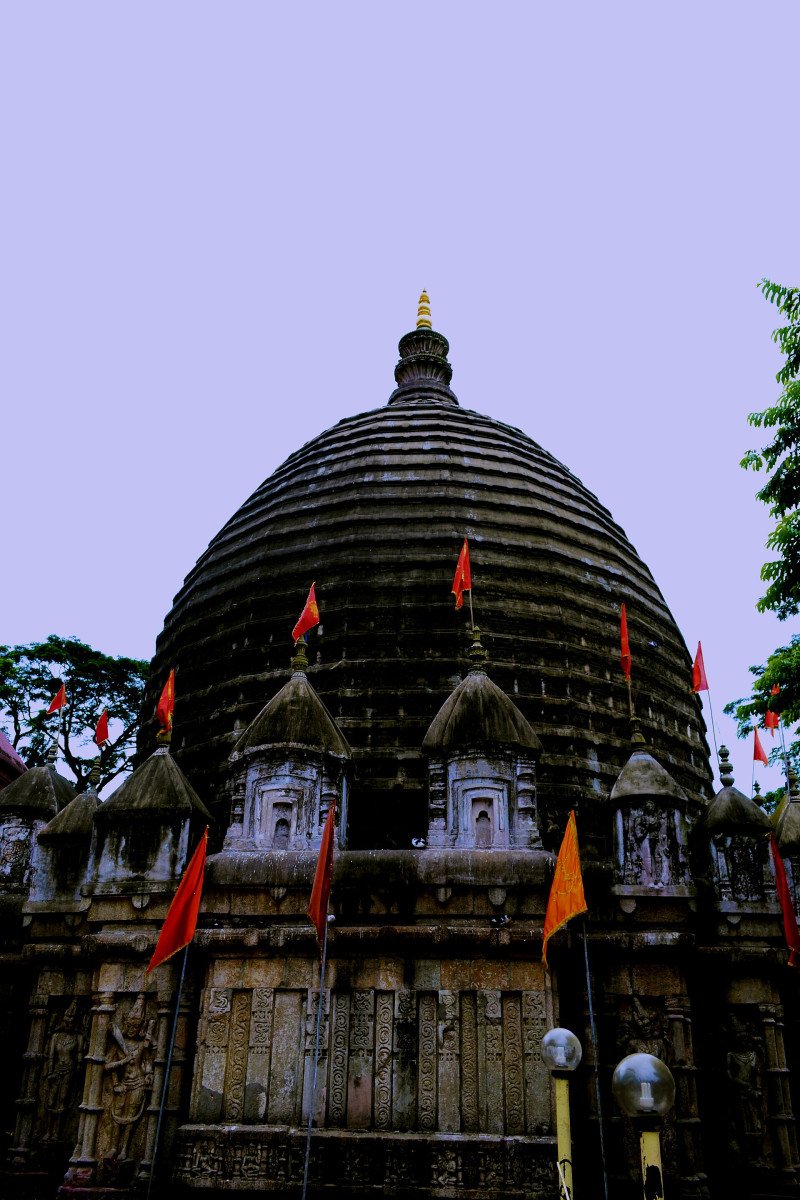
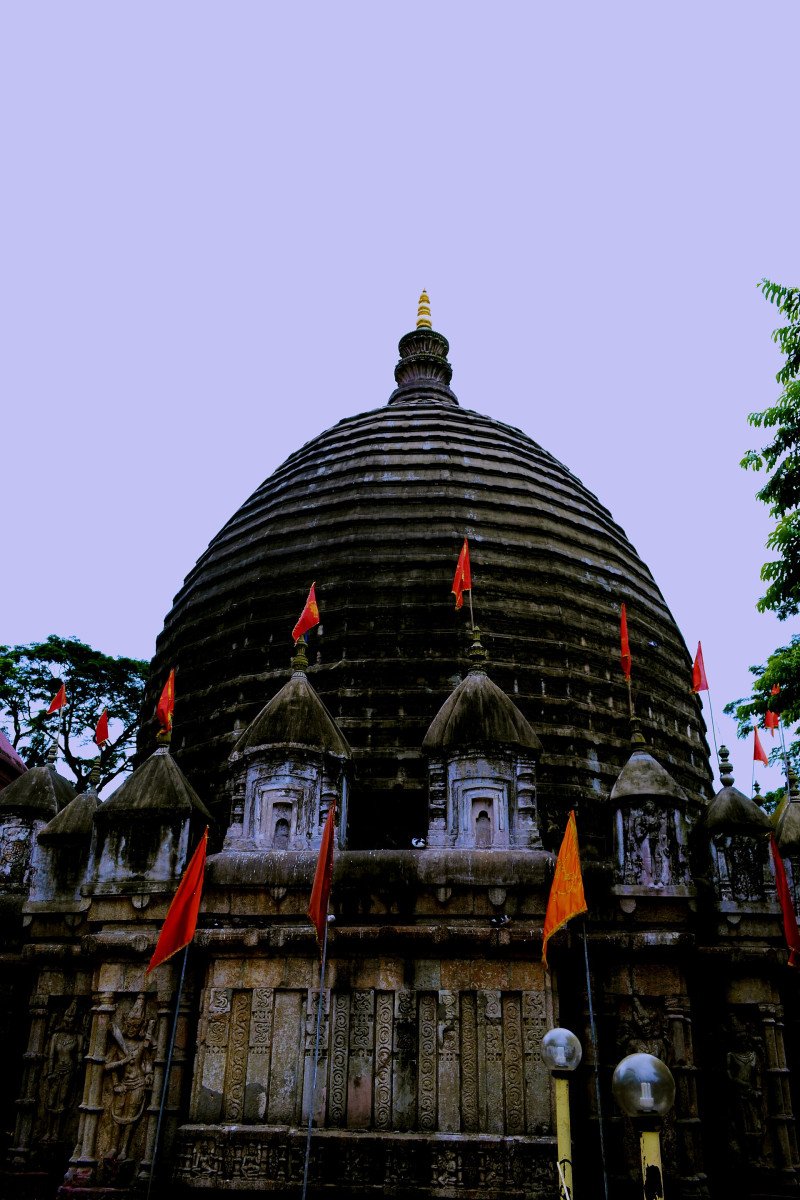
Kamakhya Temple
General information
-
Ideal Duration:
3 to 4 hours (Allow extra time for Darshan, especially on Tuesdays, Fridays, and festival days).Place Type:
Religious/Spiritual, Historical, Architectural, ShEntry Fees:
General Entry (Free Darshan): The basic entry and darshan for the Kamakhya Temple is FREE for all devotees and visitors. This is the traditional way to visit and pay respects to the Goddess. However, the queue for the Free Darshan can be exceptionally long, sometimes requi...General Entry (Free Darshan): The basic entry and darshan for the Kamakhya Temple is FREE for all devotees and visitors. This is the traditional way to visit and pay respects to the Goddess. However, the queue for the Free Darshan can be exceptionally long, sometimes requiring several hours of waiting, especially on auspicious days (like Tuesdays, Fridays, and weekends).
Special Entry/VIP Darshan Ticket: To expedite the darshan, the temple management offers a Special Entry Ticket (sometimes called VIP Pass). The typical fee for this is INR 501 per person (it is advisable to check the current fee on the temple's official website as it may change). This pass allows access to a separate, much shorter queue, significantly reducing the waiting time to about 1-2 hours, depending on the crowd.
Tickets for Specific Rituals (Puja): Separate fees apply if one wishes to perform specific, elaborate pujas or rituals (havans). These charges vary depending on the complexity of the ritual, the materials required, and the number of priests involved, and must be arranged with the temple administration or authorized priests.
Other Fees: There are no official fees for photography (outside the sanctum), shoe-keeping, or general movement within the temple complex. However, voluntary contributions or fees for local guides and porters for luggage are separate and optional.
Warning on Scams: Devotees must be cautious of unauthorized persons posing as priests or guides demanding exorbitant fees for special/instant darshan. It is best to purchase the official Special Darshan Ticket from the designated temple counter or the official online portal.Timing:
Regular Temple Timings (For Devotees): The temple generally operates in two main blocks separated by a midday closure for offerings and rest.
Morning Timings: The gates open around 5:30 AM for the ritual bath (Snana) of the Pithasthana (the ...Regular Temple Timings (For Devotees): The temple generally operates in two main blocks separated by a midday closure for offerings and rest.
Morning Timings: The gates open around 5:30 AM for the ritual bath (Snana) of the Pithasthana (the sacred yoni). Public darshan typically begins around 8:00 AM and continues until 1:00 PM.
Afternoon Timings: The temple reopens for public darshan around 2:30 PM or 3:00 PM and closes for the day around 5:30 PM or 6:00 PM, followed by the evening Aarti (prayer ceremony).
Note: Timings can be subject to change, especially during festivals.
Ideal Visit Time (For Tourists): Early Morning (Before 8:00 AM) This is the most ideal time for a serene and relatively quick visit. The queues are shortest just after the temple opens. This allows for a peaceful darshan before the rush of devotees and day-trippers. Late Afternoon (3:00 PM to 5:00 PM) A good time to visit to catch the later darshan hours and the beautiful golden hour light for photography of the exterior, culminating with the evening Aarti.
Days to Avoid Crowds: Weekdays (especially Monday, Wednesday, Thursday) are less crowded than weekends. Tuesdays and Fridays are considered highly auspicious and draw massive crowds.
Festive Closures: During the four days of the Ambubachi Mela in June, the main temple's sanctum remains closed. While this is a spectacle, visitors specifically seeking darshan should avoid this period.Special Events:
Ambubachi Mela:
The Celebration of Fertility: The Ambubachi Mela is the most significant event, held annually during the monsoon season, typically in the month of June (mid-Ashadha). It is a joyous celebration of the Goddess Kamakhya's annua...Ambubachi Mela:
The Celebration of Fertility: The Ambubachi Mela is the most significant event, held annually during the monsoon season, typically in the month of June (mid-Ashadha). It is a joyous celebration of the Goddess Kamakhya's annual menstruation cycle, which symbolizes the Earth's fertility and the power of the divine feminine to create.
Rituals of Closure and Reopening: The temple remains closed for three days (Nivritti) as it is believed the Goddess is resting. All agricultural work and religious activities are halted in the region. On the fourth day (Pravritti), the temple reopens after ritualistic purification. Devotees are given the sacred raktavastra (a piece of red cloth) as prasad.
Gathering of Tantric Sadhus: This festival is a magnet for Sadhus, Aghoris, and Tantric practitioners from across the country and the world, making it a unique sight of esoteric practices, philosophical debates, and spiritual congregation.
Durga Puja and Navaratri: The nine-day festival of Durga Puja/Sharadiya Navaratri (September/October) is celebrated with immense fervor, including grand decorations, special pujas, and a heightened sense of festivity and devotion throughout the temple complex.
Manasa Puja: Dedicated to Goddess Manasa (Serpent Goddess), this puja is celebrated with special rituals, reflecting the temple's deep connections to local folklore and the natural world, particularly during the rainy season.Best Photo Spots:
The Main Temple Exterior and Shikhara:
Nilachal Architecture: Capture the main structure from the outside, focusing on the unique Nilachal-style roof—the bulbous polygonal dome—and the intricate stone carvings that adorn the walls and ent...The Main Temple Exterior and Shikhara:
Nilachal Architecture: Capture the main structure from the outside, focusing on the unique Nilachal-style roof—the bulbous polygonal dome—and the intricate stone carvings that adorn the walls and entrance gates. The blend of architectural styles and the sheer scale of the temple on the hill provide a majestic subject.
Panoramic Brahmaputra View:
Hilltop Vantage Point: Find a clear vantage point around the temple complex or further up Nilachal Hill to photograph the expansive view of the city of Guwahati and the vast, flowing Brahmaputra River. Sunrise or sunset shots from here are spectacular, often featuring mist or a dramatic sky.
The Natamandira and Gates:
Intricate Carvings: Focus on the exquisitely detailed terracotta and stone bas-reliefs on the outer walls of the Natamandira (the performance hall) and the various access gates (like the Simha Dvara or Lion Gate). These carvings depict Hindu deities and mythological scenes, offering rich cultural and historical photographic subjects.
Devotees and Cultural Scenes:
Candid Moments: Outside the main shrine (where photography is prohibited), capture the vibrant atmosphere: devotees performing rituals, the colorful attire of pilgrims, the stalls selling flowers and offerings, and the sight of Sadhus and ascetics, especially during the Ambubachi Mela.
The Temple Bells and Lamps:
Atmosphere Shots: Look for close-up shots of the large, traditional temple bells hanging in the corridors or the soft glow of oil lamps (diyas) and incense during the morning or evening Aarti to capture the spiritual ambiance.Photo Gallery
Things To Do
-
The Main Darshan (Viewing of the Deity):
Experiencing the Sanctum Sanctorum: The primary and most important activity is the darshan (viewing) in the Garbhagriha. Descend the narrow steps to witness the revered rock fissure and the perennial spring, the symbolic yoni of the Goddess. Be prepared for long queues (Free Darshan) or opt for the quicker Special Darshan ticket.
Performing Rituals and Offerings: Offer traditional puja items (flowers, incense, red cloth/saree) at the designated points. Observing the ancient rituals performed by the temple priests is a deeply spiritual experience.
Pilgrimage to the Mahavidya Temples:
Visiting the Ten Goddesses: Spend time exploring the temple complex, which houses separate shrines for the ...The Main Darshan (Viewing of the Deity):
Experiencing the Sanctum Sanctorum: The primary and most important activity is the darshan (viewing) in the Garbhagriha. Descend the narrow steps to witness the revered rock fissure and the perennial spring, the symbolic yoni of the Goddess. Be prepared for long queues (Free Darshan) or opt for the quicker Special Darshan ticket.
Performing Rituals and Offerings: Offer traditional puja items (flowers, incense, red cloth/saree) at the designated points. Observing the ancient rituals performed by the temple priests is a deeply spiritual experience.
Pilgrimage to the Mahavidya Temples:
Visiting the Ten Goddesses: Spend time exploring the temple complex, which houses separate shrines for the ten Mahavidyas. This circuit pilgrimage is essential to experience the full spiritual breadth of Shaktism at this site.
Quiet Contemplation at Bhairavi Temple: Seek out the smaller, less crowded shrines like that of Bhairavi or Bagalamukhi for moments of quiet meditation and reflection, away from the main temple’s fervor.
Exploring Nilachal Hill:
Panoramic View of the Brahmaputra: Walk around the hill slopes and designated viewpoints to capture breathtaking panoramic views of the Brahmaputra River, the surrounding Guwahati city, and the lush greenery.
Photography of the Nilachal Architecture: Photograph the unique architectural features of the main temple (the Nilachal dome, intricate carvings, and the Natamandira roof) and the surrounding landscape (Note: Photography is strictly prohibited inside the inner sanctum).
Participating in Daily and Special Events:
Attending the Morning and Evening Aarti: Witness the daily Usha Ki Aarti (pre-sunrise) and Saya Ki Aarti (after dusk). These ceremonies, with sacred chanting and the lighting of lamps, are spiritually charged and memorable.
Observing the Ambubachi Mela (June): If visiting in June, observe the unique four-day festival. While the temple remains closed, the atmosphere is electric with millions of pilgrims, sadhus, and Tantric practitioners, offering a once-in-a-lifetime cultural and spiritual immersion.
The Prasad and Local Cuisine:
Receiving the Raktavastra: The most famous prasad (offering) is the raktavastra (red cloth), given on the fourth day of Ambubachi Mela, believed to be soaked in the Goddess's menstrual fluid (symbolically).
Savoring Local Assamese Delicacies: After the darshan, explore the nearby stalls for authentic local Assamese food, including simple vegetarian meals offered by the temple kitchens.
Information
-
Why Famous:
The Unique Yoni Worship: The Kamakhya Temple is globally famous for the worship of the yoni (vulva/womb), the symbol of feminine power, creation, and fertility, instead of a traditional idol. This practice represents a profound respect for the divine feminine (Shakti) and t...The Unique Yoni Worship: The Kamakhya Temple is globally famous for the worship of the yoni (vulva/womb), the symbol of feminine power, creation, and fertility, instead of a traditional idol. This practice represents a profound respect for the divine feminine (Shakti) and the biological process of birth, making it unlike any other major Hindu temple in the world.
A Premier Shakti Peetha: It is one of the most significant among the 51 Shakti Peethas, the legendary spots where parts of Goddess Sati's body fell. The temple is considered the ultimate site of Tantric worship in India, where the most powerful spiritual energies are believed to reside, attracting practitioners from various esoteric traditions.
The Ambubachi Mela: The temple's annual festival, the Ambubachi Mela in the month of June, is a massive gathering, often dubbed the "Kumbh Mela of the East. " This four-day festival celebrates the assumed annual menstrual cycle of the goddess. The unique belief and the resulting rituals—where the temple remains closed for three days and reopens with grand fanfare—draw millions of pilgrims, sadhus, and tourists, making it a spectacular cultural and religious event. -
Architecture:
Architectural Style:
Nilachal Type : The temple is a prime example of the unique "Nilachal" style of architecture, a hybrid indigenous style developed under the patronage of the Koch and later the Ahom kingdoms. This style is characterized b...Architectural Style:
Nilachal Type : The temple is a prime example of the unique "Nilachal" style of architecture, a hybrid indigenous style developed under the patronage of the Koch and later the Ahom kingdoms. This style is characterized by a distinctive, cruciform (cross-shaped) base, upon which a curvilinear, bulbous polygonal dome (Shikhara) is placed, resembling a beehive. The exterior walls are adorned with exquisitely carved sculptures and panels depicting various deities, mythological scenes, and floral patterns, showcasing a blend of Nagara and local artistic traditions.
The Four Chambers (Mandapas): The temple is composed of four distinct chambers, aligned from east to west: 1.
Garbhagriha (Sanctum Sanctorum): This is the lowest and innermost chamber, reached by narrow, steep stone steps. It is a small, cave-like dark space below ground level. It famously contains no idol, but the revered yoni-shaped rock fissure and perennial spring. This is the heart of the temple. 2.
Calanta (Movement Hall): This square chamber, built on 12 pillars, is the first intermediate hall. It houses the movable idol of Devi Kameshwari & Kameshwara and various inscriptions. 3.
Pancha Ratna (Five Jewels Hall): A square chamber located west of the Calanta. As the name suggests, its roof typically features five smaller dome-like structures (Shikharas). 4.
Natamandira (Dance/Performance Hall): The outermost and largest chamber, used for public performances and rituals. Its roof often follows the Gajapristha (elephant-back) ridged style, common in Ahom architecture.
Exterior Dimensions and Symbolism: While exact overall dimensions vary with reconstructions, the structural complexity and the artistic detailing are its defining features. The height of the dome is imposing on the hilltop, making it visible from afar. The continuous relief sculptures and terracotta work on the elevation are crucial for its aesthetic. The structure and its components are a deliberate architectural expression of Shaktism and Tantra, creating a multi-layered spiritual experience from the outer public hall to the intimate, revered sanctum. -
How To Reach:
By Air: Lokpriya Gopinath Bordoloi International Airport (GAU): The nearest airport is Gopinath Bordoloi International Airport in Guwahati, located approximately 20 KMS from Kamakhya Temple. The airport is well-connected to all major cities in India like Delhi, Mumbai, Kolk...By Air: Lokpriya Gopinath Bordoloi International Airport (GAU): The nearest airport is Gopinath Bordoloi International Airport in Guwahati, located approximately 20 KMS from Kamakhya Temple. The airport is well-connected to all major cities in India like Delhi, Mumbai, Kolkata, and Bangalore. From the airport, visitors can hire prepaid taxis (available outside the terminal) or use app-based ride services (like Ola/Uber) directly to the base of Nilachal Hill or the temple entrance. The journey takes approximately 45 minutes to 1 hour.
By Train:
Kamakhya Railway Station (KYQ): The nearest major railway station is Kamakhya Junction (KYQ), located just about 6 KMS from the temple. It is a main station connecting Guwahati to the rest of India.
Guwahati Railway Station (GHY): The main railway station in the city center is about 8-10 KMS away. Both stations have frequent train services from major Indian cities. From either station, you can easily hire an auto-rickshaw, cab, or local bus to reach the foot of the hill.
By Road:
National Highway Connectivity: Guwahati is the gateway to Northeast India and is well-connected by National Highways. The temple is accessible via NH 17 (formerly NH 37). Visitors traveling by road from nearby states (Meghalaya, Nagaland, etc. ) will find excellent road access to the city. The temple is about 6. 3 KMS from the heart of Guwahati.
Inter-State Bus Terminus (ISBT): The ISBT is about 16. 5 KMS away. Buses from major cities in the region arrive here, from where local transport must be used.
By Local Transport (Within Guwahati):
Auto-Rickshaws and Taxis: Auto-rickshaws and app-based taxis (Ola/Uber) are the most convenient way to reach the temple base. The journey to the top of Nilachal Hill is often restricted to smaller vehicles or shared cabs/Sumos, which are available at the foot of the hill (Kamakhya Gate).
Cable Car: A cable car service is available from the base of the hill to the top, offering scenic views and a convenient, though potentially crowded, alternative to the road. The cable car station is located near the Kamakhya Temple entrance road. -
Weather and Best Time to Visit:
By Season (Pleasant Weather):
Winter (October to March): This is the best time to visit. The weather is cool, pleasant, and dry, with temperatures ranging from 10Rs.C to 25Rs.C. Clear skies and a comfortable climate are perfect for waiting in q...By Season (Pleasant Weather):
Winter (October to March): This is the best time to visit. The weather is cool, pleasant, and dry, with temperatures ranging from 10Rs.C to 25Rs.C. Clear skies and a comfortable climate are perfect for waiting in queues, exploring the hilltop, and enjoying the Brahmaputra view.
Summer (April to May): The weather is warm to hot and humid, with temperatures reaching up to 35Rs.C. Visits during this time should be scheduled for early morning or late afternoon to avoid the midday heat.
Monsoon/Festival (June to September): The monsoon brings heavy rainfall, high humidity, and slippery paths, making travel challenging. However, the Ambubachi Mela in June makes this the most spiritually and culturally significant time. Visitors must be prepared for extreme crowds and the temple's closure.
By Time of Day (Crowd Avoidance): Early Morning (5:30 AM - 8:00 AM) The ideal time for pilgrims seeking a peaceful and quick darshan. Crowds are minimal, and the morning light is excellent for photography. Late Afternoon (3:00 PM - 5:00 PM) A good time for tourists; the weather is cooler, and the light is perfect for viewing the architecture and the city landscape. Weekdays vs.
Weekends: Visiting on a weekday is highly recommended to avoid the massive influx of local and regional devotees that occurs on weekends, Tuesdays, and Fridays. -
Near Tourist Places:
1. Kamakhya View Point (1 KM) Scenic spot near the temple. 2. Kamakhya Junction Railway Station (2 KM) Nearest major train station. 3. High Mast Indian National Flag Kamakhya (0. 5 KM) Flag mast offering good views. 4. Durgasorobar Lake (3 KM) A sacred water body near the base of the hill. 5. Pandu Ghat (3. 5 KM) Riverside spot on the Brahmaputra. 6. Assam State Museum (6 KM) Showcasing Assamese history and culture. 7. Umananda Temple (Peacock Island) (6.
5 KM to Ferry Point): Dedicated to Lord Shiva, located on the smallest inhabited river island in the world. 8. Dighali Pukhuri (7 KM) A man-made lake with boating facilities. 9. Navagraha Temple (8 KM) Ancient temple dedicated to the nine celestial bodies. 10. Guwahati Planetarium (8 KM) Science and astronomy center.
Tourism Tips
-
Health & Safety:
Footwear: Be prepared to walk barefoot inside the temple complex. The surfaces can be uneven, and the stone can get hot in the summer. Wear comfortable, easily removable footwear.
Crowd Managem...Health & Safety:
Footwear: Be prepared to walk barefoot inside the temple complex. The surfaces can be uneven, and the stone can get hot in the summer. Wear comfortable, easily removable footwear.
Crowd Management: Be prepared for very large crowds, especially during festivals and auspicious days. Keep your belongings secure, and do not carry large bags (lockers may be available).
Photography Restriction: Photography is strictly prohibited inside the main Garbhagriha (sanctum sanctorum). Please respect the rules.
Packing:
Clothing: Dress code is modest; shoulders and knees should be covered as a sign of respect. Carry a light shawl or stole.
Essentials: Carry a water bottle (hydration is key, especially in summer/monsoon), sunscreen, and a cap/umbrella. During the monsoon, a raincoat is essential.
Accommodation:
Booking Ahead: During the Ambubachi Mela and the Durga Puja periods, accommodation in Guwahati gets booked months in advance. Plan and book your hotel/guest house well in advance.
Stay Near the City Center: Staying near Paltan Bazaar or Maligaon provides easy access to local transport (train/bus/cabs) for the temple.
Other Essential Tips:
Beware of Scams: Only purchase darshan tickets (Special Entry) from the official counter or website. Ignore touts or unauthorized guides offering instant access or expensive pujas.
Respect Rituals: Visitors may witness traditional rituals, including, occasionally, animal sacrifice (of goats, etc. ) at a designated spot. While optional to observe, it is a deep-rooted part of the tradition and must be respected without interference.
Local Transport: Always negotiate the fare with auto-rickshaws or cycle-rickshaws before boarding, or use app-based cabs with fixed fares.
Reviews
FAQs
Guwahati Itineray And Cost:-
Information about New and Updated Locations() of Assam Has Been Added :-
Card subtitle
Note:-
Information provided here in good Faith and for reference only.
Near Places
Accoland
Some quick example text to build on the card title and make up the bulk of the card's content.
Go somewhere
Assam State Museum
Some quick example text to build on the card title and make up the bulk of the card's content.
Go somewhere
Assam State Zoo cum Botanical Garden
Some quick example text to build on the card title and make up the bulk of the card's content.
Go somewhere
Basistha Temple & Ashram
Some quick example text to build on the card title and make up the bulk of the card's content.
Go somewhere
Basistha Temple
Some quick example text to build on the card title and make up the bulk of the card's content.
Go somewhere
Bhubaneswari Temple
Some quick example text to build on the card title and make up the bulk of the card's content.
Go somewhere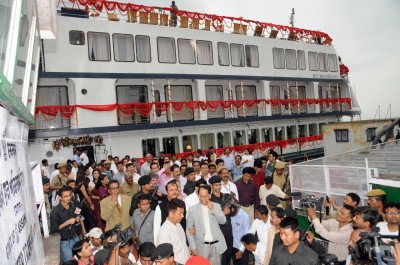
Brahmaputra River Cruise
Some quick example text to build on the card title and make up the bulk of the card's content.
Go somewhere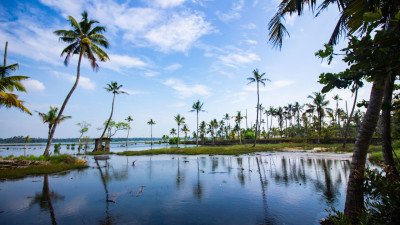
Chandubi Lake
Some quick example text to build on the card title and make up the bulk of the card's content.
Go somewhere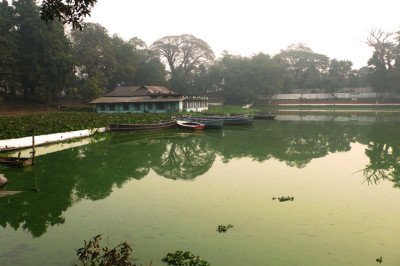
Dighali Pukhuri
Some quick example text to build on the card title and make up the bulk of the card's content.
Go somewhere
Dipor Bil
Some quick example text to build on the card title and make up the bulk of the card's content.
Go somewhere
Fancy Bazaar
Some quick example text to build on the card title and make up the bulk of the card's content.
Go somewhere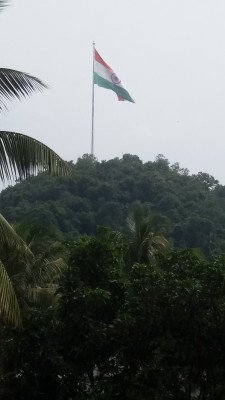
Gandhi Mandap
Some quick example text to build on the card title and make up the bulk of the card's content.
Go somewhere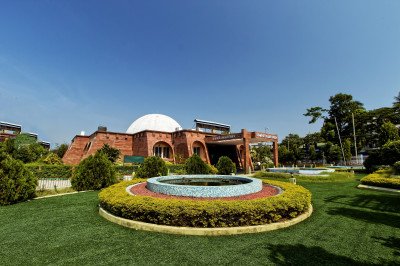
Guwahati Planetarium
Some quick example text to build on the card title and make up the bulk of the card's content.
Go somewhere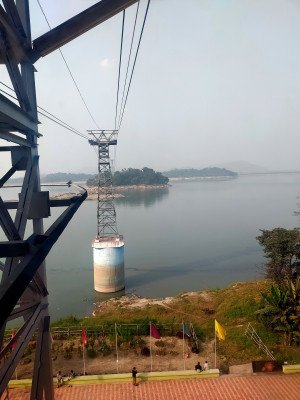
Guwahati Ropeway
Some quick example text to build on the card title and make up the bulk of the card's content.
Go somewhere
Guwahati Zoo
Some quick example text to build on the card title and make up the bulk of the card's content.
Go somewhere
Hajo
Some quick example text to build on the card title and make up the bulk of the card's content.
Go somewherein Other Cities