

Kerala
General information
-
Ideal Duration:
7 to 10 DaysPlace Type:
Nature, Wellness, and HeritageEntry Fees:
State Entry Fees: Entry to Eravikulam National Park is approximately 200 INR for Indians and 500 INR for foreigners to protect the endangered Nilgiri Tahr. Historical sites like the Mattancherry Palace have a nominal fee of 5 INR, while the Kerala Folklore Museum charges ar...State Entry Fees: Entry to Eravikulam National Park is approximately 200 INR for Indians and 500 INR for foreigners to protect the endangered Nilgiri Tahr. Historical sites like the Mattancherry Palace have a nominal fee of 5 INR, while the Kerala Folklore Museum charges around 100 INR for visitors. Boat safaris in Thekkady cost about 250 INR per person, and camera charges at major monuments range from 20 INR to 100 INR. Professional photography sessions at private tea estates or heritage properties can cost upwards of 500 INR depending on the location and duration.Timing:
State Timings: Most national parks like Periyar and Eravikulam are open from 7:00 AM to 5:00 PM, while museums usually operate from 9:00 AM to 5:00 PM. Temples in Kerala have specific morning timings from 4:00 AM to 11:00 AM and evening hours from 5:00 PM to 8:00 PM daily. ...State Timings: Most national parks like Periyar and Eravikulam are open from 7:00 AM to 5:00 PM, while museums usually operate from 9:00 AM to 5:00 PM. Temples in Kerala have specific morning timings from 4:00 AM to 11:00 AM and evening hours from 5:00 PM to 8:00 PM daily. Beach activities and boat cruises are ideal between 10:00 AM and 6:00 PM, but avoid the midday sun during the summer months of March to May. The best time for wildlife sightings is early morning at 6:30 AM or late afternoon around 4:00 PM when animals come to the water.Special Events:
State Special Event: Onam is the official state festival celebrated in September, featuring the grand Onasadya feast, flower carpets called Pookalam, and energetic boat races. Thrissur Pooram is the most spectacular temple festival in April, showcasing a grand assembly of 3...State Special Event: Onam is the official state festival celebrated in September, featuring the grand Onasadya feast, flower carpets called Pookalam, and energetic boat races. Thrissur Pooram is the most spectacular temple festival in April, showcasing a grand assembly of 30 caparisoned elephants and a massive fireworks display. Vishu marks the Malayalam New Year in April, where families prepare the Vishu Kani, an auspicious sight of gold, fruits, and flowers to ensure prosperity. The Nehru Trophy Boat Race held in August on Punnamada Lake features 100-foot snake boats competing with rhythmic chants and incredible speed.Best Photo Spots:
The Chinese Fishing Nets in Fort Kochi are iconic for sunset photography, capturing the silhouettes of these ancient structures against the orange sky. Munnar's Tea Gardens provide a stunning green backdrop, especially during the early morning when the mist settles over the rolling hills of the es...The Chinese Fishing Nets in Fort Kochi are iconic for sunset photography, capturing the silhouettes of these ancient structures against the orange sky. Munnar's Tea Gardens provide a stunning green backdrop, especially during the early morning when the mist settles over the rolling hills of the estate. Alleppey's Backwaters offer picturesque shots of houseboats reflected in the still water, surrounded by towering coconut trees and colorful local houses. The Bekal Fort in Kasaragod provides a dramatic coastal view from its keyhole-shaped bastions, overlooking the vast and blue Arabian Sea coastline.Photo Gallery
Things To Do
 Athirappilly is famed primarily for its majestic waterfalls, often called the "Niagara Falls of India." Located on the Chalakudy River, these falls plunge approximately 80 feet (24 meters) into the dense green forests of the Sholayar ranges. The entire area serves as the entrance to a vital rainforest ecosystem, making it a hotspot for nature lovers, photographers, and wildlife enthusiasts, especially bird watchers hoping to spot the Great Indian Hornbill. The surrounding region is characterized by lush, rolling hills, swift rivers, and plantations, offering a cool, misty climate that is best enjoyed during and immediately after the monsoon months of June to September. It is a perfect spot for both adventurous exploration and peaceful picnics.:
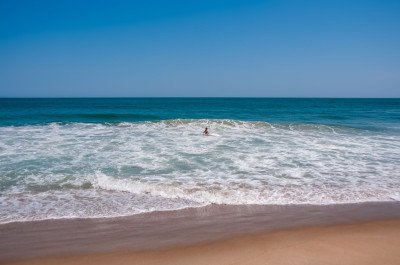 @@Location: Marari Beach is a pristine stretch of sand located in the village of Mararikulam in the Alappuzha district. It is famous for its quiet and peaceful atmosphere, away from the commercial hustle of other beaches. The name is derived from Mararikulam, a local fishing village. The beach is lined with coconut groves and offers a wide expanse of clean, golden sand. It is an ideal spot for those seeking a relaxing and authentic coastal experience. @@Village Life: The life around Marari is still centered on traditional fishing. You can see the local fishermen launching their colorful wooden boats into the sea every morning. The village is also known for its coir-making industry, where locals weave mats and ropes from coconut husks. Visitors can walk through the village lanes to see the local way of life up close. The people are very friendly and the environment is very safe for tourists. @@Wellness: Marari has become a popular destination for Ayurvedic treatments and yoga retreats. Many resorts here offer specialized wellness programs in a tranquil setting. The sound of the waves and the cool sea breeze provide a natural therapy for the mind. You can indulge in traditional oil massages and healing therapies during your stay. It is the perfect place to rejuvenate after a long journey or a busy work schedule. @@Sustainability: The beach and the surrounding area are known for their commitment to eco-friendly tourism. Many of the resorts are built using sustainable materials and follow organic farming practices. There is a strong emphasis on preserving the natural beauty and the local culture. Visitors are encouraged to respect the environment and avoid using plastics. This conscious approach has helped Marari maintain its charm and purity over the years.
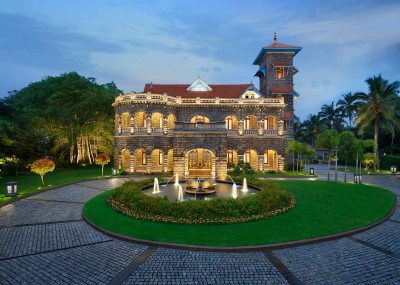 @@Iconic Beach: Kovalam is one of India's most famous beach destinations, known for its three adjacent crescent-shaped beaches. Since the 1930s, it has been a favorite haunt for international travelers seeking sun, sand, and sea. The beaches are separated by rocky outcroppings that create calm bays ideal for swimming and bathing. Its world-class reputation comes from its stunning natural beauty and well-developed tourist infrastructure. @@Coastal Charms: The main beach, known as Lighthouse Beach, is dominated by a majestic red-and-white lighthouse on a hillock. Hawa Beach and Samudra Beach offer slightly more quiet environments for those looking to escape the main crowds. The entire coastline is lined with palm trees and a vibrant promenade filled with shops and cafes. It is a place where the rhythmic sound of the waves sets the pace for a relaxing holiday. @@Ayurvedic Center: Kovalam is a significant hub for traditional Ayurvedic treatments and massages in Kerala. Many resorts and specialized centers offer a range of therapies, from simple relaxation massages to complex detox programs. The serene coastal environment provides the perfect setting for physical and spiritual rejuvenation. Visitors from all over the world come here to experience the healing power of this ancient Indian medical system. @@Vibrant Atmosphere: The promenade along the beach is a bustling area filled with seafood restaurants, handicraft shops, and art galleries. In the evenings, the area comes alive with music, the aroma of grilled fish, and travelers from diverse backgrounds. Despite its popularity, Kovalam maintains a laid-back vibe that allows for both activity and relaxation. It is a place where modern tourism meets traditional coastal life in a colorful harmony.
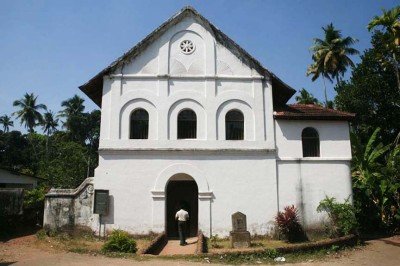 @@Cultural Heritage: Ernakulam is the commercial capital of Kerala, blending ancient traditions with modern urban life through its bustling streets and serene backwaters. The city is a melting pot of various cultures including Portuguese, Dutch, and British influences that are still visible today. @@Natural Beauty: The region is famous for its extensive network of backwaters and the iconic Vembanad Lake, which offers breathtaking views and tranquil boat rides. Exploring the outskirts reveals lush coconut groves and emerald green paddy fields that represent the true essence of God's Own Country. @@Historical Significance: As an ancient port city, it has served as a gateway for international traders for centuries, shaping its unique cosmopolitan identity and diverse architecture. Visitors can explore the Jewish Synagogue and Mattancherry Palace to understand the deep-rooted history of the local Jewish and Royal communities. @@Modern Development: Today, it stands as a major hub for IT and shipping industries, featuring massive shopping malls like Lulu Mall and high-end residential complexes. The city seamlessly integrates its high-speed metro system with traditional ferry services, offering a unique commuting experience for every traveler.
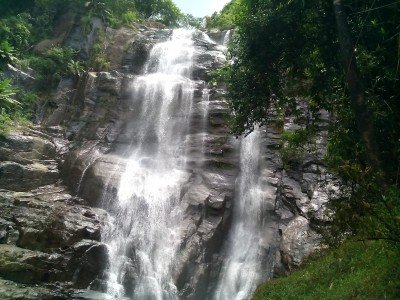 @@Riverine Heritage: Neyyattinkara is a historic town located on the banks of the Neyyar River, about 20 kilometers south of Thiruvananthapuram. The name of the town literally translates to "the shore of the Neyyar," highlighting its deep geographical and cultural connection to the water. It is a place of great historical significance, famously associated with the legend of the Travancore King Marthanda Varma, who hid inside a hollow jackfruit tree, known as "Ammachi Plavu," to escape his enemies. This ancient tree still stands today in the premises of the Sree Krishna Swami Temple, serving as a living monument to the region's royal history and survival. @@Religious Significance: The town is home to several ancient temples, with the Neyyattinkara Sree Krishna Swami Temple being the most prominent. This temple is considered the "Guruvayur of the South" and attracts thousands of devotees daily. The spiritual atmosphere is enhanced by the proximity to the river, where many religious rituals are performed. The town also has a significant Christian and Muslim population, contributing to a diverse and harmonious cultural fabric that is celebrated through various religious festivals and community gatherings throughout the year. @@Natural Wealth: Beyond its historical and religious sites, Neyyattinkara is surrounded by natural beauty. The Neyyar River provides a lifeline for the local agriculture, primarily paddy and coconut cultivation. Nearby attractions like the Neyyar Dam and Wildlife Sanctuary offer a glimpse into the rich biodiversity of the southern Western Ghats. The area is also known for its traditional weaving industry, with the town of Balaramapuram nearby producing world-famous handloom fabrics that are a hallmark of Kerala's artisanal heritage. @@Strategic Location: Serving as a bridge between the state capital and the neighboring state of Tamil Nadu, the town is a bustling commercial hub. Its location on the National Highway makes it easily accessible and a vital point for trade and transportation. Despite its urban growth, Neyyattinkara has managed to preserve its traditional charm, with old houses and lush greenery still visible in many parts of the town, offering a blend of modern convenience and old-world tranquility for its residents and visitors.
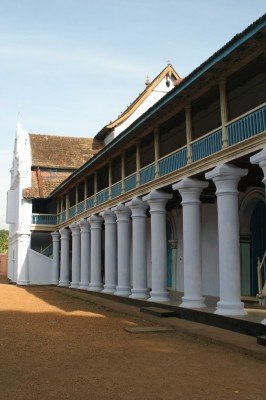 @@Geography: Kuttanad is a unique geographical region famous for being one of the few places in the world where farming is done below sea level. It covers a large part of the Alappuzha and Kottayam districts and is crisscrossed by several rivers. The land was reclaimed from the lake over centuries by hardworking local farmers. Today, it stands as a testament to human ingenuity in adapting to a watery environment. The vast expanse of green paddy fields is a sight to behold during the growing season. @@Farming: The region is known as the "Rice Bowl of Kerala" because of its massive production of paddy. Farmers here use a unique system of bunds to keep the lake water out of the fields. During the harvest season, the fields turn from emerald green to a beautiful golden yellow. Agriculture is the backbone of the local economy and defines the culture of the people. Visitors can learn about the traditional methods of dewatering and sowing used for generations. @@Waterways: The life in Kuttanad revolves entirely around its intricate network of canals, rivers, and lagoons. Boats are the primary mode of transport for many villagers who live on narrow strips of land. You can see children going to school in canoes and vendors selling goods from small boats. The water is used for everything from washing clothes to transport and fishing. This "water world" offers a glimpse into a lifestyle that is rarely seen elsewhere in the world. @@Culture: The culture of Kuttanad is deeply tied to the land and the water, reflected in its food and festivals. The local cuisine is famous for its spicy fish curries and duck roast, usually served with rice or tapioca. Festivals like Onam are celebrated with great pomp, especially with the iconic boat races. The people are known for their resilience and deep connection to the environment. Folk songs called Vanchipattu are often sung by rowers during boat races to boost their morale.
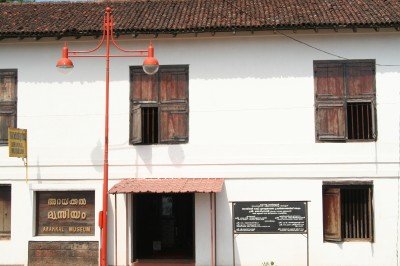 @@Cultural Bastion: Kannur is a historic coastal city in North Kerala known for its rich folk arts and deeply rooted traditions. It is the heartland of Theyyam, a spectacular ritual dance-drama where performers embody deities through elaborate costumes and intense movements. @@Maritime History: The city has played a crucial role in the spice trade since ancient times, attracting traders from Arabia, Rome, and Europe. The St. Angelo Fort, built by the Portuguese in the 16th century, stands as a majestic witness to the colonial power struggles over the coast. @@Weaving Tradition: Known as the "Land of Looms," Kannur has a long history of producing high-quality handloom fabrics. The cooperative societies here continue to weave beautiful cotton clothes and home furnishings that are exported to various international markets today. @@Pristine Coastline: The district boasts some of the most beautiful and longest beaches in the state, including the unique Muzhappilangad Drive-in Beach. The coastline is characterized by golden sands, rocky outcrops, and coconut palms, offering a more peaceful alternative to the busy southern beaches.Show All
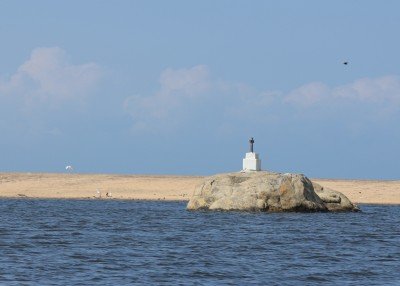 @@Overview of Poovar Island: Poovar is a stunning coastal village located at the southern tip of Thiruvananthapuram district in Kerala. It is uniquely positioned where the Neyyar River, a lake, the Arabian Sea, and a golden beach all meet. This rare geographical feature creates a beautiful estuary that is the main highlight of the region. Historically, Poovar was a busy port for spice trading and was once known as Pokkumoosapuram. Today, it is a quiet retreat famous for its backwaters and floating cottages. It offers a more secluded and peaceful experience compared to the nearby Kovalam beach. The village maintains a traditional lifestyle centered around fishing and coir weaving. @@Backwaters and Mangroves: The backwaters of Poovar are a labyrinth of canals and lagoons surrounded by dense mangroves and coconut groves. A boat ride through these calm waters is the best way to explore the area's rich biodiversity. You can spot various migratory birds, kingfishers, and herons among the trees. The mangrove forests provide a cool and shaded environment even during sunny days. The water reflects the vibrant green of the surroundings, creating a postcard-perfect view. Many resorts offer private boat tours to help guests immerse themselves in this natural wonder. It is a serene world far removed from modern city life. @@Beach and Estuary Charm: The Poovar Beach is unique because it is a sandbar that separates the river from the sea. It can only be reached by boat, which keeps it clean, quiet, and relatively uncrowded. The golden sands and the sound of crashing waves on one side contrast with the calm river water on the other. It is an ideal spot for watching sunsets and taking long walks. However, swimming in the sea here is often discouraged due to strong currents. The estuary point is a meeting place of different ecosystems, providing a fascinating sight for nature lovers. The beauty of this location has made it a popular spot for destination weddings and honeymoons. @@Lifestyle and Tourism: Life in Poovar moves at a slow and rhythmic pace, mirroring the gentle flow of its backwaters. The local community is largely involved in traditional occupations like fishing and agriculture. Tourists can stay in innovative floating cottages that offer a unique experience of living on the water. Ayurvedic treatments and massages are widely available, focusing on holistic wellness and rejuvenation. The local cuisine features fresh seafood and coconut-based dishes typical of Kerala. Visiting the local fishing villages gives travelers an insight into the authentic culture of the region. Poovar is a destination that prioritizes relaxation, nature, and cultural immersion.
Information
-
Why Famous:
Why Famous State: Kerala is globally renowned for its serene Backwaters, where traditional houseboats called Kettuvallams glide through palm-fringed canals. It is the birthplace of Ayurveda, offering authentic rejuvenation therapies and medicinal massages in world-class wel...Why Famous State: Kerala is globally renowned for its serene Backwaters, where traditional houseboats called Kettuvallams glide through palm-fringed canals. It is the birthplace of Ayurveda, offering authentic rejuvenation therapies and medicinal massages in world-class wellness resorts. The state is a major Spice Hub, producing high-quality black pepper, cardamom, and cinnamon that attracted ancient traders from across the globe. Cultural performances like Kathakali and Theyyam are world-famous for their elaborate costumes, vibrant makeup, and rhythmic storytelling traditions. -
Architecture:
Traditional Kerala Architecture: The architecture of Kerala is a unique style that emerged in the humid tropics, characterized by sloping roofs and wooden joinery without nails. This style is primarily seen in the Nalukettu homes, which are traditional quadrangular building...Traditional Kerala Architecture: The architecture of Kerala is a unique style that emerged in the humid tropics, characterized by sloping roofs and wooden joinery without nails. This style is primarily seen in the Nalukettu homes, which are traditional quadrangular buildings with a central courtyard designed for ventilation and light. Temples like the Sri Padmanabhaswamy Temple in Thiruvananthapuram showcase massive stone carvings and a 100-foot tall Gopuram with intricate Dravidian influence.
Temple Dimensions and Design: The Vaikom Mahadeva Temple is famous for its massive elliptical sanctum, measuring approximately 150 feet in circumference, representing the classic circular temple plan. The use of Laterite stone and Teak wood is prominent, with many structures featuring high plinths to protect against heavy monsoon rains and flooding. Roofs are typically covered with red clay tiles or palm leaf thatch, extending beyond the walls to create shaded verandas that measure up to 8 feet wide. -
How To Reach:
State How to Reach:
By Air: Kerala has four international airports in Kochi, Thiruvananthapuram, Kozhikode, and Kannur, connecting the state to major global cities and Indian metros.
By Train: The Southern Ra...State How to Reach:
By Air: Kerala has four international airports in Kochi, Thiruvananthapuram, Kozhikode, and Kannur, connecting the state to major global cities and Indian metros.
By Train: The Southern Railway network is extensive, with major stations like Ernakulam Junction and Trivandrum Central receiving daily trains from Delhi, Mumbai, and Chennai.
By Road: National Highways like NH66 connect Kerala to Karnataka and Tamil Nadu, offering scenic drives through the Western Ghats and coastal regions.
By Local Transport: Public KSRTC buses are the most affordable way to travel, while private taxis and auto-rickshaws are readily available for shorter distances within towns. -
Weather and Best Time to Visit:
The Winter Season from September to March is the peak time, with pleasant temperatures ranging from 18°C to 29°C, perfect for sightseeing. The Monsoon Season from June to August is the best time for Ayurveda treatments, as the moist climate helps the body's pores open for oils. Early Morning is...The Winter Season from September to March is the peak time, with pleasant temperatures ranging from 18°C to 29°C, perfect for sightseeing. The Monsoon Season from June to August is the best time for Ayurveda treatments, as the moist climate helps the body's pores open for oils. Early Morning is the ideal part of the day for visiting temples and nature parks, while Evening is best for beaches and cultural performances. Summer months of April and May are best spent in high-altitude hill stations like Munnar to escape the humidity of the coastal plains. -
Near Tourist Places:
Munnar (130 km), Thekkady (155 km), Alleppey (55 km), Varkala (45 km), Kovalam (15 km), Wayanad (250 km), Kumarakom (50 km), Kochi (0 km), Thrissur (75 km), Kasaragod (350 km)
Tourism Tips
-
State Tourism Tips:
Health & Safety: Always drink bottled or boiled water and carry mosquito repellent to prevent tropical diseases while exploring the lush forest areas or backwaters.
Packing Essentials: Car...State Tourism Tips:
Health & Safety: Always drink bottled or boiled water and carry mosquito repellent to prevent tropical diseases while exploring the lush forest areas or backwaters.
Packing Essentials: Carry light cotton clothes for the humidity, a sturdy umbrella for sudden rains, and modest clothing that covers shoulders and knees for temple visits.
Accommodation: It is recommended to book houseboats and heritage resorts in advance during the peak months of December and January to avoid high prices.
Cultural Etiquette: Respect local traditions by removing footwear before entering homes or temples and always ask for permission before taking photos of local residents.
Reviews
FAQs
Kerala Itineray And Cost:-
Other States In India :-
Information about New and Updated Locations() of Kerala Has Been Added :-
Card subtitle
Note:-
Information provided here in good Faith and for reference only.
Near Places
Andaman and Nicobar Islands
Some quick example text to build on the card title and make up the bulk of the card's content.
Go somewhere
Andhra Pradesh
Some quick example text to build on the card title and make up the bulk of the card's content.
Go somewhere
Arunachal Pradesh
Some quick example text to build on the card title and make up the bulk of the card's content.
Go somewhere
Assam
Some quick example text to build on the card title and make up the bulk of the card's content.
Go somewhere
Bihar
Some quick example text to build on the card title and make up the bulk of the card's content.
Go somewhere
Chandigarh
Some quick example text to build on the card title and make up the bulk of the card's content.
Go somewhere
Chhattisgarh
Some quick example text to build on the card title and make up the bulk of the card's content.
Go somewhere
Daman and Diu
Some quick example text to build on the card title and make up the bulk of the card's content.
Go somewhere
Delhi
Some quick example text to build on the card title and make up the bulk of the card's content.
Go somewhere
Goa
Some quick example text to build on the card title and make up the bulk of the card's content.
Go somewhere
Gujarat
Some quick example text to build on the card title and make up the bulk of the card's content.
Go somewhere
Haryana
Some quick example text to build on the card title and make up the bulk of the card's content.
Go somewhere
Himachal Pradesh
Some quick example text to build on the card title and make up the bulk of the card's content.
Go somewhere
Jammu and Kashmir
Some quick example text to build on the card title and make up the bulk of the card's content.
Go somewhere
Jharkhand
Some quick example text to build on the card title and make up the bulk of the card's content.
Go somewhere
Karnataka
Some quick example text to build on the card title and make up the bulk of the card's content.
Go somewherein Other Cities