

Lachung
General information
-
Ideal Duration:
1-2 Days (Overnight Stay Base)Place Type:
Himalayan Village/Base CampEntry Fees:
Permit Fee (Indirect): A mandatory Inner Line Permit (ILP) is required to enter North Sikkim, which indirectly acts as an entry regulation fee (covered in the total tour package cost, approx. INR 500-1000 per head).
Monastery Donation: Ther...Permit Fee (Indirect): A mandatory Inner Line Permit (ILP) is required to enter North Sikkim, which indirectly acts as an entry regulation fee (covered in the total tour package cost, approx. INR 500-1000 per head).
Monastery Donation: There is typically no entry fee for the Lachung Monastery, but donations for the upkeep of the Gompa are welcomed and encouraged.
Photography Charges: Rarely, a minimal fee might be requested for photography inside the main hall of the monastery, though it's not a universal rule.
Local Tax/Green Tax: A small local fee or green tax might be collected by the Dzumsa or local body for maintenance of local resources, payable directly or included in your tour package.Timing:
Regular Timings (Village Life): The village is accessible 24 hours, but shops and local markets generally operate from 9:00 AM to 6:00 PM.
Monastery Timings: Usually 7:00 AM to 5:00 PM.
Ideal Visit Time: Ear...Regular Timings (Village Life): The village is accessible 24 hours, but shops and local markets generally operate from 9:00 AM to 6:00 PM.
Monastery Timings: Usually 7:00 AM to 5:00 PM.
Ideal Visit Time: Early morning (before 8:00 AM) or late afternoon (4:00 PM - 6:00 PM) for the best, most atmospheric lighting for photography and a quieter village experience.
Ideal Visit Days: Avoid the busy rush of weekends, as most tourists arrive on a set schedule (usually a weekday evening) and leave early the next morning. A quieter experience is possible midweek.Special Events:
Annual Mask Dance (Chaam): The most significant special event is the annual religious mask dance festival (Chaam), typically held at the Lachung Monastery around the Tibetan lunar calendar (often in December or January).
Harvest Festivals: L...Annual Mask Dance (Chaam): The most significant special event is the annual religious mask dance festival (Chaam), typically held at the Lachung Monastery around the Tibetan lunar calendar (often in December or January).
Harvest Festivals: Local harvest-related festivals, though smaller, are celebrated with great fervor in the village, including music, traditional Lepcha and Bhutia dances, and community feasts. These events offer a rare insight into the local culture.
Losoong (Sikkimese New Year): Celebrated with much enthusiasm, this festival involves traditional rituals, prayers, and celebratory gatherings across the village and is a fantastic cultural experience for visitors.Best Photo Spots:
River Confluence View: The point where the Lachen and Lachung rivers merge provides a powerful photo composition, symbolizing the lifeblood of North Sikkim.
The Traditional Village View: The view of the traditional wooden houses perched on t...River Confluence View: The point where the Lachen and Lachung rivers merge provides a powerful photo composition, symbolizing the lifeblood of North Sikkim.
The Traditional Village View: The view of the traditional wooden houses perched on the hill slopes, with the tall Himalayan peaks forming the background, particularly beautiful at sunrise or sunset.
Monastery Overlook: The elevated location of the Lachung Monastery offers a wide panoramic view of the entire Lachung valley, which is excellent for sweeping landscape shots.
Orchard Blossom: During the spring and early summer (April-May), the apple and peach orchards are in full bloom, offering vibrant foregrounds for mountain backdrops.Photo Gallery
Things To Do
-
Riverside Strolls: Walk along the banks of the Lachung River, listening to the powerful rush of the glacial water. Find a quiet spot to sit on a large river rock.
Lachung Monastery Visit: Spend a serene hour at the ancient gompa, observing the rituals and enjoying the panoramic view of the valley.
Local Cuisine Tasting: Try authentic Sikkimese and Bhutia dishes like Thukpa, Momos, and local homemade alcoholic beverages like Chhaang (fermented millet drink) at a local homestay or restaurant.
Exploring the Dzumsa: Attempt to learn about the Dzumsa (local governing body) system from locals or your guide to understand the village's socio-political history.
Souvenir Shopping: Purchase local handicrafts, woven goods, and authentic woo...Riverside Strolls: Walk along the banks of the Lachung River, listening to the powerful rush of the glacial water. Find a quiet spot to sit on a large river rock.
Lachung Monastery Visit: Spend a serene hour at the ancient gompa, observing the rituals and enjoying the panoramic view of the valley.
Local Cuisine Tasting: Try authentic Sikkimese and Bhutia dishes like Thukpa, Momos, and local homemade alcoholic beverages like Chhaang (fermented millet drink) at a local homestay or restaurant.
Exploring the Dzumsa: Attempt to learn about the Dzumsa (local governing body) system from locals or your guide to understand the village's socio-political history.
Souvenir Shopping: Purchase local handicrafts, woven goods, and authentic woolen items at the few shops lining the main street.
Photography of Village Life: Capture the traditional houses, the faces of the Lachungpas, and the everyday activities of a remote Himalayan village.
Rest and Acclimatization:
Use the town as its primary purpose: a mandatory rest stop to properly acclimatize before ascending to Yumthang or Zero Point.
Information
-
Why Famous:
Base for Yumthang and Zero Point: Lachung's fame primarily rests on its strategic location as the essential overnight stop for accessing the breathtaking Yumthang Valley and the snowy heights of Zero Point. All tour operators include a mandatory stop here.Base for Yumthang and Zero Point: Lachung's fame primarily rests on its strategic location as the essential overnight stop for accessing the breathtaking Yumthang Valley and the snowy heights of Zero Point. All tour operators include a mandatory stop here.
The Dzumsa System: It is famous for its unique traditional democratic self-governance system, the Dzumsa, led by a village headman (Pipon). This cultural uniqueness makes it a point of ethnographic interest.
River Confluence Beauty: The meeting point of the Lachen and Lachung rivers is a significant natural attraction, contributing to its scenic reputation as a beautiful Himalayan town.
Apple and Peach Orchards: The surrounding area is known for its beautiful fruit orchards, which blossom in the spring, adding to the village's picturesque charm. -
Architecture:
Traditional Lachungpa Homes: The traditional houses are mostly two-storied structures made of thick timber planks and stone, with low-sloping roofs designed to handle heavy snowfall.
Dimension (Scale): Typically small and rectangular, adapti...Traditional Lachungpa Homes: The traditional houses are mostly two-storied structures made of thick timber planks and stone, with low-sloping roofs designed to handle heavy snowfall.
Dimension (Scale): Typically small and rectangular, adapting to the steep slopes.
Monastery Influence (Lachung Gompa): The central piece of architecture is the Lachung Monastery (Gompa), built in the Nyingma Buddhist style, featuring colorful murals, intricate woodwork, and a twin-dragon facade. The monastery is typically a two-story structure with a main assembly hall (Dukhang).
Modern Tourist Infrastructure: The newer hotels and resorts attempt to blend modern amenities with traditional aesthetics, often using local materials like stone and wood but on a larger, more structured scale to accommodate large groups of tourists. -
How To Reach:
By Air: Bagdogra Airport (IXB) (220 KMS) and Pakyong Airport (PYG) (approx. 150 KMS) are the nearest. Hire a pre-booked taxi/authorized vehicle to Gangtok, then a tourist vehicle to Lachung (approx. 6-7 hours drive from Gangtok).
By Train:By Air: Bagdogra Airport (IXB) (220 KMS) and Pakyong Airport (PYG) (approx. 150 KMS) are the nearest. Hire a pre-booked taxi/authorized vehicle to Gangtok, then a tourist vehicle to Lachung (approx. 6-7 hours drive from Gangtok).
By Train: New Jalpaiguri (NJP) (215 KMS) is the nearest major railhead. Take an authorized SUV or taxi from NJP to Gangtok, and then proceed to Lachung.
By Road: Lachung is connected to Gangtok via the North Sikkim Highway (approx. 102 KMS). The journey is long (6-7 hours) and often bumpy but scenic. All travel must be in authorized, registered tourist vehicles.
By Local Transport: Once in Lachung, the village is best explored on foot. For trips to Yumthang or Zero Point, a dedicated 4x4 tourist vehicle is mandatory. -
Weather and Best Time to Visit:
Winter Season (Nov - Feb): Very cold, with heavy snow. Offers beautiful snow-covered views but can lead to road closures.
Spring/Summer (March - June): Best time. Pleasant weather, rhododendrons bloom in the nearby Sanctuary, and all high-...Winter Season (Nov - Feb): Very cold, with heavy snow. Offers beautiful snow-covered views but can lead to road closures.
Spring/Summer (March - June): Best time. Pleasant weather, rhododendrons bloom in the nearby Sanctuary, and all high-altitude spots are accessible.
Monsoon (July - September): Avoid due to heavy rain, landslides, and poor road conditions.
Different Parts of the Day: Early morning for clear views of the mountains from the village, and late afternoon/sunset for soft light on the wooden houses and river. -
Near Tourist Places:
Lachung Monastery (2 KMS), Lachung River Viewpoint (1 KMS), Khanda Waterfalls (18 KMS), Khedum Village (13 KMS), Shingba Rhododendron Sanctuary (25 KMS), Yumthang Valley (28 KMS), Zero Point (51 KMS), Mount Katao (28 KMS), Chungthang (40 KMS), Phuentsho (10 KMS).
Tourism Tips
-
Health & Safety: Carry basic medicines for fever, headache, and motion sickness for the bumpy ride. The altitude (9,600 ft) is moderate, but take it easy upon arrival.
Packing: Warm layered clothing is essential throughout the year. Therma...Health & Safety: Carry basic medicines for fever, headache, and motion sickness for the bumpy ride. The altitude (9,600 ft) is moderate, but take it easy upon arrival.
Packing: Warm layered clothing is essential throughout the year. Thermal wear is a must in winter and spring. Carry a good torch/headlamp and power bank, as power supply can be intermittent.
Accommodation: Book a package that includes accommodation in Lachung. Options range from basic homestays to modern hotels. Ensure your room has a heater (often an extra charge).
Connectivity: Mobile network and internet are often patchy (BSNL or Airtel usually work best). Inform family and friends about potential communication issues.
Permits: Do not travel without a valid Inner Line Permit (ILP) and protected area permit (PAP). Your tour operator should arrange these.
Reviews
FAQs
Lachung Itineray And Cost:-
Information about New and Updated Locations() of Sikkim Has Been Added :-
Card subtitle
Note:-
Information provided here in good Faith and for reference only.
All information and pictures will be updated soon, please keep visiting.
Near Places
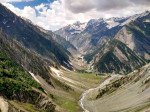
Chopta Valley View Point
Some quick example text to build on the card title and make up the bulk of the card's content.
Go somewhere
Green Lake Trek Base
Some quick example text to build on the card title and make up the bulk of the card's content.
Go somewhere
Hot Springs
Some quick example text to build on the card title and make up the bulk of the card's content.
Go somewhere
Kala Patthar
Some quick example text to build on the card title and make up the bulk of the card's content.
Go somewhere
Katao - North Sikkim
Some quick example text to build on the card title and make up the bulk of the card's content.
Go somewhere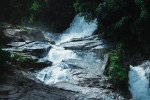
Khanda Waterfalls
Some quick example text to build on the card title and make up the bulk of the card's content.
Go somewhere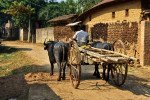
Khedum Village
Some quick example text to build on the card title and make up the bulk of the card's content.
Go somewhere
Lachung
Some quick example text to build on the card title and make up the bulk of the card's content.
Go somewhere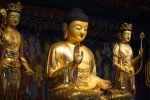
Lachung Monastery
Some quick example text to build on the card title and make up the bulk of the card's content.
Go somewhere
Lachung River Viewpoint
Some quick example text to build on the card title and make up the bulk of the card's content.
Go somewherein Other Cities