Chopta Valley View Point
General information
-
Ideal Duration:
2-3 hours (Excluding travel time from Lachung or Lachen):Place Type:
High-Altitude Scenic Viewpoint / Alpine Meadow / CEntry Fees:
Inner Line Permit (ILP) and Protected Area Permit (PAP): There is no direct entry fee for the Chopta Valley View Point itself. However, because the area falls under the sensitive high-altitude zone of North Sikkim, all visitors (both Indian and foreign nationals) must obtain a Protected Area Permit...Inner Line Permit (ILP) and Protected Area Permit (PAP): There is no direct entry fee for the Chopta Valley View Point itself. However, because the area falls under the sensitive high-altitude zone of North Sikkim, all visitors (both Indian and foreign nationals) must obtain a Protected Area Permit (PAP), previously known as an Inner Line Permit (ILP). The cost for this permit is not a direct entry fee but an administrative charge included in the package cost by a registered tour operator, which is mandatory for organizing the entire trip to Lachen and beyond.
Vehicle/Road Permit Charges: In addition to the PAP, the local taxi union and the authorities levy charges for the specialized permit required for the vehicle to travel beyond Thangu village towards Chopta and Gurudongmar Lake. This fee, which can vary significantly (ranging from Rs.2,000 to Rs.5,000+ per vehicle for the full day-trip including Gurudongmar, depending on the season and vehicle type), is typically included in the tour package price and is not a per-person entry ticket, making it an essential but variable cost for accessing the area. :Timing:
Regular Timings: The valley is typically accessible from Sunrise to Sunset (approx. 6:00 AM to 5:00 PM). However, due to its very high altitude and the requirement to visit Gurudongmar Lake on the same day, the permit timings are strict. Vehicles must usually pass the mil...Regular Timings: The valley is typically accessible from Sunrise to Sunset (approx. 6:00 AM to 5:00 PM). However, due to its very high altitude and the requirement to visit Gurudongmar Lake on the same day, the permit timings are strict. Vehicles must usually pass the military checkpoints and begin the journey from Lachen very early, often between 5:00 AM and 6:00 AM, and must exit the area by a set time, usually mid-day (1:00 PM to 2:00 PM), to allow for safe return before sunset and changing weather.
Ideal Visit Time: The absolute ideal visit time is just after Sunrise (7:00 AM to 9:00 AM). The air is clearest, the light is soft for photography, and the high-altitude winds have not yet picked up. Visiting during the Spring and Autumn months offers the best experience. April-May for the flowers, and October-November for the clearest blue skies and stunning views of fresh snow. :Special Events:
Nomadic Festival of the Lachenpas: While not a fixed, large-scale tourist event, the community of Lachenpas holds various local, seasonal rituals and small celebrations related to the grazing season and their traditional nomadic lifestyle. These are not publicly advertised ...Nomadic Festival of the Lachenpas: While not a fixed, large-scale tourist event, the community of Lachenpas holds various local, seasonal rituals and small celebrations related to the grazing season and their traditional nomadic lifestyle. These are not publicly advertised and require deep local knowledge or a trusted guide to witness. These events often involve prayer flags, small ceremonies to bless the herds, and traditional folk music and dances, particularly around the time of the seasonal migration of the yaks from the lower villages to the higher summer pastures of Chopta (late May / early June) and back again (late September).
The Rhododendron Bloom Spectacle: Though not a "special event" in the traditional sense, the peak blooming of the rhododendrons in the surrounding areas of the valley (typically late April to mid-May) transforms the entire region into a natural, visually spectacular event. Tourists flock to witness this incredible carpet of colour, making it the most significant seasonal draw for the area. This natural phenomenon is often celebrated in local culture and folklore, symbolising the beginning of the fertile summer months and the prosperity it brings. :Best Photo Spots:
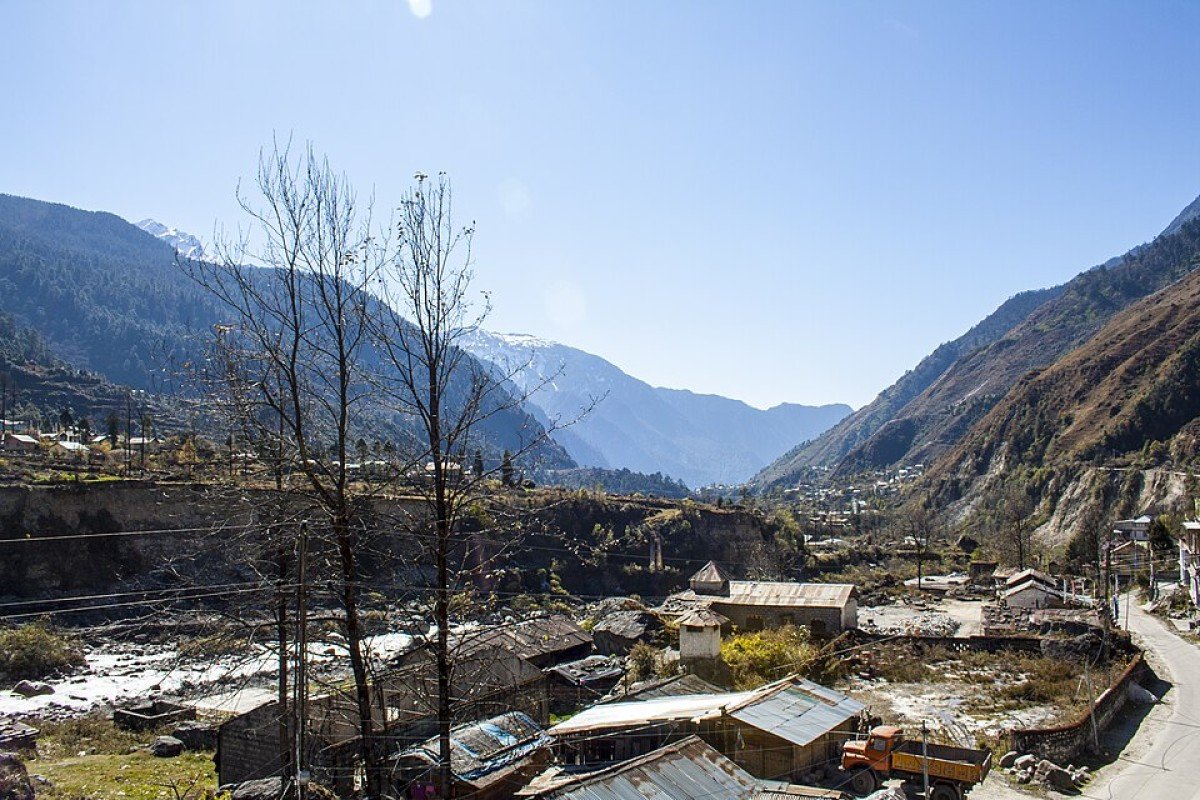
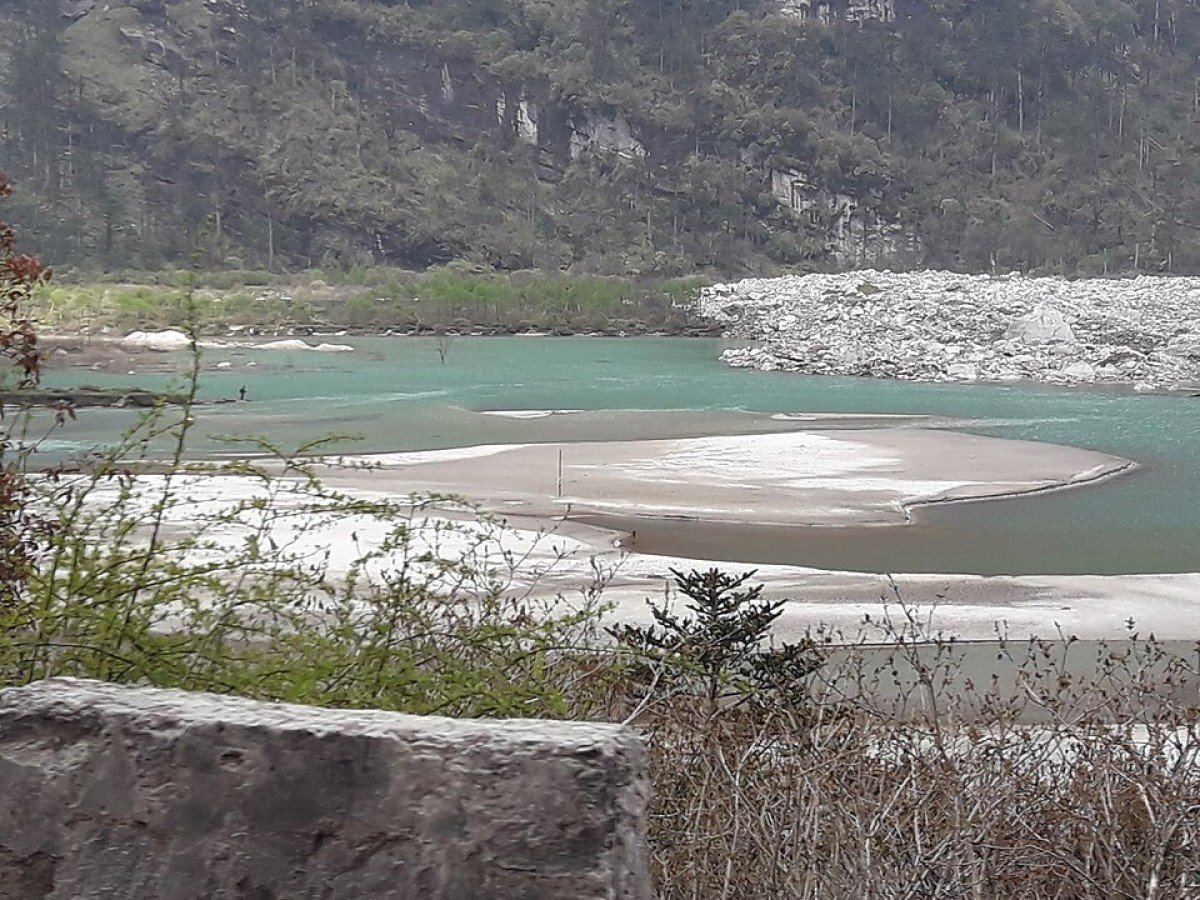
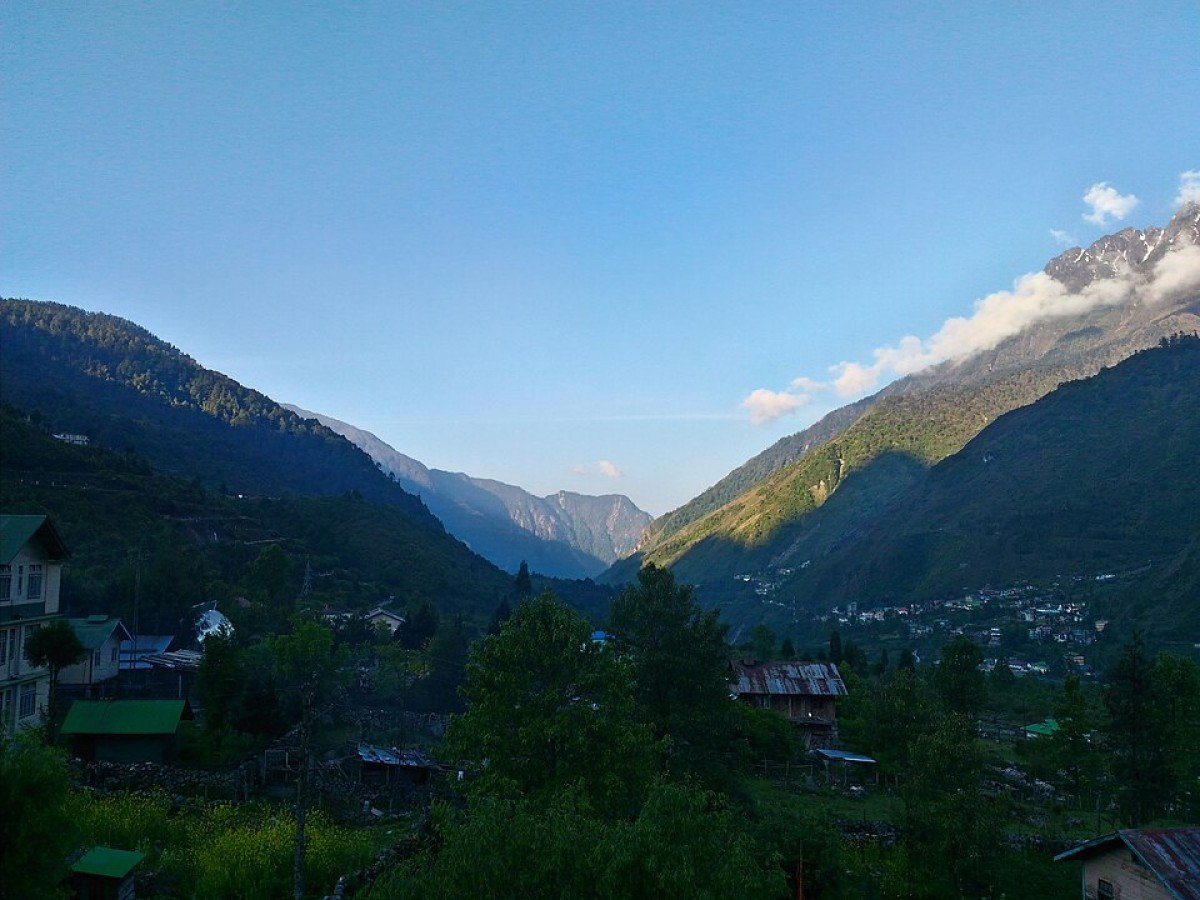
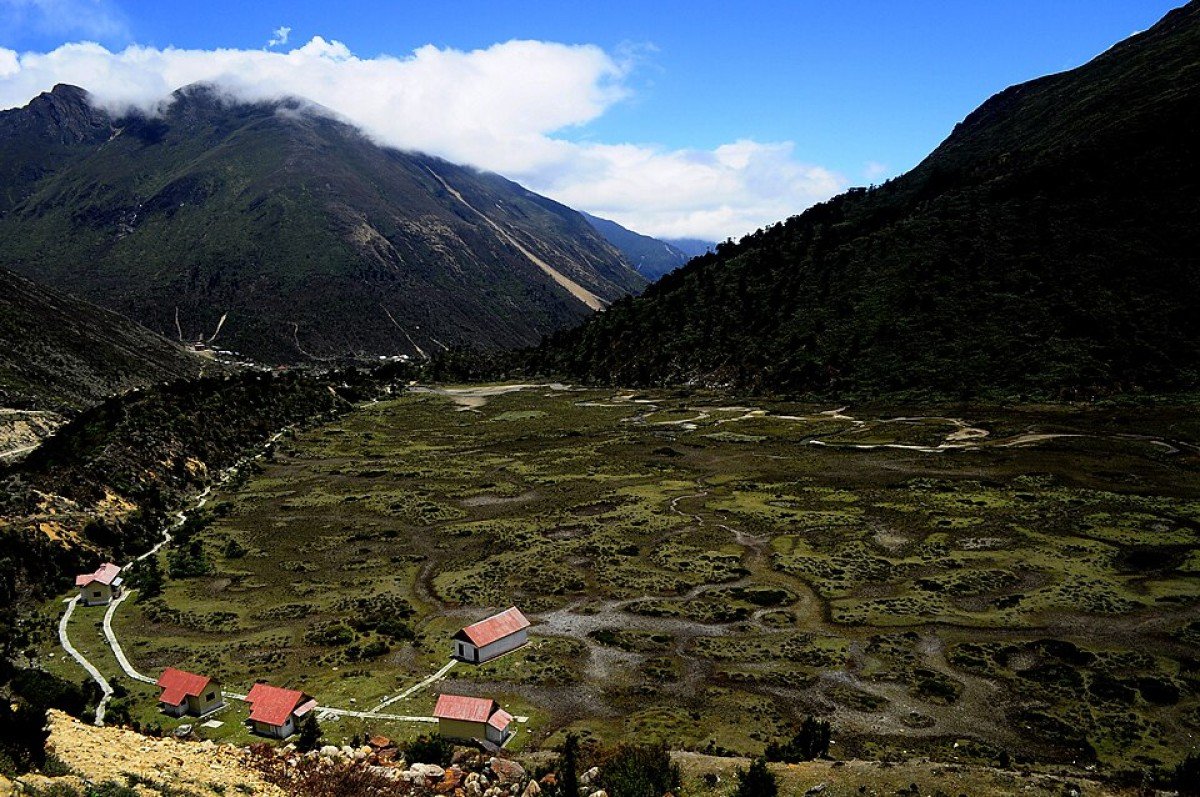
The Valley Floor with Meandering Streams: Position yourself slightly above the valley floor to capture the vast expanse, the tiny, silver streams cutting through the green or snow-dusted meadow, with the dramatic rock faces and peaks forming the backdrop. This spot is perfe...The Valley Floor with Meandering Streams: Position yourself slightly above the valley floor to capture the vast expanse, the tiny, silver streams cutting through the green or snow-dusted meadow, with the dramatic rock faces and peaks forming the backdrop. This spot is perfect for a classic landscape panorama.
Rhododendron Bushes (Spring Season): During the bloom (Late April to May), the fields adjacent to the main valley are covered in vibrant red, pink, and white rhododendron flowers. Framing a snow-capped peak between the flowering branches creates a stunning contrast of colour and texture, ideal for close-up landscape photography.
The Yak Silhouettes: Capture the silhouettes of the grazing yaks against the backdrop of the massive mountains, especially during sunrise or sunset. The yaks, being an integral part of the high-altitude landscape, add a sense of scale and local character to the images.
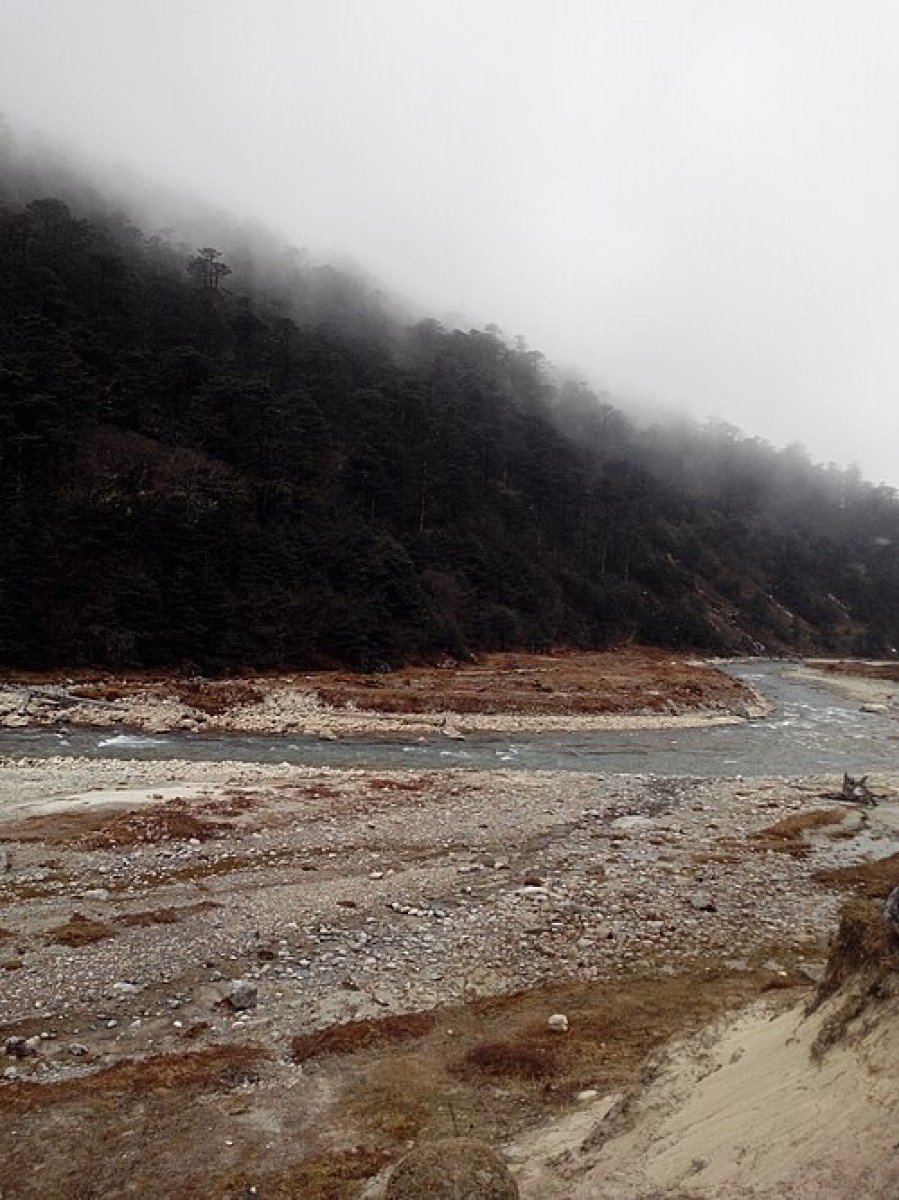
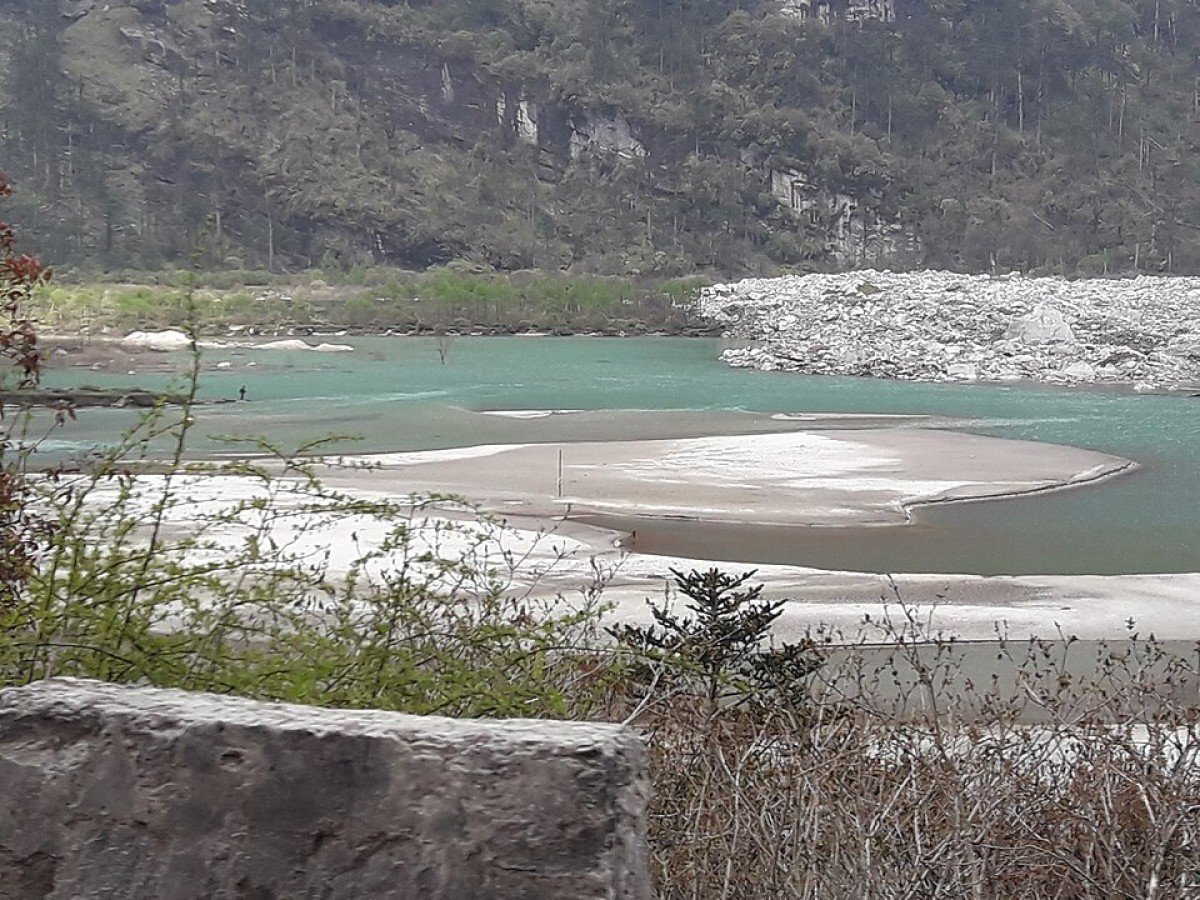
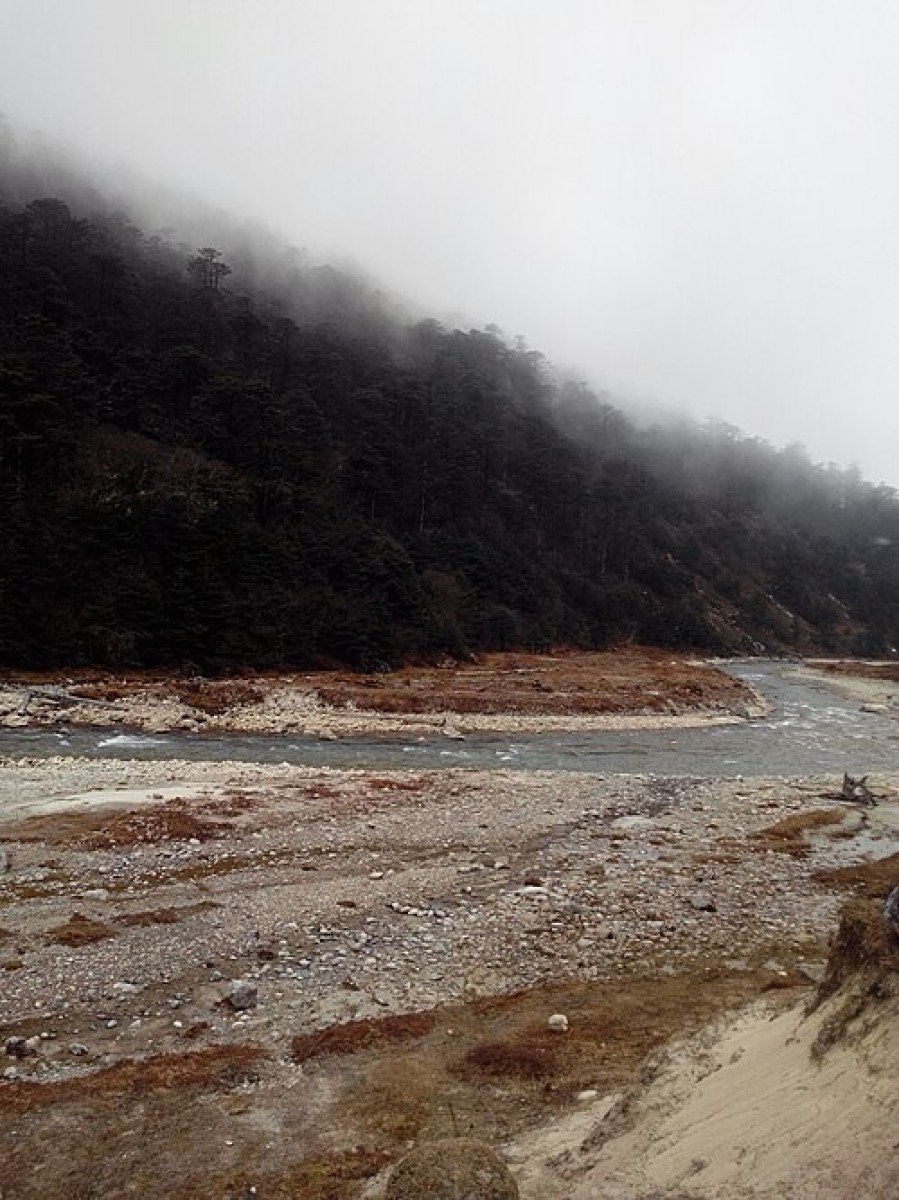
The Frozen River Bed (Winter): In the colder months (late November to March), the frozen river and snow-covered ground offer a monochromatic, stark beauty. Focus on patterns in the ice and snow drifts, capturing the raw, silent power of a Himalayan winter landscape. :Photo Gallery
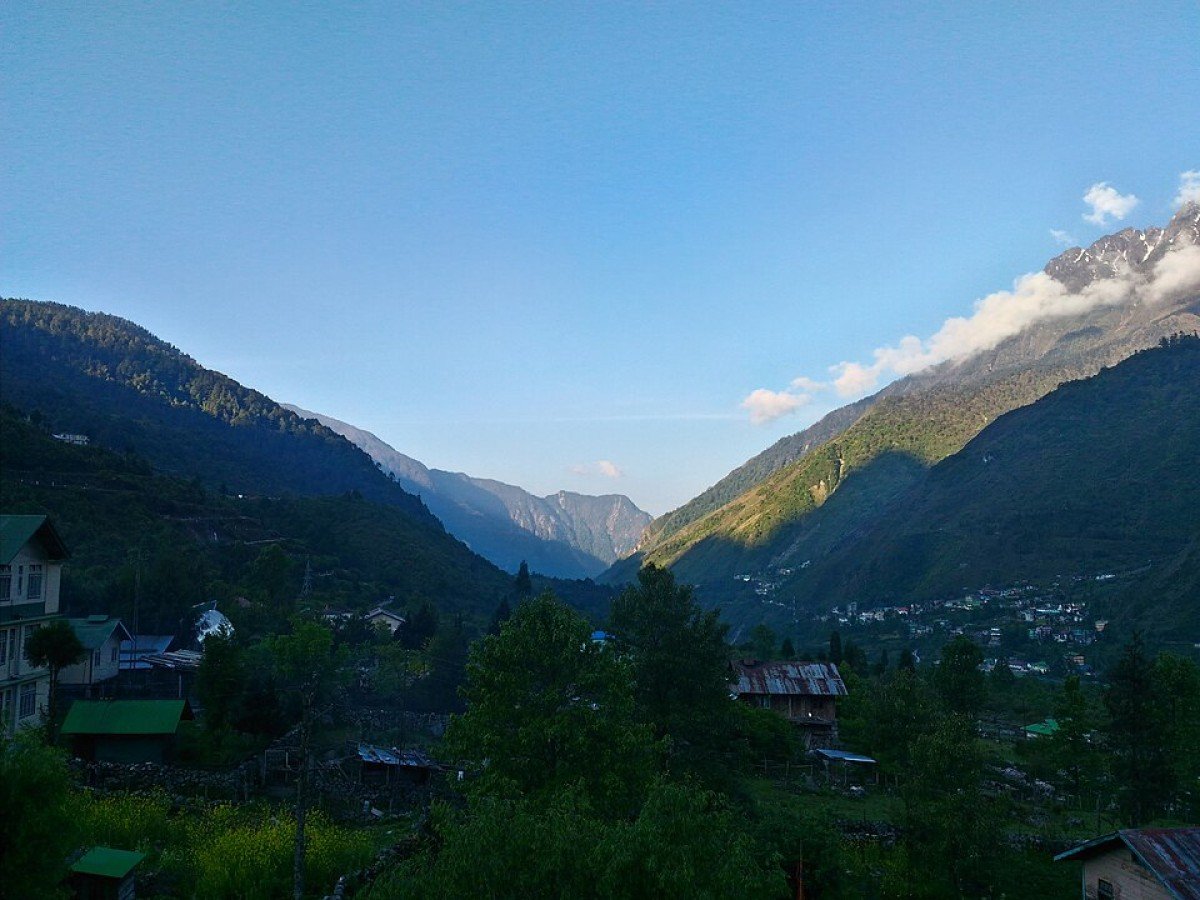
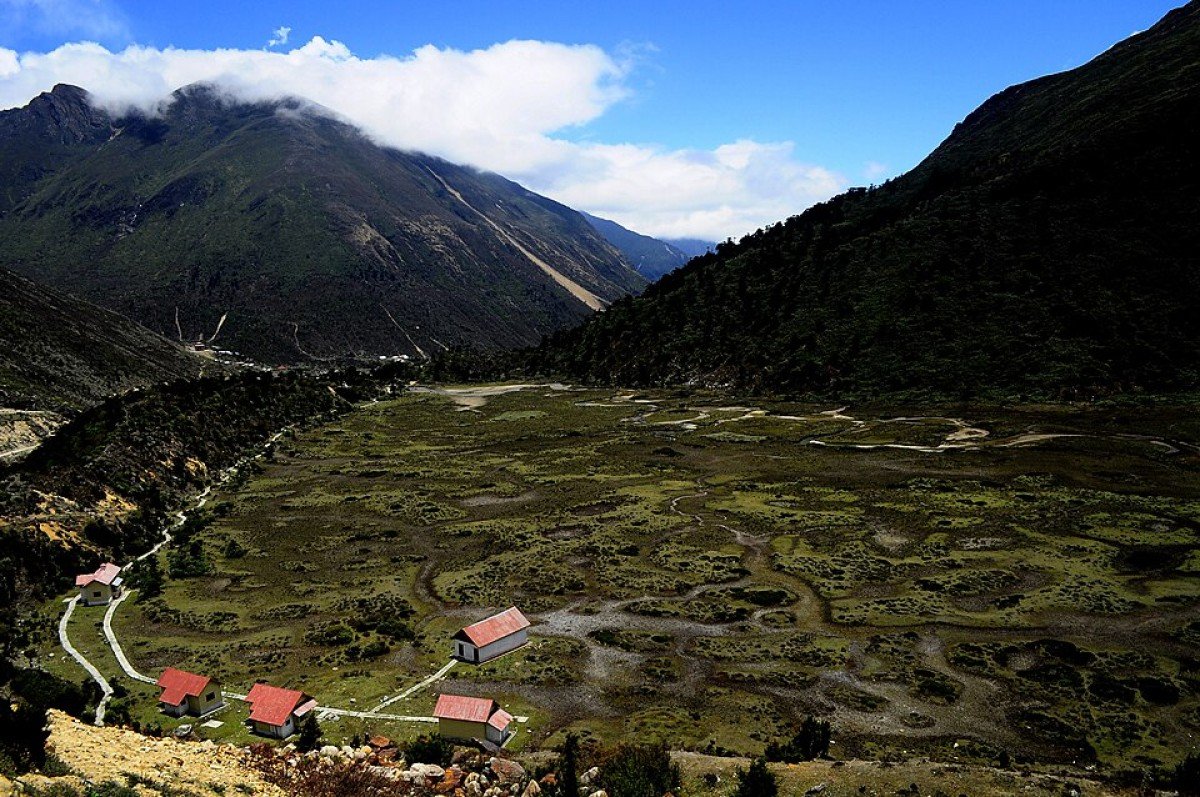
Things To Do
-
Panoramic Photography: Spend ample time capturing the wide-angle, panoramic views of the entire valley. Focus on the majestic, snow-covered mountains, particularly in the morning light when the peaks are bathed in a golden hue. Try capturing the reflections of the mountains in the meandering streams.
Seasonal Flower Spotting: If visiting in the late spring or early summer (April-May), dedicate time to walking through the meadows to identify the diverse high-altitude flora, especially the colourful rhododendrons and primulas. This is a quiet, meditative activity perfect for botanists and nature lovers.
Short Nature Walks and Acclimatization: Engage in short, easy walks across the flat valley floor to help your body acclimatize to the high altitude. These strolls allow for a closer inspection o...Panoramic Photography: Spend ample time capturing the wide-angle, panoramic views of the entire valley. Focus on the majestic, snow-covered mountains, particularly in the morning light when the peaks are bathed in a golden hue. Try capturing the reflections of the mountains in the meandering streams.
Seasonal Flower Spotting: If visiting in the late spring or early summer (April-May), dedicate time to walking through the meadows to identify the diverse high-altitude flora, especially the colourful rhododendrons and primulas. This is a quiet, meditative activity perfect for botanists and nature lovers.
Short Nature Walks and Acclimatization: Engage in short, easy walks across the flat valley floor to help your body acclimatize to the high altitude. These strolls allow for a closer inspection of the unique alpine cushion plants and the general ecosystem. Always walk slowly and listen to your body.
Interacting with Nomads and Yaks: Observe and respectfully photograph the nomadic Lachenpa shepherds and their yaks, which graze freely in the meadows during the warmer months. It offers a unique cultural and photographic opportunity, but always ask permission (or approach with a guide).
Trekking and Adventure (Short Day Hikes): While the full trek to Gurudongmar Lake or Muguthang starts earlier, you can explore short, well-marked trails that head deeper into the valley for a sense of adventure and increased solitude. Be cautious of rapidly changing weather.
Picnic and Relaxation: Find a scenic spot by the riverside to simply sit, relax, and absorb the profound quiet of the Himalayas. Carry a flask of hot beverage and some snacks to enjoy the natural beauty.
Birdwatching: The high-altitude environment is home to various unique Himalayan bird species. Keep an eye out for high-altitude raptors and various pheasants, making it a great spot for keen birdwatchers.
Stargazing (If Staying Overnight in Thangu): Since there are no accommodations in Chopta itself, if you are staying in the nearest village of Thangu or Lachen, the clear, unpolluted night sky offers a brilliant opportunity for astronomical viewing and celestial photography. :
Information
-
Why Famous:
Flora and Fauna Diversity: The valley is famous for its breathtaking landscape that changes dramatically with the seasons. Its primary fame rests on its remarkable floral biodiversity. In late April and May, it becomes a 'Valley of Flowers' rivaling the one in Uttarakhand,...Flora and Fauna Diversity: The valley is famous for its breathtaking landscape that changes dramatically with the seasons. Its primary fame rests on its remarkable floral biodiversity. In late April and May, it becomes a 'Valley of Flowers' rivaling the one in Uttarakhand, showcasing numerous species of blooming rhododendrons, primulas, and poppies, set against a backdrop of snow-dusted mountains.
Strategic and Adventurous Location: It is a crucial stop on the tourist route to the world-famous, sacred Gurudongmar Lake, and also serves as the starting point for challenging high-altitude treks to Muguthang Valley. This combination of easy accessibility for a day visit and its importance as a trekking base contributes significantly to its fame, appealing to both casual sightseers and serious mountaineers. The sheer scale of the landscape—wide, flat, and surrounded by colossal, snow-clad peaks—is a sight that remains etched in memory and drives its reputation as a must-visit spot in North Sikkim. : -
Architecture:
Natural Architectural Elements: The "architecture" of Chopta Valley is entirely defined by its natural geological and ecological structure.
Geological Dimensions: The valley is a flat, expansive high-altitude meadow situated around 13,200 fe...Natural Architectural Elements: The "architecture" of Chopta Valley is entirely defined by its natural geological and ecological structure.
Geological Dimensions: The valley is a flat, expansive high-altitude meadow situated around 13,200 feet (4,023 meters) above sea level. Its key dimension is its width, a large U-shaped glacial valley formed by the erosive action of ancient glaciers, framed by steep, rocky slopes that ascend to peaks well over 5,000 meters. The flat valley floor, which can stretch for several square kilometers, is crisscrossed by the braided channels of the Lachung Chu river's tributaries. The surrounding mountain peaks, like those in the Chomolhari Range, provide the colossal vertical dimensions, rising thousands of feet from the valley floor.
Ecological Design: This area represents the alpine and sub-alpine ecosystem. The natural "design" is evident in the transition from the dense rhododendron and coniferous forests at lower altitudes (starting around Lachen) to the treeless, cushion-plant dominated tundra of the valley floor. During the flowering season (around 4-6 weeks in spring), the area showcases a complex carpet of diverse floral species, including the state flower, Rhododendron, creating a distinct color dimension. The nomadic wooden huts, often temporary shelters for the Lachenpas and their grazing Yaks, are the only man-made structures, built using simple, local materials to withstand the harsh, snowy winters, typically measuring about 5m x 5m in area. : -
How To Reach:
By Air: The nearest functional airport is Bagdogra Airport (IXB) in West Bengal (approx. 250 KMS from Lachung). From IXB, hire a pre-booked taxi or use a shared jeep to reach Gangtok (125 KMS). From Gangtok, a mandatory two-day tour itinerary must be followed, with an ove...By Air: The nearest functional airport is Bagdogra Airport (IXB) in West Bengal (approx. 250 KMS from Lachung). From IXB, hire a pre-booked taxi or use a shared jeep to reach Gangtok (125 KMS). From Gangtok, a mandatory two-day tour itinerary must be followed, with an overnight stay at Lachen (approx. 120 KMS from Gangtok). Chopta Valley is then accessed from Lachen on the second day. The total journey takes at least two days.
By Train: The nearest major railway station is New Jalpaiguri (NJP) in West Bengal (approx. 250-260 KMS from Lachung). Similar to air travel, hire a taxi/jeep to Gangtok, and then proceed via a tour operator to Lachen.
By Road: Chopta Valley is directly accessible only by road (mostly rugged and unpaved mountain roads) from Lachen (39 KMS). The primary base for permits and accommodation is Gangtok (160 KMS to Lachen). The route is Gangtok -> Chungthang -> Lachen -> Thangu -> Chopta Valley View Point. Only SUVs or large utility vehicles (like Tata Sumo, Mahindra Bolero) with high ground clearance are suitable.
By Local Transport: There is no public local transport to Chopta Valley. Access is strictly controlled and only allowed via registered, pre-arranged tour vehicles (usually shared or private hired taxis/jeeps) authorized by the local permit office and taxi union. It is always visited as part of a package trip from Gangtok or Lachen. : -
Weather and Best Time to Visit:
Different Types of Seasons: The Best Time to Visit is Late Spring (April to May) and Autumn (October to Mid-November).
Late Spring (April to May): This is the famed season when the rhododendrons and other alpine flowers are in full bloom, co...Different Types of Seasons: The Best Time to Visit is Late Spring (April to May) and Autumn (October to Mid-November).
Late Spring (April to May): This is the famed season when the rhododendrons and other alpine flowers are in full bloom, covering the valley in a blanket of colour. The weather is pleasant but still very cold in the mornings and evenings.
Autumn (October to Mid-November): This season offers the clearest, most spectacular views of the snow-capped Himalayan peaks, including Mount Kanchenjunga, due to the clean air and minimal haze after the monsoon. The temperature is crisp and cold.
Winter (Late November to March): The valley is often completely frozen and covered in heavy snow, which can block roads and make travel hazardous. Access is often restricted past Thangu village due to extreme cold and snow.
Monsoon (June to September): Travel is highly discouraged due to frequent landslides, poor road conditions, and cloudy skies that obscure the mountain views.
Different Parts of the Day: The Early Morning (Sunrise to 9:00 AM) is the most ideal part of the day to visit. The lighting is perfect for photography, and the lack of wind makes the extreme cold more bearable. This timing also aligns with the strict permit regulations for visiting the high-altitude areas. :
Tourism Tips
-
Health & Safety (Acute Mountain Sickness): Due to the extreme altitude (13,200 feet), it is crucial to spend at least one night at Lachen (9,000 feet) for acclimatization. Carry personal emergency oxygen cylinders, Diamox (if prescribed), and move very slowly. Headaches an...Health & Safety (Acute Mountain Sickness): Due to the extreme altitude (13,200 feet), it is crucial to spend at least one night at Lachen (9,000 feet) for acclimatization. Carry personal emergency oxygen cylinders, Diamox (if prescribed), and move very slowly. Headaches and breathlessness are common.
Packing (Layered Clothing): Pack extreme layered woolens, thermal wear, waterproof and windproof jackets, and insulated gloves. Temperatures are near-freezing even in summer. Wear well-gripped, waterproof trekking boots.
Accommodation: There is NO accommodation in Chopta Valley. The nearest place to stay is the village of Thangu (very basic homestays/guesthouses, approx. 30 KMS away) or the main base town of Lachen (approx. 39 KMS away), where you must stay overnight as part of the itinerary.
Other Topics (Permits and Travel): You must have a valid Protected Area Permit (PAP). This is exclusively arranged by a registered tour operator in Gangtok or Siliguri. Do not plan on arranging this on your own. Carry enough water and high-energy snacks, as there are no shops or permanent facilities near the viewpoint. Respect the pristine environment—do not litter and refrain from picking flowers. :
Reviews
FAQs
Lachung Itineray And Cost:-
Chopta Valley View Point Tourism:-
Other Places In Lachung :-
Other States In India :-
Information about New and Updated Locations() of Sikkim Has Been Added :-
Card subtitle
Note:-
Information provided here in good Faith and for reference only.
Near Places
Chopta Valley View Point
Some quick example text to build on the card title and make up the bulk of the card's content.
Go somewhere
Green Lake Trek Base
Some quick example text to build on the card title and make up the bulk of the card's content.
Go somewhere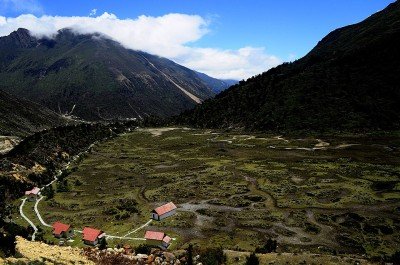
Hot Springs
Some quick example text to build on the card title and make up the bulk of the card's content.
Go somewhere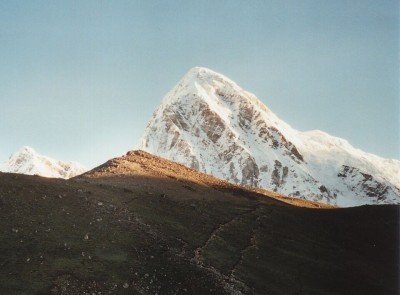
Kala Patthar
Some quick example text to build on the card title and make up the bulk of the card's content.
Go somewhere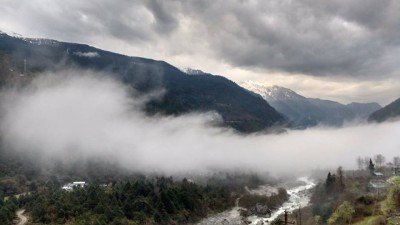
Katao - North Sikkim
Some quick example text to build on the card title and make up the bulk of the card's content.
Go somewhere
Khanda Waterfalls
Some quick example text to build on the card title and make up the bulk of the card's content.
Go somewhere
Khedum Village
Some quick example text to build on the card title and make up the bulk of the card's content.
Go somewhere
Lachung
Some quick example text to build on the card title and make up the bulk of the card's content.
Go somewhere
Lachung Monastery
Some quick example text to build on the card title and make up the bulk of the card's content.
Go somewhere
Lachung River Viewpoint
Some quick example text to build on the card title and make up the bulk of the card's content.
Go somewhere
Lachung Village
Some quick example text to build on the card title and make up the bulk of the card's content.
Go somewhere
Seven Sisters Waterfall
Some quick example text to build on the card title and make up the bulk of the card's content.
Go somewhere
Shingba Rhododendron Sanctuary
Some quick example text to build on the card title and make up the bulk of the card's content.
Go somewhere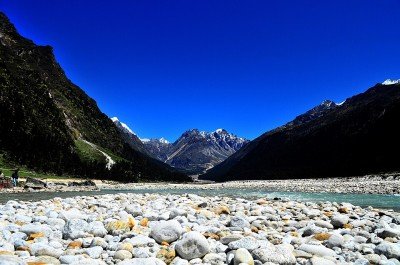
Yumthang Valley
Some quick example text to build on the card title and make up the bulk of the card's content.
Go somewhere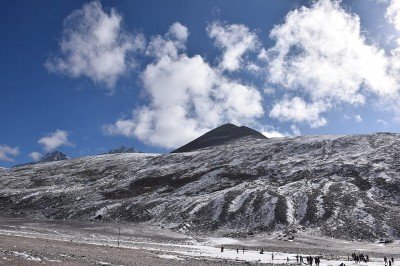
Zero Point
Some quick example text to build on the card title and make up the bulk of the card's content.
Go somewherein Other Cities