
Lachung Monastery
General information
-
Ideal Duration:
1 HourPlace Type:
Religious/Historical SiteEntry Fees:
Zero Entry Fee: There is no mandatory entry fee for the Lachung Monastery.
Donation Box: Visitors are expected and encouraged to leave a voluntary donation in the box located inside the main hall or near the entrance for the maintenance and ...Zero Entry Fee: There is no mandatory entry fee for the Lachung Monastery.
Donation Box: Visitors are expected and encouraged to leave a voluntary donation in the box located inside the main hall or near the entrance for the maintenance and upkeep of the ancient structure and the support of the Lamas.
Photography Fees: Generally, no fee is charged for photography, but a small voluntary offering is respectful if you wish to take pictures inside the main prayer hall.
Special Rituals: If you request a private prayer or ritual from the Lamas, a customary offering (Khatag and a cash donation) is required.Timing:
Regular Timings: Generally open from 7:00 AM to 5:00 PM (Lamas' routines may dictate slight variations).
Ideal Visit Time: Early morning (7:00 AM - 9:00 AM) to witness the morning prayers (Pujas) and experience the most peaceful, serene atmo...Regular Timings: Generally open from 7:00 AM to 5:00 PM (Lamas' routines may dictate slight variations).
Ideal Visit Time: Early morning (7:00 AM - 9:00 AM) to witness the morning prayers (Pujas) and experience the most peaceful, serene atmosphere.
Ideal Day: Any day is suitable, but visiting on a major Buddhist holiday offers a more vibrant, though crowded, cultural experience.Special Events:
Annual Mask Dance Festival (Chaam): This is the most significant event, typically held during the 12th month of the Tibetan calendar (December or January). It features monks in elaborate masks and costumes performing sacred dances to dispel evil spirits.
Read MoreAnnual Mask Dance Festival (Chaam): This is the most significant event, typically held during the 12th month of the Tibetan calendar (December or January). It features monks in elaborate masks and costumes performing sacred dances to dispel evil spirits.
Losar (Tibetan New Year): Celebrated with special prayers, rituals, and community gatherings, marking the start of the new year with great spiritual fervor.
Buddhist Prayer Days: Specific days in the lunar calendar are observed with extended prayers and ceremonies, offering a deep spiritual experience for visitors.Best Photo Spots:
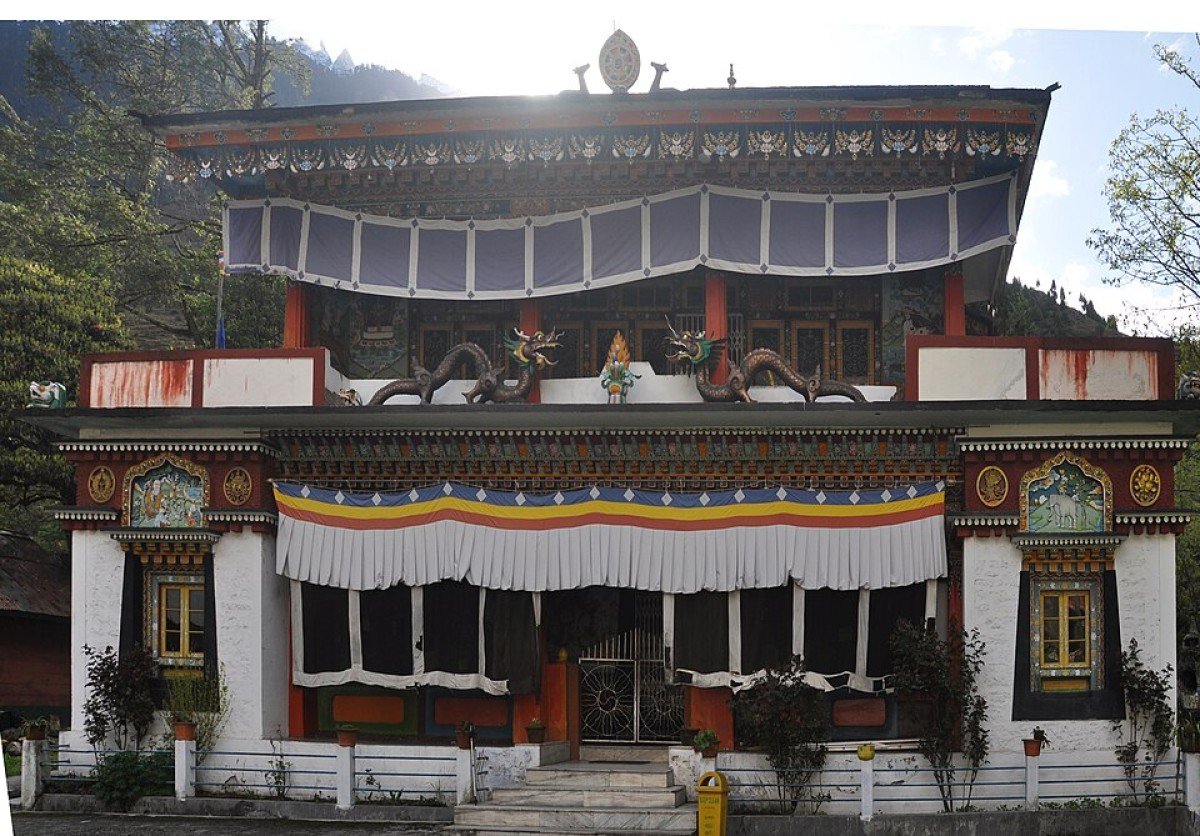
The Main Entrance Gateway: Capture the iconic gateway with the colorful twin-dragon figures on the roof against the bright blue sky.
View from the Courtyard Edge: The best panoramic landscape photo of the Lachung valley and the river gorge b...The Main Entrance Gateway: Capture the iconic gateway with the colorful twin-dragon figures on the roof against the bright blue sky.
View from the Courtyard Edge: The best panoramic landscape photo of the Lachung valley and the river gorge below can be taken from the railings of the monastery's courtyard.
The Fluttering Prayer Flags: Use the bright colors of the prayer flags (lungtas) strung across the courtyard as a vibrant foreground element to frame the distant mountains.
Detail Shots of Murals: Focus your lens on the intricate details of the exterior and interior wall paintings and the golden statues on the altar (usually with permission and without flash).Photo Gallery
Things To Do
-
Observing Monastery Rituals: Sit quietly in the main hall (Dukhang) during prayer time to witness the chanting of the Lamas and their daily rituals.
Turning Prayer Wheels: Walk clockwise around the main building, gently turning the large and small prayer wheels to symbolically generate merit and send prayers.
Meditation and Reflection: Use the quiet, serene atmosphere of the courtyard or the main hall for personal meditation or quiet reflection.
Viewing the Murals: Spend time studying the colorful and detailed murals and frescoes on the walls, often depicting the life of the Buddha and local deities.
Photography of Architecture: Capture the distinctive Tibetan architectural style, the colorful facade, and the dramatic backdrop of...Observing Monastery Rituals: Sit quietly in the main hall (Dukhang) during prayer time to witness the chanting of the Lamas and their daily rituals.
Turning Prayer Wheels: Walk clockwise around the main building, gently turning the large and small prayer wheels to symbolically generate merit and send prayers.
Meditation and Reflection: Use the quiet, serene atmosphere of the courtyard or the main hall for personal meditation or quiet reflection.
Viewing the Murals: Spend time studying the colorful and detailed murals and frescoes on the walls, often depicting the life of the Buddha and local deities.
Photography of Architecture: Capture the distinctive Tibetan architectural style, the colorful facade, and the dramatic backdrop of the mountains.
Interacting with Lamas: Politely greet the resident monks; some may be willing to share stories or discuss the monastery's history.
Enjoying the View: Use the monastery's high vantage point to take in the sweeping panoramic view of Lachung town and the river confluence below.
Information
-
Why Famous:
Ancient Heritage: Its fame is due to being one of the oldest and most significant Nyingma gompas in North Sikkim, a spiritual anchor for the local community for over a century.
Panoramic View: The monastery's hilltop location provides arguab...Ancient Heritage: Its fame is due to being one of the oldest and most significant Nyingma gompas in North Sikkim, a spiritual anchor for the local community for over a century.
Panoramic View: The monastery's hilltop location provides arguably the best viewpoint for the entire Lachung valley, which is a major draw for tourists and photographers.
Annual Chaam Dance: It is the venue for the highly colorful and sacred annual masked dance (Chaam), a major cultural event that draws devotees and cultural enthusiasts from afar.
Spiritual Solace: It is renowned for its tranquil atmosphere, offering a place of peace and meditation amidst the stunning Himalayan wilderness. -
Architecture:
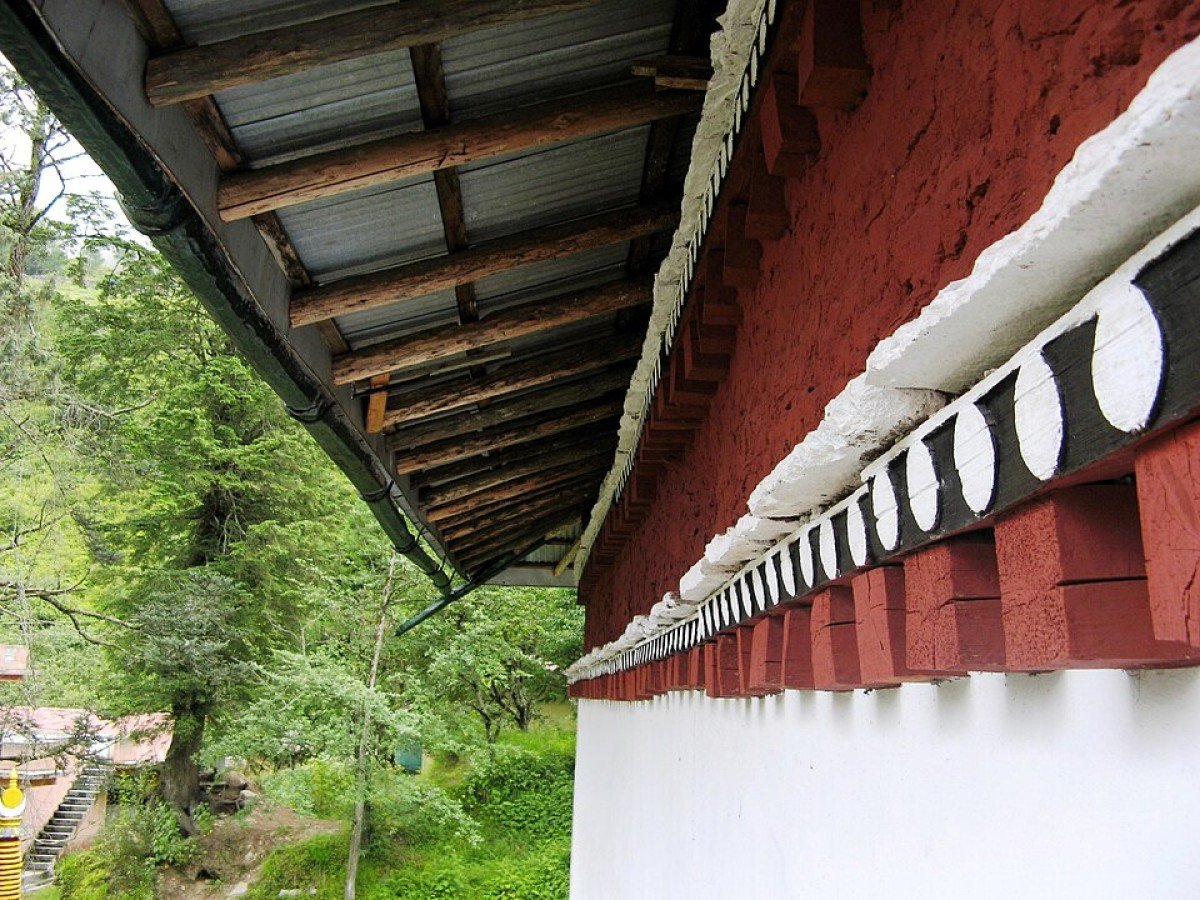
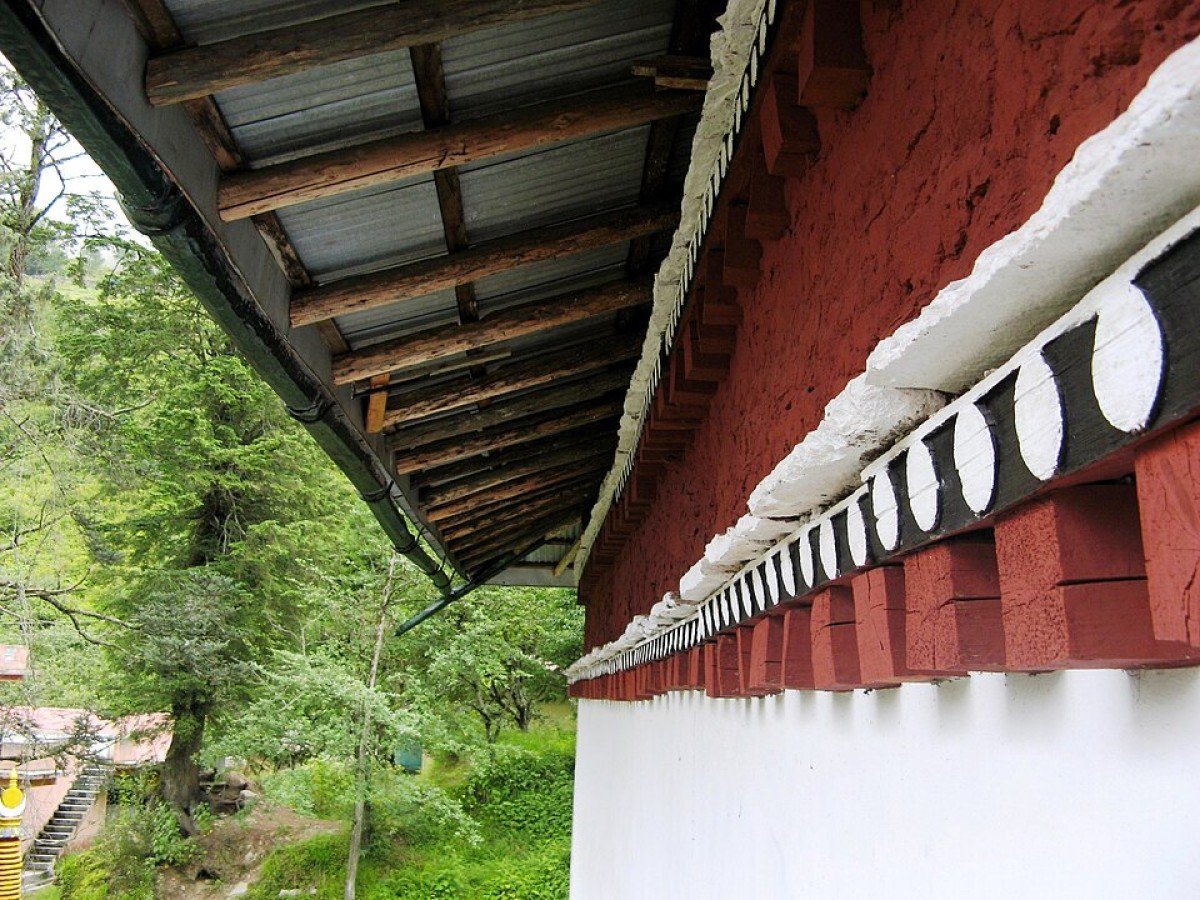
Classic Tibetan/Sikkimese Monastery Style: The structure is a beautiful example of traditional Tibetan monastic architecture, adapted to the steep Himalayan terrain. It is primarily a two-story building.
Dimension (Scale): Main Hall is typi...Classic Tibetan/Sikkimese Monastery Style: The structure is a beautiful example of traditional Tibetan monastic architecture, adapted to the steep Himalayan terrain. It is primarily a two-story building.
Dimension (Scale): Main Hall is typically a large, open square or rectangular space, approximately 20 meters×15 meters, supported by heavy wooden pillars.
Interior Decoration: The interiors feature richly painted wooden pillars and beams. The walls are covered in detailed murals. The altar (Lhakhang) holds statues of Guru Padmasambhava, Chenrezig (Avalokiteshvara), and the Buddha.
Exterior Features: The entrance is usually guarded by a gateway with two fierce-looking, colorful twin metal dragons mounted on the roof, symbolizing protection of the Dharma. The complex also includes small living quarters for the Lamas and a large courtyard for ceremonies. -
How To Reach:
By Air: Nearest is Bagdogra Airport (IXB) (approx. 222 KMS to Lachung). Taxi to Gangtok, then authorized vehicle to Lachung. From Lachung town center, the monastery is a 10 minute drive or a 30-minute uphill walk.
By Train: Nearest stati...By Air: Nearest is Bagdogra Airport (IXB) (approx. 222 KMS to Lachung). Taxi to Gangtok, then authorized vehicle to Lachung. From Lachung town center, the monastery is a 10 minute drive or a 30-minute uphill walk.
By Train: Nearest station is New Jalpaiguri (NJP) (approx. 217 KMS). Follow the same road route via Gangtok to Lachung.
By Road: The monastery is located about 2 KMS from the center of Lachung village. Most tourists drive up with their tour vehicle, but a scenic walk is also possible.
By Local Transport: The only local transport is hiring a local taxi from the Lachung main market area, or including it as a stop in your pre-booked tour vehicle. -
Weather and Best Time to Visit:
Spring (March - May): Ideal time. Clear weather, good views, and pleasant temperatures for the uphill walk.
Winter (Dec - Feb): Very cold and possibly snowy, but the festive atmosphere during the Chaam dance period is unique.Spring (March - May): Ideal time. Clear weather, good views, and pleasant temperatures for the uphill walk.
Winter (Dec - Feb): Very cold and possibly snowy, but the festive atmosphere during the Chaam dance period is unique.
Monsoon (July - September): Avoid due to unstable roads and obscured mountain views.
Different Parts of the Day: Morning is highly recommended for the prayers, but the late afternoon is also beautiful for the soft light on the wooden structures. -
Near Tourist Places:
Lachung (2 KMS), Lachung River Viewpoint (1. 5 KMS), Khedum Village (15 KMS), Khanda Waterfalls (20 KMS), Yumthang Valley (30 KMS), Shingba Rhododendron Sanctuary (27 KMS), Zero Point (53 KMS), Mount Katao (30 KMS), Chungthang (42 KMS), Phuentsho (12 KMS).
Tourism Tips
-
Health & Safety: Wear comfortable, non-slip shoes for the uphill walk and the steps within the complex.
Packing: Dress modestly (shoulders and legs covered) as a sign of respect for the religious site. Remove your hat before entering the ma...Health & Safety: Wear comfortable, non-slip shoes for the uphill walk and the steps within the complex.
Packing: Dress modestly (shoulders and legs covered) as a sign of respect for the religious site. Remove your hat before entering the main hall.
Etiquette: Walk clockwise around the monastery and prayer wheels. Do not point your feet towards the altar or the statues. Do not touch any ritual objects without permission.
Silence: Maintain silence or speak in low voices within the main hall and courtyard to respect the ongoing prayers and meditation.
Offering: It is customary to place a small offering (cash or a silk scarf/Khatag) on the main altar.
Reviews
FAQs
Lachung Itineray And Cost:-
Lachung Monastery Tourism:-
Other Places In Lachung :-
Other States In India :-
Information about New and Updated Locations() of Sikkim Has Been Added :-
Card subtitle
Note:-
Information provided here in good Faith and for reference only.
Near Places
Chopta Valley View Point
Some quick example text to build on the card title and make up the bulk of the card's content.
Go somewhere
Green Lake Trek Base
Some quick example text to build on the card title and make up the bulk of the card's content.
Go somewhere
Hot Springs
Some quick example text to build on the card title and make up the bulk of the card's content.
Go somewhere
Kala Patthar
Some quick example text to build on the card title and make up the bulk of the card's content.
Go somewhere
Katao - North Sikkim
Some quick example text to build on the card title and make up the bulk of the card's content.
Go somewhere
Khanda Waterfalls
Some quick example text to build on the card title and make up the bulk of the card's content.
Go somewhere
Khedum Village
Some quick example text to build on the card title and make up the bulk of the card's content.
Go somewhere
Lachung
Some quick example text to build on the card title and make up the bulk of the card's content.
Go somewhere
Lachung Monastery
Some quick example text to build on the card title and make up the bulk of the card's content.
Go somewhere
Lachung River Viewpoint
Some quick example text to build on the card title and make up the bulk of the card's content.
Go somewhere
Lachung Village
Some quick example text to build on the card title and make up the bulk of the card's content.
Go somewhere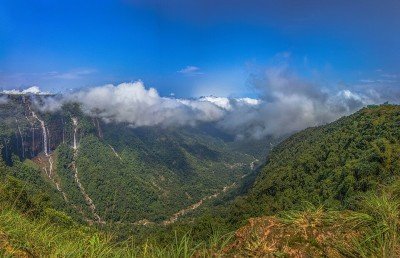
Seven Sisters Waterfall
Some quick example text to build on the card title and make up the bulk of the card's content.
Go somewhere
Shingba Rhododendron Sanctuary
Some quick example text to build on the card title and make up the bulk of the card's content.
Go somewhere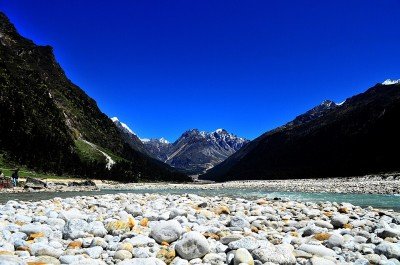
Yumthang Valley
Some quick example text to build on the card title and make up the bulk of the card's content.
Go somewhere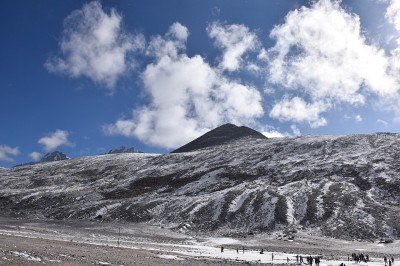
Zero Point
Some quick example text to build on the card title and make up the bulk of the card's content.
Go somewherein Other Cities