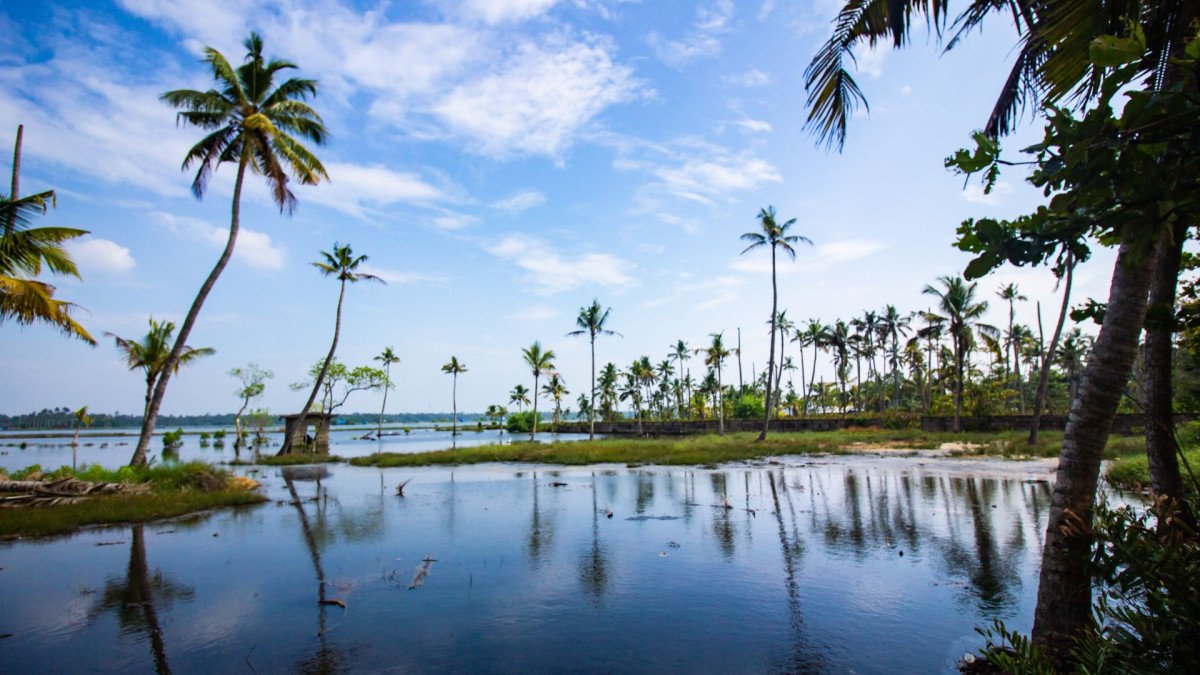
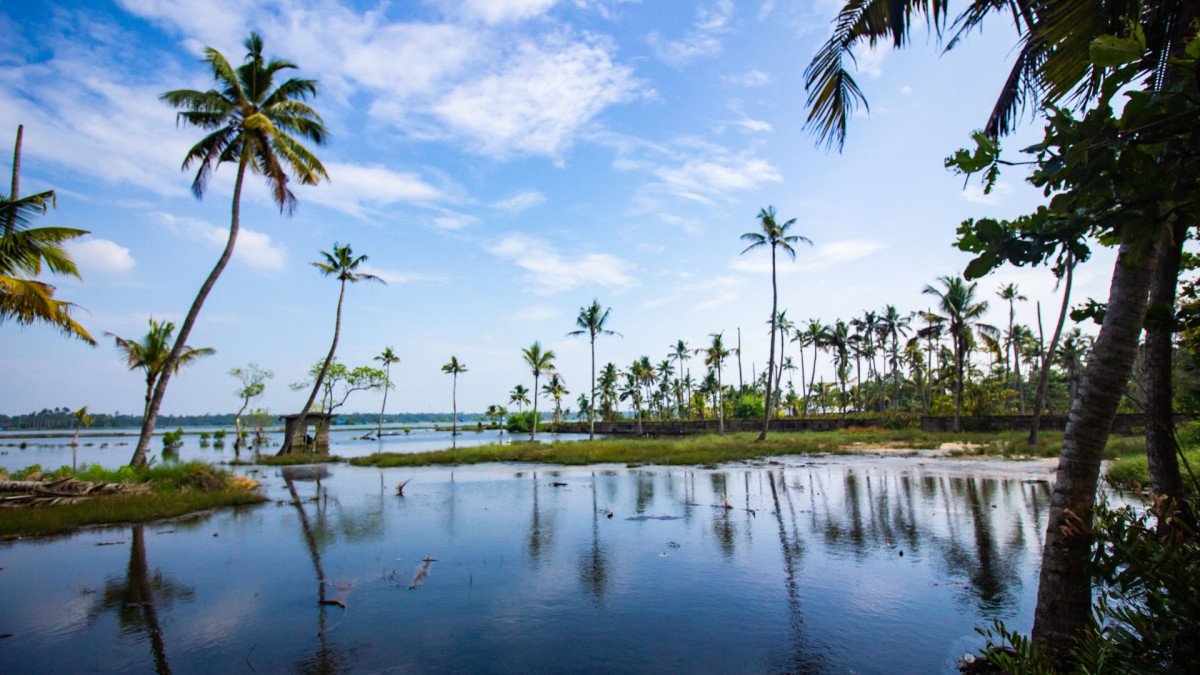
Lake Changjebok
General information
-
Ideal Duration:
2-3 hours (for leisure and picnic):Place Type:
Nature, Relaxation, Photography:Entry Fees:
Entry Fee: Generally, no formal entry fee is charged as it is a natural site managed by the local community. :
Road and Parking Fee: A nominal charge, possibly Rs.20 to Rs.50 per vehicle, might be levied by the nearest Village Council to maintain...Entry Fee: Generally, no formal entry fee is charged as it is a natural site managed by the local community. :
Road and Parking Fee: A nominal charge, possibly Rs.20 to Rs.50 per vehicle, might be levied by the nearest Village Council to maintain the approach road or a small parking area. :
Photography Fee: There are no specific charges for non-commercial photography, but highly professional or drone photography should secure prior permission from the local authorities out of respect. :Timing:
Regular Timings: The lake is a natural spot with no fixed gates or closing hours, allowing for visit at any time of day or night. :
Ideal Visit Time: Late Morning (9:00 AM to 12:00 PM) or Late Afternoon (3:00 PM to 5:00 PM) are ideal for the ...Regular Timings: The lake is a natural spot with no fixed gates or closing hours, allowing for visit at any time of day or night. :
Ideal Visit Time: Late Morning (9:00 AM to 12:00 PM) or Late Afternoon (3:00 PM to 5:00 PM) are ideal for the best light and for comfortable temperatures for picnics and photography. :
Visit Day: Weekdays are always better than weekends to avoid the few local visitors the lake might attract. :Special Events:
Village Harvest Feasts: Following the annual harvest, nearby villages like Kiyami might hold small, communal feasts where visitors, especially those staying in local homestays, may be invited to participate. :
Community Clean-up Drives: Occas...Village Harvest Feasts: Following the annual harvest, nearby villages like Kiyami might hold small, communal feasts where visitors, especially those staying in local homestays, may be invited to participate. :
Community Clean-up Drives: Occasionally, local student organizations or the Village Council organize voluntary clean-up drives to maintain the lake's pristine condition, which visitors can join to contribute to sustainable tourism. :Best Photo Spots:
Still Water Reflections: The surface of the lake when the water is absolutely still, perfectly mirroring the sky and surrounding trees, is the primary photo spot. :
The Forest Framed Shot: A shot of the lake taken from within the surrounding ...Still Water Reflections: The surface of the lake when the water is absolutely still, perfectly mirroring the sky and surrounding trees, is the primary photo spot. :
The Forest Framed Shot: A shot of the lake taken from within the surrounding forest, using the trees and leaves as a natural frame for the tranquil water body. :
Mist Over the Lake: Early morning shots when a thin layer of mist is often seen rising from the water, creating a mystical, ethereal ambiance. :
Picnic Spot View: A wide-angle shot capturing the entire basin from one of the elevated banks. :Photo Gallery
Things To Do
-
Leisure and Reflection: Simply sit on the banks, enjoy the profound silence, and reflect amidst the peaceful natural surroundings. :
Picnicking: Carry packed food and drinks to enjoy a refreshing picnic on the grassy slopes surrounding the lake, ensuring all waste is carried back. :
Nature and Landscape Photography: Capture the reflections of the sky and the surrounding hills in the clear lake water, especially during the early morning or late afternoon light. :
Short Nature Walks: Explore the short, unofficial trails leading a little way into the surrounding forest to appreciate the dense sub-tropical vegetation. :
Sketching and Painting: The serene and picturesque setting is ideal for artists looking to capture the beauty of Nagala...Leisure and Reflection: Simply sit on the banks, enjoy the profound silence, and reflect amidst the peaceful natural surroundings. :
Picnicking: Carry packed food and drinks to enjoy a refreshing picnic on the grassy slopes surrounding the lake, ensuring all waste is carried back. :
Nature and Landscape Photography: Capture the reflections of the sky and the surrounding hills in the clear lake water, especially during the early morning or late afternoon light. :
Short Nature Walks: Explore the short, unofficial trails leading a little way into the surrounding forest to appreciate the dense sub-tropical vegetation. :
Sketching and Painting: The serene and picturesque setting is ideal for artists looking to capture the beauty of Nagaland's wilderness on canvas. :
Local Interaction: If possible, respectfully interact with any local villagers from Kiyami or nearby who might be visiting, to learn about the lake's cultural significance and history. :
Star Gazing: For those camping nearby (with permission), the remote location offers an excellent opportunity for unpolluted and clear star gazing. :
Information
-
Why Famous:
Tranquility and Seclusion: It is famous for its profound tranquility and secluded nature, being far less visited and commercialized than other lakes in Nagaland. :
Picnic Spot: The natural grassy banks provide an ideal and refreshing spot for...Tranquility and Seclusion: It is famous for its profound tranquility and secluded nature, being far less visited and commercialized than other lakes in Nagaland. :
Picnic Spot: The natural grassy banks provide an ideal and refreshing spot for picnics, surrounded by greenery and silence, a rarity in modern travel. :
Untouched Ecosystem: The lake and its immediate surroundings are a model of a relatively untouched mountain ecosystem, offering clear, clean water and a thriving micro-environment for local flora and fauna. : -
Architecture:
Natural Architecture: The lake's architecture is defined by its ovoid or elongated basin shape, naturally contained by the surrounding hillsides. :
Dimension of Nature: The lake is estimated to be modest in size, perhaps spanning an area of a...Natural Architecture: The lake's architecture is defined by its ovoid or elongated basin shape, naturally contained by the surrounding hillsides. :
Dimension of Nature: The lake is estimated to be modest in size, perhaps spanning an area of approximately 0. 5 to 1 square kilometer, with depth varying significantly but remaining relatively shallow near the edges, gradually deepening in the center. :
Surrounding Vegetation: The immediate perimeter is naturally manicured by forest growth, including indigenous trees and shrubs that grow right up to the water's edge. There is no artificial embankment or concrete structure, maintaining its raw, natural form. :
Absence of Development: The key architectural feature is the absence of large-scale human development—no resorts, major boat docks, or excessive man-made structures—preserving its pristine character. : -
How To Reach:
By Road: The only feasible way to reach Lake Changjebok from Meluri is by hiring a local taxi or jeep. The journey takes approximately 1. 5 to 2 hours due to the rough, unpaved hill roads. Public transport does not run directly to this remote location. :
Read MoreBy Road: The only feasible way to reach Lake Changjebok from Meluri is by hiring a local taxi or jeep. The journey takes approximately 1. 5 to 2 hours due to the rough, unpaved hill roads. Public transport does not run directly to this remote location. :
Foot Trail: From the nearest main road, there is often a short, picturesque foot trail leading down to the lake itself, which can take about 20-30 minutes to traverse. :
Private Vehicle: Traveling by private or rented 4x4 vehicles is the most comfortable option, but be prepared for challenging driving conditions, especially during the rains. :
Local Assistance: It is highly advisable to seek directions and guidance from a local in Meluri Town Centre or Kiyami Village before attempting the drive, as signage is minimal. :Weather and Best Time to Visit:
Season - Post-Monsoon (September to November): This is the Best Time to Visit as the surrounding hills are lush, the weather is pleasant, and the sky is often clear. :
Season - Winter (December to February): The weather is very cold but provi...Season - Post-Monsoon (September to November): This is the Best Time to Visit as the surrounding hills are lush, the weather is pleasant, and the sky is often clear. :
Season - Winter (December to February): The weather is very cold but provides crisp, clear views and still water for perfect reflections. :
Part of the Day - Mid-day: The hours around Mid-day (11:00 AM to 3:00 PM) are suitable for leisurely picnics when the sun provides warmth. :
Part of the Day - Morning/Evening: The surrounding forests are exceptionally beautiful in the Early Morning and Late Afternoon light. :Near Tourist Places:
Meluri View Point (30 KMS) Tizu River Angling Spot (25 KMS) Meluri Cultural Hall (35 KMS) Pochury Traditional Market (35 KMS) Meluri Village Walks (40 KMS) Shilloi Lake (50 KMS) Avakhung Trade Centre (50 KMS) Phek Town (125 KMS) Wazeho Salt Spring (40 KMS) Zanibu Peak Trekking Route (40 KMS)Tourism Tips
-
Health & safety: Be mindful of the remote location; there is no immediate medical help. Carry basic first aid. Drive cautiously on the narrow, winding hill roads. :
Environmental Responsibility: DO NOT LITTER. Carry a separate bag for all...Health & safety: Be mindful of the remote location; there is no immediate medical help. Carry basic first aid. Drive cautiously on the narrow, winding hill roads. :
Environmental Responsibility: DO NOT LITTER. Carry a separate bag for all your trash and take it back to Meluri Town Centre for disposal to protect the pristine environment. :
Photography Ethics: Be mindful of your presence; maintain silence to respect the tranquility and avoid disturbing the local ecosystem. :
Local Guide: Though not mandatory, hiring a local from Kiyami Village to guide you and share local knowledge is highly recommended. :
Reviews
FAQs
Meluri Itineray And Cost:-
Other Places In Meluri :-
Other States In India :-
Information about New and Updated Locations() of Nagaland Has Been Added :-
Card subtitle
Note:-
Information provided here in good Faith and for reference only.
Near Places

Fakim Wildlife Sanctuary
Some quick example text to build on the card title and make up the bulk of the card's content.
Go somewhere
Green Landscape of Meluri
Some quick example text to build on the card title and make up the bulk of the card's content.
Go somewhere
Kewhira Village
Some quick example text to build on the card title and make up the bulk of the card's content.
Go somewhere
Khezhakeno Village
Some quick example text to build on the card title and make up the bulk of the card's content.
Go somewhere
Lake Changjebok
Some quick example text to build on the card title and make up the bulk of the card's content.
Go somewhere
Leshemi Village
Some quick example text to build on the card title and make up the bulk of the card's content.
Go somewhere
Meluri Baptist Church
Some quick example text to build on the card title and make up the bulk of the card's content.
Go somewhere
Meluri Cultural Hall
Some quick example text to build on the card title and make up the bulk of the card's content.
Go somewhere
Meluri Town Centre
Some quick example text to build on the card title and make up the bulk of the card's content.
Go somewhere
Meluri View Point
Some quick example text to build on the card title and make up the bulk of the card's content.
Go somewhere
Mount Saramati
Some quick example text to build on the card title and make up the bulk of the card's content.
Go somewhere
Pokhungri Peak
Some quick example text to build on the card title and make up the bulk of the card's content.
Go somewhere
Satoi Range Wildlife Sanctuary
Some quick example text to build on the card title and make up the bulk of the card's content.
Go somewhere
Tizu River Angling Spot
Some quick example text to build on the card title and make up the bulk of the card's content.
Go somewhere
Tizu River Experience
Some quick example text to build on the card title and make up the bulk of the card's content.
Go somewherein Other Cities