

Lawalang Wildlife Sanctuary
General information
-
Ideal Duration:
5 to 7 HoursPlace Type:
Wildlife SanctuaryEntry Fees:
Standard Entry: The entry fee for Indian nationals is approximately Rs.50 per person. This amount goes toward the maintenance of the forest trails and protection of the animals.
Vehicle Charges: If you are bringing a private vehicle, a separ...Standard Entry: The entry fee for Indian nationals is approximately Rs.50 per person. This amount goes toward the maintenance of the forest trails and protection of the animals.
Vehicle Charges: If you are bringing a private vehicle, a separate fee of Rs.200 is usually charged. This ensures that only regulated numbers of vehicles enter the sensitive zones.
Camera Fees: For professional photography, a fee of Rs.500 might be applicable. However, casual mobile photography is generally free for all visitors.
:Timing:
Regular Timings: The sanctuary is open from 6:00 AM to 5:00 PM daily. Visitors are strictly prohibited from staying inside the core area after sunset for safety reasons.
Ideal Visit Time: The best time to enter is at 6:30 AM for wildlife s...Regular Timings: The sanctuary is open from 6:00 AM to 5:00 PM daily. Visitors are strictly prohibited from staying inside the core area after sunset for safety reasons.
Ideal Visit Time: The best time to enter is at 6:30 AM for wildlife sightings. Afternoon visits around 3:00 PM are also good for birdwatching before the sanctuary closes for the day.
:Special Events:
World Wildlife Day: Every March 3rd, special awareness programs are held by the forest department. This involves educational tours for local school children and conservation talks.
Van Mahotsav: Celebrated in the first week of July, this e...World Wildlife Day: Every March 3rd, special awareness programs are held by the forest department. This involves educational tours for local school children and conservation talks.
Van Mahotsav: Celebrated in the first week of July, this event focuses on tree plantation. Locals and forest officials gather to plant saplings and celebrate the arrival of the monsoon.
:Best Photo Spots:
The Main Entrance Gate: A classic spot to start your photo diary with the sanctuary's signage. The rustic wooden gate against the green backdrop is very photogenic.
River Crossing Points: The areas where the road crosses the Lilajan or Ama...The Main Entrance Gate: A classic spot to start your photo diary with the sanctuary's signage. The rustic wooden gate against the green backdrop is very photogenic.
River Crossing Points: The areas where the road crosses the Lilajan or Amanat rivers offer panoramic views. These spots are perfect for wide-angle landscape shots during the golden hour.
Dense Sal Groves: Deep inside the sanctuary, the tall, straight Sal trees create a rhythmic pattern. This is an ideal spot for artistic vertical shots and playing with shadows.
:Photo Gallery
Things To Do
-
Wildlife Safari: The most popular activity is a jeep safari through the designated forest tracks. You can see Deer, Wild Boars, and if lucky, a Leopard.
Bird Watching: Spend your morning near the riverbanks with binoculars. You can identify over 100 species of birds including Kingfishers and Woodpeckers.
Trekking: There are guided trekking paths for adventure seekers. These treks offer a closer look at the diverse flora and medicinal plants found in the region.
Nature Photography: Capture the majestic Sal forests and the play of light through the canopy. The diverse wildlife provides endless opportunities for macro and landscape photography.
Riverside Picnic: Pack a meal and sit by the Amanat River. The sound of flowing wat...Wildlife Safari: The most popular activity is a jeep safari through the designated forest tracks. You can see Deer, Wild Boars, and if lucky, a Leopard.
Bird Watching: Spend your morning near the riverbanks with binoculars. You can identify over 100 species of birds including Kingfishers and Woodpeckers.
Trekking: There are guided trekking paths for adventure seekers. These treks offer a closer look at the diverse flora and medicinal plants found in the region.
Nature Photography: Capture the majestic Sal forests and the play of light through the canopy. The diverse wildlife provides endless opportunities for macro and landscape photography.
Riverside Picnic: Pack a meal and sit by the Amanat River. The sound of flowing water and chirping birds makes for a perfect family relaxing time.
Botanical Study: Students and researchers can study the unique deciduous ecosystem. The sanctuary hosts many rare herbs used in traditional tribal medicine.
Visit Lawalong Village: Interact with the local community to understand their relationship with the forest. It is a great way to learn about the local culture and traditions.
:
Information
-
Why Famous:
Biodiversity Hotspot: The sanctuary is famous for being a major habitat for Indian Elephants. It serves as a critical migratory corridor for these giants moving across the plateau.
Historical Shikar Ground: It holds fame for its historical...Biodiversity Hotspot: The sanctuary is famous for being a major habitat for Indian Elephants. It serves as a critical migratory corridor for these giants moving across the plateau.
Historical Shikar Ground: It holds fame for its historical association with the Kunda Estate. The area was legendary for "Shikars" or big game hunts before it was protected in 1978.
Exotic Avifauna: Birdwatchers frequent the spot for rare sightings of the Serpent Eagle and Hornbills. It is one of the few places in Jharkhand where such diverse avian life is easily accessible.
: -
Architecture:
Natural Landscape and Forest Structure: The architecture of this sanctuary is purely natural, defined by its rugged topography and dense canopy. The forest is classified as Northern Tropical Dry Deciduous, with the Sal tree (Shorea robusta) acting as the primary structural...Natural Landscape and Forest Structure: The architecture of this sanctuary is purely natural, defined by its rugged topography and dense canopy. The forest is classified as Northern Tropical Dry Deciduous, with the Sal tree (Shorea robusta) acting as the primary structural element. The canopy reaches heights of 20 to 30 meters.
Riverine Boundaries: The sanctuary is architecturally bounded by three major rivers: Amanat, Chako, and Lilajan. These rivers create natural moats and watering holes that dictate the movement of wildlife. The dimensions of the protected area span approximately 207 sq km.
Forest Rest House: There is a colonial-style Forest Rest House in Lawalong village. It features high ceilings and thick stone walls designed to keep the interiors cool during harsh summers. The rest house covers an area of about 5,000 square feet including the compound.
: -
How To Reach:
By Air: The nearest airport is Birsa Munda Airport in Ranchi, located 145 km away. Alternatively, Gaya International Airport in Bihar is about 100 km from the sanctuary.
By Train: The closest major railway station is Tori, situated about 6...By Air: The nearest airport is Birsa Munda Airport in Ranchi, located 145 km away. Alternatively, Gaya International Airport in Bihar is about 100 km from the sanctuary.
By Train: The closest major railway station is Tori, situated about 66 km from Lawalong. Another option is Daltonganj Station, which is approximately 50 km away.
By Road: Chatra is well-connected by road to Ranchi and Hazaribagh. The Gaya-Ranchi National Highway (NH 22) passes near the eastern fringe of the sanctuary.
By Local Transport: From Chatra town, you can hire private taxis or take local buses heading toward Simaria or Kunda. Auto-rickshaws are available for shorter distances from nearby villages.
: -
Weather and Best Time to Visit:
Winter Season: From October to March is the peak season for tourists. The weather is pleasant with temperatures ranging from 10°C to 25°C, making it ideal for safaris.
Monsoon Season: During July to September, the forest turns lush green...Winter Season: From October to March is the peak season for tourists. The weather is pleasant with temperatures ranging from 10°C to 25°C, making it ideal for safaris.
Monsoon Season: During July to September, the forest turns lush green. However, many internal tracks might be closed due to rain, making it less suitable for deep forest exploration.
Spring Season: February and March are beautiful when the Palash and Mahua trees bloom. The forest is filled with vibrant colors and the sweet scent of forest flowers.
: -
Near Tourist Places:
Kunda Fort (25 km), Bhadrakali Temple (40 km), Kolhua Hill (45 km), Tamasin Waterfall (30 km), Maloodah Waterfall (38 km), Gua Waterfall (42 km), Dumer Sumer (48 km), Keridah Falls (35 km), Bichkiliya (30 km), Khaya Banaroo (40 km)
Tourism Tips
-
Health and Safety: Always carry a basic first-aid kit and insect repellent. It is advisable to stay with your guide and never venture into the deep forest alone.
Packing Essentials: Wear earthy-colored clothes to blend in with nature. Car...Health and Safety: Always carry a basic first-aid kit and insect repellent. It is advisable to stay with your guide and never venture into the deep forest alone.
Packing Essentials: Wear earthy-colored clothes to blend in with nature. Carry enough drinking water and some light snacks as there are no shops inside the sanctuary.
Accommodation: Stay at the Forest Rest House in Lawalong for an authentic experience. Alternatively, there are budget hotels available in Chatra city for a more comfortable stay.
Cash and Connectivity: Carry enough cash as ATMs are only available in Chatra or Simaria. Mobile connectivity is patchy inside the forest, and Wi-Fi is generally unavailable.
:
Reviews
FAQs
Chatra Itineray And Cost:-
Lawalang Wildlife Sanctuary Tourism:-
Information about New and Updated Locations() of Jharkhand Has Been Added :-
Card subtitle
Note:-
Information provided here in good Faith and for reference only.
All information and pictures will be updated soon, please keep visiting.
Near Places
Balthar Falls
Some quick example text to build on the card title and make up the bulk of the card's content.
Go somewhere
Balu Math Shiva Temple
Some quick example text to build on the card title and make up the bulk of the card's content.
Go somewhere
Barura Sharif
Some quick example text to build on the card title and make up the bulk of the card's content.
Go somewhere
Bichkiliya Water Reservoir
Some quick example text to build on the card title and make up the bulk of the card's content.
Go somewhere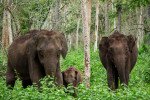
Chatra Forest Reserve
Some quick example text to build on the card title and make up the bulk of the card's content.
Go somewhere
Chatra Jama Masjid
Some quick example text to build on the card title and make up the bulk of the card's content.
Go somewhere
Chatra Lake
Some quick example text to build on the card title and make up the bulk of the card's content.
Go somewhere
Chatra Museum
Some quick example text to build on the card title and make up the bulk of the card's content.
Go somewhere
Duari Waterfall
Some quick example text to build on the card title and make up the bulk of the card's content.
Go somewhere
Dumer Sumer Waterfall
Some quick example text to build on the card title and make up the bulk of the card's content.
Go somewherein Other Cities