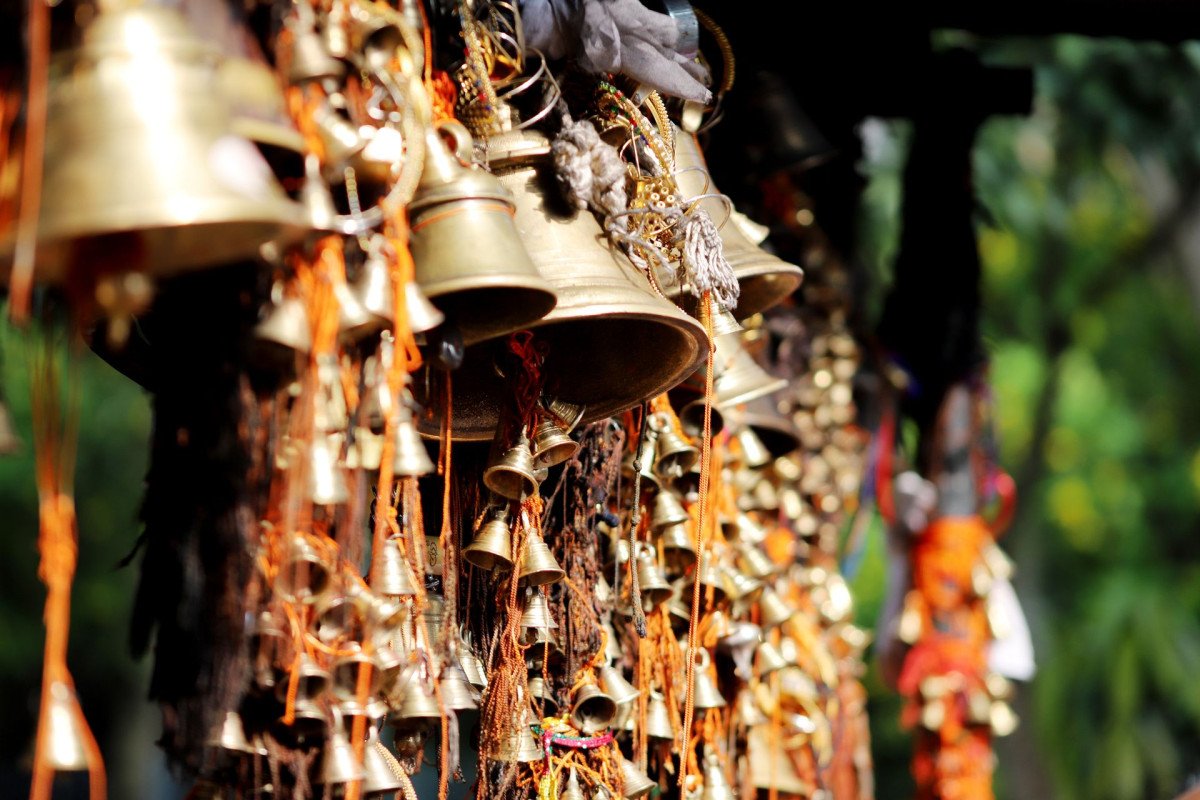
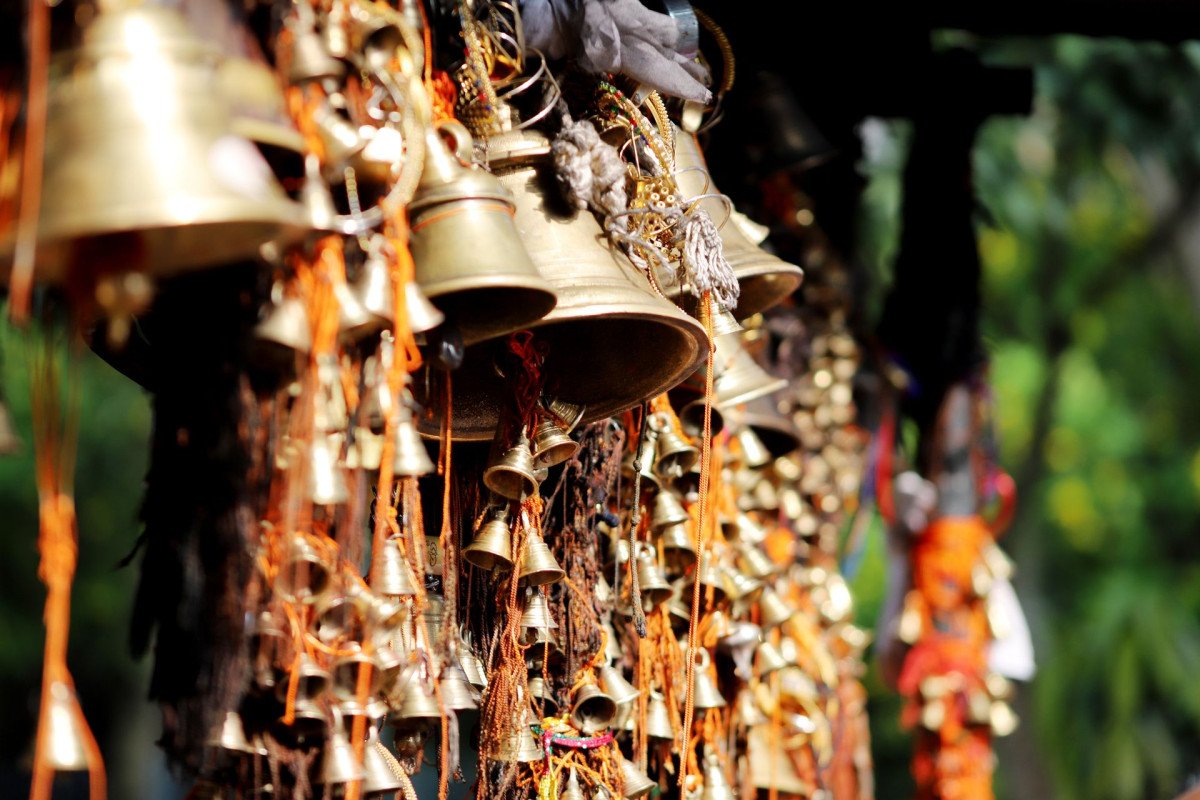
Laxmi Narayan Temple Complex
General information
-
Ideal Duration:
1-2 Hours:Place Type:
Ancient Pilgrimage Site:Entry Fees:
Pilgrim Respect and Modesty:
No Entry Fee: As a major, active Hindu temple complex, there is generally no entry fee for pilgrims or tourists to visit the shrines and the courtyard. The space is maintained through donations.
Read MorePilgrim Respect and Modesty:
No Entry Fee: As a major, active Hindu temple complex, there is generally no entry fee for pilgrims or tourists to visit the shrines and the courtyard. The space is maintained through donations.
Donations for Upkeep: Visitors are encouraged to make a voluntary contribution or donation (Dakshina) towards the maintenance of the complex and the daily rituals.
Pooja/Ritual Costs: If you wish to perform a specific ritual or 'puja' with the help of a priest (e. g. , a special offering or a prayer for the family), there will be a cost associated with the material (prasad, flowers, ghee) and a small fee for the priest's service.
Dress Code Enforcement: While no one will be strictly turned away, modesty is very important. There are no fees for wearing appropriate clothing, but visitors should cover their legs and shoulders out of respect.
Commercial Photography/Filming: As with other historical sites, commercial filming or professional photo shoots require prior permission from the temple trust or the local administration, and a fee would apply.
Shoe/Luggage Deposit: There is often a small, nominal fee or voluntary contribution for the safe-keeping of your shoes and bags at the entrance, as leather items are usually not permitted inside the inner sanctum.Timing:
Morning and Evening Darshan:The temple's timings revolve around the daily Hindu rituals (Aarti and Darshan).
Regular Timings: The complex is generally open for visitors in two main slots: Morning Timing is typically from 6:00 AM to 12:30 PM....Morning and Evening Darshan:The temple's timings revolve around the daily Hindu rituals (Aarti and Darshan).
Regular Timings: The complex is generally open for visitors in two main slots: Morning Timing is typically from 6:00 AM to 12:30 PM. Evening Timing is usually from 2:30 PM to 8:30 PM (or until the final Aarti is complete).
Midday Closure: The temple closes for a break (Bhog) in the early afternoon (12:30 PM to 2:30 PM), so plan your visit outside this window.
Ideal Visit Time: The best time for a spiritual experience is during the Aarti ceremonies (Morning and Evening). For photography and detailed observation of the architecture, the quietest time is right after the morning opening (7:00 AM to 9:00 AM).
Festivals: During major festivals like Janmashtami or Shivaratri, the temple remains open much later, sometimes throughout the night, with crowds peaking in the late evening. Always be respectful of the crowd flow, especially during the peak evening Darshan time.Special Events:
Shri Krishna Janmashtami Celebration:The complex, dedicated to Lord Vishnu and his incarnations, hosts the most significant religious festivals in Chamba.
Janmashtami: The festival celebrating the birth of Lord Krishna (an avatar of Vishnu) ...Shri Krishna Janmashtami Celebration:The complex, dedicated to Lord Vishnu and his incarnations, hosts the most significant religious festivals in Chamba.
Janmashtami: The festival celebrating the birth of Lord Krishna (an avatar of Vishnu) in the month of August or September is the most vibrant event here. It involves elaborate decorations, night-long vigil (Jagran), special aartis, and devotional singing (bhajans).
Deepavali (Diwali): The Festival of Lights sees the entire complex illuminated with hundreds of traditional oil lamps (diyas), creating a spectacular, spiritual glow that is a major draw for photographers and devotees.
The Minjar Fair Procession: The image of the main deity, Lord Raghuvira (a form of Vishnu), is traditionally brought out of the temple complex in a majestic procession during the Minjar Fair (July-August) and taken to the Chaugan.
Holi: The festival of colors is celebrated with religious fervor, though the use of colors is restricted to the courtyard and outside.
Shivaratri: The temples dedicated to Lord Shiva within the complex, especially the Chandergupta Temple, are the main hubs for the Shivaratri festival in February or March, marked by special rituals and fasting.Best Photo Spots:
The Gilded Pinnacles and Wooden Roofs:The blend of different textures and the light in the courtyard provide the best photo spots.
Framing the Shikhara and Chhatri: The most iconic photo is a medium shot of the main temple's Shikhara, making...The Gilded Pinnacles and Wooden Roofs:The blend of different textures and the light in the courtyard provide the best photo spots.
Framing the Shikhara and Chhatri: The most iconic photo is a medium shot of the main temple's Shikhara, making sure to capture the unique, protective wooden Chhatri on top against the blue sky. The interplay of stone and wood is the key highlight.
Courtyard Perspectives: Use the low boundary walls and the surrounding temples as foreground elements to frame the main Laxmi Narayan shrine, giving a sense of the complex's spatial arrangement.
Morning Light on Stone: Early morning light (around 7:00 AM to 9:00 AM) is perfect for capturing the intricate stone carvings on the temple walls, as the low angle of the sun brings out the texture and depth of the sculpture work.
The Deity in the Garbhagriha: While photography of the main idol may be restricted, candid shots of the devotees praying or the priest performing rituals (with permission) in the dim light of the sanctum offer an atmospheric, spiritual photo opportunity.
The Garuda Pillar: A photo focusing on the metallic Garuda atop the pillar at the complex's entrance, framed against the temple towers, is an important shot for its historical and iconographic value.
Illumination during Festivals: The absolute best time for atmospheric photography is during Diwali or Janmashtami, when the entire complex is dramatically lit up with traditional oil lamps.Photo Gallery
Things To Do
-
Witness the Daily Aarti Ceremony:Try to visit during the morning (Mangla Aarti) or evening (Sandhya Aarti) ceremony. The devotional singing, the ringing of the bells, and the spiritual energy are the best way to experience the temple's true essence.
Circumambulate the Shrines:Perform a Parikrama (circumambulation) of the six major temples in the complex. Take time to study the subtle differences in the architectural styles and the unique stone carvings of each shrine.
Pray at the Main Laxmi Narayan Shrine:Offer prayers or a quiet moment of devotion at the main shrine. The atmosphere is solemn and spiritual, conducive to meditation. Notice the rare marble idol of the deity.
Observe the Wooden Roofs:Stand back and look up at the wooden 'chhatri' atop the main S...Witness the Daily Aarti Ceremony:Try to visit during the morning (Mangla Aarti) or evening (Sandhya Aarti) ceremony. The devotional singing, the ringing of the bells, and the spiritual energy are the best way to experience the temple's true essence.
Circumambulate the Shrines:Perform a Parikrama (circumambulation) of the six major temples in the complex. Take time to study the subtle differences in the architectural styles and the unique stone carvings of each shrine.
Pray at the Main Laxmi Narayan Shrine:Offer prayers or a quiet moment of devotion at the main shrine. The atmosphere is solemn and spiritual, conducive to meditation. Notice the rare marble idol of the deity.
Observe the Wooden Roofs:Stand back and look up at the wooden 'chhatri' atop the main Shikhara. Appreciate this unique piece of Himalayan architecture designed to protect the structure from heavy snow.
Study the Garuda Pillar:Examine the pillar at the entrance, which bears the metallic image of Garuda (Lord Vishnu's vehicle). This element was added by Raja Balabhadra Verma and is a significant piece of temple iconography.
Visit the Nearby Hari Rai Temple:The famous Hari Rai Temple (dedicated to a bronze Chaturmurti Vishnu idol) is a very short walk from the complex. Combining the two visits is essential for a complete view of Chamba's primary religious architecture.
Talk to the Priest/Pandit:If the priests are not busy, engage in a polite conversation with them to learn about the legends and daily rituals associated with the temple, gaining local, oral history.
Sit in the Courtyard:Find a quiet spot in the temple courtyard. This peaceful space is ideal for resting your feet and observing the flow of pilgrims and the traditional design of the complex.
Information
-
Why Famous:
Shikhara Temples and Royal Continuity:It is famous for being the most sacred and oldest temple complex in Chamba town.
Historical Antiquity: It was founded by Raja Sahil Varman in the 10th Century A. D. , marking it as one of the few places ...Shikhara Temples and Royal Continuity:It is famous for being the most sacred and oldest temple complex in Chamba town.
Historical Antiquity: It was founded by Raja Sahil Varman in the 10th Century A. D. , marking it as one of the few places of worship that has been in continuous use for over a thousand years.
Architectural Style: Its fame is also due to its distinct architecture—the blend of the stone Shikhara style with the unique wooden 'chhatri' or wheel-roof atop, which is a rare sight in North Indian temples and a symbol of Chamba's specific art form.
The Six Temples: The presence of six major temples (three for Vishnu, three for Shiva) within one complex makes it a unique theological site, symbolizing the harmony between the two major Hindu sects (Vaishnavism and Shaivism).
The Marble Idol: The main deity, Laxmi Narayan, is carved from rare Vindhyachal marble, which has a compelling legend associated with it, involving the sacrifice of the Raja's sons to acquire the stone.
Spiritual Center: As the reigning deity's seat, it is the center for all major religious festivals, including the procession during the Minjar Fair. The complex serves as the spiritual and religious focal point of the entire region.
Royal Association: Every Raja who ruled Chamba contributed to the complex's embellishment, making it a living monument to the royal history of the state. -
Architecture:
The Kashmiri-Pahari Shikhara Style:The architecture is a magnificent example of the classic North Indian Shikhara (temple tower) style, heavily influenced by the art of the neighboring Kashmir region.
Architectural Style: The temples are bui...The Kashmiri-Pahari Shikhara Style:The architecture is a magnificent example of the classic North Indian Shikhara (temple tower) style, heavily influenced by the art of the neighboring Kashmir region.
Architectural Style: The temples are built in the Shikhara style, characterized by a tall, rising tower. They are unicellular, consisting of a Garbhagriha (sanctum sanctorum) and a small Antaralaya (vestibule).
Unique Feature:
Wooden Chhatries: A unique and crucial architectural adaptation is the use of a wooden, multi-tiered 'chhatri' (umbrella or canopy-like roof) atop the main stone Shikhara. This wooden structure was added to protect the stone temple from the heavy snowfall and harsh climate of the region, a brilliant local engineering solution.
Dimensions and Layout: The main Laxmi Narayan Temple is the largest, though precise dimensions are unavailable. The complex is laid out as an enclosure, with the six temples strategically positioned. The overall complex area might span over 5000 square meters.
Material and Craftsmanship: Built entirely of stone masonry, the temples feature intricate stone carvings on the walls and the Shikhara. The main idol of Laxmi Narayan is carved from marble. The presence of fluted pillars in some of the older structures shows a strong early Kashmiri influence.
Later Additions: The later temples, like the Radha Krishna Temple, show a slightly more refined and later Pahari style, adding to the architectural evolution visible within the complex. A metallic image of Garuda (Lord Vishnu's vehicle) is perched atop a pillar at the main gate. -
How To Reach:
The Walk from the Center:The temple is in the heart of the old town, easily reachable by walking.
By Air: Nearest is Gaggal Airport (Dharamshala - 170 KMS). From there, take a taxi or pre-booked cab to Chamba town. The temple is in the cen...The Walk from the Center:The temple is in the heart of the old town, easily reachable by walking.
By Air: Nearest is Gaggal Airport (Dharamshala - 170 KMS). From there, take a taxi or pre-booked cab to Chamba town. The temple is in the center.
By Train: Nearest railhead is Pathankot Railway Station (120 KMS). From Pathankot, take a taxi or an HRTC bus to Chamba Bus Stand.
By Road: Chamba is connected to Dalhousie (50 KMS). The temple complex is located right at the start of the old town, close to the main Chaugan field.
By Local Transport: The complex is just a 5-minute walk (0. 5 KMS) from the main Chaugan ground. It is situated behind the Akhand Chandi Palace and the Post Office area. You can walk from the bus stand, the Chaugan, or take a very short auto-rickshaw ride to the nearest drop-off point, as the narrow old town lanes around the temple are often pedestrianized or too narrow for large vehicles. Walking is the most convenient way to explore this historical heart of Chamba. Look for the distinctive stone Shikhara towers rising above the buildings. -
Weather and Best Time to Visit:
Contemplation in Autumn:The experience varies greatly with the season, but the weather is key to comfort.
Autumn (October-November): This is the most ideal time. The skies are clear for excellent temple photography, the weather is cool and ...Contemplation in Autumn:The experience varies greatly with the season, but the weather is key to comfort.
Autumn (October-November): This is the most ideal time. The skies are clear for excellent temple photography, the weather is cool and pleasant (10°C to 20°C), and the atmosphere is tranquil for spiritual contemplation.
Summer (April to June): This is the busiest time for tourists. The weather is warm, but the early morning hours are perfect for an unhurried visit.
Monsoon (July to September): The temple is beautiful amidst the lush greenery. This period is also important as it covers the Minjar Fair and Janmashtami, offering a rich cultural experience, but rain can sometimes disrupt travel.
Winter (December to March): It is very cold, but the sight of the stone temples with a possible dusting of snow on the surrounding hills is picturesque. The crowds are minimal, making it a good time for a solitary spiritual visit.
Different Parts of the Day: Morning Aarti (6:00 AM) offers the deepest spiritual feel. Evening Aarti (7:30 PM) is more crowded but vibrant. Visit in the early morning to avoid the tourist rush and experience the traditional rhythm of the temple life. -
Near Tourist Places:
Chaugan (0. 5 KMS), Hari Rai Temple (0. 2 KMS), Rang Mahal (1 KMS), Bhuri Singh Museum (0. 6 KMS), Akhand Chandi Palace (0. 3 KMS), Church of Scotland (0. 8 KMS), Champavati Temple (0. 5 KMS), Sui Mata Temple (3. 5 KMS, Uphill), Chamera Lake (30 KMS), Khajjiar (40 KMS):
Tourism Tips
-
Modesty and Spiritual Respect:
Health & Safety: The complex grounds are paved with stone, which can be slippery if wet. Use caution.
Packing: Dress modestly (covering shoulders and knees) out of respect for t...Modesty and Spiritual Respect:
Health & Safety: The complex grounds are paved with stone, which can be slippery if wet. Use caution.
Packing: Dress modestly (covering shoulders and knees) out of respect for the religious site. Avoid carrying excessive leather goods inside the inner sanctums.
Accommodation: Stay in the central town area for easy walking access to the temple for both morning and evening visits.
Other Topics:
Temple Etiquette: Always remove your footwear outside the complex. Maintain silence and decorum inside the shrines. Do not touch or lean on the ancient stone carvings.
Offerings: If you wish to make an offering, purchase flowers or 'prasad' from the shops outside the temple gate.
Local Belief: Be aware that the locals hold this temple in immense reverence as the seat of the town's chief deity; show due respect to all rituals and practices.
Guide Service: Consider hiring a local guide near the Chaugan to explain the legends, history, and architectural details of the six temples in depth.
Reviews
FAQs
Chamba Itineray And Cost:-
Laxmi Narayan Temple Complex Tourism:-
Information about New and Updated Locations() of Himachal Pradesh Has Been Added :-
Card subtitle
Note:-
Information provided here in good Faith and for reference only.
All information and pictures will be updated soon, please keep visiting.
Near Places

Akhand Chandi Palace
Some quick example text to build on the card title and make up the bulk of the card's content.
Go somewhere
Bharmour
Some quick example text to build on the card title and make up the bulk of the card's content.
Go somewhere
Bhuri Singh Museum
Some quick example text to build on the card title and make up the bulk of the card's content.
Go somewhere
Chamera Lake/Dam
Some quick example text to build on the card title and make up the bulk of the card's content.
Go somewhere
Champavati Temple
Some quick example text to build on the card title and make up the bulk of the card's content.
Go somewhere
Chamunda Devi Temple
Some quick example text to build on the card title and make up the bulk of the card's content.
Go somewhere
Chaugan
Some quick example text to build on the card title and make up the bulk of the card's content.
Go somewhere
Chhatrari Village
Some quick example text to build on the card title and make up the bulk of the card's content.
Go somewhere
Church of Scotland
Some quick example text to build on the card title and make up the bulk of the card's content.
Go somewhere
Jhamwar
Some quick example text to build on the card title and make up the bulk of the card's content.
Go somewherein Other Cities