Laxmi Vilas Palace
General information
-
Ideal Duration:
2 to 3 Hours (including museum and gardens)Place Type:
Palace, Heritage, Architectural, RoyalEntry Fees:
Entry Fee (Audio Guide Included): Rs.250 per person for the palace and the audio guide. This is a comprehensive fee for the main palace rooms accessible to the public.
Maharaja Fateh Singh Museum: A separate ticket is required for the museum,...Entry Fee (Audio Guide Included): Rs.250 per person for the palace and the audio guide. This is a comprehensive fee for the main palace rooms accessible to the public.
Maharaja Fateh Singh Museum: A separate ticket is required for the museum, typically around Rs.80 to Rs.150. Combination tickets are sometimes available.
Children: Children under a certain height (e. g. , 5 feet) or age may have a reduced fee or free entry.
Photography Fee: No photography fee for still cameras in designated areas. Professional photography usually requires special, costly permission from the royal estate management.Timing:
Regular Timings: Open from 9:30 AM to 5:00 PM (check for a short lunch break between 1:00 PM and 1:30 PM). Closed on Mondays and on major public holidays.
Ideal Visit Time: Arrive at the opening time (9:30 AM) on a weekday to avoid large cr...Regular Timings: Open from 9:30 AM to 5:00 PM (check for a short lunch break between 1:00 PM and 1:30 PM). Closed on Mondays and on major public holidays.
Ideal Visit Time: Arrive at the opening time (9:30 AM) on a weekday to avoid large crowds and ensure a comfortable experience in the indoor spaces.
Ideal Duration: 2 to 3 hours is necessary for a full tour, including listening to the audio guide and visiting the adjacent Maharaja Fateh Singh Museum.
Best for Photography: Morning light is best for exterior shots.Special Events:
Royal Wedding Anniversaries and Festivals: The private sections of the palace still host major functions for the royal family, such as wedding anniversaries, birthdays, and traditional festivals like Navratri, though these are not usually open to the public.Royal Wedding Anniversaries and Festivals: The private sections of the palace still host major functions for the royal family, such as wedding anniversaries, birthdays, and traditional festivals like Navratri, though these are not usually open to the public.
Classical Music Concerts: The Darbar Hall's excellent acoustics occasionally make it a prestigious venue for classical music concerts and cultural performances, drawing elite crowds (check local listings).
Golf Tournaments: The palace grounds' golf club hosts major state and national-level golf tournaments throughout the year.Best Photo Spots:
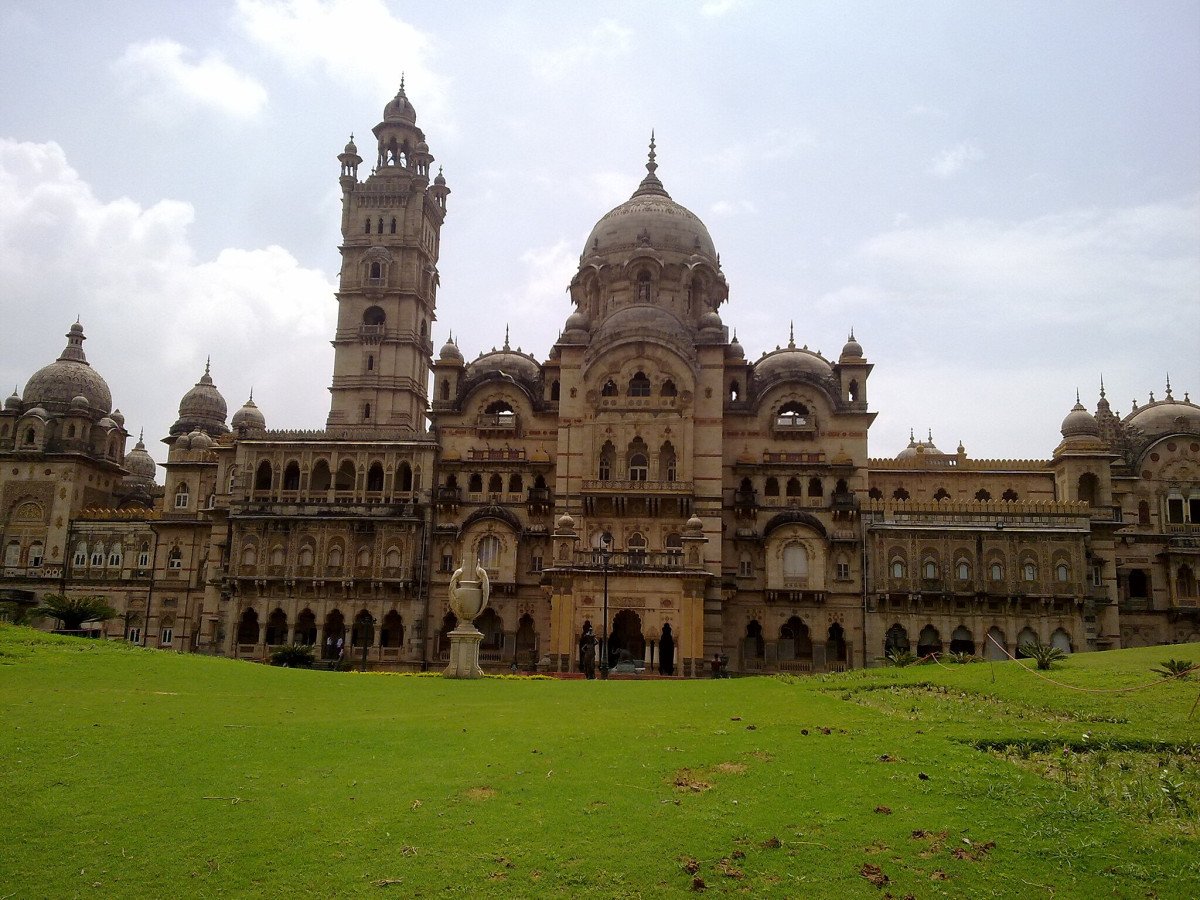
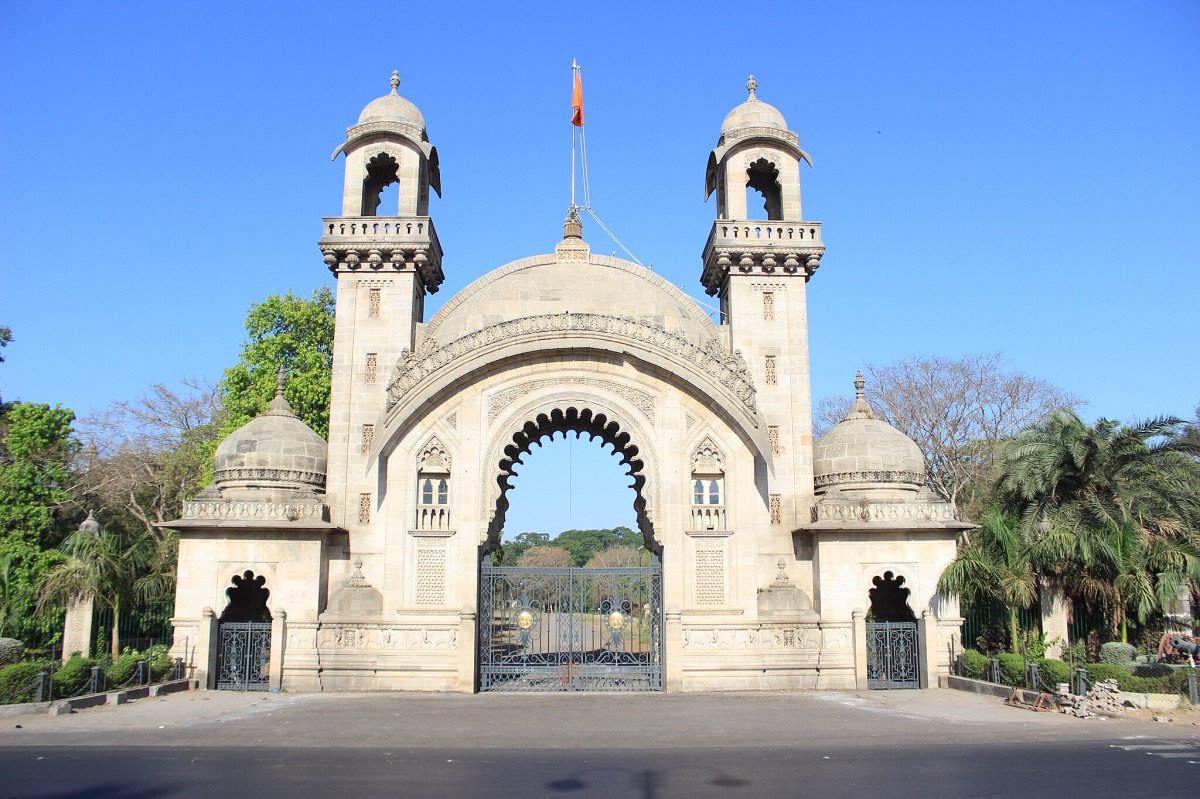
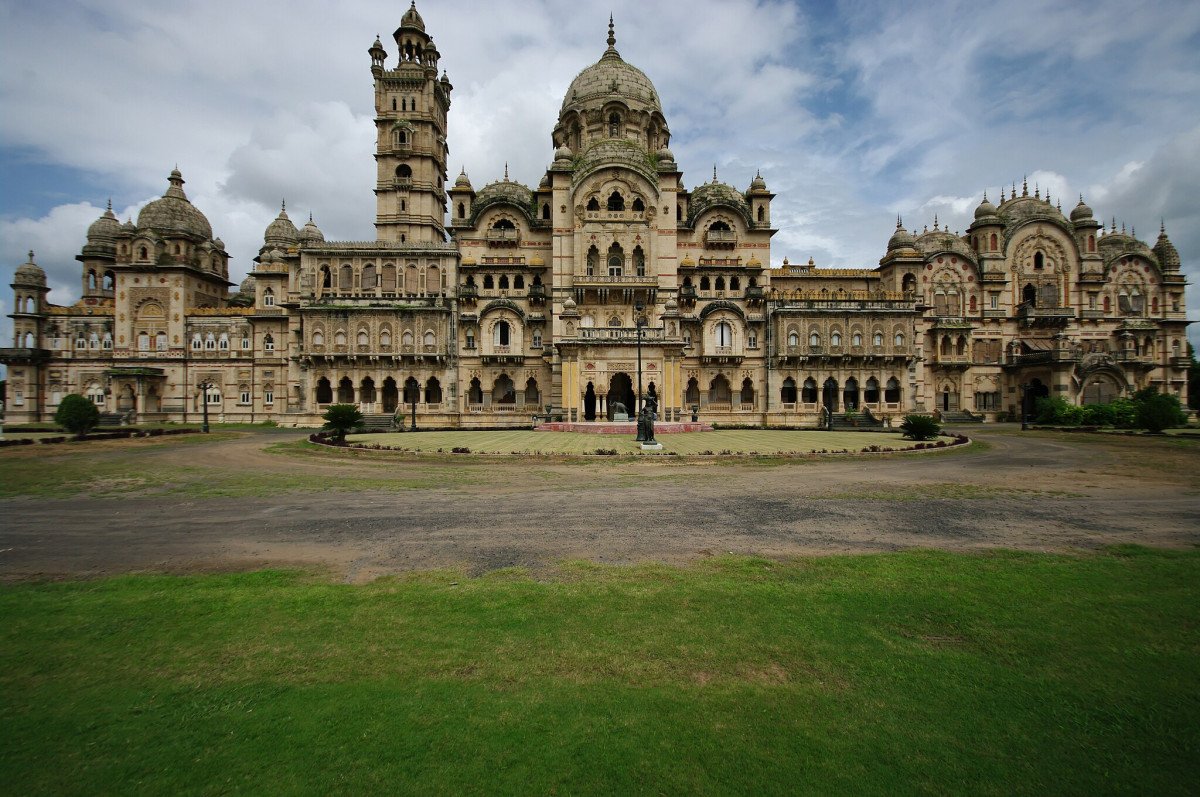
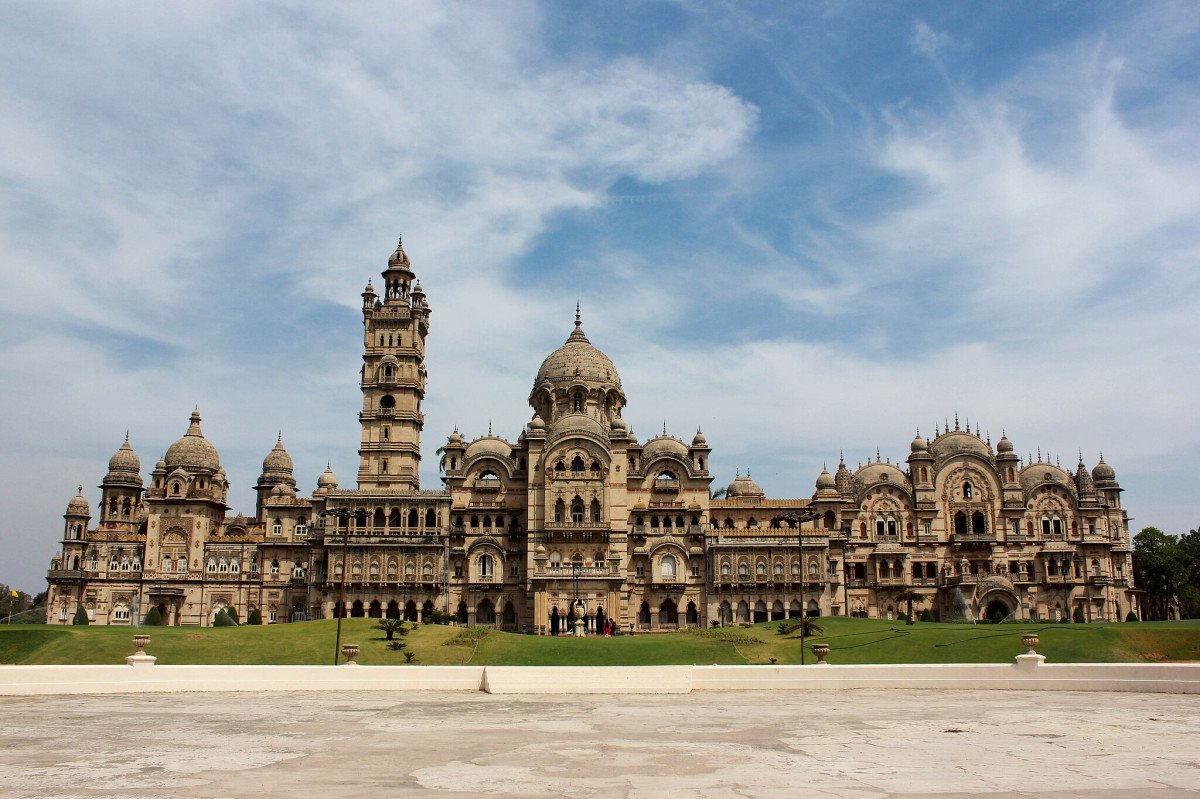
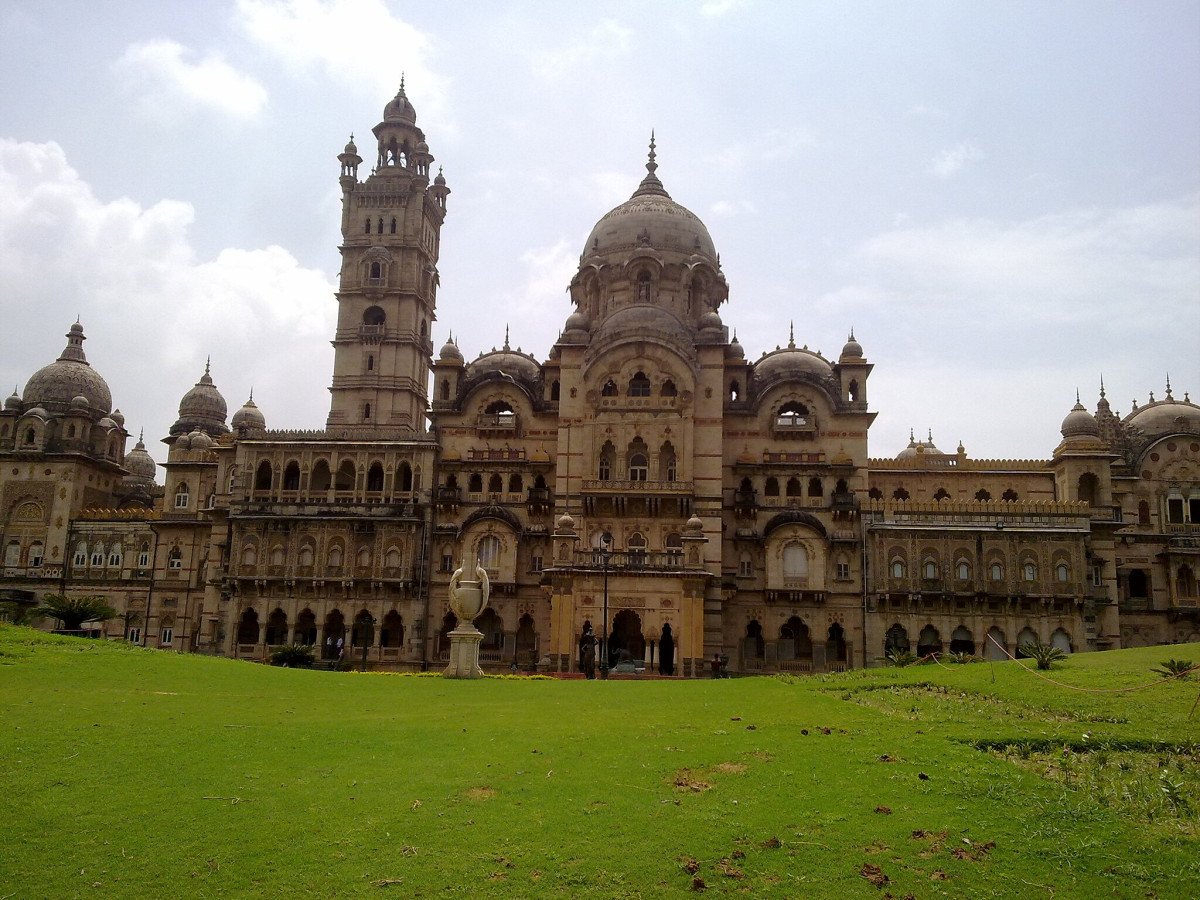
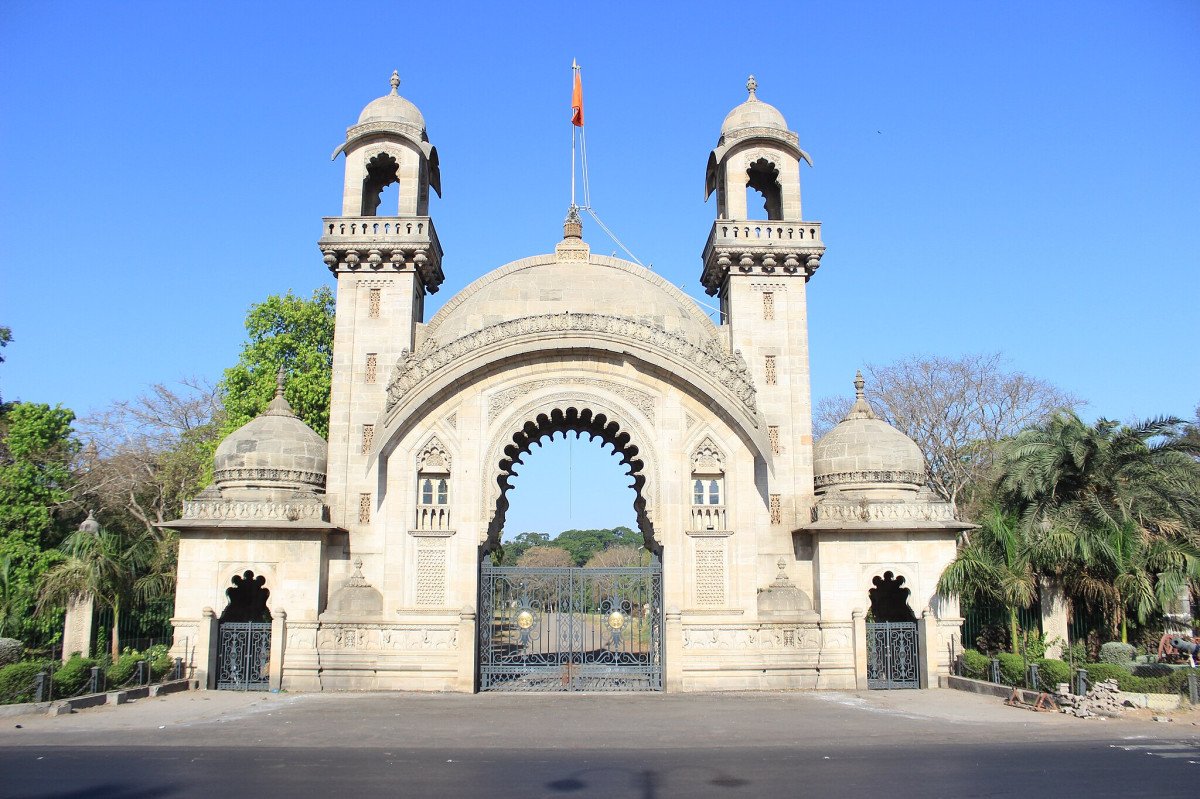
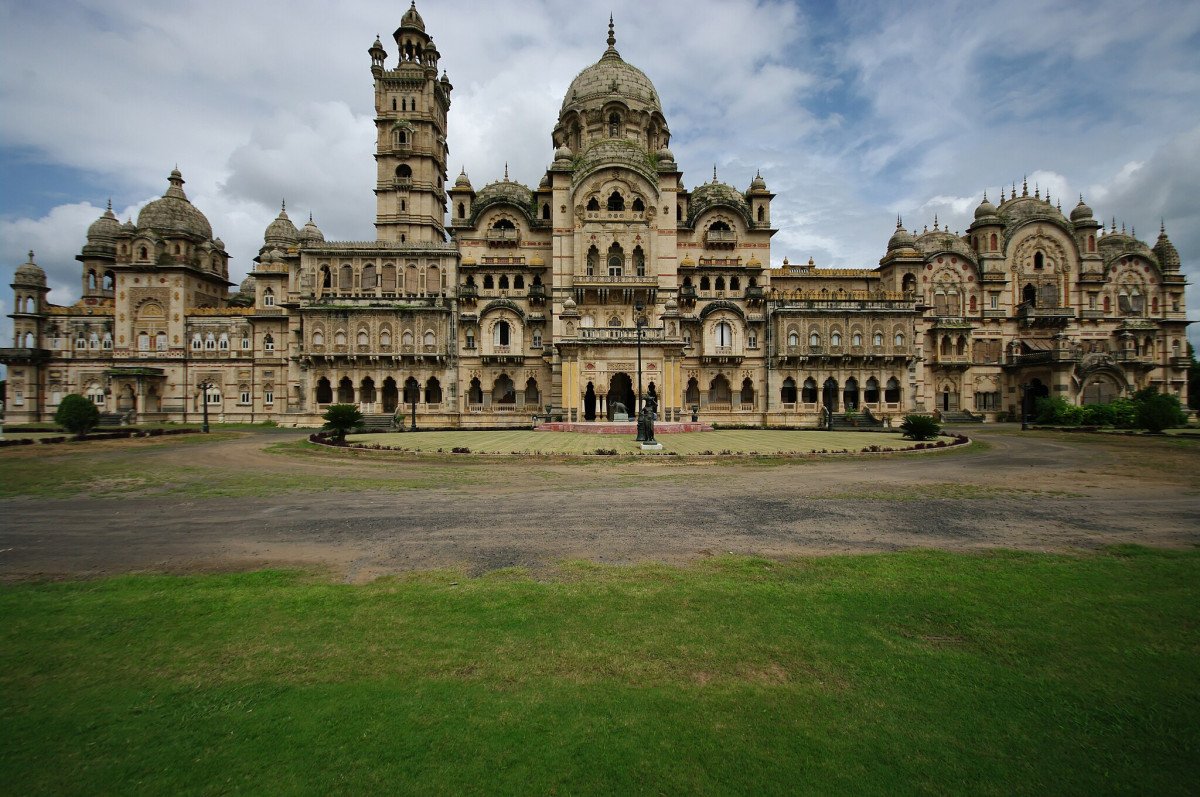
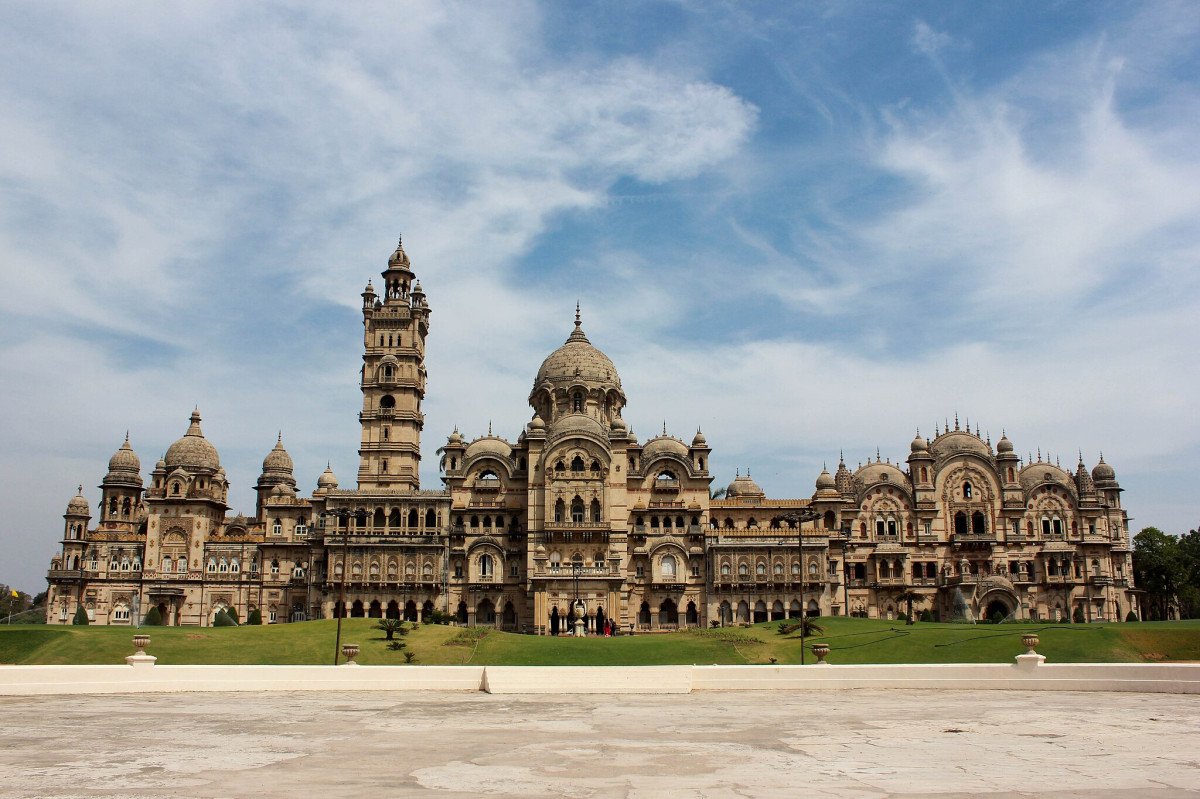
The Main Entrance Facade: The most photographed spot is the grand main entrance, showcasing the magnificent scale of the Indo-Saracenic architecture, best captured from the front lawn or the main gate.
The Darbar Hall Interior: (If permitted...The Main Entrance Facade: The most photographed spot is the grand main entrance, showcasing the magnificent scale of the Indo-Saracenic architecture, best captured from the front lawn or the main gate.
The Darbar Hall Interior: (If permitted) A wide-angle shot of the Darbar Hall, highlighting the Venetian mosaic floor and the Belgian stained-glass windows, emphasizing the opulent interior design.
View from the Garden/Fountain: The palace reflected in the nearby fountain or captured through the lush trees of the garden provides a romantic, picturesque setting.
The Museum Gallery: The section of the museum housing the large Raja Ravi Varma paintings is an excellent, light-controlled spot for art photography. (Approx. )Photo Gallery
Things To Do
-
Taking the Audio Tour: The best way to explore the palace is by taking the official audio guide tour, which is included in the ticket price. It provides detailed historical context and architectural explanations for the Darbar Hall and other accessible rooms.
Visiting the Darbar Hall: Spend time admiring the sheer grandeur of the Darbar Hall, focusing on the Venetian mosaic floor, the stained-glass windows, and the extensive chandelier work.
Exploring the Maharaja Fateh Singh Museum: Visit the adjacent museum, which houses the priceless collection of Raja Ravi Varma's paintings, royal memorabilia, and European sculptures.
Strolling in the Gardens: Take a walk through the lush, well-manicured palace grounds and the outer courtyard. The expansive gardens offer be...
Information
-
Why Famous:
The Scale: It is globally famous for its monumental scale—often cited as the largest private dwelling in India and one of the largest in the world, dwarfing even famous international palaces.
Indo-Saracenic Masterpiece: The palace is rever...The Scale: It is globally famous for its monumental scale—often cited as the largest private dwelling in India and one of the largest in the world, dwarfing even famous international palaces.
Indo-Saracenic Masterpiece: The palace is revered as the epitome of the Indo-Saracenic architectural style, combining the best of East and West in its design and opulence.
Raja Ravi Varma Art: The adjacent Maharaja Fateh Singh Museum (within the complex) houses a major collection of the works of the legendary Indian painter Raja Ravi Varma, who was patronized by the Gaekwad family. -
Architecture:
Architectural Style and Designer: The palace is a prime and definitive example of the Indo-Saracenic Revival architecture, a style that was heavily promoted during the British Raj and favored by progressive Indian princes. The structure was designed by Major Charles Mant an...Architectural Style and Designer: The palace is a prime and definitive example of the Indo-Saracenic Revival architecture, a style that was heavily promoted during the British Raj and favored by progressive Indian princes. The structure was designed by Major Charles Mant and later completed by Robert Chisholm.
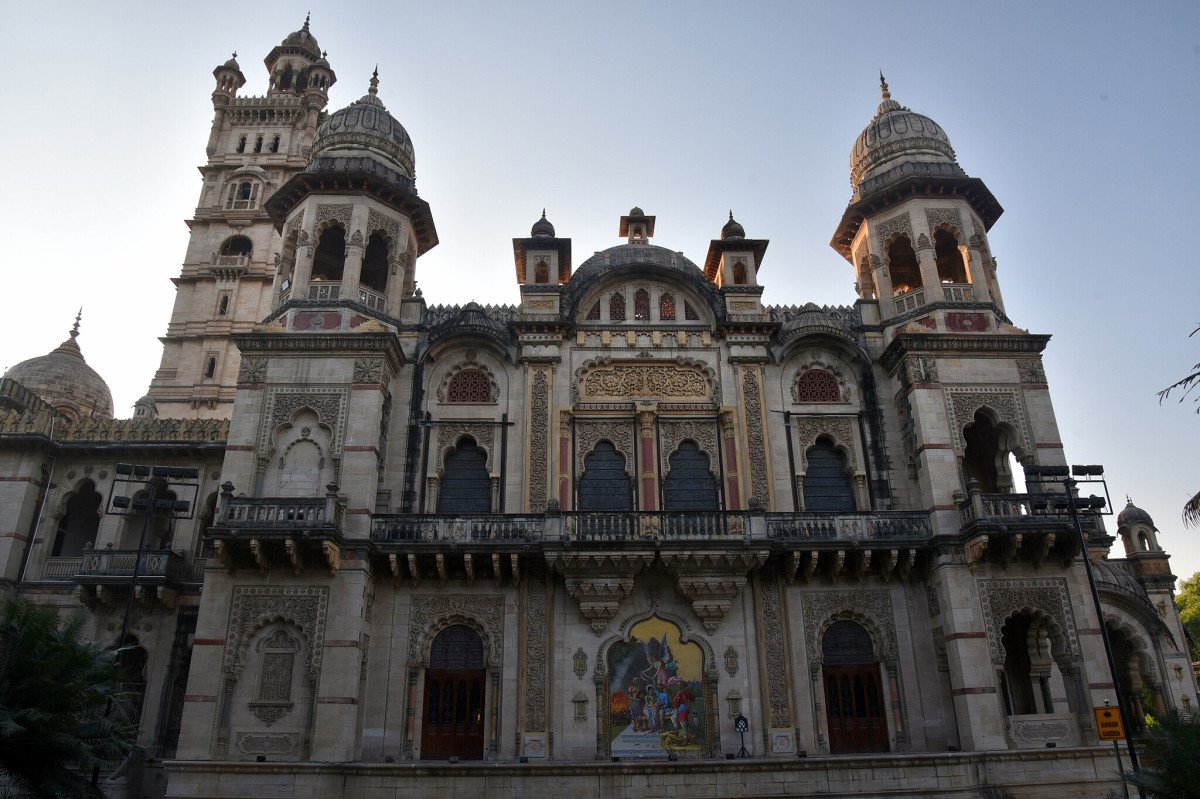
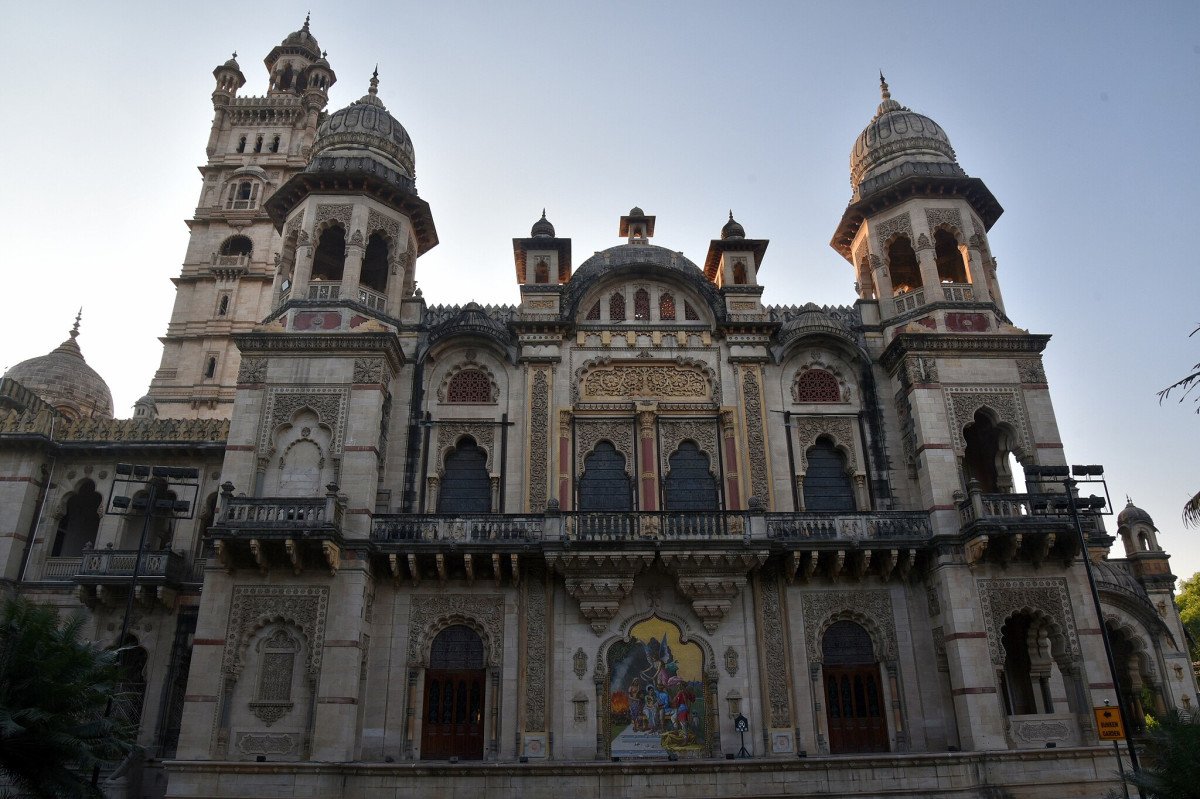
Key Structural Features: The building's magnificent facade features domes, ornate arches, minarets, and intricate carvings that draw heavily from Mughal, Gujarati, and Rajput architectural traditions, seamlessly blended with Gothic and Western elements. The most famous room is the Darbar Hall, which boasts a Venetian mosaic floor, a stunning collection of armor, and large Belgian stained-glass windows.
Dimension and Estate: The palace is massive, not just in its main building but in its sprawling 500-acre estate. The grounds include the Moti Baug Palace, a small private railway line (historical), the Maharaja Fateh Singh Museum, a private golf course, and a zoo, showcasing a scale rarely seen in private residences. -
How To Reach:
By Air (Approx.
8 KMS): Take a taxi or auto-rickshaw from Vadodara Airport (BDQ). The palace is a well-known, high-security landmark, easily locatable by drivers. By Train (Approx.
3 KMS): Arrive at Vadodara Junction Railway Stati... -
Near Tourist Places:
Maharaja Fateh Singh Museum (In the complex), Kirti Stambh (2 KMS), Sursagar Lake (3 KMS), Baroda Museum & Picture Gallery (3 KMS), Sayaji Baug (3 KMS), Kirti Mandir (3 KMS), EME Temple (6 KMS), Khanderao Market (2. 5 KMS), Aurobindo Ashram (3 KMS), Vadodara Central Bus Depot (3 KMS).
Tourism Tips
-
Health & Safety: Wear comfortable shoes for walking the large halls and expansive grounds. Be very respectful of the palace rules, as it is still a royal residence.
Packing: Travel light, as large bags or backpacks may not be allowed inside...
Reviews
Laxmi Vilas Palace Tourism:-
Information about New and Updated Locations(862+) of Gujarat Has Been Added :-
Card subtitle
Note:-
Information provided here in good Faith and for reference only.
All information and pictures will be updated soon, please keep visiting.
Near Places
Ajwa Nimeta Garden
Some quick example text to build on the card title and make up the bulk of the card's content.
Go somewhere
Ajwa World
Some quick example text to build on the card title and make up the bulk of the card's content.
Go somewhere
BAPS Swaminarayan Mandir Atladara
Some quick example text to build on the card title and make up the bulk of the card's content.
Go somewhere
BAPS Swaminarayan Mandir
Some quick example text to build on the card title and make up the bulk of the card's content.
Go somewhere
Baroda Museum & Picture Gallery
Some quick example text to build on the card title and make up the bulk of the card's content.
Go somewhere
Champaner - Pavagadh Archaeological Park
Some quick example text to build on the card title and make up the bulk of the card's content.
Go somewhere
Dabhoi Fort
Some quick example text to build on the card title and make up the bulk of the card's content.
Go somewhere
EME Temple
Some quick example text to build on the card title and make up the bulk of the card's content.
Go somewhere
Hathni Mata Waterfall
Some quick example text to build on the card title and make up the bulk of the card's content.
Go somewhere
Hazira Maqbara
Some quick example text to build on the card title and make up the bulk of the card's content.
Go somewherein Other Cities