

Lohardaga
General information
-
Ideal Duration:
2 to 3 DaysPlace Type:
Historic, Industrial, and Natural TourismEntry Fees:
Government Sites: Most public waterfalls and natural scenic spots in the district have no entry fees. They are open to the public for free throughout the year. Visitors are only expected to keep the surroundings clean.
Temple Entries: Entr...Government Sites: Most public waterfalls and natural scenic spots in the district have no entry fees. They are open to the public for free throughout the year. Visitors are only expected to keep the surroundings clean.
Temple Entries: Entry to religious sites like Akhileshwar Dham and Khakparta is free of cost. Special donations for temple maintenance are voluntary and not mandatory. During big festivals, small parking fees might be charged.Timing:
General Timings: Most tourist spots are best visited between 6:00 AM and 6:00 PM. It is advised to return from forest areas before sunset for safety reasons. Temples usually open early for morning 'Aarti'.
Best Visiting Hours: Early mornin...General Timings: Most tourist spots are best visited between 6:00 AM and 6:00 PM. It is advised to return from forest areas before sunset for safety reasons. Temples usually open early for morning 'Aarti'.
Best Visiting Hours: Early mornings are ideal for trekking and temple visits to avoid the afternoon heat. Evening hours are perfect for watching the sunset from hilltops. Avoid visiting waterfalls late in the evening as the paths are not well-lit.Special Events:
Shravani Mela: Celebrated at Akhileshwar Dham, this month-long event attracts devotees from all over the state. Special prayers and 'Kanwar Yatra' are organized during this time. The atmosphere is filled with hymns and traditional religious music.
Read MoreShravani Mela: Celebrated at Akhileshwar Dham, this month-long event attracts devotees from all over the state. Special prayers and 'Kanwar Yatra' are organized during this time. The atmosphere is filled with hymns and traditional religious music.
Sarhul Festival: This is the most important tribal festival celebrating the blossoming of Sal trees. It involves traditional dances, drum beating, and community feasts. It is a time when the whole town comes alive with color and joy.Best Photo Spots:
Khakparta Hill Top: The summit offers a 360-degree view of the surrounding forests and the town below. It is particularly beautiful during sunrise and sunset when the sky turns golden. The ancient temple structure adds a historical element to the frame.
Read MoreKhakparta Hill Top: The summit offers a 360-degree view of the surrounding forests and the town below. It is particularly beautiful during sunrise and sunset when the sky turns golden. The ancient temple structure adds a historical element to the frame.
Lavapani Falls Base: The cascading water over seven steps creates a dramatic backdrop for portraits. The lush green forest surrounding the falls provides natural framing for wide-angle shots. It is a paradise for nature photographers.Photo Gallery
Things To Do
 @@General Description: 3 Number Talab is a vital water body located in the Pakhar region, primarily known for its association with the surrounding mining landscape. This pond serves as a crucial resource for the local community and the nearby workers involved in bauxite extraction. The name itself reflects its designation within a series of industrial water management points. Surrounded by the rugged terrain of the Chotanagpur plateau, the pond offers a unique contrast between the red soil of the mines and the blue water of the reservoir. Visitors often find the atmosphere here quiet and industrial yet surprisingly scenic during the early morning hours. It represents the intersection of Lohardaga’s natural geography and its status as a mineral-rich hub. The pond is deep and remains filled throughout most of the year, supported by the monsoon rains that characterize the January to October cycle. Local flora around the banks consists of hardy shrubs and trees that have adapted to the mineral-rich soil. It is frequently visited by local residents for evening strolls and serves as a landmark in the Pakhar area. The tranquility of the water against the backdrop of the active mining hills provides a contemplative space for those interested in the industrial geography of Jharkhand. Despite being an industrial site, it has developed into a local spot for observation of the vast bauxite reserves.
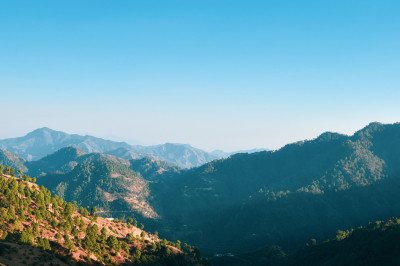 Uper Hisri Hills represents the rugged and adventurous side of Lohardaga. Part of the larger Chota Nagpur plateau range, these hills are a trekker's paradise and a nature lover's dream. The ascent to the top of the hills provides a panoramic view of the entire Lohardaga district, characterized by its mosaic of green forests, red soil, and winding river paths. The hills are rich in minerals, particularly bauxite, which gives the soil a unique reddish-brown hue. The climb is moderate, making it accessible to most healthy individuals who have a spirit for adventure. At the summit, the air is noticeably cooler and fresher, providing a respite from the humidity of the valleys below. The plateau atop the hills is dotted with hardy shrubs and wild flowers that bloom in vibrant colors after the monsoon season. Historically, these hills have served as natural lookout points and have deep spiritual significance for the local tribes who consider the hills as the abode of their protective spirits. A visit to Uper Hisri Hills is not just about the physical climb; it is an immersive experience in the wild landscape of eastern India. The silence at the top is only broken by the whistling wind and the calls of eagles soaring overhead. It is a place where one can truly feel the scale and beauty of nature in its most raw form.
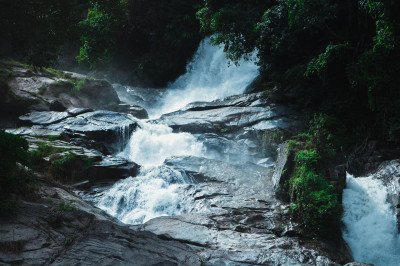 Kairo Falls, located in the quiet Kairo block of Lohardaga, is a hidden gem that remains largely untouched by the heavy footfall of mainstream tourism. This waterfall is a seasonal beauty, coming into its full glory during and immediately after the monsoon rains. It is formed by a local stream that drops over a series of rocky steps before plunging into a small, secluded valley. The area around Kairo Falls is characterized by open fields that give way to dense thickets, offering a different landscape compared to the hilly terrain of Bagru. Historically, the Kairo region was a significant administrative outpost during the British era, and the falls served as a nearby recreational spot for officials. Today, it is a peaceful retreat for those who enjoy the rural charm of Jharkhand. The water is remarkably clean, as it originates from the forested highlands. Visitors can enjoy the sight of local cattle grazing in the nearby meadows while the sound of the falls creates a soothing background score. The trek to the falls is relatively easy, making it accessible for people of all ages. During the winter, the water flow reduces to a gentle trickle, revealing the intricate rock patterns and small natural carvings on the cliff face. It is an excellent spot for a quiet afternoon of reading or sketching. The local villagers are friendly and often share stories of the region's history and the wildlife that visits the falls at night. Kairo Falls is a testament to the fact that beauty can be found in the most unassuming places, offering a slice of pure, unadulterated nature in the heart of the district.
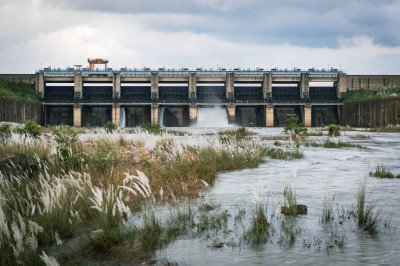 @@General Description: Bhandra Dam is a significant irrigation and hydroelectric project located in the Bhandra block of Lohardaga. It is built across a tributary of the South Koel river and serves as a primary source of water for the agricultural lands in the region. The dam is a popular getaway for people seeking a break from urban life, offering vast stretches of calm water and a cool environment. The structural engineering of the dam combined with the natural beauty of the surrounding hills makes it a scenic masterpiece. During the monsoon, the sound of water gushing through the spillways is both powerful and soothing. The reservoir created by the dam is home to various species of freshwater fish, making it a hub for local fishing activities. The area around the dam is sparsely populated, ensuring a peaceful atmosphere for visitors. It is a preferred spot for family picnics and school excursions due to its educational and recreational value. The greenery around the dam increases significantly after the rains in August and September, turning the entire landscape into a lush paradise. The dam also plays a crucial role in maintaining the groundwater levels of the district. Its presence has transformed the local economy by enabling multi-crop farming.
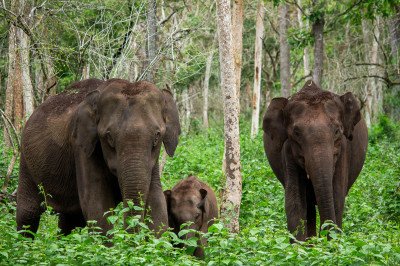 @@Detailed Overview: The Lohardaga Forest Reserve in Lohardaga is a site of immense natural beauty and ecological importance that captivates every visitor. In the month of January or February, the surroundings are particularly lush, reflecting the vibrant ecosystem of the Chota Nagpur plateau where this reserve resides. The geographical formation of this region contributes to the unique charm of the Lohardaga Forest Reserve, offering a serene escape from the urban hustle. Historically, this area has been a part of the tribal heartland, and the echoes of ancient traditions can still be felt in the air. The land here tells a story of millions of years of geological shifts, resulting in the current picturesque landscape. Visitors often find themselves lost in the rhythmic sounds of nature, whether it is the rustling of Sal leaves or the calls of wild birds. The biodiversity around the Lohardaga Forest Reserve is staggering, with various species of flora and fauna, including deer and wild boar, making it their home. The local communities often share legends about this forest, adding a layer of mystical allure to the physical beauty. It is not just a place for sightseeing but a sanctuary for those seeking peace and spiritual rejuvenation. The way the sunlight filters through the dense canopy creates a visual masterpiece that changes every hour. Explorers can spend hours trekking through the nearby paths, each turn revealing a new perspective of the Lohardaga landscape. The commitment of the local forest department to preserve this site ensures that its pristine condition remains intact for future generations. Every tree at the Lohardaga Forest Reserve has a significance that goes beyond just aesthetics, embodying the resilience of the Jharkhand region. As you walk through the area, the scent of the moist earth provides a therapeutic experience. This location stands as a testament to the raw, unadulterated power of nature.
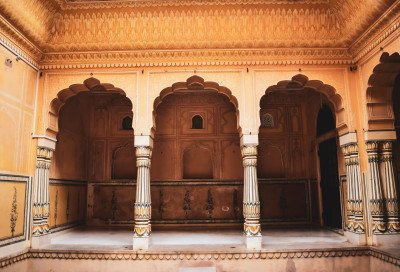 The Pithauri Fort Ruins represent a significant piece of the historical puzzle of the Lohardaga region. These ruins are the remains of an ancient stronghold that once guarded the local chieftains and their territories against northern incursions. While much of the structure has succumbed to the ravages of time and the encroaching forest, the foundations and some stone walls still stand as a testament to the architectural prowess of the bygone era. The site is shrouded in local legends, with stories of hidden treasures and secret tunnels that supposedly connect the fort to other distant locations in the district. Walking through the ruins, one can sense the strategic importance the fort once held, perched as it is on a slight elevation to provide a clear view of the surrounding plains. The masonry work, though crumbling, shows the use of local stone and traditional lime-mortar techniques. This site is a must-visit for history buffs and archaeology enthusiasts who wish to explore the lesser-known heritage of Jharkhand. The quiet atmosphere of the village of Pithauri adds to the mystical charm of the ruins, making it a place of deep contemplation. Over the years, the site has become a spot for local picnics, but its primary value remains historical. Efforts by local historians are ongoing to document the specific dynasty that built this fort, with many pointing towards the Chero or Nagvanshi rulers who were prominent in this region. The ruins are currently unprotected, giving them a raw, "undiscovered" feel that appeals to modern-day explorers.
The Senha Devi Mandir is a revered religious sanctuary situated in the Senha block of the Lohardaga district. This temple is dedicated to Goddess Durga and serves as a vital spiritual hub for the local tribal and non-tribal populations alike. The atmosphere around the temple is profoundly serene, characterized by the rustling of ancient trees and the distant sound of temple bells. For decades, the temple has been a pillar of faith, where devotees congregate to seek blessings for prosperity and protection. The temple complex is well-maintained, offering a peaceful retreat from the hustle of city life. Local legends suggest that the deity is incredibly powerful, and many believe that sincere prayers here never go unanswered. The temple's significance is deeply intertwined with the cultural fabric of Jharkhand, showcasing a blend of traditional Hindu rituals and local customs. Visitors often find themselves immersed in a sense of tranquility as they walk through the gates. The surrounding village of Senha provides a rustic backdrop, making the visit a complete cultural experience. Whether you are a spiritual seeker or a lover of heritage, this temple offers a profound connection to the divine and the history of the region.Show All
Govind Waterfall, popularly known as Lawapani, is arguably the most spectacular natural attraction in the Lohardaga district. Nestled deep within the forested Madanpur village, this waterfall is formed by the cascading waters of the South Koel River tributary. What makes Lawapani unique is its tiered structure, where the water drops in several stages over rocky ledges before settling into a large, crystal-clear pool at the bottom. The surrounding landscape is a dense canopy of ancient trees and vibrant wildflowers, creating a secluded paradise for nature lovers. Historically, the waterfall has been a vital water source for the local tribal communities and remains a site of great natural reverence. The sound of the gushing water can be heard from a distance, guiding visitors through the forest trails. The pool at the base is safe for a refreshing dip during the summer and winter months, making it a premier picnic spot for families. The mist generated by the falling water keeps the immediate vicinity cool even during peak summer. Over the years, the local government has improved the pathways to make the falls more accessible to tourists. Despite its growing popularity, Lawapani retains its pristine charm, largely due to its remote location. It is a place where one can truly disconnect from the digital world and reconnect with the raw energy of the earth. The lush greenery and the rhythmic sound of the falls provide a therapeutic experience for the mind and soul. Whether you are an adventurer looking for a hike or a photographer seeking the perfect long-exposure shot, Govind Waterfall offers an unforgettable experience in the heart of Jharkhand's wilderness.
The Pithauri Fort Ruins represent a significant piece of the historical puzzle of the Lohardaga region. These ruins are the remains of an ancient stronghold that once guarded the local chieftains and their territories against northern incursions. While much of the structure has succumbed to the ravages of time and the encroaching forest, the foundations and some stone walls still stand as a testament to the architectural prowess of the bygone era. The site is shrouded in local legends, with stories of hidden treasures and secret tunnels that supposedly connect the fort to other distant locations in the district. Walking through the ruins, one can sense the strategic importance the fort once held, perched as it is on a slight elevation to provide a clear view of the surrounding plains. The masonry work, though crumbling, shows the use of local stone and traditional lime-mortar techniques. This site is a must-visit for history buffs and archaeology enthusiasts who wish to explore the lesser-known heritage of Jharkhand. The quiet atmosphere of the village of Pithauri adds to the mystical charm of the ruins, making it a place of deep contemplation. Over the years, the site has become a spot for local picnics, but its primary value remains historical. Efforts by local historians are ongoing to document the specific dynasty that built this fort, with many pointing towards the Chero or Nagvanshi rulers who were prominent in this region. The ruins are currently unprotected, giving them a raw, "undiscovered" feel that appeals to modern-day explorers.
The Senha Devi Mandir is a revered religious sanctuary situated in the Senha block of the Lohardaga district. This temple is dedicated to Goddess Durga and serves as a vital spiritual hub for the local tribal and non-tribal populations alike. The atmosphere around the temple is profoundly serene, characterized by the rustling of ancient trees and the distant sound of temple bells. For decades, the temple has been a pillar of faith, where devotees congregate to seek blessings for prosperity and protection. The temple complex is well-maintained, offering a peaceful retreat from the hustle of city life. Local legends suggest that the deity is incredibly powerful, and many believe that sincere prayers here never go unanswered. The temple's significance is deeply intertwined with the cultural fabric of Jharkhand, showcasing a blend of traditional Hindu rituals and local customs. Visitors often find themselves immersed in a sense of tranquility as they walk through the gates. The surrounding village of Senha provides a rustic backdrop, making the visit a complete cultural experience. Whether you are a spiritual seeker or a lover of heritage, this temple offers a profound connection to the divine and the history of the region.Show All
Govind Waterfall, popularly known as Lawapani, is arguably the most spectacular natural attraction in the Lohardaga district. Nestled deep within the forested Madanpur village, this waterfall is formed by the cascading waters of the South Koel River tributary. What makes Lawapani unique is its tiered structure, where the water drops in several stages over rocky ledges before settling into a large, crystal-clear pool at the bottom. The surrounding landscape is a dense canopy of ancient trees and vibrant wildflowers, creating a secluded paradise for nature lovers. Historically, the waterfall has been a vital water source for the local tribal communities and remains a site of great natural reverence. The sound of the gushing water can be heard from a distance, guiding visitors through the forest trails. The pool at the base is safe for a refreshing dip during the summer and winter months, making it a premier picnic spot for families. The mist generated by the falling water keeps the immediate vicinity cool even during peak summer. Over the years, the local government has improved the pathways to make the falls more accessible to tourists. Despite its growing popularity, Lawapani retains its pristine charm, largely due to its remote location. It is a place where one can truly disconnect from the digital world and reconnect with the raw energy of the earth. The lush greenery and the rhythmic sound of the falls provide a therapeutic experience for the mind and soul. Whether you are an adventurer looking for a hike or a photographer seeking the perfect long-exposure shot, Govind Waterfall offers an unforgettable experience in the heart of Jharkhand's wilderness.Information
-
Why Famous:
Bauxite Mining Hub: Lohardaga is globally recognized for its extensive bauxite deposits and mining history. It supplies a significant portion of India's raw material for aluminum. The sight of red-colored plateaus and large-scale extraction is a unique industrial marvel. <...Bauxite Mining Hub: Lohardaga is globally recognized for its extensive bauxite deposits and mining history. It supplies a significant portion of India's raw material for aluminum. The sight of red-colored plateaus and large-scale extraction is a unique industrial marvel.
Spiritual Centers: The presence of ancient Shiva temples attracts thousands of pilgrims annually. Sites like Khakparta and Akhileshwar Dham are deeply revered for their spiritual energy. These locations offer a peaceful environment for meditation and worship amidst nature. -
Architecture:
Ancient Temple Structures: The architecture of local temples like Akhileshwar Dham features traditional Nagara style elements. These structures are often built on elevated rocky platforms to prevent flood damage and enhance visibility. The sanctum sanctorum houses ancient ...Ancient Temple Structures: The architecture of local temples like Akhileshwar Dham features traditional Nagara style elements. These structures are often built on elevated rocky platforms to prevent flood damage and enhance visibility. The sanctum sanctorum houses ancient Shiva lingams carved from local stone. Intricate carvings of deities adorn the exterior walls, reflecting the craftsmanship of local artisans.
Colonial Influence: Many administrative buildings in the town exhibit British colonial architectural styles. These include high ceilings, wide verandahs, and large windows designed for natural ventilation. The use of locally sourced bricks and lime mortar gives them a distinct earthy look. These structures stand as a testament to the town's historical importance during the Raj. -
How To Reach:
By Air: The nearest airport is Birsa Munda Airport in Ranchi, located 75 KMs away. From the airport, one can hire a private taxi or take a state bus to reach the town. The drive takes about two hours through scenic roads.
By Train: Loharda...By Air: The nearest airport is Birsa Munda Airport in Ranchi, located 75 KMs away. From the airport, one can hire a private taxi or take a state bus to reach the town. The drive takes about two hours through scenic roads.
By Train: Lohardaga Railway Station is well-connected to Ranchi and Latehar. Regular passenger trains and express trains run between these cities. The railway station is centrally located, making it easy to find local transport.
By Road: The district is well-connected via National Highway 143A. Regular bus services operate from Ranchi, Gumla, and Daltonganj. Traveling by road is convenient as the highways are generally in good condition.
By Local Transport: Within the town, auto-rickshaws and cycle-rickshaws are the primary modes of transport. For visiting distant waterfalls or mines, hiring a private taxi or a jeep is recommended. Local buses also connect major blocks within the district. -
Weather and Best Time to Visit:
Winter Season: The months from October to March are the most pleasant for visiting. The temperatures are mild, making it perfect for outdoor activities and sightseeing. This is also the time when most festivals are celebrated.
Monsoon Magic:Winter Season: The months from October to March are the most pleasant for visiting. The temperatures are mild, making it perfect for outdoor activities and sightseeing. This is also the time when most festivals are celebrated.
Monsoon Magic: During July to September, the waterfalls are at their full glory. The entire landscape turns a vibrant green, offering a soul-soothing experience. However, trekking trails can be slippery and should be navigated with caution. -
Near Tourist Places:
Ranchi (70 KMs), Gumla (50 KMs), Netarhat (100 KMs), Betla National Park (110 KMs), Latehar (80 KMs), Jonha Falls (110 KMs), Hundru Falls (115 KMs), Patratu Valley (95 KMs), Dasham Falls (110 KMs), Deori Temple (130 KMs)
Tourism Tips
-
Health and Safety: Always carry a basic first-aid kit and insect repellent when heading into forest areas. Ensure you have adequate drinking water as clean sources may be scarce in remote spots. It is safer to travel in groups when visiting secluded waterfalls.Health and Safety: Always carry a basic first-aid kit and insect repellent when heading into forest areas. Ensure you have adequate drinking water as clean sources may be scarce in remote spots. It is safer to travel in groups when visiting secluded waterfalls.
Packing Essentials: Wear comfortable trekking shoes with good grip for hill climbs. Lightweight cotton clothes are best for summers, while heavy woolens are needed for winter nights. Don't forget to carry a power bank as signal and charging points are limited.
Accommodation Advice: There are several budget guesthouses and a government circuit house in the town. For a more comfortable stay, one can choose to stay in Ranchi and do a day trip. It is advisable to book accommodation in advance during peak festival seasons.
General Etiquette: Respect local tribal customs and ask for permission before taking photos of people. Avoid littering in the pristine forest areas and carry your trash back. Support the local economy by buying handmade crafts from village markets.
Reviews
FAQs
Lohardaga Itineray And Cost:-
Other Places In Jharkhand :-
Other States In India :-
Information about New and Updated Locations() of Jharkhand Has Been Added :-
Card subtitle
Note:-
Information provided here in good Faith and for reference only.
Near Places
Bokaro
Some quick example text to build on the card title and make up the bulk of the card's content.
Go somewhere
Chaibasa
Some quick example text to build on the card title and make up the bulk of the card's content.
Go somewhere
Chatra
Some quick example text to build on the card title and make up the bulk of the card's content.
Go somewhere
Chirkunda
Some quick example text to build on the card title and make up the bulk of the card's content.
Go somewhere
Daltonganj
Some quick example text to build on the card title and make up the bulk of the card's content.
Go somewhere
Deoghar
Some quick example text to build on the card title and make up the bulk of the card's content.
Go somewhere
Dhanbad
Some quick example text to build on the card title and make up the bulk of the card's content.
Go somewhere
Dumka
Some quick example text to build on the card title and make up the bulk of the card's content.
Go somewhere
Garhwa
Some quick example text to build on the card title and make up the bulk of the card's content.
Go somewhere
Ghatsila
Some quick example text to build on the card title and make up the bulk of the card's content.
Go somewhere
Giridih
Some quick example text to build on the card title and make up the bulk of the card's content.
Go somewhere
Godda
Some quick example text to build on the card title and make up the bulk of the card's content.
Go somewhere
Gumla
Some quick example text to build on the card title and make up the bulk of the card's content.
Go somewhere
Hazaribagh
Some quick example text to build on the card title and make up the bulk of the card's content.
Go somewhere
Jamshedpur
Some quick example text to build on the card title and make up the bulk of the card's content.
Go somewhere
Jamtara
Some quick example text to build on the card title and make up the bulk of the card's content.
Go somewherein Other Cities