
...

Place To Visit And Things To Do In Lohardaga

Jharkhand, India
Historical Significance: Lohardaga has deep historical roots dating back to the Jain era, mentioned in ancient texts like the Acharanga Sutra. It was once a major trading hub for metals and forest produce. The region played a pivotal role during the British administration as a district headquarters. Its name is believed to be derived from the words for 'iron' and 'center of trade'. Today, it remains a vital industrial and cultural landmark in the state. Natural Beauty: The district is blessed with lush greenery, undulating hills, and perennial rivers that create a picturesque landscape. It is widely known for its dense forests that harbor diverse flora and fauna. Several hidden waterfalls and caves offer a retreat for nature enthusiasts and peace seekers. The climate remains pleasant throughout the year, making it an ideal destination for explorers. Industrial Importance: Known as the bauxite capital of India, the region is home to massive mining operations. The high-quality ore extracted here is essential for the nation's aluminum production. The railway lines were specifically expanded during the colonial era to facilitate this mineral transport. This industrial backdrop contrasts beautifully with the surrounding tribal pastoral life. Cultural Heritage: The local culture is a vibrant mix of tribal traditions and modern influences. Various festivals like Sarhul and Karma are celebrated with immense fervor and traditional dance forms. The people are known for their hospitality and deep connection with the soil. Art forms including pottery and bamboo craft are still practiced in the local villages.

Things To Do

Card image cap
3 Number Talab

@@General Description: 3 Number Talab is a vital water body located in the Pakhar region, primarily known for its association with the surrounding min...

@@General Description: 3 Number Talab is a vital water body located in the Pakhar region, primarily known for its association with the surrounding mining landscape. This pond serves as a crucial resource for the local community and the nearby workers involved in bauxite extraction. The name itself reflects its designation within a series of industrial water management points. Surrounded by the rugged terrain of the Chotanagpur plateau, the pond offers a unique contrast between the red soil of the mines and the blue water of the reservoir. Visitors often find the atmosphere here quiet and industrial yet surprisingly scenic during the early morning hours. It represents the intersection of Lohardaga’s natural geography and its status as a mineral-rich hub. The pond is deep and remains filled throughout most of the year, supported by the monsoon rains that characterize the January to October cycle. Local flora around the banks consists of hardy shrubs and trees that have adapted to the mineral-rich soil. It is frequently visited by local residents for evening strolls and serves as a landmark in the Pakhar area. The tranquility of the water against the backdrop of the active mining hills provides a contemplative space for those interested in the industrial geography of Jharkhand. Despite being an industrial site, it has developed into a local spot for observation of the vast bauxite reserves.
Card image cap
Bara Talab

@@General Description: Bara Talab, also referred to as the Victoria Lake or Bada Talab, is the most iconic and central landmark of Lohardaga. Spreadin...

@@General Description: Bara Talab, also referred to as the Victoria Lake or Bada Talab, is the most iconic and central landmark of Lohardaga. Spreading over a significant acreage, it is the lifeblood of the town's recreational and social life. This massive pond was originally developed during the British era to provide a sustainable water source and to beautify the administrative center. Today, it stands as a symbol of the town's heritage, surrounded by major government buildings and busy marketplaces. The banks of the pond are well-paved, providing a perfect track for morning walkers and evening joggers. The water surface reflects the changing colors of the sky, making it a favorite for local photographers. It is often the site of major religious festivals, where the community gathers in thousands. The presence of trees along its perimeter offers shade and a habitat for local birds, adding to the urban biodiversity. Efforts by the local municipality have ensured that the pond remains a clean and vibrant part of the city. For many residents, Bara Talab is not just a water body but a place of memories and cultural identity. The surrounding area is bustling with street food vendors and small shops, making it a lively hub at all hours. It remains full even in the dry months, acting as a natural coolant for the town’s microclimate.
Card image cap
Bauxite Mines Viewpoint

@@General Description: The Bauxite Mines Viewpoint at Bagru Hills offers a breathtaking panoramic view of one of India's most significant mineral extr...
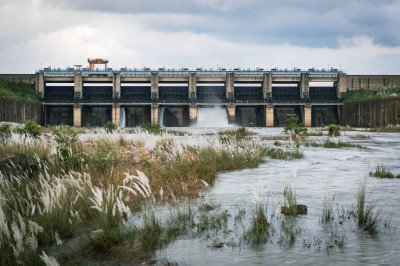
@@General Description: The Bauxite Mines Viewpoint at Bagru Hills offers a breathtaking panoramic view of one of India's most significant mineral extraction sites. Lohardaga is globally recognized for its high-quality bauxite, and this viewpoint provides a bird's-eye perspective of the open-cast mines. From here, one can see the massive earth-moving machinery looking like tiny toys against the vast red landscape. The contrast between the lush green forests of the hills and the deep ochre of the excavated pits is striking. This location is not just a tourist spot but an educational window into the mining industry of Jharkhand. The viewpoint is situated at a high altitude, providing a cool breeze and a wide horizon that stretches toward the neighboring districts. It is particularly famous among adventure seekers and those interested in geology. The sight of the sun setting over the terraced mines is a unique experience found nowhere else in the state. Many organizations, including Hindalco, operate in this region, and the viewpoint allows visitors to appreciate the scale of human endeavor in extracting resources from the earth. The winding roads leading up to the viewpoint offer a scenic drive through tribal villages and dense vegetation. It is a place that tells the story of Lohardaga’s economy and its geological wealth.
Card image cap
Bhandra Dam

@@General Description: Bhandra Dam is a significant irrigation and hydroelectric project located in the Bhandra block of Lohardaga. It is built across...

@@General Description: Bhandra Dam is a significant irrigation and hydroelectric project located in the Bhandra block of Lohardaga. It is built across a tributary of the South Koel river and serves as a primary source of water for the agricultural lands in the region. The dam is a popular getaway for people seeking a break from urban life, offering vast stretches of calm water and a cool environment. The structural engineering of the dam combined with the natural beauty of the surrounding hills makes it a scenic masterpiece. During the monsoon, the sound of water gushing through the spillways is both powerful and soothing. The reservoir created by the dam is home to various species of freshwater fish, making it a hub for local fishing activities. The area around the dam is sparsely populated, ensuring a peaceful atmosphere for visitors. It is a preferred spot for family picnics and school excursions due to its educational and recreational value. The greenery around the dam increases significantly after the rains in August and September, turning the entire landscape into a lush paradise. The dam also plays a crucial role in maintaining the groundwater levels of the district. Its presence has transformed the local economy by enabling multi-crop farming.
Card image cap
Dharni Hill

Dharni Hill is a breathtaking natural elevation located near the heart of Lohardaga, offering a panoramic view of the Chota Nagpur Plateau's rugged t...

Dharni Hill is a breathtaking natural elevation located near the heart of Lohardaga, offering a panoramic view of the Chota Nagpur Plateau's rugged terrain. This hill is primarily composed of bauxite-rich soil, which gives it a distinct reddish-brown hue that contrasts beautifully with the surrounding lush green forests. Historically, the area has been a focal point for tribal settlements and mineral extraction, balancing industrial significance with raw natural beauty. Visitors often climb the hill to witness the sprawling bauxite mines that have defined the economy of Lohardaga for decades. The atmosphere here is serene, with the wind whistling through the dense sal and teak trees that line the ascent. It serves as a vital ecological zone, housing various local bird species and small wildlife, making it a favorite for nature enthusiasts. The sunset from the peak is particularly legendary, casting a golden glow over the undulating valleys. Despite its proximity to mining zones, the hill maintains a quiet dignity, offering a space for reflection away from the city's hustle. It is an ideal spot for those looking to understand the geographical makeup of Jharkhand. The local folklore associated with the hill speaks of ancient protectors of the land, adding a layer of mystical charm to the visit. Every step on its rocky path reveals a new perspective of the vast, mineral-rich landscape.
Card image cap
Dhumkuriya

Dhumkuriya, located within the majestic Bagru Hills, is more than just a scenic spot; it is a repository of the Uraon tribe's social and cultural his...

Dhumkuriya, located within the majestic Bagru Hills, is more than just a scenic spot; it is a repository of the Uraon tribe's social and cultural history. Historically, a 'Dhumkuriya' was a traditional youth dormitory where young men and women of the tribe learned about their customs, music, and community responsibilities. This particular site on Bagru Hills serves as a modern tribute to that ancient institution, offering visitors a deep dive into the tribal heartbeat of Lohardaga. The hills themselves are famous for their high-quality bauxite mines, but the Dhumkuriya area remains a sanctuary for cultural preservation. Surrounded by dense forests and undulating slopes, the site provides a serene environment for understanding the symbiotic relationship between the tribal people and the land. The ascent to the hills involves navigating winding roads that offer stunning views of the valley below. At the summit, the air is crisp, and the silence is only broken by the rustle of leaves or the distant sound of mining activity. This place acts as a bridge between the industrial present of Lohardaga and its ancestral past. Visitors can observe traditional tribal carvings and learn about the egalitarian social structures that the Dhumkuriya once fostered. It is an essential stop for anyone interested in anthropology, as it showcases the living heritage of Jharkhand's indigenous populations. The panoramic vistas from Bagru Hills combined with the spiritual significance of the Dhumkuriya make it a unique destination. The site is often used for community gatherings, ensuring that the ancient traditions remain relevant in the modern age.
Card image cap
Govind Waterfall Lawapani

Govind Waterfall, popularly known as Lawapani, is arguably the most spectacular natural attraction in the Lohardaga district. Nestled deep within the...

Govind Waterfall, popularly known as Lawapani, is arguably the most spectacular natural attraction in the Lohardaga district. Nestled deep within the forested Madanpur village, this waterfall is formed by the cascading waters of the South Koel River tributary. What makes Lawapani unique is its tiered structure, where the water drops in several stages over rocky ledges before settling into a large, crystal-clear pool at the bottom. The surrounding landscape is a dense canopy of ancient trees and vibrant wildflowers, creating a secluded paradise for nature lovers. Historically, the waterfall has been a vital water source for the local tribal communities and remains a site of great natural reverence. The sound of the gushing water can be heard from a distance, guiding visitors through the forest trails. The pool at the base is safe for a refreshing dip during the summer and winter months, making it a premier picnic spot for families. The mist generated by the falling water keeps the immediate vicinity cool even during peak summer. Over the years, the local government has improved the pathways to make the falls more accessible to tourists. Despite its growing popularity, Lawapani retains its pristine charm, largely due to its remote location. It is a place where one can truly disconnect from the digital world and reconnect with the raw energy of the earth. The lush greenery and the rhythmic sound of the falls provide a therapeutic experience for the mind and soul. Whether you are an adventurer looking for a hike or a photographer seeking the perfect long-exposure shot, Govind Waterfall offers an unforgettable experience in the heart of Jharkhand's wilderness.
Card image cap
Jogi Waterfall

Jogi Waterfall is a serene and relatively undiscovered natural marvel located in the Senha block of Lohardaga. Named after the wandering ascetics or ...
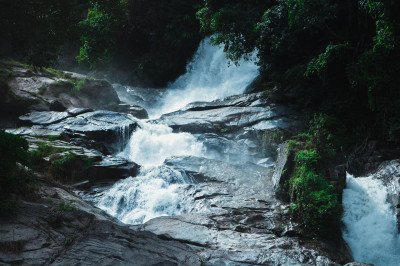
Jogi Waterfall is a serene and relatively undiscovered natural marvel located in the Senha block of Lohardaga. Named after the wandering ascetics or 'Jogis' who were said to meditate in the caves nearby, this waterfall embodies a sense of spiritual peace and isolation. The water falls from a height of about 40 Feet into a secluded basin surrounded by jagged rock formations and thick vegetation. Historically, the site has been a place of quiet pilgrimage for locals, far removed from the more commercialized tourist spots of Jharkhand. The trek to the waterfall is an adventure in itself, taking you through narrow forest paths and over small streams that crisscross the valley. The area is rich in biodiversity, with rare ferns and medicinal plants growing along the moist rock faces. Unlike the larger falls, Jogi Waterfall offers a more intimate experience with nature; the sound of the water is a gentle roar that allows for conversation and contemplation. In the monsoon, the fall expands in width, creating a curtain of white foam that hides the small caves behind it. Local legends tell of hidden treasures guarded by the spirits of the Jogis, adding an air of mystery to the place. It is a perfect destination for those who find beauty in the small details of nature—the way the moss clings to the wet stones or how the sunlight pierces through the canopy to light up the spray. The site is largely undeveloped, meaning there are no shops or concrete structures, providing a raw and authentic wilderness experience. It is a must-visit for travelers who want to stray off the beaten path and discover the "quiet side" of Lohardaga.
Card image cap
Kairo Falls

Kairo Falls, located in the quiet Kairo block of Lohardaga, is a hidden gem that remains largely untouched by the heavy footfall of mainstream touris...

Kairo Falls, located in the quiet Kairo block of Lohardaga, is a hidden gem that remains largely untouched by the heavy footfall of mainstream tourism. This waterfall is a seasonal beauty, coming into its full glory during and immediately after the monsoon rains. It is formed by a local stream that drops over a series of rocky steps before plunging into a small, secluded valley. The area around Kairo Falls is characterized by open fields that give way to dense thickets, offering a different landscape compared to the hilly terrain of Bagru. Historically, the Kairo region was a significant administrative outpost during the British era, and the falls served as a nearby recreational spot for officials. Today, it is a peaceful retreat for those who enjoy the rural charm of Jharkhand. The water is remarkably clean, as it originates from the forested highlands. Visitors can enjoy the sight of local cattle grazing in the nearby meadows while the sound of the falls creates a soothing background score. The trek to the falls is relatively easy, making it accessible for people of all ages. During the winter, the water flow reduces to a gentle trickle, revealing the intricate rock patterns and small natural carvings on the cliff face. It is an excellent spot for a quiet afternoon of reading or sketching. The local villagers are friendly and often share stories of the region's history and the wildlife that visits the falls at night. Kairo Falls is a testament to the fact that beauty can be found in the most unassuming places, offering a slice of pure, unadulterated nature in the heart of the district.
Card image cap
Kekrang Fall

@@Detailed Overview: The Kekrang Fall in Lohardaga is a site of immense natural beauty and historical importance that captivates every visitor from th...

@@Detailed Overview: The Kekrang Fall in Lohardaga is a site of immense natural beauty and historical importance that captivates every visitor from the moment they arrive at the threshold of this magnificent destination. In the month of January or February, the surroundings are particularly lush, reflecting the vibrant ecosystem of the Chota Nagpur plateau where this place resides. The geographical formation of this region contributes to the unique charm of Kekrang Fall, offering a serene escape from the urban hustle. Historically, this area has been a part of the tribal heartland, and the echoes of ancient traditions can still be felt in the air. The water here tells a story of millions of years of geological shifts, resulting in the current picturesque landscape. Visitors often find themselves lost in the rhythmic sounds of nature, whether it is the rustling of leaves or the cascading water. The biodiversity around Kekrang Fall is staggering, with various species of flora and fauna making it their home. The local communities often share legends about this spot, adding a layer of mystical allure to the physical beauty. It is not just a place for sightseeing but a sanctuary for those seeking peace and spiritual rejuvenation. The way the sunlight filters through the canopy or reflects off the surfaces at Kekrang Fall creates a visual masterpiece that changes every hour. Explorers can spend hours trekking through the nearby paths, each turn revealing a new perspective of the Lohardaga landscape. The commitment of the local government to preserve this site ensures that its pristine condition remains intact for future generations to cherish. Every stone and tree at Kekrang Fall has a significance that goes beyond just aesthetics, embodying the resilience and beauty of the Jharkhand region. As you walk through the area, the scent of the moist earth and the fresh air provides a therapeutic experience that is hard to find elsewhere. This location stands as a testament to the raw, unadulterated power of nature and the careful balance that exists within its bounds. Many travelers come here to document the beauty, but most leave with a deep sense of connection to the land. The Kekrang Fall remains one of the crown jewels of Lohardaga tourism, inviting everyone to partake in its splendor. It is a place where time slows down significantly.
Card image cap
Lawapani Picnic Spot

@@Detailed Overview: The Lawapani Picnic Spot in Lohardaga is a site of immense natural beauty and historical importance that captivates every visitor...

@@Detailed Overview: The Lawapani Picnic Spot in Lohardaga is a site of immense natural beauty and historical importance that captivates every visitor from the moment they arrive at the threshold of this magnificent destination. In the month of January or February, the surroundings are particularly lush, reflecting the vibrant ecosystem of the Chota Nagpur plateau where this place resides. The geographical formation of this region contributes to the unique charm of Lawapani, which is famous for its seven-step waterfall structure. Historically, this area has been a part of the tribal heartland, and the echoes of ancient traditions can still be felt in the air. The water here tells a story of millions of years of geological shifts, resulting in the current picturesque landscape. Visitors often find themselves lost in the rhythmic sounds of nature, whether it is the rustling of leaves or the cascading water. The biodiversity around Lawapani Picnic Spot is staggering, with various species of flora and fauna making it their home. The local communities often share legends about this spot, adding a layer of mystical allure to the physical beauty. It is not just a place for sightseeing but a sanctuary for those seeking peace and spiritual rejuvenation. The way the sunlight filters through the canopy or reflects off the surfaces at Lawapani creates a visual masterpiece that changes every hour. Explorers can spend hours trekking through the nearby paths, each turn revealing a new perspective of the Lohardaga landscape. The commitment of the local government to preserve this site ensures that its pristine condition remains intact for future generations to cherish. Every stone and tree at Lawapani has a significance that goes beyond just aesthetics, embodying the resilience and beauty of the Jharkhand region. As you walk through the area, the scent of the moist earth and the fresh air provides a therapeutic experience that is hard to find elsewhere. This location stands as a testament to the raw, unadulterated power of nature and the careful balance that exists within its bounds. Many travelers come here to document the beauty, but most leave with a deep sense of connection to the land.
Card image cap
Lohardaga Forest Reserve

@@Detailed Overview: The Lohardaga Forest Reserve in Lohardaga is a site of immense natural beauty and ecological importance that captivates every vis...
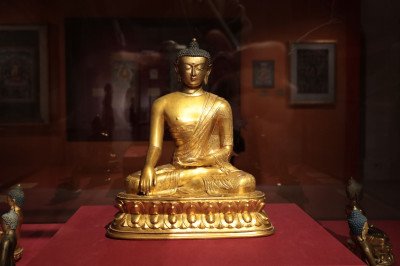
@@Detailed Overview: The Lohardaga Forest Reserve in Lohardaga is a site of immense natural beauty and ecological importance that captivates every visitor. In the month of January or February, the surroundings are particularly lush, reflecting the vibrant ecosystem of the Chota Nagpur plateau where this reserve resides. The geographical formation of this region contributes to the unique charm of the Lohardaga Forest Reserve, offering a serene escape from the urban hustle. Historically, this area has been a part of the tribal heartland, and the echoes of ancient traditions can still be felt in the air. The land here tells a story of millions of years of geological shifts, resulting in the current picturesque landscape. Visitors often find themselves lost in the rhythmic sounds of nature, whether it is the rustling of Sal leaves or the calls of wild birds. The biodiversity around the Lohardaga Forest Reserve is staggering, with various species of flora and fauna, including deer and wild boar, making it their home. The local communities often share legends about this forest, adding a layer of mystical allure to the physical beauty. It is not just a place for sightseeing but a sanctuary for those seeking peace and spiritual rejuvenation. The way the sunlight filters through the dense canopy creates a visual masterpiece that changes every hour. Explorers can spend hours trekking through the nearby paths, each turn revealing a new perspective of the Lohardaga landscape. The commitment of the local forest department to preserve this site ensures that its pristine condition remains intact for future generations. Every tree at the Lohardaga Forest Reserve has a significance that goes beyond just aesthetics, embodying the resilience of the Jharkhand region. As you walk through the area, the scent of the moist earth provides a therapeutic experience. This location stands as a testament to the raw, unadulterated power of nature.
Card image cap
Lohardaga Railway Museum

@@Detailed Overview: The Lohardaga Railway Museum in Lohardaga is a site of immense historical beauty and engineering importance that captivates every...

@@Detailed Overview: The Lohardaga Railway Museum in Lohardaga is a site of immense historical beauty and engineering importance that captivates every visitor from the moment they arrive. In the month of January or February, the weather is particularly pleasant, reflecting the heritage charm of the Chota Nagpur plateau where this town resides. The historical formation of the railway network contributes to the unique charm of the Lohardaga Railway Museum, offering a nostalgic escape into the past. Historically, this area was famous for its narrow-gauge railway line that connected Ranchi to Lohardaga, and the echoes of steam engines can still be felt in the museum's artifacts. The displays here tell a story of colonial ambition and local progress. Visitors often find themselves lost in the visual history of old locomotive engines and vintage station equipment. The collection around the Lohardaga Railway Museum is staggering, with various pieces of railway heritage making it their home. The local railway workers often share stories about the old days, adding a layer of personal allure to the physical exhibits. It is not just a place for history buffs but a sanctuary for those seeking to understand the industrial evolution of Jharkhand. The way the light reflects off the polished brass and iron creates a visual masterpiece. Explorers can spend hours looking through the old photographs, each one revealing a new perspective of the Lohardaga railway journey. The commitment of the Indian Railways to preserve this heritage ensures that the legacy remains intact for future generations. Every piece of equipment at the Lohardaga Railway Museum has a significance that goes beyond just iron and steel, embodying the resilience of the local workforce. This location stands as a testament to the power of human ingenuity.
Card image cap
Murli Hill

@@Detailed Overview: The Murli Hill in Lohardaga is a site of immense natural beauty and spiritual importance that captivates every visitor from the m...

@@Detailed Overview: The Murli Hill in Lohardaga is a site of immense natural beauty and spiritual importance that captivates every visitor from the moment they ascend its slopes. In the month of January or February, the air is crisp and clear, reflecting the high-altitude charm of the Chota Nagpur plateau. The geographical formation of this region contributes to the unique charm of Murli Hill, offering a panoramic view of the entire Lohardaga town. Historically, this hill has been a site of local religious importance, with a small temple dedicated to Lord Shiva at the top. The rocks here tell a story of ancient volcanic activity and erosion. Visitors often find themselves lost in the wide horizons and the cool breeze. The biodiversity around Murli Hill is notable, with various shrubs and hardy grasses making it their home. The local elders often share stories about the hill's role as a lookout point during historical times. It is not just a place for sightseeing but a sanctuary for those seeking a quick escape from the city streets. The way the sunset paints the sky from the top of Murli Hill creates a visual masterpiece that changes every evening. Explorers can spend an hour trekking to the summit, each step revealing more of the town's layout. The commitment of the local municipality to keep the hill clean ensures that its beauty remains for everyone to enjoy. Every path on Murli Hill has a significance, leading to different viewpoints of the bauxite-rich landscape. As you reach the peak, the fresh air provides an immediate sense of relief. This location stands as a testament to the rugged beauty of the Jharkhand hills.
Card image cap
Pappu Waterfall

Pappu Waterfall is a breathtaking natural retreat located in the serene Kisko block of Lohardaga. This waterfall is known for its crystal-clear water...

Pappu Waterfall is a breathtaking natural retreat located in the serene Kisko block of Lohardaga. This waterfall is known for its crystal-clear waters that tumble down rugged rocky formations, creating a soothing sound that resonates through the surrounding dense forests. The site offers a perfect escape from the hustle of urban life, providing visitors with a chance to reconnect with nature in its purest form. Many locals visit this spot for day trips, as the lush greenery and cool mist from the falls create a refreshing microclimate even during warmer months. The area around the falls is rich in biodiversity, featuring various species of local flora and fauna that thrive in the humid environment. Historically, the falls have been a lifeline for nearby tribal communities, providing water and a gathering space for traditional rituals. Today, it stands as a premier eco-tourism destination in the district, drawing nature lovers and photographers alike. The walk to the falls involves a light trek through wooded paths, adding an element of adventure to the visit. As the water hits the natural pool at the base, it creates a picturesque scene that is emblematic of the Chota Nagpur Plateau's rugged beauty. Visitors often spend hours simply watching the water flow, finding a sense of peace that is hard to replicate elsewhere. The waterfall's flow is most majestic during and after the monsoon, when the volume of water increases significantly, covering the rocks in a white shroud of foam.
Card image cap
Picnic Area

The Picnic Area (Badla) is a favored recreational spot for the residents of Lohardaga and neighboring districts. Nestled along the banks of a local r...
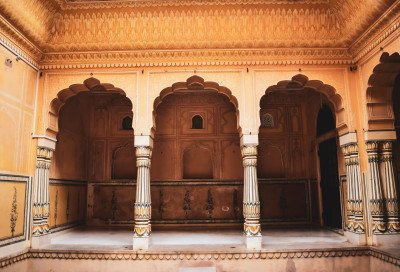
The Picnic Area (Badla) is a favored recreational spot for the residents of Lohardaga and neighboring districts. Nestled along the banks of a local river, this area provides a sprawling landscape of sandy stretches and shaded groves, making it the ultimate destination for large gatherings. During the winter months, specifically around New Year, the area transforms into a vibrant hub of activity where families set up makeshift kitchens to cook traditional meals outdoors. The sound of laughter and music fills the air as children play on the riverbanks. The natural beauty of Badla lies in its simplicity; the wide horizon, the gentle flow of the water, and the surrounding agricultural fields create a peaceful rural tableau. This spot is particularly famous for its open spaces, which allow for activities like cricket, badminton, and kite flying. The local administration has made efforts to maintain the cleanliness of the area, though it remains largely a rustic, undeveloped site that appeals to those looking for an authentic countryside experience. The sunsets at Badla are particularly famous, casting a golden hue over the water that attracts amateur artists and photographers. Historically, this area has served as a communal meeting point for various village festivities, reinforcing the social fabric of the region. Visitors often bring their own supplies, including wood for cooking, as part of the traditional picnic culture prevalent in Jharkhand. The proximity to the town makes it an easy getaway for a few hours of relaxation without the need for extensive travel planning.
Card image cap
Pithauri Fort Ruins

The Pithauri Fort Ruins represent a significant piece of the historical puzzle of the Lohardaga region. These ruins are the remains of an ancient str...

The Pithauri Fort Ruins represent a significant piece of the historical puzzle of the Lohardaga region. These ruins are the remains of an ancient stronghold that once guarded the local chieftains and their territories against northern incursions. While much of the structure has succumbed to the ravages of time and the encroaching forest, the foundations and some stone walls still stand as a testament to the architectural prowess of the bygone era. The site is shrouded in local legends, with stories of hidden treasures and secret tunnels that supposedly connect the fort to other distant locations in the district. Walking through the ruins, one can sense the strategic importance the fort once held, perched as it is on a slight elevation to provide a clear view of the surrounding plains. The masonry work, though crumbling, shows the use of local stone and traditional lime-mortar techniques. This site is a must-visit for history buffs and archaeology enthusiasts who wish to explore the lesser-known heritage of Jharkhand. The quiet atmosphere of the village of Pithauri adds to the mystical charm of the ruins, making it a place of deep contemplation. Over the years, the site has become a spot for local picnics, but its primary value remains historical. Efforts by local historians are ongoing to document the specific dynasty that built this fort, with many pointing towards the Chero or Nagvanshi rulers who were prominent in this region. The ruins are currently unprotected, giving them a raw, "undiscovered" feel that appeals to modern-day explorers.
Card image cap
Ram Sarovar Jingi

Ram Sarovar Jingi is a prominent religious and natural site centered around a vast, ancient water reservoir. According to local belief, the Sarovar (...

Ram Sarovar Jingi is a prominent religious and natural site centered around a vast, ancient water reservoir. According to local belief, the Sarovar (lake) has a spiritual connection to the era of the Ramayana, which gives it its name. The lake is vast and surrounded by stepped embankments that allow pilgrims and visitors to reach the water easily. It is not just a religious site but also a vital ecological asset for the Jingi area, supporting local agriculture and providing a habitat for various aquatic species. The atmosphere here is one of deep tranquility, with the reflections of the sky and surrounding trees shimmering on the water's surface. A small temple dedicated to Lord Ram stands near the banks, where daily prayers are offered. During major Hindu festivals, the Sarovar becomes a site of intense activity, with hundreds of devotees coming to take a holy dip. The architecture of the embankments suggests that the reservoir was constructed or renovated during the medieval period to serve both spiritual and practical needs. The site is also a great spot for nature lovers, as the large body of water attracts migratory birds during the winter months. Visitors often find themselves sitting by the water for hours, enjoying the cool breeze and the rhythmic sound of small waves lapping against the stone steps. The community around Jingi takes great pride in the Sarovar and has worked to keep the water clean and the surroundings peaceful. It represents the perfect harmony between faith and nature that is so characteristic of rural Jharkhand.
Card image cap
Salaiya Dam

Salaiya Dam is one of the most significant engineering and tourism landmarks in the Lohardaga district. Built primarily for irrigation purposes, the ...

Salaiya Dam is one of the most significant engineering and tourism landmarks in the Lohardaga district. Built primarily for irrigation purposes, the dam has evolved into a popular tourist destination due to the massive expanse of blue water it creates, framed by the undulating hills of the plateau. The dam site offers a grand view of the surrounding landscape, providing a sense of vastness that is rare in the region. During the monsoon, the spillways of the dam become a spectacular sight as excess water gushes out, creating a thunderous sound and a mist that covers the area. The reservoir itself is quite deep and serves as a major source of fish for the local markets. For tourists, the dam offers a perfect spot for photography, picnicking, and light trekking along the embankments. The government has developed some basic infrastructure around the dam to facilitate visitors, including seating areas and paved paths. The area is particularly quiet, making it an ideal spot for those looking to avoid the more crowded picnic spots like Badla. The road leading to the dam passes through beautiful tribal villages and mustard fields, offering a glimpse into the rural life of Jharkhand. In the winter, the dam attracts a variety of waterfowl, making it a seasonal hotspot for bird enthusiasts. The sheer scale of the dam structure itself is an attraction, showcasing the efforts made to harness the water resources of the hilly terrain. Whether you are interested in the technical aspects of the dam or simply want to enjoy a quiet afternoon by the water, Salaiya Dam offers a multifaceted experience.
Card image cap
Senha Devi Mandir

The Senha Devi Mandir is a revered religious sanctuary situated in the Senha block of the Lohardaga district. This temple is dedicated to Goddess Dur...

The Senha Devi Mandir is a revered religious sanctuary situated in the Senha block of the Lohardaga district. This temple is dedicated to Goddess Durga and serves as a vital spiritual hub for the local tribal and non-tribal populations alike. The atmosphere around the temple is profoundly serene, characterized by the rustling of ancient trees and the distant sound of temple bells. For decades, the temple has been a pillar of faith, where devotees congregate to seek blessings for prosperity and protection. The temple complex is well-maintained, offering a peaceful retreat from the hustle of city life. Local legends suggest that the deity is incredibly powerful, and many believe that sincere prayers here never go unanswered. The temple's significance is deeply intertwined with the cultural fabric of Jharkhand, showcasing a blend of traditional Hindu rituals and local customs. Visitors often find themselves immersed in a sense of tranquility as they walk through the gates. The surrounding village of Senha provides a rustic backdrop, making the visit a complete cultural experience. Whether you are a spiritual seeker or a lover of heritage, this temple offers a profound connection to the divine and the history of the region.
Card image cap
South Koel River

The South Koel River at Chitri is one of the most picturesque natural landscapes in the Lohardaga district. Originating from the Lawapani waterfalls,...
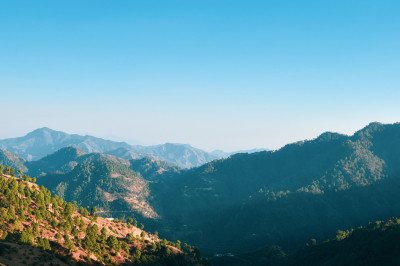
The South Koel River at Chitri is one of the most picturesque natural landscapes in the Lohardaga district. Originating from the Lawapani waterfalls, the river meanders through the heart of the Chota Nagpur plateau, providing a lifeline to the surrounding flora and fauna. At the Chitri stretch, the river is known for its crystal-clear waters and its wide, sandy banks that serve as a perfect picnic spot for locals and tourists. The surrounding topography is a mix of dense forests and small tribal hamlets, offering a glimpse into the pristine wilderness of Jharkhand. The river plays a crucial role in the local ecology and is often the subject of tribal songs and folklore. Visitors can spend hours sitting by the banks, watching the water flow over smooth river rocks. The area is particularly quiet, making it an excellent destination for those looking to escape the noise of urban environments. During the winter months, the water level is ideal for wading and shallow bathing. The riverbed at Chitri is also a great place for birdwatching, as many migratory and local species frequent the water's edge. The geological formations along the banks tell a story of millions of years of erosion and natural beauty. For photography enthusiasts, the play of light on the water during dawn and dusk offers endless opportunities to capture the essence of rural Jharkhand.
Card image cap
Uper Hisri Hills

Uper Hisri Hills represents the rugged and adventurous side of Lohardaga. Part of the larger Chota Nagpur plateau range, these hills are a trekker's ...

Uper Hisri Hills represents the rugged and adventurous side of Lohardaga. Part of the larger Chota Nagpur plateau range, these hills are a trekker's paradise and a nature lover's dream. The ascent to the top of the hills provides a panoramic view of the entire Lohardaga district, characterized by its mosaic of green forests, red soil, and winding river paths. The hills are rich in minerals, particularly bauxite, which gives the soil a unique reddish-brown hue. The climb is moderate, making it accessible to most healthy individuals who have a spirit for adventure. At the summit, the air is noticeably cooler and fresher, providing a respite from the humidity of the valleys below. The plateau atop the hills is dotted with hardy shrubs and wild flowers that bloom in vibrant colors after the monsoon season. Historically, these hills have served as natural lookout points and have deep spiritual significance for the local tribes who consider the hills as the abode of their protective spirits. A visit to Uper Hisri Hills is not just about the physical climb; it is an immersive experience in the wild landscape of eastern India. The silence at the top is only broken by the whistling wind and the calls of eagles soaring overhead. It is a place where one can truly feel the scale and beauty of nature in its most raw form.
Show All

Note:-

Information provided here in good Faith and for reference only.

All information and pictures will be updated soon, please keep visiting.

Near Places
...
Bokaro

Some quick example text to build on the card title and make up the bulk of the card's content.

Go somewhere
...
Chaibasa

Some quick example text to build on the card title and make up the bulk of the card's content.

Go somewhere
...
Chatra

Some quick example text to build on the card title and make up the bulk of the card's content.

Go somewhere
...
Chirkunda

Some quick example text to build on the card title and make up the bulk of the card's content.

Go somewhere
...
Daltonganj

Some quick example text to build on the card title and make up the bulk of the card's content.

Go somewhere

...
Deoghar

Some quick example text to build on the card title and make up the bulk of the card's content.

Go somewhere
...
Dhanbad

Some quick example text to build on the card title and make up the bulk of the card's content.

Go somewhere
...
Dumka

Some quick example text to build on the card title and make up the bulk of the card's content.

Go somewhere
...
Garhwa

Some quick example text to build on the card title and make up the bulk of the card's content.

Go somewhere
...
Ghatsila

Some quick example text to build on the card title and make up the bulk of the card's content.

Go somewhere
in Other Cities